Safari Photography — How to Take Incredible Wildlife Photos
An African safari is a once-in-a-lifetime photography opportunity. Lions at sunrise, elephants at watering holes, dramatic African skies — but getting the shot requires preparation. Here's how to capture professional-quality safari images, whether you're using a DSLR or a smartphone.
Camera Settings for Safari
The Golden Rules
- Shutter speed: 1/500s minimum for stationary animals, 1/1000s+ for action (running, flying)
- Aperture: f/5.6-f/8 for sharp wildlife portraits. Open wider (f/2.8-f/4) in low light
- ISO: Don't be afraid of high ISO. Modern cameras handle ISO 3200-6400 well. A sharp image at ISO 6400 beats a blurry image at ISO 200
- Shooting mode: Aperture Priority (Av/A) for most situations. Switch to Shutter Priority (Tv/S) for action
- Focus mode: Continuous/AI Servo (AF-C) — animals move unpredictably
- Burst mode: Always on. Shoot 5-10 frames and pick the best one
Best Lenses for Safari
- 100-400mm or 200-600mm zoom — the most versatile safari lens. Covers everything from elephants at 20m to birds at 100m
- 70-200mm f/2.8 — excellent for close encounters and low-light conditions
- 24-70mm or 24-105mm — for landscapes, camp scenes, and very close animals
- 1.4x teleconverter — extends reach without adding a heavy lens
Shoot 5-10 frames and pick the best one Best Lenses for Safari 100-400mm or 200-600mm zoom — the most versatile safari lens.
Smartphone Safari Photography
Modern smartphones take remarkably good safari photos. Tips:
- Use 2x or 3x optical zoom (avoid digital zoom beyond 5x — it degrades quality)
- Tap to focus on the animal's eye
- Shoot in burst mode (hold the shutter button)
- Use Portrait mode for close-up animal portraits
- Bring a clip-on telephoto lens for extra reach (R300-R600 online)
Golden Hour & Light
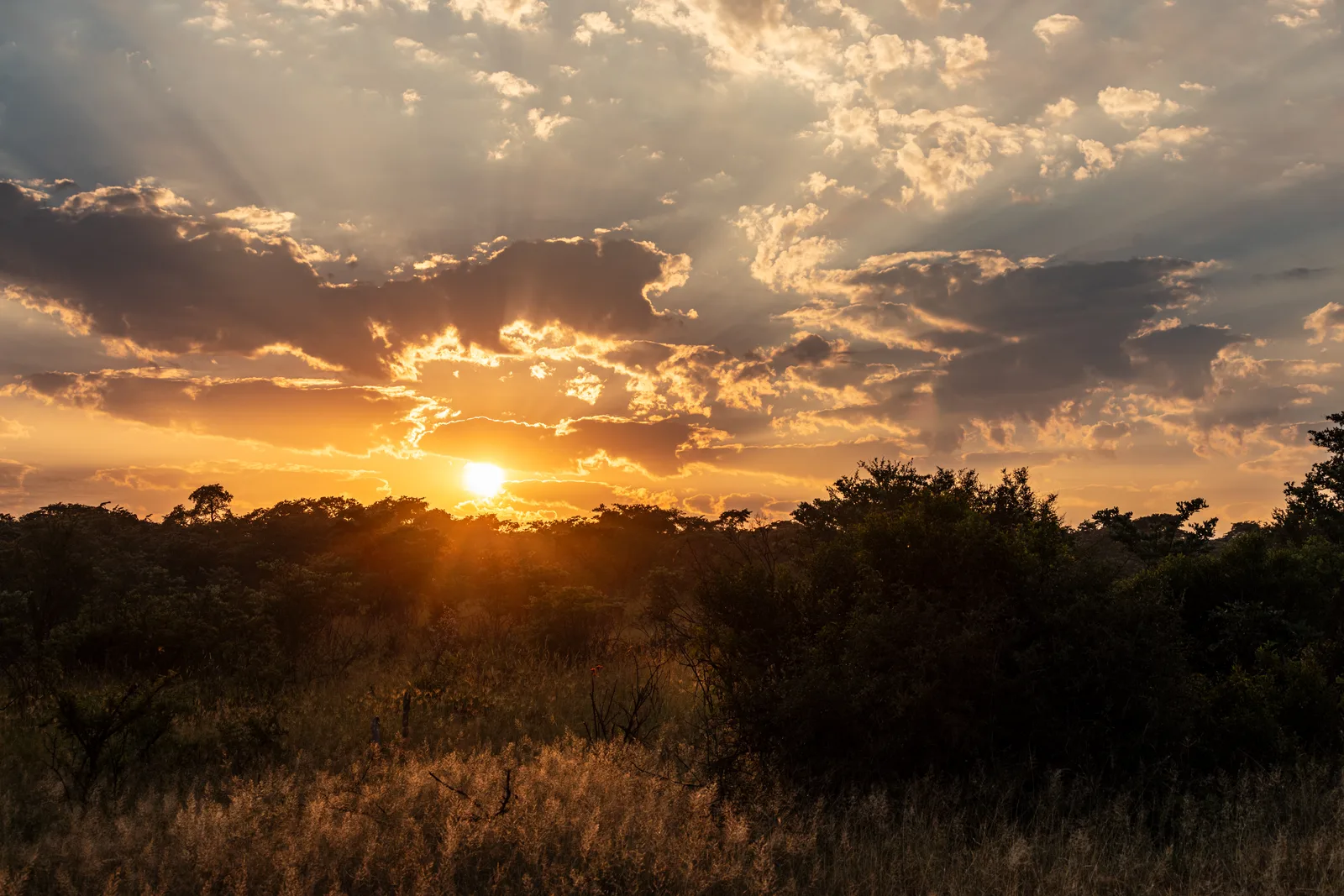
The best safari light is during golden hour — the first hour after sunrise (06:00-07:00) and the last hour before sunset (17:30-18:30). This is when the light is warm, soft, and directional. Midday light (11:00-14:00) is harsh and flat — use this time for rest, not photography.
Photographing the Big Five
- Lions — shoot at eye level (vehicles are already low). Wait for eye contact or a yawn
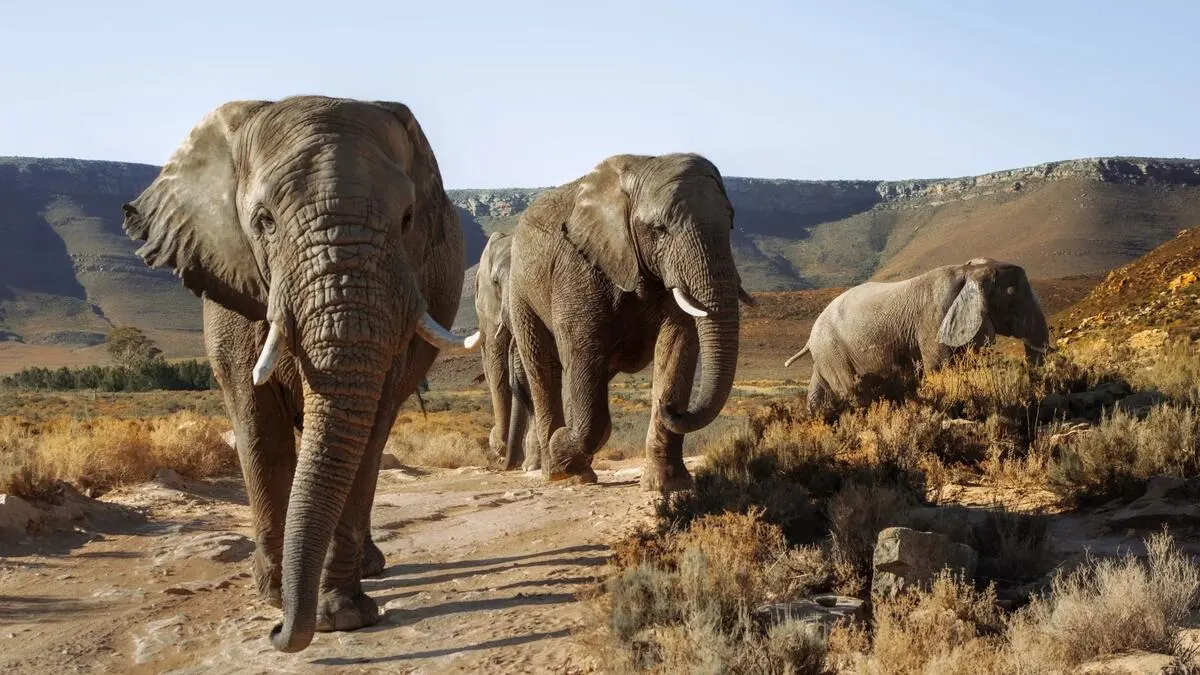
- Elephants — capture trunk detail and dust-bathing. Silhouettes against sunset are iconic
- Leopards — often in trees. Use fast shutter speed (they move quickly when they decide to)
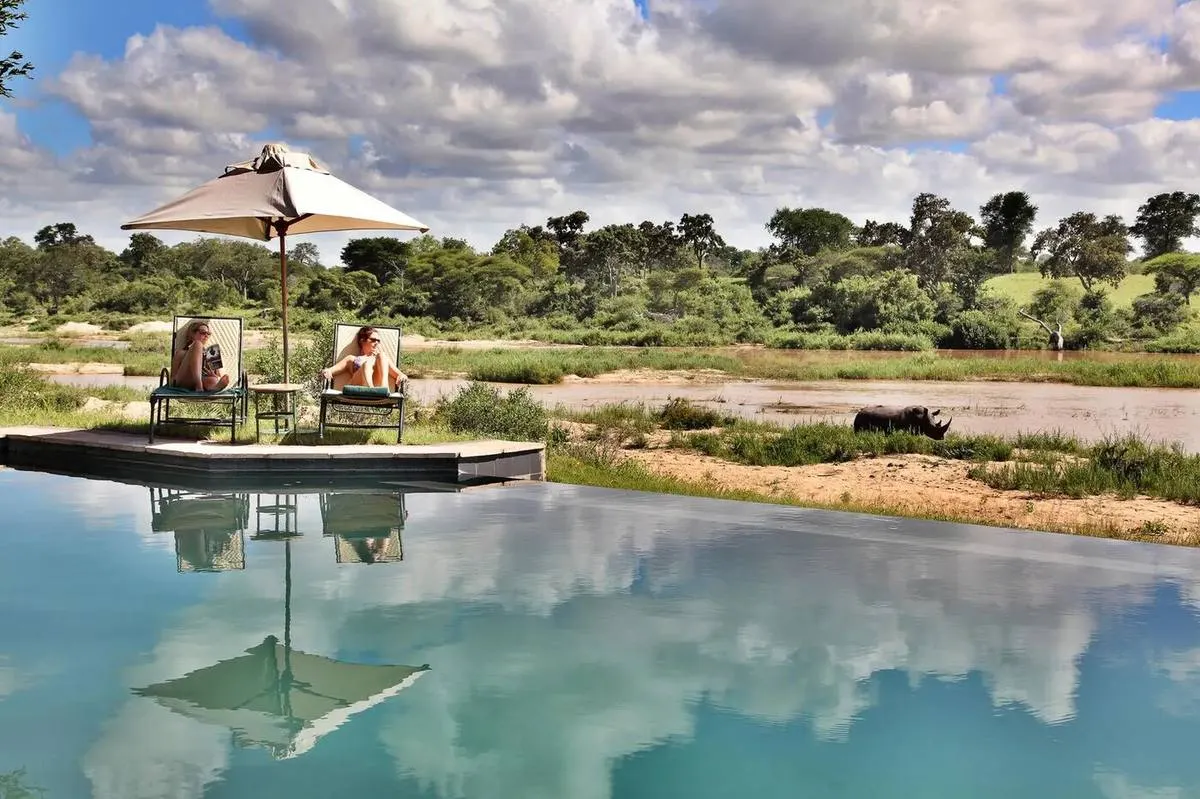
- Rhinos — often far away. You'll need 400mm+. Look for oxpecker birds on their backs
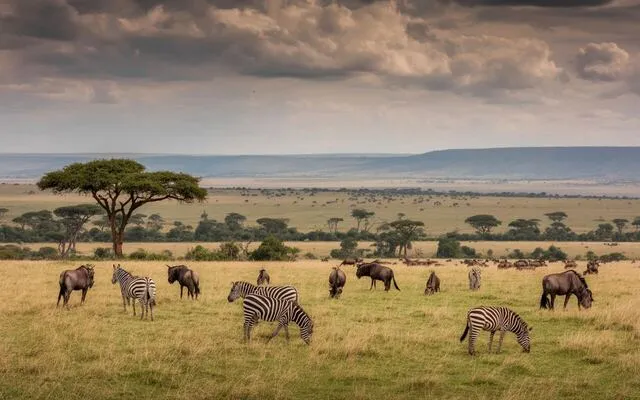
- Buffalo — dramatic in large herds. Wide-angle for herd shots, zoom for portraits
Want a dedicated photography safari? Our guides know the best light spots and can position vehicles for optimal angles. Enquire about photography-focused safaris →
Frequently Asked Questions
What camera do you need for safari photography?
A DSLR or mirrorless camera with a telephoto zoom lens (100–400mm or 200–600mm) is ideal. A 70–200mm lens works well for closer encounters and landscapes. Many photographers also bring a wide-angle lens for scenic shots and camp photos. A bean bag or monopod is more useful than a tripod in game vehicles.
What are the best camera settings for safari?
Start with Aperture Priority (Av/A) mode, f/5.6–f/8 for sharp wildlife portraits. Use Auto ISO with a maximum of 6400–12800 for low light. Set continuous autofocus (AI-Servo/AF-C) and high-speed burst mode. Shoot in RAW for maximum editing flexibility. Adjust shutter speed to 1/500s minimum for moving animals.
Which safari destination is best for photography?
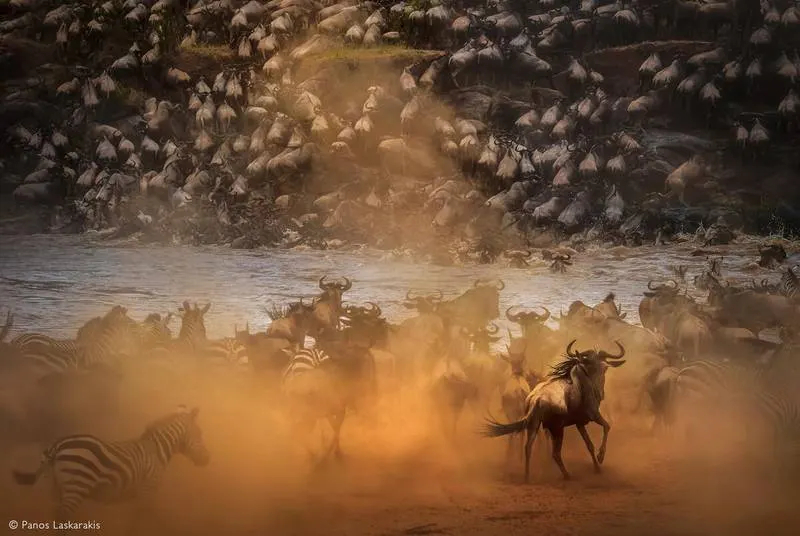
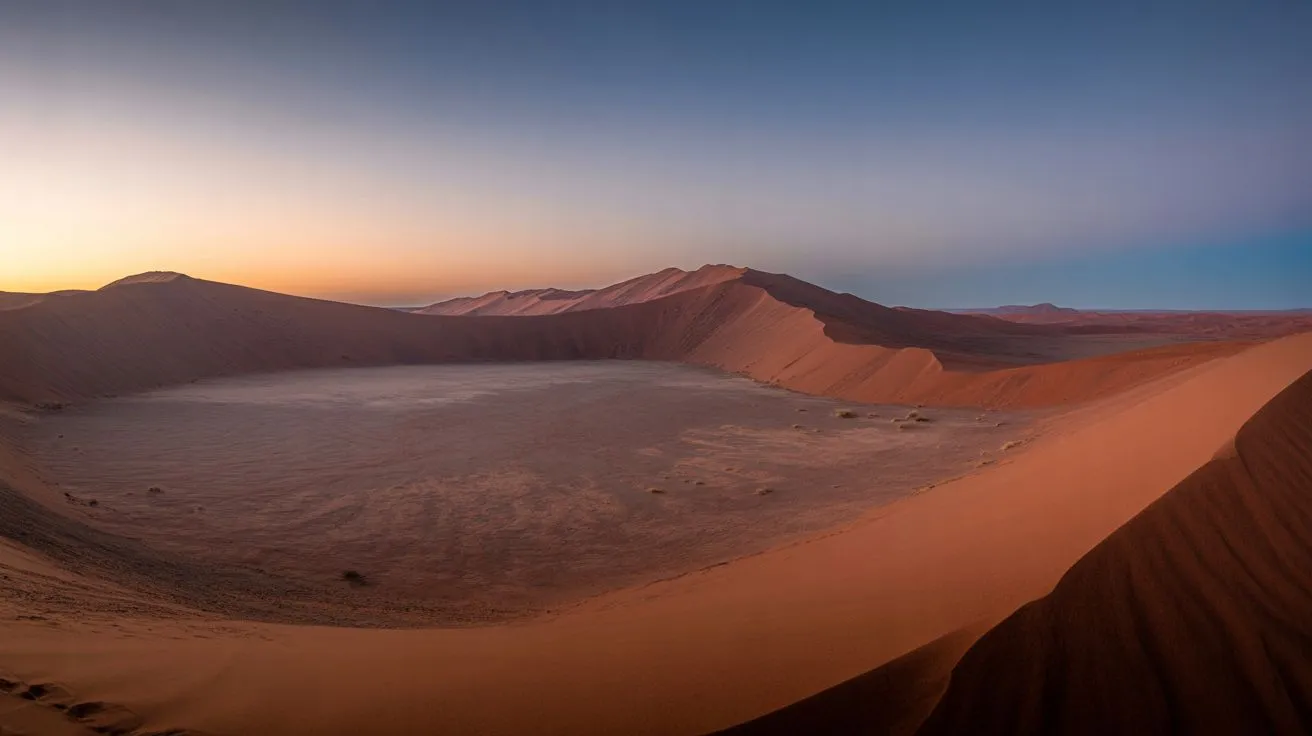
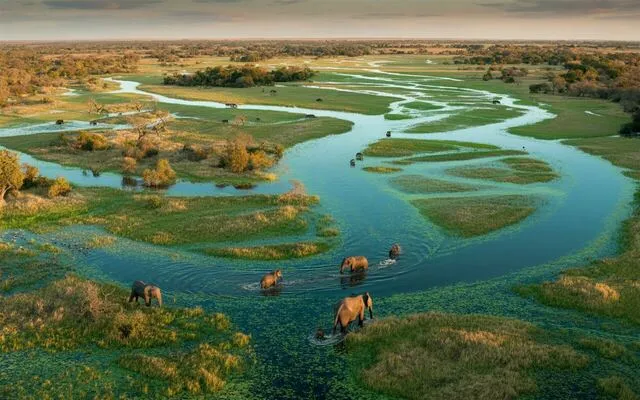
The Sabi Sands (South Africa) is unbeatable for close-up Big Five encounters on open vehicles. The Masai Mara (Kenya) offers dramatic migration crossings. The Okavango Delta (Botswana) provides unique water-based scenes. Namibia's Sossusvlei has the most photogenic desert landscapes in Africa.
When is the best light for safari photography?
The "golden hours" — the first 1–2 hours after sunrise and the last 1–2 hours before sunset — offer the most magical, warm light. This is when most game drives take place. Overcast days can also produce beautiful, even lighting for wildlife portraits without harsh shadows.
How many memory cards should I bring on safari?
Bring more than you think you'll need! A serious photographer can shoot 500–2,000 images per day on safari. We recommend at least 128GB of card space per day, plus a backup storage device. Bring multiple smaller cards (64GB) rather than one large one, in case of card failure.
Ready to start planning? Our safari experts have personally visited every destination mentioned in this guide. Get a free, no-obligation quote tailored to your travel style and budget. Use code INGWE10 for 10% off selected packages.
Tours & Safaris You'll Love
Handpicked by our team based on what you're reading. Book direct for the best price — guaranteed.
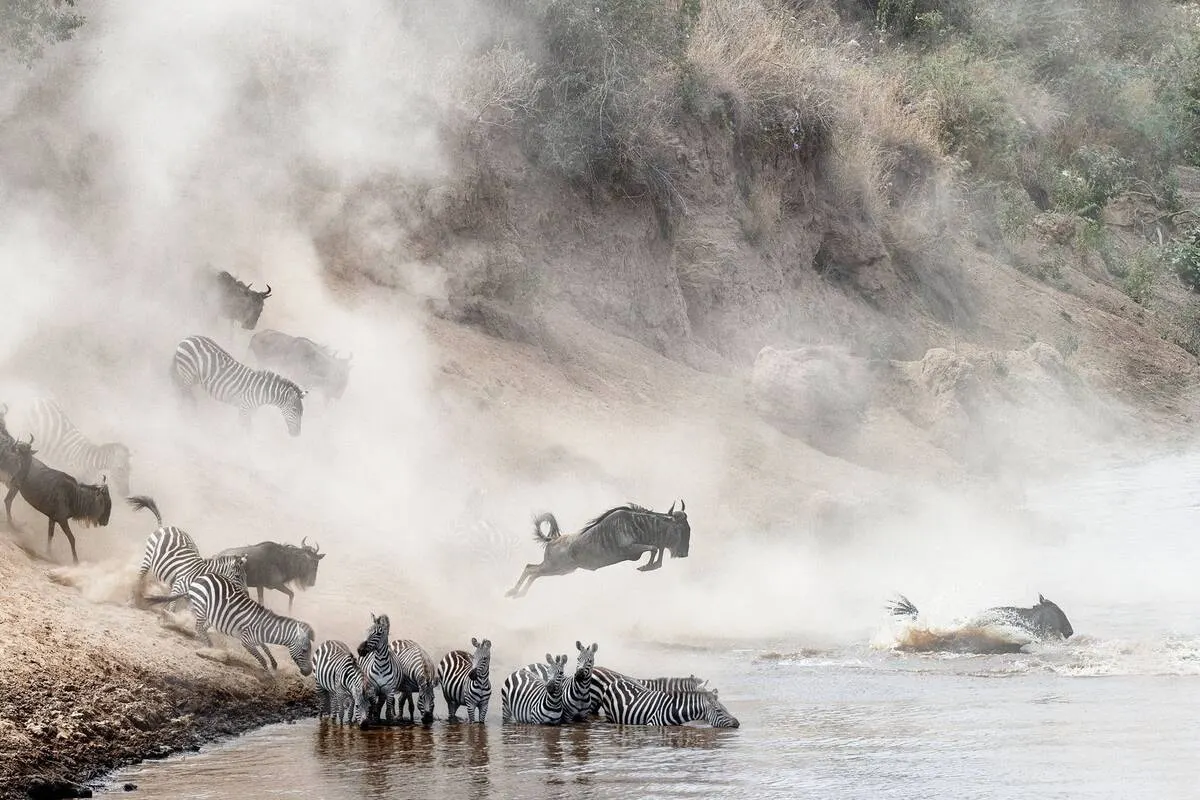
Serengeti Great Migration River Crossing — Mara River Safari
Witness the world's greatest wildlife spectacle — wildebeest crossing the Mara
per person • Best price direct
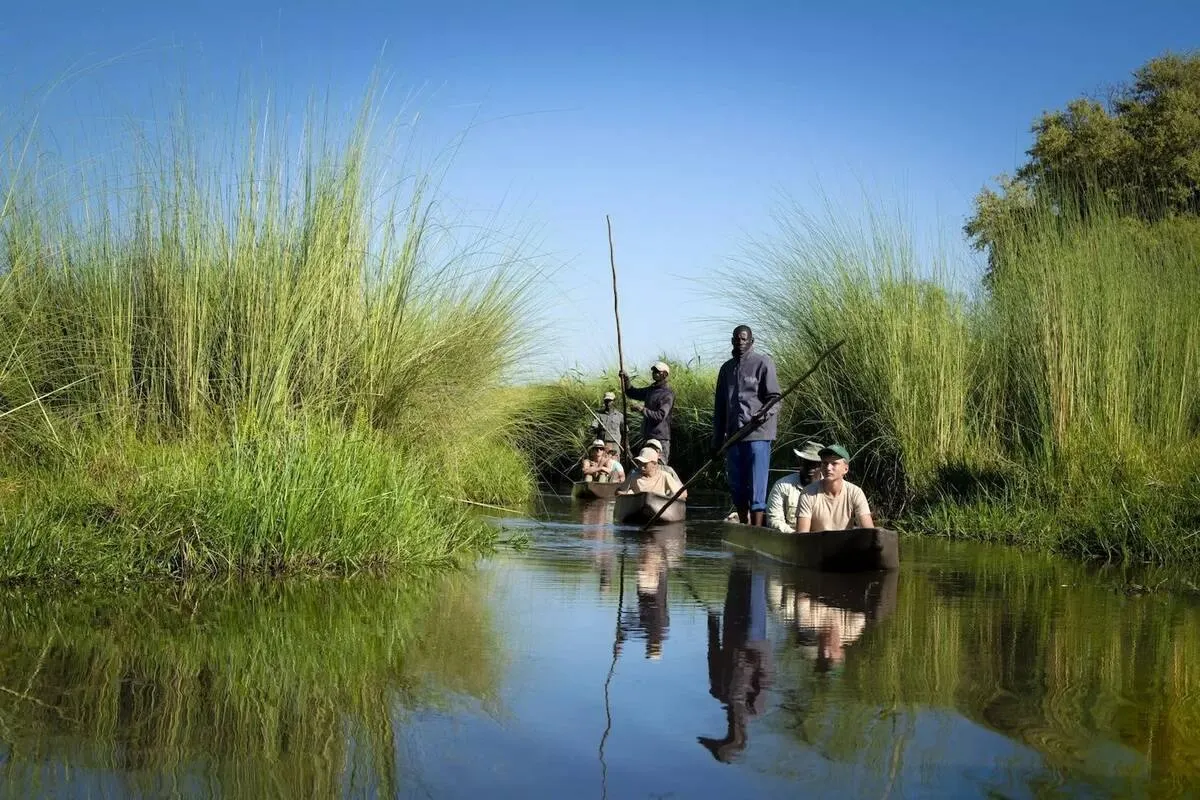
Okavango Luxury Fly-In Wilderness Camp — 5-Star Under Canvas
The world's most exclusive tented camp — deep in the delta
per person • Best price direct
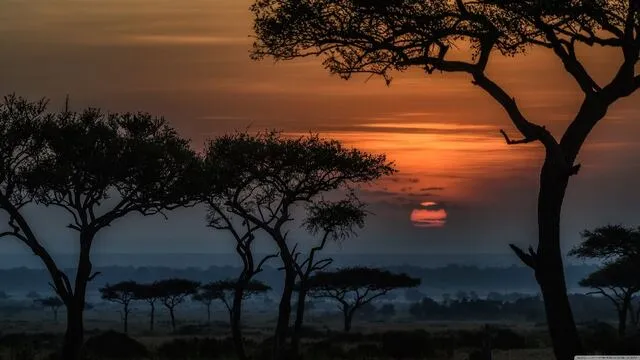
Masai Mara Great Migration Safari — River Crossing Season
Witness nature's greatest spectacle — millions of wildebeest crossing the Mara River
per person • Best price direct
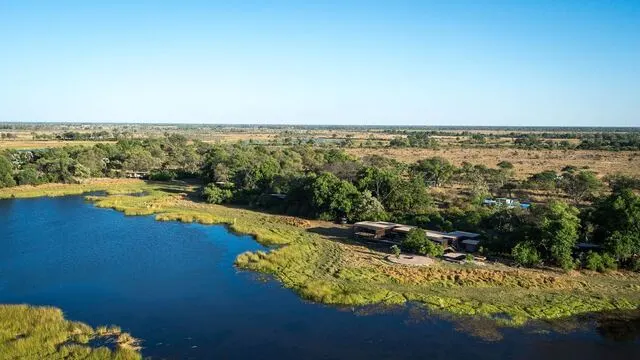
Okavango Delta Fly-In Safari — Luxury Bush Camp
The world's most exclusive safari destination from above and within
per person • Best price direct
Why book with middlemen? Same tours, lower prices, direct support from our team.
Get a Free Custom Quote