What to Pack for an African Safari
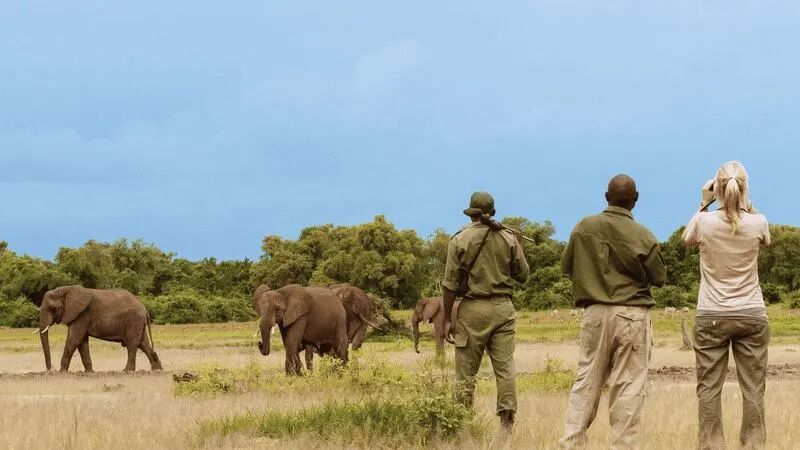
Packing for safari is different from any other trip. You need neutral colours (no white, no bright colours), layers (mornings are freezing, afternoons are hot), and minimal luggage (bush flights have strict weight limits). Here's everything you need — and nothing you don't.
Clothing — The Safari Wardrobe
Must-Have
- 3-4 neutral-coloured shirts — khaki, olive, tan, brown (no white, black, or bright colours)
- 2 pairs of lightweight trousers — zip-off convertible trousers are ideal
- 1 warm fleece or softshell jacket — morning game drives at 05:30 are cold, even in summer
- 1 warm beanie & buff/scarf — essential for open-vehicle game drives
- Comfortable walking shoes — closed-toe for bush walks (not sandals)
- Wide-brimmed sun hat — the African sun is intense
- Swimsuit — most lodges have pools
- 1 smart-casual outfit — some luxury lodges have dress codes for dinner
Why Neutral Colours?
White attracts tsetse flies (painful bite). Black and navy absorb heat and attract mosquitoes. Bright colours can disturb wildlife. Camouflage is illegal to wear in several African countries (it's military attire). Stick to khaki, olive, and earth tones.
Camera & Electronics
- Camera with zoom lens — 200-400mm minimum for wildlife (phone zoom won't cut it)
- Spare batteries & memory cards — lodges charge devices but you'll shoot thousands of photos
- Binoculars — 8x42 or 10x42 are ideal for safari
- Power adapter — South Africa uses Type M (large 3-pin round). Universal adapter recommended.
- Headlamp/small torch — camps can be dark at night
You need neutral colours (no white, no bright colours), layers (mornings are freezing, afternoons are hot), and minimal luggage (bush flights have strict weight limits).
Bush Flight Luggage Limits
Critical: Most bush flights to safari lodges allow 15-20kg in a SOFT bag only — no hard suitcases (they don't fit in small aircraft). Pack light, pack soft, and leave extra luggage at a city hotel.
Medical & Health
- Malaria prophylaxis — required for Kruger, Serengeti, Masai Mara, Okavango (consult your doctor 4-6 weeks before travel)
- Insect repellent — DEET 30%+ or Peaceful Sleep
- Sunscreen SPF50+ — the African sun is no joke, even on overcast days
- Basic first aid kit — plasters, antihistamines, rehydration sachets
- Prescription medication — bring more than you need, pharmacies are limited in bush areas
Items Most People Forget
- Warm layers — the #1 mistake. Safari mornings are COLD.
- Lip balm with SPF — the dry bush air destroys lips
- Ziplock bags — for dust protection on game drives (camera, phone, documents)
- Cash for tips — USD or local currency, small denominations
- A good book — siesta time (12:00-15:00) between game drives is sacred
Need help planning your safari? Get a free quote from our safari experts →
Frequently Asked Questions
How far in advance should I book a safari?
We recommend booking 6–12 months in advance for peak season (June–October), especially for popular lodges. Off-season travel can often be booked 2–3 months ahead. Last-minute deals are sometimes available for shoulder seasons. The earlier you book, the better your chances of securing your preferred dates and lodges.
Do I need travel insurance for safari?
Yes — comprehensive travel insurance is essential and often required by safari lodges. Ensure your policy covers medical evacuation (important in remote bush areas), trip cancellation, luggage loss, and adventure activities. We can recommend reputable safari-specific insurance providers.
What currency should I bring?
US Dollars are widely accepted across Africa for tips, curio purchases, and park fees. South African Rand is used in SA. Most lodges accept credit cards (Visa/Mastercard preferred). Carry small denominations ($1, $5, $10) for tips and local purchases. ATMs are available in major towns.
How much should I tip on safari?
Tipping guidelines: Safari ranger/guide: $10–$20 per person per day. Tracker: $5–$10 per person per day. Lodge staff (shared tip box): $10–$20 per person per day. Transfer drivers: $5–$10 per transfer. Tips are typically given in USD or local currency at the end of your stay.
Can you help me plan a custom safari?
Absolutely — it's what we do best! Our safari specialists have personally visited every destination and lodge we recommend. Tell us your dates, budget, interests, and group size, and we'll design a tailor-made itinerary with no obligation. Start planning your dream safari today, or try our interactive safari planner.
Ready to start planning? Our safari experts have personally visited every destination mentioned in this guide. Get a free, no-obligation quote tailored to your travel style and budget. Use code INGWE10 for 10% off selected packages.
Tours & Safaris You'll Love
Handpicked by our team based on what you're reading. Book direct for the best price — guaranteed.
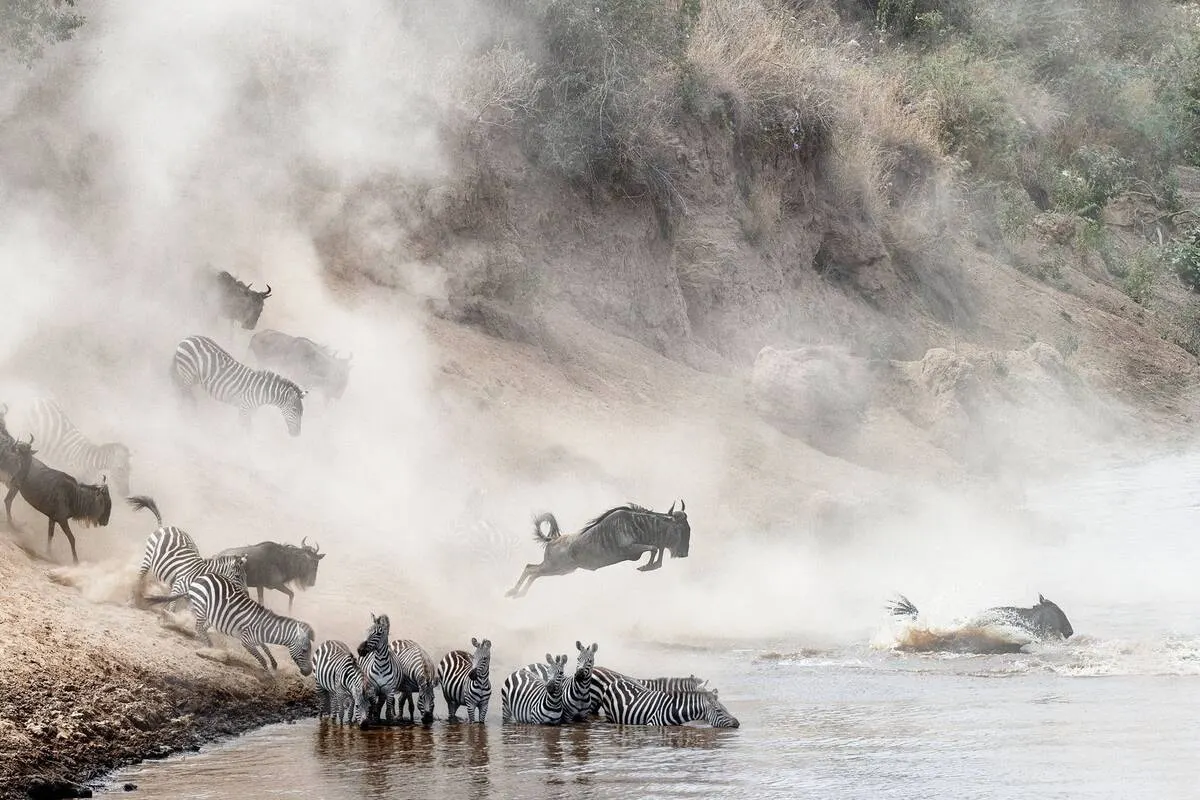
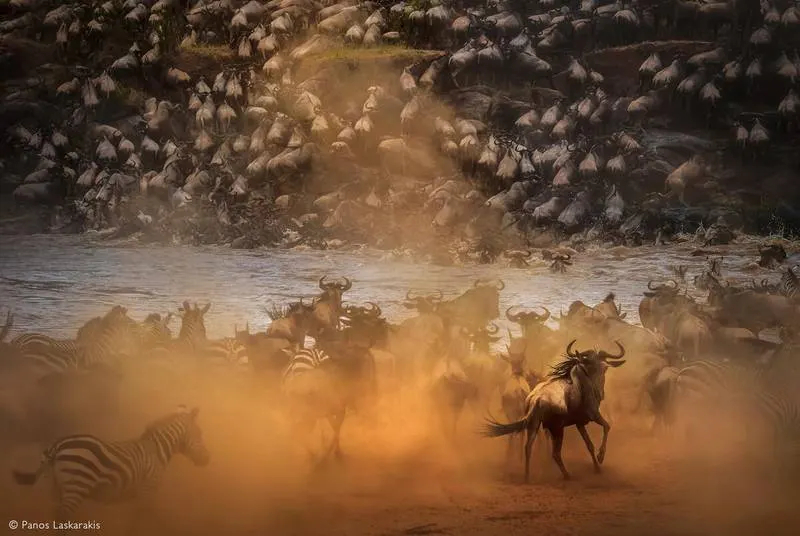
Serengeti Great Migration River Crossing — Mara River Safari
Witness the world's greatest wildlife spectacle — wildebeest crossing the Mara
per person • Best price direct
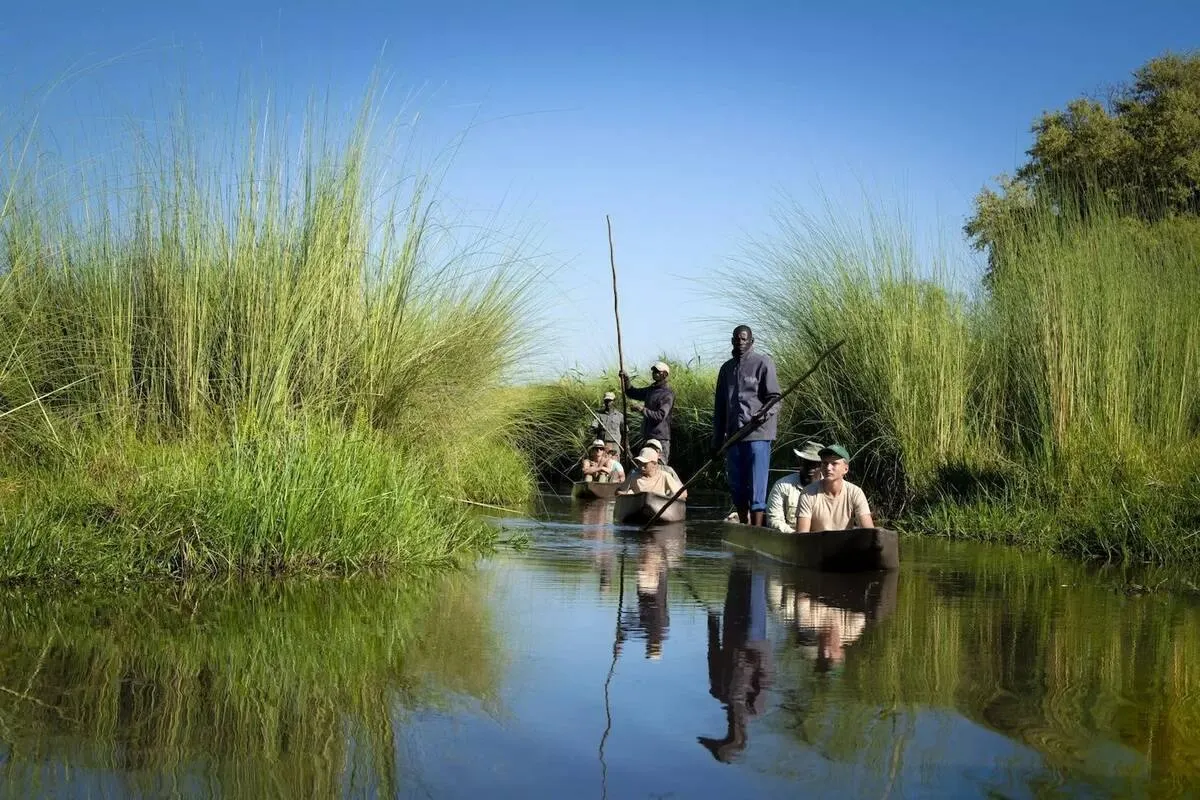
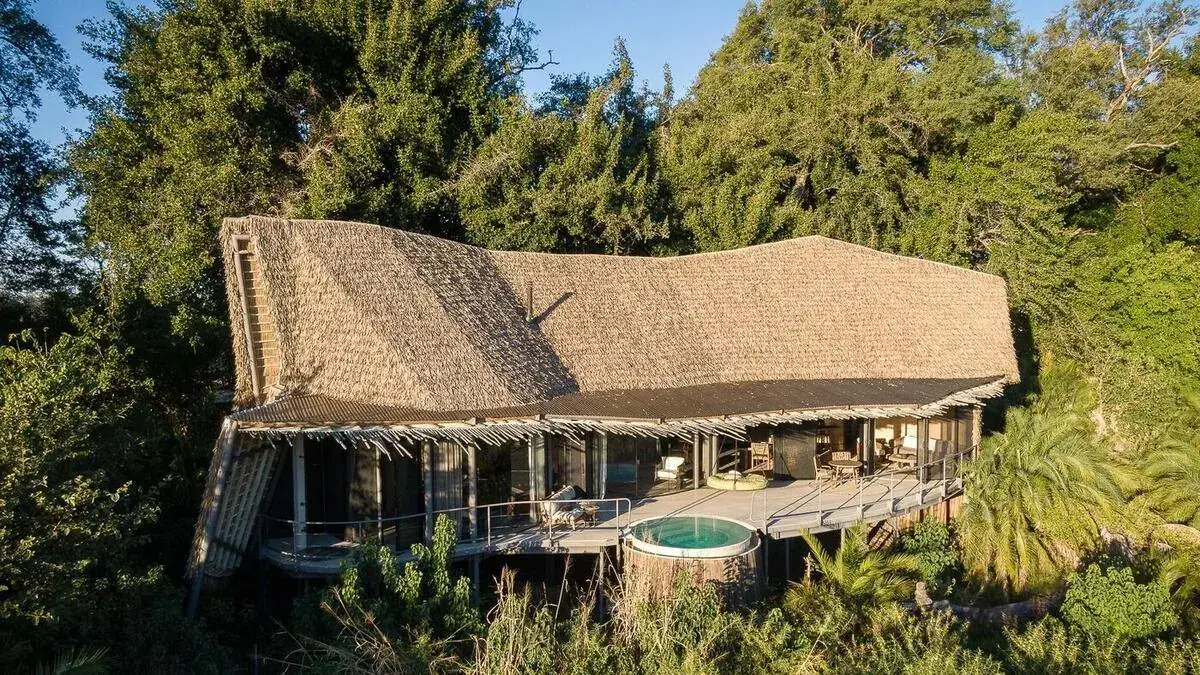
Okavango Luxury Fly-In Wilderness Camp — 5-Star Under Canvas
The world's most exclusive tented camp — deep in the delta
per person • Best price direct
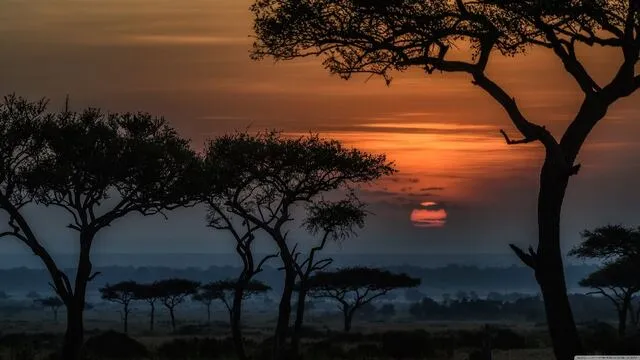
Masai Mara Great Migration Safari — River Crossing Season
Witness nature's greatest spectacle — millions of wildebeest crossing the Mara River
per person • Best price direct
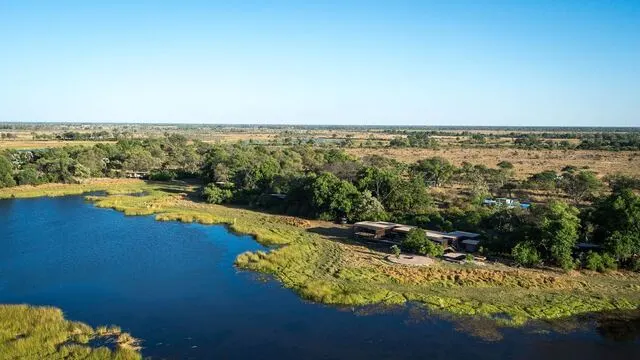
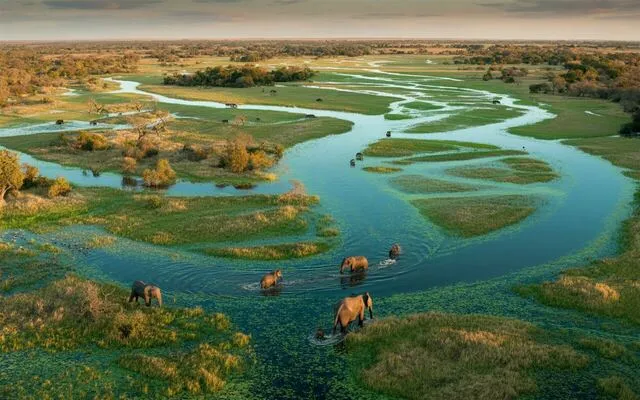
Okavango Delta Fly-In Safari — Luxury Bush Camp
The world's most exclusive safari destination from above and within
per person • Best price direct
Why book with middlemen? Same tours, lower prices, direct support from our team.
Get a Free Custom Quote