The phrase "all-inclusive" gets thrown around so loosely in safari marketing that it has almost stopped meaning anything. One operator uses it to mean three meals a day. Another means your flights, your park fees, your sundowner gin and the laundry the lodge does overnight while you sleep. Before you hand over a deposit, you deserve to know exactly which version you are buying.
We have been putting South African safaris together for years, and the questions we field most often are not about which animal you will see first. They are about money, and about the small print nobody reads until the bill arrives. So here is the honest version: what all-inclusive really covers in 2026, what it quietly does not, and how to pick a package that leaves no nasty surprises.
What "all-inclusive" should actually mean
At the reputable end of the market, an all-inclusive South African safari package covers your accommodation, every meal, your twice-daily game drives with a qualified ranger and tracker, your park or reserve conservation fees, and the soft drinks, house wines and spirits you enjoy between drives. On a proper package it also folds in your transfers between the airport and the lodge, whether that is a road shuttle from Hoedspruit or a light-aircraft hop onto a bush airstrip.
The things that sit outside the fence are usually predictable: international flights, travel insurance, premium champagnes and rare whiskies, spa treatments, curio shopping and staff gratuities. A good operator writes all of this down in plain language. If you are reading a quote and cannot tell within thirty seconds whether your flights are in or out, that is a warning sign, not a detail.
The price bands you will come across
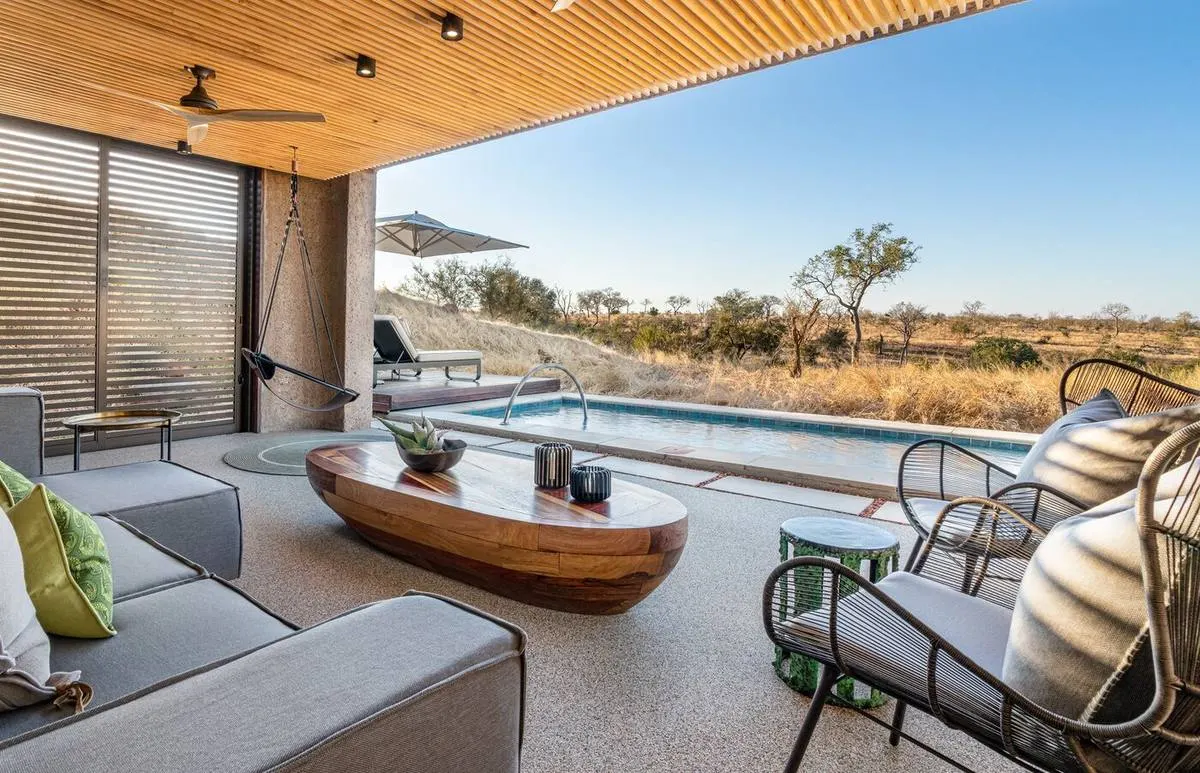
South Africa is unusual because it serves every budget without compromising the wildlife. A self-catering or guided camping safari in the Kruger region can run from roughly R4,500 to R8,000 per person for a few nights, meals and drives included. Step up to a comfortable mid-range lodge and you are looking at R1,800 to R4,000 per person per night, fully catered with drives.
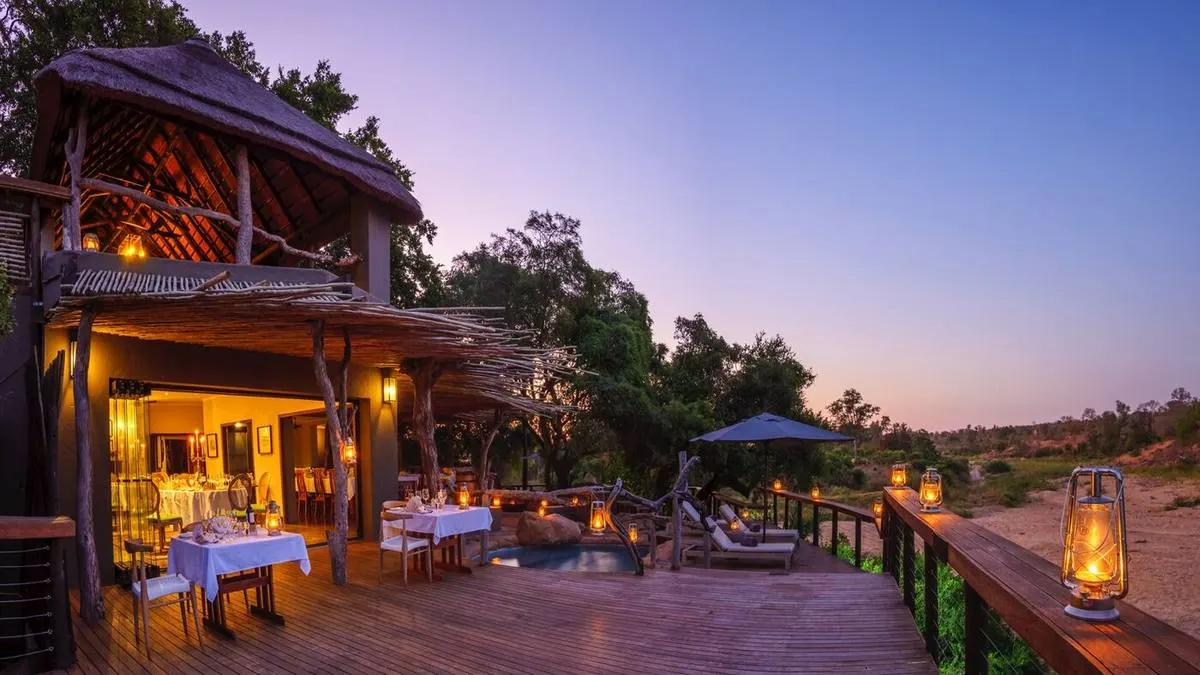
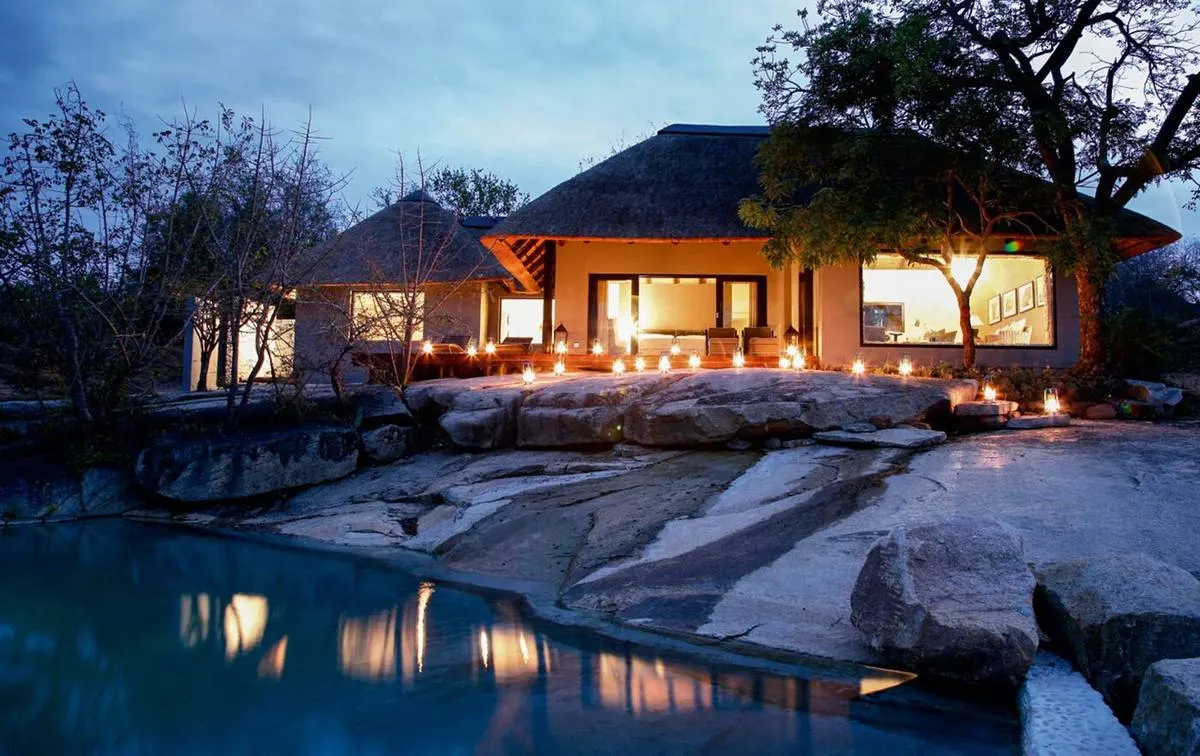
The private reserves bordering the Kruger, places like Sabi Sand and Timbavati, start around R9,000 per person per night and climb well past R25,000 at the flagship lodges. The jump buys you traversing rights off the public roads, off-road tracking, far fewer vehicles at a sighting and a level of service that spoils you for ordinary holidays. You can compare the full span on our safari packages page, where every rate is quoted the way you will actually be charged.
Another means your flights, your park fees, your sundowner gin and the laundry the lodge does overnight while you sleep.
Why the Kruger is the smart choice for all-inclusive value
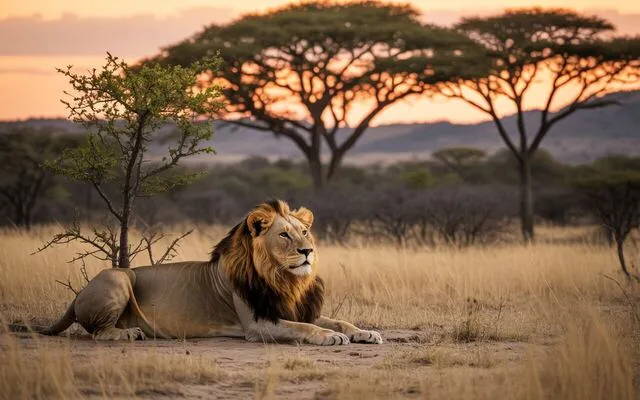
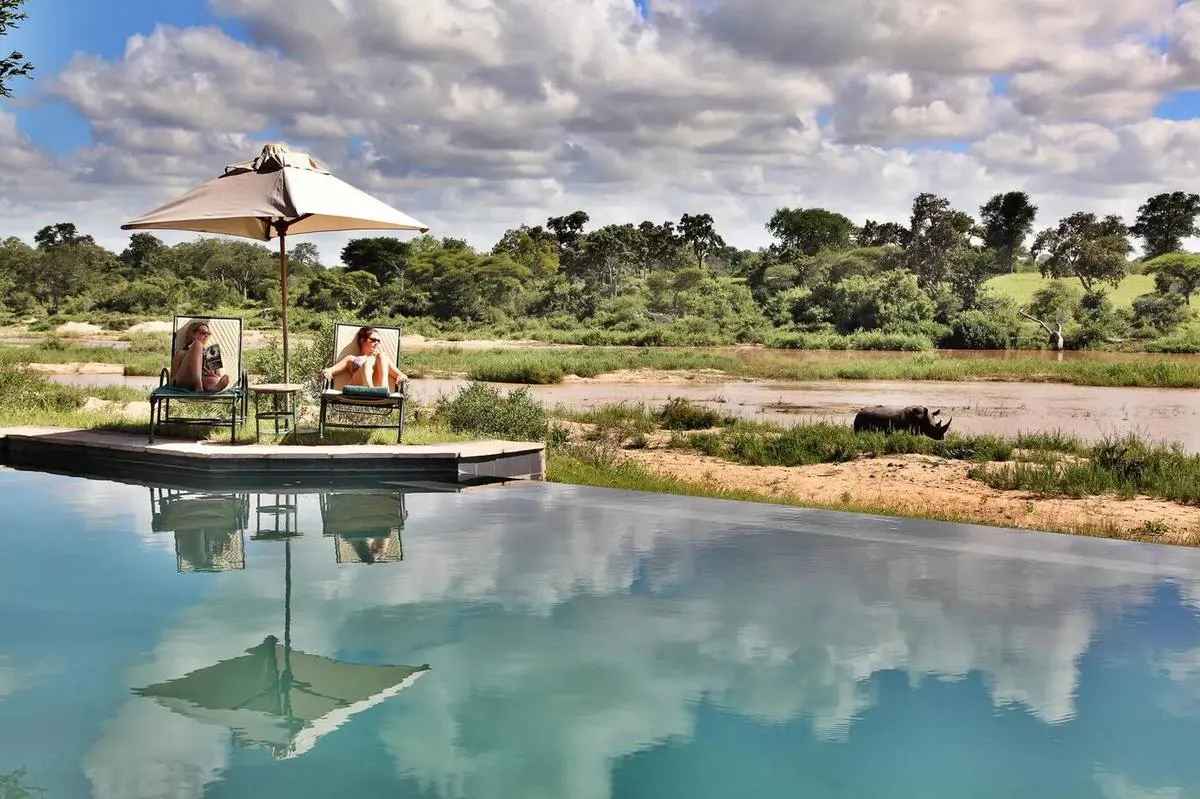
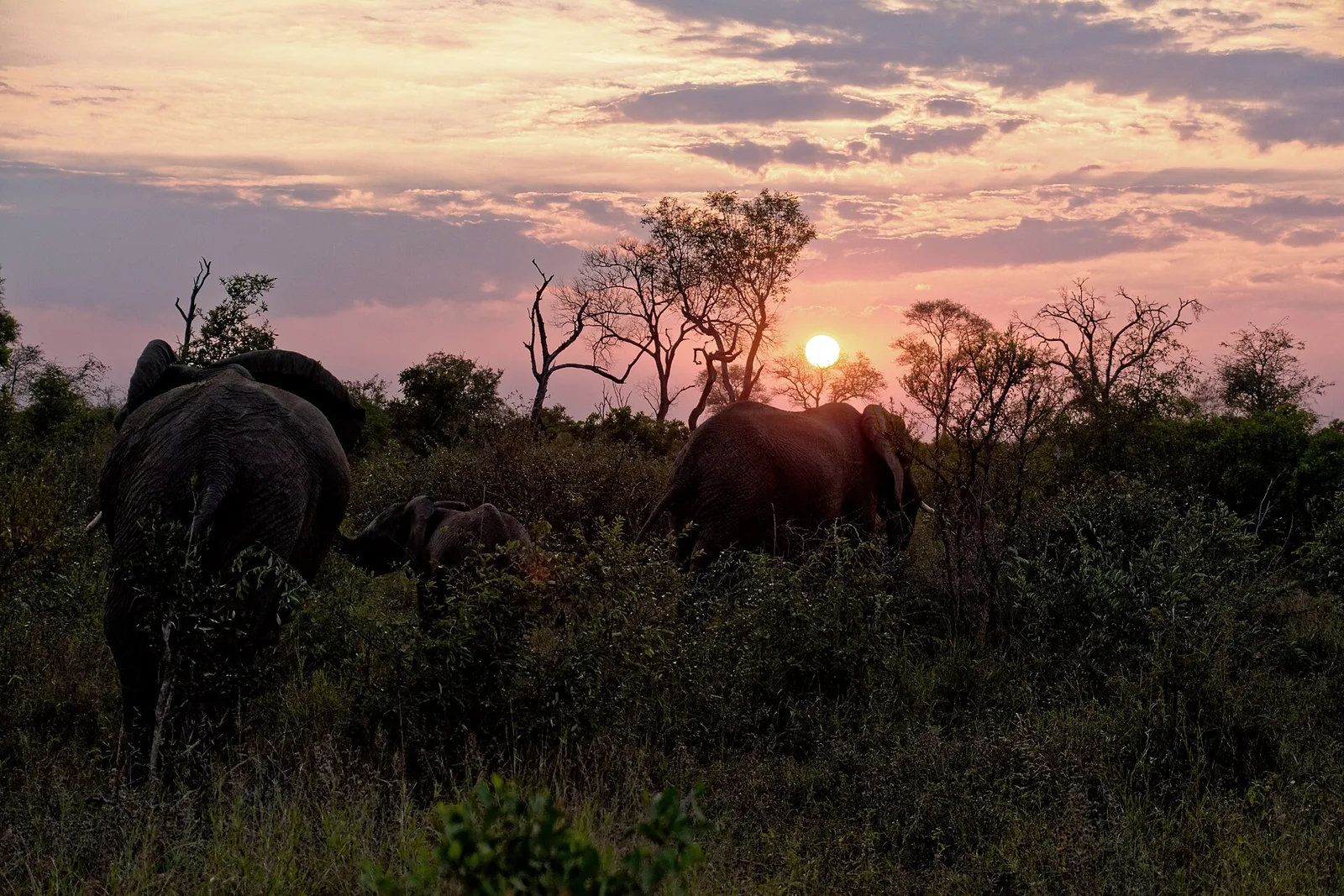
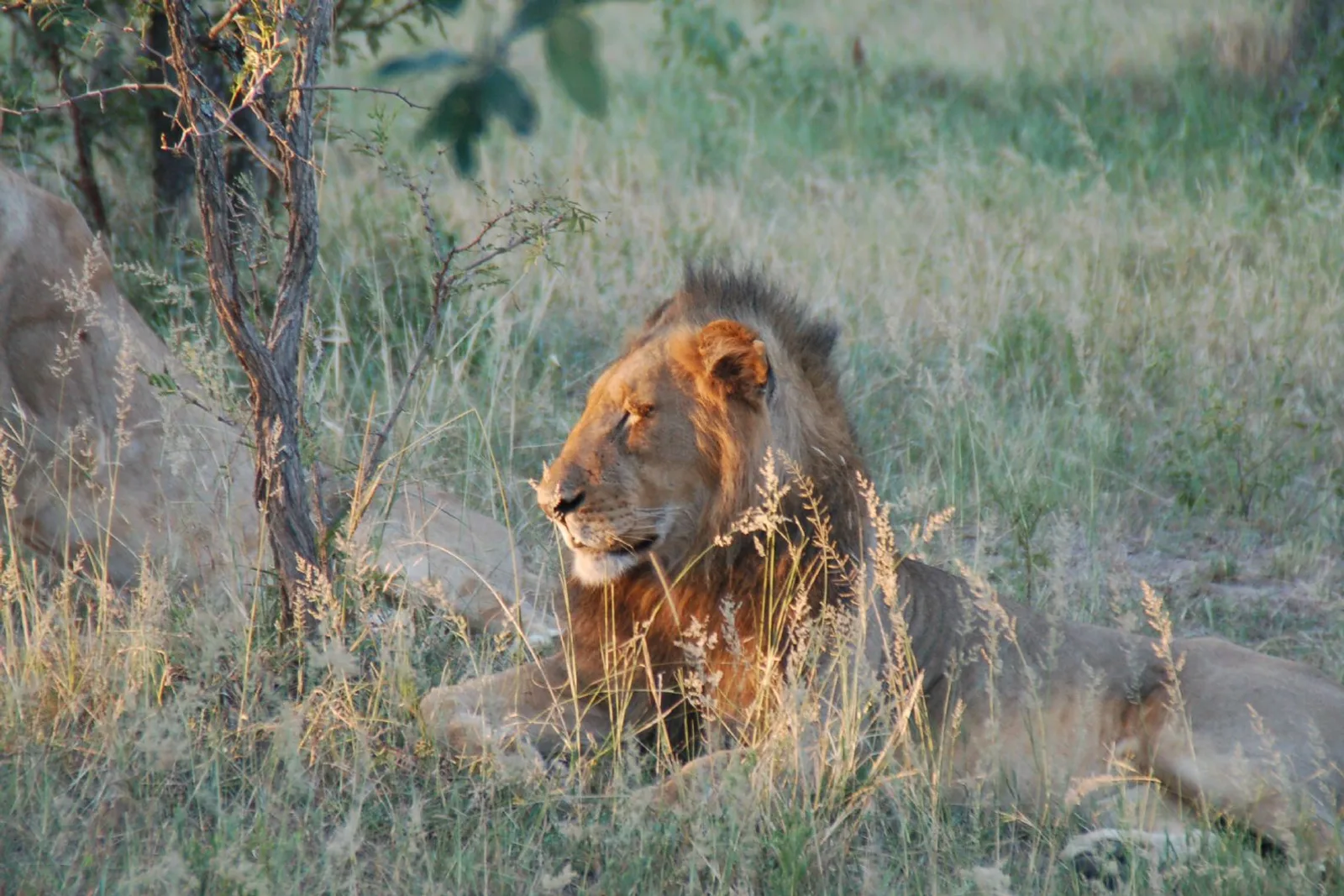
If you want the most wildlife for your money, the greater Kruger is hard to beat. It is malaria-managed, reachable by a short flight or an easy drive from Johannesburg, and the Big Five are genuinely resident rather than a lucky rarity. A four-night all-inclusive stay here gives you eight game drives, which is usually enough to see lion, elephant, buffalo, rhino and, with a little patience, leopard.
Our All-Inclusive Kruger Luxury Lodge Safari is built around exactly this logic: one lodge, no rushing, meals and drinks sorted, and a ranger who gets to know what you want to photograph. For a sense of the landscape and the seasons before you commit, the Kruger National Park guide is worth ten minutes of your time.
Combining regions without breaking the bank
Plenty of travellers assume an all-inclusive package means staying put in one spot. It does not have to. Some of the best value in the country comes from pairing a few bush nights with day trips">Cape Town and the Winelands, where your money stretches further on food and wine than almost anywhere comparable in the world. Our Classic Cape Town, Winelands & Kruger Safari bundles the drives, the tastings and the internal flights into a single quoted price, so you are not juggling separate bookings and hidden add-ons.
The trick is to let the package absorb the logistics. Once flights, transfers and park fees are inside the number, you can plan the fun parts without a calculator in your hand.
How to read a quote like a professional
When a quote lands in your inbox, check four things before anything else. First, the per-person price and whether it assumes two people sharing. Second, the drinks policy, because "house beverages" and "all beverages" are very different lines. Third, the transfer arrangement, since a surprise R3,000 road transfer can undo a careful budget. Fourth, the cancellation and deposit terms, which matter more than people admit until life intervenes.
Anything you are unsure about, ask. A trustworthy operator would far rather answer ten questions now than disappoint you on arrival. If you would like us to build a package to your exact budget and dates, you can start on our plan my safari page and we will come back with a clear, itemised quote.
Frequently Asked Questions
Do all-inclusive safari packages include flights?
International flights are almost never included and should be booked separately. Internal South African flights, such as Johannesburg to a bush airstrip, are often included on multi-region packages but not always. Always confirm which flights are inside your quoted price before you book.
How much does an all-inclusive safari in South Africa cost in 2026?
Budget and camping options start around R4,500 per person for a short trip. Mid-range lodges run roughly R1,800 to R4,000 per person per night. Private reserves such as Sabi Sand begin near R9,000 per person per night and rise from there, with meals, drives and most drinks included.
Is tipping covered in an all-inclusive package?
Gratuities for your ranger, tracker and lodge staff are almost always excluded, even on luxury packages. Budget roughly R200 to R400 per guest per day across the team, adjusted for how the service made you feel.
What is the best time of year for an all-inclusive Kruger safari?
The dry winter months from May to September offer the easiest game viewing, as thinner bush and busy waterholes concentrate the animals. The green season from November to March is lush, quieter and often cheaper, with superb birding and newborn wildlife, though sightings take a little more patience.
Can I do an all-inclusive safari with children?
Yes. Many lodges welcome families and run shorter, age-appropriate drives and junior ranger programmes. Some private reserves set a minimum age for shared vehicles, so a family-friendly package or a private vehicle is the comfortable way to travel with younger children.
Whatever your budget, the right all-inclusive package should feel like a weight lifting off your shoulders rather than a puzzle to solve. Tell us your dates, your numbers and what you most want to see, and we will send you an honest, fully costed plan. The bush is ready when you are.
Tours & Safaris You'll Love
Handpicked by our team based on what you're reading. Book direct for the best price — guaranteed.
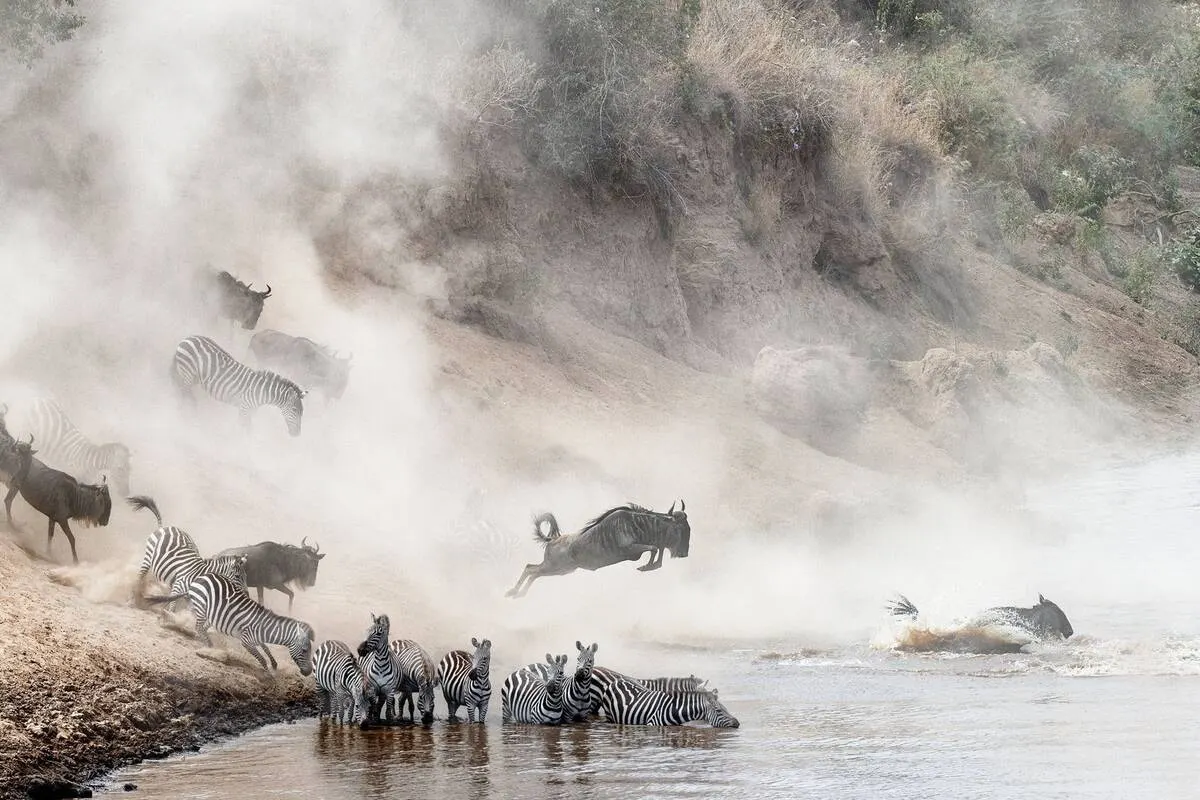
Serengeti Great Migration River Crossing — Mara River Safari
Witness the world's greatest wildlife spectacle — wildebeest crossing the Mara
per person • Best price direct
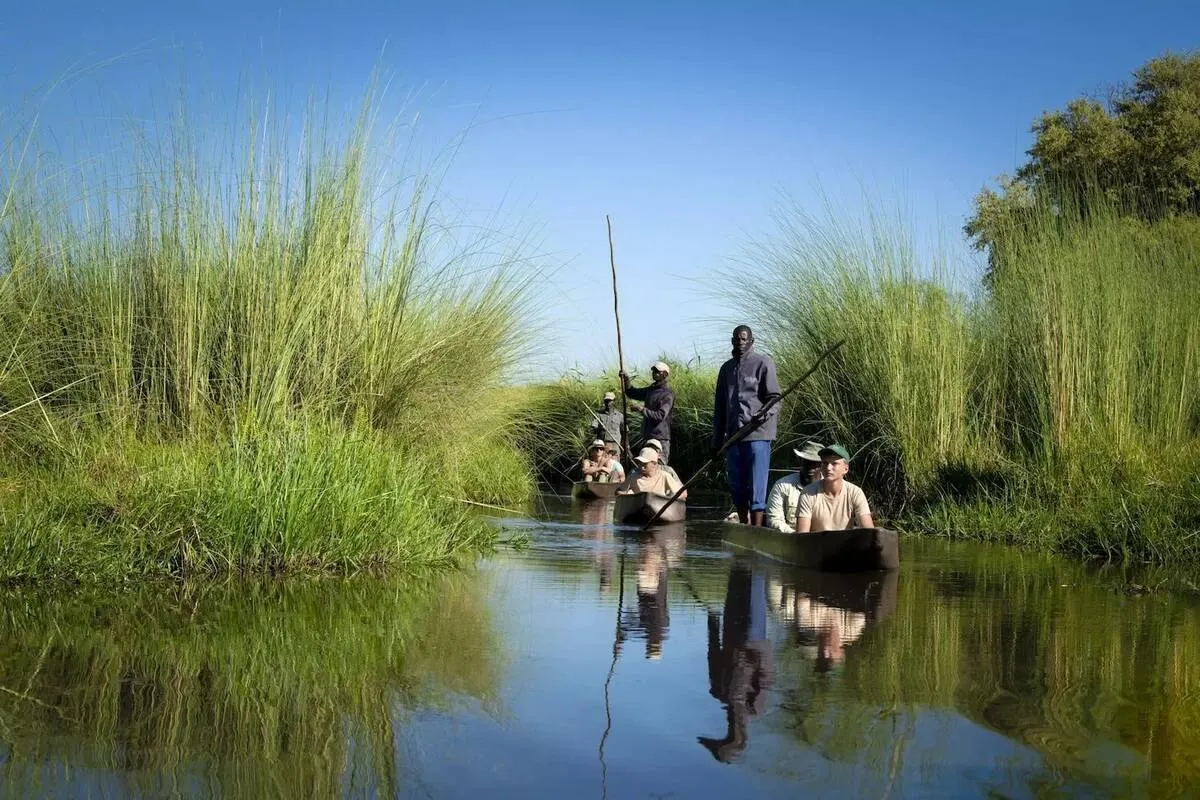
Okavango Luxury Fly-In Wilderness Camp — 5-Star Under Canvas
The world's most exclusive tented camp — deep in the delta
per person • Best price direct
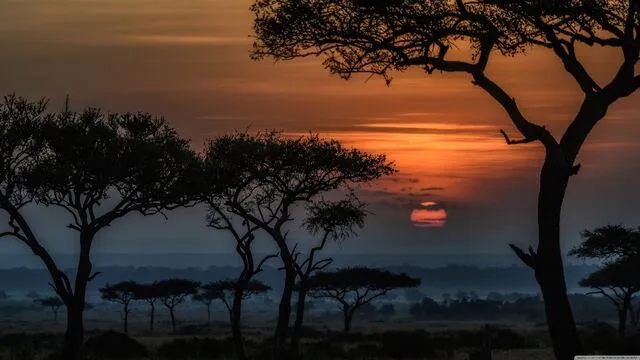
Masai Mara Great Migration Safari — River Crossing Season
Witness nature's greatest spectacle — millions of wildebeest crossing the Mara River
per person • Best price direct
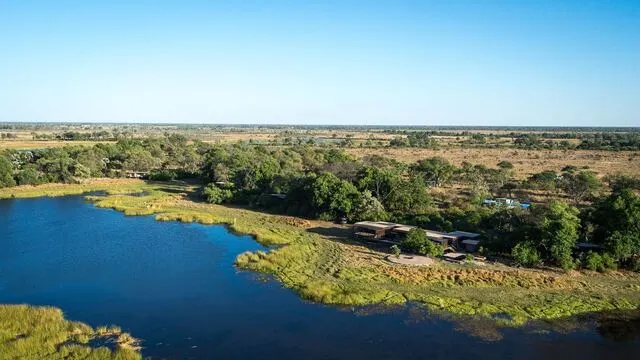
Okavango Delta Fly-In Safari — Luxury Bush Camp
The world's most exclusive safari destination from above and within
per person • Best price direct
Why book with middlemen? Same tours, lower prices, direct support from our team.
Get a Free Custom Quote