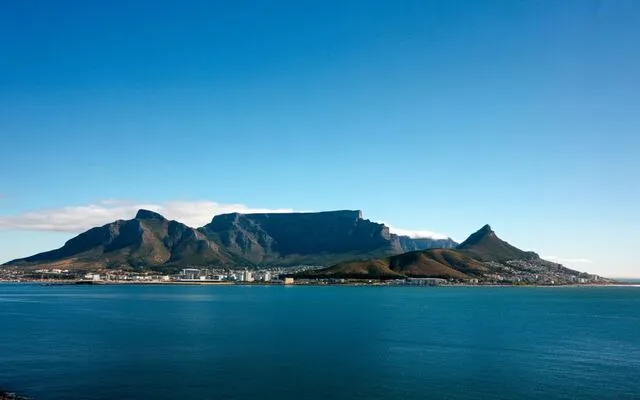
Cape Town is consistently voted one of the world's most beautiful cities — and it's easy to see why. Nestled between the iconic flat-topped Table Mountain and the sparkling Atlantic Ocean, the Mother City offers a mesmerising blend of natural wonder, world-class wine, vibrant culture, and extraordinary wildlife. From hiking the summit of Table Mountain to watching penguins waddle on Boulders Beach, from sipping award-winning Pinotage in Stellenbosch to driving the spectacular Chapman's Peak — Cape Town is where every African adventure begins.
Table Mountain is Cape Town's iconic landmark and one of the New 7 Wonders of Nature. Take the revolving cable car to the 1,085-metre summit for 360-degree views stretching from Robben Island to the Cape of Good Hope. Or hike one of dozens of trails — from the gentle Platteklip Gorge to the thrilling India Venster route — for a closer connection with this ancient mountain.
Just 45 minutes from the city centre, the Cape Winelands of Stellenbosch, Franschhoek, and Paarl produce some of the world's finest wines. Over 200 wine estates offer tastings, cellar tours, and gourmet restaurants with mountain-framed views. Cape Town is the only major city in the world with a world-class wine region in its backyard.
The Cape Peninsula is home to the famous African penguin colony at Boulders Beach — one of the few places on Earth where you can walk among wild penguins. Between June and November, Southern Right whales visit the shores, and year-round you can spot Cape fur seals, dolphins, and over 250 marine species.
Drive the legendary Chapman's Peak Drive — one of the world's most scenic coastal roads — to reach the Cape of Good Hope Nature Reserve. Stand at the south-western tip of Africa where the Atlantic and Indian Oceans meet. This full-day peninsula tour is Cape Town's most popular experience.
Handpicked properties offering exceptional game viewing, world-class service, and unforgettable experiences.
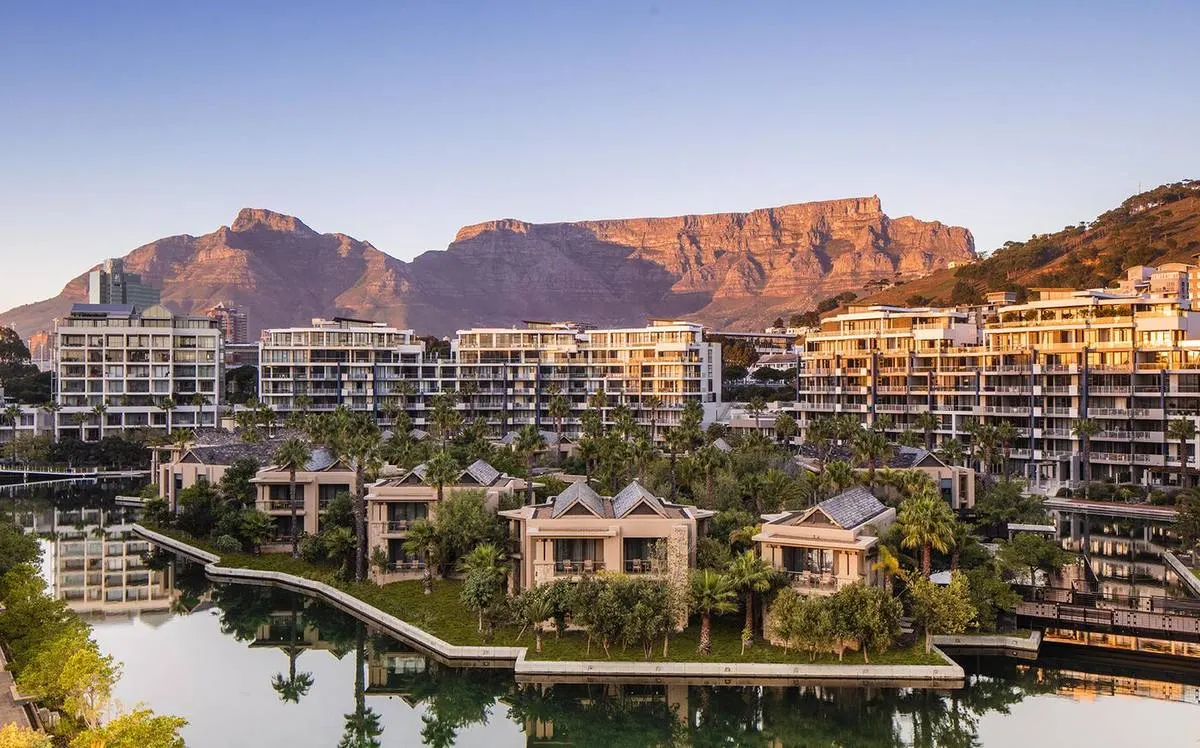
V&A Waterfront icon with Table Mountain views, Nobu restaurant, spa island, and marina-side luxury suites.
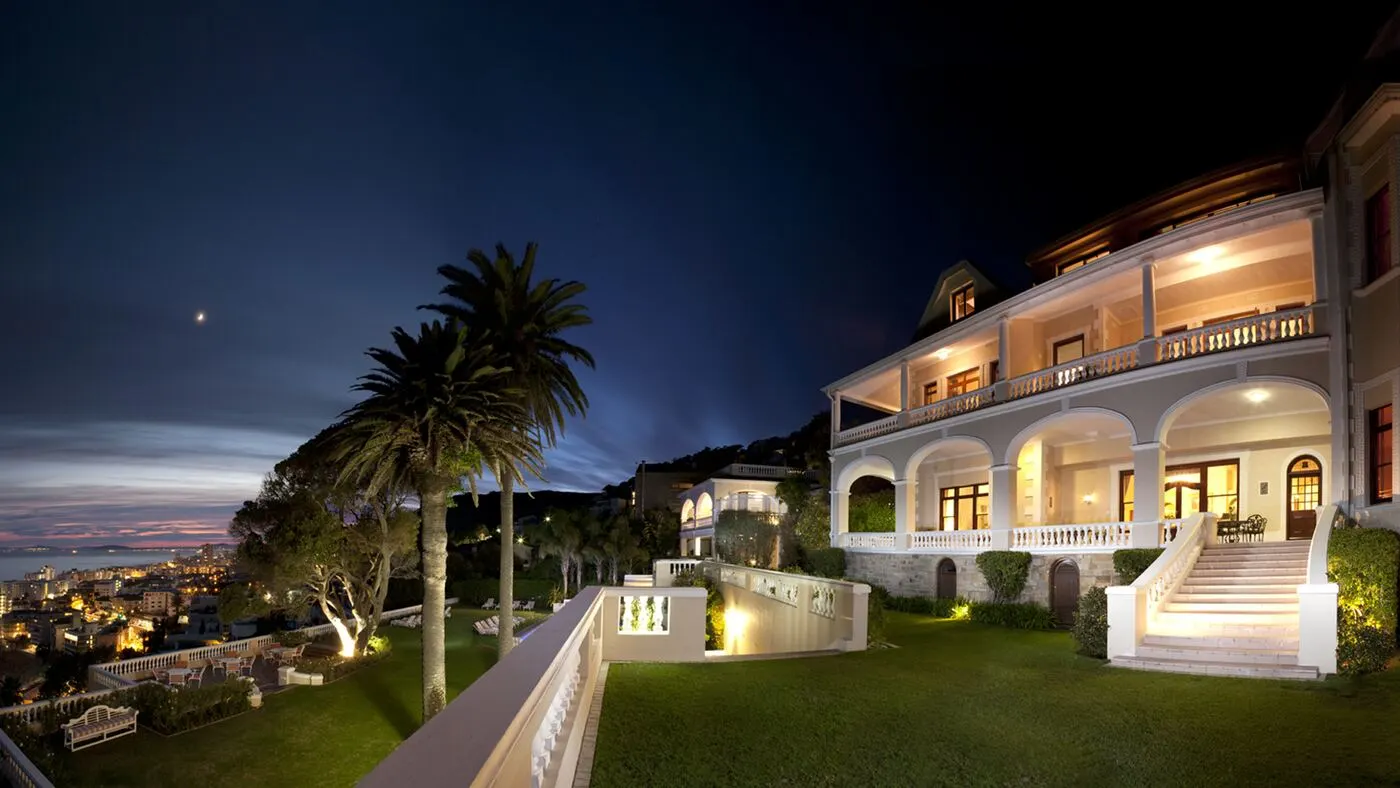
Clifton clifftop mansion with contemporary art gallery, wine cellar of 7,500 bottles, and panoramic Atlantic views.
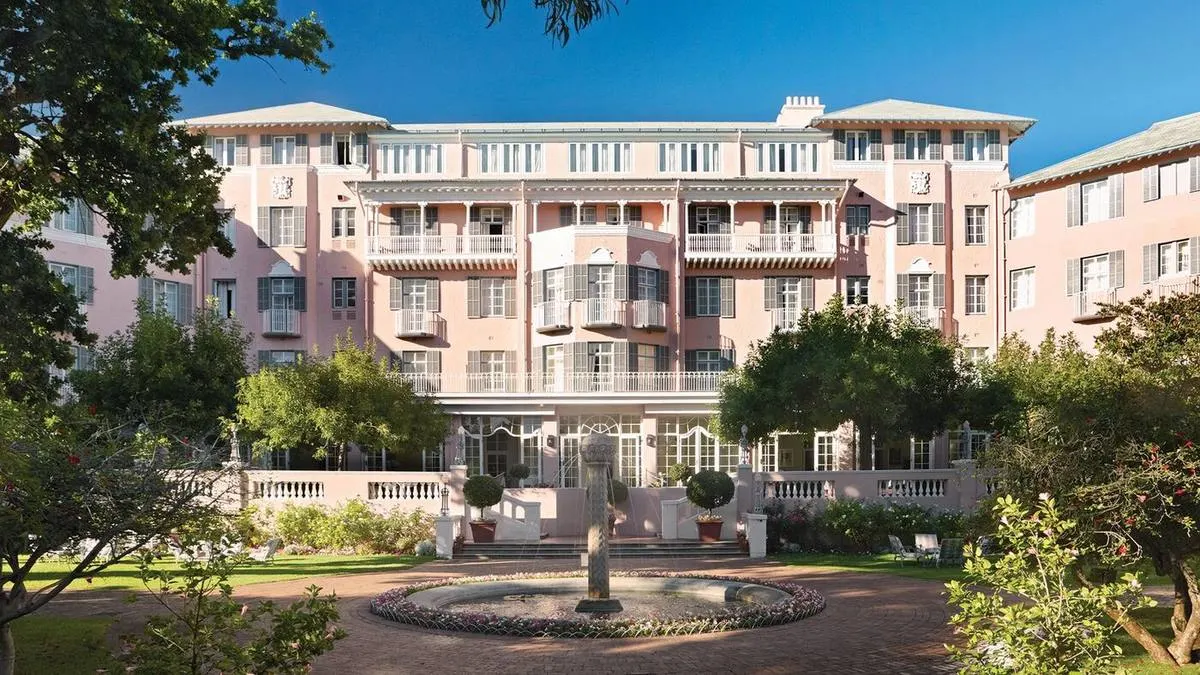
The legendary "Pink Lady" since 1899 — 9-acre gardens, world-famous afternoon tea, spa, and two heated pools.
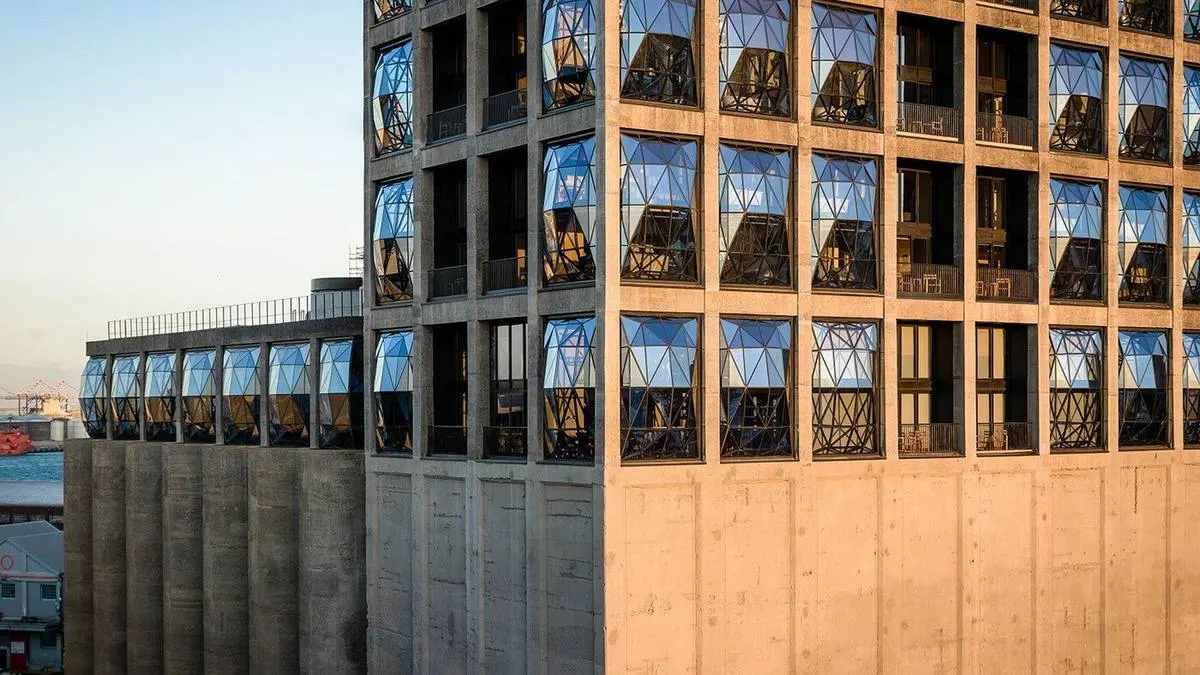
Architectural masterpiece above Zeitz MOCAA with pillow-window rooms, rooftop pool, and 360° harbour views.
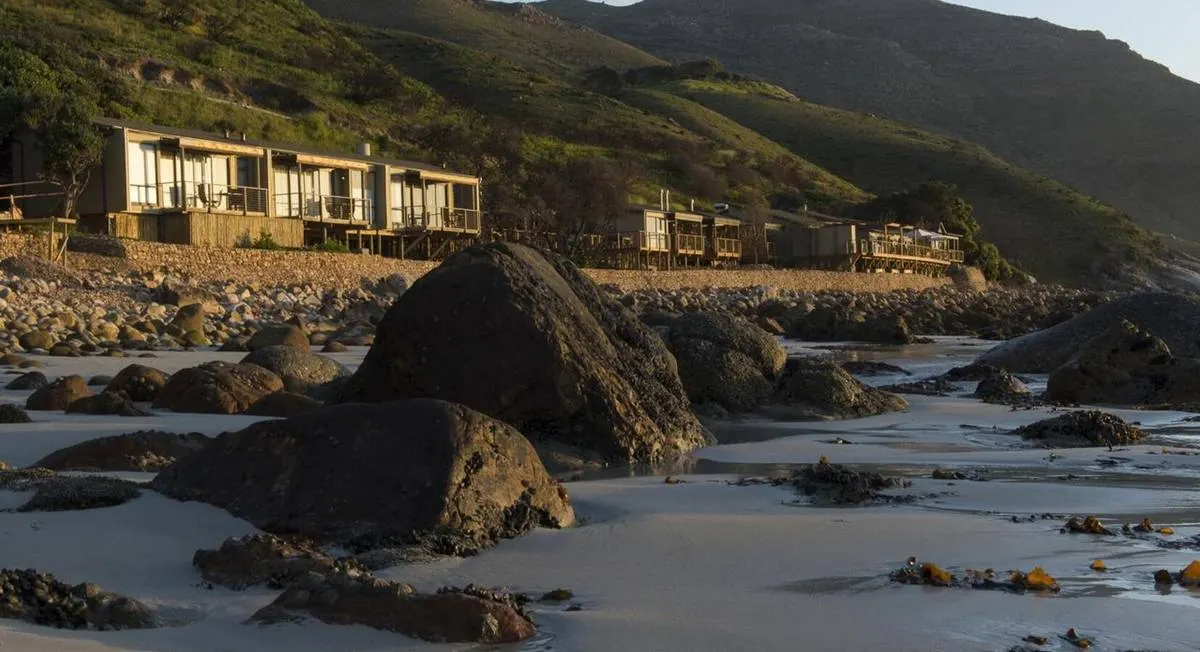
Intimate cliffside lodge in Table Mountain National Park at Chapman's Peak — only 10 suites, ocean-facing decks.
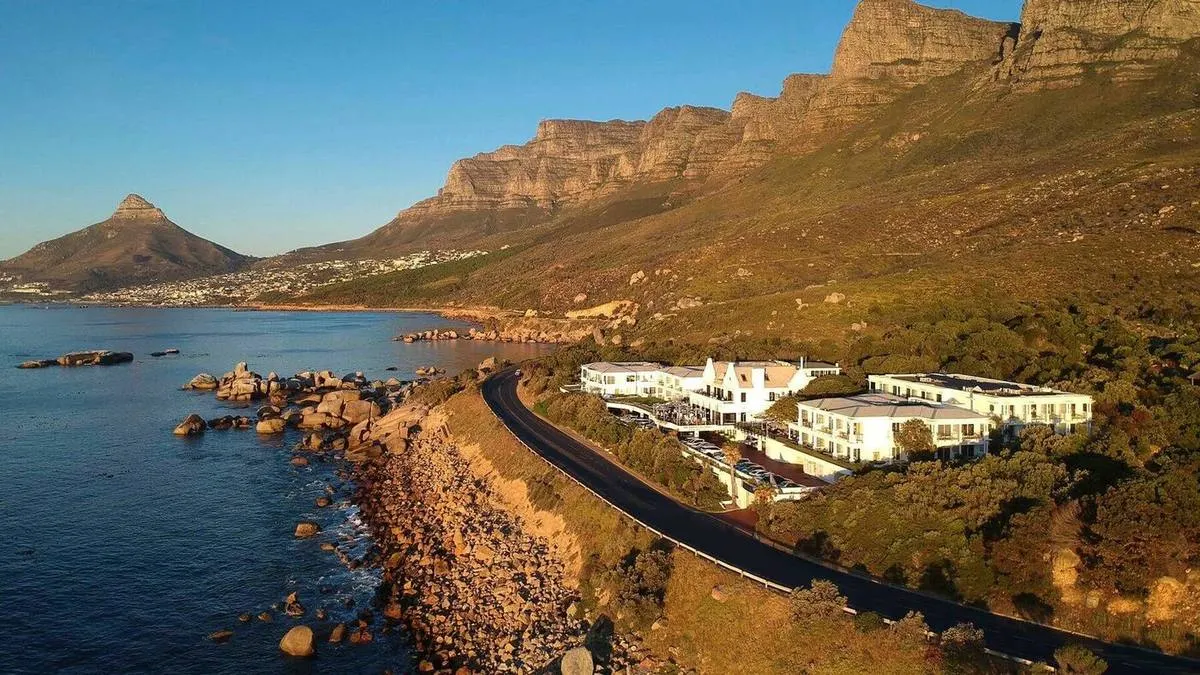
Award-winning Camps Bay sanctuary nestled between mountain and ocean with world-class spa, cinema, and sunset views.
4 tours available in Cape Town
Explore the iconic Cape Peninsula — from the penguin colony at Boulders Beach to the dramatic cliffs of Cape Point and the Cape of Good Hope.
From
R 1 350
per person

Summit Table Mountain by cable car and explore Cape Town's vibrant neighbourhoods including Bo-Kaap, Company's Garden and the V&A Waterfront.
From
R 1 200
per person
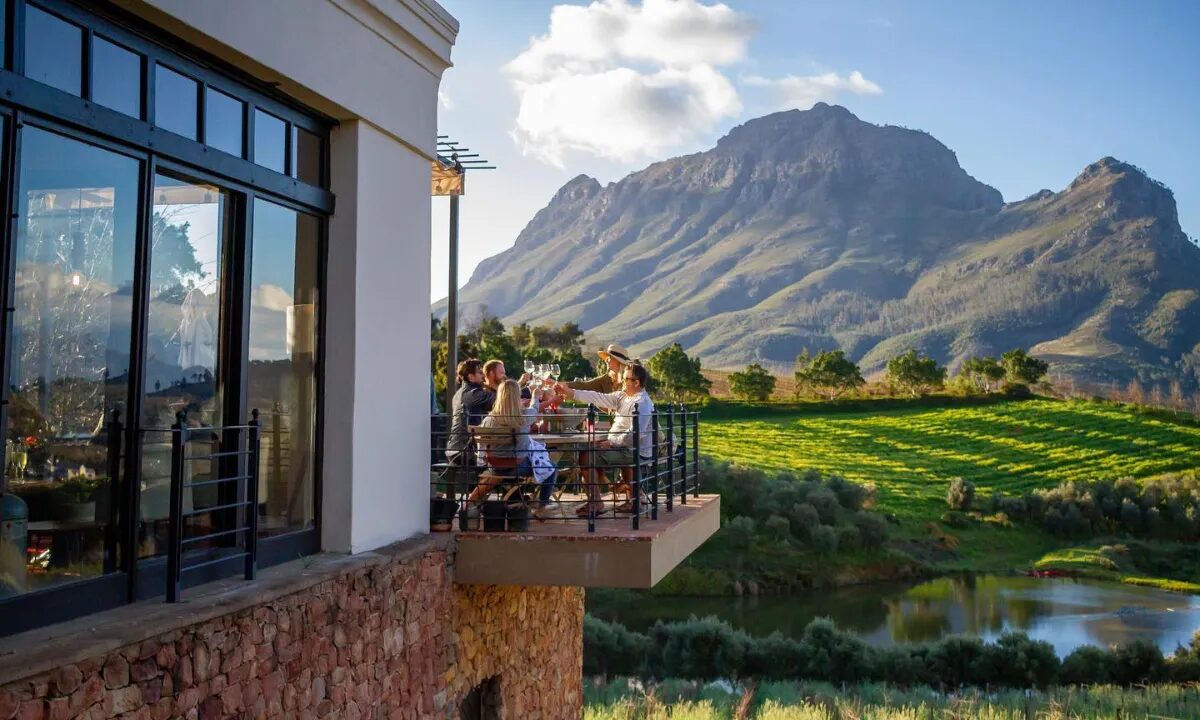
A refined wine tour through the Cape Winelands — tastings at 3-4 award-winning estates in Stellenbosch and Franschhoek.
From
R 1 500
per person

Come face-to-face with great white sharks in the shark capital of the world. Includes marine biologist briefing and cage dive.
From
R 2 800
per person
Cape Town is a year-round destination. Summer (November–March) offers hot, dry weather perfect for beaches and outdoor activities. Winter (June–August) brings cooler weather, fewer crowds, lower prices, and whale watching season. Spring (September–October) is spectacular for wildflowers.
Recommended: Nov – Mar (summer & beaches) · Jun – Aug (whale season) · Sep – Oct (wildflowers)
Rent a car for maximum flexibility — Cape Town's highlights are spread across the peninsula
Book Table Mountain cable car tickets online to avoid queues (wind closures are common)
The Cape of Good Hope is NOT the southernmost point of Africa (that's Cape Agulhas)
Use Uber or guided tours if you prefer not to drive — both are safe and affordable
Water safety: swim only at lifeguarded beaches, and be aware of strong Atlantic currents
South Africa uses Type M power plugs (3 large round pins) — bring an adapter
Let our safari experts craft the perfect itinerary — tailored to your interests, pace, and budget.
Everything you need to know for planning the perfect Cape Town experience — from the best time to visit to insider tips.
Cape Town enjoys a Mediterranean climate with warm, dry summers and mild, wet winters. Understanding the seasons is key to planning the perfect Cape Town holiday.
South African summer is Cape Town at its finest. Average temperatures range from 24–30°C, with long daylight hours perfect for outdoor adventures. This is peak season — Table Mountain is often cloud-free, the beaches are warm enough for swimming, and the Cape Winelands are lush and green after the winter rains. The famous "Cape Doctor" southeaster wind picks up in the afternoons, keeping the air fresh. Book ahead for popular tours like the Cape Peninsula drive and helicopter flights, as availability fills quickly during December–January.
Arguably the best time to visit for value and experience. March and April offer warm days (20–25°C) without the peak season crowds. The Winelands are particularly beautiful during harvest season (February–April), known as the "crush" — many estates offer special harvest experiences. Water temperatures are actually warmest in March after a summer of warming. By May, the rains begin, but days are still pleasant with stunning sunsets over the Atlantic.
Cape Town winters are mild by global standards (12–18°C) but rainy. This is whale watching season — Southern Right Whales arrive in Walker Bay and can be spotted from shore at Hermanus, just 90 minutes from Cape Town. Hotel prices drop by 30–40%, and popular attractions like Kirstenbosch are beautifully green. The Winelands come alive with fireplace tastings and winter menus. Many visitors combine a Cape Town winter trip with a Kruger safari where winter is the best game viewing season.
Spring brings the spectacular West Coast wildflower season — carpets of color stretch across the landscape. Temperatures rise from 18°C to 24°C, and the rains taper off. October and November are excellent for hiking Table Mountain, as the weather is warm but not yet hot. Whale watching continues through October, and baby animals are born in nearby nature reserves. Spring is increasingly popular with travellers seeking the sweet spot between winter value and summer perfection.
Common questions about Cape Town tours and travel
The most popular Cape Town tours include the full-day Cape Peninsula tour via Chapman's Peak, Table Mountain guided hikes, Cape Winelands visits to Stellenbosch and Franschhoek, shark cage diving in Gansbaai, and the Robben Island ferry tour. All are bookable with free cancellation through Ingwe Africa Safaris.
Trending Cape Town experiences travellers are searching for
Discover more incredible South African experiences