The Ultimate African Safari Packing List: Everything You Need to Know
Packing for an African safari is both an art and a science. Pack too much and you'll be wrestling with overweight luggage on small bush planes. Pack too little and you'll be shivering through a cold Kruger morning or squinting through a dusty game drive without sunglasses. After years of guiding guests across Africa — from the Okavango Delta to the Serengeti — our team at Ingwe Africa Safaris has refined the perfect safari packing list.
This guide covers everything: clothing, footwear, health essentials, camera gear, and the small items that make a huge difference in the bush. We've also included approximate costs so you can budget accordingly, and tips on what to leave at home.
The Golden Rule: Pack Light
Before we dive into the list, the single most important rule of safari packing is this: pack light. Most safari camps and lodges have strict luggage limits — typically 15 kg (33 lbs) total, often in a soft-sided bag rather than a hard suitcase. Small charter aircraft, which connect many remote camps, have even stricter limits of 10–12 kg.
The good news is that most reputable safari lodges offer laundry services, often included in the rate. A five-day safari wardrobe can be refreshed mid-trip, meaning you genuinely need fewer clothes than you think. When in doubt, leave it out.
Pack too much and you'll be wrestling with overweight luggage on small bush planes.
Safari Clothing: What to Pack
Colours Matter
Safari clothing should be neutral in colour: khaki, olive, tan, beige, grey, and brown are ideal. Avoid bright colours, white (which shows dust instantly), and black or dark navy (which attracts tsetse flies in some regions). Camouflage patterns are actually prohibited in several African countries, including Botswana and Zimbabwe, so leave those at home.
Layering Is Essential
African mornings and evenings can be surprisingly cold, even in summer. A Kruger morning game drive in June can start at 5°C (41°F), while the afternoon temperature climbs to 25°C (77°F). The solution is layering: start with a moisture-wicking base layer, add a fleece mid-layer, and top with a windproof outer layer that you can peel off as the day warms up.
The Core Clothing List
For a 7–10 day safari, pack the following:
- 3–4 lightweight long-sleeved shirts (neutral colours, moisture-wicking fabric) — long sleeves protect against sun and insects
- 2–3 short-sleeved shirts for warmer afternoons
- 2 pairs of lightweight safari trousers — zip-off styles that convert to shorts are excellent value
- 1 pair of shorts for camp and leisure time
- 1 warm fleece or sweater for cold mornings and evenings
- 1 lightweight waterproof jacket — essential during the green season (November to April)
- 4–5 pairs of underwear (quick-dry fabric)
- 3–4 pairs of socks (include one pair of warm socks for cold mornings)
- 1 swimsuit — most lodges have pools, and beach extensions to Zanzibar or Mozambique are popular
- 1 smart-casual outfit for lodge dinners (some camps have a slightly dressy atmosphere in the evenings)
Footwear
Footwear is one area where quality really matters. You'll need:
- Comfortable walking shoes or light hiking boots — essential for bush walks. Ankle support is valuable on uneven terrain. Budget $80–$150 USD for a good pair.
- Sandals or flip-flops for camp and pool time
- Warm socks for cold morning game drives
Avoid brand-new boots on safari — break them in at home first to prevent blisters. Waterproof boots are worth the investment if you're visiting during the green season or planning to visit the Okavango Delta, where water crossings are common.
Health & Medical Essentials
Malaria Prevention
Malaria is present in many of Africa's prime safari destinations, including the Kruger lowveld, the Okavango Delta, the Serengeti, and the Masai Mara. Consult your doctor or a travel health clinic at least 6–8 weeks before departure to discuss prophylaxis options. Common medications include Malarone (atovaquone/proguanil), doxycycline, and Lariam (mefloquine). Malarone is generally well-tolerated and is the most popular choice for short trips; budget approximately $80–$120 USD for a two-week course.
In addition to medication, use DEET-based insect repellent (at least 30% DEET), wear long sleeves and trousers at dawn and dusk, and sleep under a mosquito net if one is provided. If you prefer a malaria-free safari, consider destinations like the Eastern Cape, the Waterberg, or Madikwe Game Reserve — all offer excellent Big Five game viewing without the malaria risk. Our safari planning team can help you choose the right destination for your health requirements.
First Aid & Personal Medications
Pack a small personal first aid kit including:
- Antihistamine tablets and cream (for insect bites and allergic reactions)
- Imodium or similar anti-diarrhoeal medication
- Rehydration sachets
- Paracetamol and ibuprofen
- Antiseptic wipes and cream
- Blister plasters
- Any prescription medications in their original packaging, with a doctor's letter
Most reputable safari lodges have basic first aid facilities and can arrange emergency medical evacuation if needed. Travel insurance with emergency medical evacuation cover is non-negotiable for any African safari — budget at least $100–$200 USD for comprehensive cover.
Sun Protection
The African sun is intense, especially at altitude (Johannesburg sits at 1,750 metres above sea level) and in open game drive vehicles. Pack:
- High-SPF sunscreen (SPF 50+) — at least 200ml
- Lip balm with SPF
- A wide-brimmed hat (essential — this is not optional)
- UV-protective sunglasses
Camera & Electronics
Camera Gear
A safari is a once-in-a-lifetime photography opportunity, and the right gear makes a significant difference. You don't need professional equipment, but a few key items will dramatically improve your images:
- Camera body — a DSLR or mirrorless camera with good low-light performance is ideal. Many modern smartphones also produce excellent safari images.
- Telephoto lens — a 100–400mm or 150–600mm lens is the single most important piece of safari photography equipment. Animals are often at a distance, and a long lens brings them close. Budget $500–$2,000 USD for a quality telephoto.
- Extra batteries and memory cards — you'll shoot more than you expect. Bring at least two spare batteries and multiple memory cards.
- Bean bag or window mount — a bean bag draped over the game drive vehicle's window ledge provides a stable platform for your telephoto lens. Far more practical than a tripod in a moving vehicle.
- Dust-proof camera bag — African bush roads are dusty. Protect your gear.
Other Electronics
- Universal power adapter — South Africa uses Type M plugs (three large round pins). Kenya and Tanzania use Type G (British-style). Bring a universal adapter.
- Portable power bank — some remote camps have limited charging facilities. A high-capacity power bank (20,000 mAh) keeps your devices charged.
- Headlamp or torch — essential for navigating camp at night. Many lodges are unfenced, and a headlamp is a safety item as much as a convenience.
Safari Accessories: The Small Things That Matter
Experienced safari-goers swear by a handful of small items that make a disproportionate difference to comfort:
- Binoculars — a quality pair of 8x42 or 10x42 binoculars transforms your game viewing experience. You'll spot animals your fellow passengers miss entirely. Budget $150–$500 USD for a good pair.
- Buff or neck gaiter — invaluable for keeping dust out of your face on open game drives. Also useful as a sun shield and impromptu hat.
- Small daypack — for carrying water, snacks, and camera gear on bush walks and day trips.
- Reusable water bottle — most lodges provide filtered water. A 1-litre reusable bottle reduces plastic waste and keeps you hydrated.
- Wet wipes — for freshening up between game drives when water is scarce.
- Earplugs — the African bush is surprisingly noisy at night. Hippos, hyenas, and lions can make for a memorable but sleep-disrupting soundtrack.
What to Leave at Home
Just as important as what to pack is what to leave behind:
- Hard-sided suitcases — they won't fit in small charter aircraft and are impractical in the bush
- Bright or white clothing — attracts insects and shows dust
- Camouflage clothing — prohibited in several African countries
- Excessive jewellery — leave valuables at home
- Perfume and strongly scented products — can attract insects and disturb wildlife
- Drones — prohibited in most national parks and game reserves without special permits
Packing for Different Safari Seasons
Dry Season (May to October)
The dry season is peak safari time across most of Africa. Vegetation is sparse, animals congregate around water sources, and game viewing is at its best. Pack lighter clothing but don't forget warm layers for cold mornings. Dust is a significant factor — protect your camera gear and pack a buff.
Green Season (November to April)
The green season brings lush landscapes, newborn animals, and dramatically fewer tourists. It also brings rain — often in short, sharp afternoon thunderstorms. Pack a lightweight waterproof jacket and waterproof covers for your camera gear. The upside: green season rates at many lodges are 20–40% lower than peak season. Use our safari cost calculator to compare seasonal pricing.
Planning Your Safari with Ingwe Africa Safaris
Packing right is just one piece of the safari planning puzzle. Choosing the right destination, the right time of year, and the right lodge for your interests and budget are equally important decisions. Our full range of safari tours spans South Africa, Kenya, Tanzania, Botswana, and beyond — from day trips to multi-week expeditions.
If you're new to safari travel, our Aquila Big Five Day Safari from Cape Town is a perfect introduction — no flights, no complex logistics, just a straightforward day in the bush with the Big Five. For a more immersive experience, explore our safari packages that combine multiple destinations and lodge styles.
Not sure where to start? Our safari planning tool asks a few simple questions about your interests, budget, and travel dates, then matches you with the perfect itinerary. You can also browse our current safari deals for seasonal specials and last-minute availability.
Your Safari Adventure Starts Here
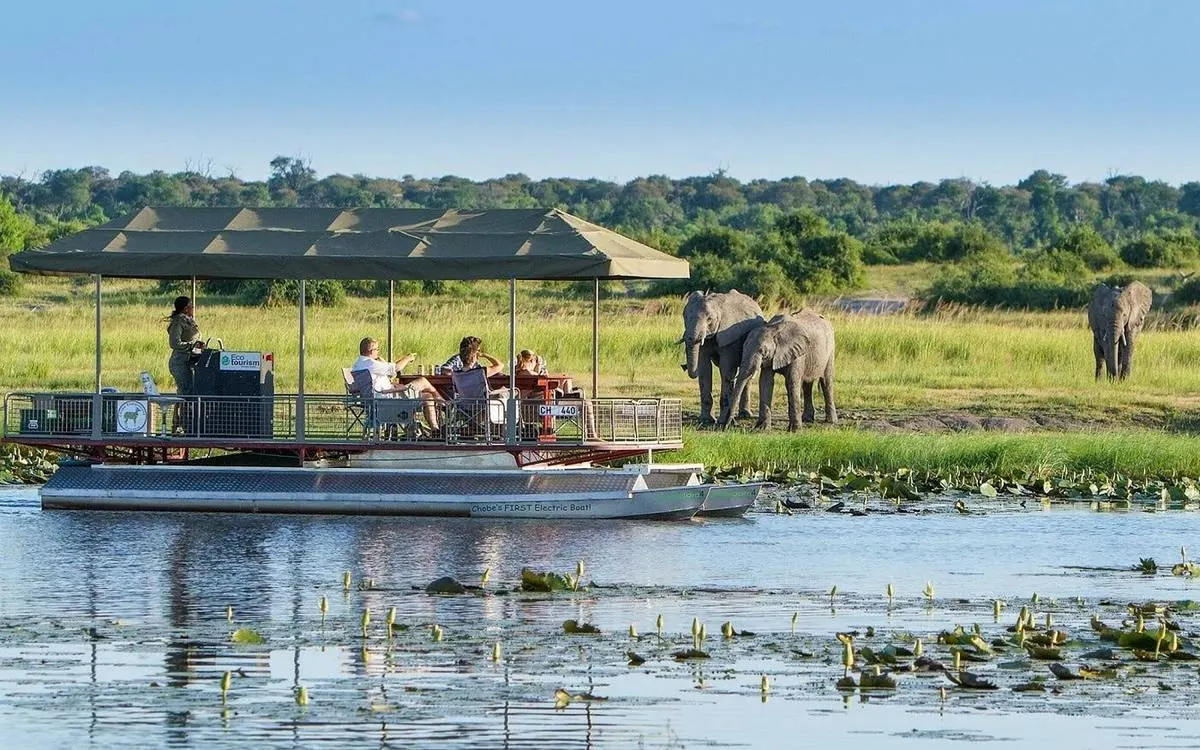
With the right gear packed and a well-planned itinerary in hand, an African safari is one of the most rewarding travel experiences on earth. The sight of a lion pride at dawn, a herd of elephants crossing the Chobe River, or a leopard draped over an acacia branch — these are moments that stay with you for a lifetime.
At Ingwe Africa Safaris, we've been helping travellers experience Africa's wild heart for years. Our team of experienced safari specialists knows every destination, every lodge, and every season intimately — and we're passionate about matching each guest with their perfect safari.
Ready to start planning? Contact our safari team today for a personalised consultation. We'll help you pack the right bag for the right adventure — and make sure every moment in the bush is absolutely lekker.
Tours & Safaris You'll Love
Handpicked by our team based on what you're reading. Book direct for the best price — guaranteed.
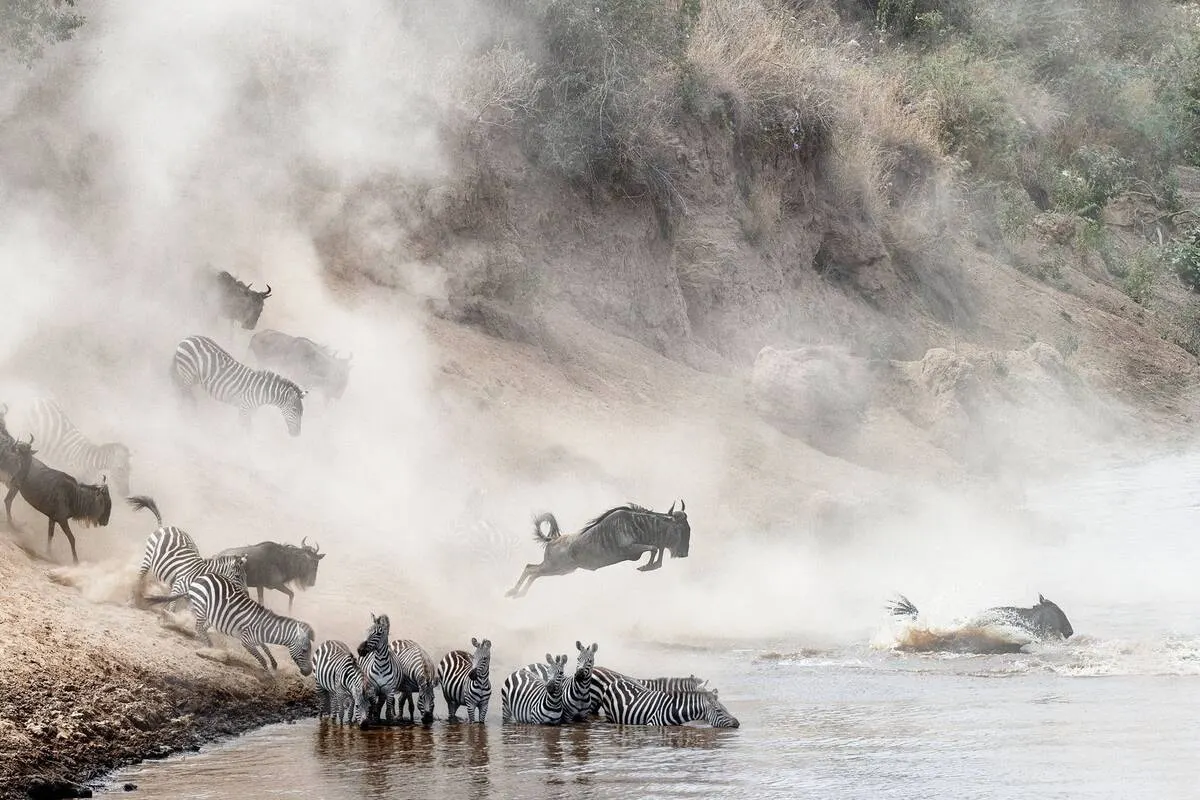
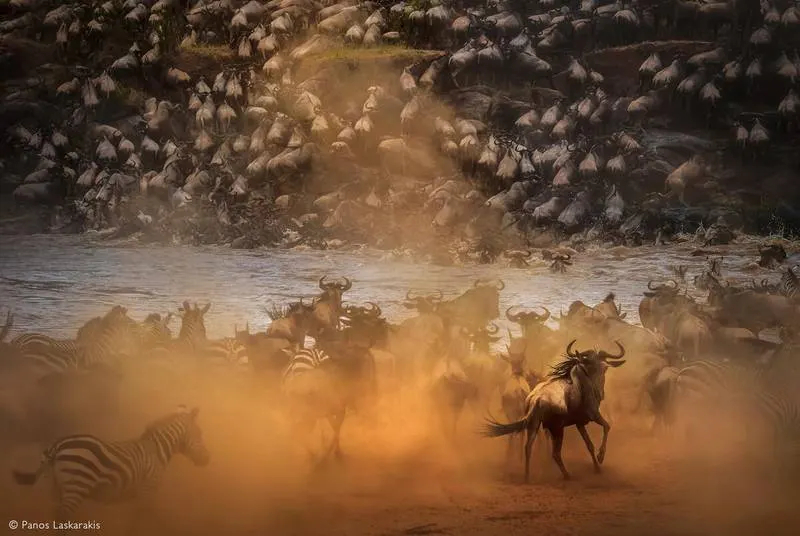
Serengeti Great Migration River Crossing — Mara River Safari
Witness the world's greatest wildlife spectacle — wildebeest crossing the Mara
per person • Best price direct
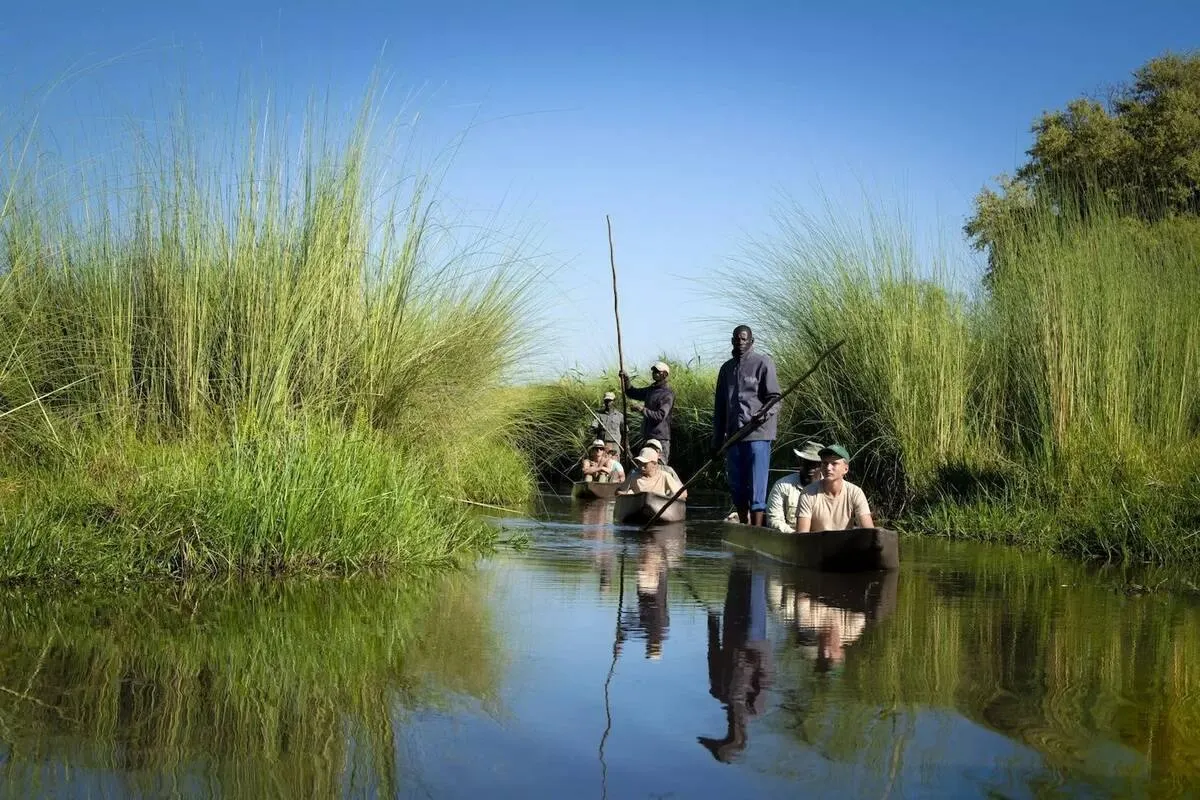
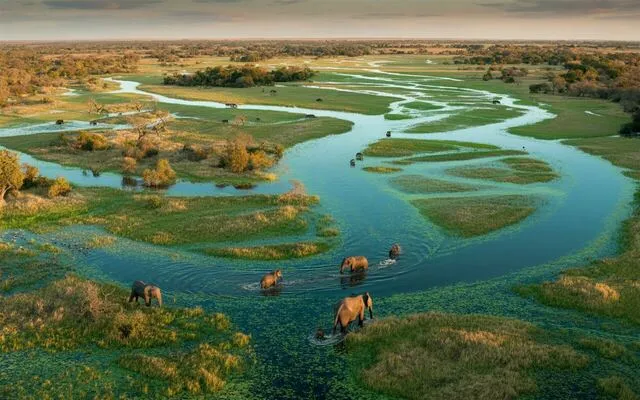
Okavango Luxury Fly-In Wilderness Camp — 5-Star Under Canvas
The world's most exclusive tented camp — deep in the delta
per person • Best price direct
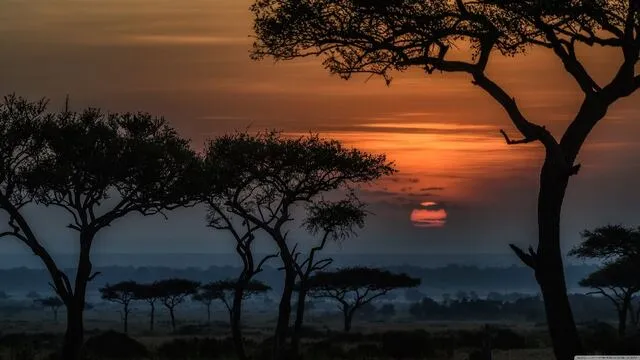
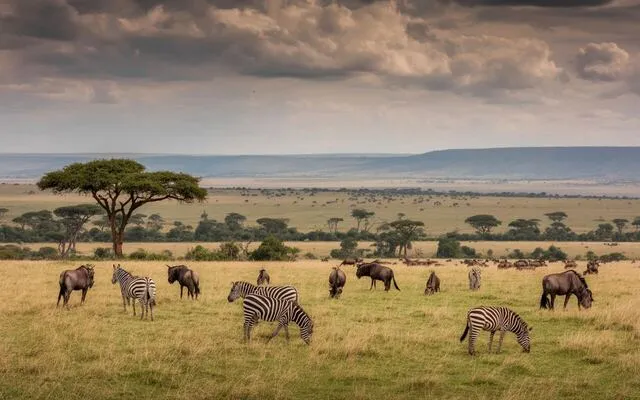
Masai Mara Great Migration Safari — River Crossing Season
Witness nature's greatest spectacle — millions of wildebeest crossing the Mara River
per person • Best price direct
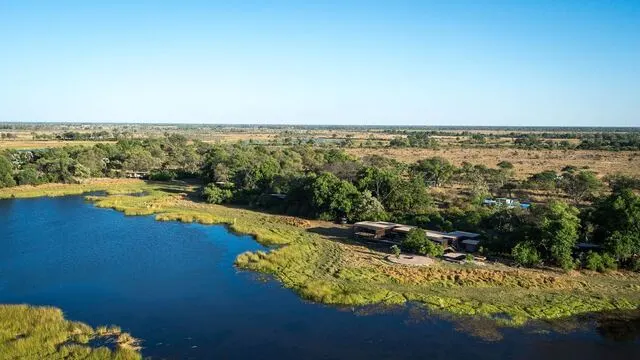
Okavango Delta Fly-In Safari — Luxury Bush Camp
The world's most exclusive safari destination from above and within
per person • Best price direct
Why book with middlemen? Same tours, lower prices, direct support from our team.
Get a Free Custom Quote