
The Sounds of Africa: What You'll Hear on Safari and Why They Stay With You
There is a moment, usually on your first morning in the African bush, when you stop talking. You stop scrolling. You stop thinking about emails and deadlines and the thousand small anxieties of modern life. You simply listen. And what you hear changes you.
Africa speaks in a language older than words. It is a symphony of rustling grass, distant thunder, birdsong so layered it sounds orchestrated, and the low, resonant rumble of a lion that you feel in your chest before you consciously register it as sound. These are the sounds of Africa — and once you have heard them in the wild, they never fully leave you.
At Ingwe Africa Safaris, we have guided thousands of travellers into the African bush. And almost without exception, when guests reflect on their experience, it is not just the sights they describe — it is the sounds. This guide is our love letter to the acoustic wonder of an African safari, and a practical introduction to what your ears can expect.
Before Dawn: The Chorus That Wakes the World
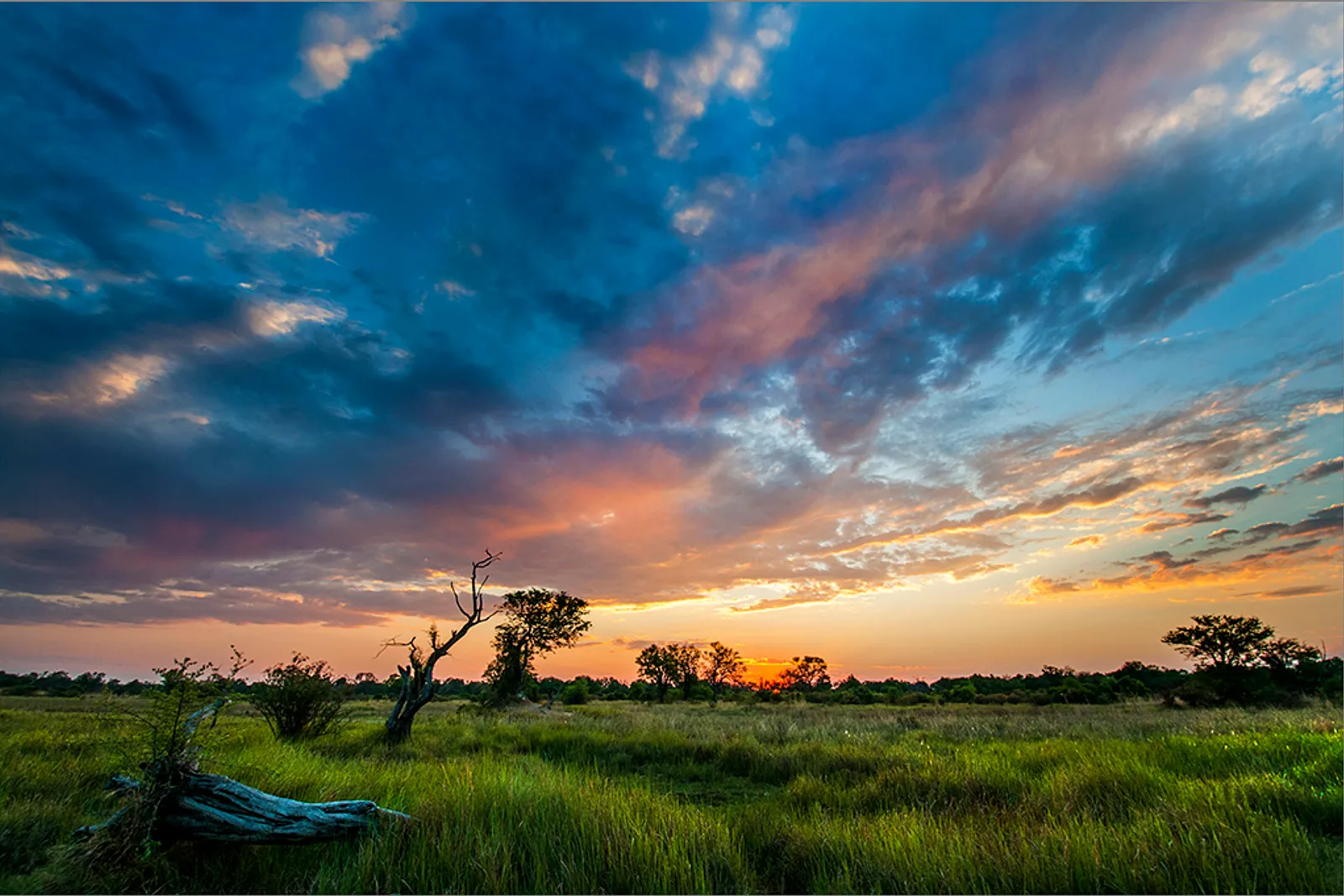
The African bush does not ease you into the day. It announces it. Long before the sun crests the horizon, the world outside your tent or lodge room begins to stir with a sound that safari veterans call the dawn chorus — and it is, without exaggeration, one of the most beautiful things you will ever hear.
It begins with a single bird. Often a robin-chat, its liquid, fluting notes threading through the darkness like a question. Then another joins in. Then another. Within minutes, the air is alive with dozens of species calling simultaneously — francolins cackling, hornbills honking, fish eagles releasing their haunting, echoing cry that has become the unofficial anthem of the African wilderness.
The fish eagle's call deserves special mention. It is a sound so evocative, so deeply associated with wild Africa, that many travellers report feeling emotional the first time they hear it. There is something in its wild, keening quality that bypasses the rational mind entirely and speaks directly to something ancient within us.
If you want to experience the dawn chorus at its most spectacular, consider a Kruger sunrise morning safari — departing before first light to be in position as the bush wakes around you. It is, as we say in South Africa, absolutely lekker.
If you want to experience the dawn chorus at its most spectacular, consider a Kruger sunrise morning safari — departing before first light to be in position as the bush wakes around you.
The Voice of the Lion: Africa's Most Iconic Sound
Nothing prepares you for the roar of a lion heard in the wild. Not recordings, not documentaries, not the distant rumble you might catch at a zoo. In the open bush, a lion's roar carries for up to eight kilometres, and when you are close — within a kilometre or two — it is a full-body experience.
Lions typically roar most actively in the early morning and late evening, often as a way of communicating their location to pride members or asserting territorial boundaries. The sound begins as a series of deep, resonant grunts that build in intensity before releasing into a full, rolling roar that seems to make the very air vibrate.
Guests on our Kruger sunset and night safari frequently encounter lions calling in the darkness — a sound that is simultaneously thrilling and humbling. You are reminded, in the most visceral way possible, that you are a guest in their world.
The roar of a lion at 4am, heard from the safety of your tent, is the kind of sound that rewires your relationship with the natural world. Many of our guests describe it as the single most memorable moment of their entire trip.
Elephants: The Rumble Beneath the Rumble
Elephants communicate in ways that science is only beginning to fully understand. Much of their communication happens at infrasound frequencies — below the threshold of human hearing — but when a herd is close, you can sometimes feel these vibrations in your feet and chest even when you cannot consciously hear them.
What you can hear is equally remarkable. The deep, resonant stomach rumbles that elephants use to communicate contentment and maintain contact with herd members. The explosive trumpet blast of an alarmed or excited elephant. The surprisingly gentle sound of a herd moving through the bush — a soft crackling of branches, the rhythmic thud of enormous feet on dry earth.
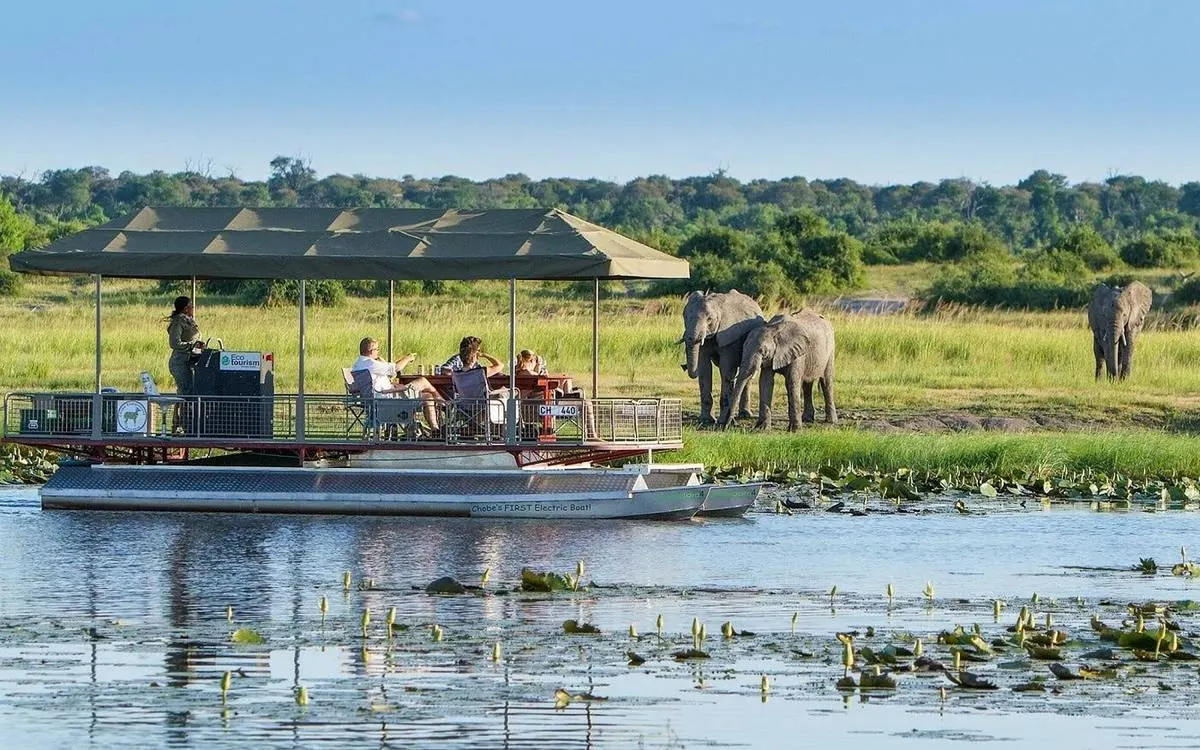
And then there is the sound of elephants eating. In the dry season, when vegetation is sparse, you can hear a herd stripping bark from trees from surprisingly far away — a rhythmic tearing and crunching that speaks of both power and patience. Our Botswana Chobe elephant safari offers some of the most intimate elephant encounters on the continent, where you can observe and listen to these magnificent animals at remarkably close range.
The Hyena's Whoop: Misunderstood and Magnificent
Few sounds divide safari-goers quite like the call of the spotted hyena. To some, the rising, whooping call — whoop, whoop, whoop — is eerie and unsettling, a sound associated with darkness and danger. To those who have spent time in the bush, it is one of the most evocative and thrilling sounds in Africa.
Hyenas are highly social, intelligent animals with a complex communication system. Their famous giggle — actually a submissive sound used in social interactions — is quite different from the territorial whoop, which can carry for up to five kilometres and serves to rally clan members. Hearing a clan of hyenas calling back and forth across the darkness is an experience that raises the hairs on the back of your neck in the best possible way.
The hyena's reputation as a mere scavenger is deeply unfair — they are formidable hunters responsible for the majority of kills in many ecosystems. Spending time listening to and observing hyenas is one of the great pleasures of a night game drive, and something we actively encourage on our guided safari experiences.
Birdsong: Africa's Endless Soundtrack
Africa is home to over 2,300 bird species, and on any given safari day, you might encounter dozens of them. The acoustic variety is staggering — from the mechanical, repetitive call of the emerald-spotted wood dove to the extraordinary mimicry of the African marsh warbler, which can imitate up to 200 other species.
The lilac-breasted roller announces itself with a harsh, rattling call before revealing its extraordinary plumage in flight. The go-away bird (named for its distinctive call) serves as an alarm system for other animals, alerting the bush to the presence of predators — or tourists. The hammerkop builds nests so enormous they can weigh up to 50 kilograms, and its strange, cackling calls echo across rivers and wetlands.
For serious birding enthusiasts, our Kruger birding and photography safari is an acoustic feast — a full day dedicated to finding and listening to the extraordinary avian life of one of Africa's greatest parks. Even non-birders find themselves captivated by the sheer variety and beauty of the sounds.
The Bush at Night: A Different World of Sound
When the sun sets in Africa, the acoustic landscape transforms entirely. The day shift hands over to the night shift, and a whole new cast of characters takes the stage.
Nightjars begin their churring, mechanical calls — a sound like a distant motorbike engine that can go on for minutes at a time. Frogs erupt in a cacophony around any water source, their calls ranging from deep bass croaks to high, bell-like chimes. Owls — Africa has over 30 species — call from the darkness with sounds ranging from the deep, resonant hoot of the giant eagle owl to the eerie, wailing shriek of the barn owl.
And then there are the sounds you cannot quite identify. A distant crash in the undergrowth. A soft, rhythmic crunching that might be a leopard dragging a kill. The sudden, explosive alarm call of an impala — a sound that instantly silences every other creature in the vicinity as the bush collectively holds its breath.
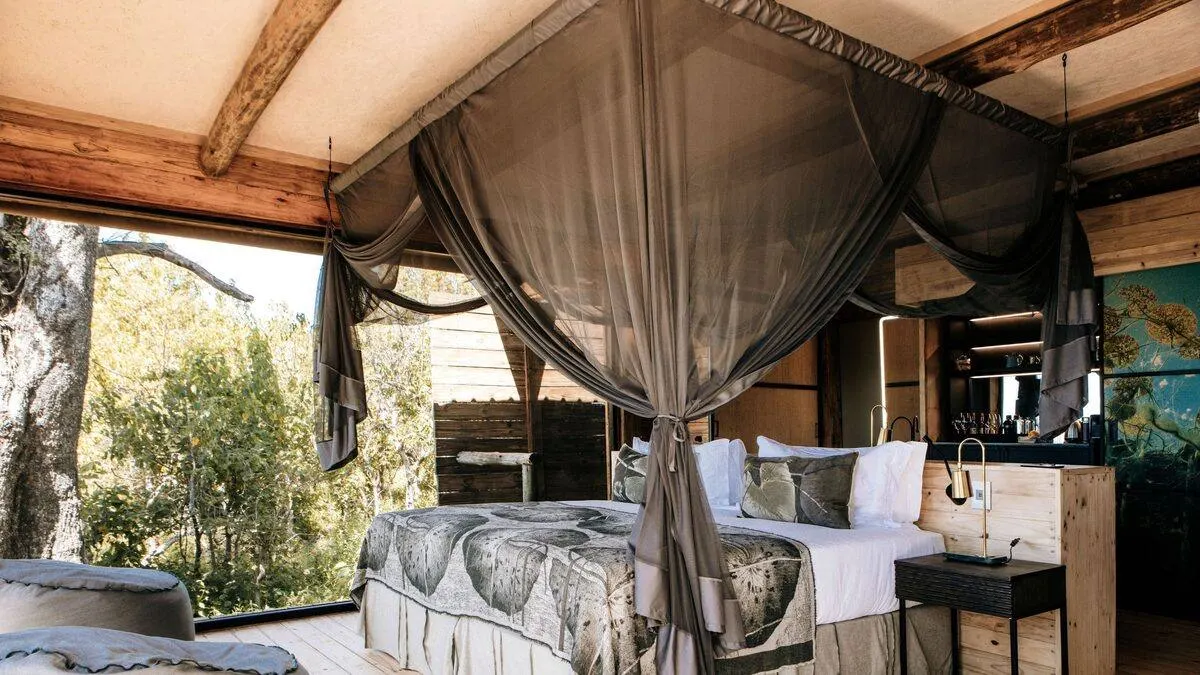
These are the sounds that keep you awake in the best possible way, lying in your tent with the canvas walls between you and the wild world outside, feeling simultaneously safe and thrillingly exposed. It is, as our guides like to say, the best insomnia you will ever have.
The Sounds of Water: Rivers, Rain and Life
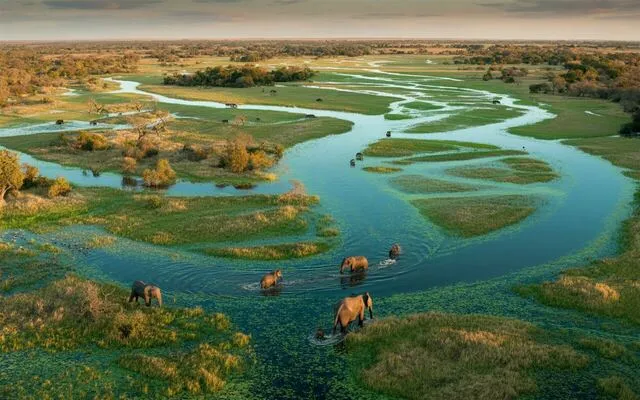
In the African bush, water is life — and the sounds associated with water are among the most evocative on the continent. The deep, resonant grunt of a hippo surfacing in a river. The explosive splash of a crocodile sliding off a bank. The gentle lapping of water against a mokoro (dugout canoe) as you glide silently through the Okavango Delta.
And then there is the sound of African rain. When the rains come — usually between November and April in southern Africa — they arrive with theatrical drama. The sky darkens, the temperature drops, the air fills with the electric smell of ozone, and then the rain hits the dry earth with a sound like applause. Within minutes, the bush transforms. Frogs that have been dormant for months begin calling. The air fills with the smell of wet earth — petrichor — that is one of the most universally beloved scents in the world.
The green season, as we call it, is one of the most underrated times to visit Africa. The landscape is lush, the animals are active, and the sounds of the bush are at their most varied and vibrant. Our safari planning team can help you choose the timing that best suits your interests and budget — green season safaris are also typically 20-30% more affordable than peak dry season rates.
Practical Tips: How to Listen Better on Safari
Most first-time safari guests spend their early game drives focused entirely on looking — scanning the bush for movement, binoculars raised, eyes darting. This is natural and understandable. But experienced safari-goers know that listening is equally important, and often more rewarding.
Here are some practical tips for tuning into the sounds of Africa:
Embrace the Silence First
When your vehicle stops, resist the urge to immediately start talking or photographing. Sit quietly for a minute or two and simply listen. You will be amazed at what you begin to hear once you stop generating noise yourself.
Learn the Alarm Calls
Many animals have specific alarm calls that signal the presence of predators. The sharp bark of a baboon, the explosive snort of an impala, the chattering alarm call of a vervet monkey — these sounds are the bush's early warning system, and learning to recognise them will dramatically improve your wildlife sightings. Your guide will help you interpret these calls in real time.
Go Out at Night
The nocturnal soundscape of Africa is completely different from the daytime experience. If your lodge or safari operator offers night drives, take them. The sounds alone — quite apart from the extraordinary wildlife you might encounter — are worth the early bedtime you will sacrifice.
Wake Up Early
The dawn chorus is at its most spectacular in the 30 minutes before and after sunrise. Set your alarm, make yourself a cup of rooibos tea, and sit outside your tent or on your lodge deck. You will not regret it.
Keep a Sound Journal
Many guests keep a wildlife sighting journal — consider keeping a sound journal alongside it. Note what you heard, when, and what it made you feel. These notes often become the most treasured memories of the trip.
Why These Sounds Stay With You
There is a scientific explanation for why the sounds of Africa are so deeply memorable. Sound is processed by the amygdala — the brain's emotional centre — before it reaches the conscious mind. This means that powerful sounds bypass our rational filters and lodge directly in emotional memory. The roar of a lion, heard in the wild, is not just a sound — it is an experience that is encoded alongside the emotions of that moment: the awe, the vulnerability, the profound sense of being alive.
But beyond the neuroscience, there is something else at work. Many researchers and philosophers have suggested that humans carry a deep, ancestral memory of the African savannah — that the sounds of the bush resonate with something in our evolutionary past. Whether or not you subscribe to this theory, the experience of sitting in the African bush and listening to the world around you feels, to almost everyone who does it, like coming home.
This is what we mean when we talk about the transformative power of a safari. It is not just about seeing the Big Five or ticking destinations off a list. It is about reconnecting with a world that is older and wilder and more alive than anything most of us encounter in our daily lives. It is about being reminded, through sound and sight and smell, that we are part of something vast and extraordinary.
Plan Your African Sound Safari
Whether you are dreaming of hearing lions roar at dawn in Kruger, listening to elephants rumble in Chobe, or drifting silently through the Okavango Delta with only the sound of water and birdsong around you, we are here to help you plan the perfect experience.
Our team at Ingwe Africa Safaris has decades of combined experience crafting bespoke safari itineraries for travellers of all budgets and interests. We know which camps offer the best nocturnal soundscapes, which parks have the most spectacular dawn choruses, and which guides are most skilled at helping guests tune into the acoustic world of the bush.
Use our safari cost calculator to get a sense of what your dream safari might cost, or browse our full range of safari experiences for inspiration. Safari packages in South Africa start from around $150 per person for a day safari, with multi-day lodge experiences ranging from $300 to $1,500+ per person per night depending on the level of luxury.
Ready to hear Africa for yourself? Get in touch with our team today and let us start planning a safari that will stay with you — in your memory, and in your ears — for the rest of your life.
Ubuntu — I am because we are. In Africa, the sounds of the bush remind us that we are all connected, all part of the same extraordinary story. Come and listen.
Tours & Safaris You'll Love
Handpicked by our team based on what you're reading. Book direct for the best price — guaranteed.
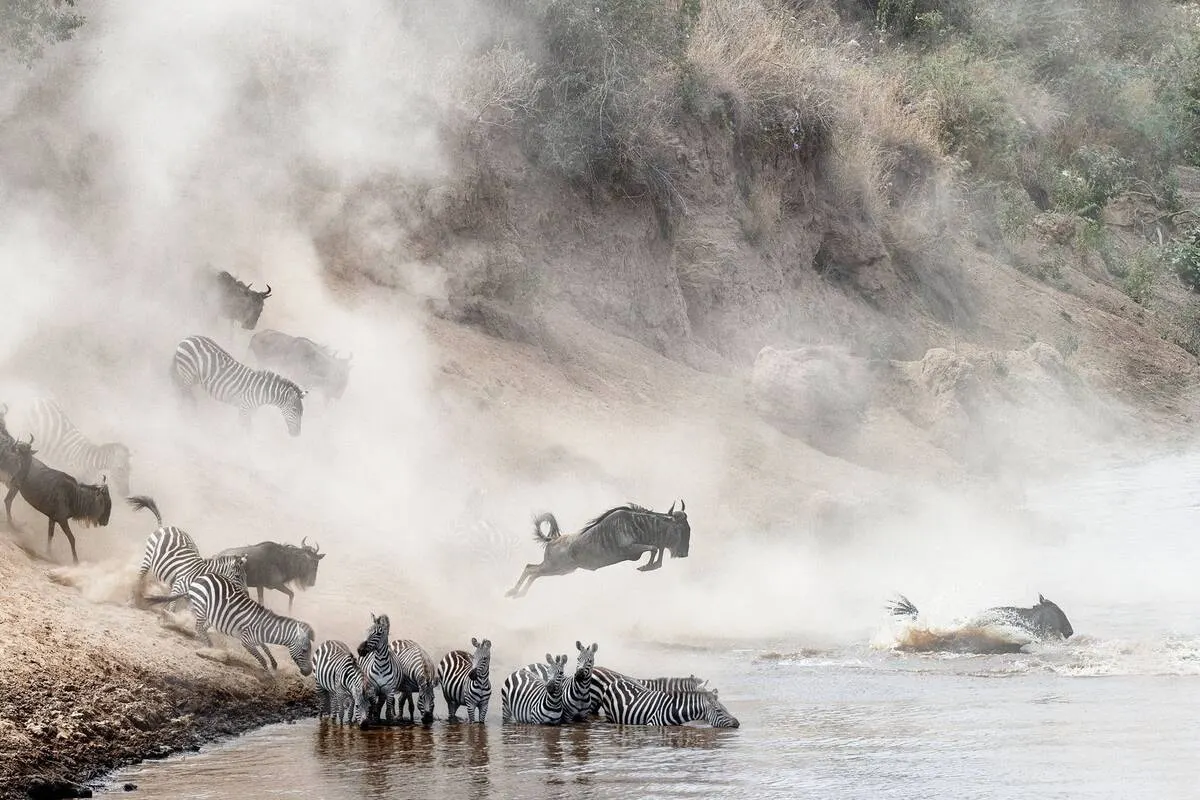
Serengeti Great Migration River Crossing — Mara River Safari
Witness the world's greatest wildlife spectacle — wildebeest crossing the Mara
per person • Best price direct
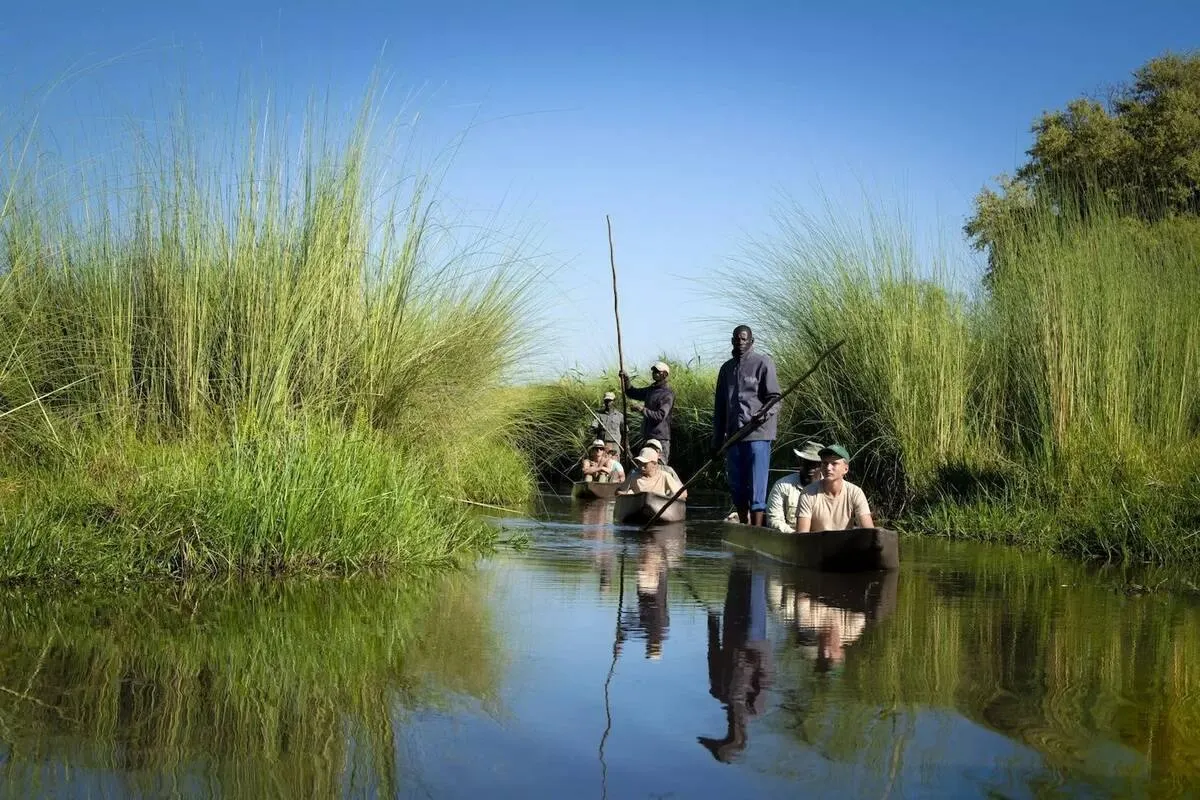
Okavango Luxury Fly-In Wilderness Camp — 5-Star Under Canvas
The world's most exclusive tented camp — deep in the delta
per person • Best price direct
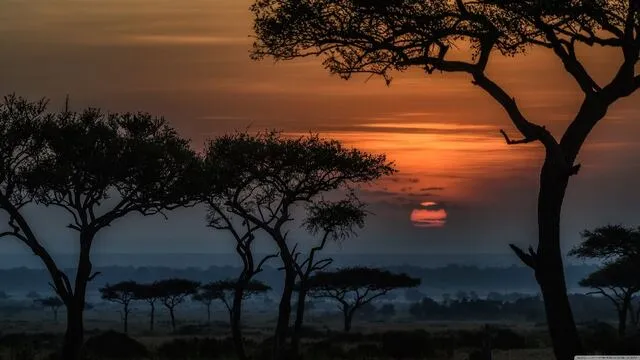
Masai Mara Great Migration Safari — River Crossing Season
Witness nature's greatest spectacle — millions of wildebeest crossing the Mara River
per person • Best price direct
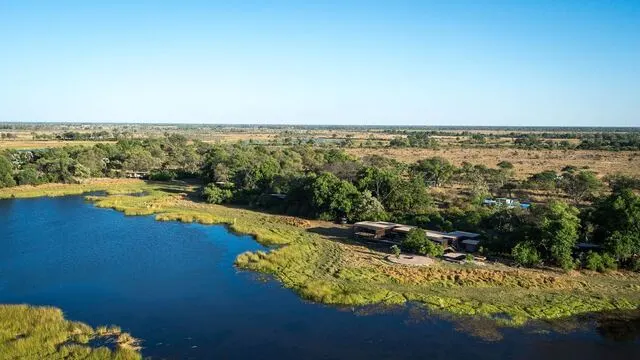
Okavango Delta Fly-In Safari — Luxury Bush Camp
The world's most exclusive safari destination from above and within
per person • Best price direct
Why book with middlemen? Same tours, lower prices, direct support from our team.
Get a Free Custom Quote