
Ngorongoro Crater is one of those rare places that seems almost designed for safari success. A vast volcanic caldera, lush floor, rimmed by forested highlands and dramatic escarpments, it concentrates an extraordinary amount of wildlife into a remarkably small area. For travellers who want reliable sightings, spectacular scenery and a sense of Africa at its most theatrical, few destinations can compete.
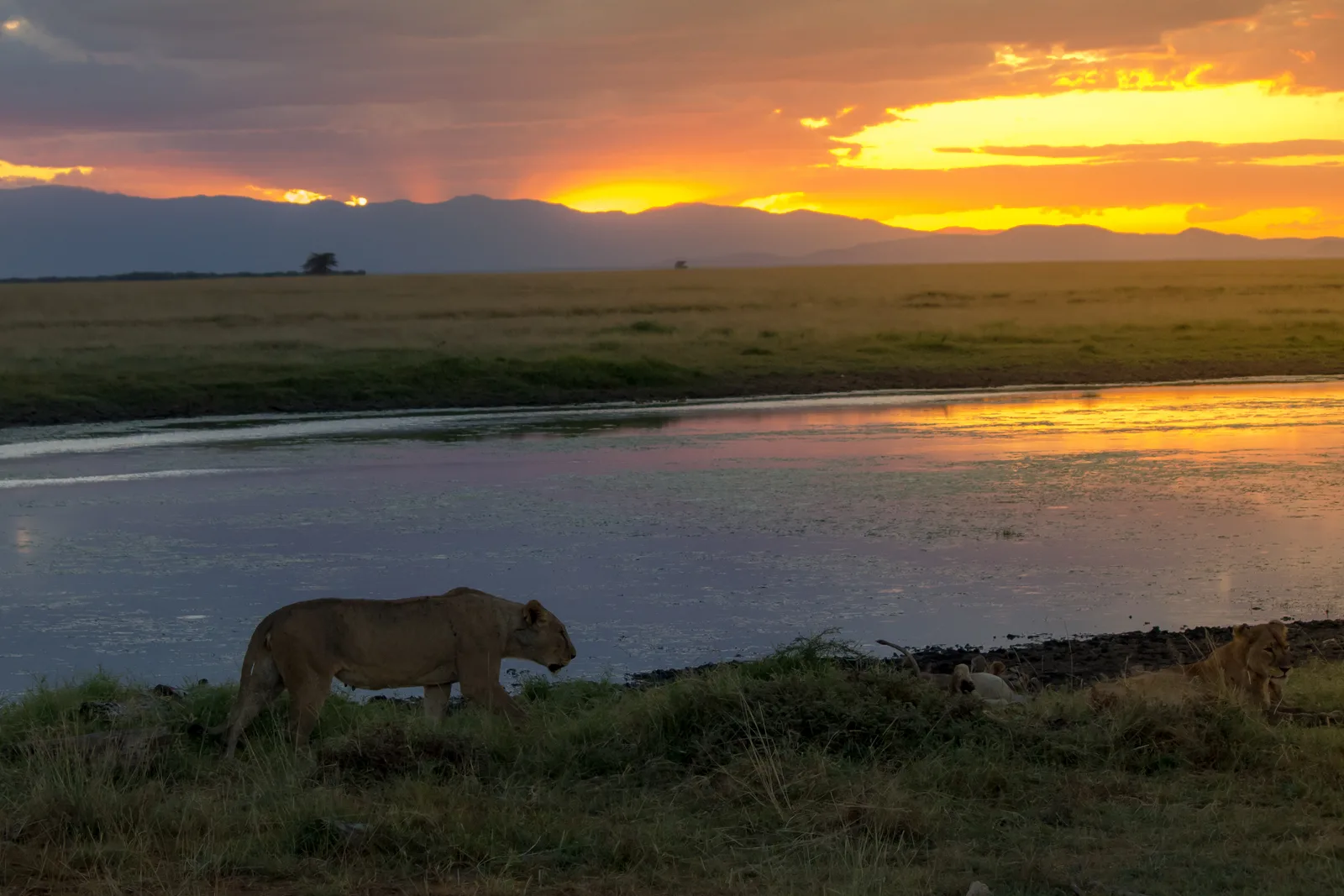
What makes the crater especially compelling is the ease of game viewing. Here, you are not driving for hours in hope of a sighting; the animals are already there, sharing the same bowl-shaped ecosystem. Lions stalk the grasslands, buffalo gather in sizeable herds, elephants move through the woodland pockets, and hippos wallow in the permanent swamps. With a little luck, you may also spot endangered black rhino, one of the crater’s most prized residents.
There is another reason Ngorongoro holds such appeal: it is a safari destination that can be enjoyed at a civilised pace. Because the driving distances are short, there is time to savour breakfast, linger over views, and plan a day that includes both wildlife and good food. For many visitors, that blend of comfort and adventure is exactly what makes the crater so memorable. If you are planning a longer East African journey, the Serengeti Great Migration & Ngorongoro Crater — Tanzania's Greatest Show is an excellent way to combine these two iconic landscapes.
Why Ngorongoro Crater delivers such exceptional game viewing
The crater’s wildlife density is its defining feature. Formed when a giant volcano collapsed millions of years ago, the basin has become a self-contained habitat with grazing plains, acacia woodland, swamps, lakes and riverine pockets. This variety supports a broad range of species, while the enclosing walls help keep many animals within the area year-round.
Unlike more open landscapes where game can be scattered across huge distances, Ngorongoro offers near-constant action in a relatively compact setting. Predators and prey share the same environment, which makes for engaging sightings throughout the day. It is also one of the few places in East Africa where visitors have a realistic chance of seeing the Big Five in a single game drive.
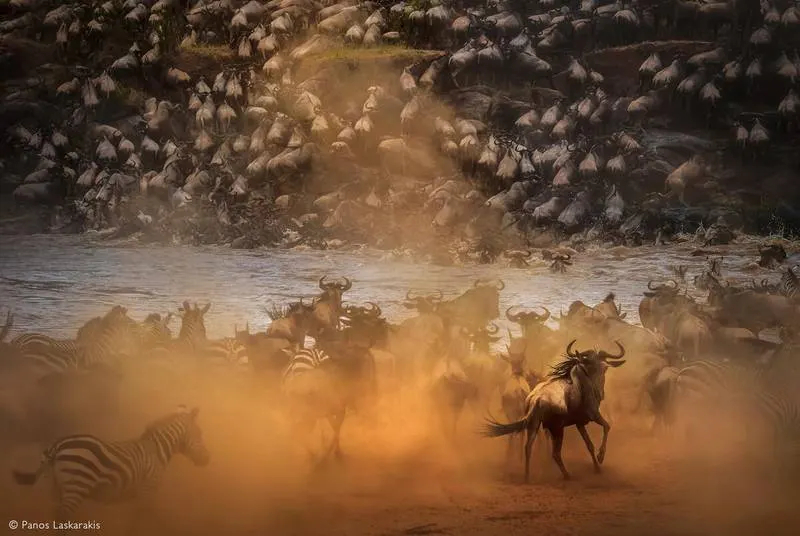
Black rhino are the trophy sighting, but the crater is equally impressive for its large carnivore population. Lions are often seen resting on the open grass, hyenas patrol the edges of herds, and jackals are never far from the action. Add in zebra, wildebeest, Thomson’s gazelle, buffalo, eland and wildebeest in substantial numbers, and you have a game-viewing experience that feels rich from the moment you descend the crater rim.
For travellers comparing East African itineraries, Ngorongoro pairs beautifully with the Serengeti. A route such as Great Migration & Gorilla Trek — Tanzania & Rwanda Ultimate Combo is ideal for those wanting a broader wildlife journey that combines plains game, volcano landscapes and primate experiences.
The best time to visit the crater for wildlife and comfort
Ngorongoro Crater is a year-round destination, but the experience changes subtly with the seasons. The dry months, generally from June to October, tend to offer clearer skies, shorter grass and easier wildlife viewing. Animals are often easier to spot near water sources, and the roads are usually in better condition.
The wetter months, particularly from November to May, bring greener scenery, fewer vehicles at times, and a softer, more atmospheric light for photography. February and March can be especially rewarding for those combining the crater with the calving season on the southern Serengeti plains. That said, rain can make some tracks slippery, so an experienced driver is invaluable.
If food and dining matter to you, dry season travel can also be more predictable for picnic lunches and lodge lunches on the crater rim. Early starts are still essential, because morning game drives are often the most productive before the heat builds. A warm jacket, a flask of coffee and a good breakfast can make all the difference when the sun is rising over the caldera edge.
For travellers who prefer a more luxurious, seamless East African journey, the Zanzibar & Serengeti — Bush Meets Beach in East Africa is another elegant option, especially if you want to end your safari with a relaxed coastal stay after the intensity of crater game viewing.
For travellers who want reliable sightings, spectacular scenery and a sense of Africa at its most theatrical, few destinations can compete.
What you can expect to see on a game drive
A well-planned crater descent usually begins early in the morning. As you drop from the rim, the landscape opens dramatically: mist may hang over the forest, then gives way to broad plains dotted with zebras and wildebeest. This first hour often feels magical, not only because of the wildlife but because the light can be exceptional.
On the crater floor, different habitats support different species. Near the Lerai Forest, you may see elephant browsing in the shade. Around Lake Magadi and the surrounding wetlands, hippos and flamingos are commonly spotted, though their numbers vary with water levels. The open grasslands are prime territory for lions, buffalo and grazing antelope, while the wooded sections may hold warthog, waterbuck and small predators.
Here are some of the most rewarding sightings to look out for:
- Lions resting in the grass or moving between herds
- Black rhino grazing in the distance, often the rarest highlight
- Elephants, especially solitary bulls in the woodland
- Hippos in pools and marshes
- Buffalo in large, photogenic groups
- Flamingos and other waterbirds near the lake margins
Photographers will find the crater highly rewarding because animals are often easier to frame against open backgrounds. The challenge is less about finding wildlife and more about deciding where to point the lens first.
How to make the most of your crater experience
Ngorongoro is not just about ticking off sightings. To get the most from the day, it helps to travel with a guide who understands both the wildlife and the rhythm of the crater. Timing matters. The best game viewing is usually early, before the midday heat pushes some animals into the shade and before the descent and ascent queues build up.
It is also worth remembering that the crater floor has strict conservation rules. Vehicles are generally limited in how long they can remain inside, and there are designated routes to reduce environmental pressure. That means planning matters: keep your camera ready, know what you want to prioritise, and avoid wasting time at the wrong moments.
A few practical tips will improve your day:
- Leave early to maximise the cooler, more active morning hours
- Bring layers; the rim can be chilly, while the crater floor warms quickly
- Carry binoculars for spotting rhino and distant predators
- Choose a good picnic plan if your safari includes lunch inside the crater
- Keep your camera accessible; sightings can happen quickly and unexpectedly
If you are building a Tanzania itinerary from scratch, consider combining the crater with the slopes of Kilimanjaro or a coastal finish. A journey such as Mount Kilimanjaro — 7-Day Lemosho Route appeals to adventurous travellers who want to pair wildlife with one of Africa’s great mountains, while a safari-lodge style escape can be rounded out elsewhere with beach time.
Where food and safari meet: eating well in Ngorongoro
Because this category celebrates Food & Wine, Ngorongoro deserves special mention for its dining experiences. While the crater itself is about the wildlife, the lodges and camps on the rim often deliver memorable meals with a view. There is something particularly satisfying about returning from a game drive to a hot lunch, fresh fruit, strong Tanzanian coffee and a table overlooking one of Africa’s most extraordinary landscapes.
Many properties serve seasonal produce, simple but well-executed dishes and packed lunches designed to be enjoyed in scenic spots. Expect soups, grilled meats, fresh salads, rice dishes and fruit platters, often prepared with the practicalities of safari travel in mind. The best lodges understand that hungry travellers appreciate food that is wholesome, tasty and served efficiently between game drives.
For those who enjoy pairing travel with flavour, Tanzania can be an excellent place to explore local hospitality. While Ngorongoro is not a wine region in the way South Africa is, many safari itineraries across the continent can be combined with celebrated food and wine experiences. If you are planning a broader southern Africa journey, the Romantic Southern Africa Honeymoon — Bush, Beach & Wine brings together wildlife, coastal relaxation and vineyard country in one elegant itinerary.
Travellers who love culinary culture should also consider adding a city or tasting component before or after safari. For example, a stop in day trips">Cape Town can include the Cape Malay Cooking Class in Bo-Kaap — Cook Like a Local, or the Stellenbosch & Franschhoek Wine Tour, both of which offer a delightful contrast to the wild simplicity of the crater.
When to choose Ngorongoro over other safari destinations
Ngorongoro is not necessarily a substitute for every African safari destination, but it excels for certain kinds of travellers. If your priority is the highest possible concentration of big mammals in a beautiful setting, the crater is hard to beat. If you want a destination where a short game drive can still feel enormously productive, it is superb. And if you appreciate scenery as much as sightings, the dramatic walls and shifting weather patterns add a sense of occasion from start to finish.
By contrast, if you want a long, wild, low-density safari where you might not see another vehicle for hours, a private conservancy or remote wilderness may suit you better. For example, Kenya’s private reserves and the quieter corners of Tanzania offer a more exclusive feel. That said, many travellers choose Ngorongoro precisely because it blends the best parts of both worlds: abundant wildlife and relatively easy access.
It is also a strong choice for families, first-time safari-goers and anyone travelling with mixed interests. Some people want to see lions and rhino; others care more about landscapes and comfortable lodges. Ngorongoro accommodates both. For a multi-country East African journey, the crater can be paired with the Great Migration, gorilla trekking or a relaxing beach extension depending on your pace and budget.
Food, travel and safari: planning a balanced itinerary
The best safari itineraries do not rush. They allow for wildlife, rest and good meals in equal measure. Ngorongoro works especially well as part of a thoughtfully paced trip, because one full day in the crater can be incredibly satisfying without feeling exhausting. Add a night on the rim, and you gain time to enjoy sundowners, a proper dinner and the cooler mountain air.
If you like a more indulgent style of travel, think about balancing your Tanzania safari with another destination that offers a strong culinary or lifestyle angle. Zanzibar is the obvious choice for seafood, spice and oceanfront dining, while South Africa offers wine estates, sophisticated city cuisine and coastal scenery. A trip such as Luxury Botswana — Okavango Delta, Chobe & Victoria Falls Fly-In may appeal to those who want a premium safari circuit with smooth logistics and striking variety.
And if your dream holiday leans towards romance as well as wildlife, it is worth noting that safari can be the perfect prelude to a slower, more sensuous escape. The combination of dramatic landscapes, shared adventure and carefully chosen dining experiences creates a travel rhythm that feels both exciting and restorative.
Final thoughts: why Ngorongoro remains Africa’s benchmark
Ngorongoro Crater has earned its reputation because it consistently delivers. The wildlife is abundant, the scenery is unforgettable, and the overall experience feels both accessible and special. For many travellers, it is the place where Africa’s safari dream becomes vividly, almost effortlessly real.
If you are planning a Tanzania adventure, this is one destination you should not treat as an afterthought. Build time for the crater properly, arrive early, travel with a knowledgeable guide and leave room for a memorable meal at the end of the day. Whether you are on a once-in-a-lifetime honeymoon, a family holiday or a serious wildlife journey, Ngorongoro gives you a safari with remarkable depth and immediate reward.
To create an itinerary that makes the most of this extraordinary region, explore our East Africa safari options and consider combining the crater with the Serengeti, Zanzibar or even gorilla trekking. Africa has many wonderful game-viewing destinations, but few feel as complete, as concentrated or as consistently rewarding as Ngorongoro Crater.
Tours & Safaris You'll Love
Handpicked by our team based on what you're reading. Book direct for the best price — guaranteed.
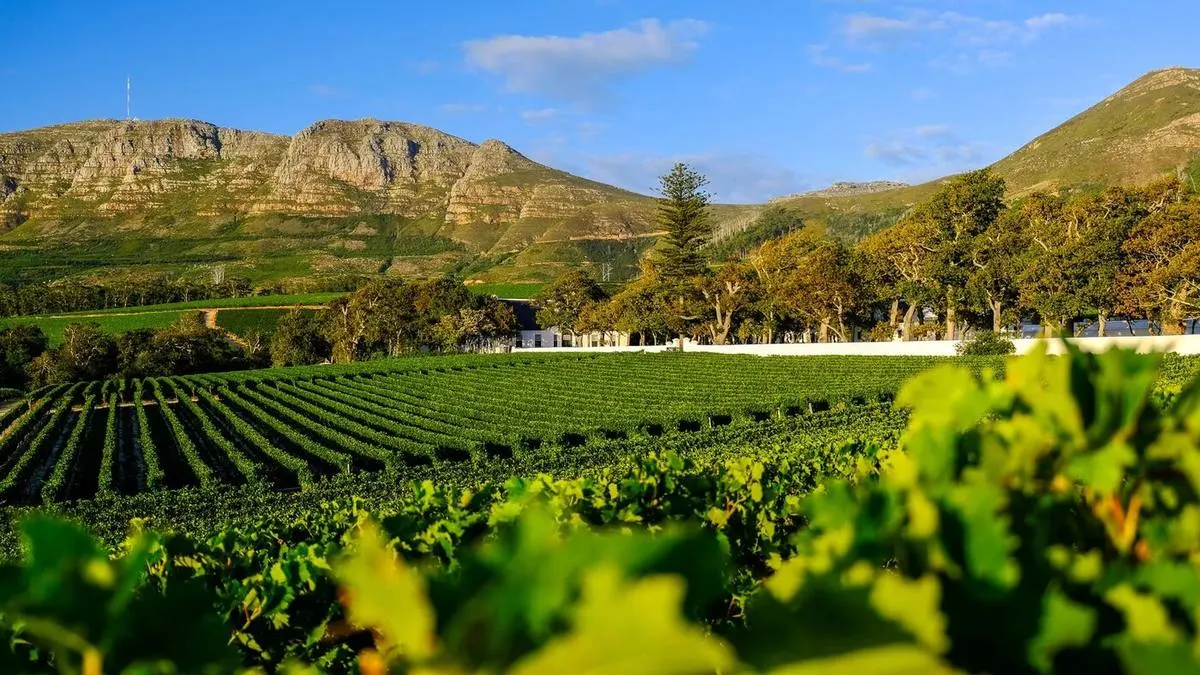
Cape Winelands 3-Region Wine Tour — 15 Wines, 3 Estates
Stellenbosch, Franschhoek & Paarl — The Ultimate Full-Day Wine Experience
per person • Best price direct
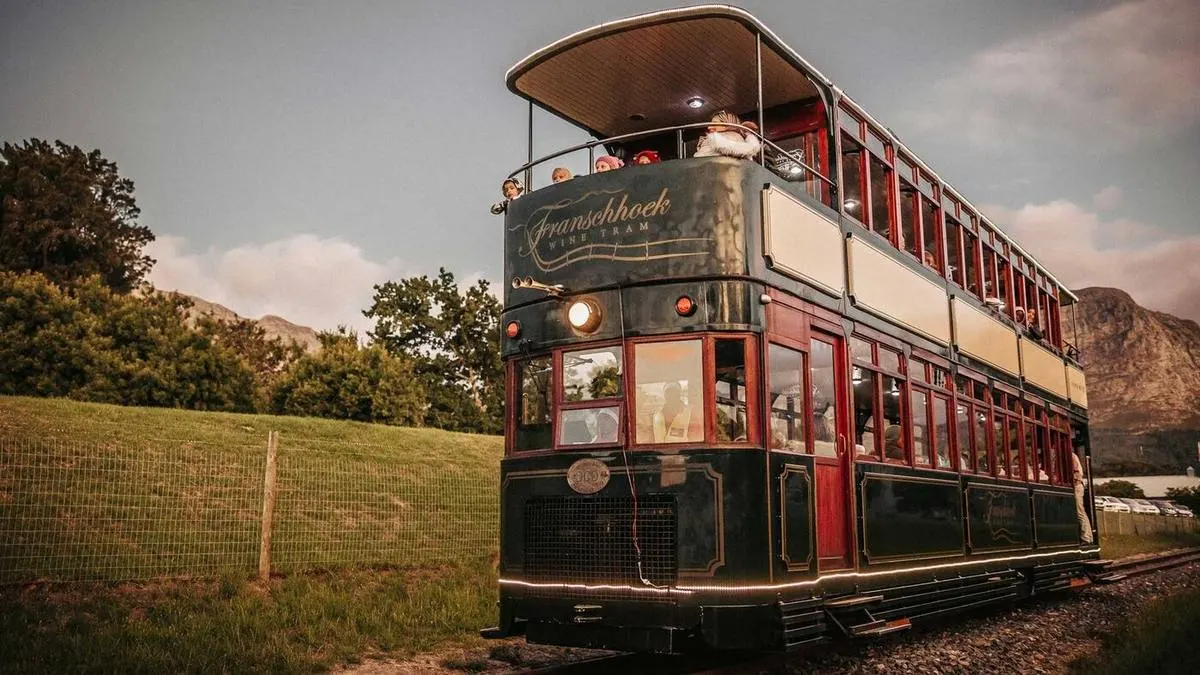
Franschhoek Wine Tram Hop-On Hop-Off Experience from Cape Town
Ride the Famous Wine Tram Through South Africa's Culinary Capital
per person • Best price direct
Table Mountain & City Explorer
Discover Cape Town's Iconic Landmarks
per person • Best price direct
Stellenbosch & Franschhoek Wine Tour
Two Iconic Wine Regions in One Day
per person • Best price direct
Why book with middlemen? Same tours, lower prices, direct support from our team.
Get a Free Custom Quote