Okavango Delta
The world's largest inland delta — Africa's ultimate water safari paradise
Get to Know Okavango Delta
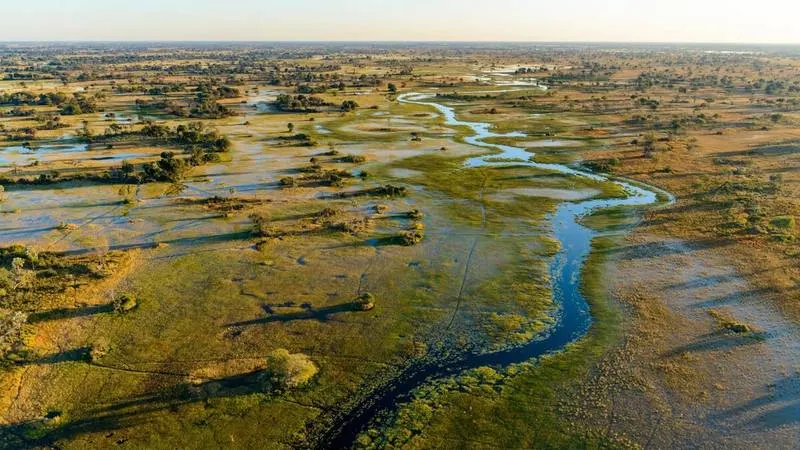
The world's largest inland delta — 22,000 km² of pristine waterways, islands, and floodplains in the Kalahari Desert
Key Numbers
0km²
0species
0species
0species
Big Five Score
Getting There
Maun Airport
MUB
1h 45min from Johannesburg
-19.5000°, 22.9500°
Best Time to Visit
Climate & Terrain
19.50° S, 22.95° E
Signature Wildlife
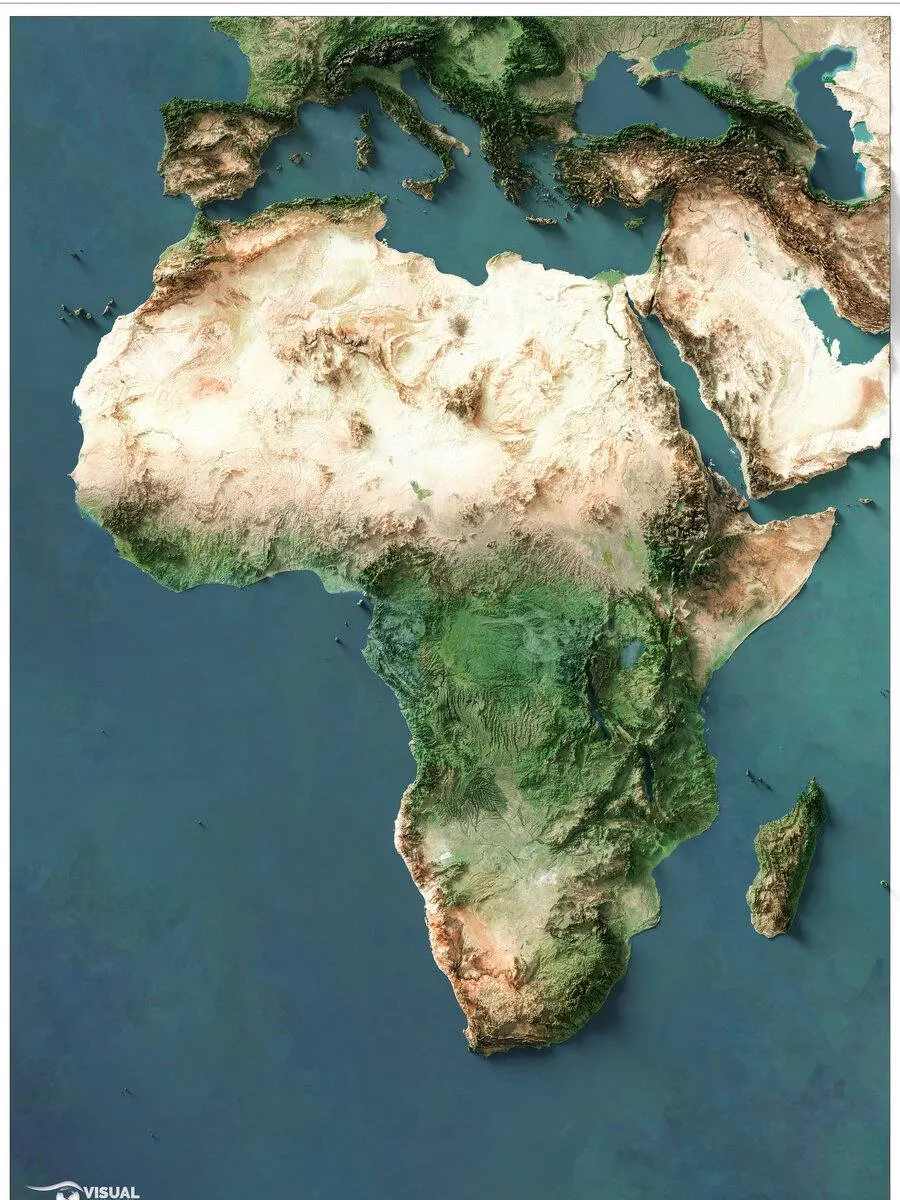
Location on Africa
Why Visit Okavango Delta?
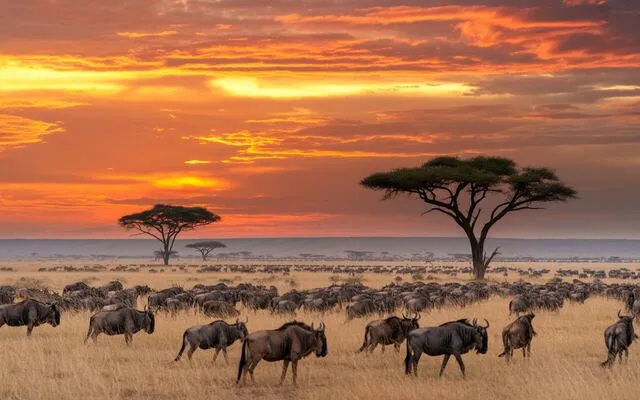
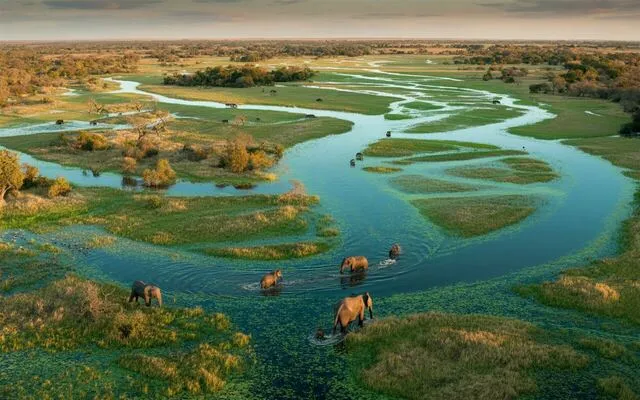
The Okavango Delta is one of the most extraordinary natural wonders on Earth — a vast inland delta where the Okavango River fans out across the Kalahari Desert, creating a 22,000 square kilometre oasis of crystal-clear channels, palm-fringed islands, and papyrus-lined lagoons teeming with wildlife. Declared a UNESCO World Heritage Site in 2014, the Okavango offers a safari experience found nowhere else: gliding silently through lily-pad waterways in a traditional mokoro canoe, with elephants swimming alongside you and fish eagles calling overhead.
2. Pristine, Remote, Exclusive Wilderness
Botswana's high-value, low-volume tourism policy means the Okavango is one of the most exclusive safari destinations in Africa. Camps are limited to 24 beds maximum, vehicle numbers are strictly controlled, and vast concession areas mean you may be the only humans for miles. This is raw, untouched Africa at its finest.
3. Diverse Ecosystems in One Destination
The delta's seasonal flooding creates a mosaic of wetlands, floodplains, and dry land that supports an incredible diversity of wildlife. In a single day, you can go on a mokoro water safari in the morning, a game drive through Moremi Game Reserve at midday, and a walking safari on a palm island at sunset — three completely different safari experiences.
5. Exceptional Wildlife Including Rare Species
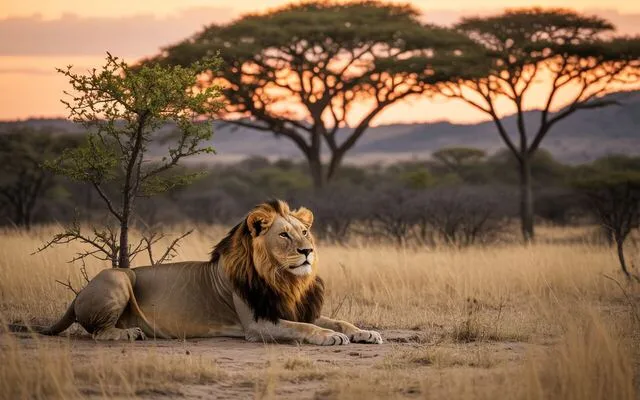
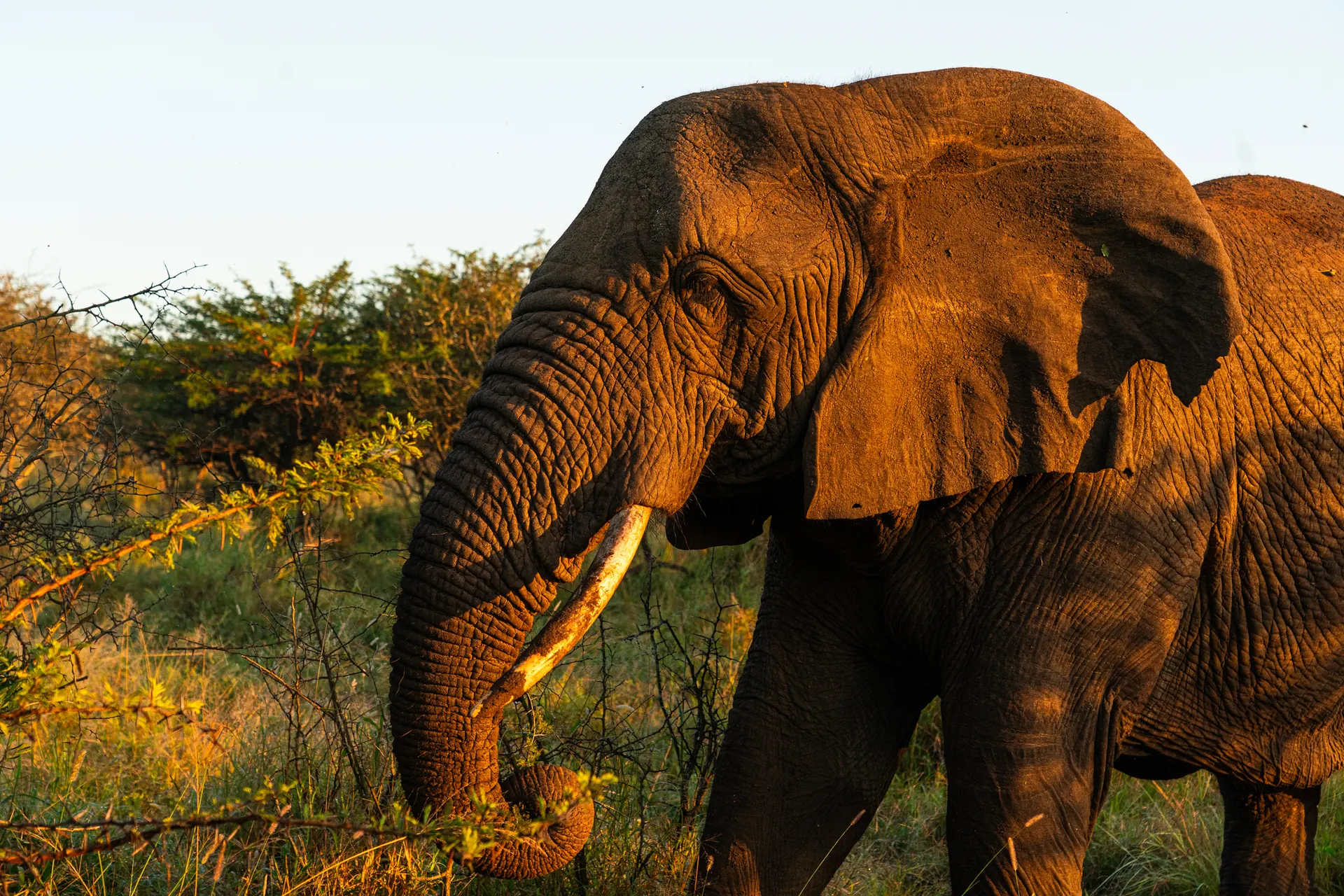
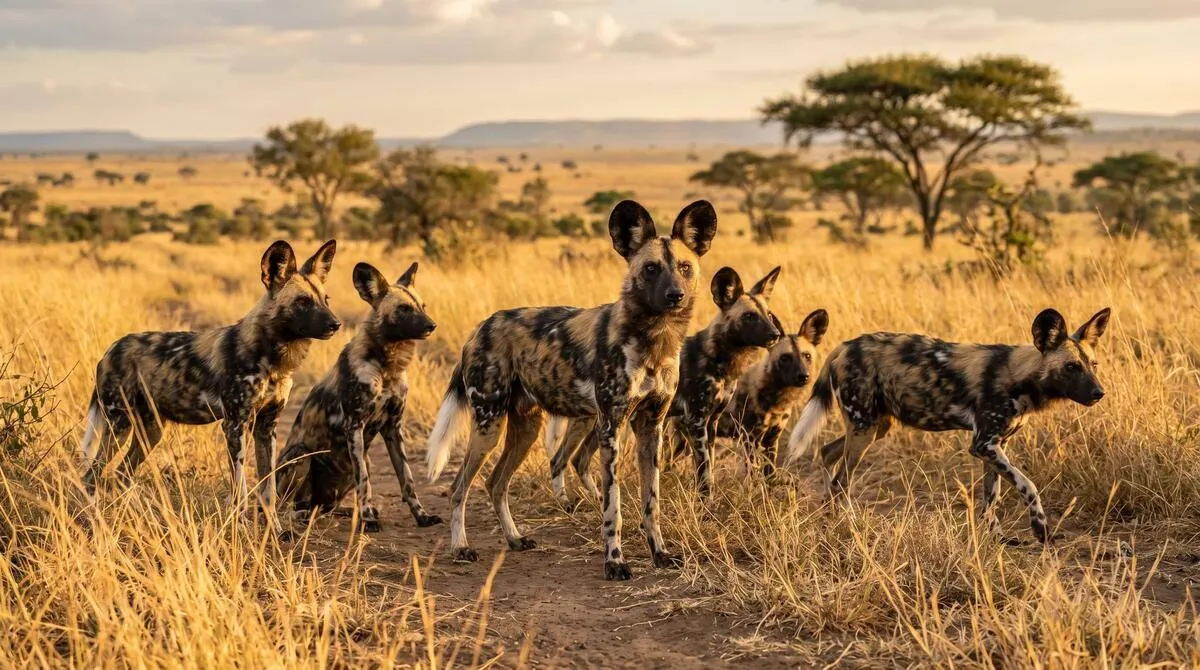
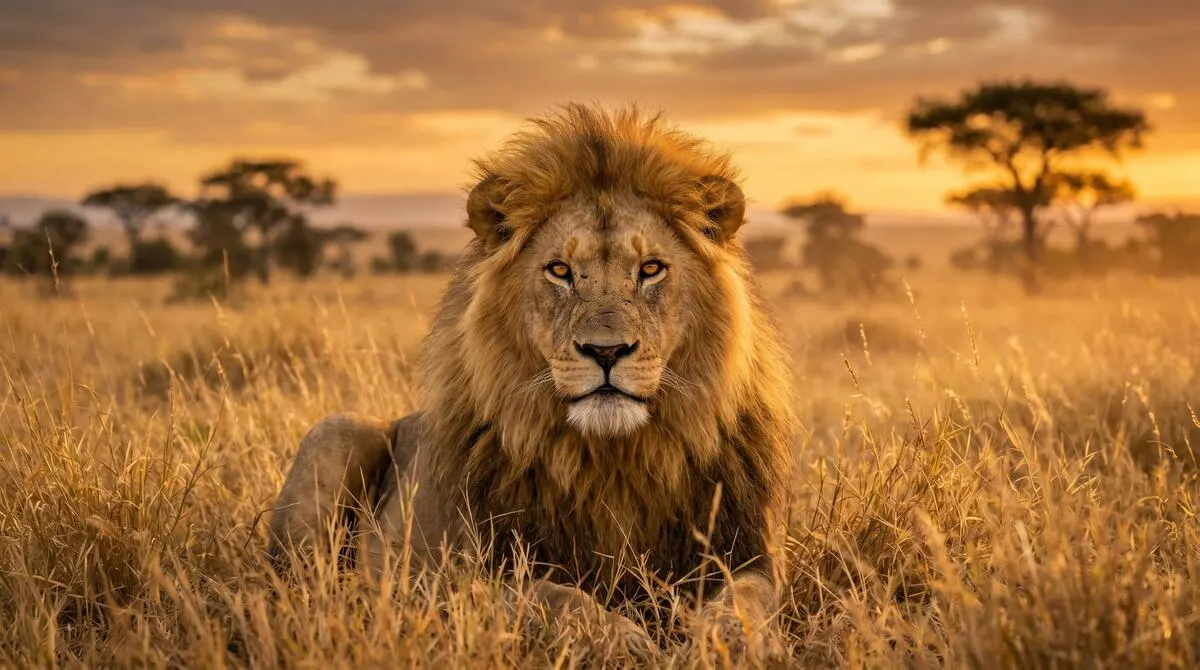
Beyond the Big Five, the Okavango is one of the best places in Africa to see the highly endangered African wild dog, the elusive sitatunga antelope, and huge herds of red lechwe — a semi-aquatic antelope found almost exclusively in the delta. Elephant populations exceed 130,000 — the largest in Africa.
Quick Reference
Okavango Delta at a Glance
Big Five Score
Safari Rating
World-ClassEasy to Moderate
Year-round — take prophylaxis
Visa-free for most nationalities
Maun International (MUB) (MUB)
Botswana Pula (BWP) / USD
CAT (UTC+2)
Bottled water only
230V, Type M/G plug
Okavango Delta Safari Highlights
Signature experiences that make this destination unforgettable
Mokoro Canoe Safaris
Glide through crystal channels in a traditional dugout canoe — the quintessential Okavango experience.
Read MoreMoremi Game Reserve
One of Africa's finest game reserves, right in the heart of the delta.
Read MoreLuxury Island Lodges
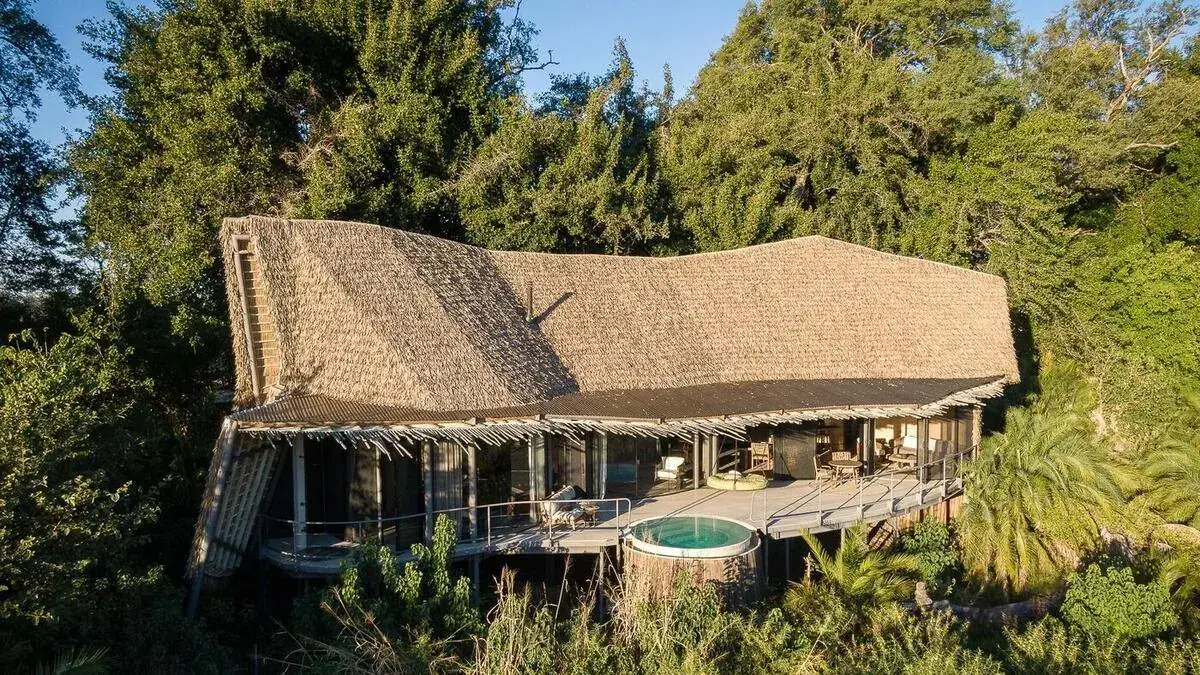
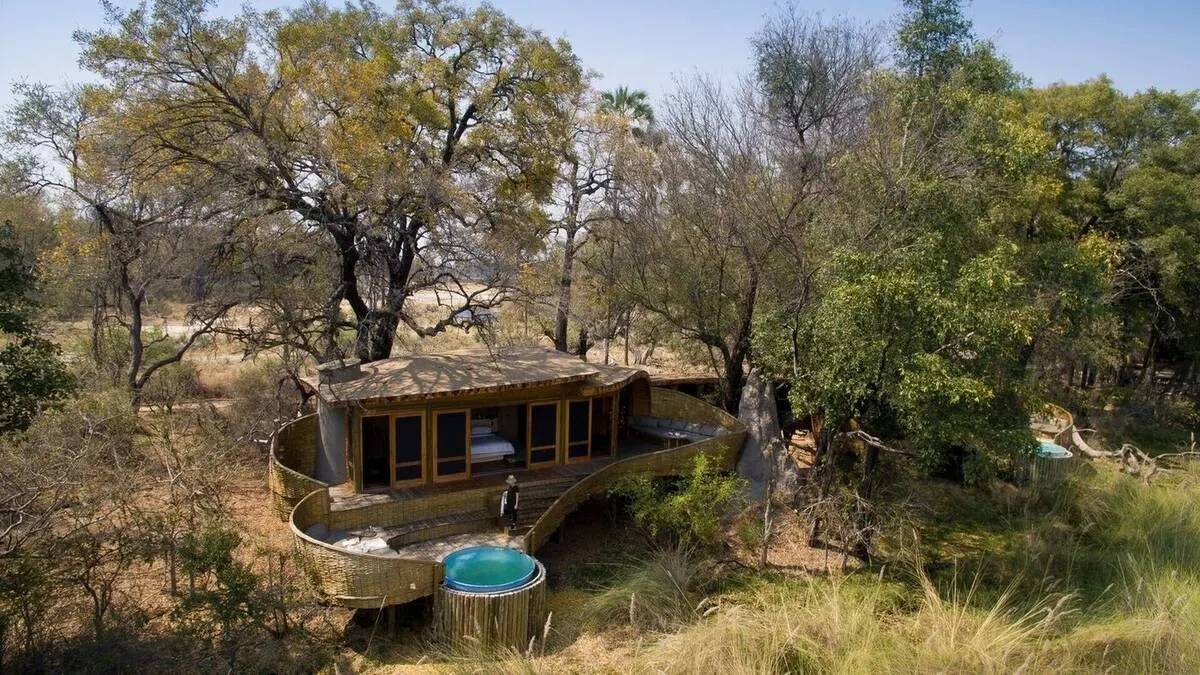
World-class lodges on private islands with plunge pools and star beds.
Read MoreWild Dog Tracking
One of the best places in Africa to see the endangered African wild dog.
Read MoreScenic Helicopter Flights
See the delta's breathtaking patterns from above — a photographer's dream.
Read MoreWalking Safaris
Explore palm islands on foot with expert trackers for an intimate bush experience.
Read MoreWildlife & Best Time to Visit
Best Time to Visit
The best time for water safaris is during the flood season from June to August, when the delta is at its highest. For game viewing on dry land, September to November is excellent as animals concentrate around remaining water. The green season (December–March) offers lower prices and dramatic landscapes.
Jun – Aug (flood season) · Sep – Nov (dry season game viewing) · Dec – Mar (green season)
Wildlife You'll See
A Typical Day in Okavango Delta
Hour by hour — from the first coffee to stargazing
4:00 AM
night
Wake-Up Call
A gentle knock and hot coffee delivered to your tent. The African bush is still dark — listen for the last calls of the nightjars.
Dry Season vs Green Season
Drag the slider to see how Okavango Delta transforms between seasons
Plan Your Trip
Okavango Delta Weather & Safari Calendar
Click any month to see temperature, rainfall, crowds, and what makes that month special
January — Green Season
Temperature
20°C – 32°C
Rainfall
130mm
Crowds
LowPrice Level
$ (Low)
What to Expect
Dramatic thunderstorms, lush delta, baby animals
Wildlife Sighting Probability
Based on decades of ranger reports and sighting data in Okavango Delta
Top Accommodation in Okavango Delta
Hand-picked luxury lodges and camps recommended by our safari experts
Can't decide? Let our experts help you choose the perfect lodge.
Get Expert RecommendationsEssential Tips for Okavango Delta
Fly into Maun — Botswana's safari gateway — then take a light aircraft to your camp
Pack light (10–15kg soft bag) as bush planes have strict weight limits
The Okavango is a malaria zone — prophylaxis is essential
Combine with Chobe National Park (3 hours away) for elephants and Victoria Falls
Budget for higher costs — Botswana's exclusivity policy means premium pricing
Binoculars are essential for birding — the delta has 450+ species
Be Prepared
Packing & Travel Essentials for Okavango Delta
Travel Quick Reference
Visa
Many nationalities visa-free
Malaria
Year-round risk — prophylaxis essential
Currency
Botswana Pula (BWP) / USD
Language
English & Setswana
Nearest Airport
Maun Airport (MUB)
Luggage
SOFT bags only — 20kg limit
Watch & Learn
Okavango Delta Travel Videos
Into the Heart of Botswana's Okavango Delta — Moremi Safari
Is an Okavango Delta Safari Worth It? — Finding Africa's Predators
Okavango Delta — Botswana's Water Wilderness in Stunning 4K
A Day on Safari in the Okavango Delta — Mokoro, Wildlife & Sunsets
Insider Secrets — Okavango Delta
Local knowledge you won't find in any guidebook. Tap to reveal each secret.
Okavango Delta Safari \u2014 FAQ
The Okavango is one of Africa's more expensive safari destinations. Budget mobile safaris start from $350/day, mid-range from $600–$1,000/day, and luxury lodges from $1,200–$3,000/day all-inclusive including flights, meals, activities, and park fees.
The annual flood arrives from Angola between March and June, peaking in July–August. This is when the delta is at its most spectacular — channels fill, islands appear, and wildlife adapts to the changing landscape.
Yes! A classic Southern Africa itinerary combines the Okavango Delta with Chobe National Park and Victoria Falls. The whole circuit takes 7–10 days and is one of Africa's most popular safari routes.
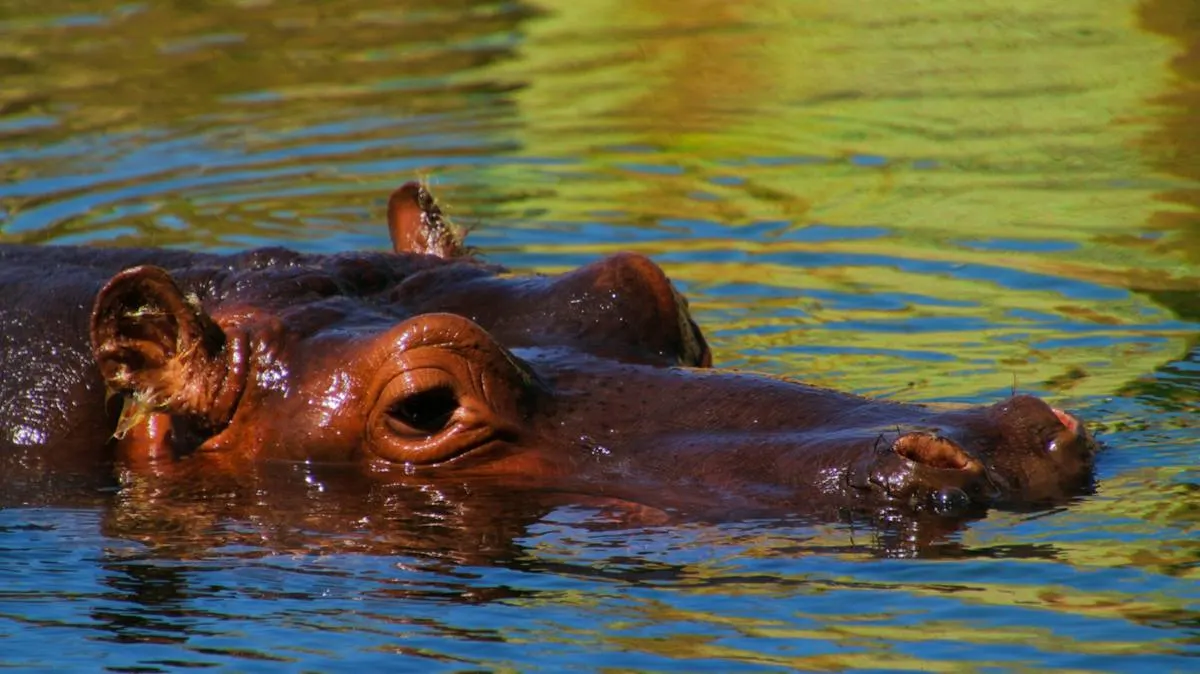
A mokoro is a traditional dugout canoe (now usually fibreglass) poled by an experienced local guide through the shallow waterways of the Okavango Delta. It's one of the most iconic African safari experiences — silently gliding past lily pads, reeds, and water lilies while spotting elephants, hippos, and colourful birdlife. Mokoro safaris are very safe when led by qualified guides who know the waterways intimately and avoid areas with hippo or crocodile concentrations. Most luxury camps include mokoro excursions as a standard activity.
The Okavango has two distinct seasons: the dry season (May–October) is considered peak safari time — the annual flood arrives from Angola, filling the delta's channels and creating a spectacular water wilderness while surrounding bush dries out, concentrating wildlife on the islands. July–September offers the highest water levels and best game viewing. The green season (November–March) brings rain, lush landscapes, excellent birding (migrant species arrive), and significantly lower prices — though some camps may close or roads become impassable.
Pack light and use soft-sided luggage (most fly-in camps have a strict 20kg limit including carry-on). Essential items: neutral-coloured safari clothing, warm layers for winter mornings (May–August can be cold on the water), a waterproof jacket, comfortable walking shoes, high-SPF sunscreen, insect repellent with DEET, a wide-brimmed hat, binoculars, and a camera with a good zoom lens. Anti-malaria medication is essential year-round. Don't forget a headlamp — most camps run on solar and may have limited lighting at night.
Most luxury delta camps have minimum age requirements (typically 6–12 years) due to the water-based activities and wildlife proximity. However, several excellent camps cater specifically to families: &Beyond Xaranna and Nxabega welcome children from 6, while private mobile safaris can be tailored for families with younger children. Many camps offer junior ranger programmes, child-friendly menus, and modified activities. For families with very young children (under 6), the Chobe area or Makgadikgadi Pans are often better alternatives within Botswana.
Yes, the Okavango Delta is in a malaria transmission zone year-round, with the highest risk during the wet season (November–April). Antimalarial prophylaxis is strongly recommended regardless of when you visit. Consult your travel doctor at least 4–6 weeks before departure. Additional precautions include using DEET-based repellent (especially at dawn and dusk), wearing long sleeves and trousers in the evenings, and sleeping under treated mosquito nets. Most luxury camps provide nets and repellent, and some have screened rooms with air conditioning.
The Okavango is unique among African safari destinations for its water-based activities — mokoro rides, boat safaris, and island-hopping that you won't find in the Serengeti, Kruger, or Masai Mara. Wildlife densities on Chief's Island and Moremi rival anywhere in Africa, including reliable Big Five sightings. The delta's exclusivity model (low-volume, high-value tourism) means fewer vehicles and more intimate encounters. The trade-off is price — the Okavango is significantly more expensive than East or Southern African alternatives. For the ultimate safari combination, pair the Okavango's water wilderness with a land-based destination like Chobe or the Makgadikgadi salt pans.
While the Okavango is known for luxury, budget options do exist. Mobile camping safaris (from $350–$500/day) offer authentic delta experiences at a fraction of lodge prices. Self-drive trips to the eastern panhandle villages (Maun, Shakawe) with mokoro day trips can be done for under $100/day. The town of Maun serves as a budget gateway with affordable guesthouses and operators offering 1–3 day mokoro camping trips into the delta from around $80–$150/day. However, the deeper, more wildlife-rich areas of the delta are only accessible by chartered flight, which adds significant cost. For the best value, visit during green season (November–March) when many luxury camps offer 30–50% discounts.
Okavango Delta Safari Packages
Hand-crafted itineraries for every travel style \u2014 from luxury honeymoons to budget adventures
Traveler Stories
What Our Guests Say About Okavango Delta
“Gliding through the delta channels by mokoro at sunrise was the most peaceful experience of our lives. Then a bull elephant appeared 20 metres away. The contrast between serenity and wild excitement is what makes the Okavango magical.”
Catherine & Robert Laurent
Paris, France
June 2025
“The photography opportunities were beyond anything I've experienced. Wild dogs hunting at dawn, elephants swimming between islands, a leopard in a sausage tree at sunset. Every frame was National Geographic quality.”
Henrik Johansson
Stockholm, Sweden
August 2025
“The exclusive island camp experience was worth every dollar. Our children learned to pole a mokoro, tracked elephants with a Bayei guide, and slept under a star bed. Transformative family travel.”
The Patel Family
Mumbai, India
July 2025
Ready to Experience Okavango Delta?
Let our expert safari consultants craft a tailor-made Okavango Delta itinerary just for you. No obligation, no cookie-cutter packages \u2014 every trip is as unique as a leopard's spots.
Extend Your Adventure
Combine Okavango Delta With…
Create the ultimate multi-destination safari by adding these incredible stops to your itinerary