Masai Mara
Kenya's jewel — where the Great Migration meets iconic African savanna
Get to Know Masai Mara
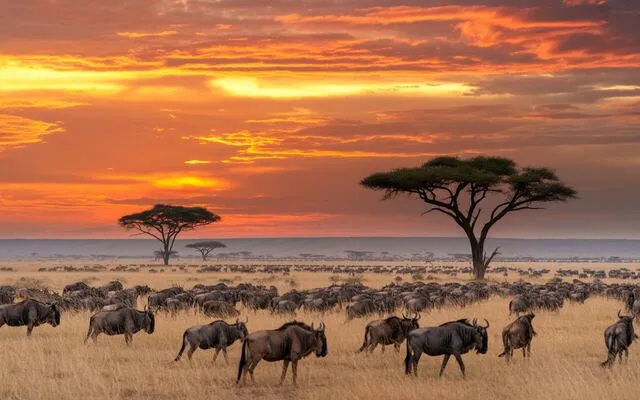
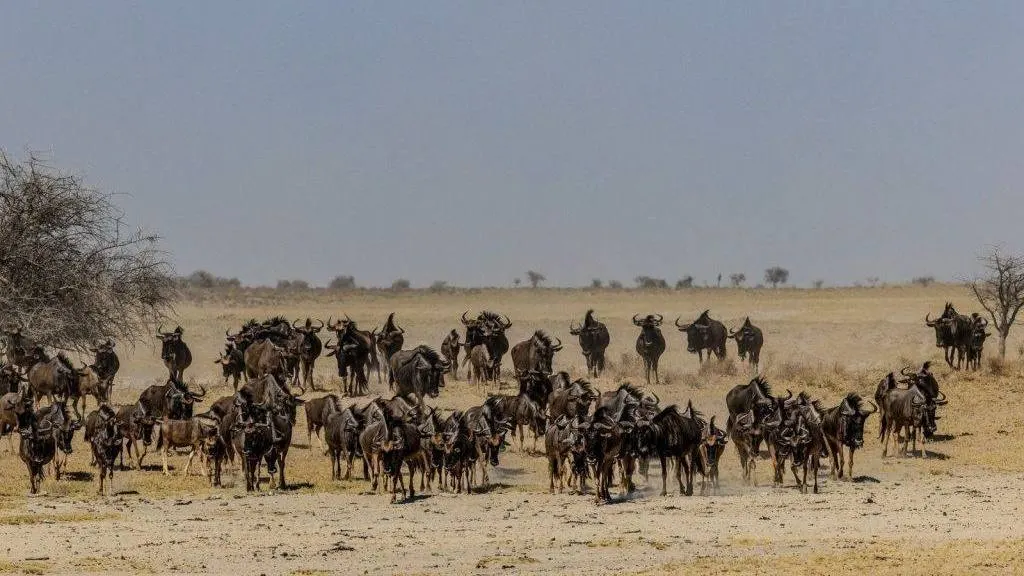
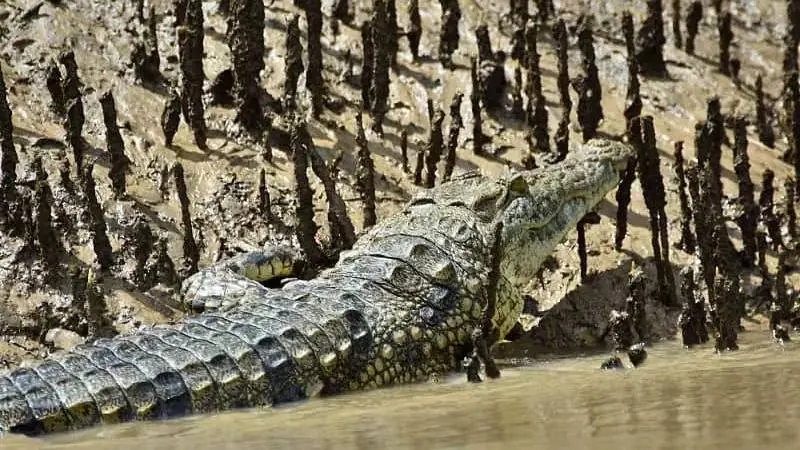
Scene of the legendary Mara River crossings — crocodile-infested waters that wildebeest must brave during the Great Migration
Key Numbers
0km²
0species
0species
0species
Big Five Score
Getting There
Jomo Kenyatta Intl
NBO
4h from Johannesburg
-1.5000°, 35.1500°
Best Time to Visit
Climate & Terrain
1.50° S, 35.15° E
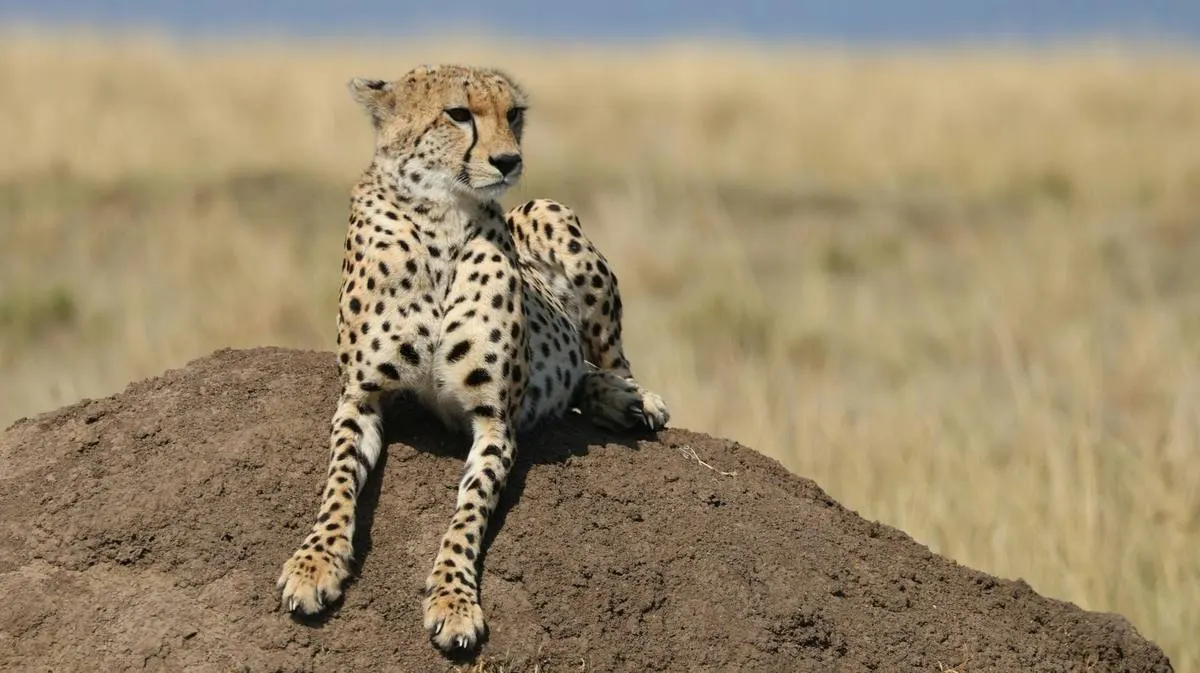
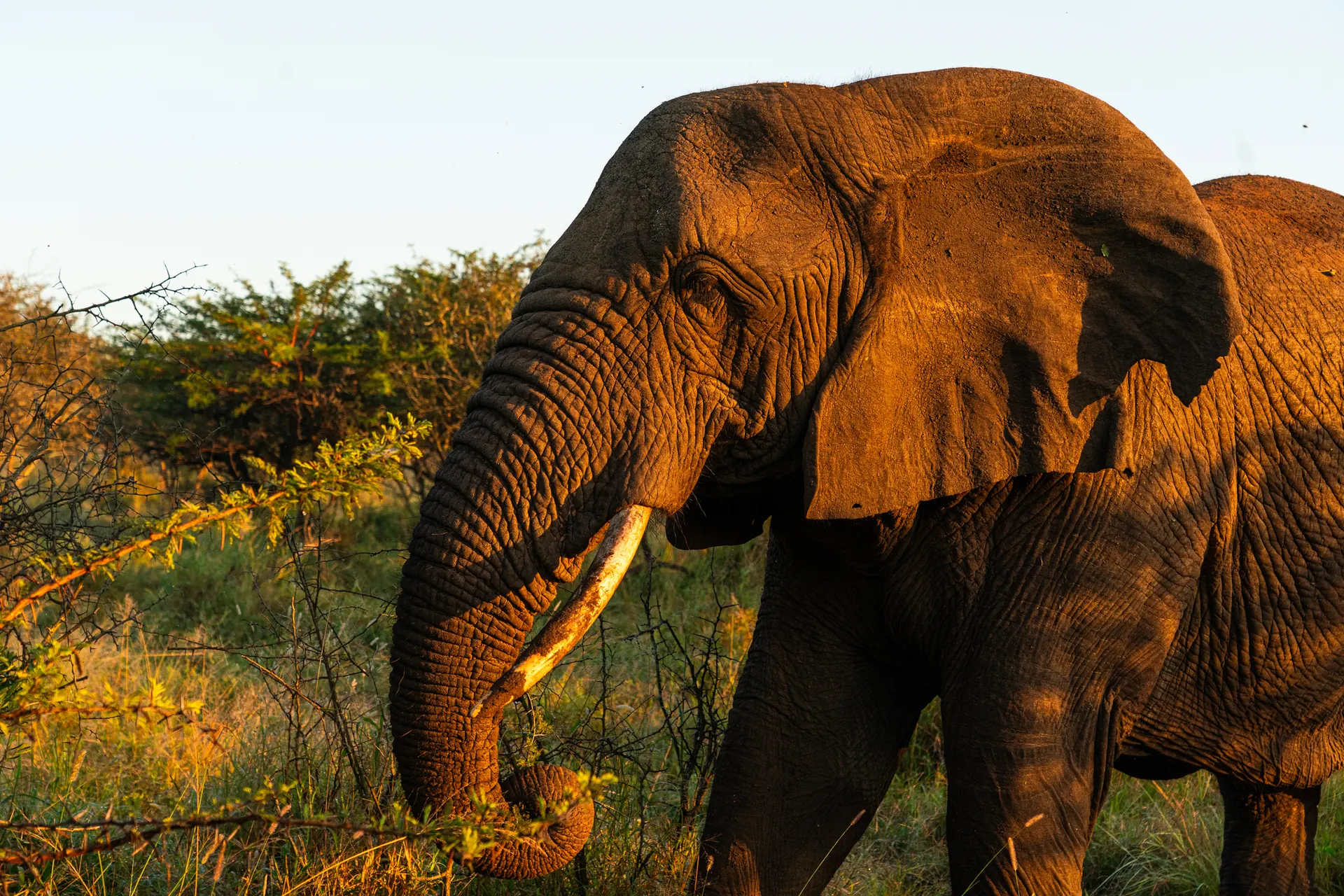
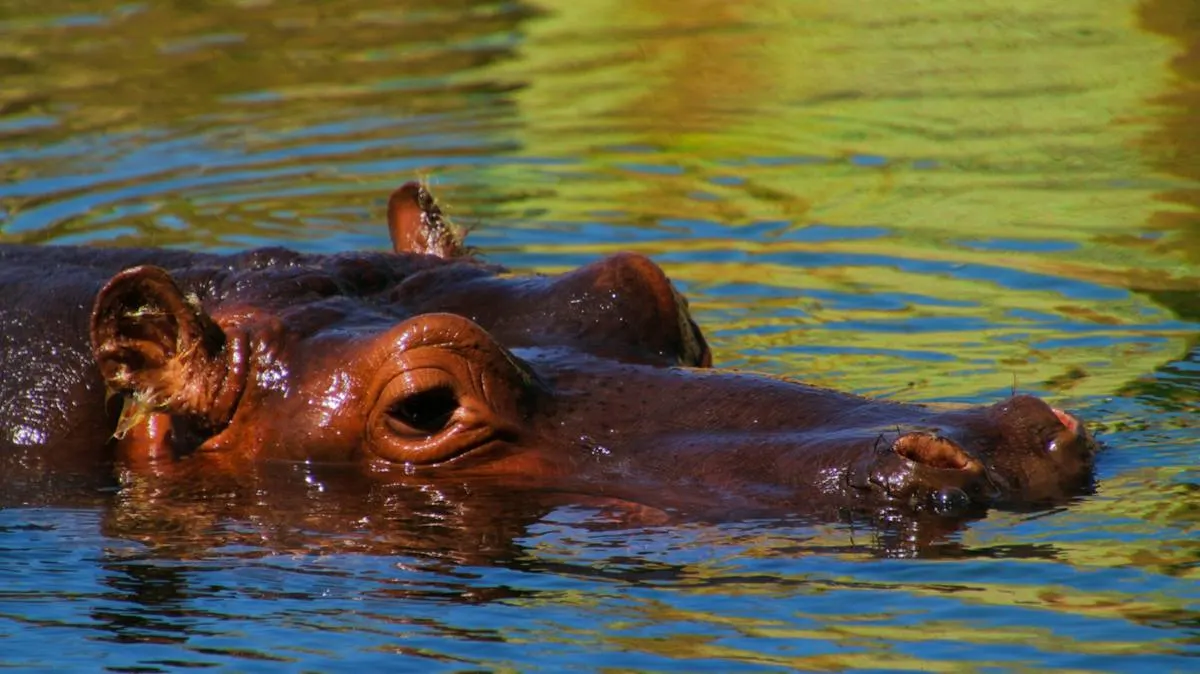
Signature Wildlife
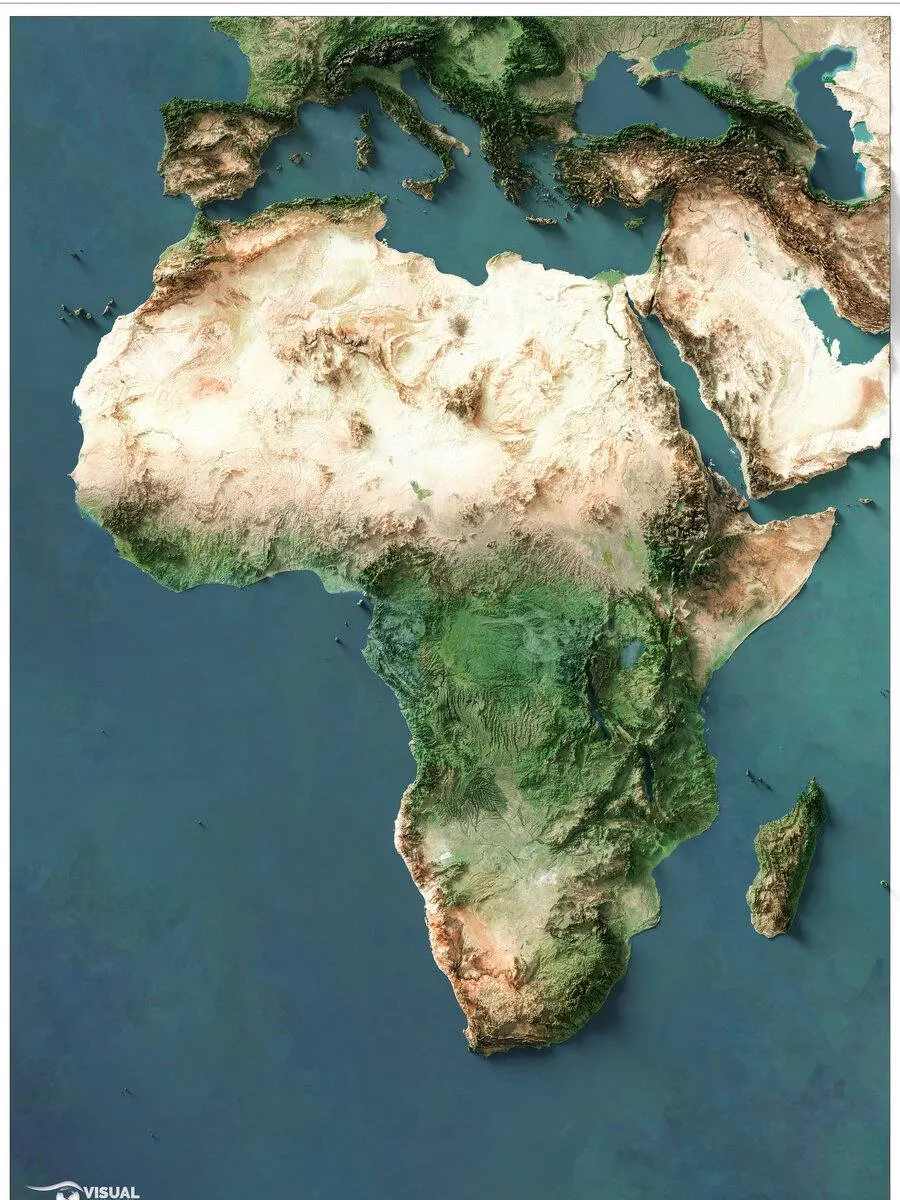
Location on Africa
Why Visit Masai Mara?
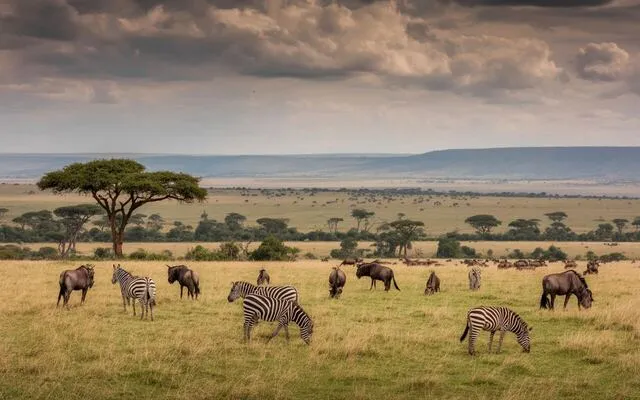
The Masai Mara is Kenya's most celebrated wildlife reserve and the northern stage of the Great Migration. This 1,510 square kilometre reserve — named after the Maasai people and the Mara River — is a photographer's paradise of rolling golden grasslands, acacia-dotted horizons, and the highest density of big cats in Africa. From July to October, the Mara River becomes the stage for one of nature's most dramatic performances: hundreds of thousands of wildebeest plunging into crocodile-infested waters in their desperate crossing from the Serengeti.
2. Highest Density of Big Cats in Africa
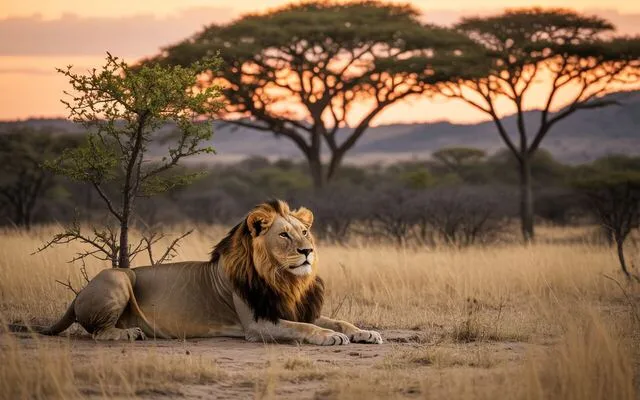
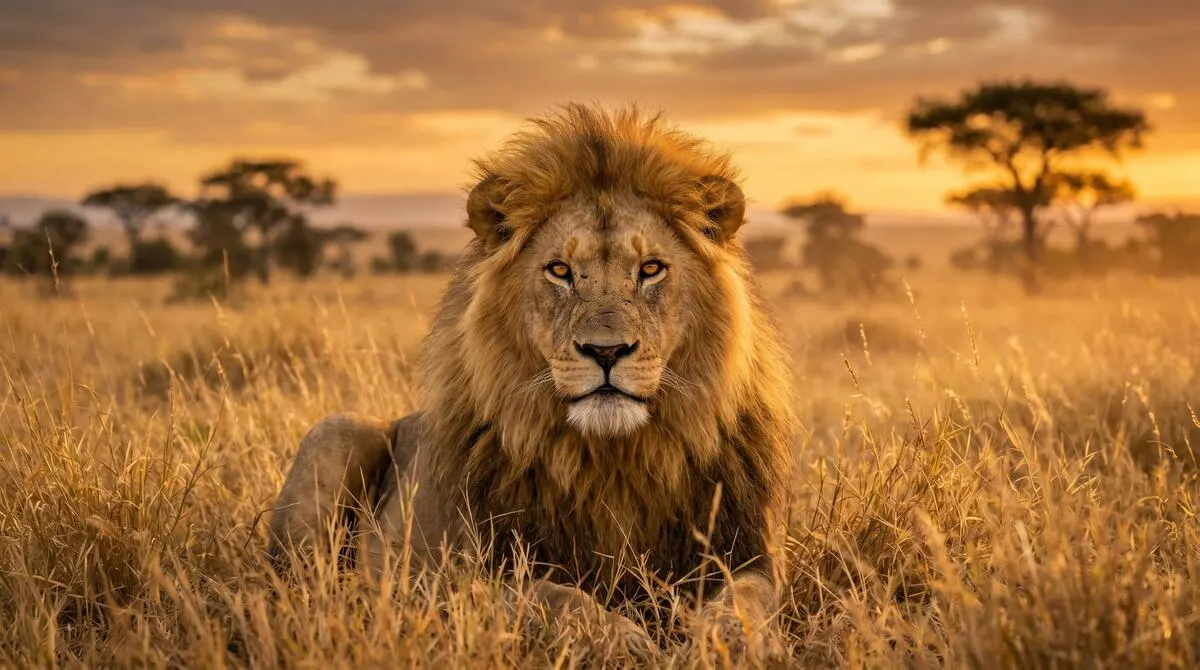
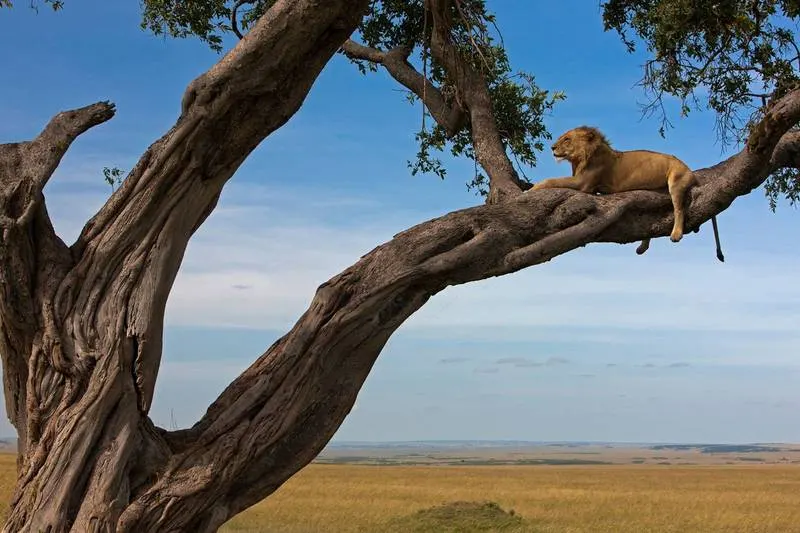
The Mara is home to an extraordinary concentration of lions — many featured in BBC's Big Cat Diary. The open grasslands make it one of the best places on Earth to see cheetahs hunting at full speed. Leopards are regularly spotted in the riverine forests along the Mara and Talek rivers.
4. Year-Round Game Viewing Excellence
While the migration season (July–October) is peak time, the Mara offers superb game viewing all year. The resident wildlife population includes over 95 mammal species and 450 bird species. January to March is excellent for fewer crowds, lower prices, and newborn animals.
Quick Reference
Masai Mara at a Glance
Big Five Score
Safari Rating
World-ClassEasy — vehicle-based
High — take prophylaxis
E-visa or ETA required
Nairobi JKIA (NBO) (NBO)
Kenyan Shilling (KES) / USD
EAT (UTC+3)
Bottled water only
240V, Type G plug (UK)
Masai Mara Safari Highlights
Signature experiences that make this destination unforgettable
Mara River Crossings
Witness hundreds of thousands of wildebeest braving crocodile-infested waters.
Read MoreBig Cat Encounters
The highest density of lions, cheetahs, and leopards in Africa.
Read MoreMaasai Culture
Visit authentic villages and support community-owned conservancies.
Read MoreBalloon Safaris
Float over the Mara at dawn with champagne breakfast in the bush.
Read MorePrivate Conservancies
Exclusive game viewing with limited vehicles, off-road access, and night drives.
Read MorePhotography Paradise
Golden light, open plains, and incredible wildlife — a photographer's dream.
Read MoreWildlife & Best Time to Visit
Best Time to Visit
July to October for the Great Migration river crossings. January to March for fewer crowds, lower prices, and excellent resident game viewing with newborn animals. The Mara delivers great safari experiences year-round.
Jul – Oct (migration) · Jan – Mar (green season) · Year-round game viewing
A Typical Day in Masai Mara
Hour by hour — from the first coffee to stargazing
4:00 AM
night
Wake-Up Call
A gentle knock and hot coffee delivered to your tent. The African bush is still dark — listen for the last calls of the nightjars.
Dry Season vs Green Season
Drag the slider to see how Masai Mara transforms between seasons
Plan Your Trip
Masai Mara Weather & Safari Calendar
Click any month to see temperature, rainfall, crowds, and what makes that month special
January — Dry
Temperature
12°C – 28°C
Rainfall
50mm
Crowds
MediumPrice Level
$$ (Mid)
What to Expect
Great game viewing, resident wildlife, fewer tourists
Wildlife Sighting Probability
Based on decades of ranger reports and sighting data in Masai Mara
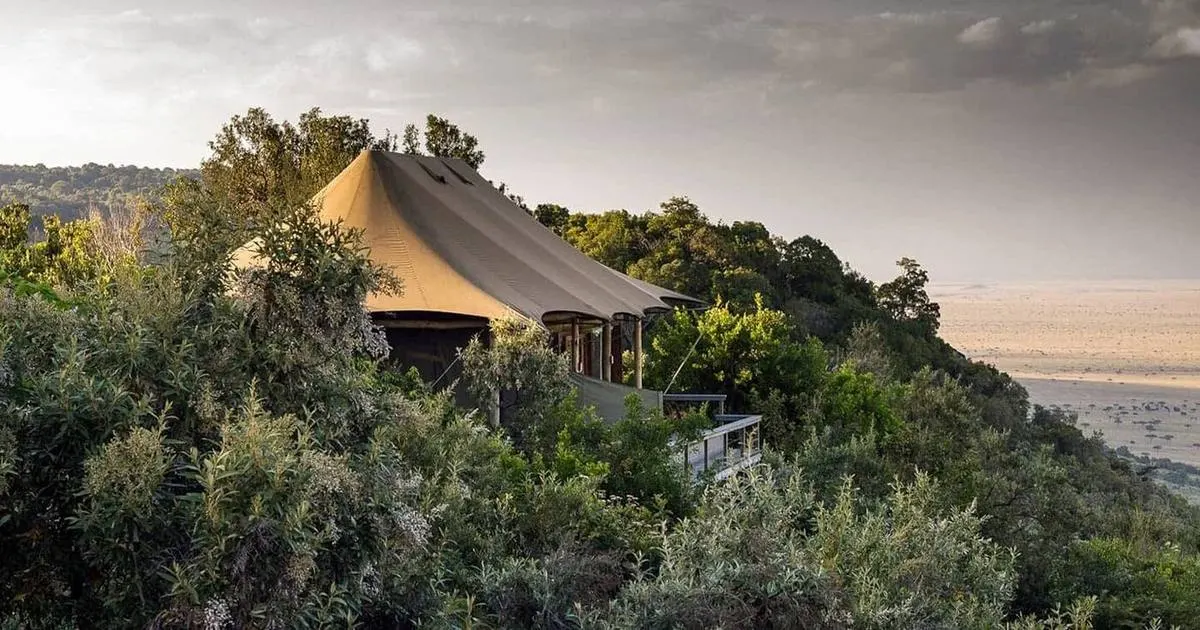
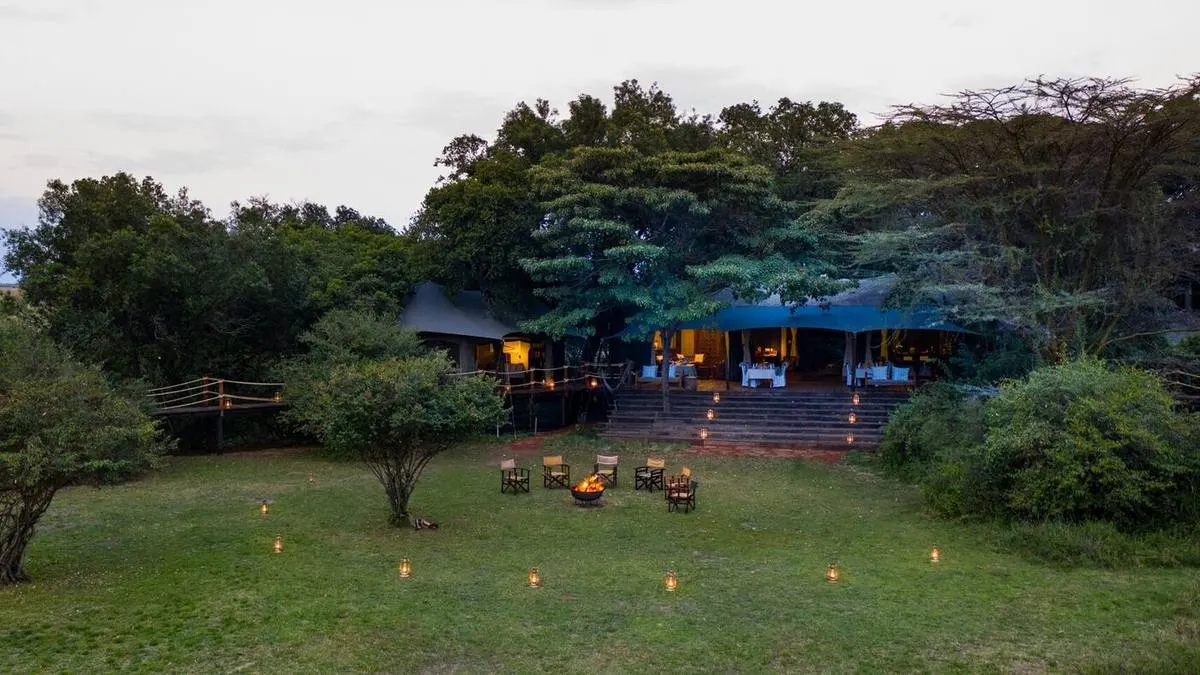
Top Accommodation in Masai Mara
Hand-picked luxury lodges and camps recommended by our safari experts
Can't decide? Let our experts help you choose the perfect lodge.
Get Expert RecommendationsEssential Tips for Masai Mara
Fly into Nairobi's Jomo Kenyatta Airport, then take a 45-minute charter flight to the Mara
Private conservancy camps offer a far superior experience to the main reserve
Bring warm layers — mornings can be surprisingly cold at 1,500m elevation
A Yellow Fever certificate may be required depending on your travel route
Park fees are $80/day for non-residents — typically included in safari packages
Visit during the week if possible — weekends can be busier with domestic tourists
Be Prepared
Packing & Travel Essentials for Masai Mara
Travel Quick Reference
Visa
E-visa or ETA required ($30-50)
Malaria
High risk — prophylaxis essential
Currency
Kenyan Shilling / USD accepted
Language
English & Swahili
Nearest Airport
Mara airstrips / Nairobi (NBO)
Tipping
$15-20/day for guides
Watch & Learn
Masai Mara Travel Videos
Maasai Mara Kenya Safari Guide — First Timers Survival Manual
This Kenya Safari Will Blow Your Mind — Masai Mara
Insider Secrets — Masai Mara
Local knowledge you won't find in any guidebook. Tap to reveal each secret.
Masai Mara Safari \u2014 FAQ
Budget camps start from $200/night, mid-range from $400–$700/night, and luxury conservancy camps from $800–$2,500/night all-inclusive. Prices vary significantly by season — migration season commands a premium.
They share an ecosystem and the Great Migration, but differ in key ways: the Mara is in Kenya (smaller, more concentrated wildlife), while the Serengeti is in Tanzania (larger, more varied landscapes). The Mara is best for river crossings (Jul–Oct), while the Serengeti is better for calving season (Jan–Mar).
Absolutely! The resident wildlife population is enormous year-round. January–March offers fewer crowds, lower prices, lush green landscapes, and excellent predator sightings with newborn prey animals.
Masai Mara Safari Packages
Hand-crafted itineraries for every travel style \u2014 from luxury honeymoons to budget adventures
Traveler Stories
What Our Guests Say About Masai Mara
“We watched three separate river crossings in two days. The drama, the chaos, the crocodiles — it was like a David Attenborough documentary in real life. Ingwe positioned us perfectly every time.”
Andreas & Lena Müller
Berlin, Germany
September 2025
“My first solo safari and I couldn't have felt safer. The Mara conservancy was incredibly intimate — we had a cheetah family all to ourselves. The Maasai cultural visit was deeply moving.”
Rebecca Okafor
Lagos, Nigeria
January 2025
“Our teenagers were speechless watching the migration. The luxury tented camp had WiFi (teens approved!) but they barely used it — too busy scanning for lions. A trip that brought our family closer together.”
The Chen Family
Singapore
August 2025
Ready to Experience Masai Mara?
Let our expert safari consultants craft a tailor-made Masai Mara itinerary just for you. No obligation, no cookie-cutter packages \u2014 every trip is as unique as a leopard's spots.
Extend Your Adventure
Combine Masai Mara With…
Create the ultimate multi-destination safari by adding these incredible stops to your itinerary