African Wildlife Field Guide
Your comprehensive safari companion. Discover conservation status, fascinating facts, spotting tips, and the best destinations for every iconic African animal.
Showing 22 of 22 species
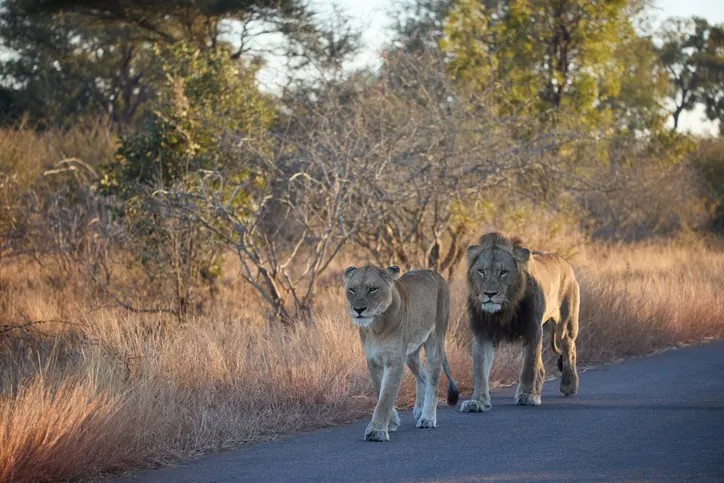
African Lion
Panthera leo
The king of the African savanna, lions are the only truly social cats. A pride typically consists of related females, their cubs, and a small number of adult males. Their thunderous roar can be heard from 8 kilometres away.
Lions sleep up to 20 hours a day. Female lions do 90% of the hunting, while males defend the pride's territory.
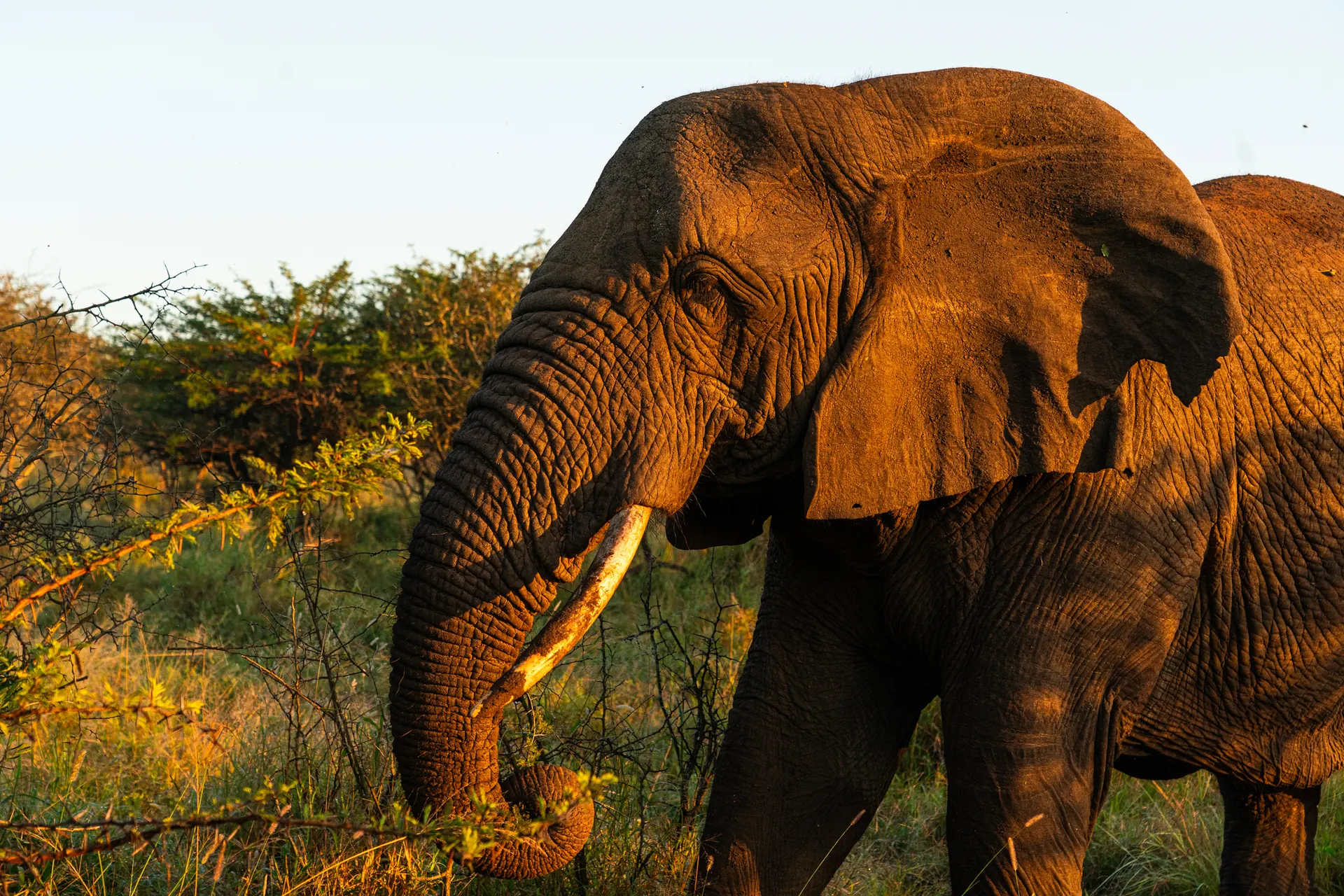
African Elephant
Loxodonta africana
The largest land animal on Earth, African elephants are keystone species that shape their entire ecosystem. Their intelligence is extraordinary β they mourn their dead, use tools, and have complex social structures led by matriarchs.
Elephants can recognise themselves in mirrors and remember locations and individual elephants for decades. A baby elephant weighs about 120 kg at birth.
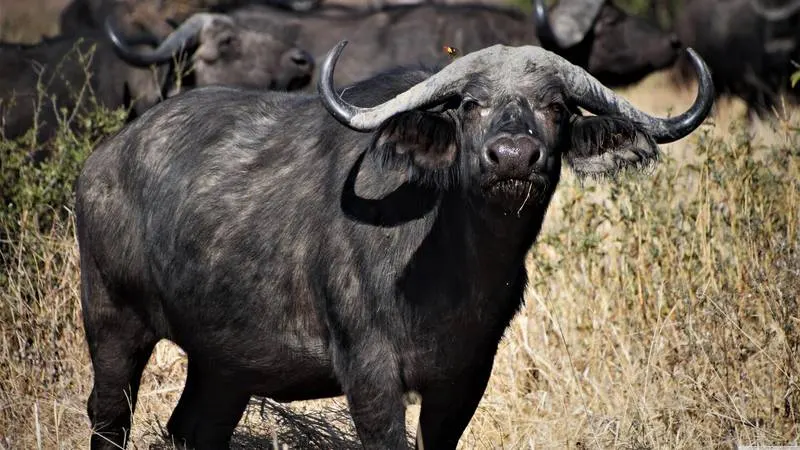
Cape Buffalo
Syncerus caffer
Often considered the most dangerous of the Big Five, Cape buffalo have never been domesticated. They are known for their unpredictable temperament and formidable horns that form a continuous bone shield called a "boss."
Buffalo are democratic β the herd votes on travel direction by standing and facing the way they want to go. The majority wins.
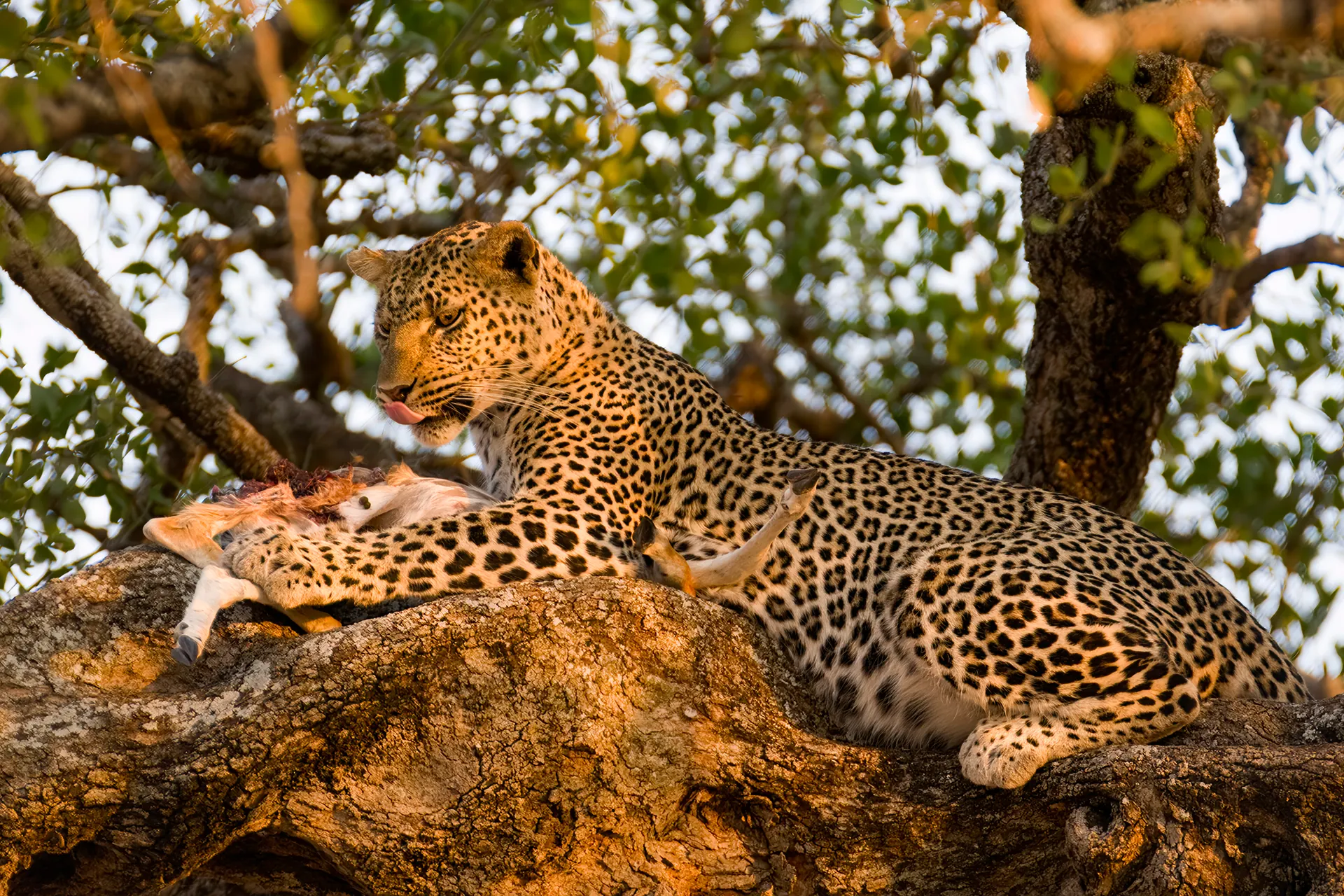
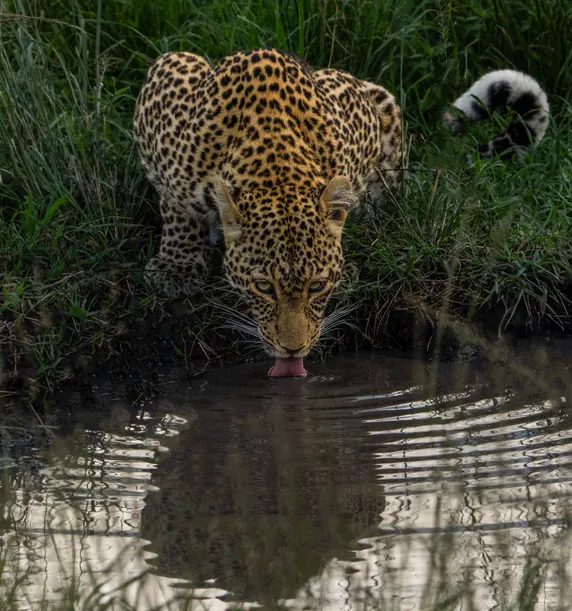
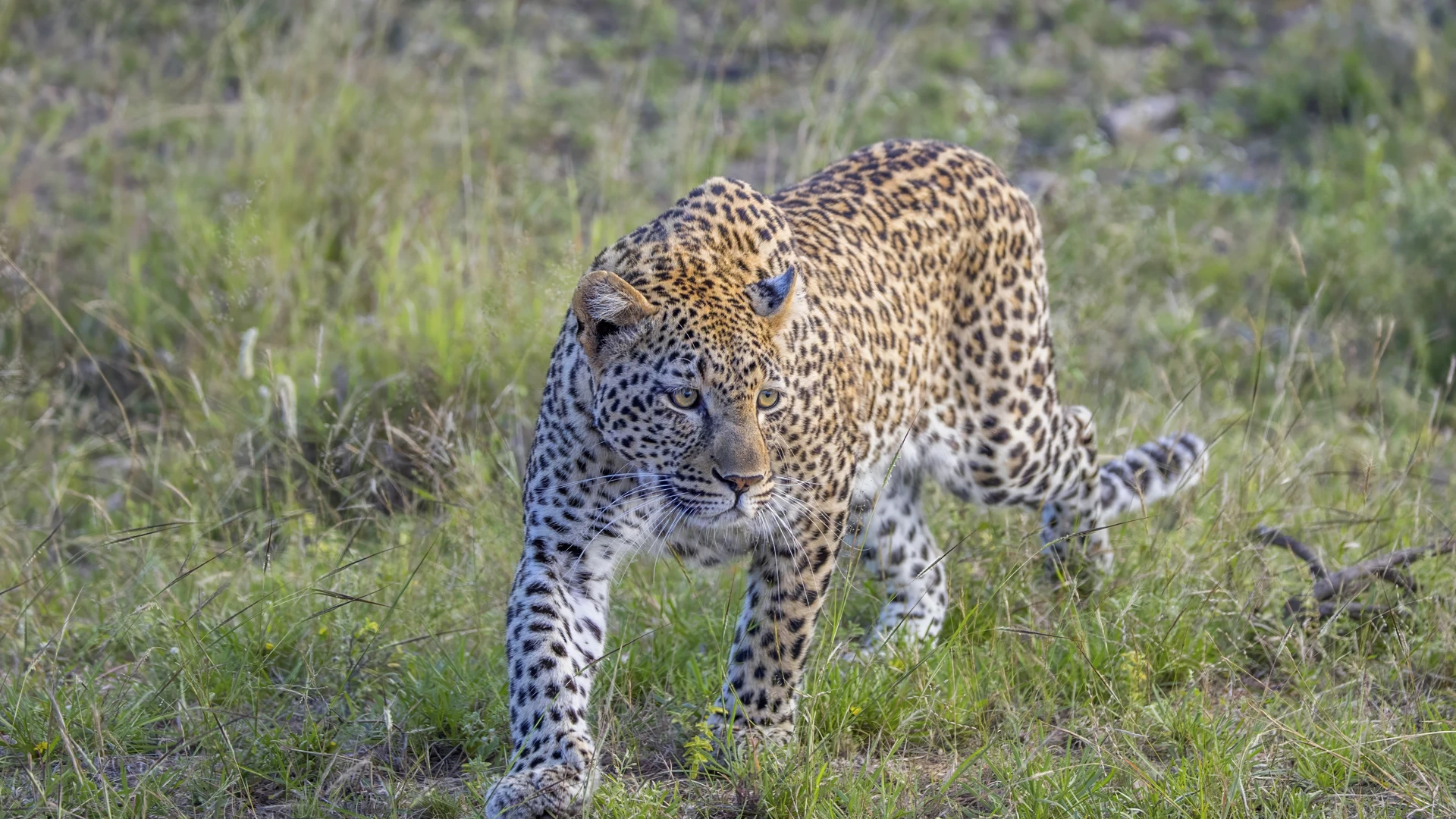
African Leopard
Panthera pardus
The most elusive of the Big Five, leopards are solitary, nocturnal masters of stealth. They are incredibly strong β capable of hauling prey heavier than themselves into trees to keep it safe from scavengers.
Each leopard's rosette pattern is unique, like a human fingerprint. "Ingwe" means leopard in Zulu β the spirit animal of our company.
White Rhinoceros
Ceratotherium simum
Despite its name, the white rhino is not actually white β the name comes from the Dutch word "wijd" (wide), referring to its square lip. They are the largest of the rhino species and the second-largest land mammal after the elephant.
Rhino horn is made of keratin β the same protein as human fingernails. A group of rhinos is called a "crash."
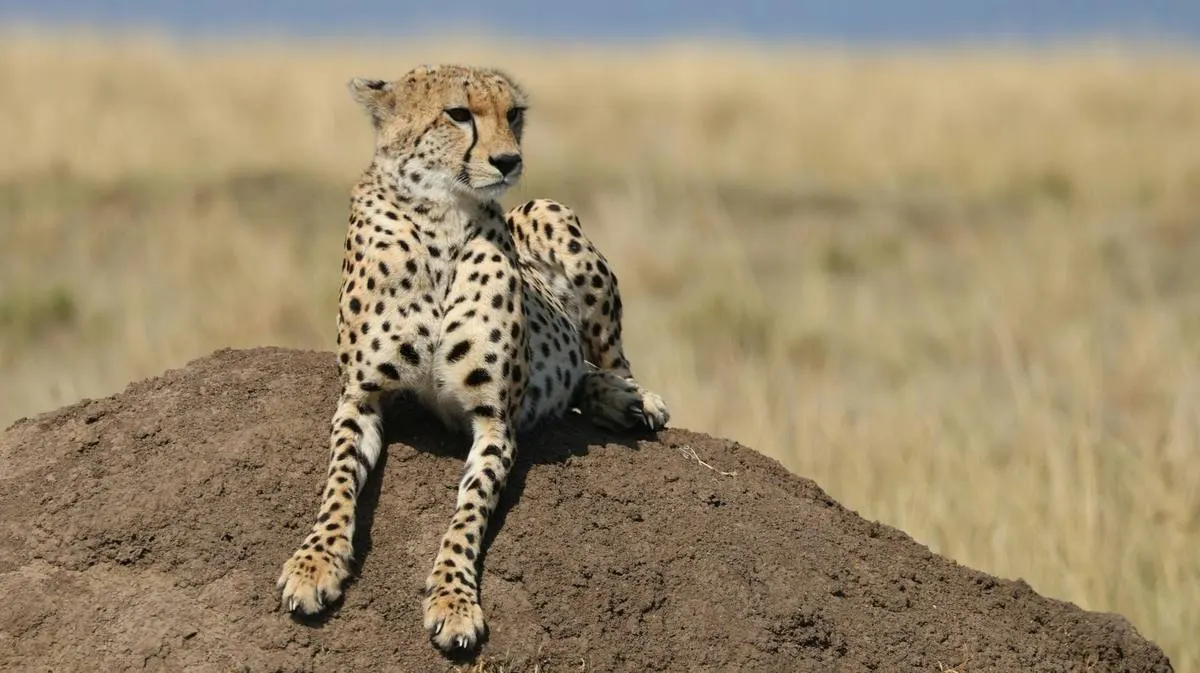
Cheetah
Acinonyx jubatus
The fastest land animal on Earth, the cheetah is built for speed with a lightweight frame, long legs, and semi-retractable claws that act like sprinting spikes. Unlike other big cats, cheetahs cannot roar β they chirp and purr.
A cheetah can accelerate from 0 to 100 km/h in just 3 seconds β faster than most supercars. Their chase lasts only 20β60 seconds.
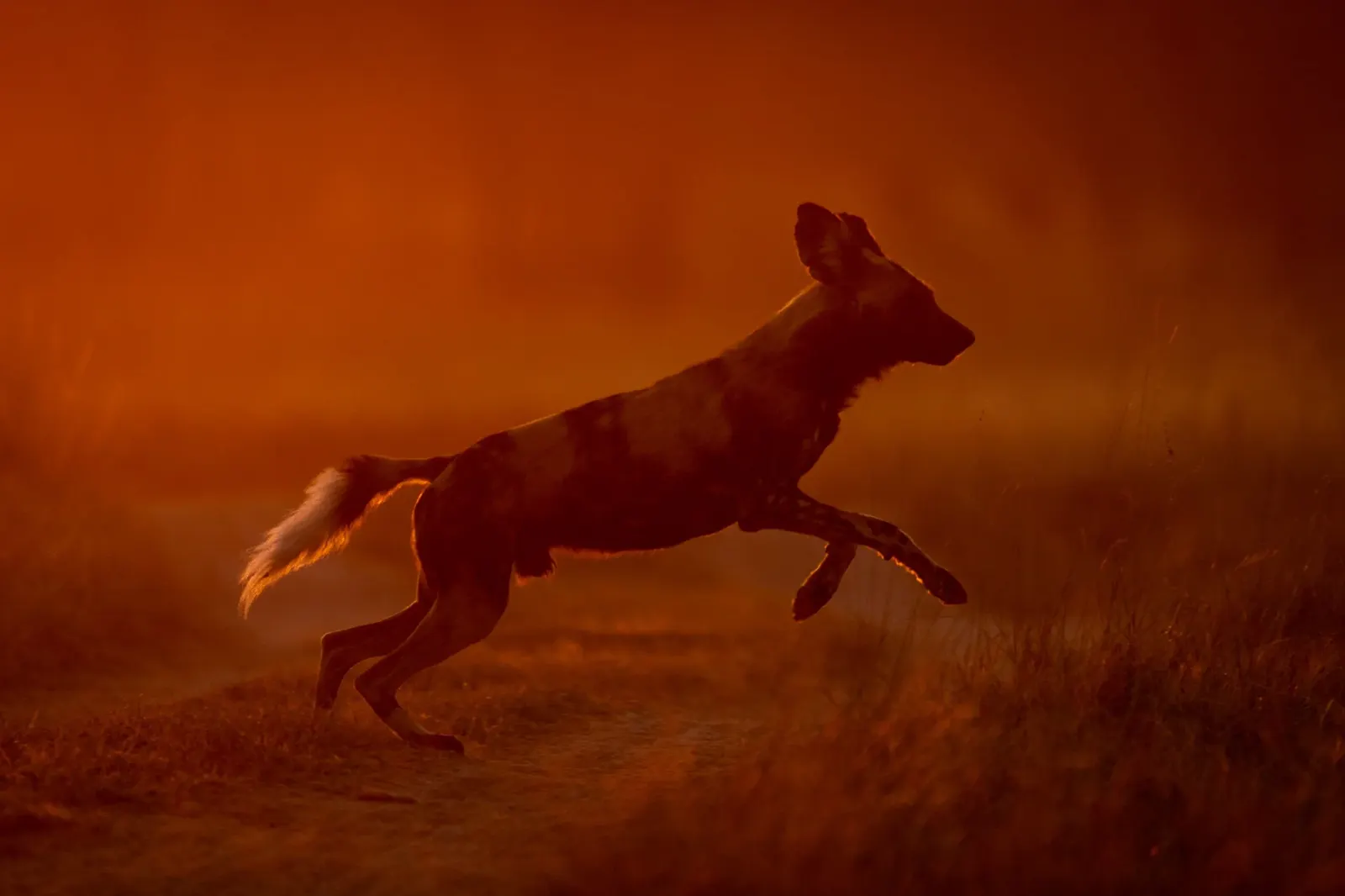
African Wild Dog
Lycaon pictus
Also known as painted wolves, African wild dogs are the most efficient hunters in Africa with an 80% success rate. They live in highly social packs led by a dominant pair and exhibit remarkable cooperative behaviour.
Wild dogs vote on pack decisions by sneezing. The more sneezes, the more likely the pack will move. Each dog's coat pattern is unique.
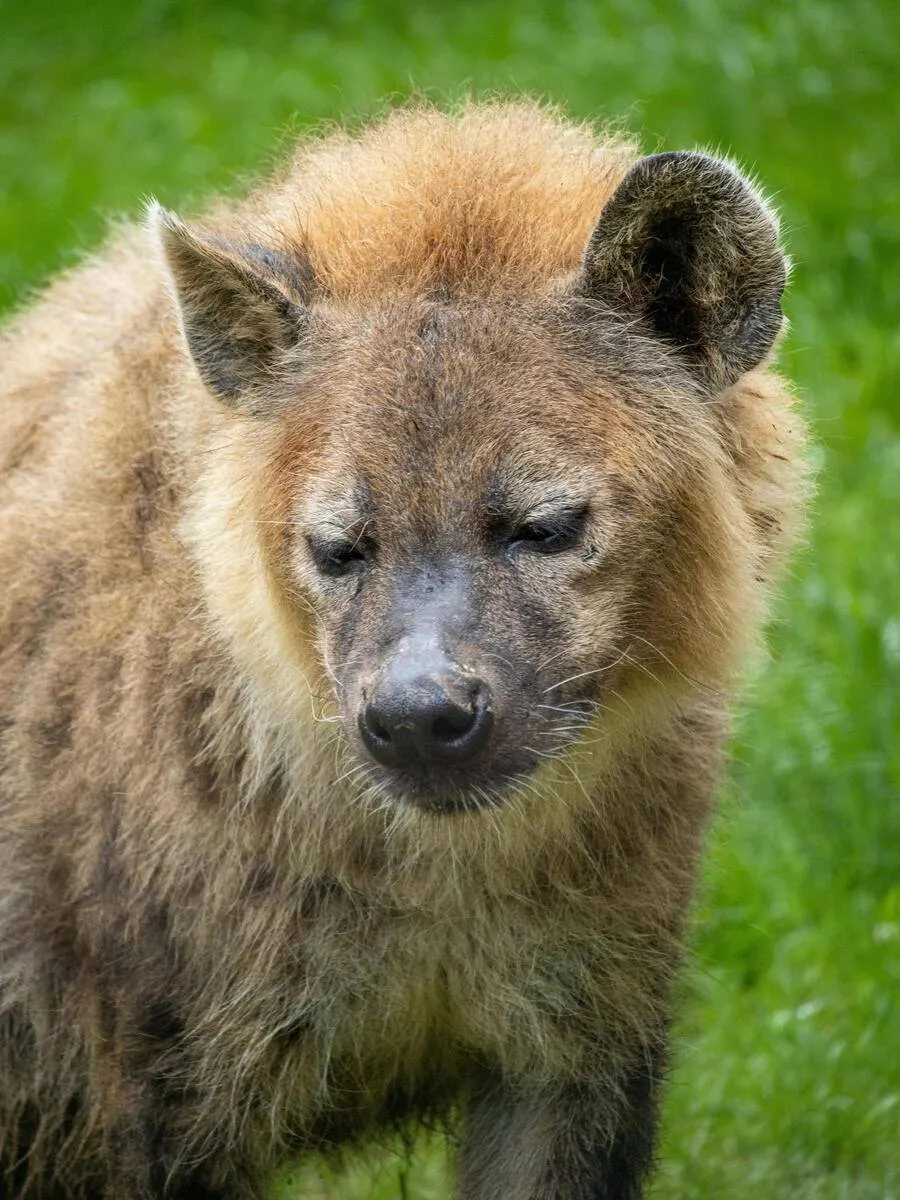
Spotted Hyena
Crocuta crocuta
Far from mere scavengers, spotted hyenas are intelligent, powerful hunters that kill up to 95% of what they eat. Their bite force is among the strongest of any mammal, capable of crushing bone.
Hyena clans are matriarchal β females outrank all males. Their "laughter" is actually a sign of submission or excitement, not amusement.
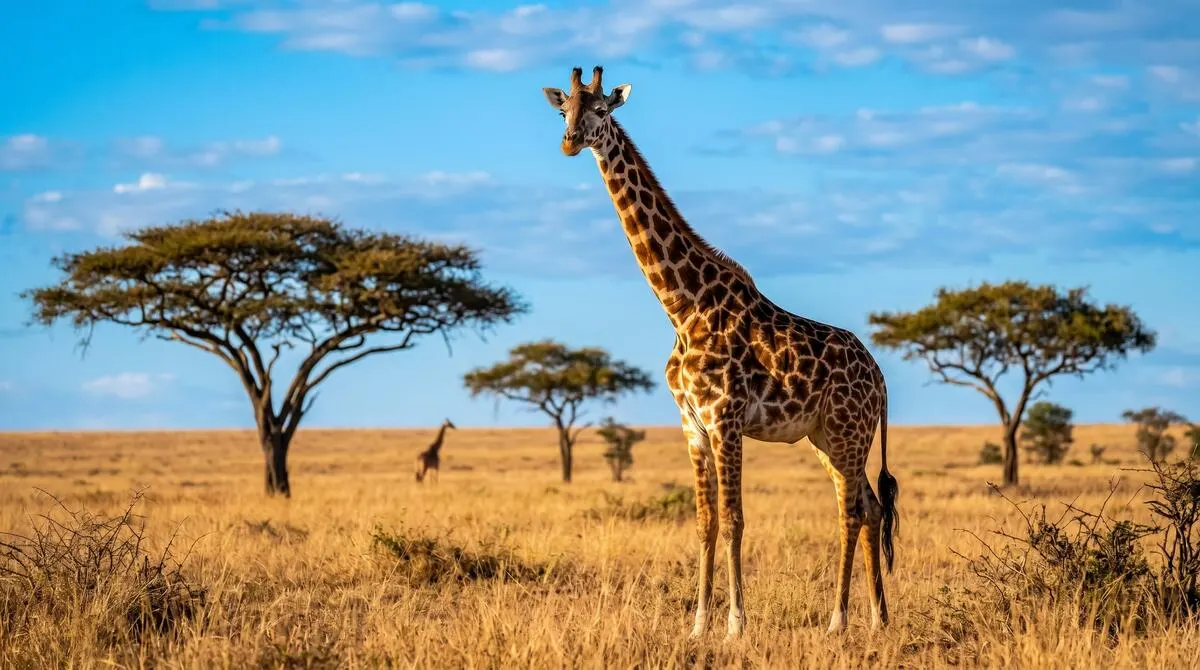
Giraffe
Giraffa camelopardalis
The tallest living animal, giraffes can reach heights of nearly 6 metres. Each giraffe's pattern is unique, and there are now recognised to be four distinct species. Their 45 cm tongue is prehensile and dark-coloured to prevent sunburn.
A giraffe's heart weighs about 11 kg and produces twice the blood pressure of humans to push blood up its extraordinarily long neck.
Plains Zebra
Equus quagga
Zebras are part of the horse family, and each individual has a unique pattern of stripes β no two zebras are alike. Scientists believe the stripes help deter biting flies and may also play a role in temperature regulation.
Zebra stripes are actually black β with white stripes on top. Baby zebras can walk within 20 minutes of being born and run within an hour.
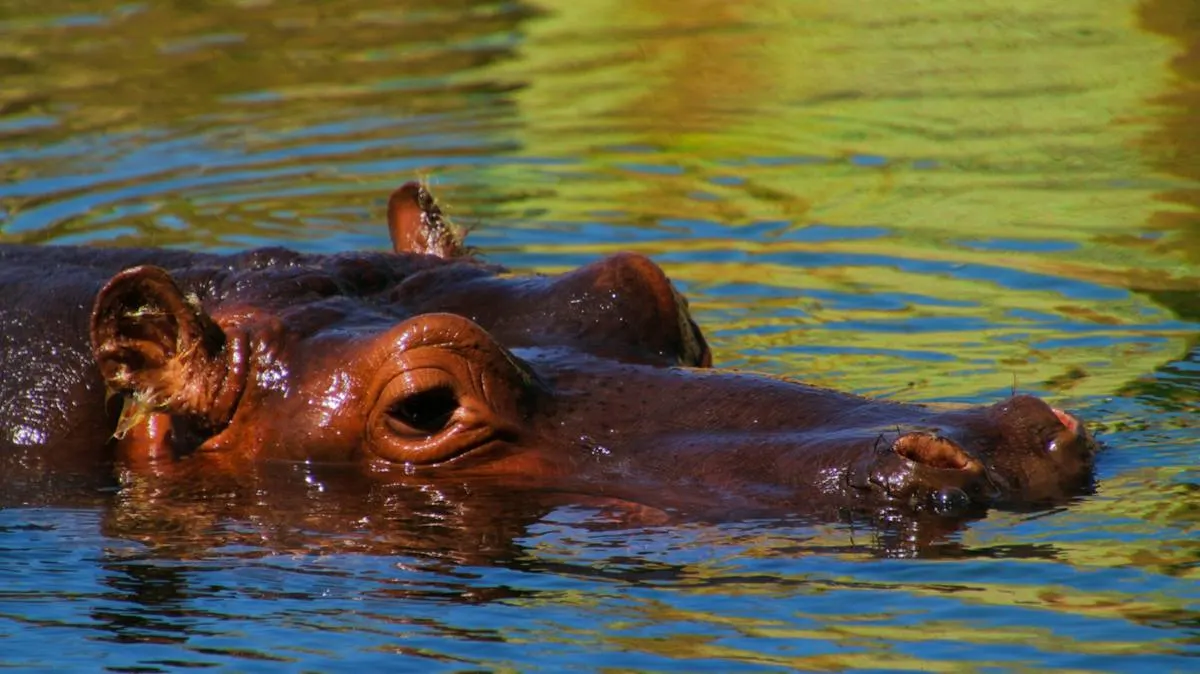
Hippopotamus
Hippopotamus amphibius
Despite their seemingly docile appearance, hippos are considered one of the most dangerous animals in Africa. They spend up to 16 hours a day submerged in water and emerge at dusk to graze on land.
Hippos secrete a red, oily substance that acts as natural sunscreen and antibiotic β it is sometimes called "blood sweat" but is neither blood nor sweat.
Blue Wildebeest
Connochaetes taurinus
Stars of the Great Migration, over 1.5 million wildebeest travel 3,000 km annually between the Serengeti and Masai Mara. This circular journey is considered the greatest wildlife spectacle on Earth.
A wildebeest calf can stand and run within minutes of being born β essential for survival as predators are always watching during calving season.
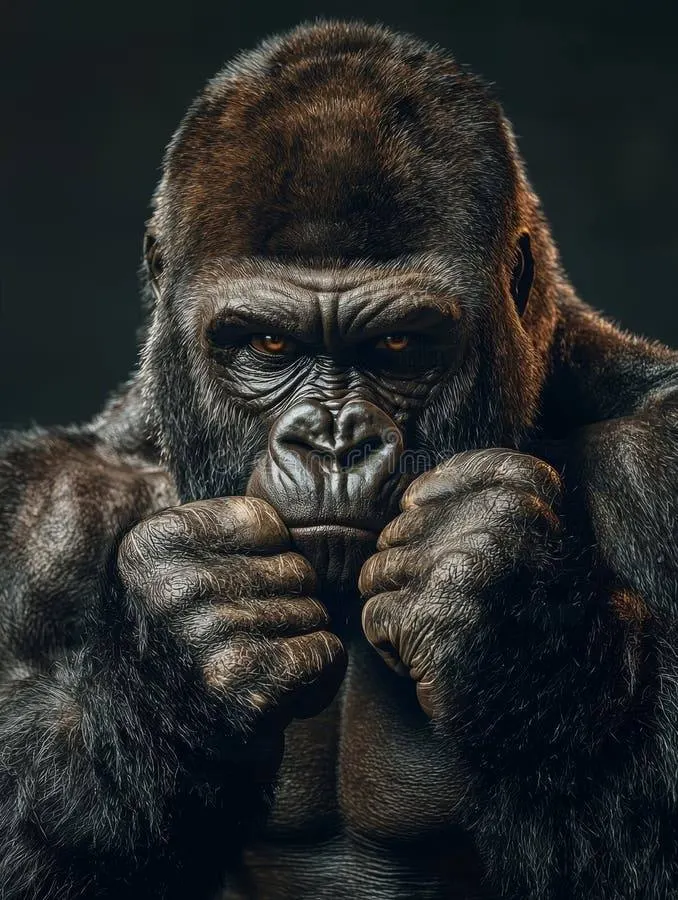
Mountain Gorilla
Gorilla beringei beringei
Sharing 98% of our DNA, mountain gorillas are among our closest relatives. Fewer than 1,100 remain in the wild, split between the Virunga Mountains and Bwindi Impenetrable Forest. Gorilla trekking is a life-changing experience.
Silverback gorillas are incredibly gentle with their families. Each gorilla has a unique nose print, just like human fingerprints.
Chimpanzee
Pan troglodytes
Our closest living relatives at 98.7% shared DNA, chimpanzees are highly intelligent primates that use tools, have complex social hierarchies, and can learn sign language. Watching them in the wild is profoundly moving.
Chimps use medicinal plants to treat illnesses and injuries. They also wage territorial wars and form political alliances within their communities.
African Fish Eagle
Haliaeetus vocifer
The iconic "Voice of Africa," the fish eagle's haunting cry is one of the most recognisable sounds on the continent. Often seen perched regally near water, they are supreme hunters β snatching fish from the surface with their powerful talons.
Fish eagles mate for life and return to the same nest year after year, adding to it until it can weigh up to 60 kg.
Lilac-Breasted Roller
Coracias caudatus
Often called the most beautiful bird in Africa, the lilac-breasted roller displays an incredible palette of colours β lilac, turquoise, green, blue, and russet. They get their name from their spectacular rolling aerial displays during courtship.
The lilac-breasted roller has about 8 different colours on its body. It is the national bird of Kenya and an unofficial symbol of safari.
Secretary Bird
Sagittarius serpentarius
One of Africa's most distinctive raptors, the secretary bird stands over 1.3 metres tall and hunts on foot. It kills snakes and other prey by stomping them with its powerful legs, delivering force five times its body weight.
The secretary bird's name may come from its crest feathers resembling quill pens tucked behind a secretary's ear. It walks up to 30 km a day hunting.
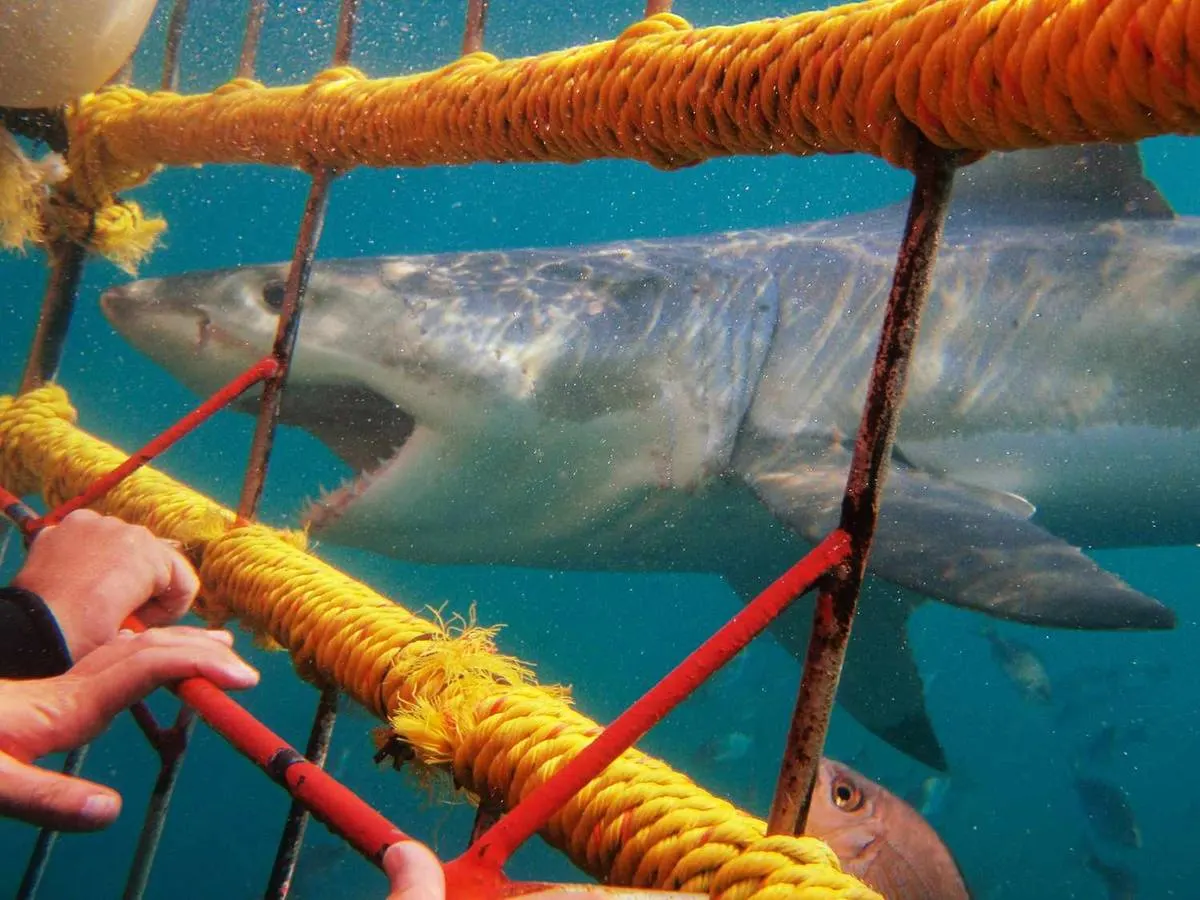
Great White Shark
Carcharodon carcharias
South Africa's coast is one of the best places in the world to see great white sharks. Cage diving in Gansbaai or Simon's Town offers incredible close encounters with these magnificent apex predators.
Great whites can detect a single drop of blood in 100 litres of water. They can also sense electrical fields produced by other animals.
Humpback Whale
Megaptera novaeangliae
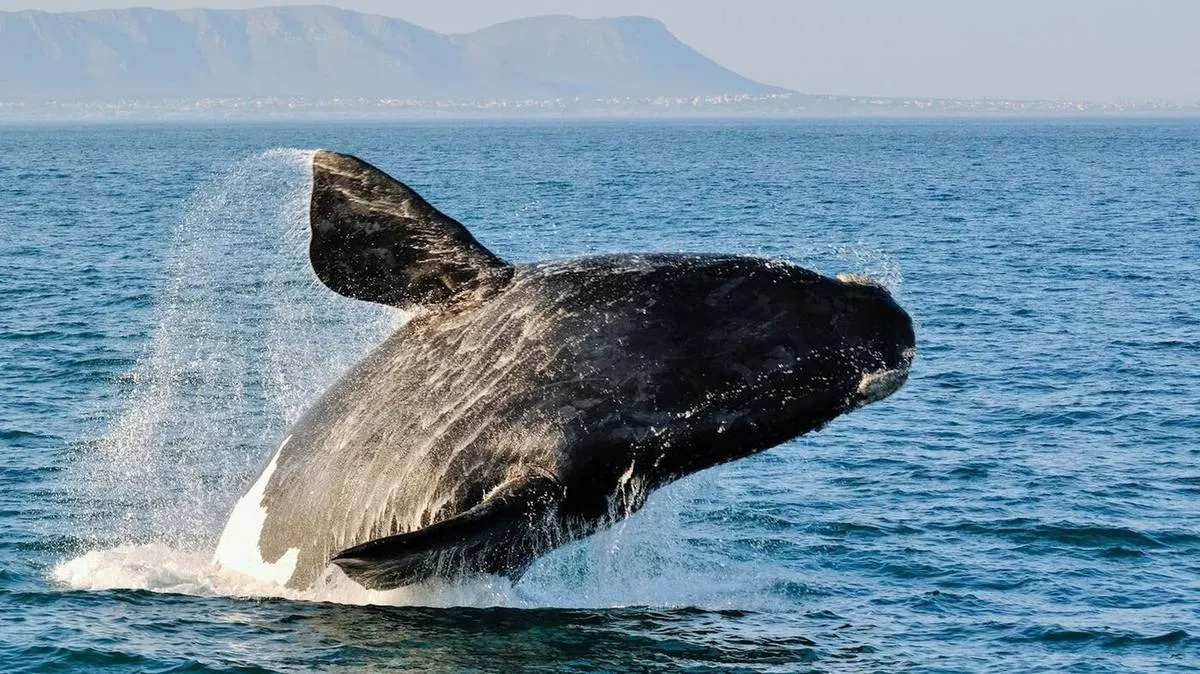
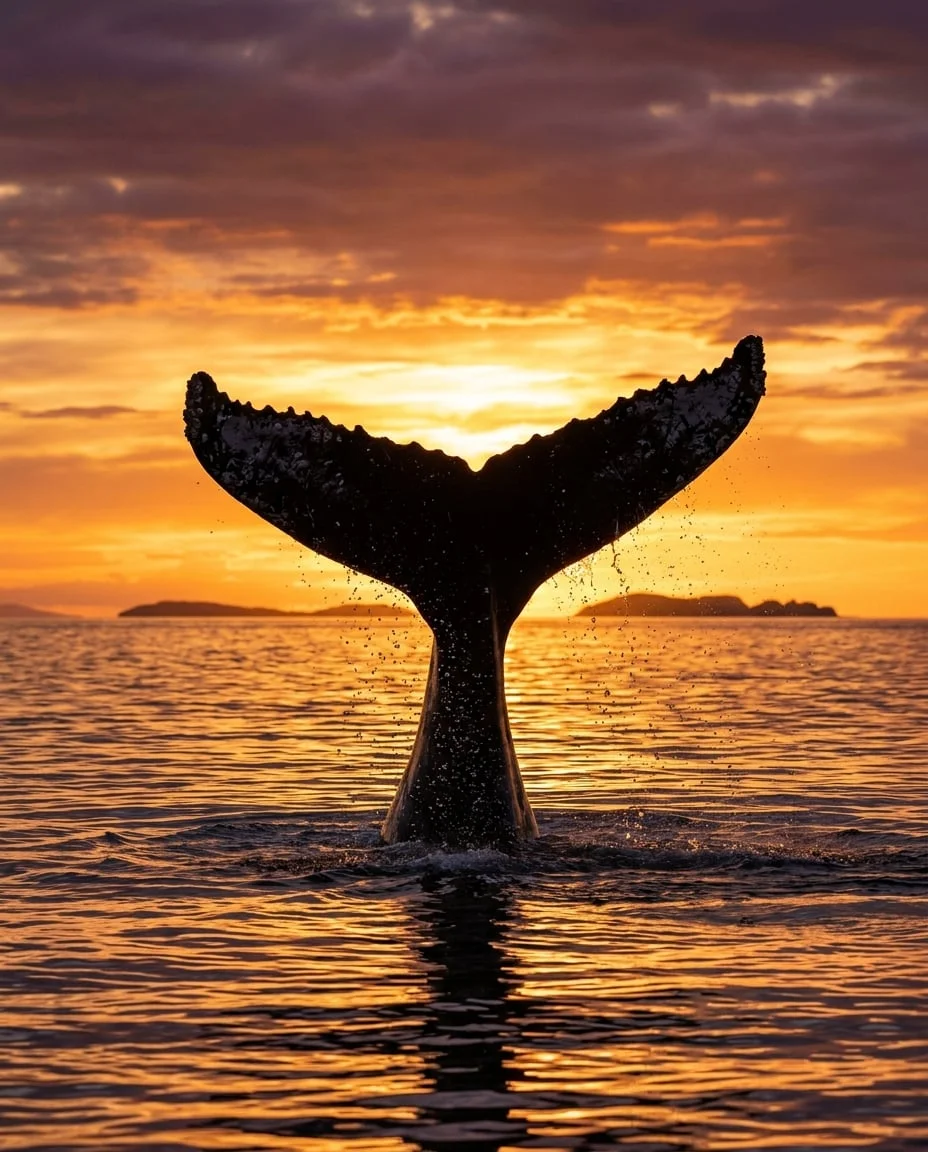
Every year, humpback whales migrate along the South African coast from Antarctica to breed in warm tropical waters. Hermanus is one of the best land-based whale watching destinations in the world.
Humpback whale songs can last up to 20 minutes and be heard 30 km away. Males compose complex songs to attract mates.
African Penguin
Spheniscus demersus
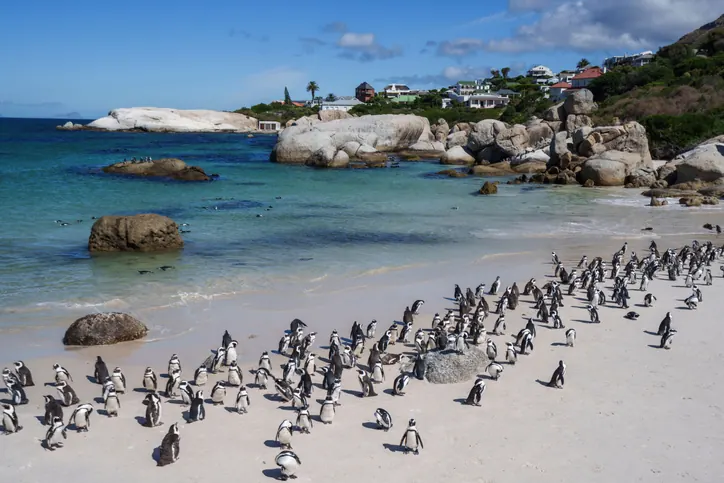
The only penguin species native to Africa, these charismatic birds breed along the coasts of South Africa and Namibia. The colony at Boulders Beach in Simon's Town lets visitors walk among them on boardwalks.
African penguins are also called "jackass penguins" because their call sounds like a braying donkey. Breeding pairs are monogamous.
Black Rhinoceros
Diceros bicornis
Critically endangered with fewer than 6,000 remaining, the black rhino is smaller and more aggressive than the white rhino. They have a hooked lip for browsing shrubs and are primarily solitary.
Black rhinos can turn their ears independently in different directions to detect danger. Despite poor eyesight, their hearing and smell are exceptional.
Serval
Leptailurus serval
The serval is a slender, medium-sized wild cat with the longest legs relative to body size of any cat. Known for its extraordinary jumping ability, it can leap 3 metres into the air to catch birds in flight.
Servals have the highest hunting success rate of any wild cat β about 50%. They can hear rodents moving underground.
Ready to See These Animals in the Wild?
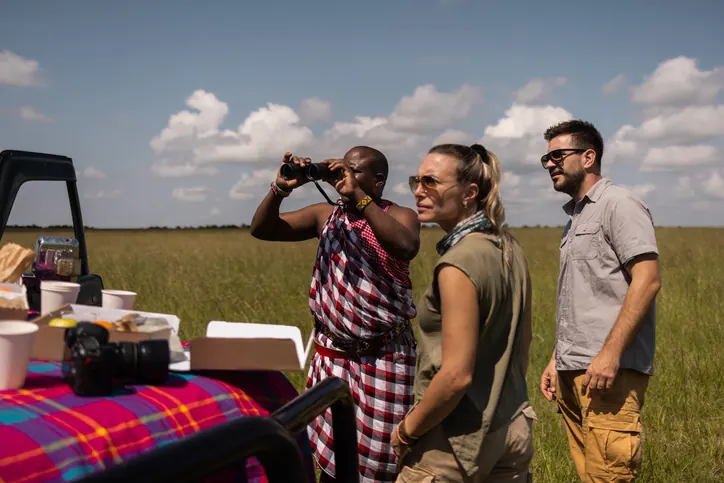
Our expert guides know exactly where and when to find Africaβs most iconic wildlife. Let us design your dream safari.