
Tours & Experiences
Ready to Experience Johannesburg?
Let our safari experts craft the perfect itinerary — tailored to your interests, pace, and budget.
Your Complete Guide to Johannesburg
Everything you need to know for planning the perfect Johannesburg experience — from the best time to visit to insider tips.
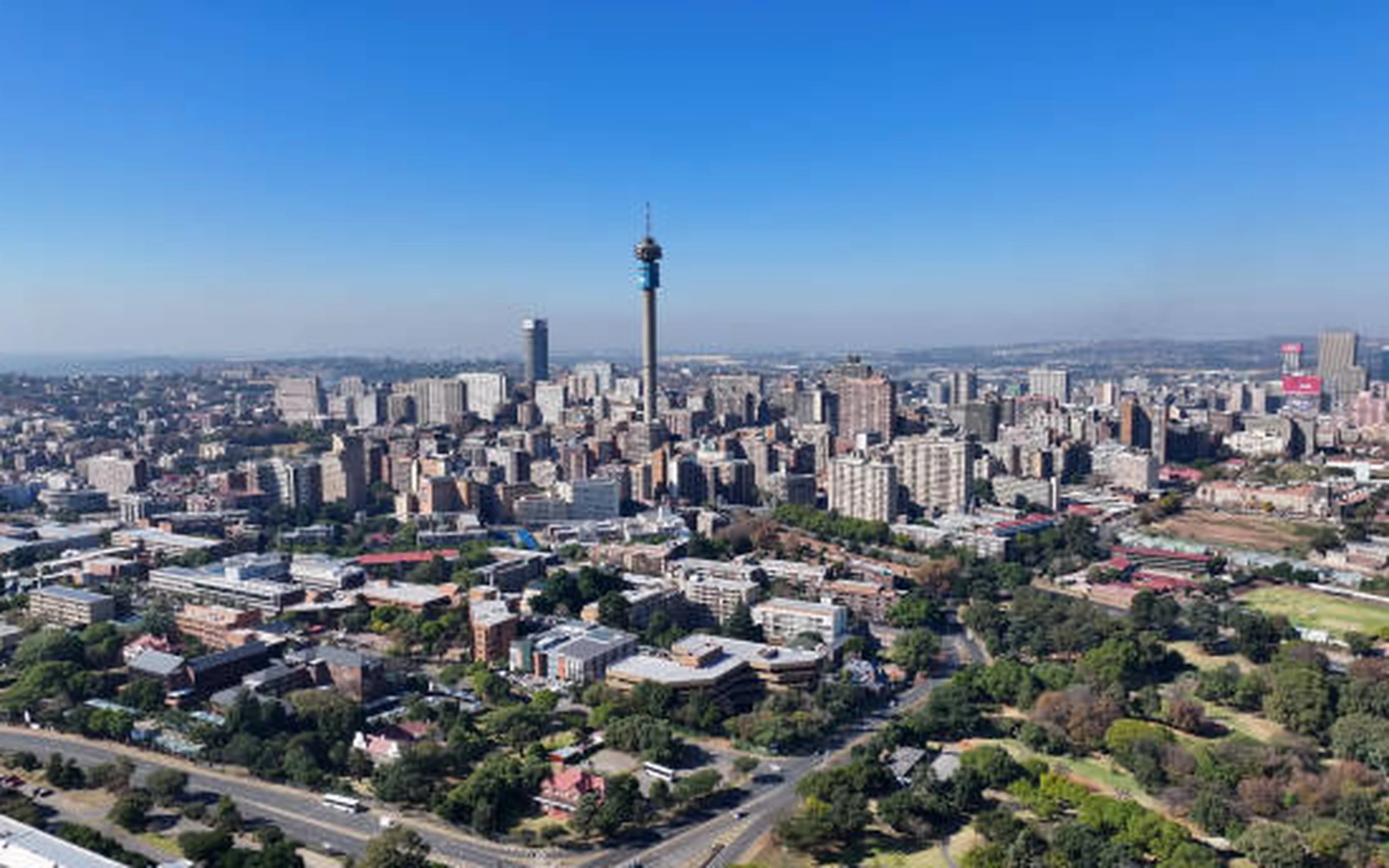
Johannesburg sits on the Highveld plateau at 1,753 metres above sea level, giving it a subtropical highland climate that differs markedly from coastal South African cities. Understanding the seasons helps you plan the ideal Joburg experience.
Summer (November – February)
Johannesburg summers are warm with daytime temperatures of 25–30°C, but the defining characteristic is the spectacular afternoon thunderstorms. These dramatic storms roll in around 3–4pm most days, delivering intense but usually brief downpours accompanied by impressive lightning displays. Mornings are typically clear and warm — perfect for outdoor activities. The city is lush and green, and open-air restaurants and rooftop bars come alive. This is peak season for the Neighbourgoods Market and outdoor festivals. Humidity is moderate compared to coastal cities, and evenings cool down pleasantly to 15–18°C, making al fresco dining comfortable.
Autumn (March – May)
Arguably the most beautiful time in Johannesburg. The city — one of the world's largest urban forests with over 10 million trees — transforms into a spectacular canvas of gold, amber, and red as jacaranda and other deciduous trees change colour. March and April offer warm, stable weather (22–26°C) with decreasing rainfall. The light is particularly golden, making it the best season for photography tours through the leafy suburbs of Rosebank, Parkhurst, and the Johannesburg Botanical Garden. By May, mornings become crisp and the rain has largely stopped, creating ideal conditions for exploring Soweto and outdoor heritage sites.
Winter (June – August)
Johannesburg winters are characterised by crystal-clear blue skies, zero rainfall, and a dramatic temperature range. Daytime temperatures are pleasant (17–20°C) and perfect for walking tours, but mornings and evenings can drop to 4–7°C, occasionally touching 0°C. Frost is common in the early hours. The dry, clear conditions make this the best time for game viewing at nearby Pilanesberg — animals congregate at waterholes and the sparse winter vegetation makes them easier to spot. Layer up for early morning game drives or sunrise Soweto tours. The vibrant Joburg art scene shifts indoors, with gallery openings and cultural events at their peak.
Spring (September – November)
Spring is Johannesburg's most celebrated season thanks to the iconic jacaranda bloom. From mid-October to November, over 70,000 jacaranda trees burst into clouds of purple-blue flowers, carpeting streets in suburbs like Brooklyn, Parkview, and Rosebank. It's one of the world's great urban botanical spectacles. Temperatures rise from 22°C to 28°C, and the first thunderstorms of the season usually arrive in late October. The Cradle of Humankind is particularly beautiful in spring when the grasslands green up. Book jacaranda photography tours in advance — they're extremely popular during the bloom weeks.
Frequently Asked Questions
Common questions about Johannesburg tours and travel
Top Johannesburg experiences include the Apartheid Museum, a Soweto guided tour (visiting Mandela House and Hector Pieterson Memorial), the Cradle of Humankind UNESCO site, Constitution Hill, and the vibrant Maboneng and Braamfontein precincts. Day trips to Pilanesberg or Kruger are also popular from Joburg.
Popular Searches
Trending Johannesburg experiences travellers are searching for
Explore More Destinations
Discover more incredible South African experiences