
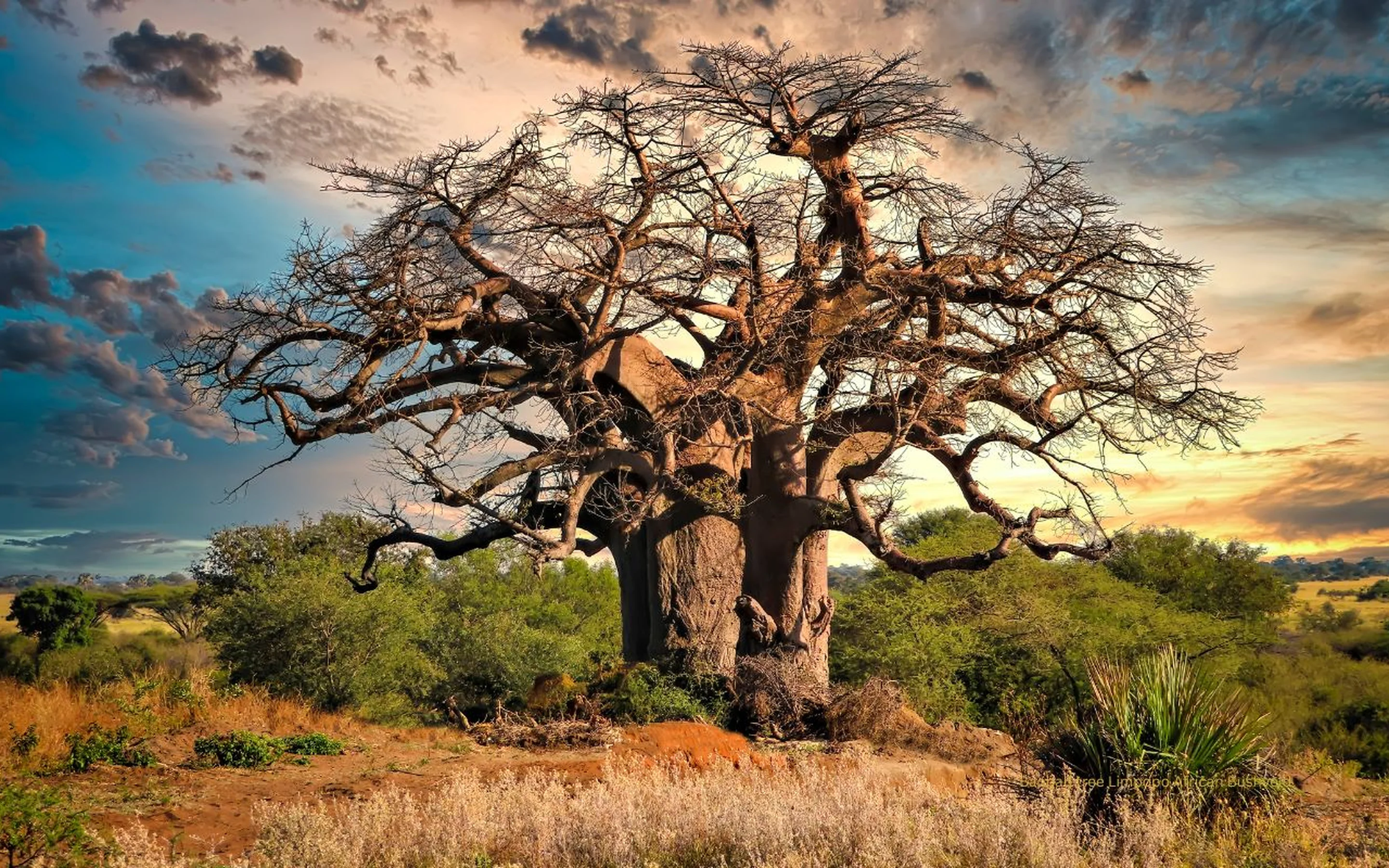
Kruger National Park is Africa's flagship safari destination and South Africa's crown jewel of conservation. Spanning nearly 2 million hectares — roughly the size of Wales — this legendary wilderness is home to an astounding 147 mammal species, over 500 bird species, and the highest concentration of Big Five animals on the continent. From thrilling dawn game drives to sundowner cocktails overlooking the bush, Kruger delivers the definitive African safari experience that no other destination can match.
1. Unrivalled Big Five Encounters
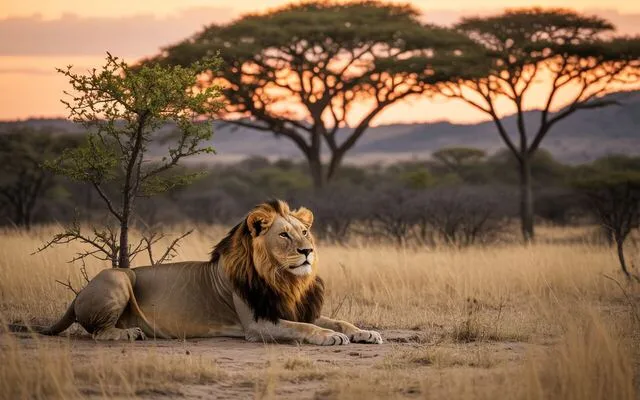
Kruger National Park is the single best place on Earth to see all Big Five animals — lion, leopard, elephant, rhino, and buffalo — in their natural habitat. With over 1,500 lions, 1,000 leopards, 12,000 elephants, and significant rhino populations, your chances of spotting the Big Five are higher here than anywhere else in Africa. The park's diverse ecosystems, from mopane woodland to riverine forest, create perfect conditions for incredible wildlife encounters on every game drive.
2. World-Class Luxury & Budget Options
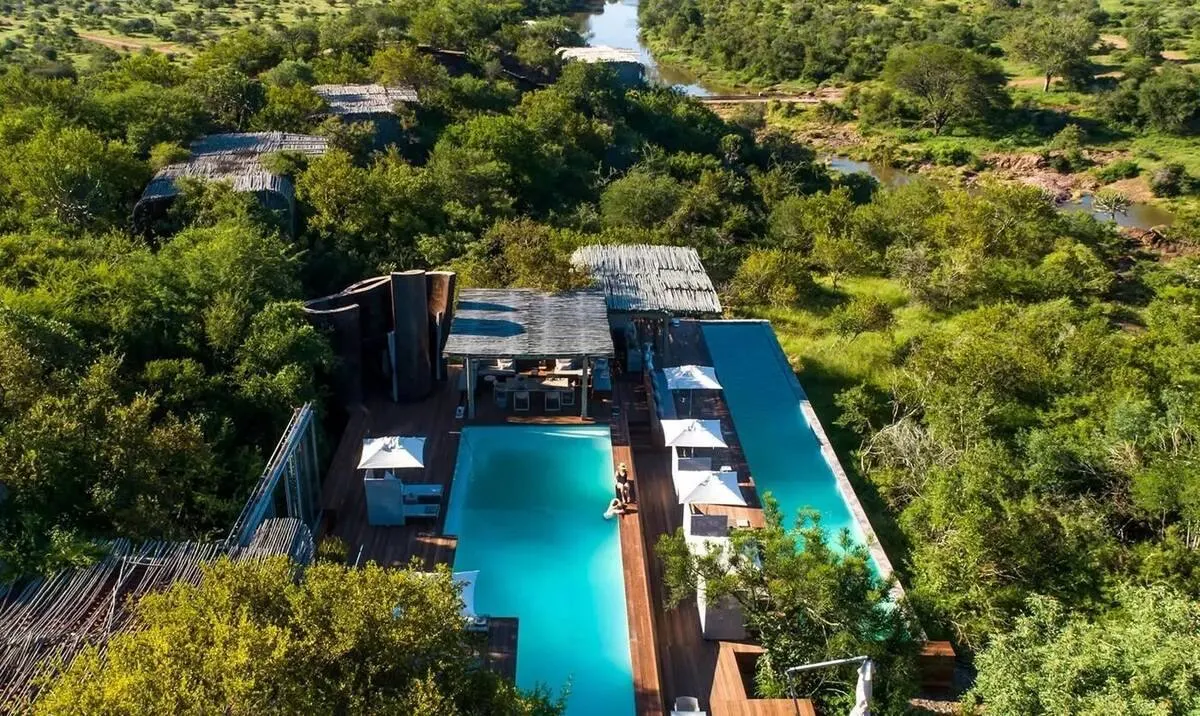
Whether you're dreaming of a five-star private lodge in the Sabi Sands with plunge pools and personal game rangers, or a budget-friendly rest camp with braai facilities and self-catering chalets, Kruger caters to every wallet. The adjacent private reserves — Sabi Sands, Timbavati, Manyeleti, and Thornybush — offer exclusive traversing rights and off-road driving that the main park doesn't allow, meaning unparalleled close-up encounters with predators.
3. Incredibly Accessible From Johannesburg
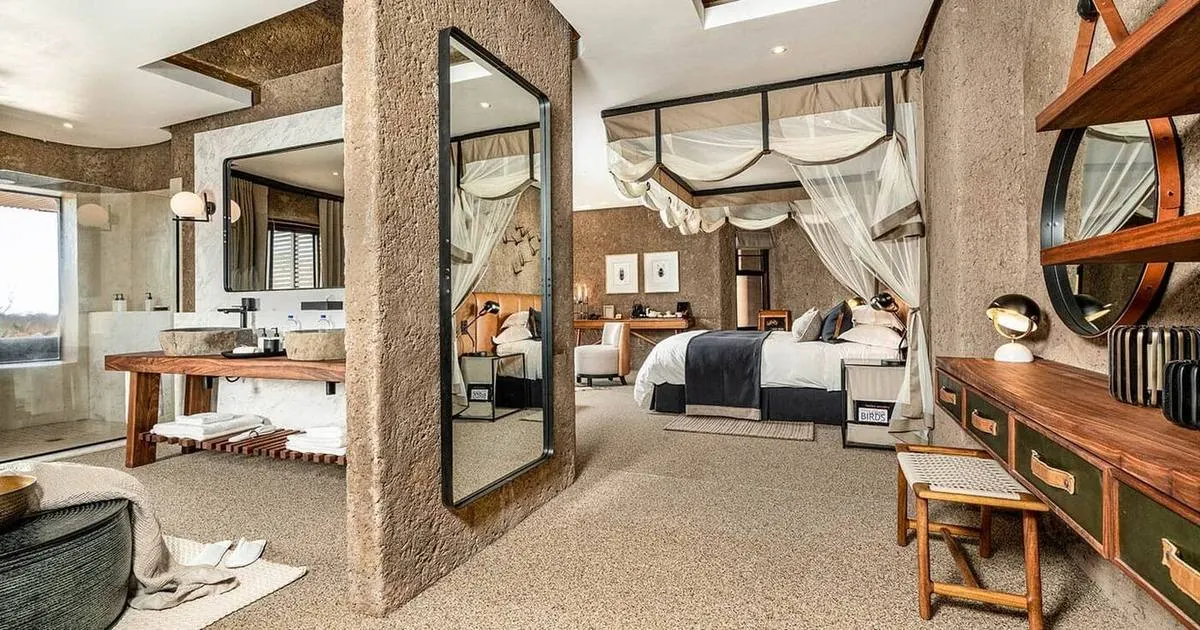
Unlike many African safari destinations that require expensive charter flights, Kruger is just a 4.5-hour drive or a short 1-hour flight from Johannesburg. Multiple entry gates along the western boundary make it easy to combine with a Panorama Route road trip through God's Window, Blyde River Canyon, and the Bourke's Luck Potholes. This accessibility makes Kruger perfect for combining a city break with a bush safari.
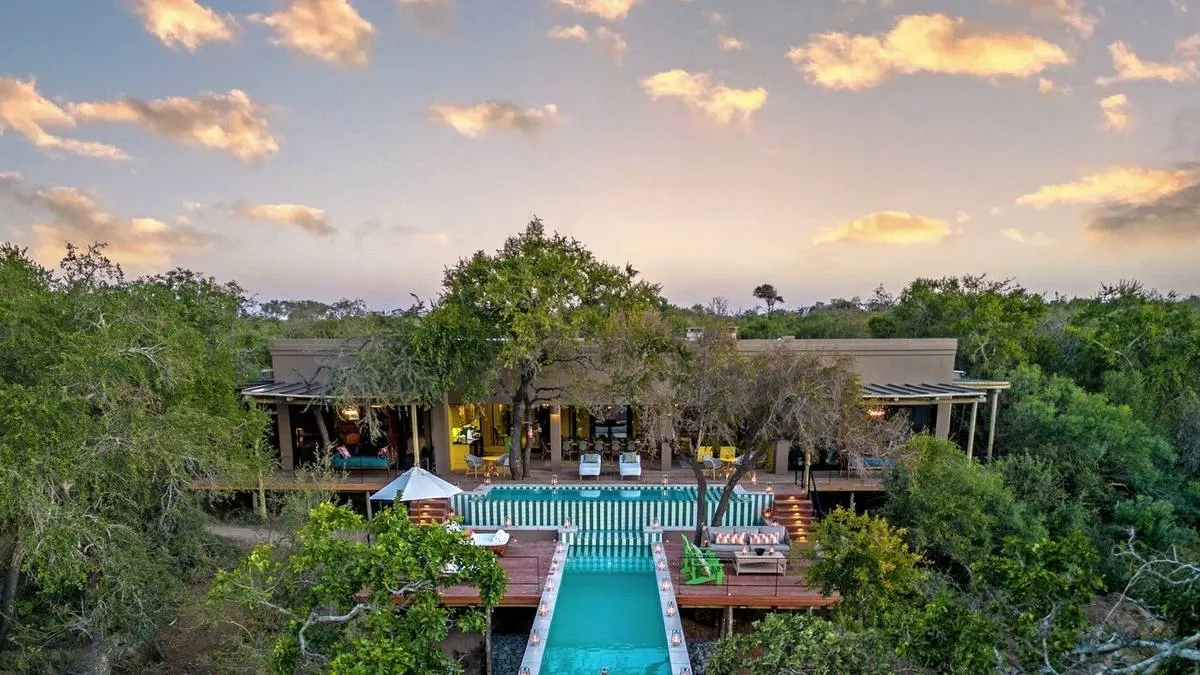
4. Year-Round Safari Destination
Kruger offers exceptional game viewing every month of the year. The dry winter months (May–September) are peak season when animals congregate around waterholes, making them easier to spot. Summer (October–March) brings lush green landscapes, newborn animals, and spectacular thunderstorms. Birders particularly love the summer months when migratory species swell the bird count to over 500 species.
Kruger National Park
South Africa's flagship conservation area and one of the largest game reserves in Africa. Kruger is home to an extraordinary diversity of life — 147 mammals, 507 birds, 114 reptiles, and 49 fish species across landscapes that range from tropical forests to open savannah.
Kruger National Park stretches 360 km from north to south along the Mozambique border, encompassing nearly 20,000 km² of pristine African wilderness. First proclaimed by President Paul Kruger in 1898 to protect the wildlife of the South African Lowveld, it has grown into one of the most visited and scientifically significant conservation areas on the planet.
The park divides into distinct ecological zones. The southern section is known for its dense vegetation and high concentration of predators — particularly leopard, lion, and wild dog. The central region around Satara is prime lion territory, with vast open grasslands ideal for big cat sightings. The north offers a more remote, quieter experience with unique species like Pel's fishing owl, roan antelope, and nyala.
Full Park GuideKey Wildlife
Highlights
- —Self-drive safari on 2,500 km of roads
- —Big Five territory — all five regularly sighted
- —Night drives and guided bush walks
- —Sunset views from Olifants camp lookout
- —Iconic bridges of the southern Kruger
- —Birding paradise with 500+ species
Insider Tip
“The H4-1 road between Lower Sabie and Skukuza along the Sabie River is arguably the best game drive route in all of Africa. Go slowly — leopards drape themselves in the riverside trees, and lions often rest on the warm tarmac at dawn.”
Luxury Lodges & Camps
Handpicked properties offering exceptional game viewing, world-class service, and unforgettable experiences.
Singita Lebombo Lodge
Cliffside loft-style suites cantilevered over the Sweni River with private plunge pools and panoramic bush views.
Sabi Sabi Earth Lodge
Award-winning subterranean lodge blending into the landscape with 12 luxury suites, spa, and exceptional Big Five viewing.
Royal Malewane
Ultra-exclusive lodge in Thornybush Reserve with 4:1 staff ratio, private butler, hot air balloon safaris and world-class dining.
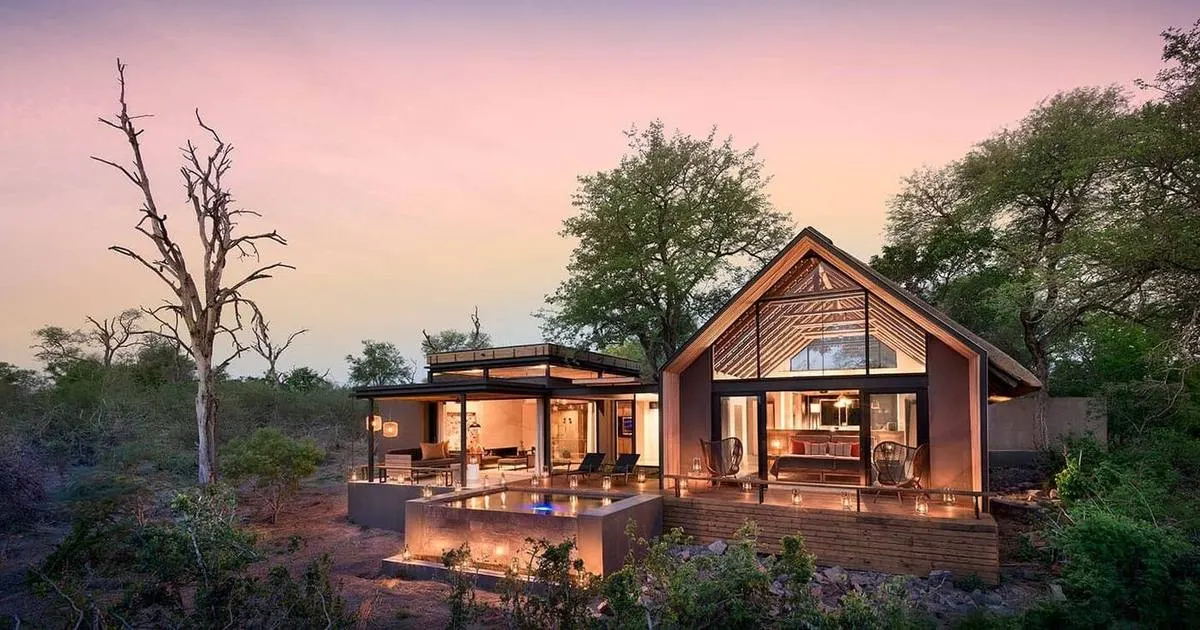
Lion Sands Ivory Lodge
Eight exclusive glass-walled villas on the Sabie River banks with heated plunge pools, fireplaces, and treehouse sleepouts.
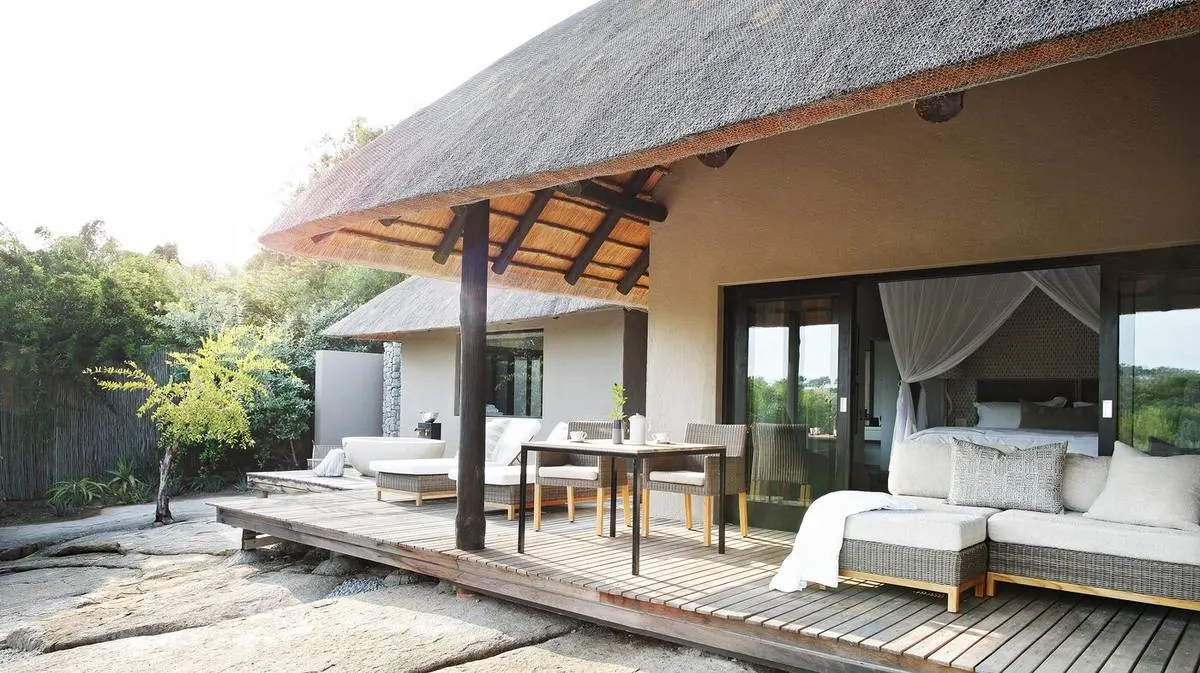
Londolozi Private Granite Suites
Only three ultra-luxury suites for ultimate privacy, each with outdoor bath, heated pool, and legendary leopard tracking.
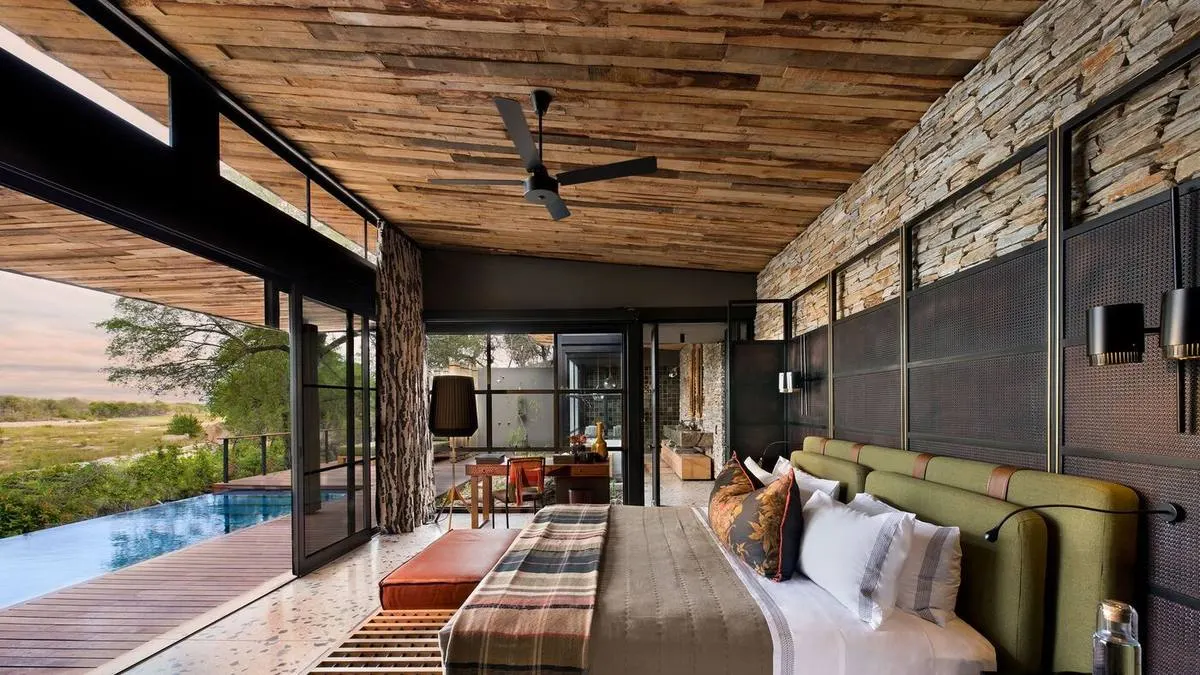
&Beyond Tengile River Lodge
Nine secluded suites raised above the riverbed with private lap pools, solar-powered and unfenced Big Five territory.
Accommodation Tiers
Budget
SANParks rest camps (Skukuza, Lower Sabie, Satara)
$50–$120/night
Mid-Range
Protea Hotel Kruger Gate, Pestana Kruger Lodge
$150–$300/night
Luxury
Singita Lebombo, Lion Sands, Jock Safari Lodge
$500–$3,000+/night
Tours & Experiences
Best Time to Visit
The best time to visit Kruger National Park for game viewing is during the dry winter months from May to September. Vegetation thins out, animals gather at waterholes, and cooler temperatures make for comfortable game drives. For birding and lush landscapes, visit during the green season from November to March.
Recommended: May – September (peak game viewing) · November – March (birding & green season)
Travel Tips
Book accommodation 6–12 months in advance for peak season (June–August)
Malaria precautions are essential — consult your doctor before travel
Gate opening times vary by season: typically 5:30am in summer, 6:00am in winter
Carry South African Rand for park entry fees (international credit cards accepted at main camps)
Speed limit is 50 km/h on tar roads and 40 km/h on gravel — animals always have right of way
A polarised lens and 200–400mm telephoto lens are ideal for wildlife photography
Frequently Asked
The dry winter months (May to October) offer the best wildlife viewing as vegetation thins out and animals congregate around water sources. June to August can be chilly in the mornings but game viewing is superb.
Yes! Kruger is one of the few major African parks where self-driving is possible and popular. The park has excellent tarred and gravel roads, and you can rent a vehicle at the airport.
Kruger is in a malaria area, particularly during the wet summer months (November–April). Antimalarial medication is recommended. For malaria-free alternatives, consider the Eastern Cape reserves like Shamwari or Addo.
A minimum of 3 nights is recommended for a good Kruger experience. With 5–7 nights you can explore multiple camps and ecosystems — the southern section for big cats, central Satara for lions, and the north for elephants and rare species like wild dogs.
Kruger National Park is a public reserve with self-drive access and affordable SANParks camps. Sabi Sands is a private reserve sharing an unfenced border with Kruger, offering exclusive guided game drives, luxury lodges, and some of the best leopard sightings in Africa. Sabi Sands is more expensive but offers a more intimate safari experience.
Yes, Kruger is very safe for tourists. The park is well-managed by SANParks with 24-hour security. Stay in your vehicle during game drives (except at designated picnic spots), follow speed limits (50 km/h on tar, 40 km/h on gravel), and adhere to camp gate times. Be cautious of wildlife on the roads, especially at dawn and dusk.
Ready to Experience Limpopo?
Let our safari experts craft the perfect itinerary — tailored to your interests, pace, and budget.
Your Complete Guide to Limpopo
Everything you need to know for planning the perfect Limpopo experience — from the best time to visit to insider tips.
Frequently Asked Questions
Common questions about Limpopo tours and travel
Limpopo is South Africa's northernmost province, bordering Botswana, Zimbabwe, and Mozambique. It's home to ancient baobab trees, the Mapungubwe UNESCO World Heritage Site, the Waterberg Biosphere Reserve, and rich Venda cultural traditions. Limpopo offers an authentic, off-the-beaten-path safari experience away from tourist crowds.
Popular Searches
Trending Limpopo experiences travellers are searching for
Explore More Destinations
Discover more incredible South African experiences