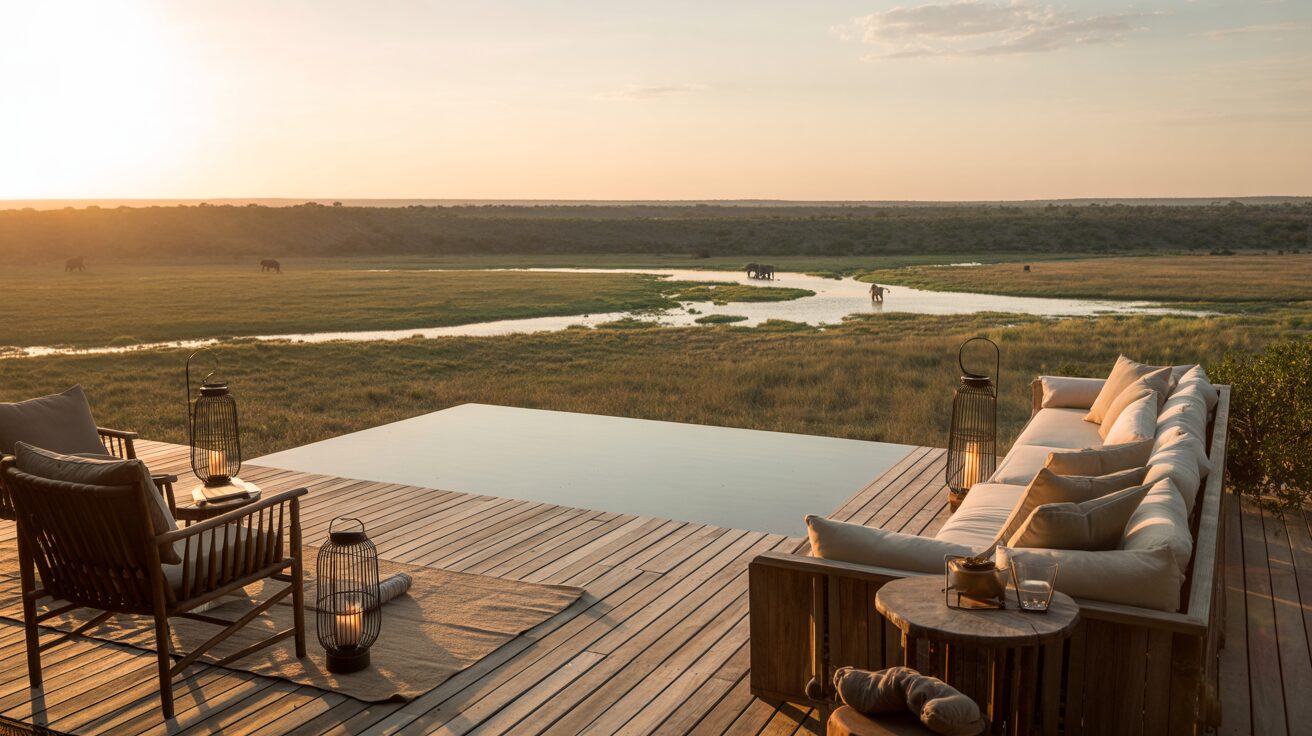
Sabi Sands Game Reserve is the crown jewel of South African safaris — a 65,000-hectare private game reserve sharing an unfenced boundary with Kruger National Park, allowing wildlife to roam freely across both reserves. What makes Sabi Sands truly extraordinary is its leopard sightings: nowhere else on Earth can you see these elusive cats with such frequency and at such close range. Combined with ultra-luxury lodges like Londolozi, Singita, and MalaMala, Sabi Sands delivers the most exclusive Big Five safari experience in Africa.
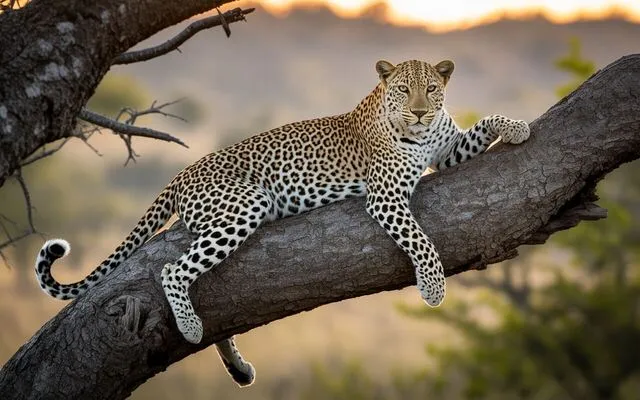
Sabi Sands is globally renowned as THE place to see leopards. Decades of habituation mean the leopards here are remarkably relaxed around vehicles, allowing guests to observe these magnificent cats hunting, playing with cubs, and lounging in trees at incredibly close range — often just metres away. Many guests see multiple leopards during a single game drive. No other destination in Africa can match this.
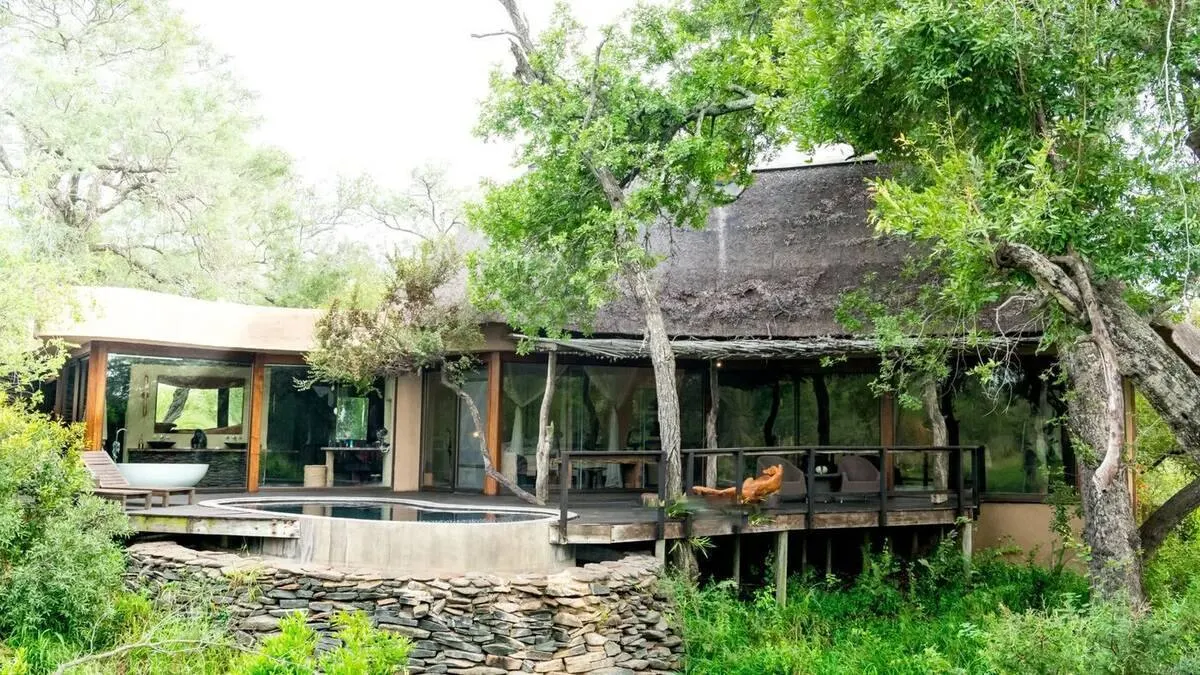
Sabi Sands is home to some of the most exclusive safari lodges on the planet. Londolozi, Singita, MalaMala, Ulusaba (owned by Sir Richard Branson), and Lion Sands offer an unmatched combination of Big Five game viewing and five-star luxury. Private suites, plunge pools, spa treatments, wine cellars, and gourmet bush cuisine — this is safari at its absolute finest.
Unlike Kruger National Park where vehicles must stay on roads, Sabi Sands allows off-road driving — meaning your ranger can follow animal tracks directly into the bush for close-up encounters. This is a game-changer, particularly for predator sightings. Strict vehicle limits per sighting ensure an intimate, uncrowded experience.
Sabi Sands offers activities not permitted in Kruger: night drives with spotlights reveal a nocturnal world of aardvarks, porcupines, genets, and hunting predators. Walking safaris with armed rangers provide an intimate, sensory-rich experience of tracking animals on foot through the bush.
The undisputed leopard capital of the world. Sabi Sand shares a 50 km unfenced boundary with Kruger National Park, allowing wildlife to roam freely across one of Africa's most biodiverse landscapes. This is where luxury safari was invented.
Sabi Sand Game Reserve is the crown jewel of the Greater Kruger ecosystem. Established in 1948, it was the first private game reserve in South Africa and pioneered the concept of luxury photographic safaris. Today, it hosts some of the continent's most iconic lodges — Singita, Londolozi, Lion Sands, and MalaMala.
What makes Sabi Sand truly special is the leopard viewing. Decades of careful habituation mean that leopards here are relaxed around vehicles, offering sightings that are simply impossible anywhere else on Earth. Guides can go off-road to follow wildlife, creating intimate encounters you won't get in the national park.
Full Park Guide“Ask your ranger about the resident leopard territories. Each leopard has a name and known habits. Guides track them daily and can often predict where they'll be. The best leopard sighting is always the one you've tracked for an hour through the bush.”
Handpicked properties offering exceptional game viewing, world-class service, and unforgettable experiences.
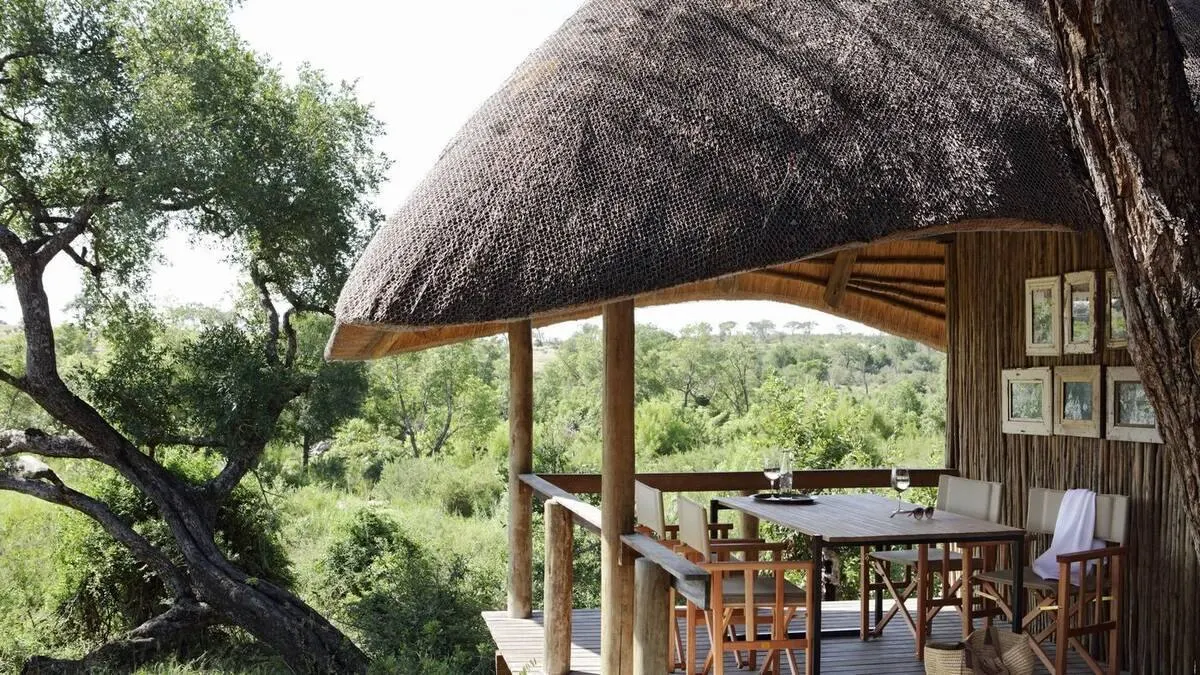
Twelve suites built among ancient boulders overlooking the Sand River with panoramic views and legendary guiding.
Pioneer of South African ecotourism since 1926 — rustic luxury meets world-class leopard tracking in private traversing.
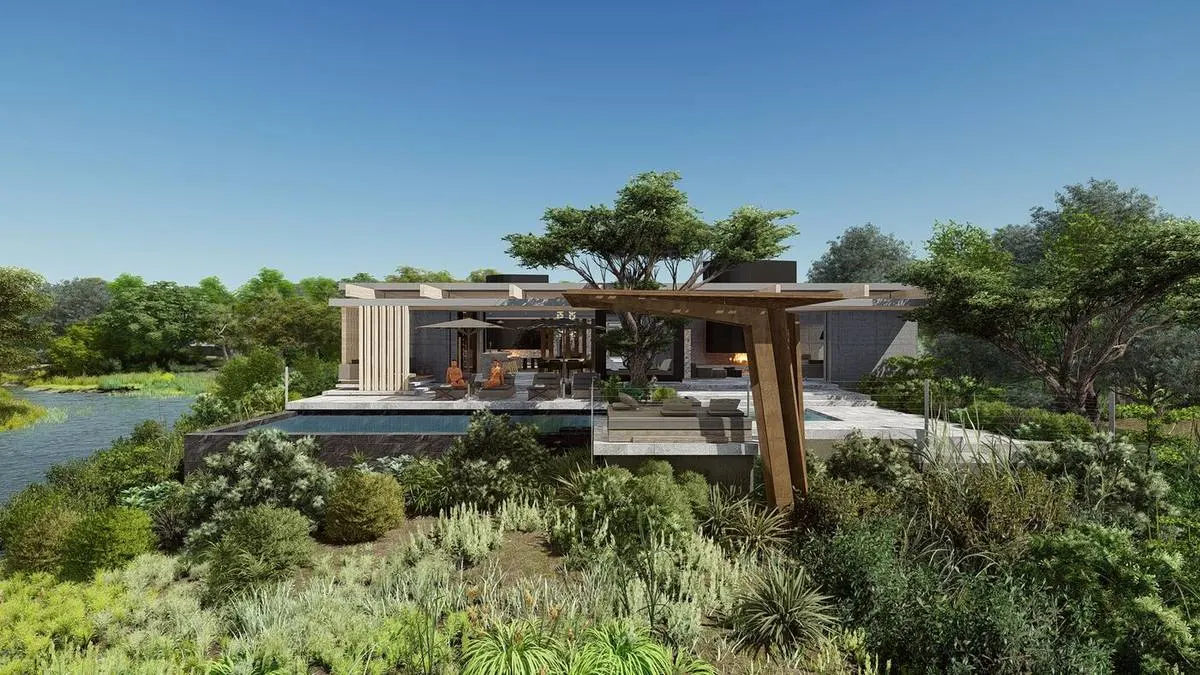
Three exclusive off-grid villas with private chef, butler, guide, spa therapist, wine gallery, and silent electric vehicles.
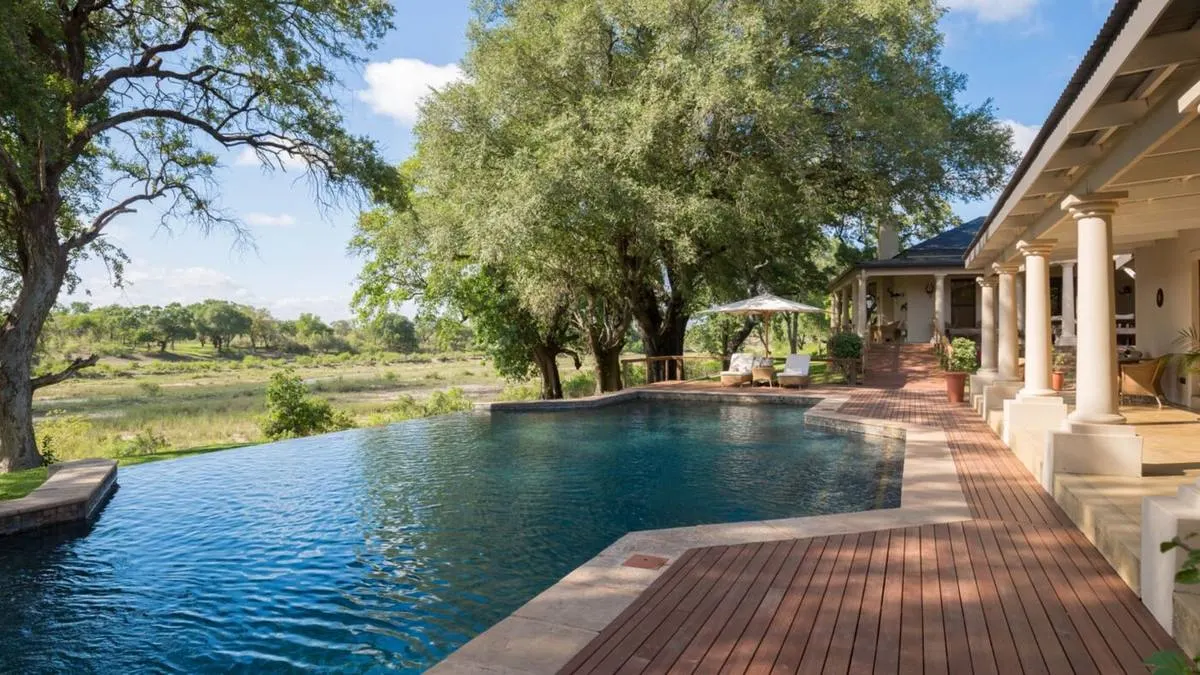
Eight suites of old-world elegance in Africa's oldest Big Five reserve with low-density game drives and fine art.
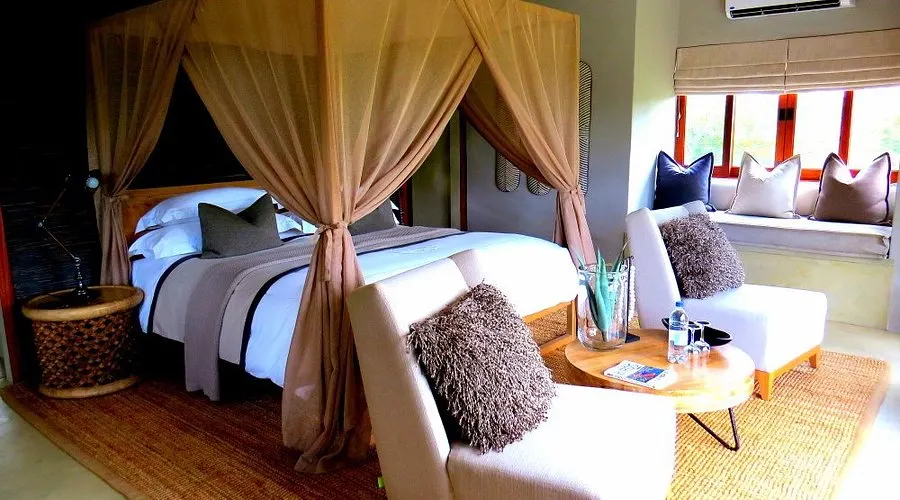
Contemporary African design with 25 luxury suites, Elefun children's programme, and superb family-friendly safari.
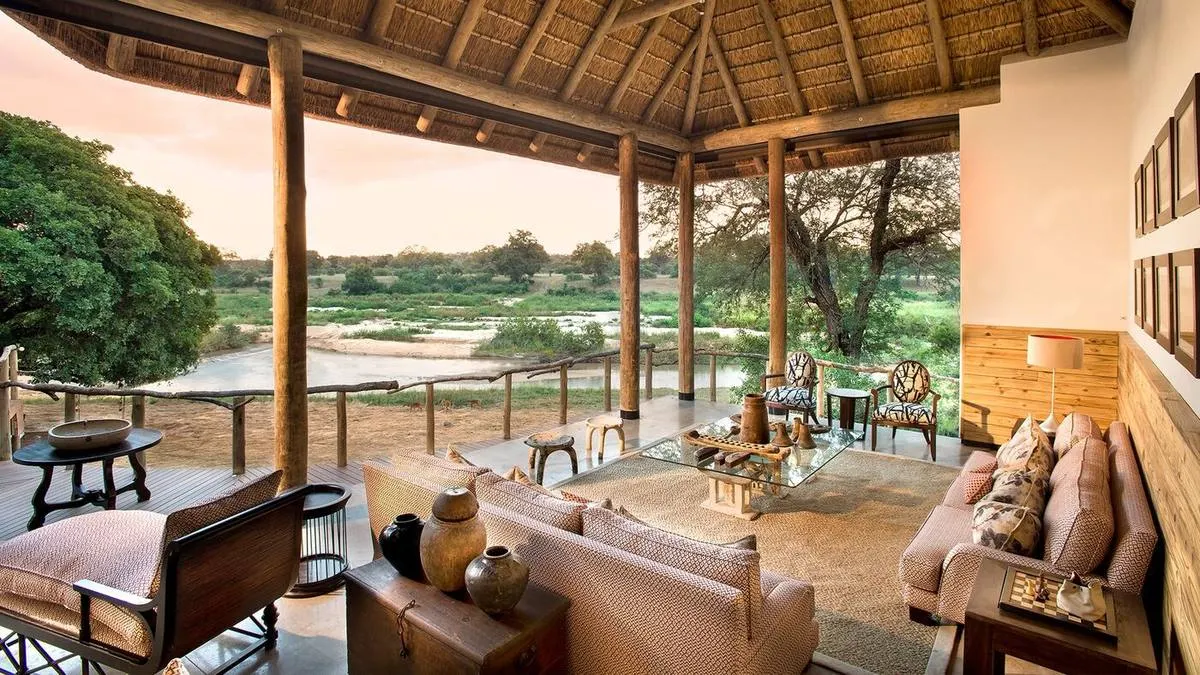
Only six cottages beneath ebony trees — intimate, exclusive, and consistently rated among Sabi Sands' finest.
MalaMala Camp, Notten's Bush Camp
$800–$1,500/night
Londolozi, Lion Sands, Savanna
$1,500–$2,500/night
Singita Sabi Sand, Royal Malewane
$2,500–$5,000+/night
Sabi Sands offers exceptional game viewing year-round. The dry winter months (May–September) are best for Big Five sightings as vegetation thins and animals gather at waterholes. Summer (November–March) brings lush landscapes, newborn animals, and excellent birding.
Recommended: May – Sep (dry season, peak viewing) · Nov – Mar (green season, birding)
Sabi Sands lodges are all-inclusive — meals, drinks, game drives, and park fees included
Fly from Johannesburg or Cape Town to Skukuza or Hoedspruit airports (1–1.5 hours)
Malaria precautions are essential — consult your doctor before travel
Pack neutral-coloured clothing and warm layers for early morning game drives
Most lodges accommodate children 6+ or 12+ — check age policies when booking
Book 6–12 months ahead for peak season (June–October) — premium lodges sell out fast
Decades of careful conservation and habituation mean Sabi Sand's leopards are completely relaxed around vehicles. Combined with off-road tracking privileges, this creates leopard sightings that are simply unmatched anywhere else in Africa.
Expect to pay from $800 to $5,000+ per person per night, all-inclusive. This typically covers accommodation, all meals, drinks, twice-daily game drives, and bush walks. The premium price delivers an unmatched safari experience.
Sabi Sand is a private game reserve sharing an unfenced border with Kruger. Key differences: Sabi Sand offers exclusive off-road game drives (Kruger is on-road only), luxury all-inclusive lodges (Kruger has self-catering camps), expert private guides (Kruger is mostly self-drive), and stricter vehicle limits per sighting. The trade-off is price — Sabi Sand is significantly more expensive.
Most Sabi Sand lodges accept children aged 6+ on game drives. Some lodges like MalaMala and Notten's are family-friendly with dedicated kids' programmes. Ultra-luxury lodges like Singita tend to have age restrictions of 10+. Always check with your specific lodge.
Most guests fly into Skukuza Airport (SZK) inside Kruger National Park — it is a 30-minute transfer to most lodges. Alternatively, fly to Kruger Mpumalanga International Airport (MQP) for a 2-hour road transfer. Charter flights direct to lodge airstrips are also available.
Let our safari experts craft the perfect itinerary — tailored to your interests, pace, and budget.
Everything you need to know for planning the perfect Sabi Sands experience — from the best time to visit to insider tips.
Common questions about Sabi Sands tours and travel
Sabi Sands is a private game reserve bordering Kruger with no fences between them. The key advantages: off-road driving for closer animal encounters, exclusively trained guides, intimate luxury lodges (8–24 guests), and the world's best leopard sightings. While Kruger is accessible to all, Sabi Sands offers an exclusive, all-inclusive luxury safari experience.
Trending Sabi Sands experiences travellers are searching for
Discover more incredible South African experiences