South African Safari Cuisine: Bush Dining, Sundowners & Winelands Pairings
There's a moment on every great African safari that has nothing to do with lions or leopards. It happens just before sunset, when your ranger pulls the game vehicle to a stop on a rocky outcrop, the crew produces a cooler box from seemingly nowhere, and suddenly you're holding a cold gin and tonic while a herd of elephants moves silently through the golden light below. This is the sundowner — and it's one of the defining rituals of the South African safari experience.
Food and drink are woven into the fabric of safari culture in ways that surprise most first-time visitors. From the communal warmth of a boma dinner under the stars to the world-class wine estates of Stellenbosch just an hour from Cape Town, South Africa offers a culinary journey as extraordinary as its wildlife. This guide explores the full spectrum of safari dining — what to expect, what to savour, and how to pair your bush adventure with the finest wines the Cape has to offer.
The Boma: Africa's Original Communal Dining Experience
The boma is the heart of safari dining. Traditionally a circular enclosure used by African communities for protection and gathering, the modern safari boma is an open-air dining space surrounded by a low fence or reed walls, lit by flickering torches and a central fire. It's where guests gather after the evening game drive to share stories, sip sundowners, and feast on food that reflects the best of African culinary tradition.
A typical boma dinner at a South African safari lodge might include a rotating buffet of slow-cooked game meats — kudu, impala, warthog, and ostrich are common — alongside traditional South African sides like pap (maize porridge), chakalaka (a spiced vegetable relish), and roosterkoek (bread rolls baked directly on the coals). The atmosphere is convivial and warm, with guests from around the world sharing the ubuntu spirit that defines South African hospitality.
What to Expect at a Boma Dinner
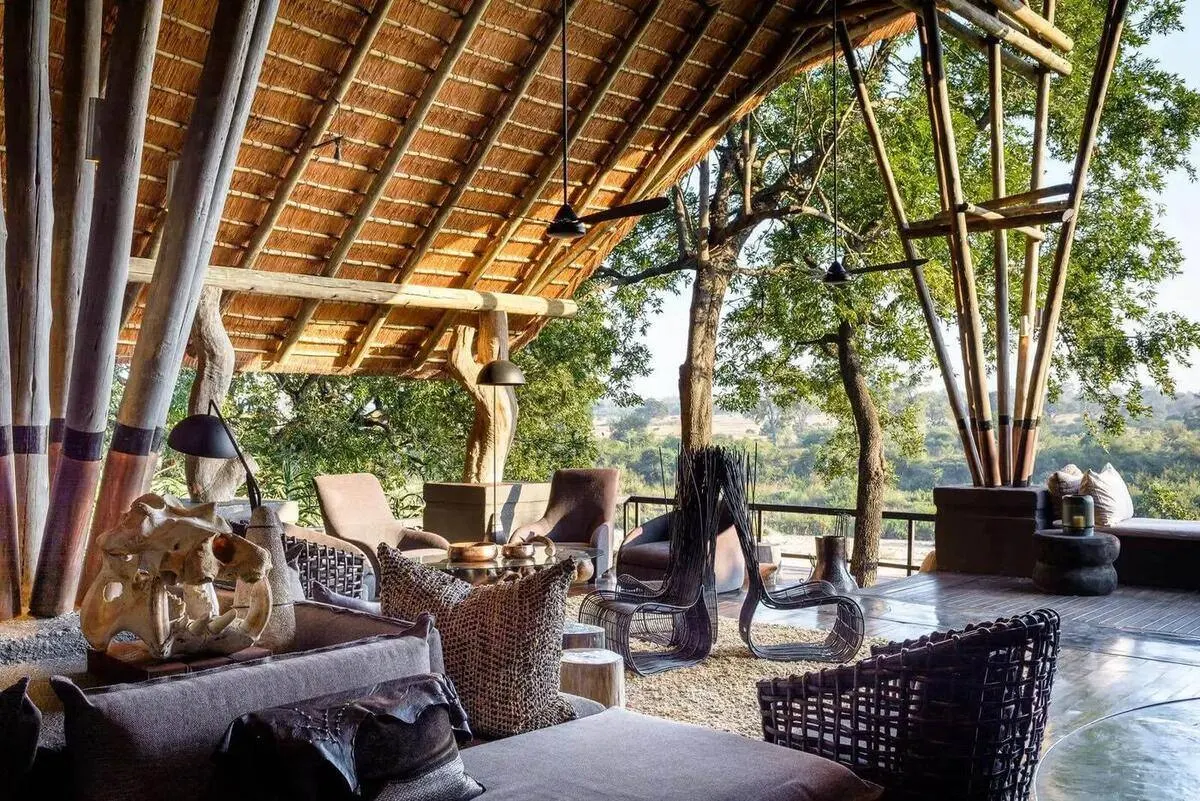
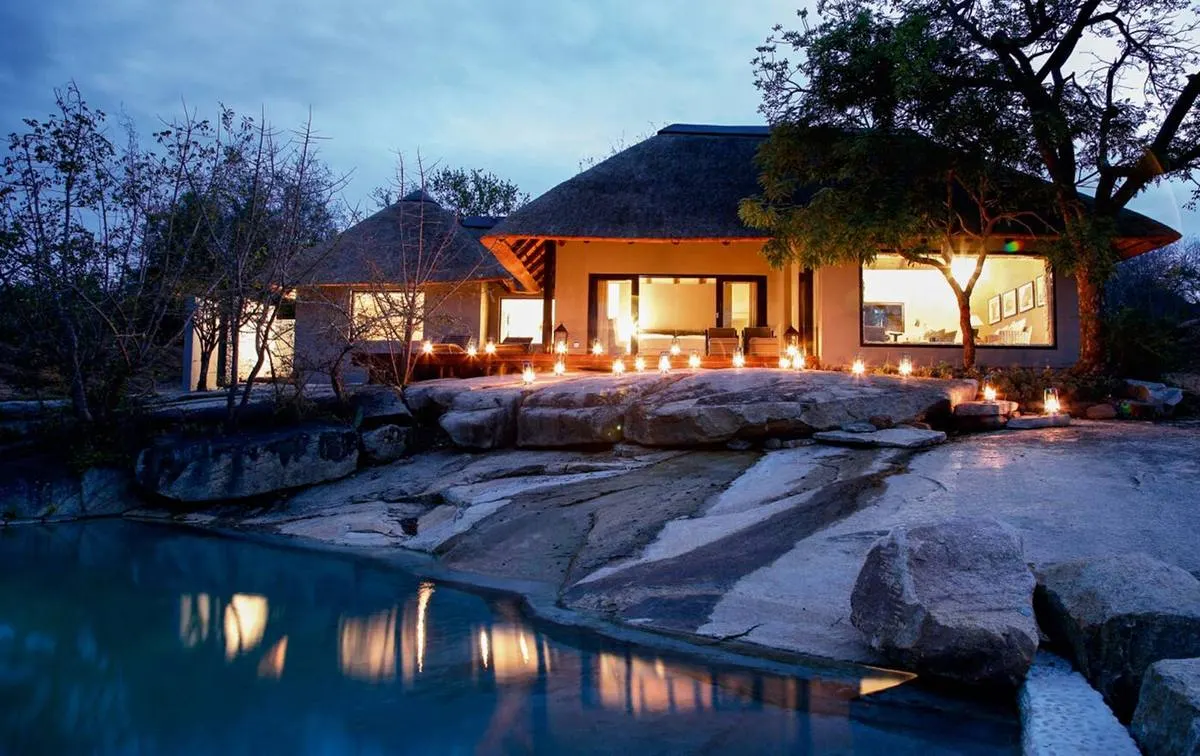
Most private lodges in Kruger and the surrounding private reserves include boma dinners as part of their all-inclusive rates. At mid-range lodges, expect a well-executed buffet with 8–12 dishes. At luxury properties like those in Sabi Sands, boma dinners become theatrical events — think live drumming, Zulu dancers, and a chef carving prime cuts at a live station. Budget around $60–$120 per person for a standalone boma experience at lodges that offer it as an add-on.
It's where guests gather after the evening game drive to share stories, sip sundowners, and feast on food that reflects the best of African culinary tradition.
The Braai: South Africa's Sacred Ritual
If the boma is Africa's communal dining tradition, the braai is South Africa's national religion. More than just a barbecue, the braai is a social institution — a reason to gather, a way to connect, and a deeply held cultural practice that transcends race, class, and geography. South Africans braai everything: boerewors (spiced farmer's sausage), lamb chops, chicken, corn on the cob, and even bread.
On safari, the braai takes on a special dimension. Many lodges offer bush braai experiences where your ranger lights a fire in a clearing, the chef produces an astonishing spread of marinated meats and salads, and you eat under a sky so thick with stars it seems almost unreal. It's lekker in the truest sense of the word — genuinely, deeply good.
Boerewors: The Essential Safari Sausage
No braai is complete without boerewors. This coiled sausage, made from beef and pork with a distinctive blend of coriander, cloves, and nutmeg, is a South African icon. The name literally means "farmer's sausage" in Afrikaans, and the recipe has been passed down through generations. At a safari lodge, you'll often find boerewors served at breakfast alongside eggs, or as part of a braai spread. If you're visiting Cape Town before or after your safari, pick up some boerewors from a local butcher — it's one of the best edible souvenirs you can bring home.
Game Meat: A Sustainable Safari Delicacy
One of the most distinctive aspects of South African safari cuisine is the prevalence of game meat on lodge menus. Far from being a gimmick, game meat is a sustainable, ethical, and genuinely delicious part of the local food culture. South Africa has a well-regulated game meat industry, and many lodges source their meat from nearby game farms or their own reserves.
Common Game Meats and How They Taste
- Kudu: The most popular game meat in South Africa. Lean, tender, and mild — often compared to venison. Excellent as a steak or in a slow-cooked stew.
- Impala: Delicate and slightly sweet. Often used in biltong (South Africa's answer to beef jerky) or as a carpaccio starter.
- Warthog: Richer and more flavourful than pork. Warthog ribs slow-cooked over coals are a safari lodge staple.
- Ostrich: Surprisingly lean and red-meated, ostrich fillet is low in fat and high in protein. It's best served medium-rare to avoid dryness.
- Springbok: South Africa's national animal and one of its finest meats. Springbok loin with a red wine reduction is a classic fine-dining safari dish.
Biltong deserves special mention. This air-dried, spiced meat snack is South Africa's most beloved food export — and it's the perfect safari snack. You'll find it at every lodge, petrol station, and airport in the country. The best biltong is made from beef or game meat, sliced thick, and seasoned with coriander and black pepper. It's the ideal companion for a long game drive.
Sundowners: The Art of the Bush Cocktail
The sundowner is perhaps the most quintessentially South African safari ritual. As the afternoon game drive winds down and the sun begins its descent toward the horizon, your ranger will find a scenic spot — a riverbank, a rocky kopje, a clearing with a view — and the vehicle will stop. Out comes the cooler box, and suddenly the bush becomes a cocktail bar.
Classic Safari Sundowner Drinks
- Gin and tonic: The colonial classic, still the most popular sundowner in the bush. South Africa has a thriving craft gin scene — look for local brands like Inverroche (made with fynbos botanicals) or Six Dogs.
- Amarula: South Africa's iconic cream liqueur, made from the fruit of the marula tree. Serve over ice or in a coffee. Elephants famously seek out fermented marula fruit — you'll be in good company.
- Springbok shooter: A layered shot of crème de menthe and Amarula. A South African party staple that somehow tastes even better in the bush.
- Cape wine: Increasingly, lodges are serving South African wines at sundowners — a wonderful way to combine two of the country's greatest pleasures.
Cape Winelands: The Perfect Safari Bookend
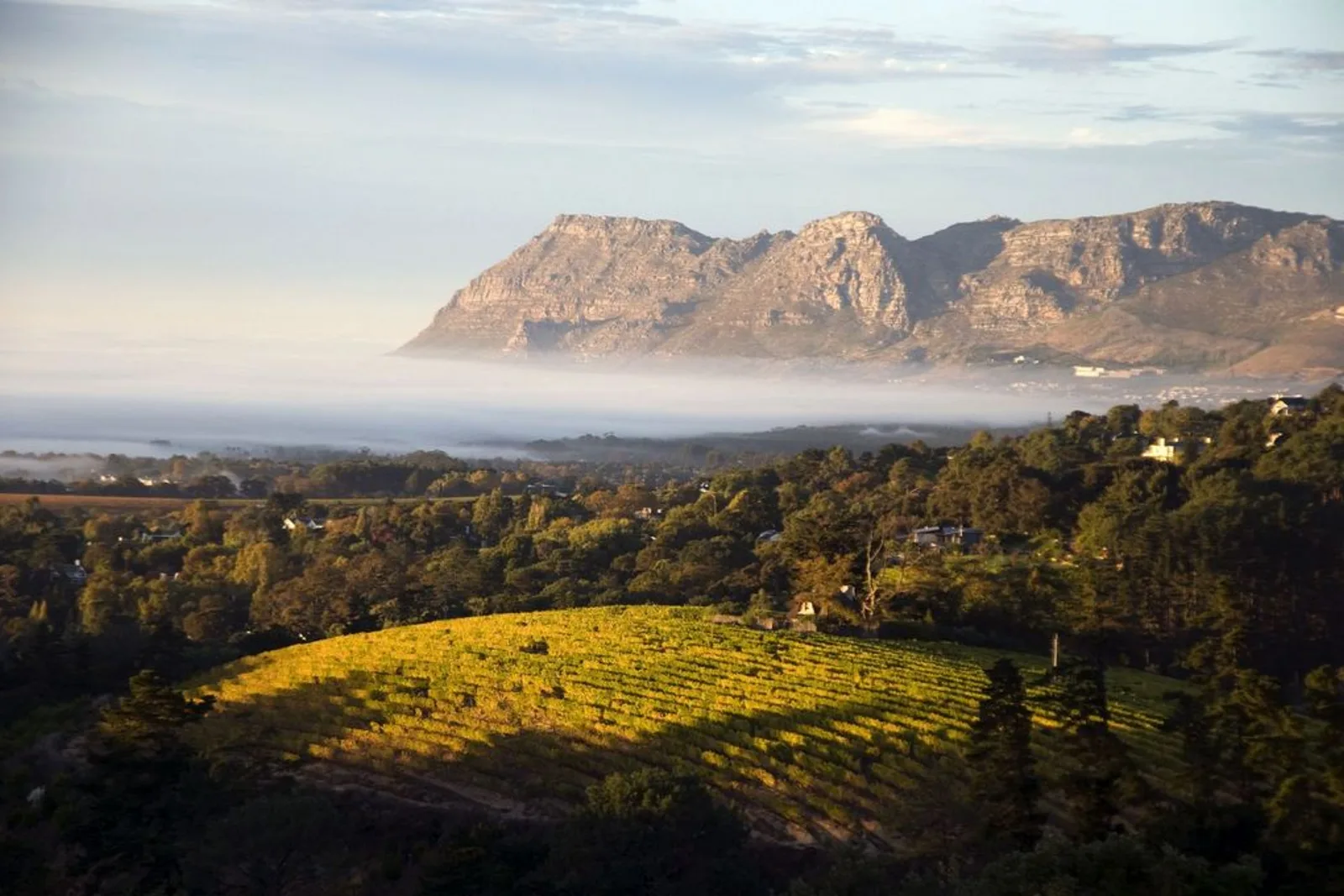
South Africa is one of the world's great wine-producing nations, and the Cape Winelands — centred on the towns of Stellenbosch, Franschhoek, and Paarl — are among the most beautiful wine regions on earth. Combining a safari in Kruger or the Eastern Cape with a few days in the Winelands is one of the most satisfying travel itineraries imaginable: the raw, wild beauty of the bush followed by the refined elegance of vine-covered valleys and world-class restaurants.
Stellenbosch: The Heart of Cape Wine
Stellenbosch is South Africa's premier wine town, home to over 150 wine estates and some of the country's finest restaurants. The town itself is beautiful — oak-lined streets, Cape Dutch architecture, and a vibrant student energy from the university. A wine tour of Stellenbosch typically costs $80–$150 per person including tastings and transport. Our Stellenbosch and Franschhoek wine tour is one of our most popular experiences, combining the best estates in both valleys in a single day.
Franschhoek: The Food and Wine Capital
If Stellenbosch is the heart of Cape wine, Franschhoek is its soul. This small town in a spectacular mountain valley was founded by French Huguenot refugees in the late 17th century, and their influence is still felt in the French place names, the Gallic culinary sensibility, and the extraordinary concentration of fine-dining restaurants. Franschhoek has more Michelin-calibre restaurants per capita than almost anywhere in Africa.
The Franschhoek Wine Tram is a delightful way to explore the valley — a hop-on, hop-off tram that winds through the vineyards, stopping at estates for tastings. It costs around $35–$50 per person and is a wonderful half-day activity. Combine it with lunch at one of the valley's celebrated restaurants for a truly memorable day.
Cape Wine Varieties to Know
- Pinotage: South Africa's signature grape variety, a cross between Pinot Noir and Cinsaut. At its best, it produces rich, smoky reds with notes of dark fruit and coffee. Perfect with game meat.
- Chenin Blanc: South Africa has more Chenin Blanc planted than any other country. The Cape's version ranges from crisp and dry to rich and honeyed — it's extraordinarily versatile and pairs beautifully with the Cape's seafood.
- Cabernet Sauvignon: Stellenbosch produces some of the world's finest Cabernet Sauvignon, with a distinctive combination of ripe fruit and firm tannins. Excellent with springbok or kudu.
- Méthode Cap Classique (MCC): South Africa's answer to Champagne, made using the traditional method. Graham Beck's Brut Rosé is a particular favourite — it was served at Nelson Mandela's inauguration and at Barack Obama's election night celebration.
Pairing Safari Cuisine with Cape Wine
The combination of game meat and Cape wine is one of South Africa's great culinary pleasures. Here are some classic pairings to guide your dining:
- Springbok loin + Stellenbosch Cabernet Sauvignon: The classic pairing. The wine's firm tannins cut through the richness of the meat, while its dark fruit notes complement the springbok's natural sweetness.
- Kudu carpaccio + Chenin Blanc: The wine's acidity and citrus notes provide a perfect counterpoint to the delicate, lean meat.
- Warthog ribs + Pinotage: Bold, smoky, and deeply satisfying. This is the braai pairing of dreams.
- Ostrich fillet + Pinot Noir: The lighter body of Pinot Noir suits the lean, red-meated ostrich perfectly.
- Biltong + MCC: The saltiness of the biltong and the bubbles of the Cap Classique create a surprisingly elegant combination — perfect for sundowners.
Cape Town's Food Scene: A City That Eats Well
day trips">Cape Town has emerged as one of Africa's great food cities, with a dining scene that draws on the city's extraordinary cultural diversity — Cape Malay, Afrikaner, Xhosa, Portuguese, and contemporary international influences all find expression on Cape Town's menus.
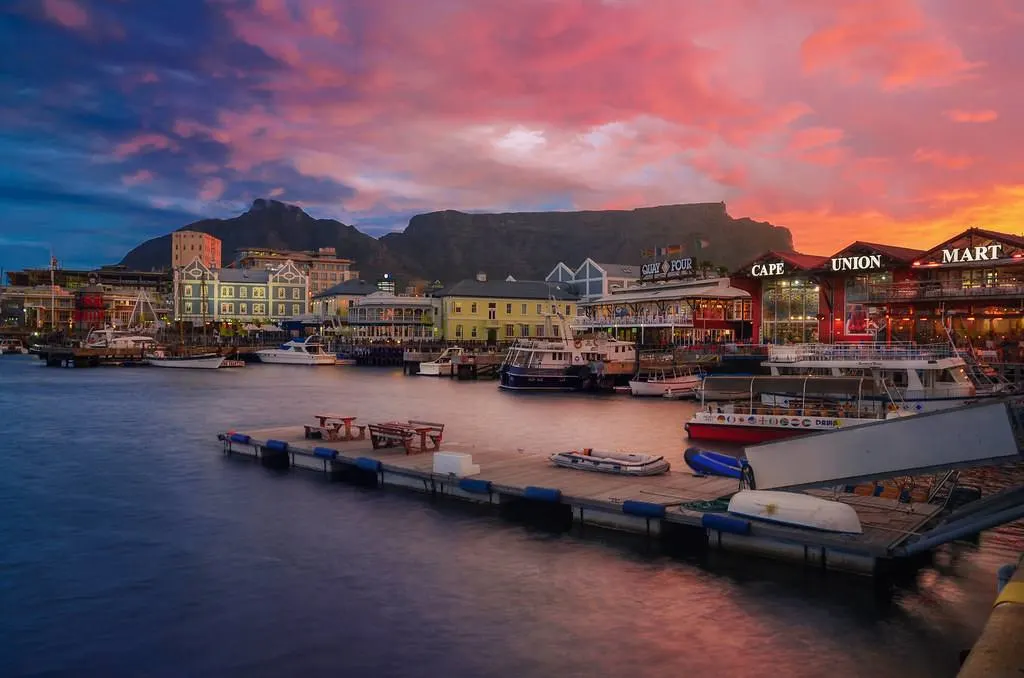
The V&A Waterfront is home to dozens of restaurants with spectacular harbour views, but the most exciting dining is happening in the city's neighbourhoods. The Bo-Kaap, Cape Town's historic Cape Malay quarter, is the place to try bobotie (a spiced minced meat dish with an egg custard topping), koesisters (syrup-soaked doughnuts), and fragrant curries. Our Bo-Kaap cultural food tour is a wonderful introduction to this unique culinary tradition.
For a more contemporary experience, the neighbourhoods of Woodstock, De Waterkant, and the CBD are packed with innovative restaurants, craft beer bars, and artisan coffee roasters. Cape Town's food scene is genuinely world-class — a fitting reward after days in the bush.
Planning Your Safari and Food Experience
The ideal South Africa itinerary combines the best of both worlds: a few days on safari in Kruger or the Eastern Cape, followed by time in the Cape Winelands and Cape Town. This "bush and beach" (or "bush and wine") combination is South Africa's most popular travel formula — and for good reason.
A typical 10-day itinerary might look like this: 3–4 nights on safari in Kruger, a flight to Cape Town, 2 nights in the Winelands, and 3–4 nights in Cape Town itself. This gives you the full spectrum of South African experiences — from the raw wilderness of the bush to the sophisticated pleasures of one of the world's great cities.
Explore our full range of South Africa tours or browse our safari packages to find the perfect combination. Our Cape Town-based team can design a bespoke itinerary that weaves together the best safari experiences with the finest food and wine the Cape has to offer.
Experience the Full Flavour of South Africa
South Africa's culinary landscape is as rich and diverse as its wildlife. From the communal warmth of a boma dinner in the bush to the refined elegance of a Franschhoek wine pairing lunch, food and drink are central to the South African travel experience. They're not just sustenance — they're a window into the country's culture, history, and extraordinary natural abundance.
Ready to taste it for yourself? Our team of experienced safari specialists would love to help you plan an itinerary that combines world-class wildlife with the very best of South African food and wine. Contact us today for a personalised quote, or explore our Cape Town destination guide to start planning your perfect South Africa adventure.
The braai is lit. The sundowner is poured. Africa is waiting.
Tours & Safaris You'll Love
Handpicked by our team based on what you're reading. Book direct for the best price — guaranteed.
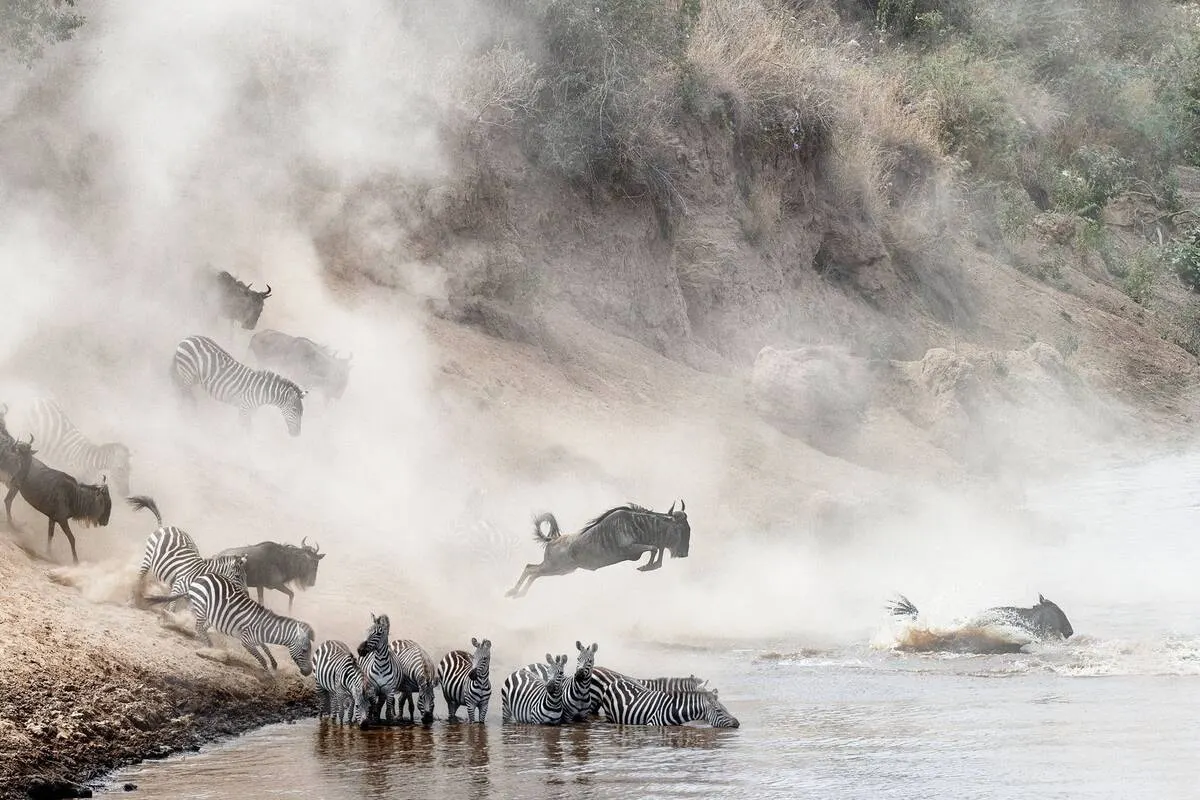
Serengeti Great Migration River Crossing — Mara River Safari
Witness the world's greatest wildlife spectacle — wildebeest crossing the Mara
per person • Best price direct
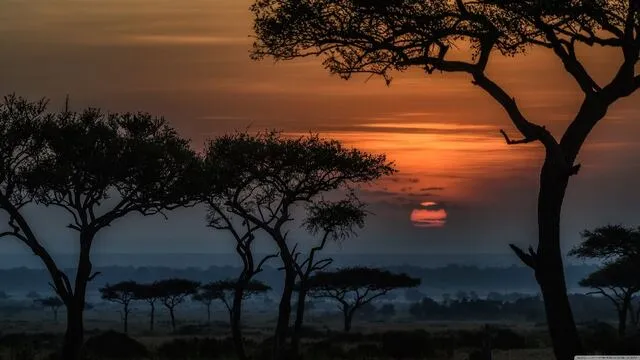
Masai Mara Great Migration Safari — River Crossing Season
Witness nature's greatest spectacle — millions of wildebeest crossing the Mara River
per person • Best price direct
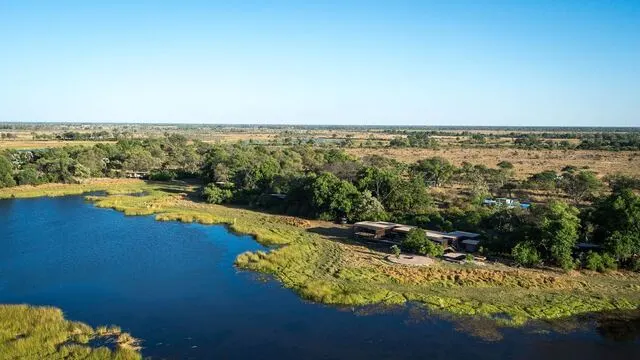
Okavango Delta Fly-In Safari — Luxury Bush Camp
The world's most exclusive safari destination from above and within
per person • Best price direct
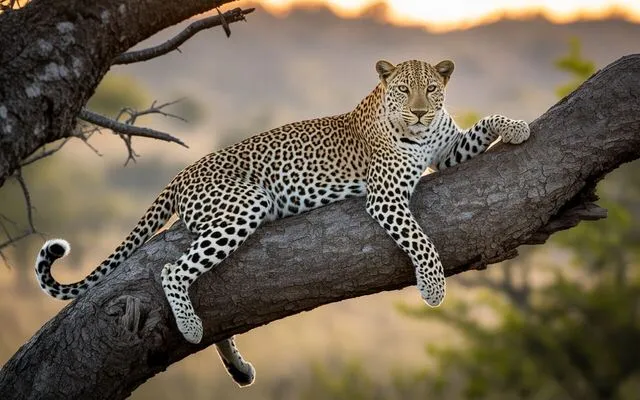
Sabi Sands Leopard Tracking Safari — World's Best Leopard Sightings
The world's #1 destination for leopard sightings — 95% success rate
per person • Best price direct
Why book with middlemen? Same tours, lower prices, direct support from our team.
Get a Free Custom Quote