The Art of the African Sundowner: Where Safari Meets Sip
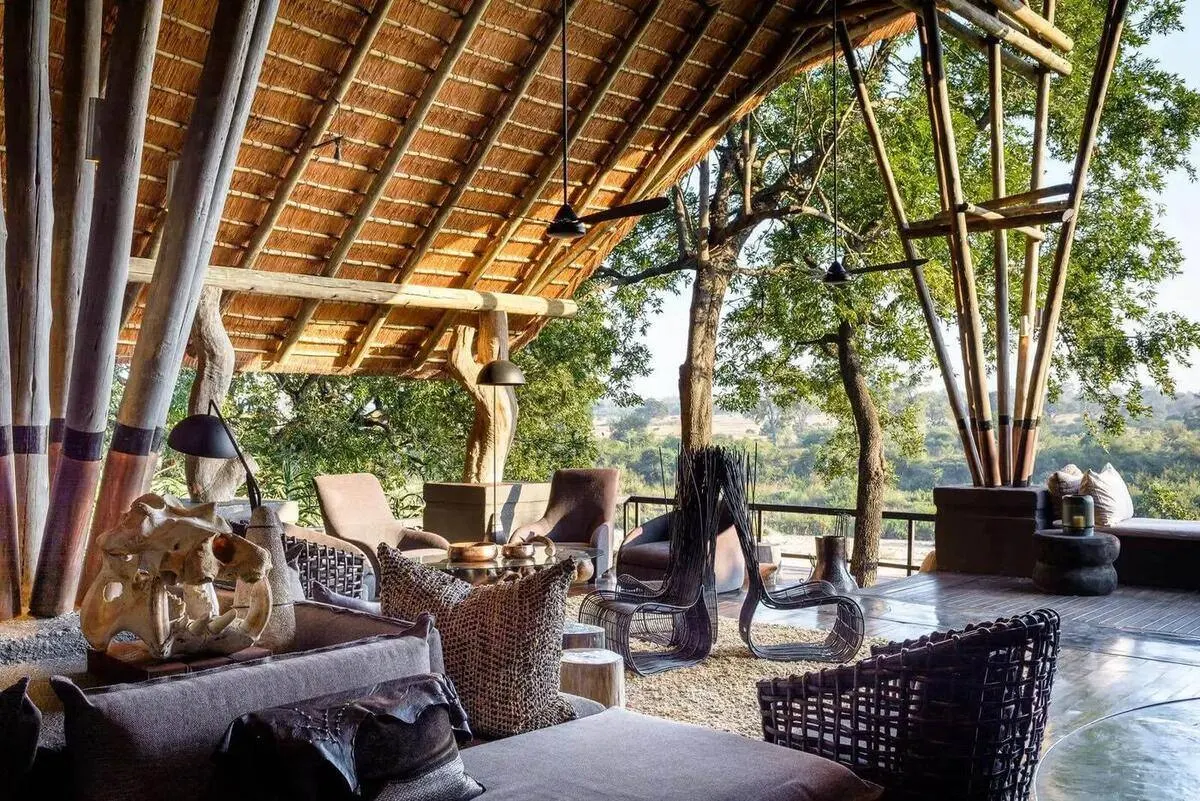
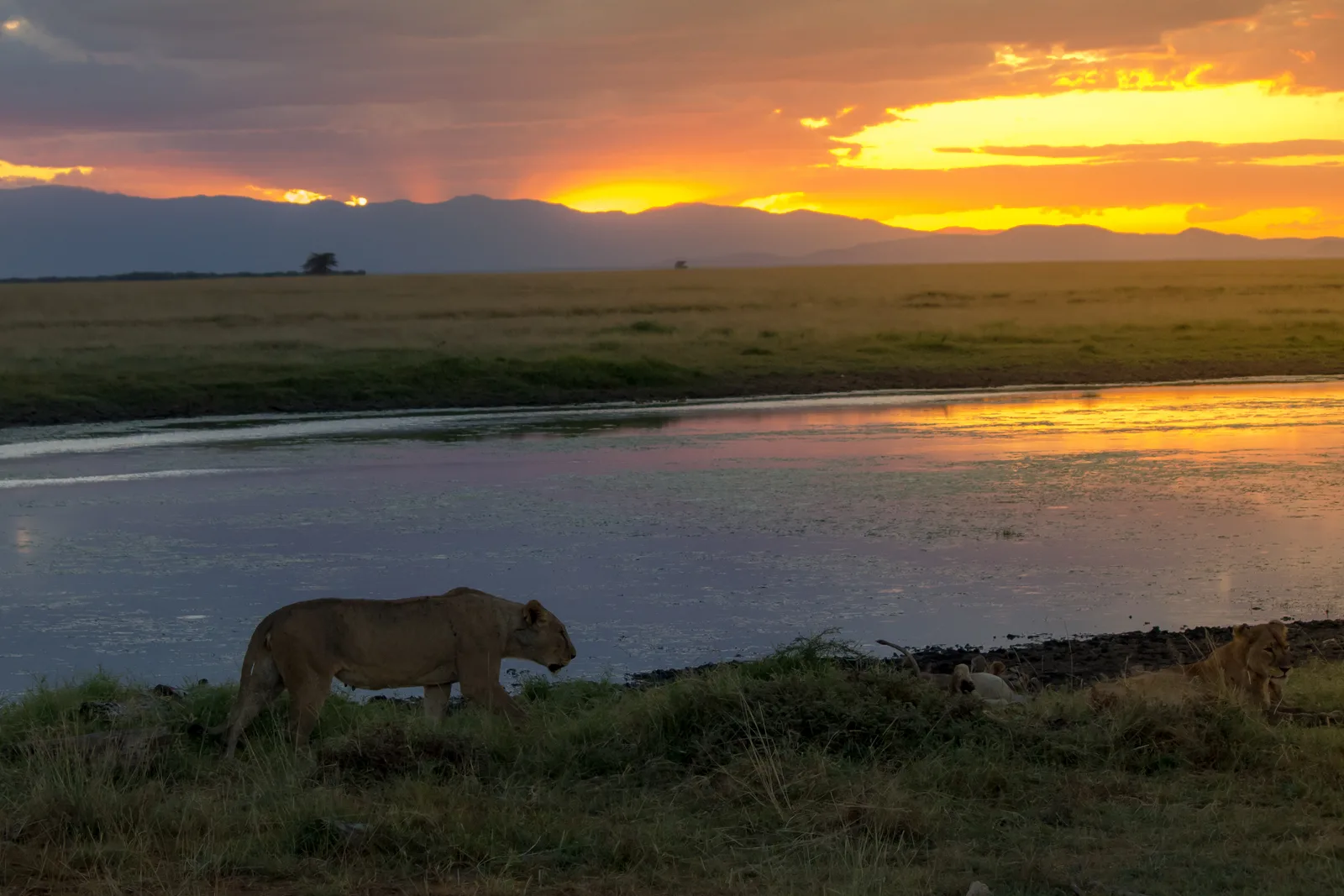
There is a moment on every great African safari that stops time. The game drive has wound down, the dust is settling, and your guide pulls the vehicle to a halt on a rocky outcrop or open plain. A folding table appears, bottles clink, and suddenly you are holding a cold gin and tonic while a blood-orange sun melts into the acacia horizon. This, friends, is the sundowner — and it is one of the most lekker rituals in all of African travel.
At Ingwe Africa Safaris, we believe that what you eat and drink on safari is just as important as what you see. The flavours of Africa — smoky, wild, earthy, and vibrant — are woven into every meal, from a pre-dawn coffee before the morning game drive to a candlelit boma dinner under a canopy of stars. This guide takes you through the full culinary journey of an African safari, with tips on what to expect, what to order, and how to pair it all with South Africa's extraordinary wines.
What Is a Sundowner, and Why Does It Matter?
The sundowner tradition dates back to the colonial era, when British settlers in East and Southern Africa would gather at dusk to watch the sunset with a drink in hand. Today it has evolved into one of the most cherished rituals of the safari experience — a deliberate pause between the intensity of the afternoon game drive and the warmth of the evening meal.
Most safari lodges and camps include sundowners as part of their daily programme. Your guide will select a scenic spot — a riverbank, a termite mound with a view, or a hilltop overlooking the plains — and set up a mobile bar. Expect classic gin and tonics, local beers like Castle Lager or Windhoek, sparkling wine, and non-alcoholic options like fresh fruit juice or sparkling water with citrus.
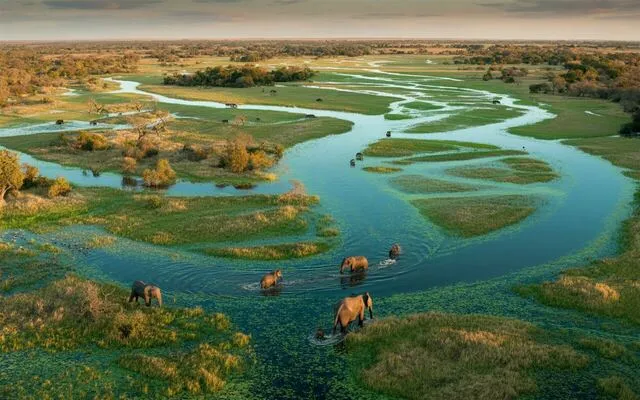
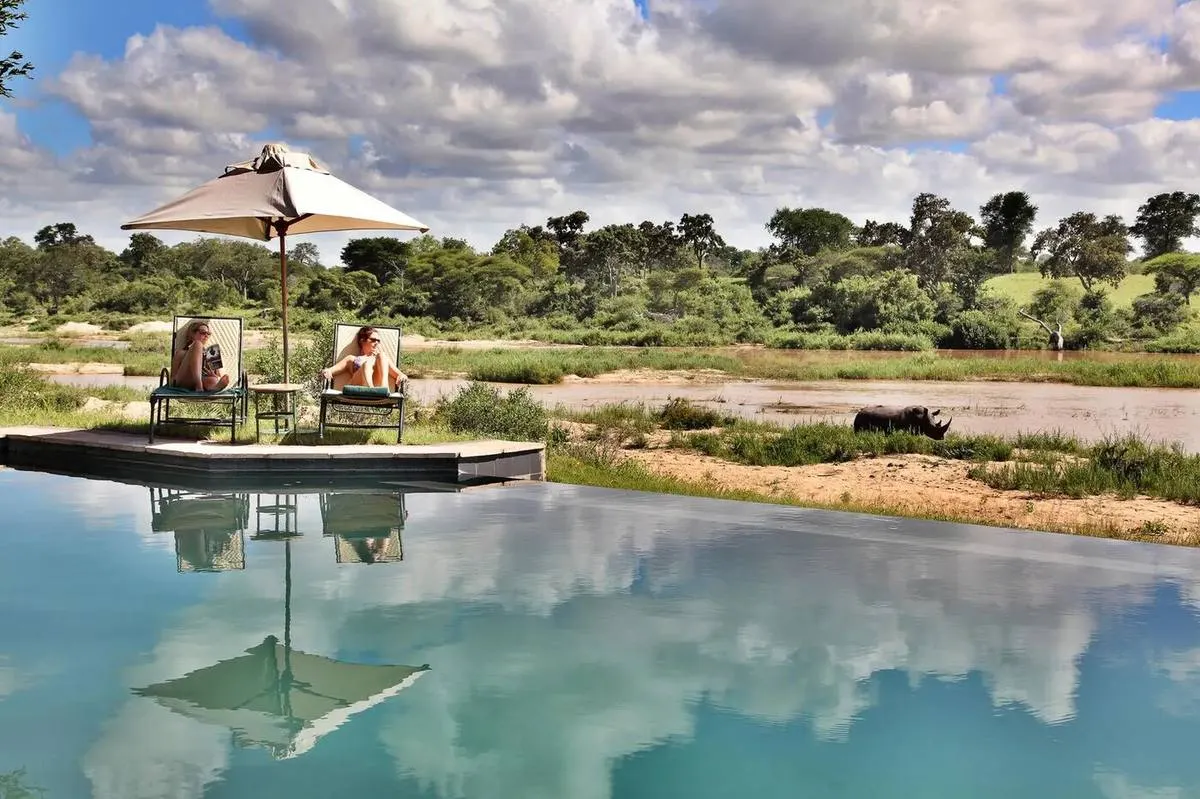
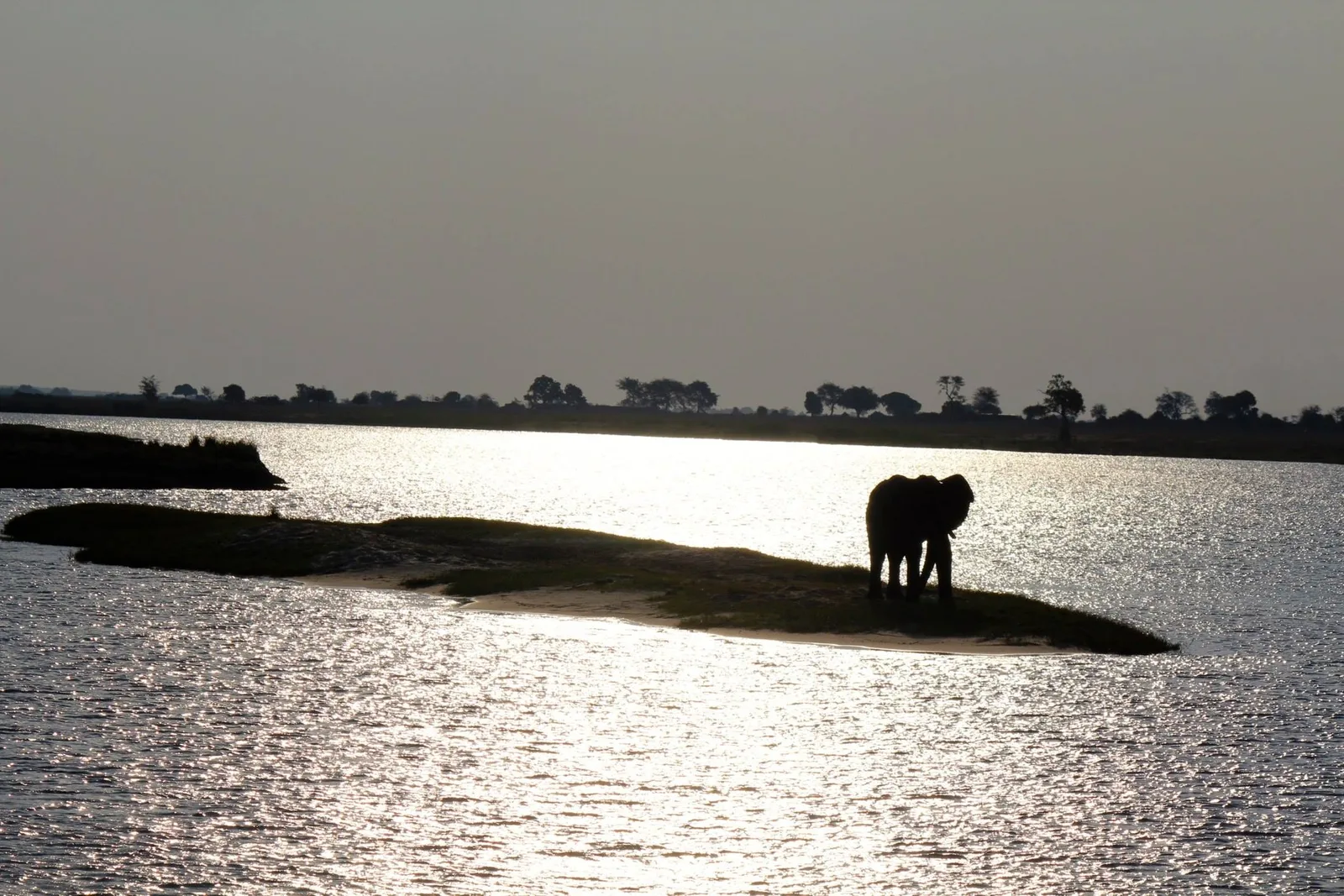
The best sundowner spots we know? A rocky ledge above the Olifants River in Kruger National Park, the banks of the Chobe River in Botswana with elephants wading nearby, and the dunes of Namibia's Sossusvlei at golden hour. Each one is unforgettable in its own way.
This guide takes you through the full culinary journey of an African safari, with tips on what to expect, what to order, and how to pair it all with South Africa's extraordinary wines.
The Boma Dinner: Africa's Most Iconic Feast
If the sundowner is the aperitif of safari life, the boma dinner is the main event. A boma is a traditional African enclosure — originally used to protect livestock — that has been reimagined at safari lodges as an open-air dining space, typically circular, with a central fire pit and rustic wooden seating.
Boma dinners are communal, convivial, and deeply atmospheric. The fire crackles, the stars blaze overhead, and the sounds of the bush — a distant hyena, the chirp of crickets, the occasional hoot of an owl — provide the soundtrack. It is ubuntu in its purest form: the African philosophy of shared humanity expressed through shared food.
What to Expect on the Menu
Boma menus vary by region and lodge, but you can generally expect a generous spread of Southern African flavours. Game meats are the star of the show — think kudu sosaties (skewers), impala stew, warthog ribs, and crocodile tail. For the less adventurous, there is always excellent beef, chicken, and a wide array of vegetarian options.
Side dishes lean heavily on African staples: pap (a maize porridge similar to polenta), chakalaka (a spicy vegetable relish), roasted sweet potato, and braai-grilled corn. Dessert often features malva pudding — a sticky, caramel-soaked South African classic — or amarula cream, made from the fruit of the marula tree that elephants famously love to eat.
Prices for boma dinners are typically included in your lodge rate at all-inclusive properties. At semi-inclusive lodges, expect to pay $30–$60 per person for a full boma experience. It is worth every cent. To explore lodges that offer exceptional boma dining, browse our safari packages and filter by dining experience.
Bush Breakfasts: The Morning Ritual
Safari mornings begin before dawn. You are up at 5:30 AM, wrapped in a fleece blanket, clutching a mug of strong rooibos tea or filter coffee as your guide briefs you on the morning's game drive. This pre-drive ritual — simple, warm, and grounding — is itself a kind of magic.
After two to three hours of game viewing, many lodges offer a bush breakfast: a full spread set up in the field, often beside a dry riverbed or under a shady tree. Think scrambled eggs cooked over a gas burner, fresh fruit, yoghurt, rusks (South Africa's beloved twice-baked biscuits, perfect for dunking), and more coffee. It is a civilised interlude in the middle of the wild, and it never gets old.
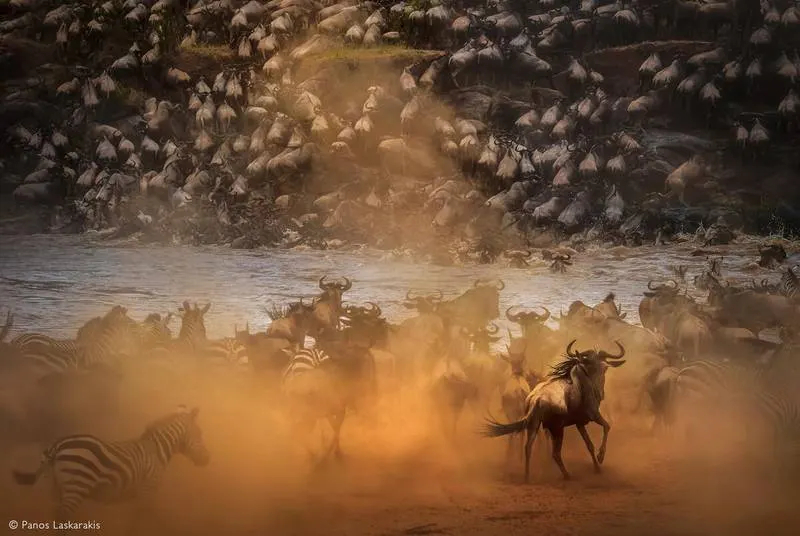
Some of our favourite bush breakfast spots include the banks of the Sabie River in the Sabi Sands, where you can watch hippos yawn in the water while you eat, and the open plains of the Serengeti, where wildebeest graze in the background. If this sounds like your kind of morning, take a look at our Sabi Sands Leopard Tracking Safari — it includes daily bush breakfasts as standard.
Pairing Safari Food with South African Wine
South Africa produces some of the world's finest wines, and the Cape Winelands — just an hour from day trips">Cape Town — are a destination in their own right. Combining a safari with a winelands experience is one of the great pleasures of South African travel, and the food-and-wine pairings are extraordinary.
Game Meat and Red Wine
The bold, lean flavours of game meat call for equally bold red wines. Pinotage — South Africa's signature grape variety, a cross between Pinot Noir and Cinsault — is the classic pairing for kudu, springbok, and impala. Look for bottles from Kanonkop, Beyerskloof, or Simonsig. A good Stellenbosch Cabernet Sauvignon also works beautifully with warthog ribs or venison stew.
For something lighter, a Franschhoek Pinot Noir pairs elegantly with ostrich fillet — a surprisingly tender and flavourful meat that is lower in fat than chicken. Ostrich is widely available at South African restaurants and many safari lodges, and it is well worth trying.
Seafood and White Wine
If your safari includes time in Cape Town — and it really should — you will have access to some of the finest seafood in the world. West Coast crayfish (rock lobster), snoek (a firm, oily fish beloved by Capetonians), and line fish like yellowtail and kabeljou are all exceptional. Pair them with a crisp Chenin Blanc from the Swartland, a Sauvignon Blanc from Elgin, or a wooded Chardonnay from Walker Bay.
The Cape Winelands are easily explored as a day trip from Cape Town. Our Stellenbosch and Franschhoek Wine Tour takes you through the heart of the winelands, with tastings at award-winning estates and a long, leisurely lunch at one of the region's celebrated farm restaurants.
Regional Food Highlights Across Africa
Every African country has its own culinary identity, and part of the joy of multi-destination safari travel is eating your way across the continent. Here is a quick flavour tour of what to expect in different regions.
East Africa: Tanzania and Kenya
In Tanzania and Kenya, Swahili coastal cuisine is a revelation — fragrant with coconut milk, tamarind, and spices brought by Arab traders centuries ago. Try pilau rice, nyama choma (grilled meat), and the extraordinary seafood of Zanzibar, where spice plantations still perfume the air. Safari camps in the Serengeti typically serve a blend of international and East African dishes, with fresh produce sourced locally where possible.
Southern Africa: Zambia and Zimbabwe
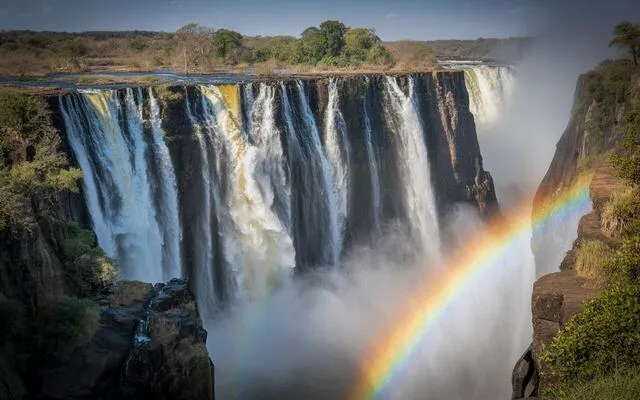
In Zambia and Zimbabwe, nshima (a thick maize porridge) is the staple, served with relishes of dried fish, leafy greens, or groundnut stew. Walking safari camps in South Luangwa serve hearty, wholesome food designed to fuel long days on foot. Near Victoria Falls, you can enjoy a sunset dinner cruise on the Zambezi River — one of the most romantic dining experiences in Africa.
West Africa and the Sahel
West African cuisine is bold and complex — jollof rice, egusi soup, suya (spiced grilled meat), and plantain in every form. While less commonly visited on safari itineraries, countries like Ghana and Senegal offer extraordinary food cultures that reward the adventurous traveller.
Practical Tips for Foodies on Safari
A few things to keep in mind as you plan your culinary safari adventure:
Dietary requirements: All reputable safari lodges cater for vegetarian, vegan, gluten-free, and other dietary needs — just inform them in advance. The quality of vegetarian food at top lodges has improved dramatically in recent years, with creative plant-based dishes that celebrate local produce.
Alcohol: Most all-inclusive safari packages include local beers, house wines, and spirits. Premium imported spirits and vintage wines are usually charged separately. Budget around $20–$40 per day for drinks if you are at a semi-inclusive property.
Water: Drink only bottled or filtered water in the bush. Most lodges provide filtered water in reusable bottles — a welcome eco-friendly practice. In South Africa's cities and the Cape Winelands, tap water is safe to drink.
Timing: Safari meal times are dictated by the game drive schedule. Breakfast is early (often 6–7 AM), lunch is a leisurely midday affair, and dinner is typically served at 7–8 PM after the evening game drive and sundowner. Embrace the rhythm — it is deeply restorative.
Combining Safari and Winelands: The Ultimate South African Experience
The most satisfying South African itineraries combine a few nights on safari with time in the Cape Winelands and Cape Town. You might spend three nights at Aquila Private Game Reserve — just two hours from Cape Town — tracking the Big Five, then head to Stellenbosch for wine tastings and farm-to-table lunches, before finishing with a few days exploring Cape Town's extraordinary food scene.
Cape Town's restaurant culture is world-class. The city consistently ranks among the top food destinations on the planet, with a dining scene that blends Cape Malay spices, fresh Atlantic seafood, and European technique. Do not leave without trying a Cape Malay curry, a snoek braai on the beach, or a tasting menu at one of the city's celebrated fine-dining restaurants.
Our Aquila Big Five Day Safari is the perfect introduction to safari life for those based in Cape Town, and it pairs beautifully with a winelands day trip the following day. Use our safari cost calculator to build your ideal itinerary and get an instant price estimate.
Ready to Taste Africa?
The flavours of Africa are as wild and wonderful as the landscapes themselves. From a sundowner gin and tonic on the Serengeti plains to a glass of Pinotage beside a boma fire in the Sabi Sands, every meal on safari is an experience to savour. Food is not just fuel here — it is part of the story, part of the magic, part of what makes Africa so utterly unforgettable.
At Ingwe Africa Safaris, we design itineraries that celebrate every dimension of the African experience — including the culinary one. Whether you are a dedicated foodie, a wine enthusiast, or simply someone who loves a good braai under the stars, we will craft a journey that feeds your soul as much as your appetite.
Ready to plan your culinary safari adventure? Contact our team today and let us design a bespoke itinerary that combines the best of African wildlife, wine, and food. Your table in the bush is waiting.
Tours & Safaris You'll Love
Handpicked by our team based on what you're reading. Book direct for the best price — guaranteed.
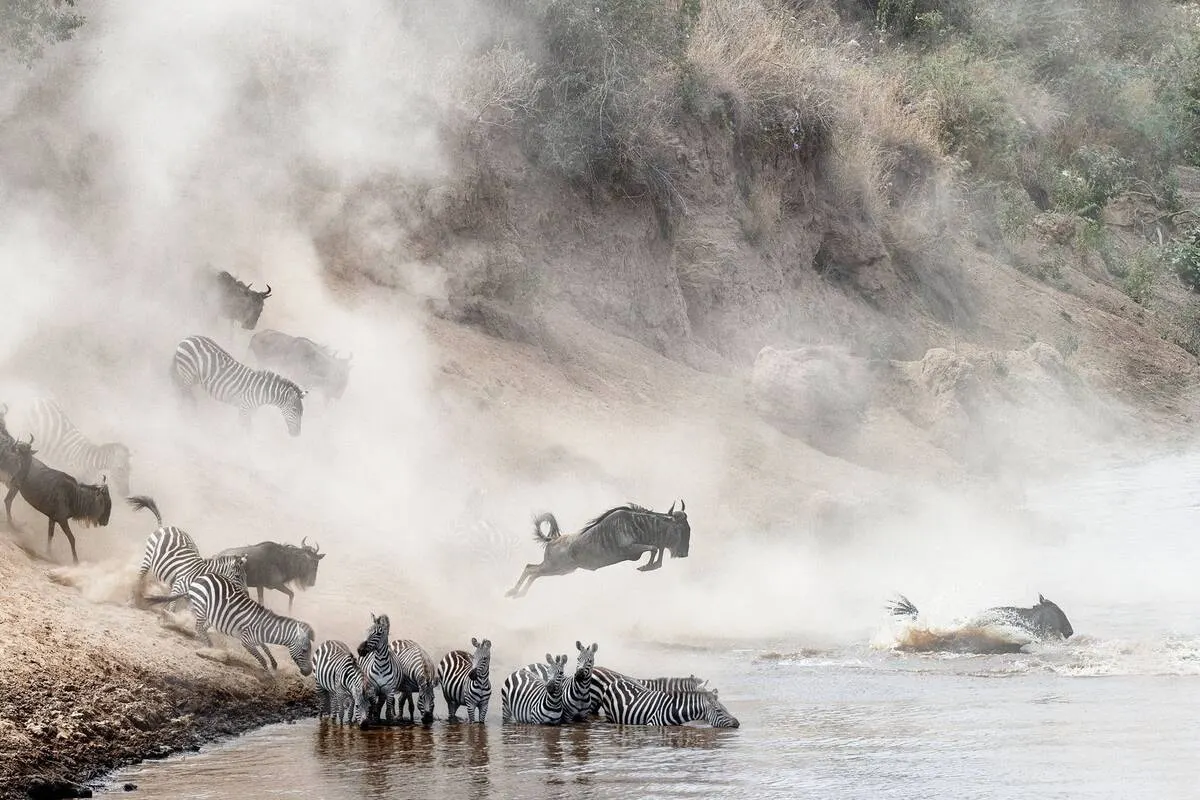
Serengeti Great Migration River Crossing — Mara River Safari
Witness the world's greatest wildlife spectacle — wildebeest crossing the Mara
per person • Best price direct
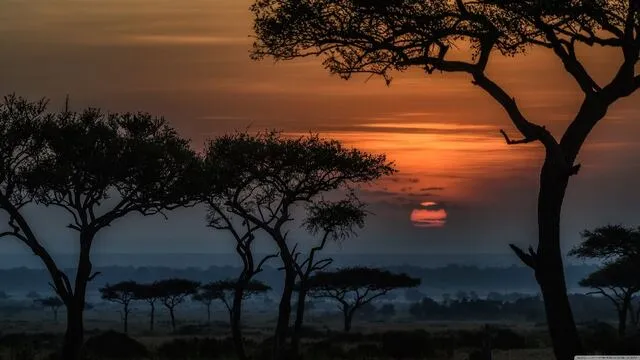
Masai Mara Great Migration Safari — River Crossing Season
Witness nature's greatest spectacle — millions of wildebeest crossing the Mara River
per person • Best price direct
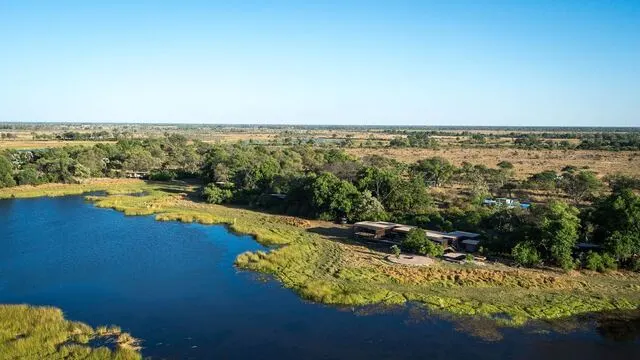
Okavango Delta Fly-In Safari — Luxury Bush Camp
The world's most exclusive safari destination from above and within
per person • Best price direct
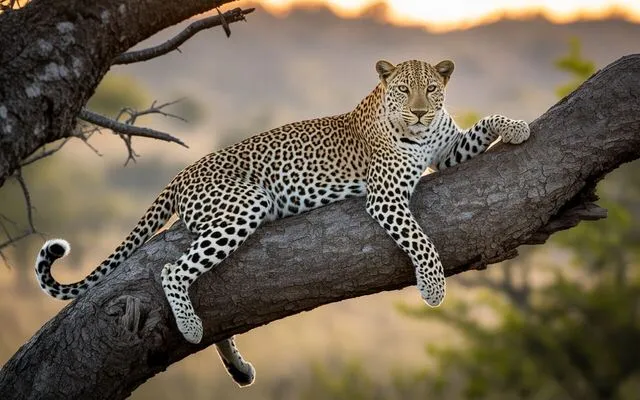
Sabi Sands Leopard Tracking Safari — World's Best Leopard Sightings
The world's #1 destination for leopard sightings — 95% success rate
per person • Best price direct
Why book with middlemen? Same tours, lower prices, direct support from our team.
Get a Free Custom Quote