
Cape Town Neighbourhood Guide: Where to Stay, Eat & Explore in 2026
Cape Town is one of those cities that refuses to be pinned down. Nestled between the iconic Table Mountain and the cold Atlantic, it is a city of contrasts — ancient and ultra-modern, laid-back and electric, wildly beautiful and deeply complex. Whether you are planning a quick city break before your safari or spending a full week exploring the Mother City, knowing which neighbourhood suits your style makes all the difference.
As safari operators based right here in Cape Town, we have watched this city evolve over the years. We know which streets buzz with energy at sunset, which bakeries open before the mountain mist lifts, and which hidden courtyards are worth the detour. This guide is our honest, insider take on Cape Town's most distinct neighbourhoods — where to sleep, eat, and spend your time.
The City Bowl: History, Culture & the Heart of It All
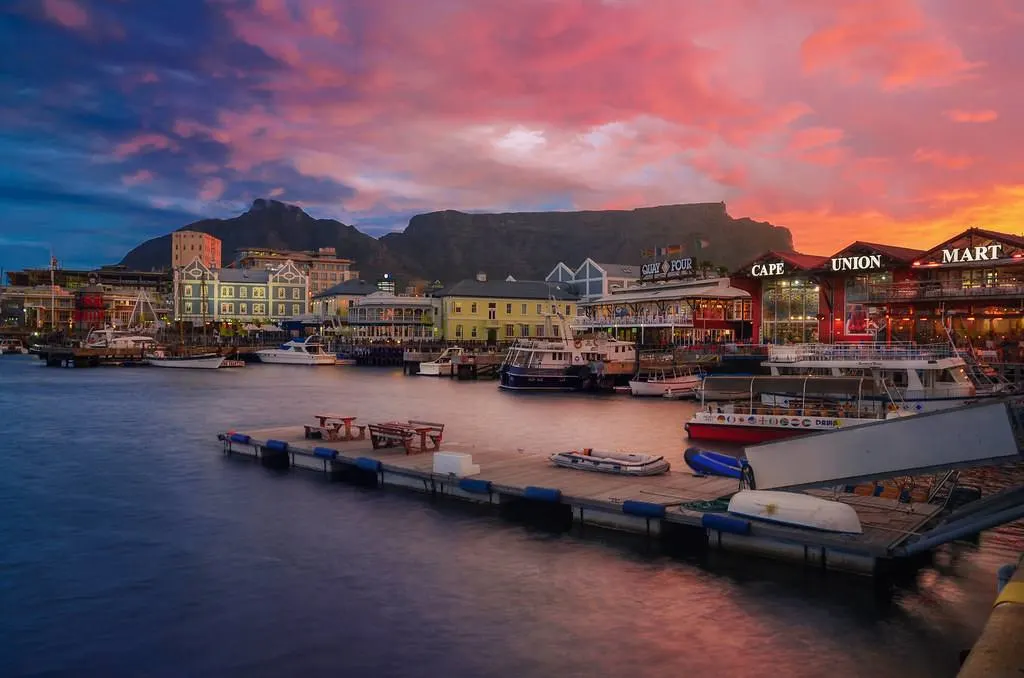
The City Bowl is Cape Town's urban core, framed by Devil's Peak, Lion's Head, and Signal Hill. It is where you will find the V&A Waterfront, the Company's Garden, and the Cape Town City Hall — landmarks that anchor the city's colonial and post-apartheid story. For first-time visitors, this is the natural starting point.
Accommodation here ranges from boutique guesthouses in heritage buildings to sleek business hotels. Expect to pay between $120 and $350 per night for a quality stay. The area is walkable, well-connected by the MyCiTi bus, and close to the main attractions. The Long Street strip is legendary for its nightlife, while Bree Street has quietly become one of the best restaurant corridors in southern Africa.
Where to Eat in the City Bowl
Start your mornings at Truth Coffee Roasting — a steampunk-themed café that has been named among the world's best coffee shops. For lunch, head to the Old Biscuit Mill in nearby Woodstock on a Saturday for the Neighbourgoods Market, where local producers sell everything from artisan cheese to slow-braised lamb. Dinner on Bree Street is a lekker affair: try Chefs Warehouse for a shared-plate feast or Bocca for wood-fired pizza with a South African twist.
If you want to experience Cape Malay cuisine — one of the city's most distinctive culinary traditions — book a cooking class in Bo-Kaap. Our Cape Malay cooking class in Bo-Kaap takes you into a local home kitchen to learn the spice blends and slow-cooked curries that have defined this community for centuries.
The Long Street strip is legendary for its nightlife, while Bree Street has quietly become one of the best restaurant corridors in southern Africa.
Bo-Kaap: The Colourful Soul of Cape Town
Perched on the slopes of Signal Hill, Bo-Kaap is arguably day trips">Cape Town's most photographed neighbourhood. Its cobblestone streets and brightly painted houses — cobalt blue, sunshine yellow, bubblegum pink — are the result of a tradition that dates back to the Cape Malay community's assertion of identity and freedom after the end of apartheid.
Bo-Kaap is a living neighbourhood, not a museum. Families have lived here for generations, and the community is fiercely proud of its heritage. Walk the streets in the early morning before the tour groups arrive and you will hear the call to prayer from the Nurul Islam Mosque, smell fresh koeksisters frying, and see children heading to school in their uniforms. It is one of those rare urban experiences that feels genuinely authentic.
The neighbourhood is best explored on foot. Our Cape Town walking tour through Bo-Kaap and the City pairs the colourful streets with a deeper dive into the history of the Cape Malay community, the spice trade, and the architecture of the old city. It is one of our most popular half-day experiences.
Sea Point & the Atlantic Seaboard: Glamour Meets the Ocean
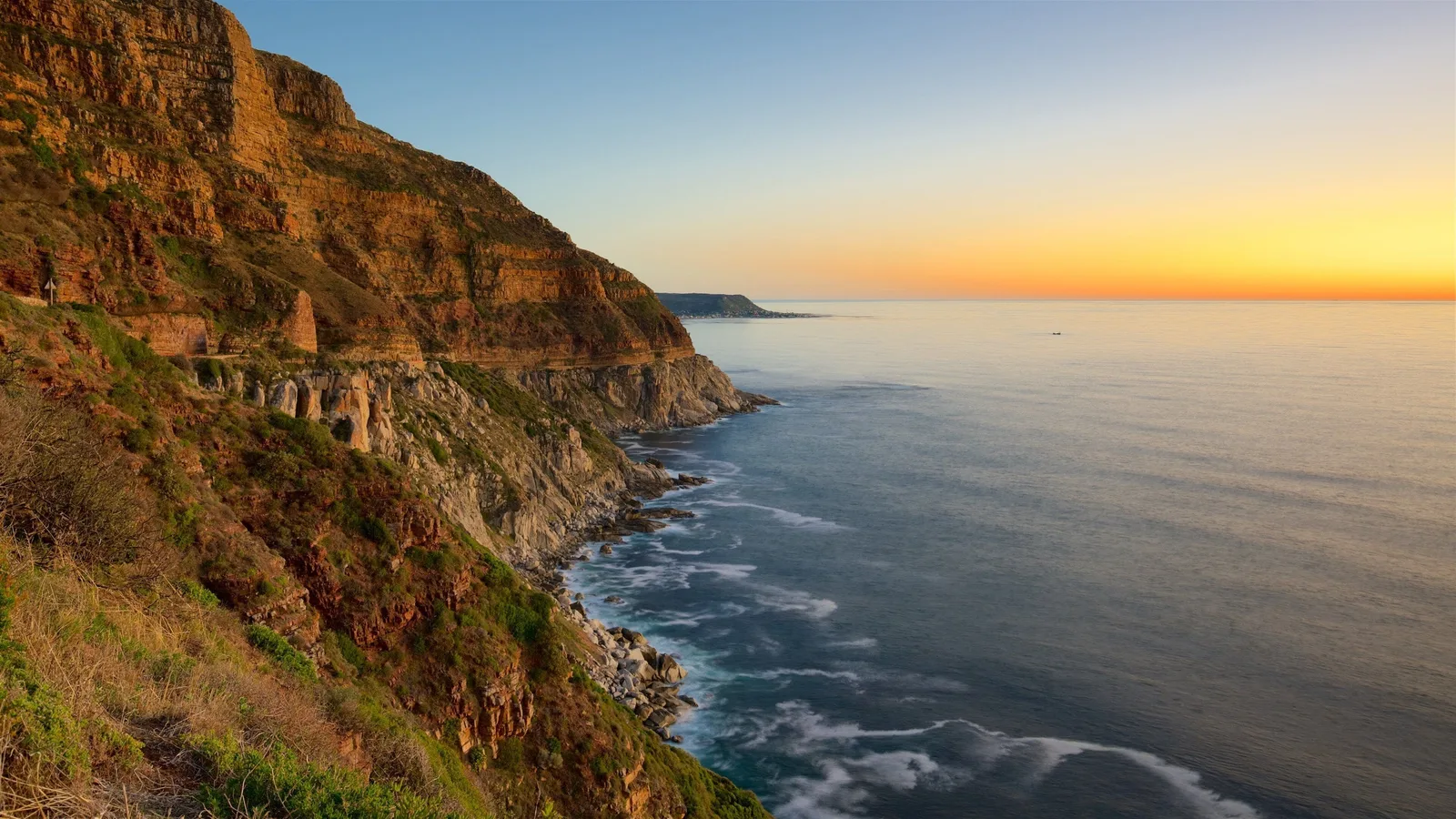
Drive along the Atlantic Seaboard on a clear afternoon and you will understand why Cape Town consistently ranks among the world's most beautiful cities. The road hugs the coastline from Green Point through Sea Point, Bantry Bay, Clifton, and Camps Bay — each suburb more glamorous than the last, with the Twelve Apostles mountain range rising dramatically behind them.
Sea Point is the most accessible of these suburbs for travellers. It has a long promenade perfect for morning runs, a tidal pool popular with families, and a dense strip of restaurants and cafés along Main Road. Accommodation here is excellent value compared to Camps Bay — boutique hotels and self-catering apartments typically run $90 to $200 per night, with many offering Atlantic Ocean views.
Camps Bay: Cape Town's Riviera
Camps Bay is where Cape Town puts on its most glamorous face. The beach is wide and white, the palm trees sway in the afternoon breeze, and the restaurants along the strip fill up fast as the sun begins its descent behind the Twelve Apostles. It is the kind of place where a sundowner feels like a ritual.
Expect to pay a premium here — beachfront restaurants charge $15 to $40 for a main course, and accommodation at the top end can exceed $500 per night. But even if you are not staying in Camps Bay, it is worth the short drive from the city for a sunset drink. For a bird's-eye view of the whole Atlantic Seaboard, consider our Cape Town helicopter flight over the Atlantic Seaboard — it is genuinely breathtaking.
Woodstock & Observatory: The Creative Quarter
If the Atlantic Seaboard is Cape Town's glamorous face, Woodstock and Observatory are its creative soul. These inner-city suburbs have undergone significant gentrification over the past decade, transforming old warehouses and Victorian terraces into galleries, design studios, craft breweries, and some of the city's most exciting restaurants.
Woodstock is home to the Old Biscuit Mill — a converted factory complex that houses artisan food producers, design shops, and the famous Saturday Neighbourgoods Market. Observatory, known locally as Obs, has a more bohemian, student-friendly energy, with independent bookshops, vintage clothing stores, and live music venues clustered around Lower Main Road.
Accommodation in these areas is more affordable than the City Bowl or Atlantic Seaboard, with guesthouses and Airbnb apartments typically ranging from $60 to $150 per night. It is a great base if you want to feel like a local rather than a tourist.
Constantia: Wine Country in the City
Most visitors do not realise that Cape Town has its own wine valley — and it is only 20 minutes from the city centre. Constantia is one of the oldest wine-producing regions in South Africa, with estates dating back to the 17th century. The valley is lush and green, sheltered from the Cape's famous south-easter wind, and produces some exceptional Sauvignon Blancs and Semillons.
Groot Constantia, Klein Constantia, and Buitenverwachting are the most celebrated estates, each offering cellar tours, wine tastings, and excellent farm-to-table restaurants. A wine tasting typically costs $10 to $20 per person. If you want to explore the valley in style, our Constantia wine valley experience includes guided tastings at multiple estates with a knowledgeable local guide who can explain the terroir and the history behind each wine.
Constantia is also a wonderful neighbourhood to stay in if you prefer a quieter, more residential atmosphere. Several luxury guesthouses and boutique hotels are set among the vineyards, offering a peaceful retreat after a day of sightseeing. Rates typically start at $150 per night and rise to $400 or more for the most exclusive properties.
Simon's Town & the Southern Suburbs: Penguins, History & the Cape Peninsula
The southern suburbs — Claremont, Newlands, Rondebosch — are primarily residential, home to the University of Cape Town and some of the city's best schools. They are leafy, safe, and well-connected to the city centre by train. For travellers, they serve mainly as a gateway to the Cape Peninsula.
Simon's Town, at the southern end of False Bay, is a charming Victorian naval village with a working harbour, excellent seafood restaurants, and the famous Boulders Beach penguin colony. Watching African penguins waddle across the sand and swim in the clear turquoise water is one of those genuinely joyful wildlife experiences that never gets old. Our Boulders penguins and Cape of Good Hope half-day tour combines the penguin colony with a visit to the dramatic Cape Point — the southwestern tip of the African continent.
Practical Tips for Navigating Cape Town
Cape Town is a car-friendly city, and renting a vehicle gives you the most flexibility — especially for exploring the Cape Peninsula and the Winelands. Car hire starts at around $30 per day for a small hatchback. The MyCiTi bus network covers the main tourist corridors and is safe and affordable, but it does not reach all neighbourhoods.
Uber and Bolt are widely available and reliable. A trip from the City Bowl to Camps Bay typically costs $4 to $8. Metered taxis are less common and should be booked through your hotel rather than hailed on the street.
The best time to visit Cape Town is between November and March, when the weather is warm and dry. The city's famous south-easter wind — known locally as the Cape Doctor — can be strong in December and January, but it keeps the air clean and the skies blue. For more detail on timing your visit, read our guide on the best time to visit South Africa.
Combining Cape Town with a Safari
One of the great advantages of Cape Town as a destination is how easily it pairs with a safari. Fly from Cape Town to Johannesburg or Nelspruit and you can be in the Kruger National Park within two hours. Alternatively, drive the Garden Route to Addo Elephant National Park — a malaria-free Big Five reserve that is perfect for families.
We specialise in combining Cape Town city experiences with world-class safari adventures. Whether you want a three-day city break followed by a week in the bush, or a full two-week South Africa itinerary, our team can design something truly lekker. Explore our safari packages or use our safari cost calculator to get a sense of what your dream trip might cost.
Ready to Explore Cape Town?
Cape Town is a city that rewards curiosity. The more you wander beyond the obvious landmarks, the more you discover — a hidden courtyard café, a street mural that tells a story, a viewpoint that takes your breath away. We have been showing visitors around this extraordinary city for years, and we never tire of it.
Whether you are planning a day tour, a multi-day city itinerary, or a full Cape Town and safari combination, our team is here to help. Get in touch with us today and let us design your perfect Cape Town experience — from the mountain to the ocean and everything in between.
Tours & Safaris You'll Love
Handpicked by our team based on what you're reading. Book direct for the best price — guaranteed.
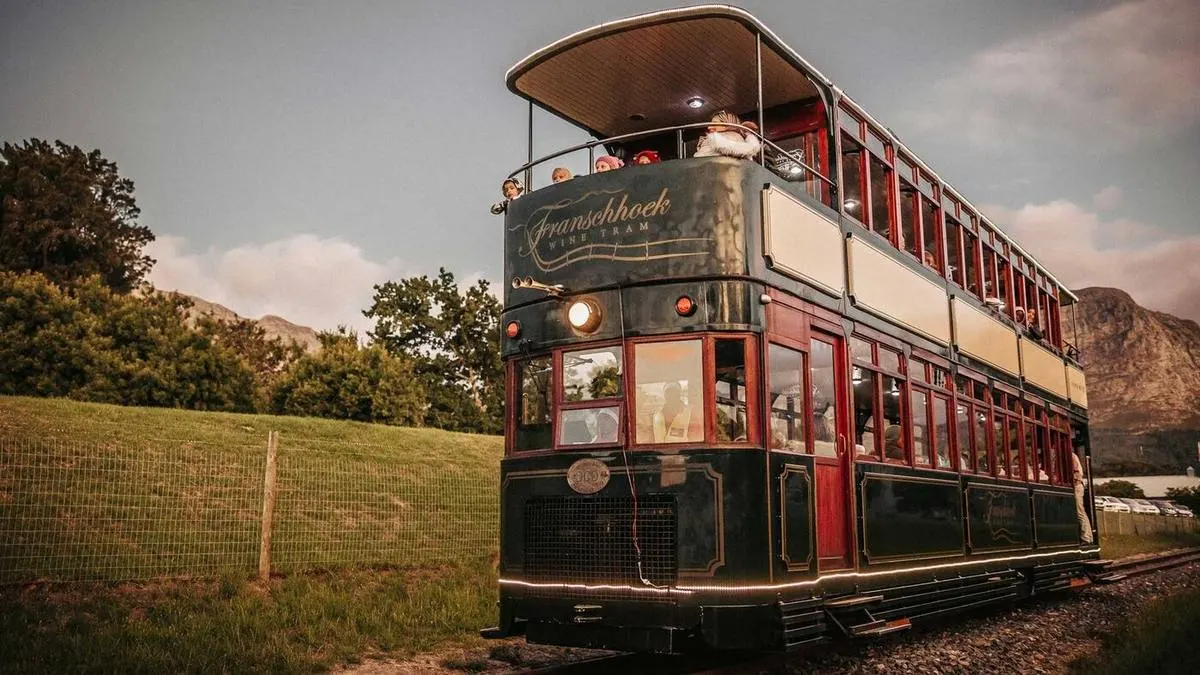
Franschhoek Wine Tram Hop-On Hop-Off Experience from Cape Town
Ride the Famous Wine Tram Through South Africa's Culinary Capital
per person • Best price direct
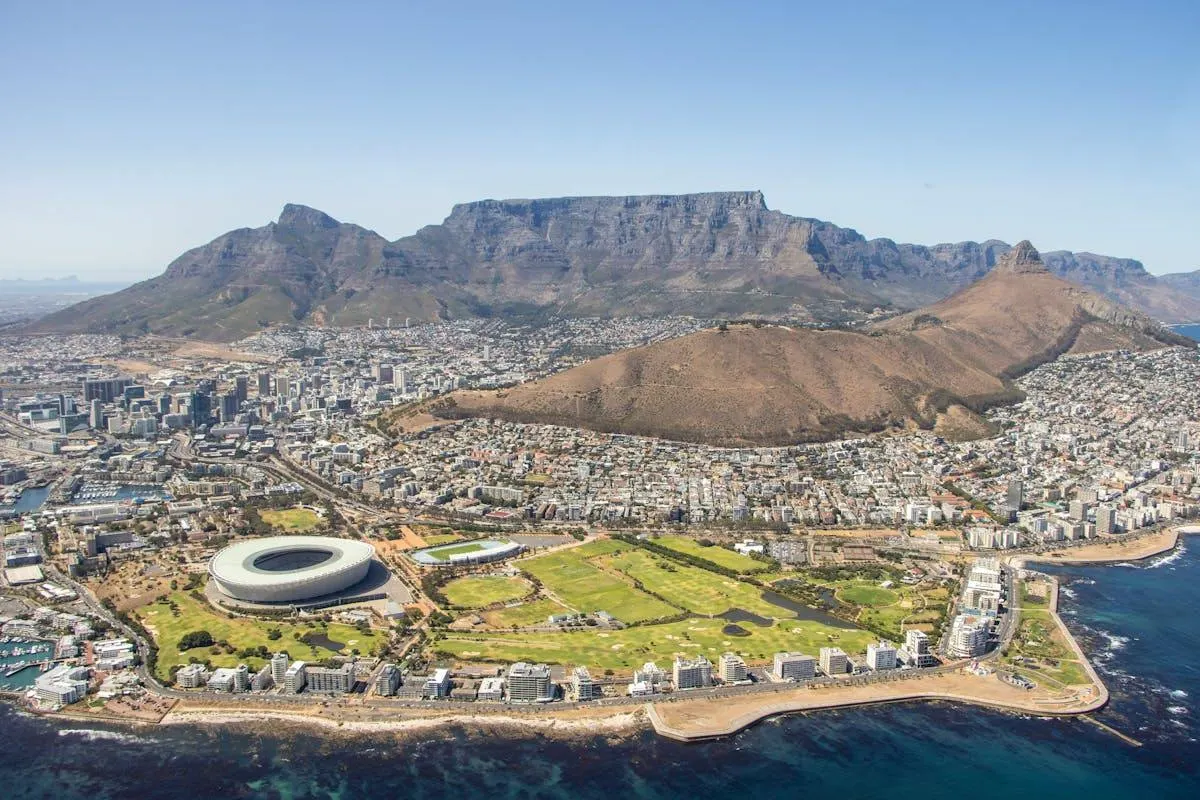
Table Mountain & City Explorer
Discover Cape Town's Iconic Landmarks
per person • Best price direct
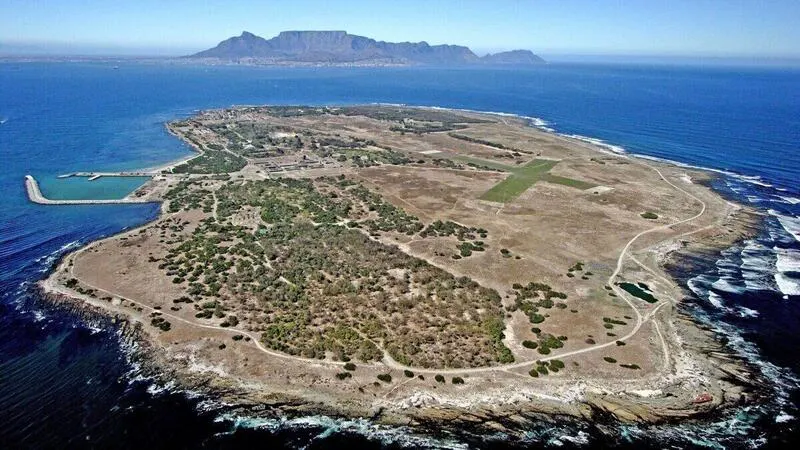
Robben Island Ferry & Prison Tour — Skip the Line
Foreign Ticket • UNESCO World Heritage Site
per person • Best price direct
Cape of Good Hope & Penguins Full-Day Tour
Chapman's Peak, Boulders Beach & Cape Point — With Hotel Pickup
per person • Best price direct
Why book with middlemen? Same tours, lower prices, direct support from our team.
Get a Free Custom Quote