
Cape Town in Winter: Your Complete Travel Guide to June, July and August
Most visitors to Cape Town arrive in the summer months, drawn by the promise of blue skies, beach days, and the iconic Table Mountain silhouetted against a cloudless sky. But those who visit in winter — June, July, and August — discover a different, arguably more authentic Cape Town: quieter, greener, dramatically moody, and alive with some of the city's most spectacular natural events. This guide, written by our Cape Town-based team who live and breathe this city year-round, will show you why winter might just be the best time to visit.
What to Expect from Cape Town's Winter Weather
Cape Town has a Mediterranean climate, which means its seasons are the reverse of what most Northern Hemisphere visitors expect. Winter brings cool, wet weather driven by cold fronts sweeping in from the Atlantic. Temperatures typically range from 8°C to 18°C (46°F to 64°F), with the coldest nights in July. Rainfall is concentrated in short, intense bursts rather than prolonged drizzle — you might experience a dramatic storm in the morning and brilliant sunshine by afternoon.
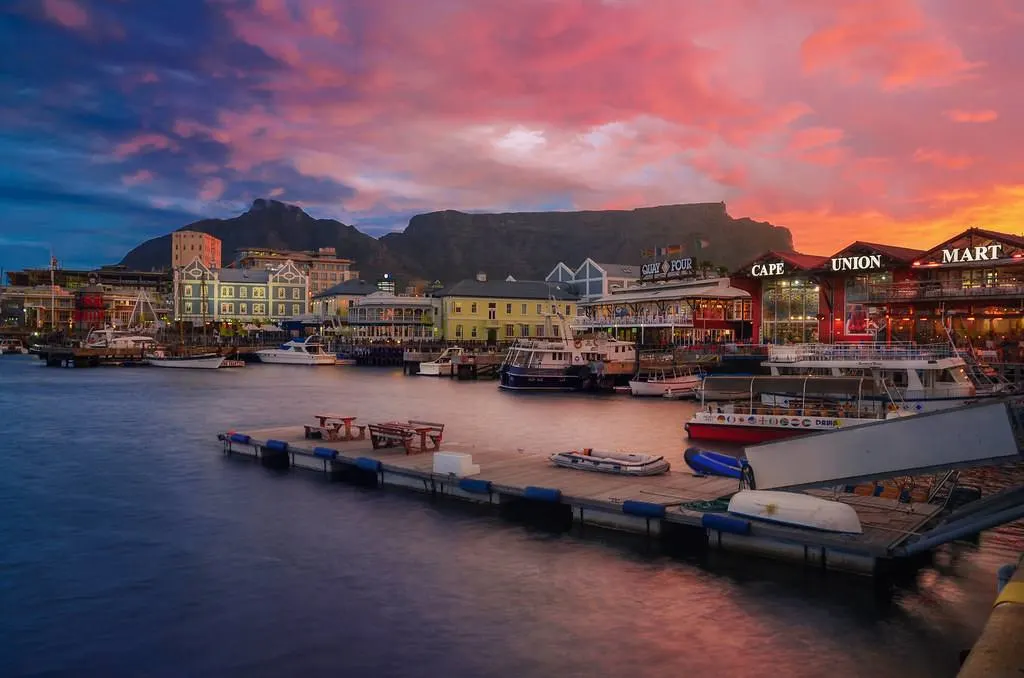
The mountain is frequently shrouded in cloud during winter, and the famous "tablecloth" — the orographic cloud that spills over the flat summit — is a near-daily spectacle. While this means Table Mountain's cable car operates less frequently (always check conditions before visiting), it also means the mountain is at its most photogenic, with dramatic light and moody skies that summer simply cannot match.
Pack layers: a waterproof jacket, warm mid-layer, and comfortable walking shoes are essential. But don't let the weather deter you — Cape Town's winters are mild by global standards, and the city's indoor and sheltered attractions are world-class.
This guide, written by our Cape Town-based team who live and breathe this city year-round, will show you why winter might just be the best time to visit.
The Star Attraction: Whale Watching Season
If there is one reason above all others to visit Cape Town in winter, it is the Southern Right Whales. These magnificent creatures — some reaching 18 metres in length — migrate from their Antarctic feeding grounds to the warm, sheltered bays of the Western Cape to calve and nurse their young. The season runs from June to November, with peak sightings in August and September.
Hermanus, a 90-minute drive from Cape Town along the scenic R43, is widely regarded as one of the world's best land-based whale watching destinations. The cliff-top path above Walker Bay offers extraordinary views of whales breaching, lobtailing, and spy-hopping just metres from shore. The town even employs a dedicated whale crier who blows a kelp horn to alert visitors to whale sightings — a wonderfully lekker tradition that has been running for decades.
Boat-based whale watching tours from Hermanus and Gansbaai bring you even closer to these gentle giants, with operators maintaining respectful distances in accordance with South Africa's Marine Living Resources Act. Prices typically range from $40 to $80 per person for a two-hour boat trip.
Fewer Crowds, Better Value
Winter is Cape Town's low season, and the difference in crowd levels is remarkable. Table Mountain's cable car queues — which can stretch to two hours in January — are non-existent on clear winter days. The V&A Waterfront, Boulders Penguin Colony, and Cape Point are all significantly quieter, allowing you to experience these iconic attractions at a more relaxed pace.
Accommodation prices drop by 20-40% compared to peak summer rates, and many hotels and guesthouses offer winter specials that include breakfast, spa treatments, or wine tours. A mid-range hotel that costs $200 per night in December might be available for $120-$140 in July. This makes winter an excellent time for budget-conscious travellers who want to experience Cape Town's finest offerings without the summer price premium.
Our Table Mountain, Penguins and Cape Point day tour operates year-round and is particularly rewarding in winter when the penguin colony at Boulders Beach is at its most active.
Winter Activities and Experiences
Wine Tasting in the Winelands
The Cape Winelands — Stellenbosch, Franschhoek, and Paarl — are at their most beautiful in winter. The vineyards are bare and dormant, the mountains are snow-dusted after cold fronts, and the tasting rooms are warm, intimate, and unhurried. Many estates light their fireplaces and offer hearty winter menus featuring slow-braised lamb, venison potjie, and rich red wines that are perfect for the season.
Franschhoek's restaurant scene is arguably the finest in South Africa, and winter is the ideal time to secure a table at sought-after establishments like The Tasting Room at Le Quartier Français or Babel at Babylonstoren. Our Stellenbosch and Franschhoek wine tour includes visits to award-winning estates with expert guidance on food and wine pairing.
Hiking and Nature
day trips">Cape Town's hiking trails are transformed by winter rains. The fynbos — the extraordinary floral kingdom unique to the Western Cape — bursts into bloom, with proteas, ericas, and restios creating a tapestry of colour across the mountain slopes. The Cape Floristic Region is one of the world's six floral kingdoms and the smallest, yet it contains more plant species per square kilometre than the Amazon rainforest.
Trails on Table Mountain, Lion's Head, and the Cape of Good Hope are less crowded and often more dramatic in winter, with waterfalls running full and the air crystal-clear after rain. Always check weather forecasts before heading into the mountains, and carry a waterproof layer even on clear days — conditions can change rapidly.
Cultural Experiences
Winter is the perfect time to explore Cape Town's rich cultural heritage without the summer crowds. The Bo-Kaap neighbourhood, with its brightly painted houses and Cape Malay culinary traditions, is best experienced on a guided walking tour that includes a cooking demonstration and lunch. Our Bo-Kaap cultural food tour offers an authentic taste of this unique community's history and cuisine.
The Zeitz Museum of Contemporary Art Africa (MOCAA) at the V&A Waterfront is the world's largest museum dedicated to contemporary African art, and its dramatic interior — carved from a converted grain silo — is worth visiting regardless of the weather. The District Six Museum, the South African Museum, and the Slave Lodge offer profound insights into Cape Town's complex history.
Shark Cage Diving
Gansbaai, 170km from Cape Town, is the Great White Shark capital of the world, and winter is prime season. The cold, nutrient-rich waters attract large numbers of sharks, and visibility is often excellent. Cage diving operators run daily trips from June to September, with prices ranging from $150 to $200 per person including wetsuit hire and a light breakfast. Our shark cage diving adventure departs from Cape Town with transfers included.
Day Trips from Cape Town in Winter
The Garden Route — one of South Africa's most scenic drives — is particularly beautiful in winter when the indigenous forests are lush and the rivers are full. The drive from Cape Town to Knysna takes approximately four hours and passes through Hermanus (whale watching), Swellendam (historic Cape Dutch architecture), and the Outeniqua Mountains. Our Garden Route road trip itinerary can be tailored for a winter departure.
The West Coast National Park, 90 minutes north of Cape Town, hosts the famous Postberg wildflower display in August and September — a carpet of orange, yellow, and white namaqualand daisies that stretches to the horizon. This is one of South Africa's great natural spectacles and is best experienced in the morning when the flowers are fully open and the light is golden.
Where to Stay in Cape Town in Winter
The City Bowl and De Waterkant neighbourhoods offer the best combination of central location, restaurant access, and shelter from the prevailing southwesterly winds. The Atlantic Seaboard — Sea Point, Bantry Bay, and Clifton — is more exposed to winter weather but offers spectacular ocean views and easy access to the promenade.
For a truly special winter experience, consider a stay in the Winelands. Babylonstoren, Delaire Graff, and Leeu Estates all offer exceptional accommodation surrounded by vineyards and mountains, with spa facilities that are particularly appealing on cold winter days. Rates at these properties drop significantly in winter, making luxury accessible at a fraction of the summer price.
Budget accommodation in Cape Town is excellent value in winter, with well-located guesthouses available from $60-$80 per night. Use our safari cost calculator to plan your overall South Africa travel budget.
Combining Cape Town with a Safari
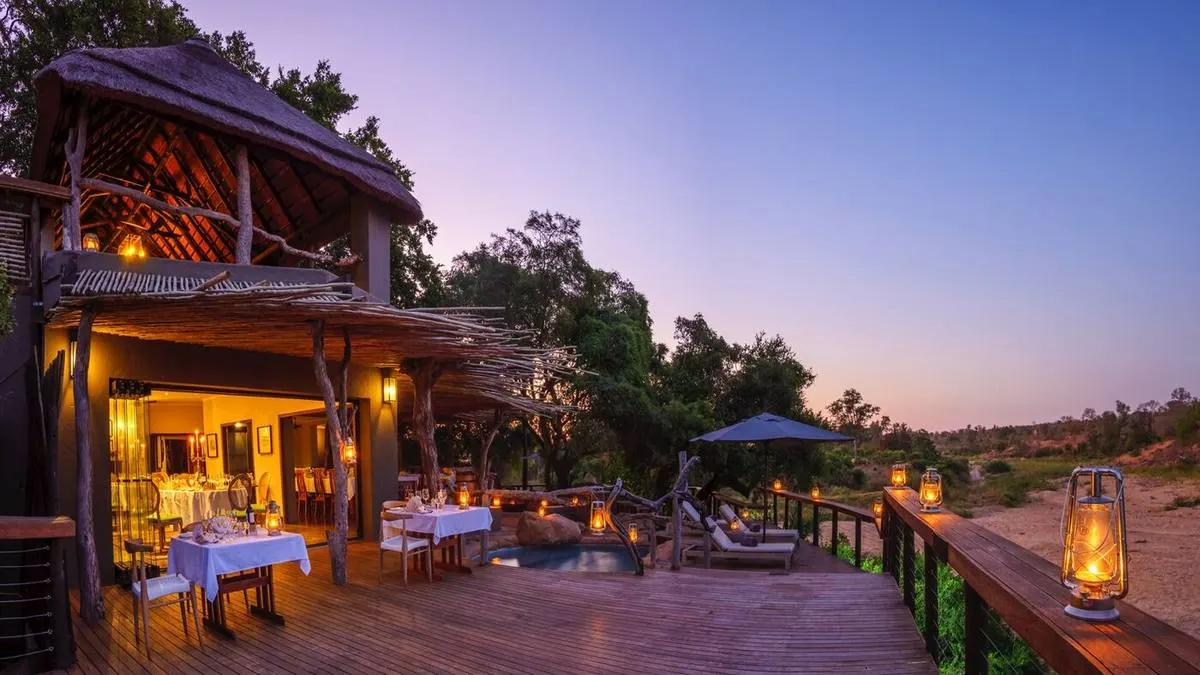
Winter is also an excellent time for a South African safari. The dry season in Kruger National Park and the private reserves of the Greater Kruger area runs from May to September, when vegetation thins out and animals concentrate around waterholes, making game viewing exceptional. A classic Cape Town and Kruger combination — three to four nights in Cape Town followed by four to five nights on safari — is one of South Africa's most rewarding travel experiences.
The malaria risk in Kruger is lower in winter than in summer, making it a particularly good time for families and those who prefer to minimise medication. Temperatures in the bushveld are warm during the day (20-25°C) and cool at night, perfect for early morning game drives wrapped in a blanket with a hot coffee in hand.
Explore our full range of South African safari packages or visit our Kruger National Park destination page for detailed information on planning your safari.
Practical Tips for Winter Visitors
Cape Town's public transport system — the MyCiTi bus network — operates year-round and connects the city centre, V&A Waterfront, Sea Point, and Camps Bay. For day trips to the Winelands, Hermanus, or Cape Point, a rental car offers the most flexibility. Rental rates are lower in winter, with compact cars available from $25-$40 per day.
The city's restaurant scene is at its most vibrant in winter, with chefs offering seasonal menus that showcase the Western Cape's winter produce: Saldanha Bay mussels, Overberg lamb, and the first of the season's citrus. Make reservations at popular restaurants — even in winter, the best tables fill up quickly.
South Africa's currency, the rand, offers excellent value for visitors from Europe, the UK, and North America. A three-course dinner at a good Cape Town restaurant typically costs $25-$45 per person including wine, and a craft beer at a local brewery is around $3-$4.
Plan Your Winter Cape Town Adventure
Cape Town in winter is a revelation — dramatic, beautiful, and surprisingly warm in spirit even when the weather is cool. The whales, the wildflowers, the wine, and the warm welcome of a city that genuinely loves its visitors make this one of Africa's most rewarding off-season destinations.
Our Cape Town-based team knows every corner of this extraordinary city and the surrounding region. Whether you want a self-guided winter escape or a fully guided experience combining Cape Town with a safari, we're here to help you plan the perfect trip.
Contact us today to start planning your Cape Town winter adventure, or browse our full range of Cape Town tours and day trips for inspiration. We promise — you won't regret choosing winter.
Tours & Safaris You'll Love
Handpicked by our team based on what you're reading. Book direct for the best price — guaranteed.
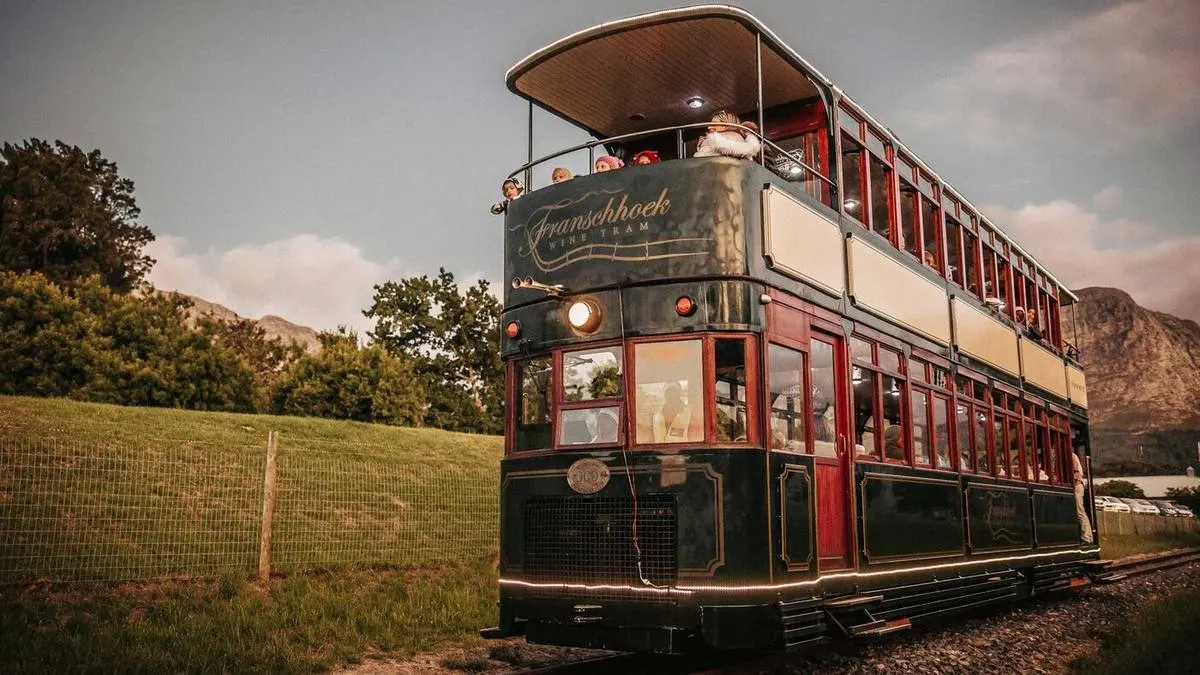
Franschhoek Wine Tram Hop-On Hop-Off Experience from Cape Town
Ride the Famous Wine Tram Through South Africa's Culinary Capital
per person • Best price direct
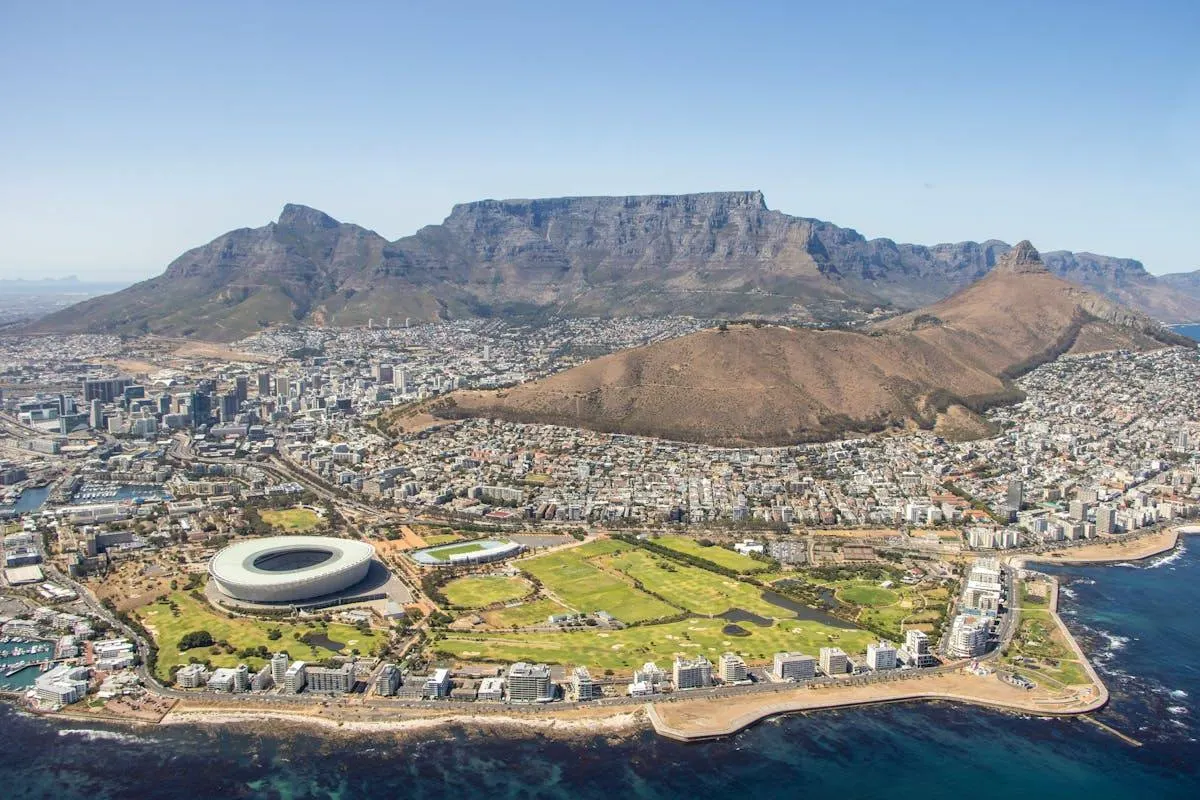
Table Mountain & City Explorer
Discover Cape Town's Iconic Landmarks
per person • Best price direct
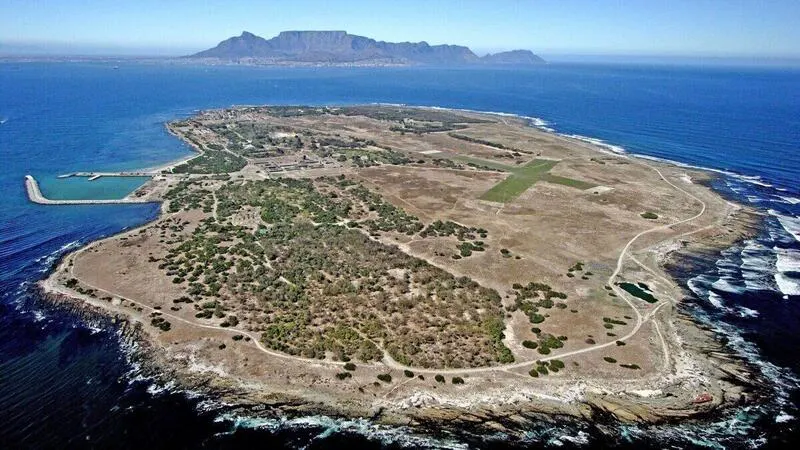
Robben Island Ferry & Prison Tour — Skip the Line
Foreign Ticket • UNESCO World Heritage Site
per person • Best price direct
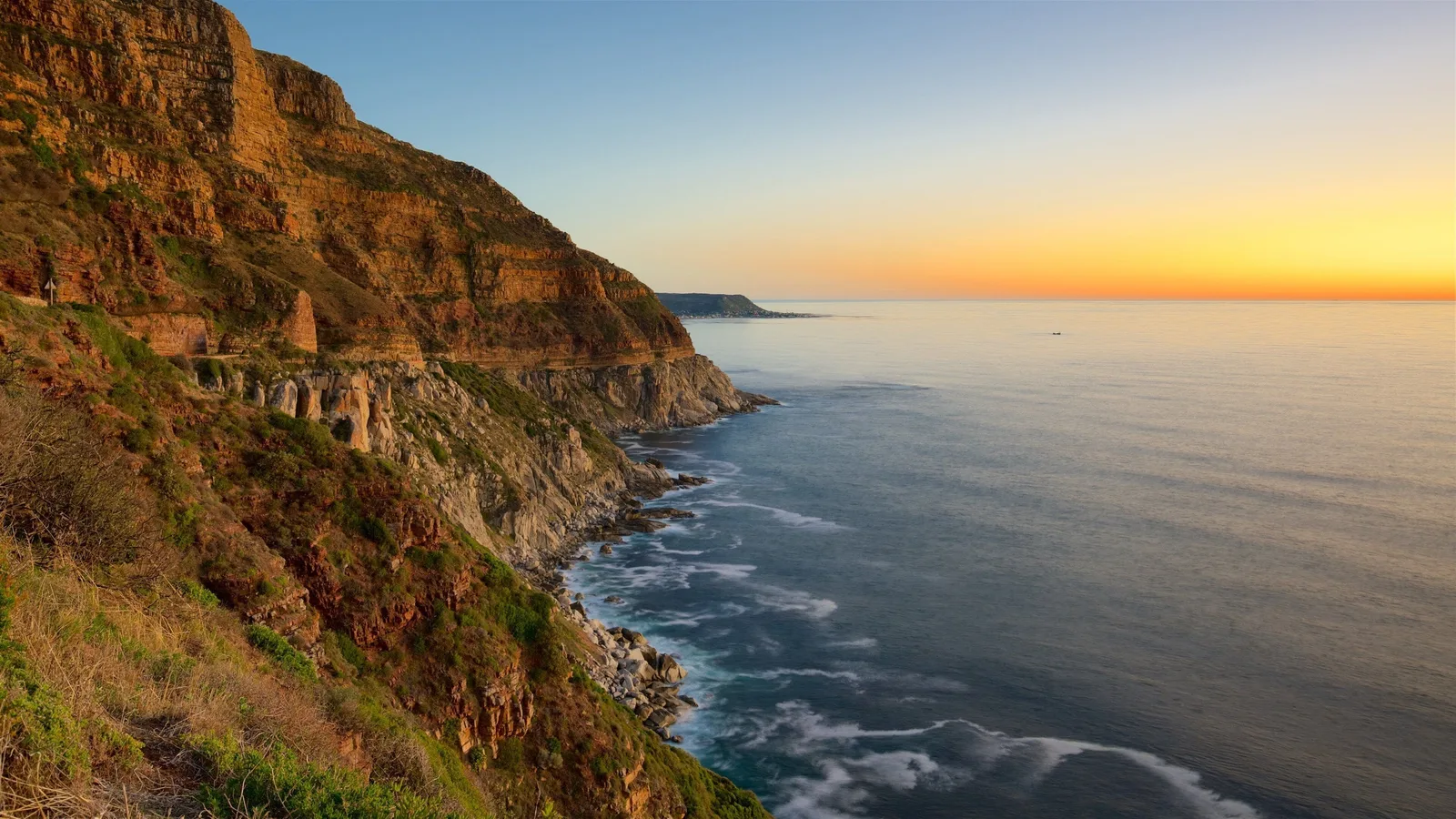
Cape of Good Hope & Penguins Full-Day Tour
Chapman's Peak, Boulders Beach & Cape Point — With Hotel Pickup
per person • Best price direct
Why book with middlemen? Same tours, lower prices, direct support from our team.
Get a Free Custom Quote