Bird Photography on Safari in Africa: The Complete Guide for 2026
Africa is home to more than 2,400 bird species — from the towering Kori Bustard striding across the Serengeti plains to the jewel-bright Lilac-breasted Roller perched on a fever tree in Kruger. For wildlife photographers, this continent is nothing short of paradise. Yet bird photography on safari presents unique challenges that even seasoned photographers underestimate. This guide, written from our years of experience leading photographic safaris out of Cape Town, will help you capture stunning avian images across Africa's greatest wild places.
Why Africa Is the Ultimate Bird Photography Destination
The sheer diversity of habitats — from the Okavango Delta's papyrus swamps to the Namib Desert's stark dunes — means Africa offers bird photographers an extraordinary range of subjects. You can photograph flamingos wading through soda lakes in the Rift Valley, African Fish Eagles diving for prey on the Zambezi, and Shoebill Storks lurking in Uganda's Mabamba Swamp, all within a single trip.
Unlike temperate destinations where birds are often shy and hidden in dense foliage, many African species are remarkably approachable. Game drive vehicles act as mobile hides, allowing you to get within metres of nesting raptors, feeding kingfishers, and displaying weavers without disturbing them. This proximity, combined with Africa's legendary golden-hour light, creates conditions that are simply unmatched anywhere else on earth.
Ready to plan your photographic safari? Start planning your bespoke bird photography safari with our expert team today.
This guide, written from our years of experience leading photographic safaris out of Cape Town, will help you capture stunning avian images across Africa's greatest wild places.
Essential Gear for African Bird Photography
Choosing the Right Lens
The single most important piece of gear for bird photography is your telephoto lens. For African safari conditions, a 500mm or 600mm prime lens delivers the reach and sharpness needed to fill the frame with smaller species like bee-eaters and rollers. If budget is a concern, a 100-400mm or 150-600mm zoom offers excellent versatility — you can photograph a Goliath Heron at close range and then quickly zoom out to capture a flock of flamingos in flight.
Image stabilisation is non-negotiable when shooting from a moving vehicle or handheld in low light. Modern lenses with optical stabilisation allow you to shoot at shutter speeds two to four stops slower than you otherwise could, which is invaluable during the golden hours of early morning and late afternoon when the light is most beautiful but also dimmest.
Camera Body Considerations
A camera body with a fast burst rate — at least 10 frames per second — is essential for capturing birds in flight. Modern mirrorless cameras from Sony, Canon, and Nikon offer subject-tracking autofocus systems that can lock onto a bird's eye and follow it across the frame, even during erratic flight. This technology has genuinely transformed bird photography, making shots that were previously the preserve of professionals accessible to enthusiastic amateurs.
Dust and moisture resistance matter enormously on safari. Dusty game drives, unexpected rain showers, and the humidity of wetland environments can all damage unprotected equipment. Invest in a weather-sealed body and lens combination, and carry a rain cover as standard kit.
Supporting Your Gear
A beanbag draped over the vehicle window ledge is the most practical support for safari bird photography. It conforms to the shape of your lens, absorbs vibration from the engine, and allows you to pivot smoothly to track moving subjects. Avoid monopods and tripods in game drive vehicles — they are cumbersome and slow to adjust when a Martial Eagle suddenly takes flight from a nearby tree.
Camera Settings for Bird Photography on Safari
Shutter Speed: Freeze the Action
Birds move fast. A perched bird may seem still, but even a slight head turn can introduce blur at slow shutter speeds. As a starting point, use a minimum shutter speed of 1/1000s for stationary birds and 1/2000s or faster for birds in flight. During the golden hour, you may need to push your ISO to 3200 or even 6400 to achieve these speeds — modern camera sensors handle high ISO remarkably well, and a slightly noisy sharp image is always preferable to a noise-free blurry one.
Aperture and Depth of Field
Shooting wide open (f/5.6 or f/6.3 on most telephoto lenses) creates a beautifully blurred background that isolates your subject and gives images that professional, magazine-quality look. However, if you are photographing a bird with outstretched wings, stopping down slightly to f/8 ensures the entire wingspan is in focus. For group shots — a colony of Yellow-billed Storks at a nesting site, for example — f/11 or smaller keeps multiple birds sharp.
Autofocus Settings
Use continuous autofocus (AI Servo on Canon, AF-C on Nikon and Sony) for all bird photography. Set your focus area to a wide zone or use eye-tracking if your camera supports it. Pre-focus on the area where you expect a bird to fly through — a gap in the reeds, the edge of a waterhole — and be ready to fire the moment the subject enters the frame.
The Best African Destinations for Bird Photography
Kruger National Park, South Africa
Kruger is home to more than 500 bird species, making it one of Africa's premier birding destinations. The park's diverse habitats — riverine forest, mopane woodland, and open savanna — support an extraordinary range of species. Look for the spectacular Southern Ground Hornbill patrolling open areas, the iridescent Purple-crested Turaco in riverine thickets, and the Saddle-billed Stork wading in the Sabie and Olifants rivers.
The Pafuri region in the far north is particularly rewarding, with Nyala trees attracting Pel's Fishing Owl and Narina Trogon. Our Kruger National Park safari includes dedicated birding stops at the park's most productive sites.
Okavango Delta, Botswana
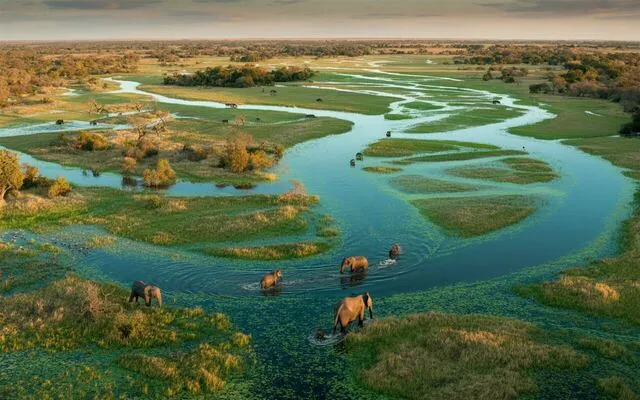
The Okavango is a water-bird photographer's dream. Mokoro (dugout canoe) excursions bring you silently alongside African Jacanas walking on lily pads, Malachite Kingfishers perched on papyrus stems, and African Pygmy Geese resting on floating vegetation. The delta's islands support breeding colonies of herons, egrets, and cormorants that create extraordinary photographic opportunities during the nesting season (October to January).
Explore our Okavango Delta mokoro safari for an immersive water-based birding experience.
Uganda and Rwanda: Forest Birding
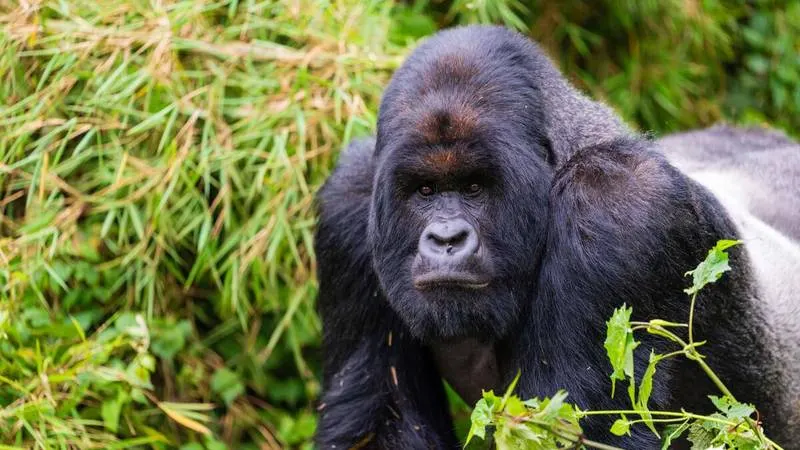
For photographers seeking forest species, Uganda and Rwanda offer unparalleled access to Albertine Rift endemics — birds found nowhere else on earth. The African Green Broadbill, Grauer's Warbler, and Shelley's Crimsonwing are among the jewels awaiting patient photographers in Bwindi Impenetrable Forest and Volcanoes National Park. These destinations pair beautifully with gorilla trekking for a truly unforgettable wildlife photography expedition.
Cape Town and the Western Cape
Don't overlook South Africa's southwestern corner. The Cape Floristic Region supports a suite of endemic species including the Cape Sugarbird, Orange-breasted Sunbird, and Cape Rockjumper. Boulders Beach near Simon's Town offers intimate encounters with African Penguins, while Strandfontein Sewage Works (yes, really) is one of Africa's top waterbird sites, with flamingos, pelicans, and dozens of wader species. Our Table Mountain, Penguins and Cape Point tour includes time at Boulders Beach for penguin photography.
Timing Your Bird Photography Safari
The best time for bird photography in Africa depends on your target species and destination. The summer months (November to March) bring migratory species from Europe and Asia, and many resident birds are in breeding plumage — vivid colours, elaborate displays, and active nest sites make for spectacular images. However, the vegetation is lush and green, which can make spotting and photographing birds in dense bush more challenging.
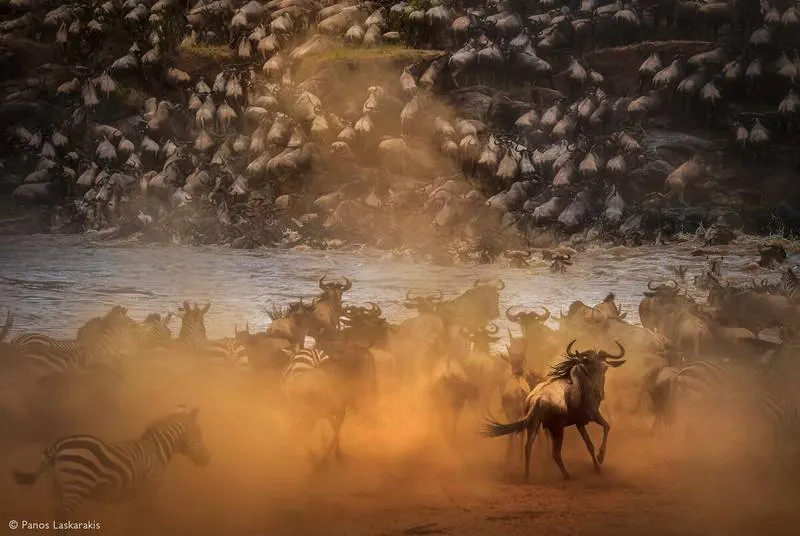
The dry season (May to October) offers clearer sightlines as vegetation thins out, and birds concentrate around waterholes and rivers. Raptors are particularly active as prey becomes easier to find. For the Serengeti and Masai Mara, the dry season coincides with the Great Migration, allowing you to photograph vultures, eagles, and storks in the context of one of nature's greatest spectacles.
Use our safari cost calculator to plan your budget around the optimal season for your target species.
Ethics and Etiquette in Bird Photography
Responsible bird photography is non-negotiable. Never approach nesting birds closely enough to cause disturbance — a flushed bird may abandon eggs or chicks, with fatal consequences. In South Africa, it is illegal to disturb nesting raptors, and guides are trained to maintain respectful distances. The ubuntu spirit that underpins African culture extends to our relationship with wildlife: we are guests in their home, and we must behave accordingly.
Avoid using playback recordings to attract birds in sensitive habitats or during the breeding season. While playback can be effective, overuse habituates birds to false territorial threats and can disrupt breeding behaviour. In national parks and reserves, playback is often prohibited entirely.
Never ask your guide to drive off-road to get closer to a bird. The damage to fragile ecosystems caused by off-road driving far outweighs any photographic benefit. The best bird photographs are taken with patience, not proximity.
Post-Processing Your Bird Images
Even technically perfect images benefit from thoughtful post-processing. Adobe Lightroom and Capture One are the industry-standard tools for safari photographers. Key adjustments for bird images include:
Exposure and highlights: Bright plumage — the white of an egret, the yellow of a weaver — can easily blow out. Recover highlights in post-processing and use the tone curve to add depth to feather detail.
Sharpening and noise reduction: Apply targeted sharpening to the bird's eye and feathers while using noise reduction on the background. AI-powered tools like Lightroom's Denoise feature can recover remarkable detail from high-ISO images.
Cropping: Don't be afraid to crop aggressively. A tightly cropped image of a Lilac-breasted Roller's eye, showing every iridescent feather, is far more impactful than a distant full-body shot.
Costs and Practical Planning
A dedicated bird photography safari typically costs between $3,500 and $12,000 per person for a 7-10 day trip, depending on destination and accommodation level. This includes flights, transfers, accommodation, and guiding. Specialist photographic guides — who understand both wildlife behaviour and camera technique — command a premium but are worth every cent for serious photographers.
Budget an additional $500-$2,000 for equipment if you need to hire or upgrade lenses. Many lodges now offer camera equipment hire, including telephoto lenses and beanbags, which can significantly reduce the cost of travelling with heavy gear.
Our team can design a bespoke itinerary that maximises your time in the field and connects you with the best specialist guides in each destination. Contact us to start planning your bird photography safari — we'd love to help you capture Africa's extraordinary avian life.
Start Your Bird Photography Safari Journey
Africa's birds are among the most spectacular and diverse on earth, and photographing them in their natural habitat is an experience that stays with you for life. Whether you're a seasoned wildlife photographer looking to add rare endemics to your portfolio, or an enthusiastic beginner wanting to improve your skills in the field, Africa delivers.
Browse our full range of photographic safaris or get in touch with our team to design the perfect bird photography expedition. The Lilac-breasted Roller is waiting — and it's even more beautiful in real life than in any photograph.
Tours & Safaris You'll Love
Handpicked by our team based on what you're reading. Book direct for the best price — guaranteed.
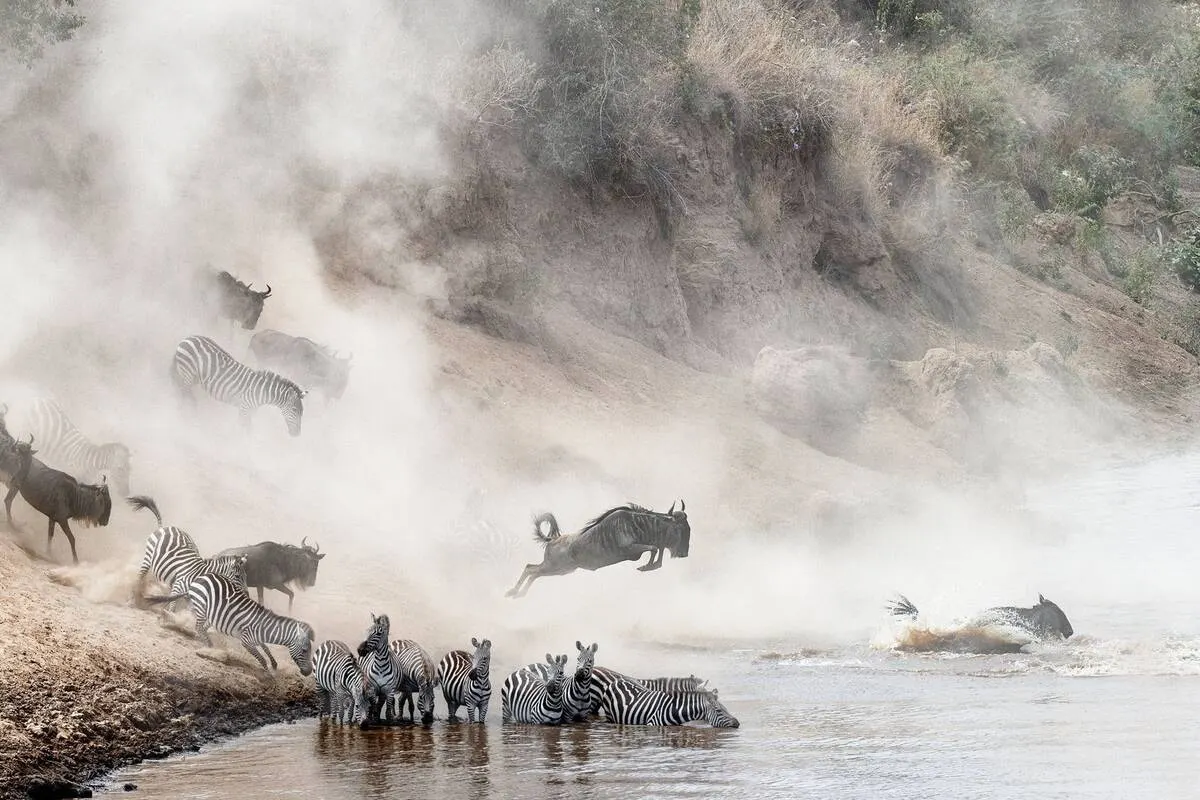
Serengeti Great Migration River Crossing — Mara River Safari
Witness the world's greatest wildlife spectacle — wildebeest crossing the Mara
per person • Best price direct
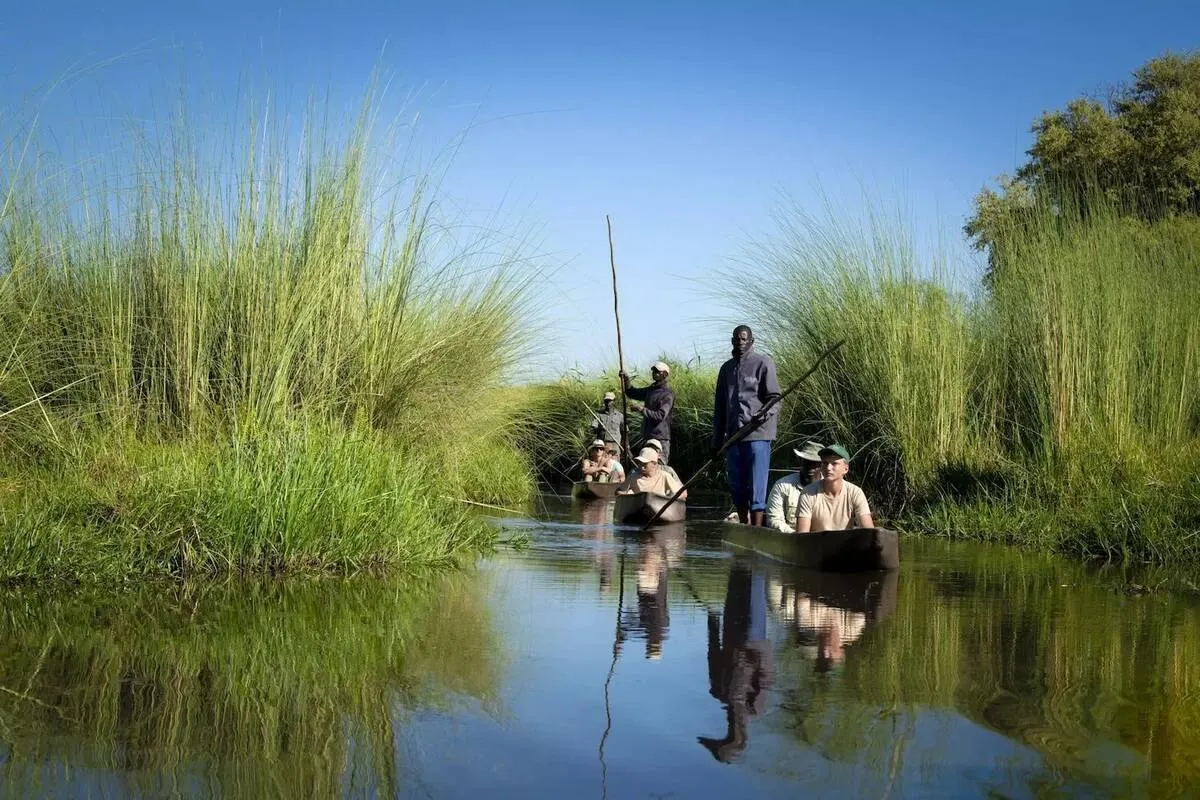
Okavango Luxury Fly-In Wilderness Camp — 5-Star Under Canvas
The world's most exclusive tented camp — deep in the delta
per person • Best price direct
Masai Mara Great Migration Safari — River Crossing Season
Witness nature's greatest spectacle — millions of wildebeest crossing the Mara River
per person • Best price direct
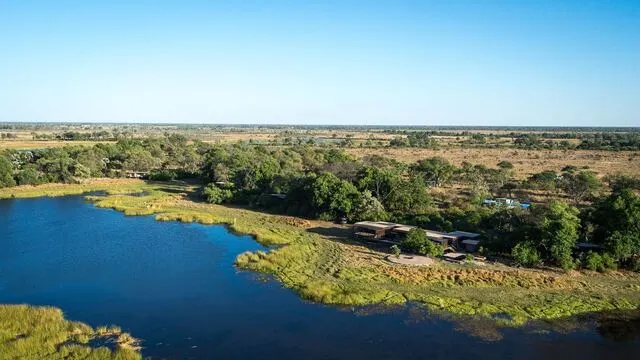
Okavango Delta Fly-In Safari — Luxury Bush Camp
The world's most exclusive safari destination from above and within
per person • Best price direct
Why book with middlemen? Same tours, lower prices, direct support from our team.
Get a Free Custom Quote