Dry Season vs Green Season: When Is the Best Time to Go on Safari in Africa?
One of the most common questions we hear from guests planning their first African adventure is: when should I go? The honest answer is that there is no single "best" time — it depends entirely on what you want to see, how you like to travel, and what your budget looks like. As Cape Town-based safari operators who have been sending travellers into the bush for years, we've seen the magic of both seasons firsthand.
In this guide, we break down the dry season versus the green season across Africa's top safari destinations, so you can make an informed decision and book with confidence. Whether you're dreaming of the Kruger, the Serengeti, or the Okavango Delta, this is the planning resource you need.
Understanding Africa's Two Main Safari Seasons
Most of sub-Saharan Africa operates on a broadly similar seasonal rhythm, though the exact timing varies by region. The two seasons are:
- Dry Season (Winter): Roughly May to October across southern Africa; June to October in East Africa. Vegetation thins out, water sources concentrate, and wildlife congregates around rivers and waterholes.
- Green Season (Summer): Roughly November to April. Rains return, the bush transforms into a lush paradise, migratory birds arrive, and newborn animals appear everywhere.
Both seasons offer extraordinary experiences — they're just different experiences. Let's dig into what each one actually looks like on the ground.
The honest answer is that there is no single "best" time — it depends entirely on what you want to see, how you like to travel, and what your budget looks like.
The Dry Season: Prime Game Viewing Conditions
The dry season is widely considered the "classic" safari season, and for good reason. With vegetation stripped back and permanent water sources drying up, animals are forced to gather at predictable spots — making game drives incredibly productive.
What You'll See in the Dry Season
Expect exceptional sightings of the Big Five — lion, leopard, elephant, rhino, and buffalo. Predator activity intensifies as prey animals cluster around shrinking waterholes, creating dramatic hunting opportunities. In Kruger National Park, the dry months of July and August are legendary for lion and leopard sightings along the Sabie and Olifants rivers.
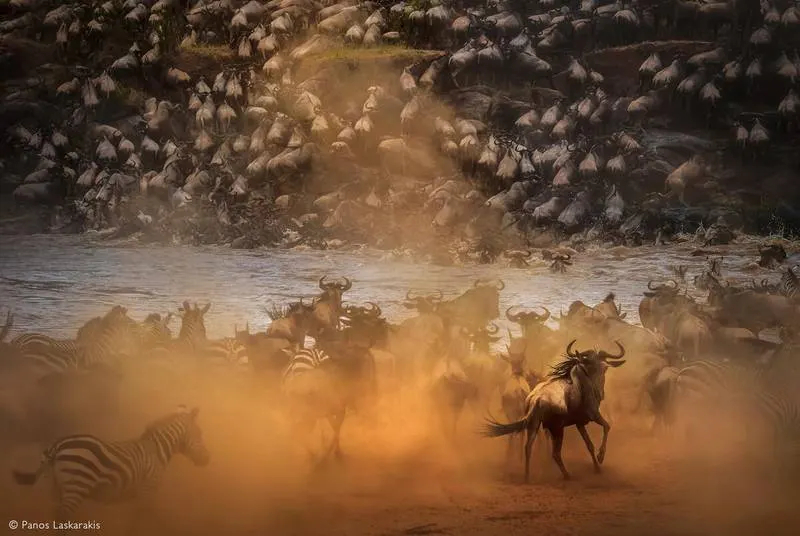
In East Africa, the dry season (July to October) coincides with the Great Migration river crossings in the Masai Mara — arguably the most spectacular wildlife event on the planet. Hundreds of thousands of wildebeest and zebra brave crocodile-filled waters in a primal spectacle that never gets old.
Practical Advantages of Dry Season Travel
Beyond the game viewing, the dry season offers practical benefits. Roads are in better condition, making remote areas more accessible. Malaria risk is generally lower in cooler, drier conditions. And the absence of rain means you won't be stuck in your tent during a downpour.
The trade-off? Dry season is peak season, and prices reflect that. Expect to pay a premium for top lodges — rates at luxury camps in the Okavango Delta can reach $1,500–$3,000 per person per night during July and August. Booking 12–18 months in advance is strongly recommended for the most sought-after properties.
Ready to start planning? Use our safari cost calculator to get a realistic budget estimate for your dry season trip.
The Green Season: Africa's Best-Kept Secret
Here's something the safari industry doesn't always shout about: the green season is absolutely lekker. Genuinely spectacular, in ways that the dry season simply cannot match.
The Landscape Transformation
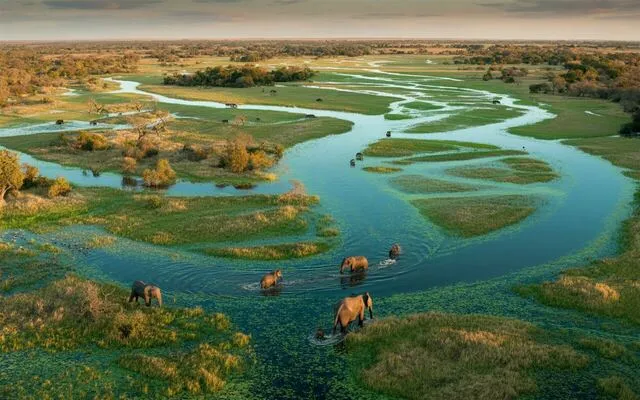
When the rains arrive, Africa transforms. The bush explodes into vivid greens and golds. Wildflowers carpet the plains. Rivers run full and fast. The Okavango Delta floods to its maximum extent, creating a water wonderland that's best explored by mokoro (dugout canoe). The Namib Desert blooms with succulents after rare rainfall events.
For photographers, the green season is a dream. The dramatic skies, golden light, and lush backdrops create images that look nothing like the classic dry-season safari shots. If you want something different — something that will genuinely surprise people — travel in the green season.
Baby Animals and Birdlife
The green season is birthing season across most of Africa. Impala, zebra, wildebeest, and many antelope species drop their young between November and February, timed to coincide with the flush of new grass. Predators follow the herds, and the result is some of the most intense predator-prey action of the year.
For birders, the green season is unbeatable. Migratory species from Europe and Asia arrive in their thousands, joining resident species in a cacophony of colour and song. South Africa's Kruger National Park hosts over 500 bird species, and the summer months are when the most spectacular migrants — rollers, bee-eaters, storks — are present.
Value for Money
Green season rates at most lodges drop by 20–40% compared to peak dry season prices. Some camps offer "green season specials" that include extra nights, spa treatments, or guided activities at no additional cost. For budget-conscious travellers, this is the time to access lodges that might otherwise be out of reach.
Explore our current safari deals to see what green season specials are available right now.
Destination-by-Destination Breakdown
South Africa (Kruger & Private Reserves)
South Africa's safari season peaks from May to September. The dry winter months offer the best game viewing in Kruger, with animals concentrated around the park's rivers. However, the summer months (November to February) bring spectacular birdlife, baby animals, and lush scenery — and the private reserves around Kruger remain excellent year-round.
Our Kruger National Park safari guide covers the best areas and timing in detail. For a broader overview, visit our best time to visit South Africa page.
Kenya & Tanzania (Masai Mara & Serengeti)
East Africa's seasons are slightly different. The "long rains" run from March to May, and the "short rains" from October to December. The best game viewing is generally from January to March (calving season in the Serengeti) and July to October (Migration river crossings in the Mara).
The green season in East Africa (April to June) is genuinely underrated — fewer tourists, lower prices, and the Serengeti's southern plains are carpeted with newborn wildebeest. Check our best time to visit Kenya and best time to visit Tanzania guides for more detail.
Botswana (Okavango Delta & Chobe)
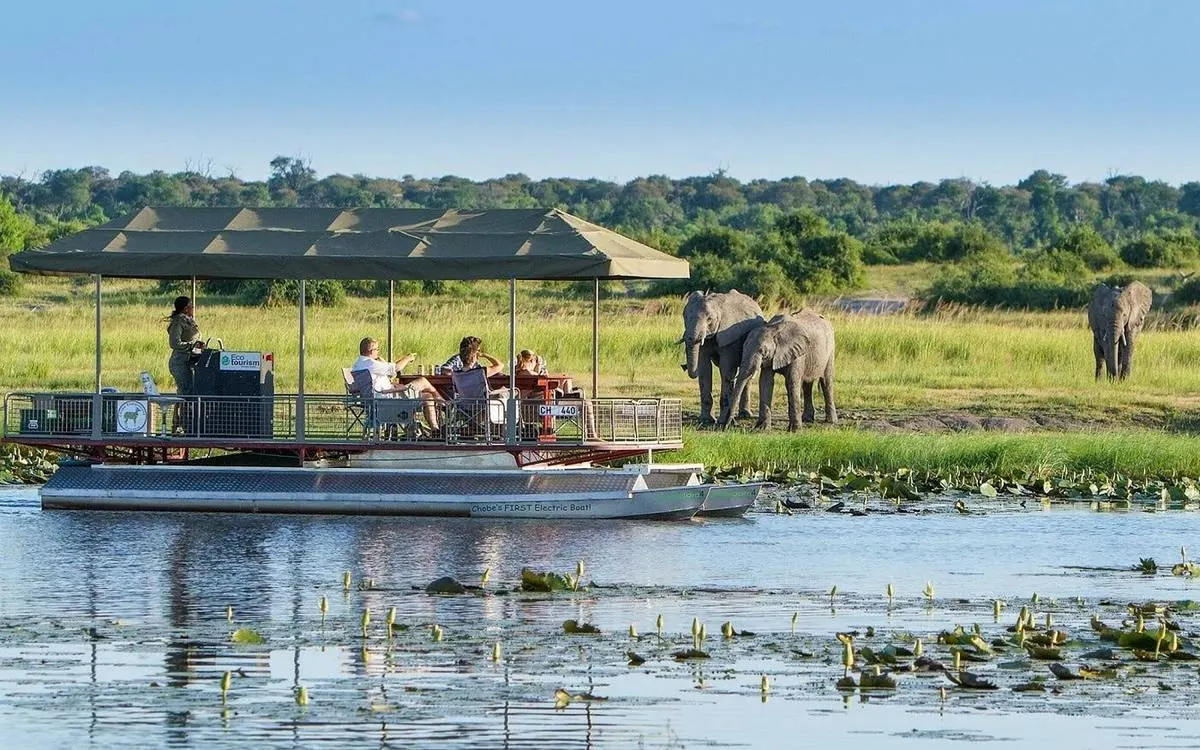
Botswana's Okavango Delta floods between June and August — paradoxically, this is the dry season, but the Delta fills with water from Angola's rains months earlier. This creates the extraordinary water safari experience that Botswana is famous for. The Chobe elephant safari is spectacular year-round, but the dry season concentrates elephants along the river in extraordinary numbers.
Namibia
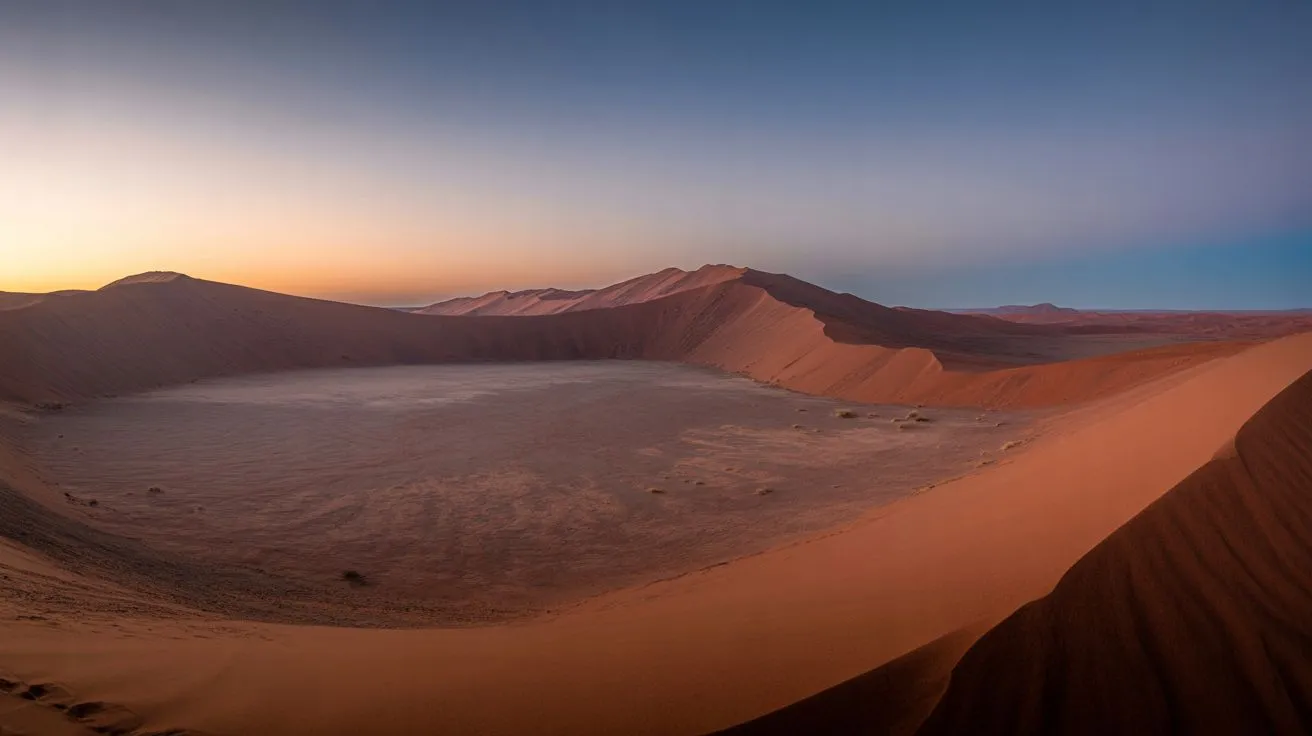
Namibia's dry season (May to October) is ideal for wildlife viewing at Etosha National Park, where animals crowd around floodlit waterholes at night. The green season transforms the Namib Desert and brings the dramatic thunderstorms that make Sossusvlei's red dunes even more photogenic. Our Sossusvlei desert experience is available year-round.
Practical Planning Tips
Health Considerations
Malaria risk is generally higher during the wet season when mosquito populations peak. If you're travelling to a malaria zone during the green season, consult a travel health clinic about prophylaxis options. Many of South Africa's most popular safari areas — including the Aquila Private Game Reserve near day trips">Cape Town — are malaria-free year-round, making them ideal for families and health-conscious travellers.
What to Pack for Each Season
For the dry season, pack layers — mornings and evenings on game drives can be surprisingly cold, especially in June and July in southern Africa. Temperatures in Kruger can drop to 5°C (41°F) before dawn. For the green season, pack a lightweight rain jacket and insect repellent. Neutral colours (khaki, olive, beige) work for both seasons.
Booking Lead Times
For peak dry season travel (July–September in southern Africa; July–October in East Africa), book 12–18 months in advance for top lodges. Green season travel is more flexible — 3–6 months is usually sufficient. Our team can advise on availability and help you secure the best rates.
Which Season Is Right for You?
Here's our honest assessment after years of sending guests into the bush:
- Choose dry season if: You want maximum game viewing, you're a first-time safari-goer, you're visiting for the Great Migration, or you prefer predictable weather.
- Choose green season if: You're a photographer, a birder, a repeat safari visitor looking for something different, or you want to stretch your budget further.
- Either season works if: You're visiting South Africa's malaria-free reserves, going to Botswana's Chobe, or exploring Cape Town and the Garden Route (which have their own distinct seasons).
The ubuntu spirit of African travel is about connection — with wildlife, with landscapes, with local communities. That connection is available in every season. The question is simply which version of Africa speaks to your soul right now.
Start Planning Your Safari Today
Whether you're drawn to the golden light of a dry-season sundowner or the electric green of a post-rain morning game drive, we're here to help you plan the perfect trip. Our team of experienced safari operators knows these destinations intimately and can match you with the right experience for your timing, budget, and travel style.
Use our plan my safari tool to get started, or send us an enquiry and one of our consultants will be in touch within 24 hours. We can't wait to help you discover Africa — in whatever season calls to you.
Tours & Safaris You'll Love
Handpicked by our team based on what you're reading. Book direct for the best price — guaranteed.
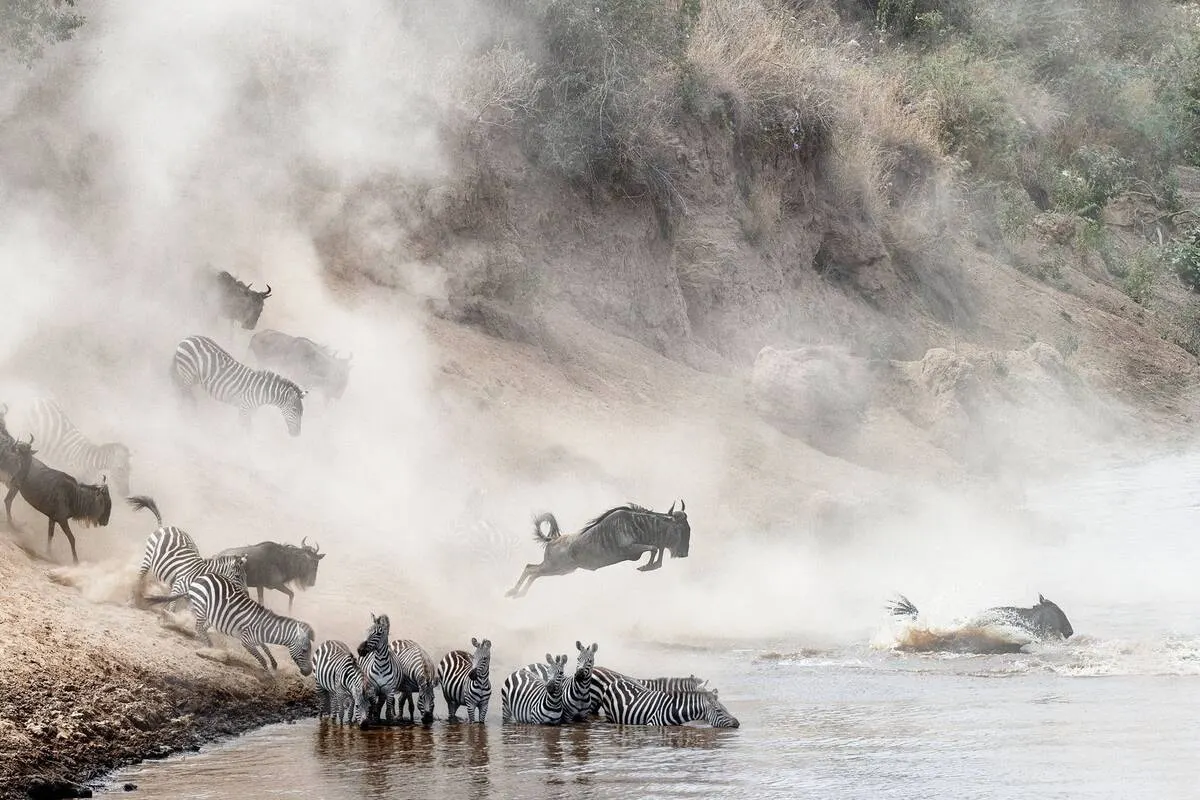
Serengeti Great Migration River Crossing — Mara River Safari
Witness the world's greatest wildlife spectacle — wildebeest crossing the Mara
per person • Best price direct
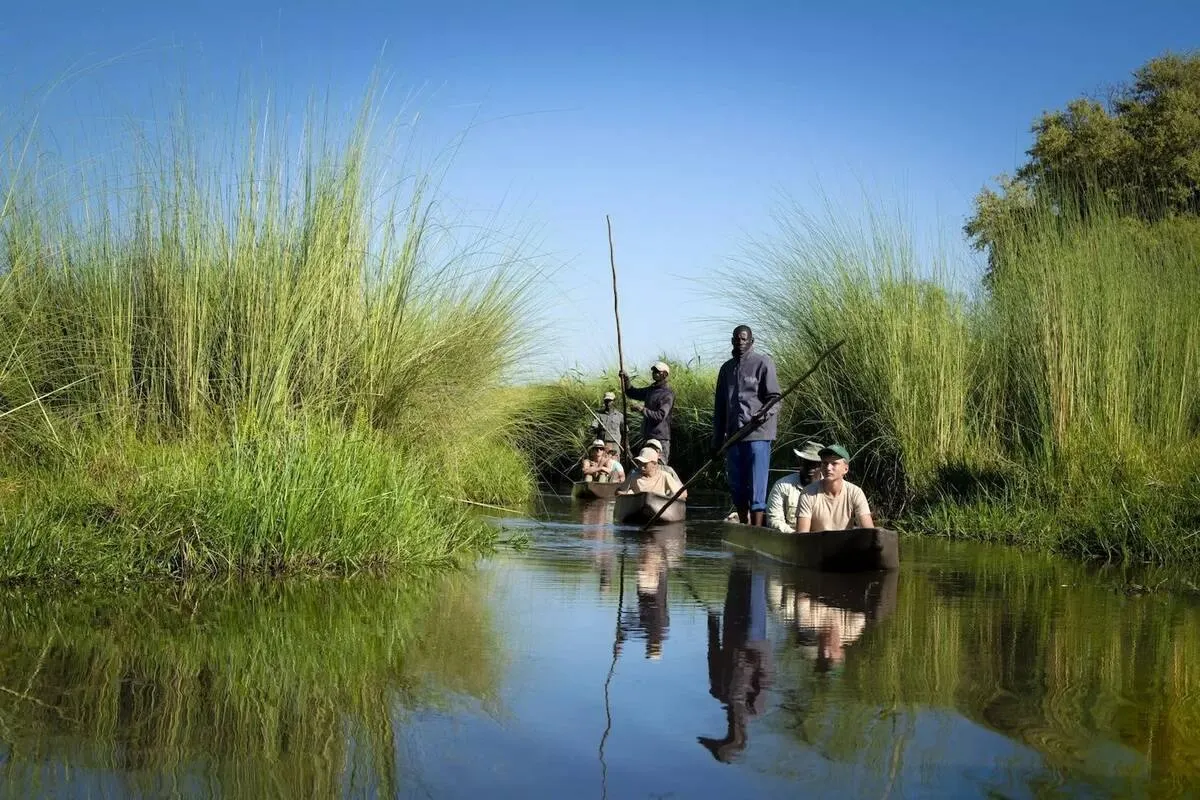
Okavango Luxury Fly-In Wilderness Camp — 5-Star Under Canvas
The world's most exclusive tented camp — deep in the delta
per person • Best price direct
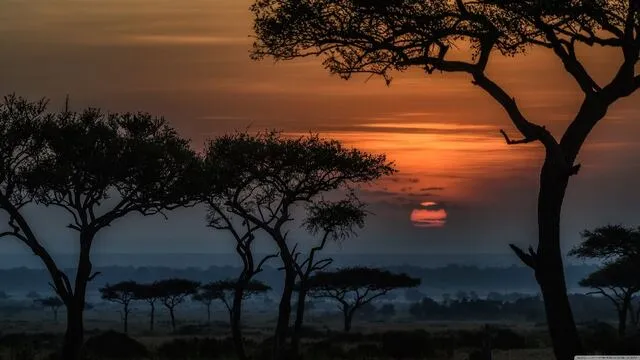
Masai Mara Great Migration Safari — River Crossing Season
Witness nature's greatest spectacle — millions of wildebeest crossing the Mara River
per person • Best price direct
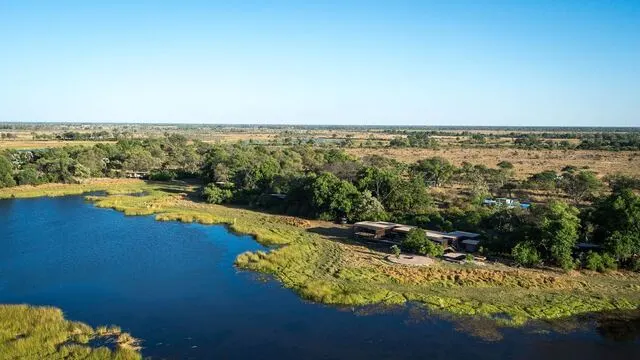
Okavango Delta Fly-In Safari — Luxury Bush Camp
The world's most exclusive safari destination from above and within
per person • Best price direct
Why book with middlemen? Same tours, lower prices, direct support from our team.
Get a Free Custom Quote