
African Big Five Animal Behaviour: What to Expect on Safari
The term "Big Five" was originally coined by big-game hunters to describe the five most dangerous animals to hunt on foot in Africa. Today, it means something very different — these are the five animals that every safari-goer dreams of seeing, and understanding their behaviour will transform your game drive from a simple sighting into a genuine wildlife encounter.
As Cape Town-based safari operators, we've spent years watching guests' faces light up when a lion lifts its head from the grass, or when an elephant matriarch leads her family to a waterhole at dusk. In this guide, we share what we know about each of the Big Five — their habits, their social structures, and the behaviours that make them so endlessly fascinating.
Lion: The Social Predator
Lions are the only truly social cats in Africa, living in family groups called prides that can number anywhere from 3 to 40 individuals. A typical pride consists of related females, their cubs, and a coalition of 2–4 males who hold the territory. Understanding this social structure is key to predicting where and when you'll find them.
When and Where to Find Lions
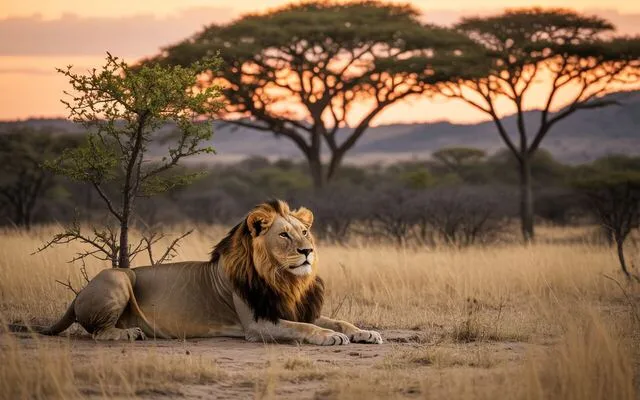
Lions are most active at dawn and dusk, and through the night. During the heat of the day, they rest in shade — often in long grass, under acacia trees, or on rocky outcrops called kopjes. Your best chance of seeing active lions is on an early morning game drive, when they may still be finishing a kill or patrolling their territory.
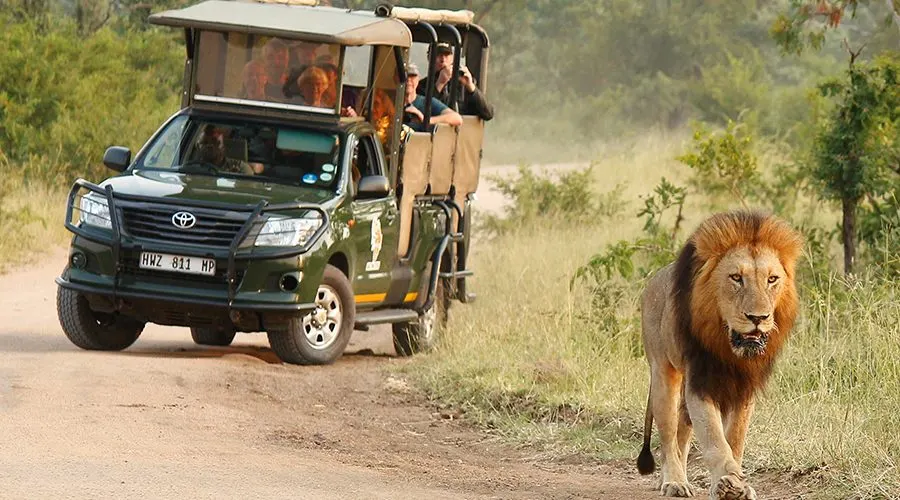
In Kruger National Park, lions are most commonly found in the central and southern regions, particularly around the Sabie River. The Aquila Big Five Day Safari near day trips">Cape Town offers excellent lion sightings in a malaria-free environment — ideal for families or those short on time.
Reading Lion Behaviour
A lion's tail is a surprisingly useful communication tool. A twitching tail tip signals alertness or mild agitation. A lion that is flattened to the ground with ears back and eyes fixed on prey is in hunting mode — stay quiet and watch. The famous lion roar, which can carry up to 8 kilometres, is a territorial declaration and a way for pride members to locate each other.
Female lions do the majority of the hunting, working cooperatively to bring down prey much larger than themselves. Males, despite their fearsome reputation, are primarily territorial defenders — their mane makes them too conspicuous for effective stalking.
Your best chance of seeing active lions is on an early morning game drive, when they may still be finishing a kill or patrolling their territory.
Leopard: The Elusive Solitary Hunter
Of all the Big Five, the leopard is the one that most consistently leaves guests breathless — not because of its size or aggression, but because of its extraordinary elusiveness. Leopards are solitary, secretive, and supremely adapted to avoiding detection. Seeing one is always a privilege.
Leopard Habits and Habitat
Leopards are the most adaptable of the big cats, found in habitats ranging from dense forest to open savanna to rocky hillsides. They are exceptional climbers and often haul their kills into trees to keep them away from lions and hyenas — a carcass wedged in the fork of a sausage tree is a classic leopard sign.
They are primarily nocturnal, which is why night drives (where permitted) dramatically increase your chances of a sighting. In Kruger, the area around Skukuza and the Sabie River is particularly good for leopard. The Sabi Sand Game Reserve, which shares an unfenced border with Kruger, is arguably the best place in Africa to see leopard — the cats here have become habituated to vehicles and are seen almost daily.
What to Watch For
Alarm calls from impala, baboons, or francolins often betray a leopard's presence. If you hear a series of sharp, repetitive barks from impala, scan the surrounding bush carefully — a leopard is almost certainly nearby. Leopards communicate through scent marking and a distinctive rasping cough that sounds like a saw cutting through wood.
Elephant: The Gentle Giant with a Complex Society
African elephants are the largest land animals on Earth, and they are also among the most emotionally complex. Watching an elephant family interact — the way calves are protected, the way elders are deferred to, the way they greet each other after separation — is one of the most moving experiences Africa has to offer.
Elephant Social Structure
Elephant society is matriarchal. A family group of 10–20 individuals is led by the oldest female, the matriarch, whose decades of experience guide the group to water, food, and safety. When the matriarch dies, the family can become disoriented and vulnerable — a reminder of how much knowledge is stored in a single individual.
Adult males (bulls) live largely solitary lives or in loose bachelor groups, joining female herds only to mate. A bull in "musth" — a hormonal state characterised by elevated testosterone and temporal gland secretions — can be highly unpredictable and should be given a wide berth.
Reading Elephant Body Language
An elephant that spreads its ears wide and faces you directly is performing a "mock charge" — a warning display. Stand your ground (or stay in your vehicle), and it will usually stop. A real charge is silent, with ears pinned back and trunk tucked under. Your guide will know the difference.
Elephants communicate through infrasound — low-frequency rumbles below the range of human hearing — that can travel several kilometres through the ground. They also use touch extensively, particularly between mothers and calves. Watching a calf being guided by its mother's trunk is one of the most endearing sights in the bush.
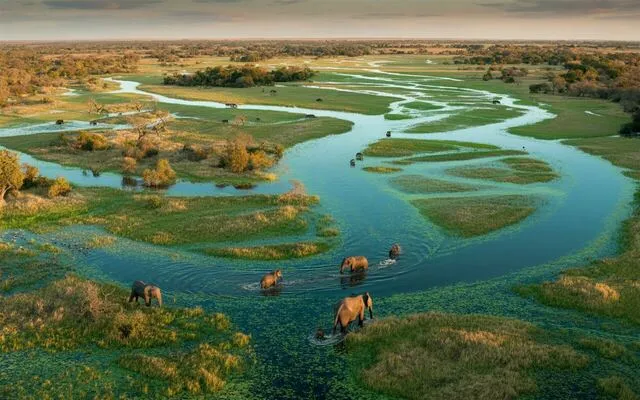
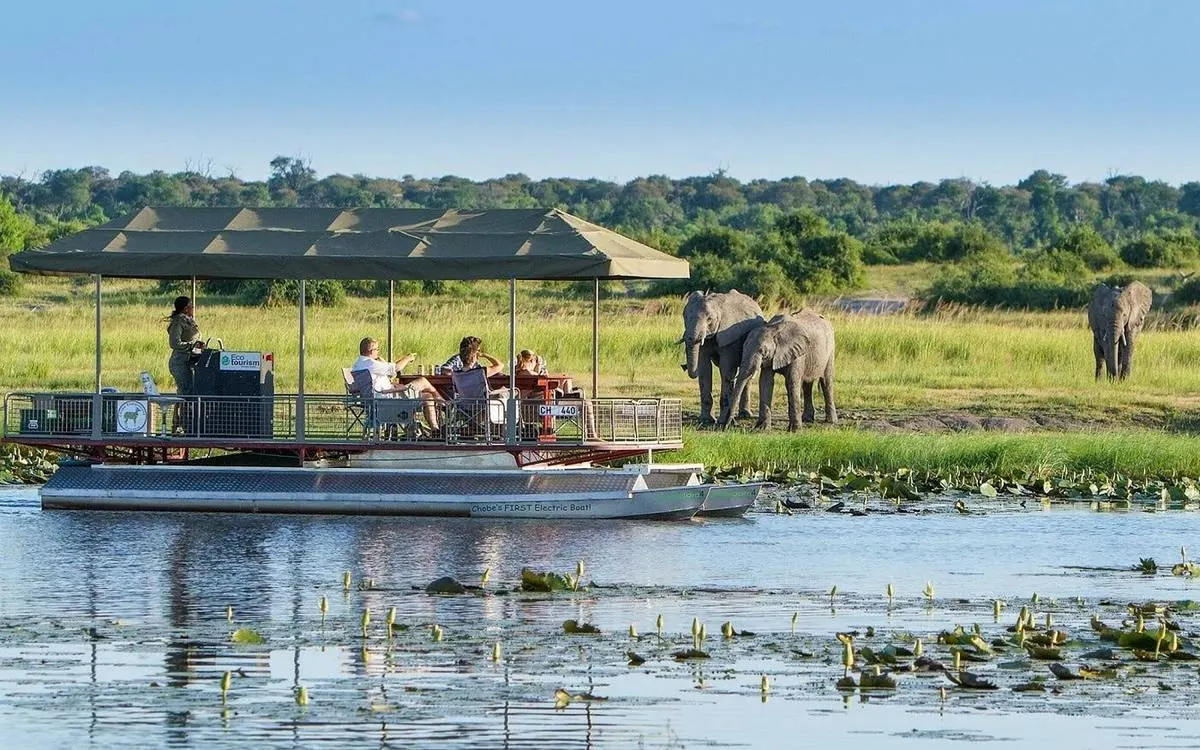
Botswana's Chobe National Park hosts one of Africa's largest elephant populations — our Chobe elephant safari offers extraordinary close encounters with these magnificent animals.
Rhino: Africa's Armoured Ancient
Both white and black rhinos are found in Africa, and despite their names, neither is actually white or black — the names derive from a mistranslation of the Afrikaans word "wyd" (wide), referring to the white rhino's broad, square lip adapted for grazing.
White Rhino vs Black Rhino
White rhinos are grazers with a wide, flat mouth and a more docile temperament. They are often found in open grassland and are more likely to be seen in groups (called "crashes"). Black rhinos are browsers with a pointed, prehensile lip for grasping leaves and twigs. They are more solitary and considerably more aggressive — a black rhino encounter in thick bush is not something you forget.
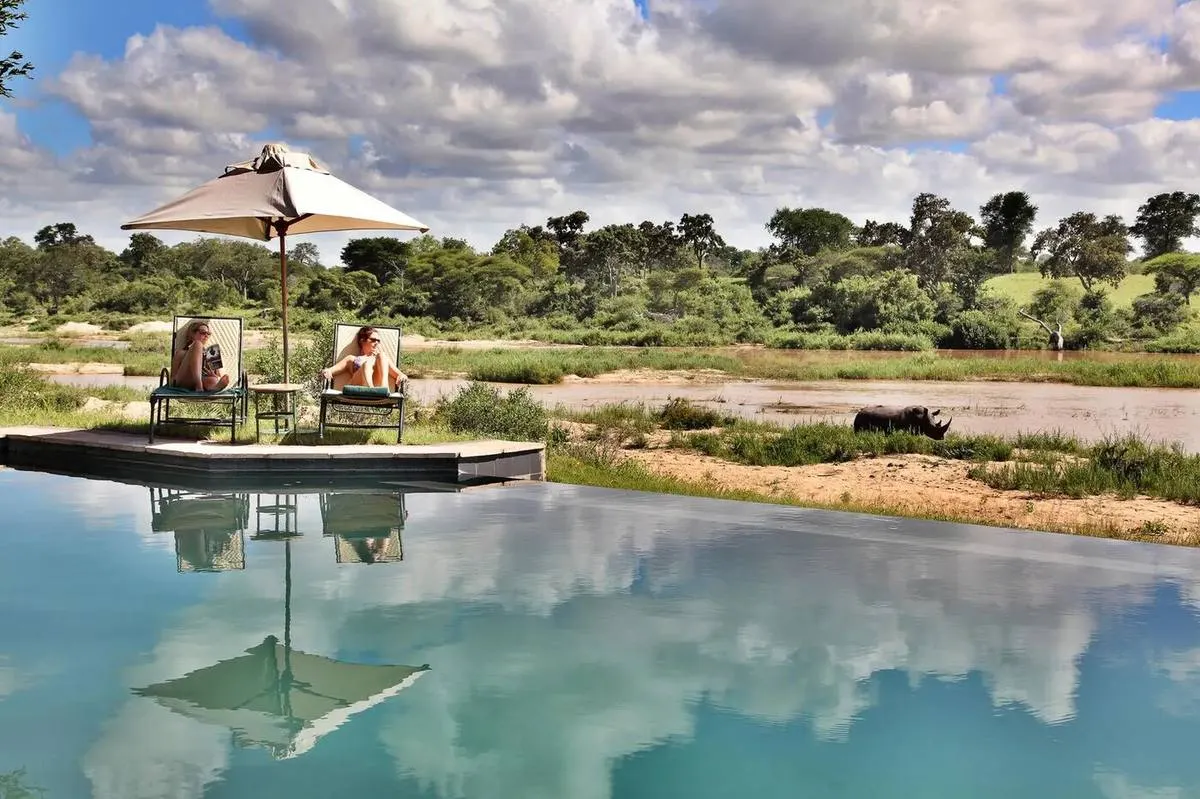
South Africa holds the majority of the world's remaining white rhinos, with Kruger National Park and the private reserves of KwaZulu-Natal being the best places to see them. Due to poaching pressure, rhino sightings are never guaranteed, which makes each encounter feel all the more precious.
Conservation Context
The rhino's story is one of Africa's most urgent conservation narratives. White rhino numbers have recovered from near-extinction in the early 20th century to around 18,000 today — a conservation success story. But poaching for horn remains a devastating threat. When you visit a responsible safari operator, you're directly supporting the anti-poaching efforts that keep these animals alive.
Learn more about responsible wildlife tourism on our safaris page, where we highlight operators committed to conservation.
Buffalo: The Unpredictable Herd Animal
The Cape buffalo is often underestimated by first-time safari-goers — it looks like a large cow, after all. But experienced guides treat buffalo with enormous respect. They are responsible for more human fatalities in Africa than any other large animal, and a wounded or cornered buffalo is extraordinarily dangerous.
Buffalo Behaviour and Social Structure
Buffalo live in large herds that can number in the thousands on the open plains of East Africa, though herds of 200–500 are more typical in southern Africa. The herd provides safety in numbers — lions will target isolated individuals or calves, but a healthy adult buffalo in the middle of a herd is largely safe from predation.
Old bulls, known as "dagga boys" (from the Zulu word for mud), leave the main herd and live in small bachelor groups. These old males are particularly cantankerous and unpredictable — they are the buffalo most likely to charge without obvious provocation.
The Lion-Buffalo Dynamic
One of the most dramatic wildlife interactions you can witness is a lion pride attempting to take down a buffalo. Unlike the relatively quick kills of smaller prey, a buffalo hunt can last hours, with the buffalo fighting back ferociously and the herd sometimes returning to rescue a downed member. If you're lucky enough to witness this, you'll understand why the Big Five earned their reputation.
Tips for Better Big Five Sightings
Work with Your Guide
Your field guide is your greatest asset. A good guide reads the bush like a book — tracking footprints, interpreting alarm calls, noticing the flick of an ear in long grass. Trust their instincts, ask questions, and let them know what you most want to see. The best sightings come from collaboration.
Timing Your Game Drives
Early morning (6:00–9:00 AM) and late afternoon (4:00–7:00 PM) are the golden hours for wildlife activity. Midday drives are quieter but can still produce excellent sightings — predators resting in shade, elephants at waterholes, and the chance to observe behaviour that's easy to miss when everyone is rushing from sighting to sighting.
Patience Is Everything
The guests who have the best safari experiences are invariably the ones who are willing to wait. Sitting quietly at a waterhole for 30 minutes might feel like nothing is happening — and then a leopard materialises from the reeds, or a herd of 200 buffalo arrives in a cloud of dust. The bush rewards patience with moments that no amount of rushing can manufacture.
Use our safari cost calculator to plan a trip that gives you enough time in the bush to experience these moments. We generally recommend a minimum of three nights at any single reserve — enough time for the bush to reveal itself at its own pace.
Plan Your Big Five Safari
Understanding the Big Five is just the beginning. The real magic happens when you're sitting in an open vehicle at dawn, watching a pride of lions wake up, and you realise that you're not a tourist observing Africa — you're a guest in it. That shift in perspective is what every great safari delivers.
Our team of experienced safari consultants can help you choose the right destination, the right lodge, and the right time of year to maximise your Big Five encounters. Whether you're dreaming of Kruger, the Sabi Sand, Chobe, or a malaria-free reserve near Cape Town, we have the expertise to make it happen.
Send us an enquiry today and let's start planning your Big Five safari. Or explore our full range of safari tours to find the experience that speaks to you. The bush is waiting — and so are the Big Five.
Tours & Safaris You'll Love
Handpicked by our team based on what you're reading. Book direct for the best price — guaranteed.
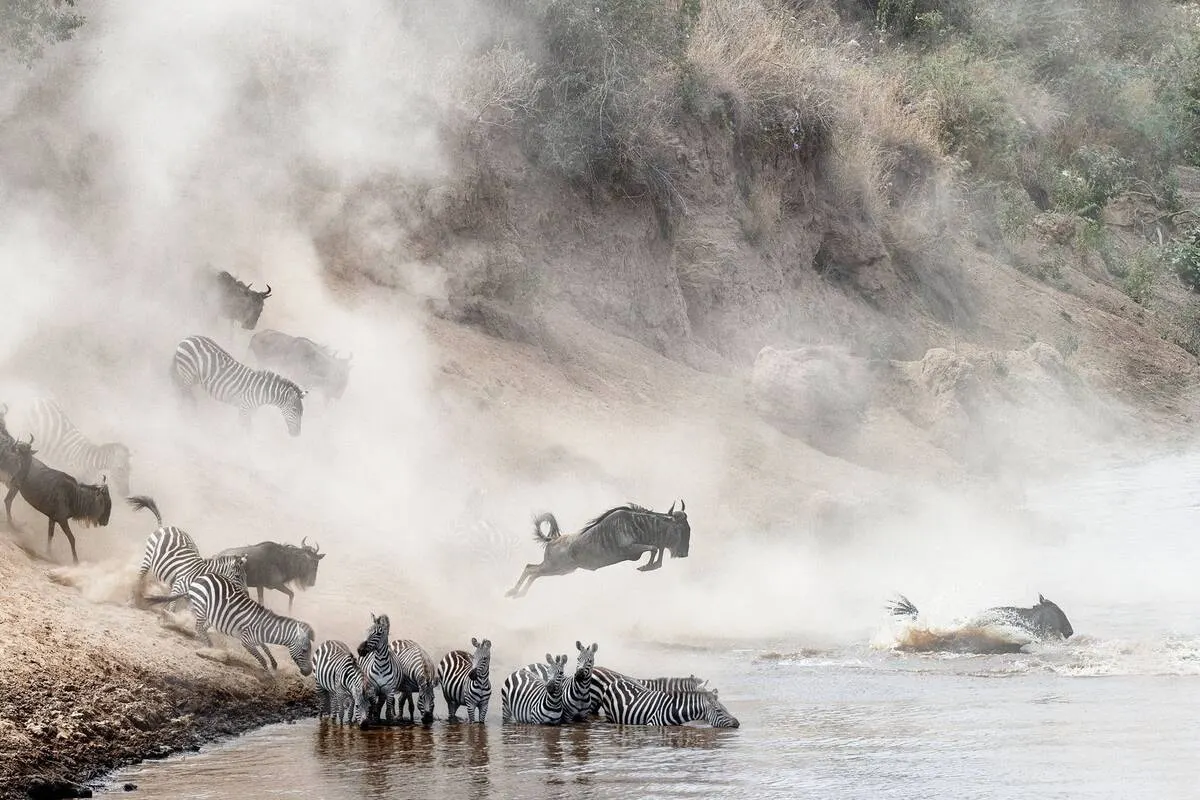
Serengeti Great Migration River Crossing — Mara River Safari
Witness the world's greatest wildlife spectacle — wildebeest crossing the Mara
per person • Best price direct
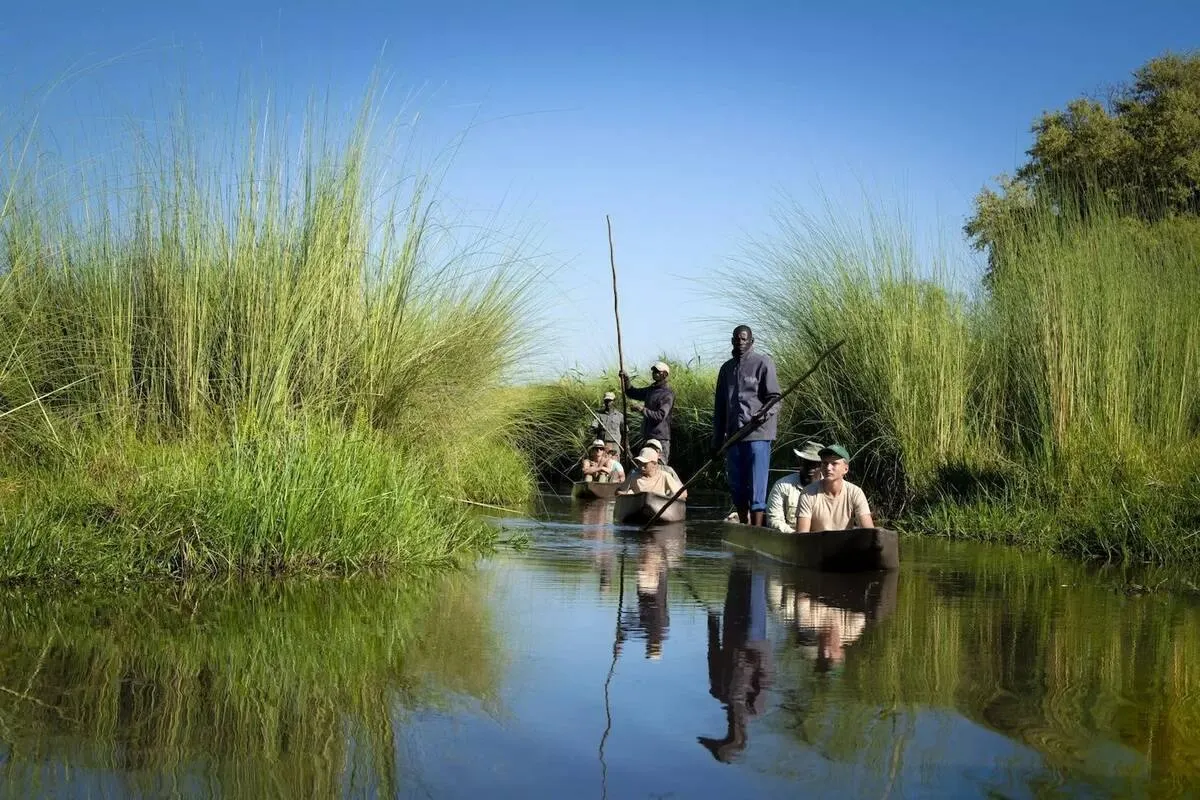
Okavango Luxury Fly-In Wilderness Camp — 5-Star Under Canvas
The world's most exclusive tented camp — deep in the delta
per person • Best price direct
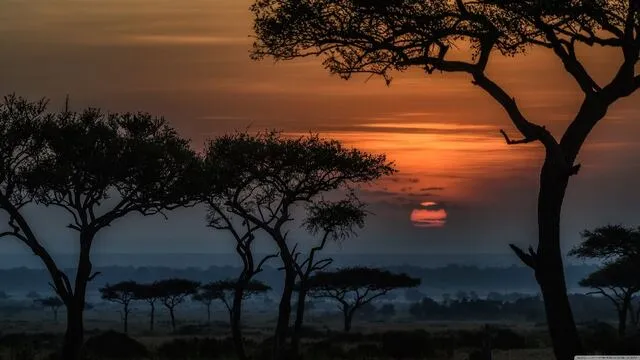
Masai Mara Great Migration Safari — River Crossing Season
Witness nature's greatest spectacle — millions of wildebeest crossing the Mara River
per person • Best price direct
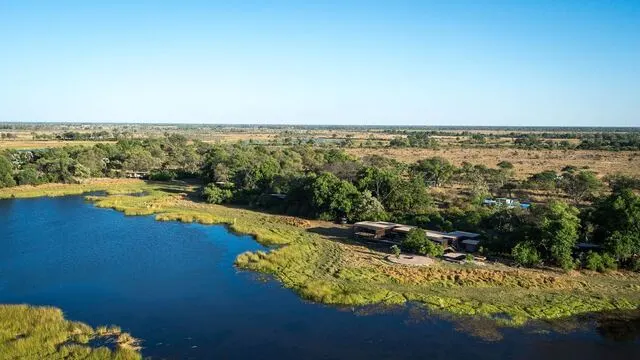
Okavango Delta Fly-In Safari — Luxury Bush Camp
The world's most exclusive safari destination from above and within
per person • Best price direct
Why book with middlemen? Same tours, lower prices, direct support from our team.
Get a Free Custom Quote