Green Season Safari: Why Africa's Rainy Season is Africa's Best-Kept Secret
Ask most first-time safari travellers when they want to visit Africa, and they'll say the dry season — July, August, September. And honestly? We get it. The dry season delivers reliable game viewing, sparse vegetation, and animals clustered around waterholes. It's lekker, no doubt about it.
But here's what the seasoned safari crowd knows: the green season — Africa's rainy months, typically November through April depending on the region — is one of the continent's most rewarding and underrated times to travel. If you're willing to embrace a little rain, the rewards are extraordinary.
What Exactly Is the Green Season?
The green season (also called the wet season or emerald season) refers to the months when Africa's savannah receives its annual rainfall. In southern Africa — South Africa, Botswana, Zimbabwe, Zambia — this runs roughly from November to March. In East Africa — Kenya and Tanzania — there are two rainy seasons: the long rains (March to May) and the short rains (October to December).
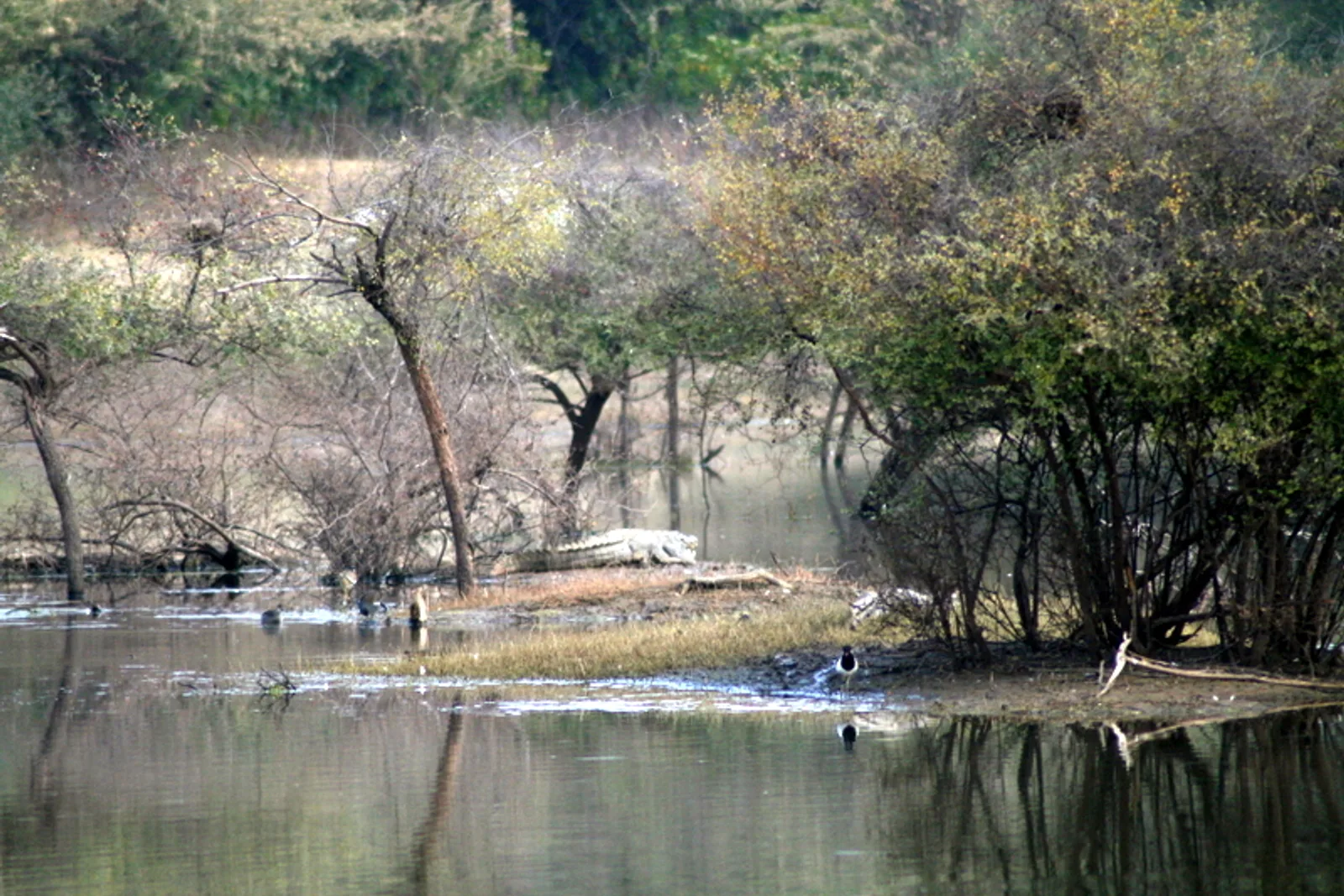
During this period, the landscape transforms dramatically. Dry, dusty plains burst into vivid green. Rivers fill. Waterholes overflow. And the entire ecosystem comes alive in ways that the dry season simply cannot match.
If you're willing to embrace a little rain, the rewards are extraordinary.
The Top Reasons to Choose a Green Season Safari
1. Dramatically Lower Prices
This is often the first thing that converts travellers. Green season rates at many lodges and camps drop by 30–50% compared to peak dry-season prices. A luxury lodge that costs $800 per person per night in August might be $450–$550 in January. For families or couples planning a longer trip, this saving is significant — often enough to upgrade your accommodation tier entirely.
Flights to Africa also tend to be cheaper during the green season, and popular parks are far less crowded. If you've ever sat in a traffic jam of game-drive vehicles around a lion sighting in Kruger in August, you'll appreciate the solitude of a January morning drive with just your vehicle and the bush.
Ready to explore your options? Use our safari cost calculator to compare green season vs dry season pricing for your preferred destinations.
2. Newborn Wildlife — Nature's Greatest Show
The green season is birthing season across much of Africa. Impala, wildebeest, zebra, warthog, and many antelope species time their births to coincide with the rains, when grass is lush and nutritious. This means the bush is filled with wobbly-legged newborns, protective mothers, and the predators that follow them.
For wildlife enthusiasts, this is extraordinary. Watching a cheetah stalk through knee-high green grass, or a lioness teaching her cubs to hunt in the rain-softened earth, is a completely different experience from the dry-season equivalent. The drama is raw, immediate, and deeply moving.
Predator activity is often higher during the green season precisely because prey animals are distracted by newborns and the abundance of food. Leopard sightings — always the holy grail of any safari — can actually be more frequent in areas like the Sabi Sands, where these cats move more confidently through the dense vegetation. Our Sabi Sands leopard tracking safari runs year-round for exactly this reason.
3. Birdwatching Reaches Its Peak
If you have any interest in birds — even casual interest — the green season will blow your mind. Africa's resident bird species are joined by millions of migratory birds from Europe and Asia, swelling the continent's already extraordinary avian diversity to staggering levels.
In South Africa alone, the green season brings species like the European roller, various cuckoos, bee-eaters, and waders that simply aren't present in winter. Breeding plumage is on full display — birds are at their most colourful and vocal. For dedicated birders, the green season is the only season worth considering.
Kruger National Park, for example, hosts over 500 bird species, and the green season is when the majority of them are present and active. Our Kruger birding and photography safari is specifically designed around the green season's extraordinary avian spectacle.
4. Lush, Cinematic Landscapes
There's a reason professional wildlife photographers often prefer the green season. The landscapes are simply more beautiful. Vivid emerald grass, dramatic storm clouds building on the horizon, golden light breaking through after afternoon rain — these are the conditions that produce award-winning images.
The light during the green season is also softer and more diffuse, particularly in the early mornings and late afternoons. Harsh midday sun — the bane of dry-season photography — is often tempered by cloud cover. If you're travelling with a camera and want to come home with images that genuinely capture Africa's magic, the green season gives you a significant advantage.
5. Fewer Crowds, More Authentic Experiences
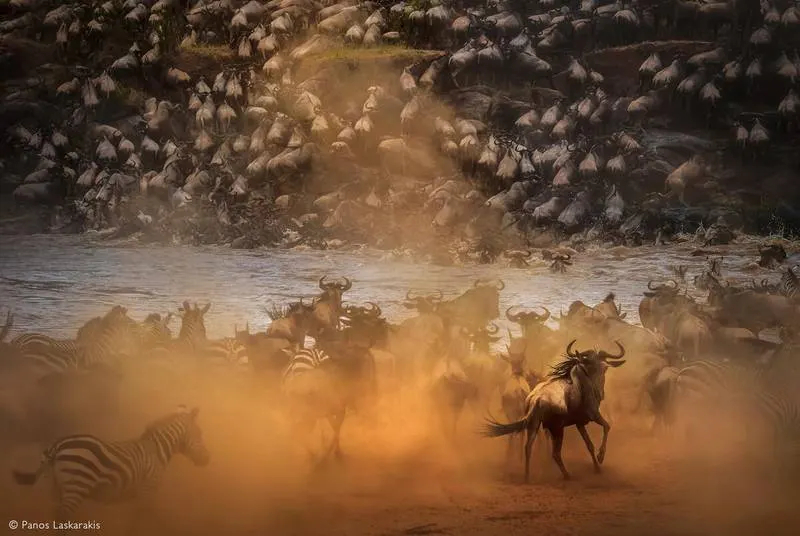
Peak season in Africa's most popular parks can feel surprisingly busy. Kruger's main camps fill up months in advance. The Masai Mara during the Great Migration sees dozens of vehicles around every predator sighting. The green season strips all of that away.
You'll share the bush with far fewer people. Game drives feel more intimate. Rangers have more time to stop, explain, and engage. The overall experience is quieter, more contemplative, and — many travellers tell us — more genuinely wild.
Green Season Considerations: What to Expect
Rain Patterns Are Predictable
One of the biggest misconceptions about the green season is that it rains all day, every day. It doesn't. In most of southern Africa, rain falls in short, intense afternoon thunderstorms — often lasting an hour or two — before clearing to beautiful golden evenings. Mornings are typically clear and perfect for game drives.
In East Africa, the pattern varies more by region, but even during the long rains, full-day downpours are the exception rather than the rule. A good rain jacket and a positive attitude are all you really need.
Some Roads May Be Challenging
Dirt roads in remote areas can become muddy and occasionally impassable after heavy rain. This is worth factoring into your planning, particularly if you're self-driving. Guided safaris with experienced rangers in 4x4 vehicles handle these conditions comfortably — and frankly, navigating a muddy track through the bush adds to the adventure.
If you're planning your safari itinerary, our team can advise on which areas and camps are best suited to green season travel, and which to avoid.
Malaria Risk Is Higher
Standing water during the rainy season increases mosquito populations, which means malaria risk is elevated in malaria zones. This is an important consideration, particularly for families with young children. Consult your doctor about prophylaxis well before travel, and consider malaria-free reserves — like Aquila near day trips">Cape Town — as part of your itinerary.
Aquila Private Game Reserve offers a superb Big Five experience in a completely malaria-free environment, making it an excellent option for families or travellers who prefer to avoid prophylaxis medication.
Best Green Season Destinations
Kruger National Park, South Africa
Kruger in the green season is a revelation. The park's northern regions — typically drier and more remote — become accessible and extraordinarily productive. Elephant herds move freely across the landscape. Buffalo gather in massive aggregations. And the birding is world-class. Expect to pay 30–40% less for accommodation than peak season rates.
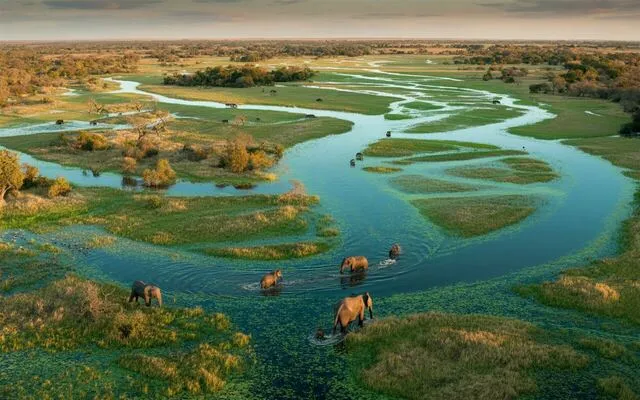
Botswana's Okavango Delta
The Okavango Delta floods annually — but the timing is counterintuitive. The delta's famous flood waters actually arrive during the dry season (June–August), fed by rains that fell months earlier in Angola. During the green season (November–March), the delta's permanent channels and islands offer excellent wildlife viewing with dramatically fewer visitors. Our Okavango fly-in safari operates year-round.
Kenya's Masai Mara
Outside of the Great Migration months, the Mara is quieter and more affordable. The green season brings lush grass, excellent predator activity, and the chance to experience one of Africa's most iconic landscapes without the peak-season crowds. Explore our Kenya safari options for year-round itineraries.
Green Season Packing Tips
Packing for a green season safari requires a few additions to the standard safari kit:
- Lightweight rain jacket — packable and quick-drying is ideal
- Waterproof bag or dry sack — for protecting camera equipment
- Insect repellent — DEET-based for malaria zones
- Neutral-coloured clothing — greens and khakis blend beautifully with the lush landscape
- Binoculars — essential for birding in dense vegetation
- Sunscreen — cloud cover is deceptive; UV levels remain high
Is the Green Season Right for You?
The green season suits travellers who value value (the savings are real and significant), who have a genuine interest in birds and newborn wildlife, who prefer quieter, more intimate bush experiences, and who are flexible about weather. It's particularly well-suited to photographers, repeat safari visitors looking for something different, and budget-conscious travellers who want to experience luxury lodges at accessible prices.
It's less ideal for travellers whose primary goal is maximum game density around waterholes, or those with very young children in malaria zones. But even then, the right itinerary — combining malaria-free reserves with green-season destinations — can work beautifully.
Plan Your Green Season Safari with Ingwe
At Ingwe Africa Safaris, we've been guiding travellers through Africa's seasons for years. We know which lodges shine in the green season, which areas offer the best value, and how to build an itinerary that makes the most of what this extraordinary time of year has to offer.
Whether you're dreaming of Kruger in January, Botswana in February, or a Cape Town extension with a malaria-free Big Five experience, we're here to make it happen. Get in touch with our team today — we'd love to help you discover Africa's best-kept seasonal secret.
Ready to Plan Your Green Season Safari?
Let our experienced team design a bespoke green season itinerary tailored to your interests, budget, and travel dates. Enjoy lower prices, fewer crowds, and wildlife experiences that dry-season visitors simply don't see.
Tours & Safaris You'll Love
Handpicked by our team based on what you're reading. Book direct for the best price — guaranteed.
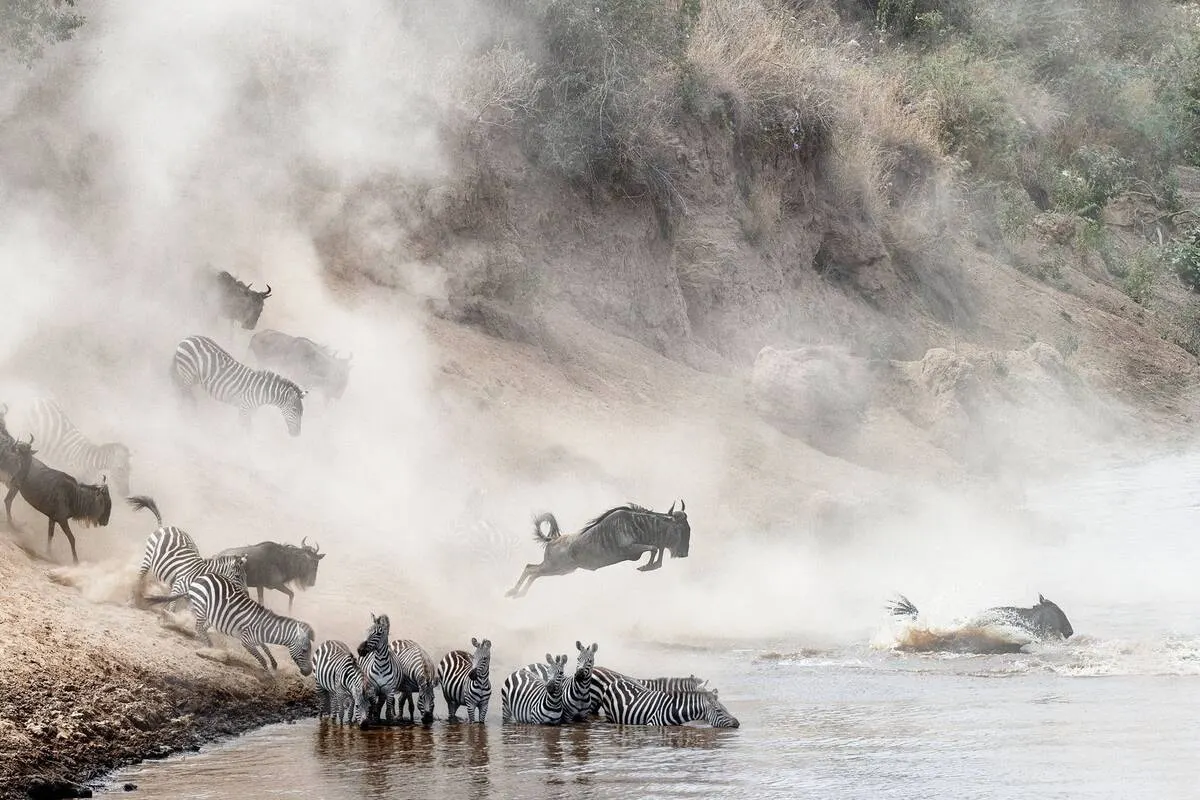
Serengeti Great Migration River Crossing — Mara River Safari
Witness the world's greatest wildlife spectacle — wildebeest crossing the Mara
per person • Best price direct
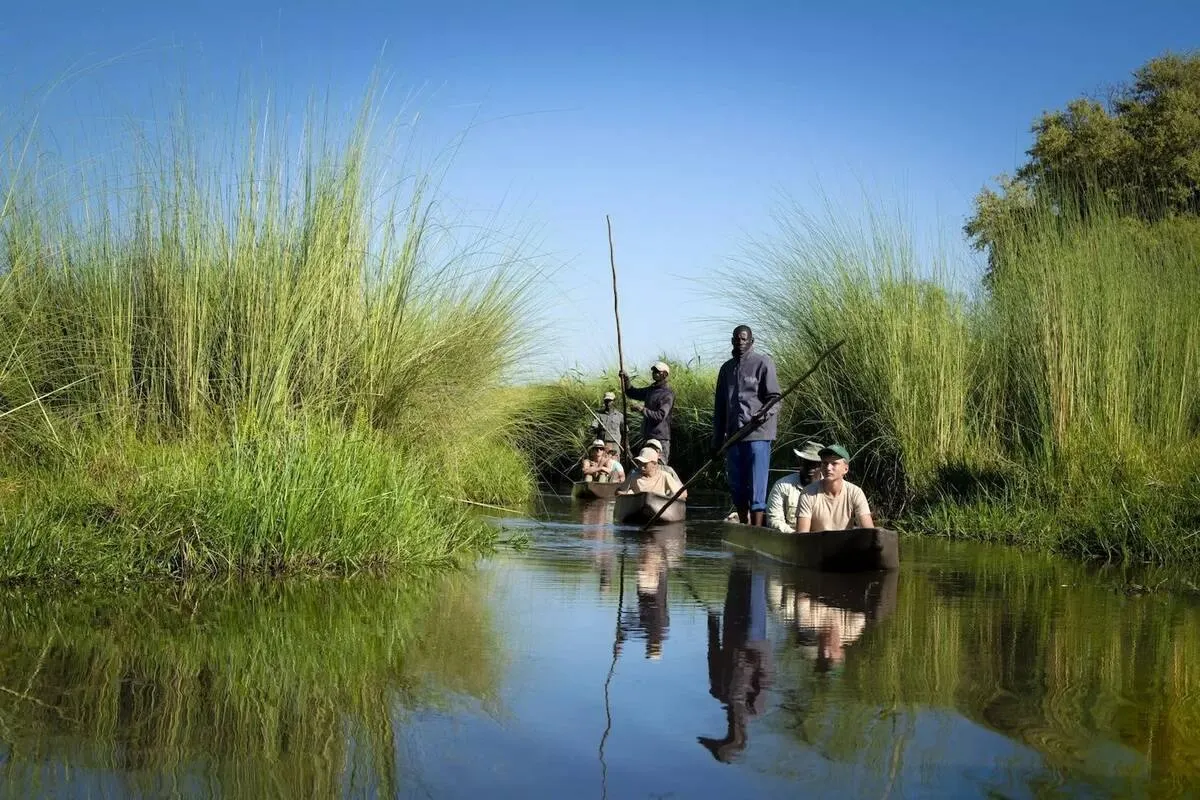
Okavango Luxury Fly-In Wilderness Camp — 5-Star Under Canvas
The world's most exclusive tented camp — deep in the delta
per person • Best price direct
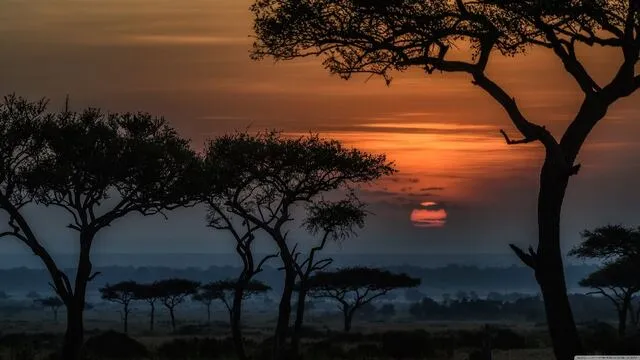
Masai Mara Great Migration Safari — River Crossing Season
Witness nature's greatest spectacle — millions of wildebeest crossing the Mara River
per person • Best price direct
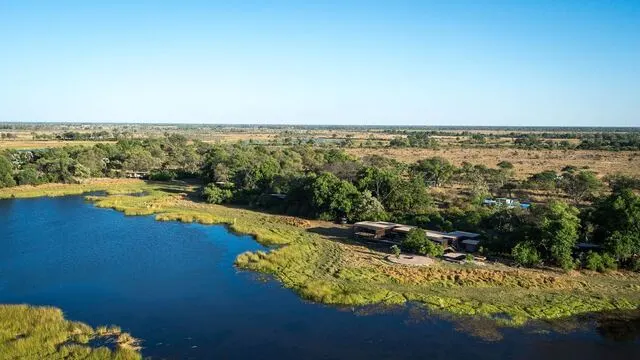
Okavango Delta Fly-In Safari — Luxury Bush Camp
The world's most exclusive safari destination from above and within
per person • Best price direct
Why book with middlemen? Same tours, lower prices, direct support from our team.
Get a Free Custom Quote