Self-Drive Kruger Safari on a Budget: The Complete 2026 Guide
Here's a truth that surprises many first-time visitors to South Africa: one of the world's greatest wildlife experiences doesn't require a luxury lodge, a private guide, or a five-figure budget. A self-drive safari through Kruger National Park — Africa's most iconic game reserve — is genuinely accessible to budget-conscious travellers, and it's an adventure that will stay with you for the rest of your life.
As Cape Town-based safari operators, we've helped thousands of travellers experience the magic of Kruger, from ultra-luxury fly-in safaris to lean, self-drive adventures on a shoestring. This guide is for the latter — the independent travellers, the backpackers, the families watching their budget, and anyone who wants to experience the African bush without breaking the bank.
Why Self-Drive Kruger Is Such Lekker Value
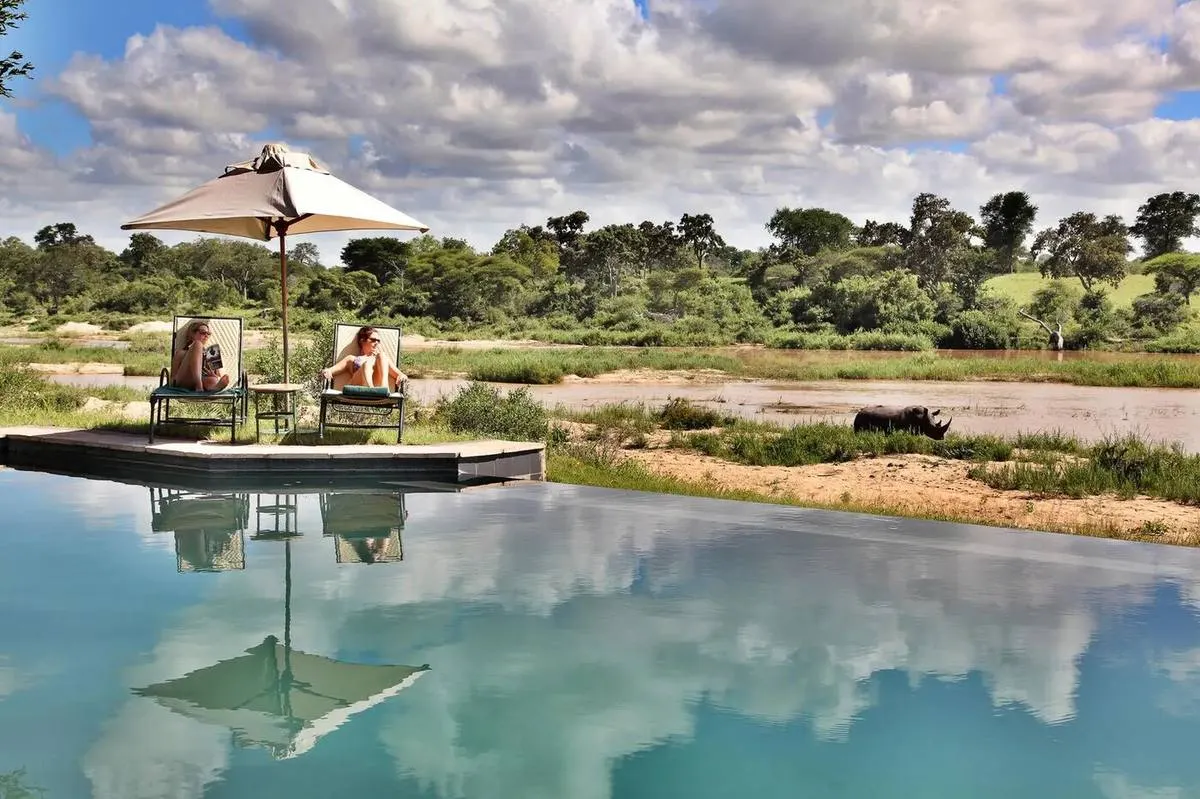
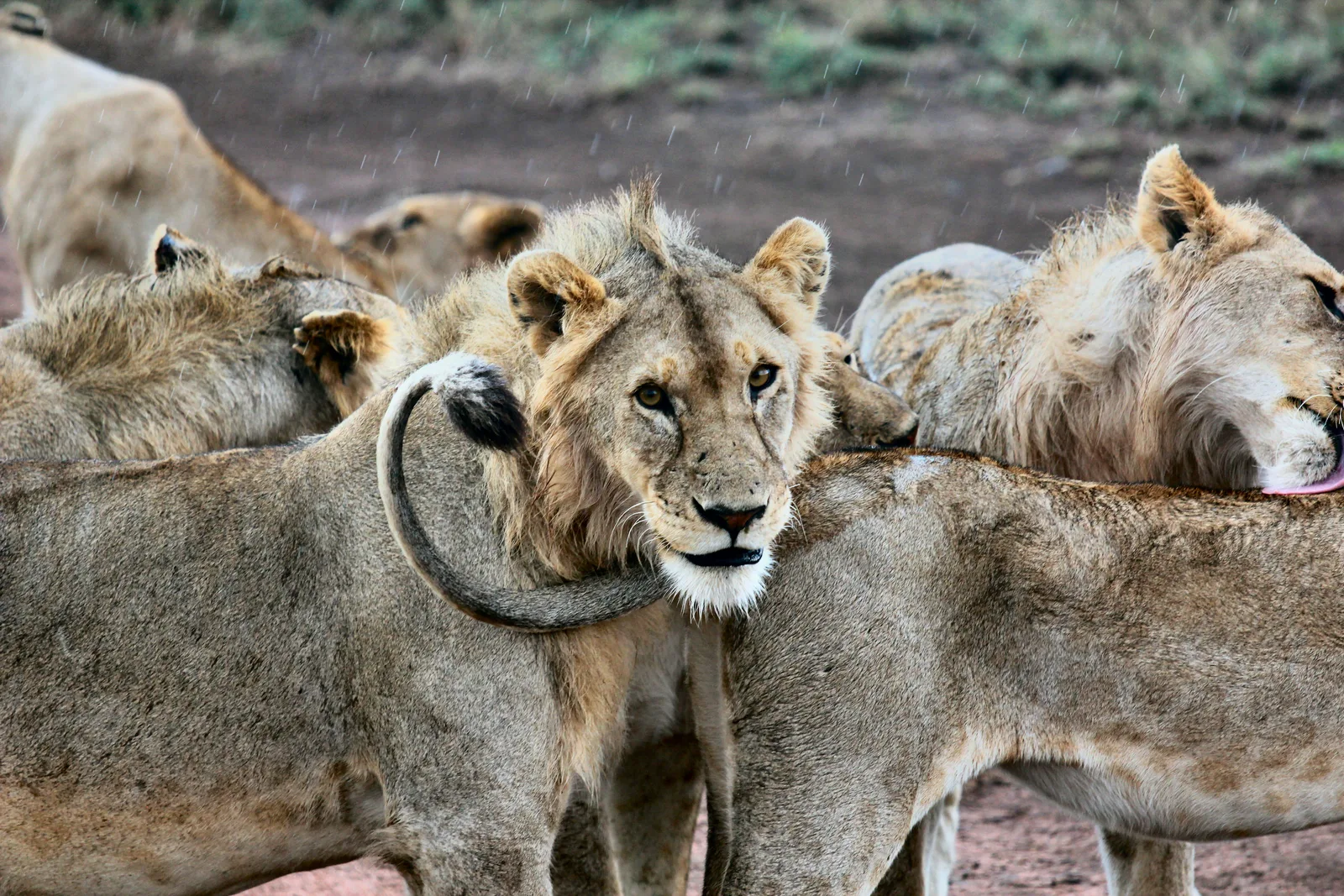
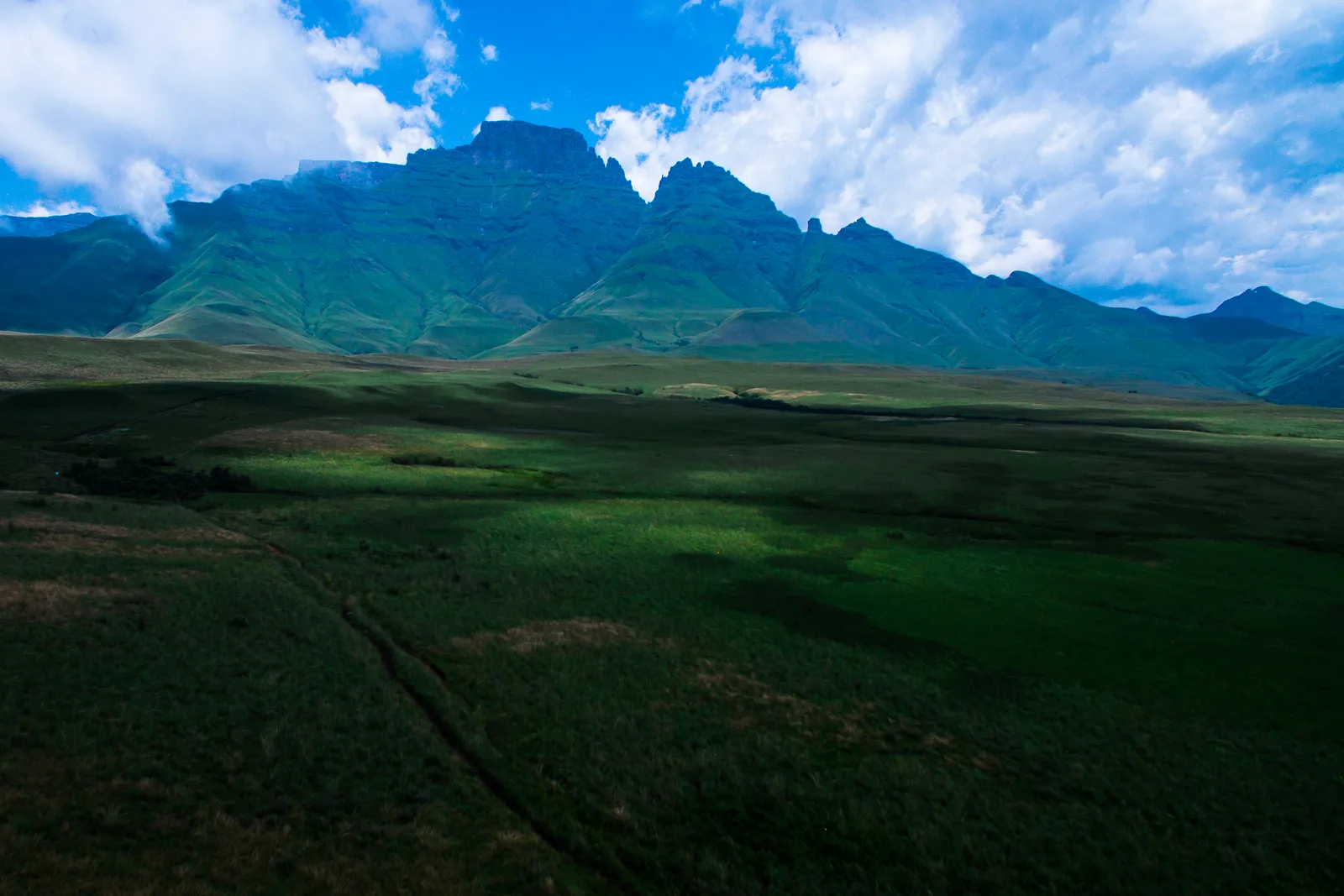
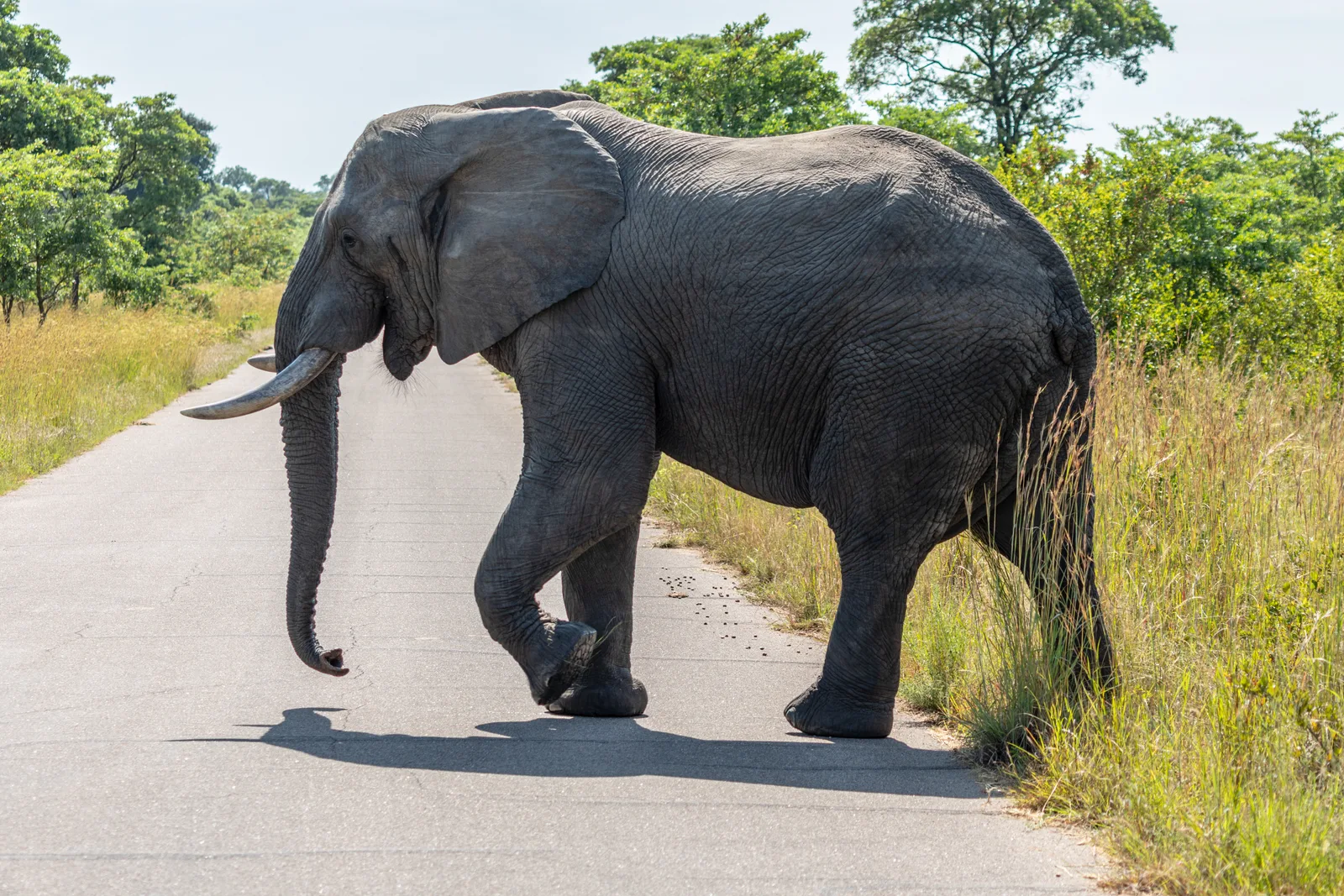
Kruger National Park covers nearly 20,000 square kilometres of pristine bushveld in South Africa's Limpopo and Mpumalanga provinces. It's home to the Big Five (lion, leopard, elephant, rhino, and buffalo), plus hundreds of other mammal and bird species. And unlike many African game reserves, Kruger allows self-drive visitors to explore its extensive road network in their own vehicle.
This is what makes Kruger so uniquely accessible. You don't need to pay for a guided game drive or a luxury lodge. You can drive yourself, stay in the park's own rest camps at very reasonable rates, and spend as many hours as you like watching wildlife from the comfort of your own car. It's a fundamentally different experience from a guided safari — more independent, more flexible, and significantly cheaper.
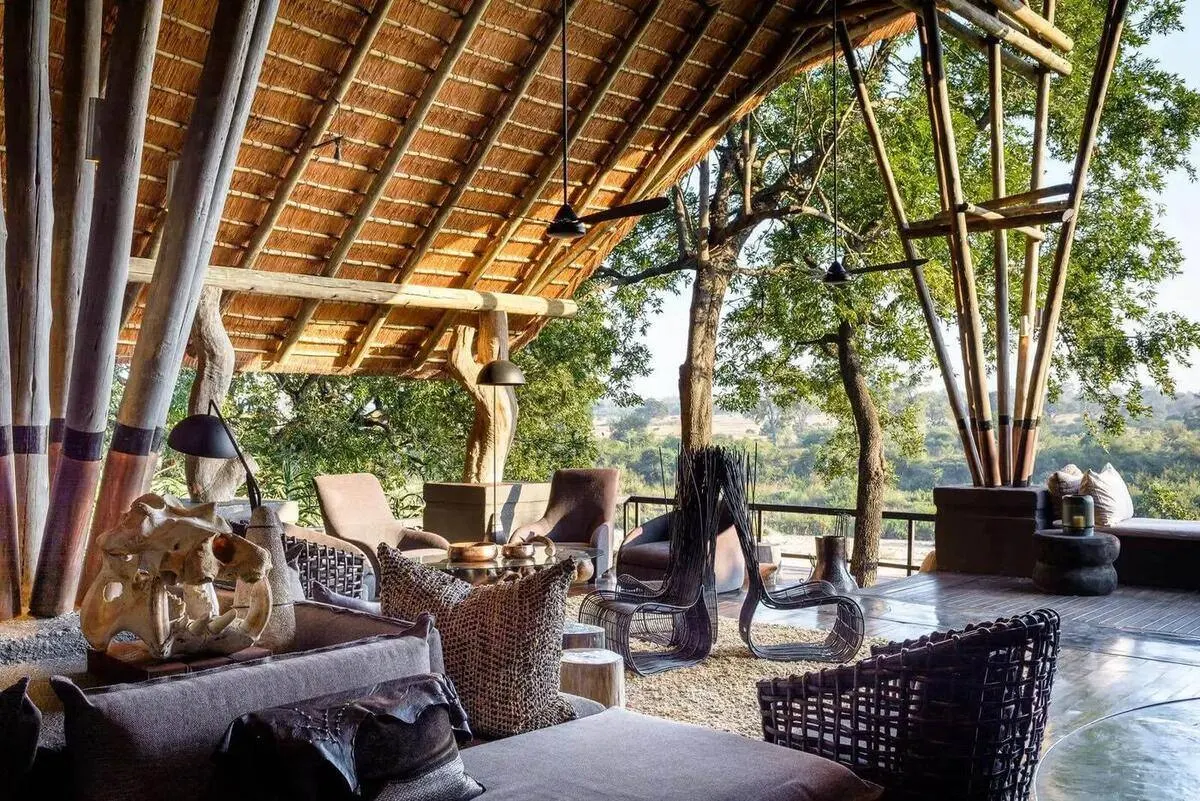
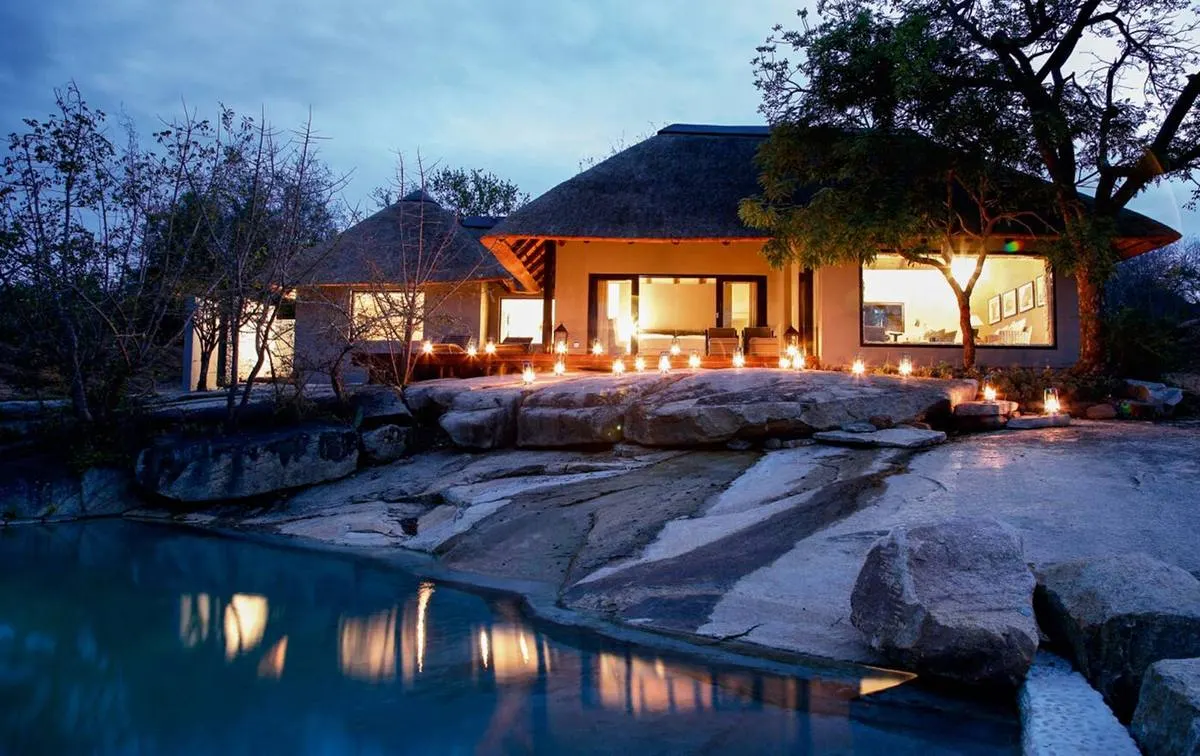
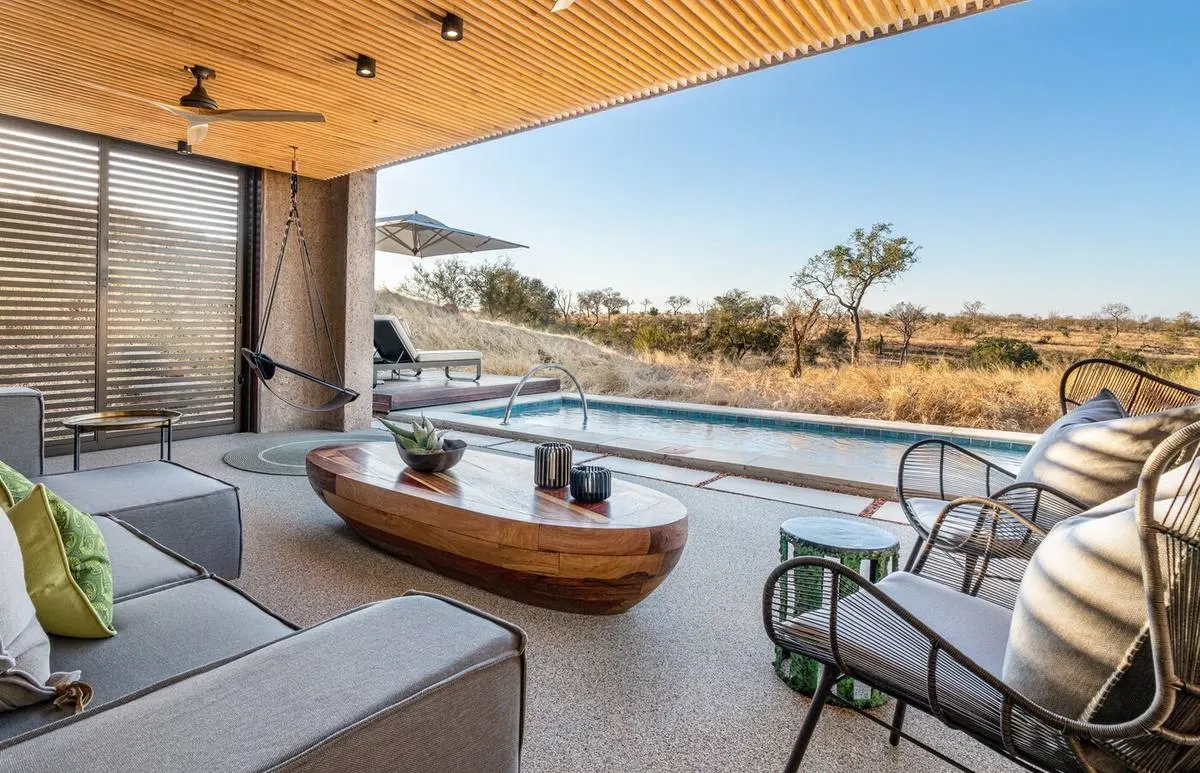
For context, a night at a luxury private lodge in the adjacent Sabi Sands can cost $800-$2,000 USD per person. A night in a Kruger rest camp? As little as $30-$80 USD per person. The wildlife is the same. The sunsets are the same. The magic is absolutely the same.
Why Self-Drive Kruger Is Such Lekker Value Kruger National Park covers nearly 20,000 square kilometres of pristine bushveld in South Africa's Limpopo and Mpumalanga provinces.
Understanding the Costs: What to Budget
Park Entry Fees
Kruger charges a daily conservation fee for all visitors. In 2026, the rates for international visitors are approximately:
- Adults: $25-30 USD per person per day
- Children (2-11 years): $13-15 USD per day
- Vehicle entry: included in the conservation fee
South African residents pay significantly less with a valid ID. If you're planning a longer stay, consider purchasing a Wild Card — an annual pass that covers entry to all South African National Parks and pays for itself after just a few days in Kruger.
Accommodation in Rest Camps
SANParks (South African National Parks) operates a network of rest camps throughout Kruger, ranging from large, well-equipped camps to remote bushveld camps. Budget options include:
- Camping (tent sites): $15-25 USD per site per night
- Basic huts (no en-suite bathroom): $30-50 USD per unit per night
- Bungalows (en-suite): $60-100 USD per unit per night
- Cottages (self-catering, sleep 4-6): $80-150 USD per unit per night
For a couple camping and sharing costs, you can comfortably stay inside Kruger for $40-60 USD per night all-in. That's extraordinary value for a world-class game reserve.
Vehicle and Fuel Costs
You'll need a reliable vehicle for a self-drive safari. A standard sedan works fine on Kruger's tar roads, but a higher-clearance vehicle opens up the gravel roads where you'll often find fewer tourists and more wildlife. Car rental in South Africa starts from around $30-50 USD per day for a basic sedan, or $60-100 USD per day for a 4x4 or SUV.
Fuel costs depend on how much driving you do. Budget around $20-40 USD per day for fuel, depending on your vehicle's efficiency and how extensively you explore. Petrol stations are available at the major rest camps.
Food and Groceries
This is where self-drive really shines for budget travellers. Most rest camps have self-catering facilities — a kitchen, braai (barbecue) area, and basic utensils. Stock up at a supermarket before entering the park and cook your own meals. A week's groceries for two people, including meat for the braai, can cost as little as $80-120 USD.
Rest camps also have restaurants and shops if you prefer not to cook, but these are significantly more expensive. A restaurant meal in camp costs around $10-20 USD per person.
Total Budget Estimate
For a 5-night self-drive Kruger safari for two people, here's a realistic budget breakdown:
- Park entry fees (2 adults × 5 days): $250-300 USD
- Accommodation (5 nights, bungalow): $300-500 USD
- Car rental (7 days including travel days): $350-500 USD
- Fuel: $150-200 USD
- Food and groceries: $100-150 USD
- Total: approximately $1,150-1,650 USD for two people
That's $575-825 USD per person for a 5-night Kruger safari — a fraction of what a guided luxury safari would cost. Use our safari cost calculator to get a personalised estimate for your trip.
When to Go: Timing Your Budget Safari
Timing your visit strategically can save you significant money and improve your wildlife sightings. The dry winter months (May to September) are widely considered the best time for game viewing in Kruger. Vegetation thins out, animals congregate around water sources, and the cooler temperatures make long days in the car more comfortable.
However, peak season (June-August school holidays) sees higher accommodation prices and more visitors. For the best combination of good game viewing and lower costs, aim for May, September, or early October. Check our best time to visit South Africa guide for a month-by-month breakdown.
The summer months (November to February) bring lush green landscapes, baby animals, and excellent birding, but game viewing can be harder as animals disperse across the well-watered bush. Accommodation is cheaper, and the park is less crowded — a worthwhile trade-off for many travellers.
Planning Your Route: Where to Stay and What to See
Southern Kruger: Best for First-Timers
The southern section of Kruger, between the Crocodile Bridge and Satara gates, is the most popular area and for good reason. It has the highest density of lions and other predators, excellent road networks, and the park's most iconic rest camps. Skukuza is the largest camp and a great base, while Lower Sabie is beloved for its riverside setting and exceptional game viewing.
Central Kruger: The Sweet Spot
The central region around Satara is famous for its open plains and large lion prides. The H1-4 road between Satara and Orpen is consistently one of the best game-viewing roads in the park. Satara Rest Camp is well-equipped and centrally located, making it an ideal base for exploring this region.
Northern Kruger: Off the Beaten Track
The north is wilder, less visited, and home to rare species like wild dog, roan antelope, and Lichtenstein's hartebeest. If you're an experienced safari-goer looking for something different, the northern camps like Shingwedzi and Punda Maria offer a more remote experience at lower prices. Just be aware that distances are greater and the roads can be rougher.
Self-Drive Tips From Our Guides
Start Early, Stay Late
The golden rule of self-drive safari: be on the road at gate opening time (5:30am in summer, 6am in winter) and stay out until the last possible moment before the evening gate closing time. Dawn and dusk are when predators are most active and the light is most beautiful. The middle of the day, when most tourists are back at camp for lunch, is actually a great time to be out — you'll have the roads to yourself and sometimes stumble upon unexpected sightings.
Drive Slowly and Stop Often
The biggest mistake self-drive visitors make is treating Kruger like a road trip — driving fast to cover distance. Slow down to 20-30km/h and stop frequently. Turn off your engine and listen. Many of the best sightings come from hearing a bird alarm call or noticing a subtle movement in the bush that you'd miss at speed.
Learn the Alarm Calls
Impala, baboons, and birds like hornbills and go-away birds all give distinctive alarm calls when predators are nearby. Learning to recognise these calls is one of the most valuable skills a self-drive visitor can develop. There are excellent free apps and YouTube videos that teach African wildlife alarm calls — spend an hour before your trip learning them and you'll find far more predators.
Check the Sightings Boards
Every rest camp has a sightings board where rangers and visitors record recent wildlife sightings with map references. Check these boards every morning before heading out. They're invaluable for finding lions, leopards, and other sought-after species. The SANParks app also has a digital sightings feature.
Water Holes Are Your Best Friend
In the dry season, water holes are magnets for wildlife. Find a good water hole, park nearby, switch off your engine, and wait. Patience is rewarded. Some of the most extraordinary wildlife encounters happen at water holes — elephants bathing, lions drinking, giraffes awkwardly splaying their legs to reach the water. You could spend an entire morning at a single water hole and never be bored.
Booking Your Accommodation: Don't Leave It Too Late
Kruger rest camp accommodation books up months in advance, especially for peak season. SANParks opens bookings 11 months ahead, and popular camps like Lower Sabie and Satara fill up quickly. Book as early as possible through the official SANParks website.
If you're flexible on dates, last-minute cancellations do appear — check the SANParks website regularly in the weeks before your trip. Camping sites are generally easier to book at short notice than bungalows or cottages.
Combining Kruger With Other Destinations
Kruger pairs beautifully with other South African destinations for a comprehensive budget trip. The Panorama Route — including Blyde River Canyon, God's Window, and Bourke's Luck Potholes — is just a short drive from Kruger's western gates and makes a spectacular addition to any itinerary.
From Johannesburg, it's a 4-5 hour drive to Kruger's southern gates, making it easy to combine with a city visit. Alternatively, fly into Hoedspruit or Phalaborwa for direct access to the park's central and northern sections.
For those based in day trips">Cape Town, consider a fly-drive itinerary: fly to Johannesburg or Hoedspruit, spend 4-5 nights in Kruger, then return to Cape Town for a few days exploring the Cape Peninsula, Winelands, and Garden Route. This combination gives you an incredible cross-section of South Africa's best experiences at a very manageable total cost.
What to Pack for a Self-Drive Kruger Safari
Packing right saves money and makes your trip more comfortable:
- Neutral-coloured clothing (khaki, olive, brown) — avoid bright colours and white
- Layers — mornings can be cold even in summer, especially in an open vehicle
- Good binoculars — essential for spotting distant animals and birds (budget $50-150 USD for a decent pair)
- Sunscreen and insect repellent — buy in South Africa to save luggage space
- A cooler box — keeps drinks cold and food fresh during long drives
- A detailed Kruger map — the SANParks app works well, but a physical map is a reliable backup
- A field guide — the Newman's Birds of Southern Africa or Sasol Birds are excellent
Is a Self-Drive Safari Safe?
This is the question we hear most often, and the answer is: yes, absolutely — as long as you follow the rules. You must stay in your vehicle at all times (except at designated picnic sites and rest camps). Animals in Kruger are wild and unpredictable, but they're also accustomed to vehicles and generally ignore them. The vehicle is your hide, and as long as you stay inside it, you're safe.
Never get out of your vehicle to get a better photo, never feed animals, and always follow your guide's instructions if you're on a guided activity. Kruger has an excellent safety record for self-drive visitors who follow the rules.
Start Planning Your Budget Kruger Adventure
A self-drive Kruger safari is one of the most rewarding travel experiences in the world, and it's far more accessible than most people realise. With careful planning, a flexible attitude, and a willingness to embrace the adventure of finding your own wildlife, you can have an unforgettable African safari experience without spending a fortune.
Our Cape Town team has been helping travellers plan Kruger safaris for years, and we know all the tricks to maximise your experience on any budget. Whether you want a fully independent self-drive adventure or prefer to combine self-drive with a night or two at a guided lodge, we can help you design the perfect itinerary.
Ready to plan your budget Kruger safari? Get in touch with our team for a free, no-obligation consultation, or explore our range of Kruger safari packages for inspiration. You can also use our safari cost calculator to get a detailed budget estimate for your specific travel dates and group size. The African bush is calling — let's make it happen.
Tours & Safaris You'll Love
Handpicked by our team based on what you're reading. Book direct for the best price — guaranteed.
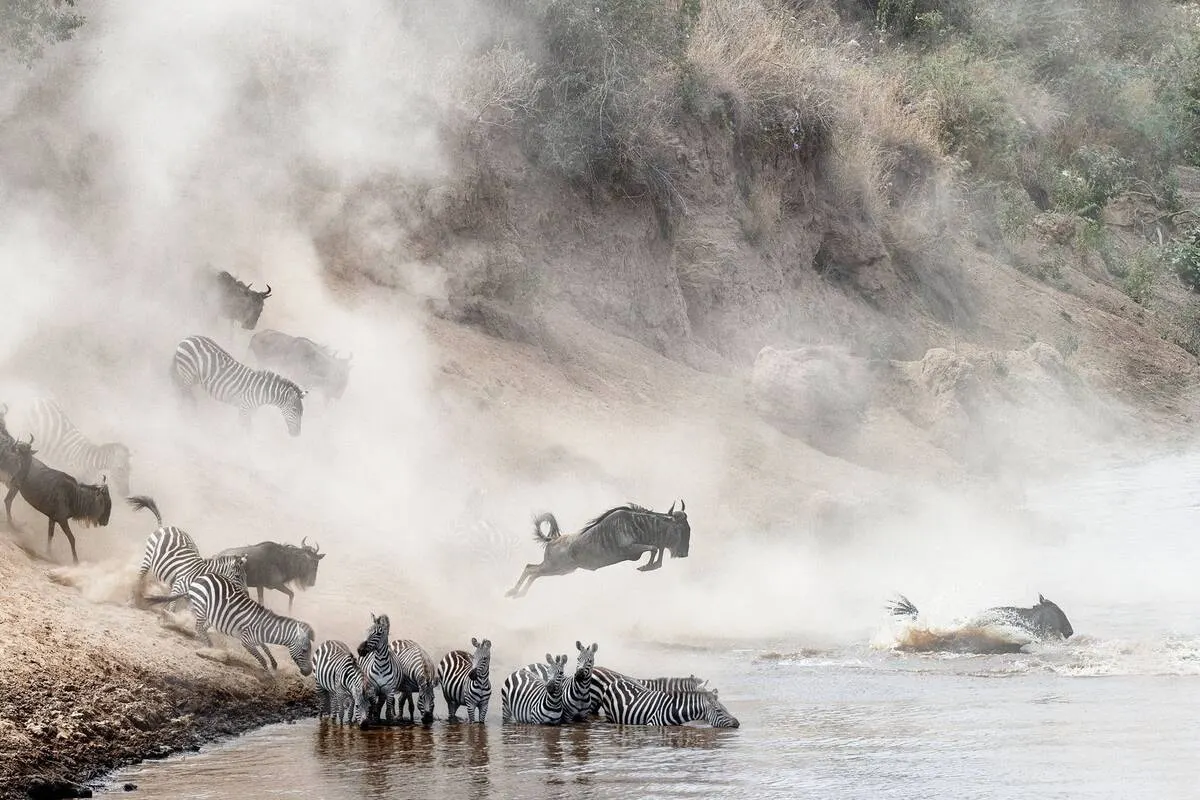
Serengeti Great Migration River Crossing — Mara River Safari
Witness the world's greatest wildlife spectacle — wildebeest crossing the Mara
per person • Best price direct
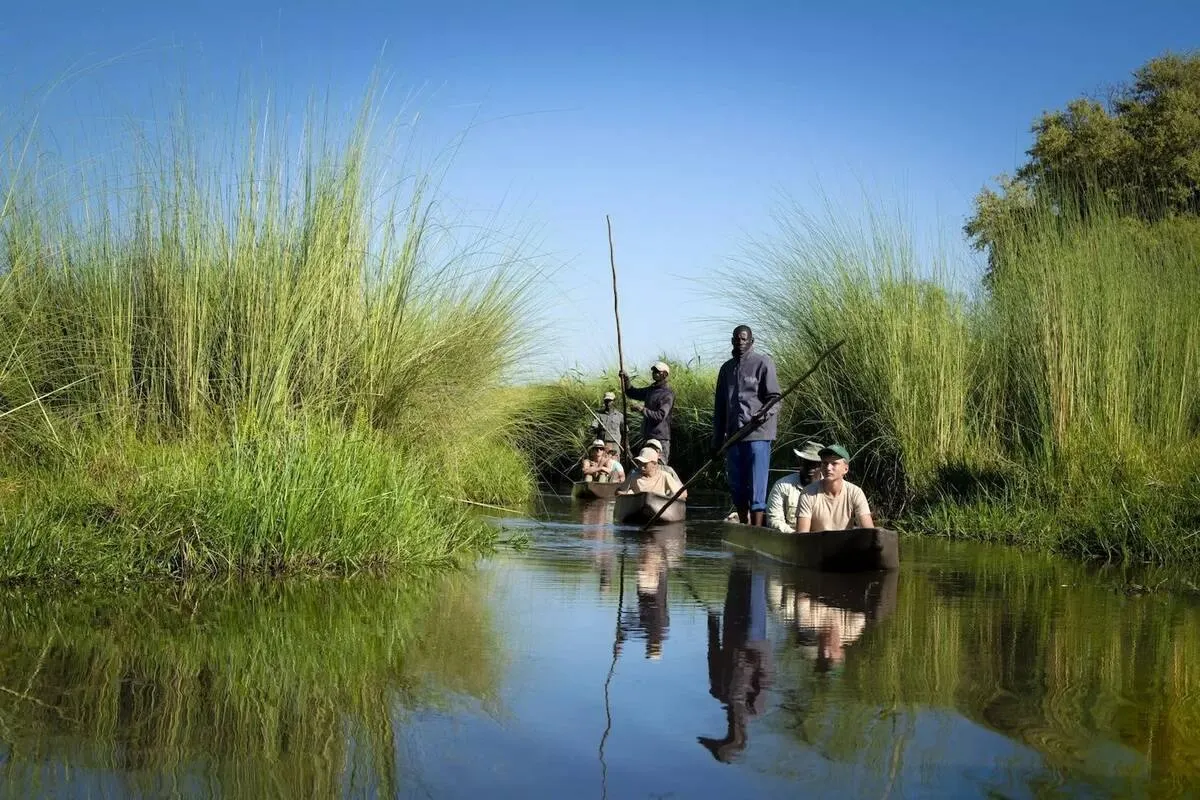
Okavango Luxury Fly-In Wilderness Camp — 5-Star Under Canvas
The world's most exclusive tented camp — deep in the delta
per person • Best price direct
Masai Mara Great Migration Safari — River Crossing Season
Witness nature's greatest spectacle — millions of wildebeest crossing the Mara River
per person • Best price direct
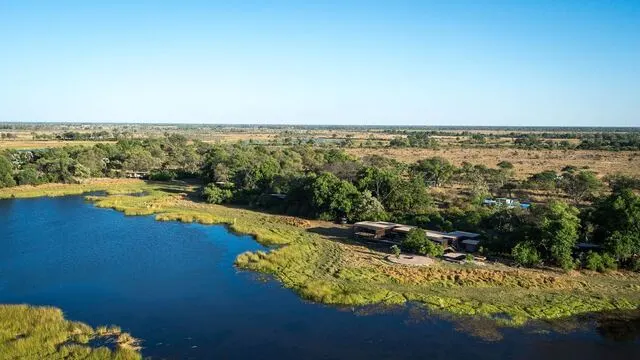
Okavango Delta Fly-In Safari — Luxury Bush Camp
The world's most exclusive safari destination from above and within
per person • Best price direct
Why book with middlemen? Same tours, lower prices, direct support from our team.
Get a Free Custom Quote