Budget East Africa Safari Under $2000: Complete 2026 Guide
Let us be honest with you: when most people picture an East Africa safari, they imagine luxury tented camps with butler service, champagne sundowners, and price tags that make your eyes water. And yes, those experiences exist — and they are absolutely lekker. But they are not the only way to experience the magic of Kenya and Tanzania.
With careful planning, smart timing, and the right local knowledge, it is entirely possible to experience the wildebeest migration, spot the Big Five, and sleep under a sky blazing with stars — all for under $2,000 per person. This guide, written from our years of experience as Cape Town-based safari operators, shows you exactly how to do it.
Is a $2,000 East Africa Safari Really Possible?
The short answer is yes — but with important caveats. Your $2,000 budget covers in-country costs: accommodation, park fees, game drives, and internal transport. It does not include international flights to Nairobi or Dar es Salaam, which typically add $600–$1,200 from South Africa or $900–$1,800 from Europe or North America. Factor these in when planning your total trip budget.
Within East Africa, $2,000 per person for 7–10 days is achievable if you choose budget-friendly accommodation, travel in the shoulder season, and join group tours rather than booking private vehicles. The experience will be different from a luxury safari — but the wildlife does not know the difference between a $500-per-night lodge and a $50-per-night tented camp. The lions are just as magnificent either way.
Choosing Your Destination: Kenya vs Tanzania on a Budget Both Kenya and Tanzania offer world-class wildlife experiences, but they have different cost profiles for budget travellers.
Choosing Your Destination: Kenya vs Tanzania on a Budget
Both Kenya and Tanzania offer world-class wildlife experiences, but they have different cost profiles for budget travellers.
Kenya: Higher Park Fees, Better Infrastructure
Kenya's national parks charge some of the highest entrance fees in Africa. The Masai Mara National Reserve costs $200 per person per day for non-residents — a significant chunk of a tight budget. However, Kenya's road infrastructure is generally better than Tanzania's, reducing internal transport costs. Nairobi also has a wider range of budget accommodation options than Dar es Salaam or Arusha.
For budget travellers, the best value in Kenya is often found in the conservancies surrounding the Masai Mara, such as Naboisho or Olare Motorogi. These charge lower fees than the main reserve and offer equally spectacular wildlife viewing — often with fewer vehicles and a more exclusive feel. Our Masai Mara Great Migration tour includes conservancy access at competitive group rates.
Tanzania: Lower Fees in Some Parks, More Remote
Tanzania's northern circuit — Serengeti, Ngorongoro Crater, Tarangire, and Lake Manyara — offers some of Africa's most iconic wildlife experiences. Park fees are lower than Kenya's Masai Mara in most areas, though the Ngorongoro Crater charges a premium conservation fee of around $70 per person per day on top of the standard park fee.
The trade-off is distance. Tanzania's parks are spread across a large area, and road conditions can be challenging, especially in the wet season. Budget travellers often find that joining an organised group tour is more cost-effective than self-driving, as the vehicle and fuel costs are shared. Our Tanzania Serengeti Migration Safari offers excellent value for group bookings.
The Budget Safari Breakdown: Where Your $2,000 Goes
Here is a realistic breakdown of costs for a 7-day budget safari in Tanzania's northern circuit, based on 2026 pricing:
Accommodation: $350–$500
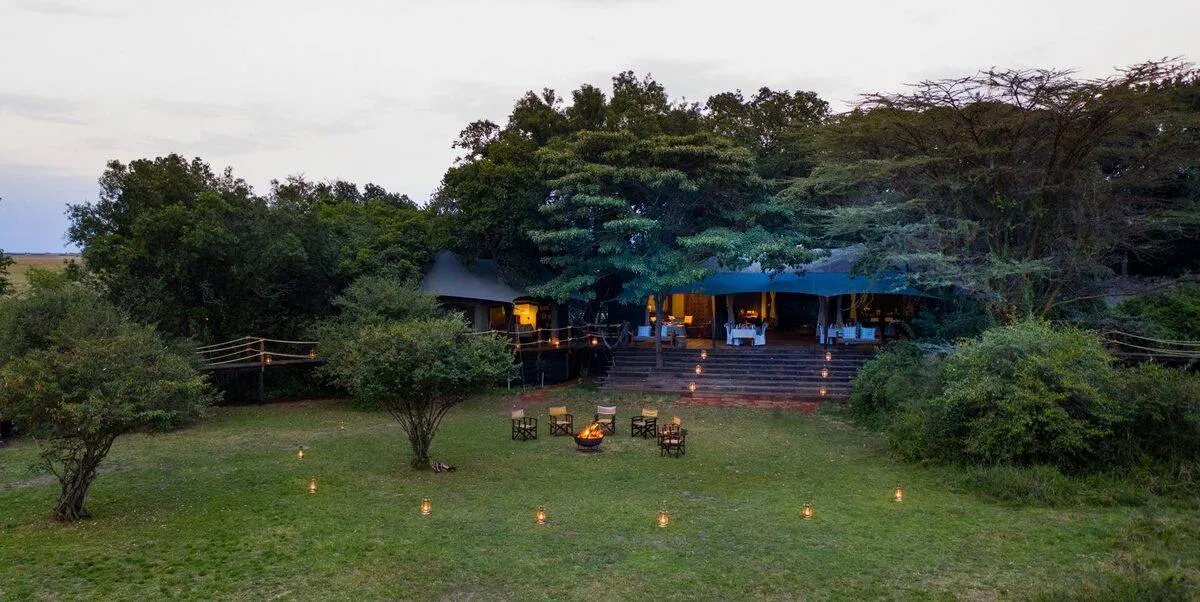
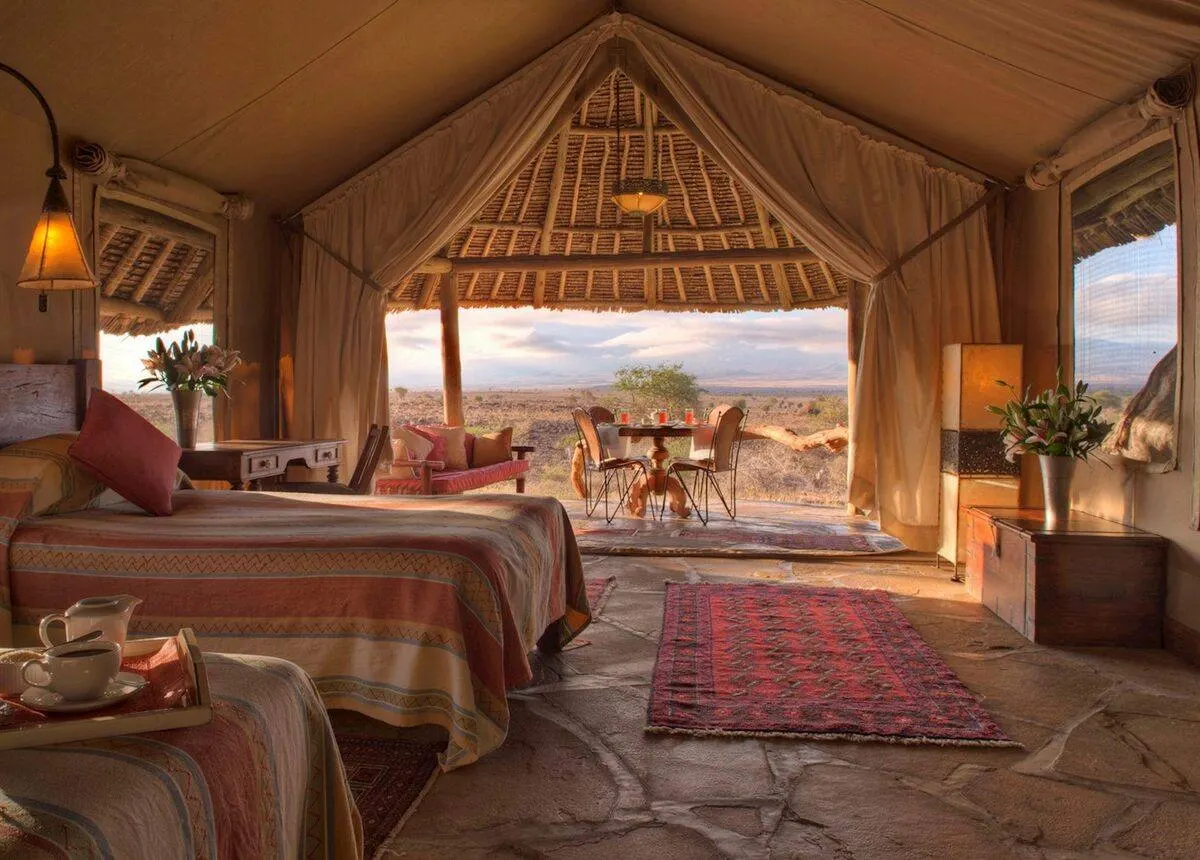
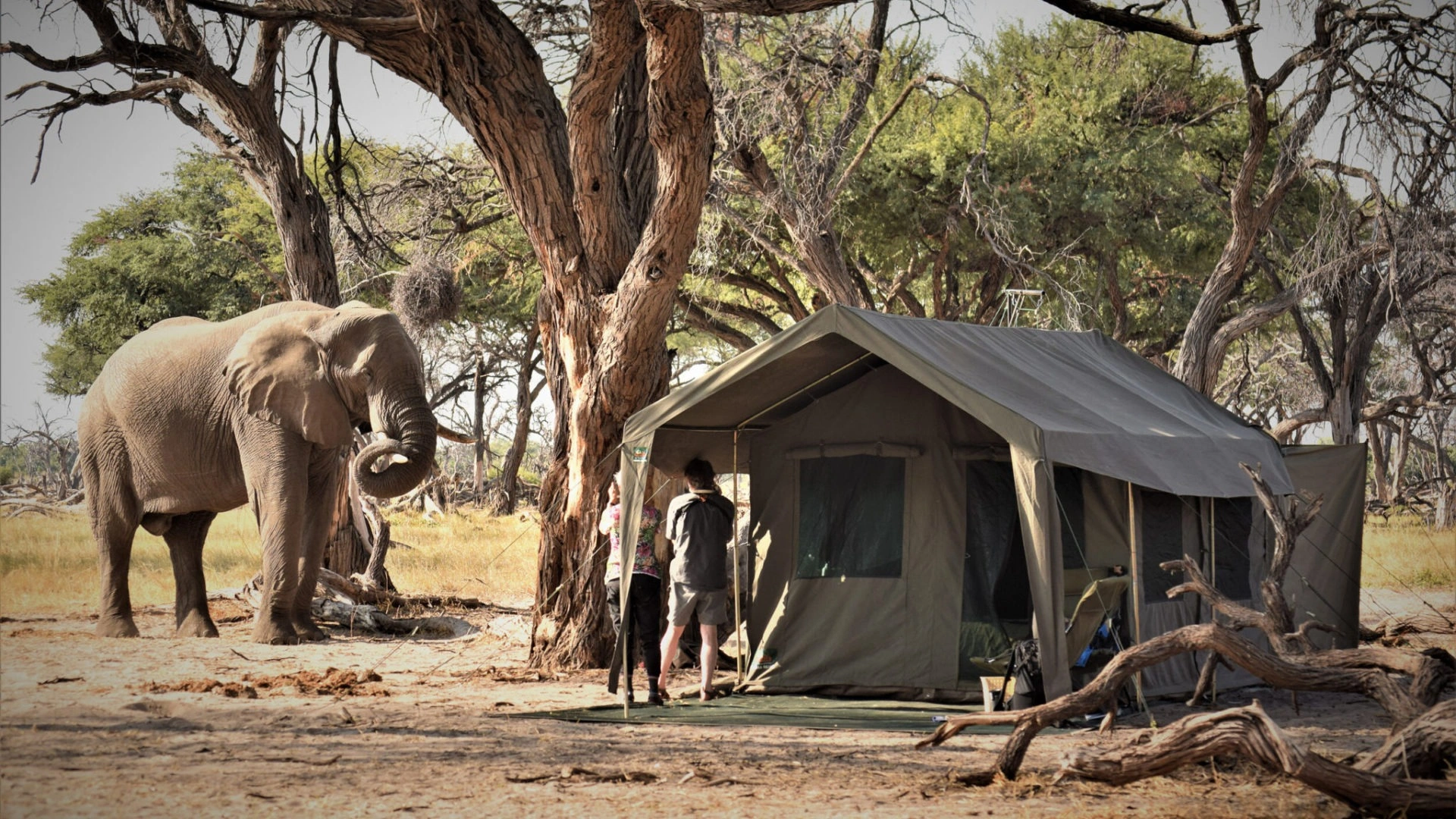
Budget tented camps and basic lodges in Tanzania charge $40–$80 per person per night. These are not luxury properties, but they are clean, safe, and often in spectacular locations. Many include breakfast and dinner in the rate. Camping in national park campsites is even cheaper at $20–$40 per person per night, but you will need your own equipment or to rent it locally.
Park Fees: $400–$600
This is the unavoidable big-ticket item. Tanzania's national park fees for non-residents run $50–$70 per person per day, plus vehicle fees. For a 7-day itinerary covering the Serengeti, Ngorongoro, and Tarangire, budget $400–$600 per person in park fees alone. There is no way around this — it is the cost of accessing these extraordinary ecosystems, and the money funds conservation.
Game Drives and Transport: $300–$500
Joining a group tour with a shared 4x4 vehicle is the most cost-effective way to cover ground in Tanzania. Group tours typically include all game drives and inter-park transfers in the price. If you are booking independently, hiring a private 4x4 with driver-guide costs $150–$250 per day — much more affordable when split among four to six passengers.
Food and Drinks: $100–$200
Most budget safari packages include breakfast and dinner. Lunches are typically packed boxes eaten in the field during game drives. Budget $10–$20 per day for additional snacks, drinks, and the occasional cold Tusker beer at a camp bar. Eating at local restaurants in Arusha or Nairobi before and after your safari is very affordable — a full meal costs $5–$10.
Tips and Miscellaneous: $100–$150
Tipping your guide and camp staff is an important part of safari culture and a significant portion of their income. Budget $10–$15 per day for your guide and $5–$10 per day for camp staff. Also budget for any souvenirs, laundry, or unexpected expenses.
Total in-country budget: $1,250–$1,950 per person — comfortably under the $2,000 target, leaving a small buffer for surprises.
Timing Your Budget Safari: Shoulder Season Is Your Friend
Peak season in East Africa (July–October for the wildebeest migration, December–March for calving season) brings the most spectacular wildlife viewing — and the highest prices. Accommodation rates can be 30–50% higher during peak season, and popular camps book out months in advance.
The shoulder seasons (April–June and November) offer dramatically lower prices with only a modest reduction in wildlife quality. April and May bring the long rains to East Africa, which can make some roads impassable, but also transform the landscape into a lush green paradise. The birding is exceptional, newborn animals are everywhere, and you will have many game drives almost to yourself.
Our best time to visit Tanzania guide breaks down the pros and cons of each season in detail. For budget travellers, we generally recommend May–June or November as the sweet spot between price and experience quality.
Top Budget-Friendly Safari Experiences in East Africa
Tarangire National Park, Tanzania
Often overlooked in favour of the Serengeti, Tarangire offers extraordinary elephant concentrations (sometimes hundreds in a single sighting), ancient baobab trees, and excellent year-round wildlife viewing — all at lower park fees than the Serengeti. Budget camps here charge $40–$60 per person per night. Our Tarangire and Lake Manyara Safari is one of our best-value East Africa offerings.
Lake Manyara National Park, Tanzania
Famous for its tree-climbing lions and vast flamingo flocks, Lake Manyara is compact enough to explore in a single day — making it ideal for budget itineraries. Park fees are lower than the Serengeti, and the wildlife density is remarkable. Combine it with Tarangire for a superb two-park budget safari.
Amboseli National Park, Kenya
Amboseli offers one of Africa's most iconic images: massive elephant bulls silhouetted against the snow-capped peak of Kilimanjaro. Park fees are lower than the Masai Mara, and budget camps outside the park boundary offer good value. Our Amboseli Kilimanjaro Safari is a perennial favourite for budget-conscious travellers.
Money-Saving Tips from Our Safari Experts
Book Group Tours
Joining a scheduled group departure is almost always cheaper than booking a private safari. You share vehicle costs, guide fees, and sometimes accommodation with other travellers. The social aspect can also be a highlight — some of our guests have made lifelong friends on group safaris. Browse our current safari deals for upcoming group departures with availability.
Fly Into Nairobi, Not Kilimanjaro
Nairobi's Jomo Kenyatta International Airport has more international connections and generally cheaper flights than Kilimanjaro International Airport. If you are doing a Tanzania safari, consider flying into Nairobi and taking an overland transfer or budget flight to Arusha. The Nairobi–Arusha road journey takes about 5–6 hours and costs $20–$40 by shuttle bus.
Skip the Internal Flights
Internal flights between parks are convenient but expensive — $150–$300 per leg. Budget travellers should embrace overland travel. Yes, the roads can be bumpy, but the journey is part of the adventure. You will see rural villages, local markets, and landscapes that you would miss entirely from 10,000 feet.
Eat Where the Locals Eat
In Arusha and Nairobi, local restaurants (known as hoteli in Swahili) serve generous portions of ugali, nyama choma (grilled meat), and sukuma wiki (braised greens) for $2–$5. These are not tourist traps — they are where local guides, drivers, and market traders eat. The food is fresh, filling, and delicious. Embrace the local food culture and save your budget for an extra game drive.
Negotiate Respectfully
In East African markets and craft stalls, bargaining is expected and culturally appropriate. Start at about 40–50% of the asking price and negotiate from there. Always be respectful and good-humoured — the goal is a fair price for both parties, not to squeeze every last cent out of a local artisan. The ubuntu spirit of mutual respect goes a long way.
What to Realistically Expect on a Budget Safari
We want to be transparent with you: a budget safari is a different experience from a luxury one. You will likely share game drives with other travellers rather than having a private vehicle. Your accommodation will be comfortable but not lavish. You may spend more time on bumpy roads and less time in the air.
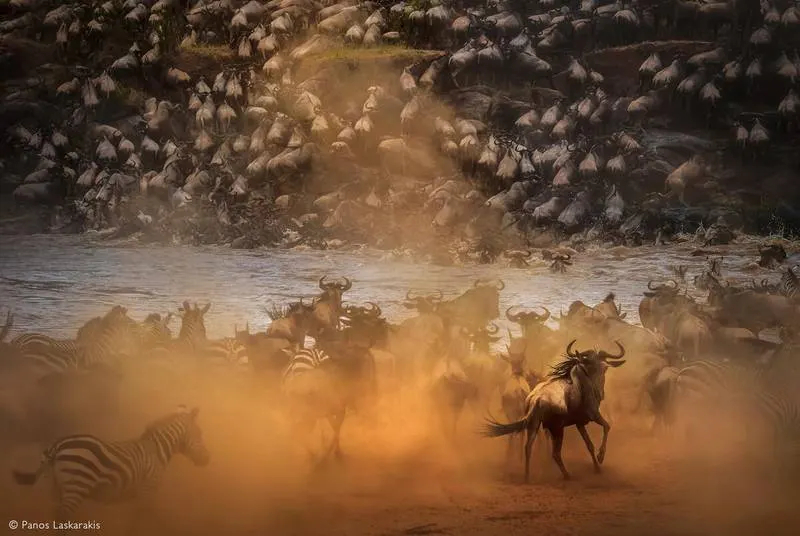
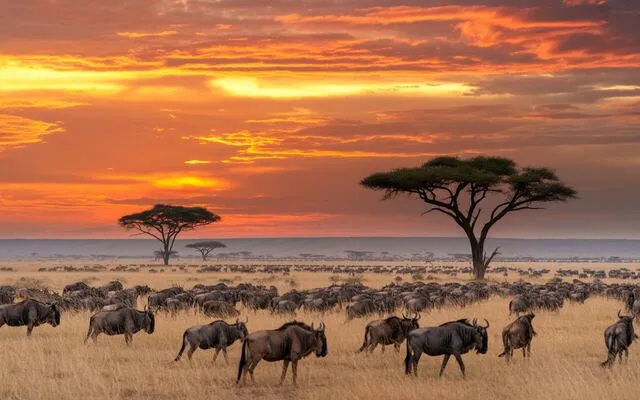
But here is what does not change: the wildlife. The Serengeti does not reserve its best sightings for guests paying $1,000 per night. A cheetah sprinting across the plains, a hippo yawning in a river pool, or a million wildebeest thundering across the Mara River — these experiences are available to every visitor, regardless of budget. The African bush is magnificently democratic in that way.
Use our safari cost calculator to model different budget scenarios, or visit our plan my safari page to start building your East Africa itinerary. Our team will work with your budget to create the best possible experience.
Combining East Africa with South Africa on a Budget
Many budget travellers combine an East Africa safari with time in South Africa, taking advantage of competitive airfares between Nairobi and day trips">Cape Town or Johannesburg. South Africa offers some of Africa's best-value safari experiences — the Aquila Big Five Day Safari from Cape Town costs around $150–$200 per person and delivers genuine Big Five sightings within two hours of the city.
For a longer South African safari experience, the 3-Day Kruger Safari offers exceptional value, with accommodation, game drives, and park fees bundled into a single competitive price. Combine this with a few days exploring Cape Town's world-class food scene, wine farms, and natural wonders for a truly comprehensive African adventure.
Check our Kruger National Park destination guide for detailed planning information, or explore our full range of tours to find the perfect South Africa add-on to your East Africa safari.
Start Planning Your Budget East Africa Safari Today
A $2,000 budget is not a limitation — it is a starting point. With the right planning, local knowledge, and a spirit of adventure, it is more than enough to experience the raw, untamed magic of East Africa. The wildebeest do not care about your budget. The elephants are indifferent to your accommodation rating. Africa will move you regardless.
Our team at Ingwe Africa Safaris has helped hundreds of budget-conscious travellers experience East Africa without compromising on the moments that matter. We know which camps offer the best value, which parks deliver the most wildlife per dollar, and which seasons give you the best experience for the lowest price.
Enquire now and let us build your budget East Africa safari. Tell us your dates, your budget, and your dream wildlife encounters — and we will make it happen. Africa is more accessible than you think, and we are here to prove it.
Tours & Safaris You'll Love
Handpicked by our team based on what you're reading. Book direct for the best price — guaranteed.
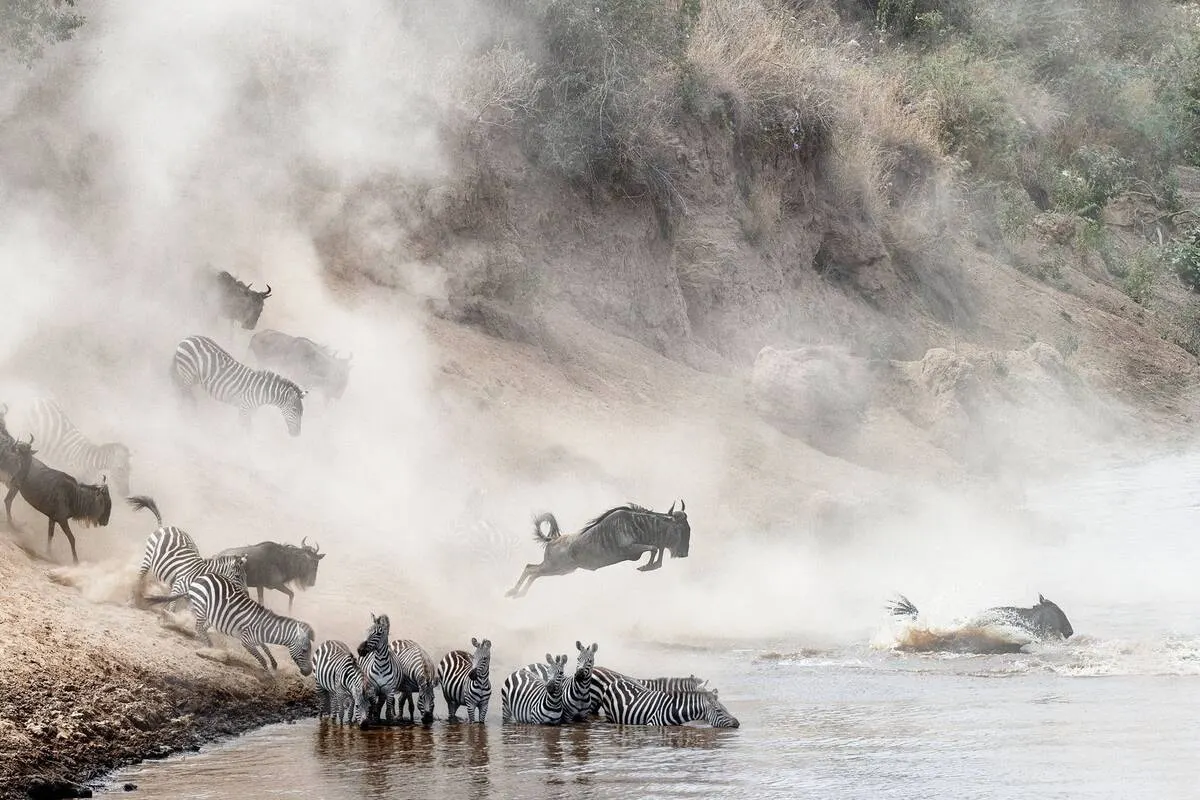
Serengeti Great Migration River Crossing — Mara River Safari
Witness the world's greatest wildlife spectacle — wildebeest crossing the Mara
per person • Best price direct
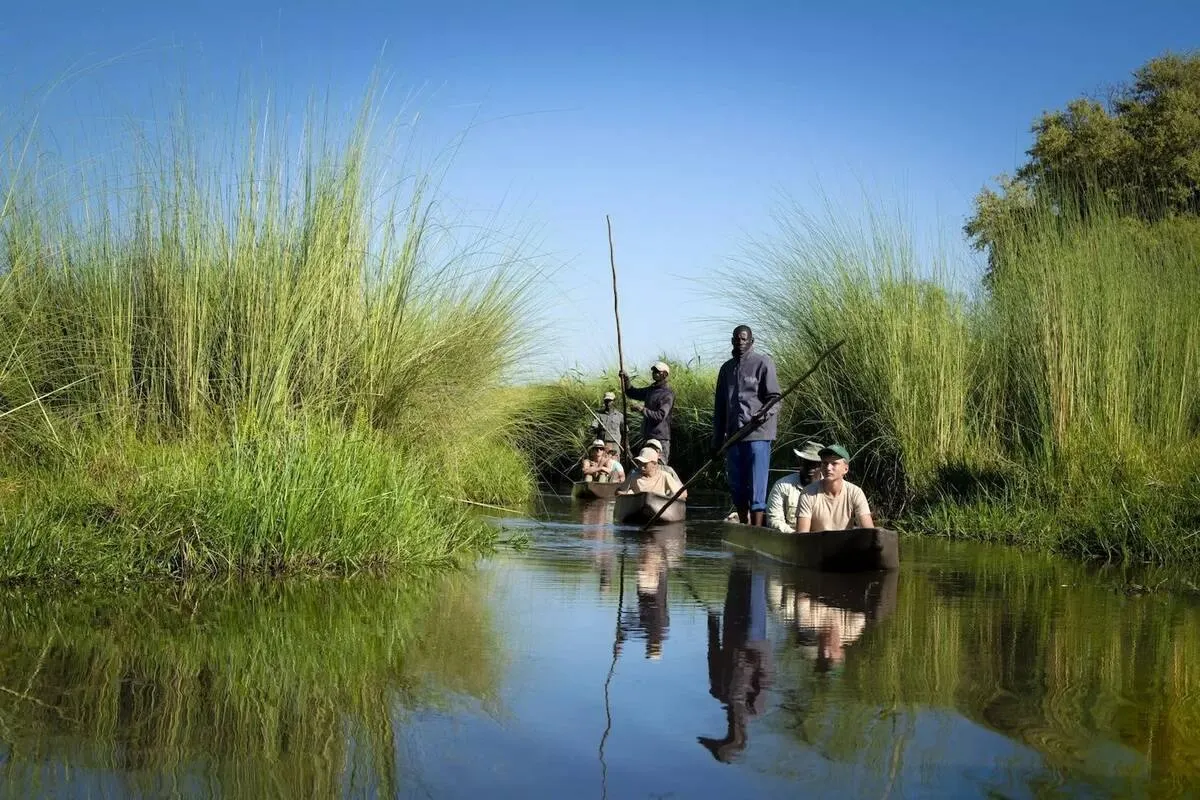
Okavango Luxury Fly-In Wilderness Camp — 5-Star Under Canvas
The world's most exclusive tented camp — deep in the delta
per person • Best price direct
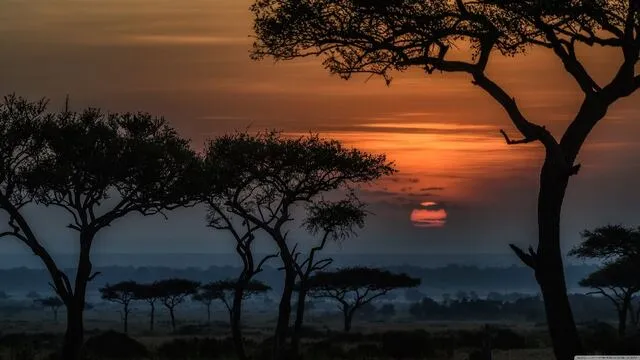
Masai Mara Great Migration Safari — River Crossing Season
Witness nature's greatest spectacle — millions of wildebeest crossing the Mara River
per person • Best price direct
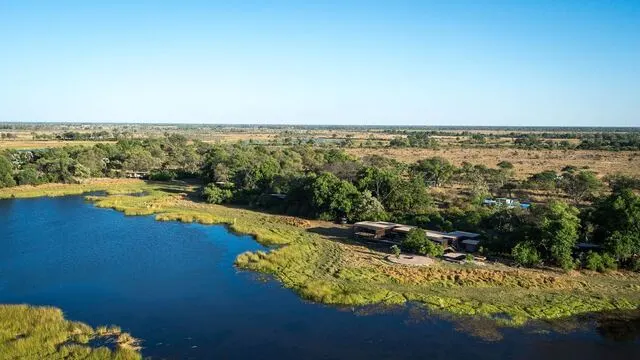
Okavango Delta Fly-In Safari — Luxury Bush Camp
The world's most exclusive safari destination from above and within
per person • Best price direct
Why book with middlemen? Same tours, lower prices, direct support from our team.
Get a Free Custom Quote