Smartphone Safari Photography: Capture the Big Five Like a Pro
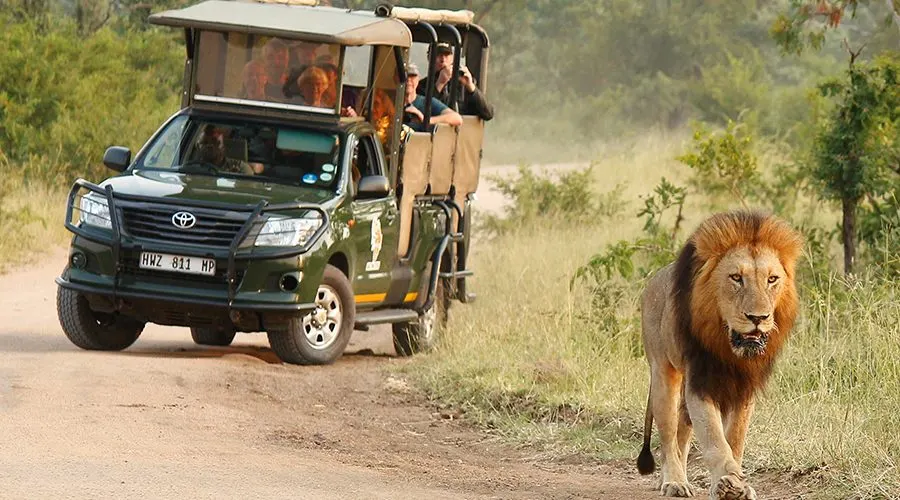
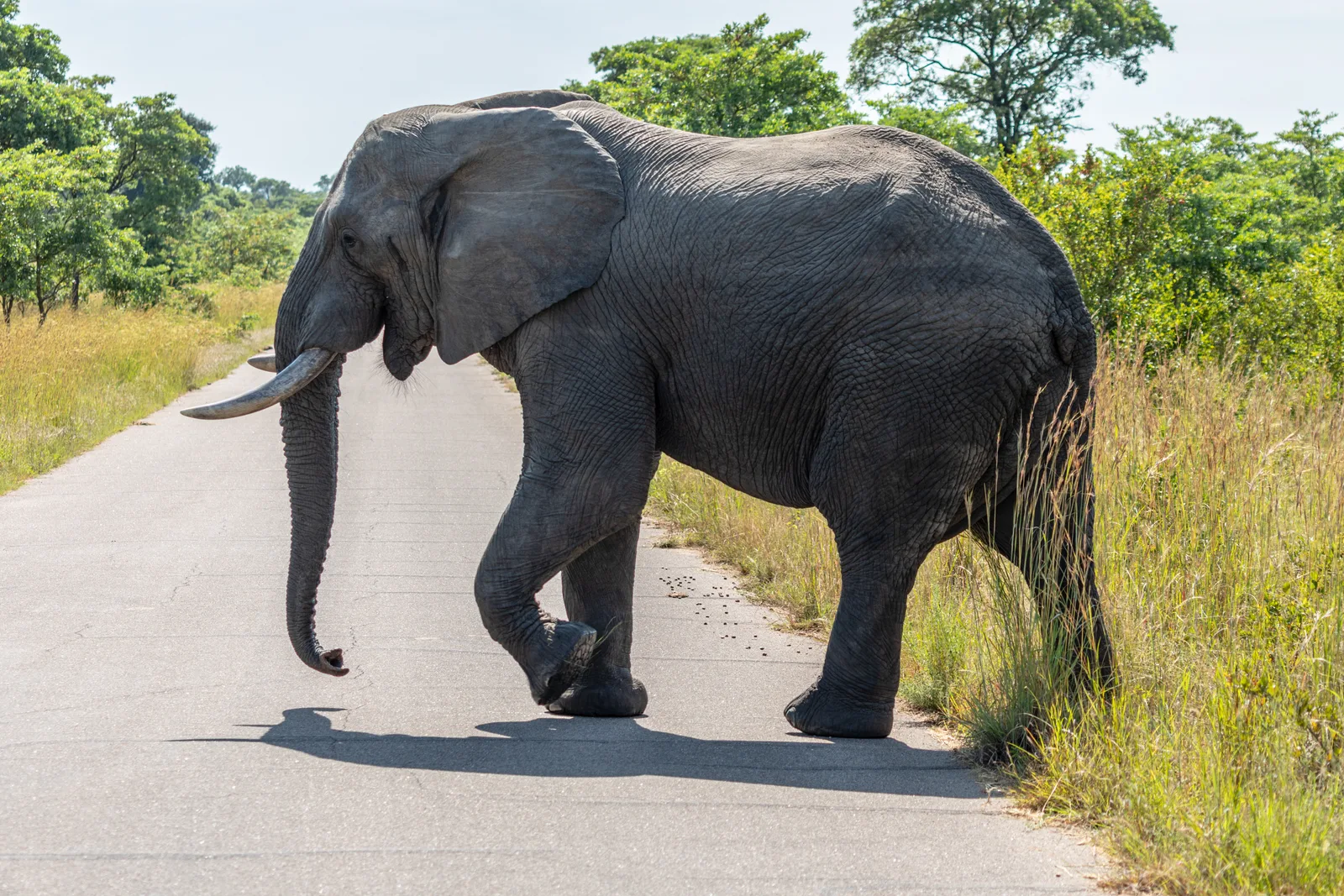
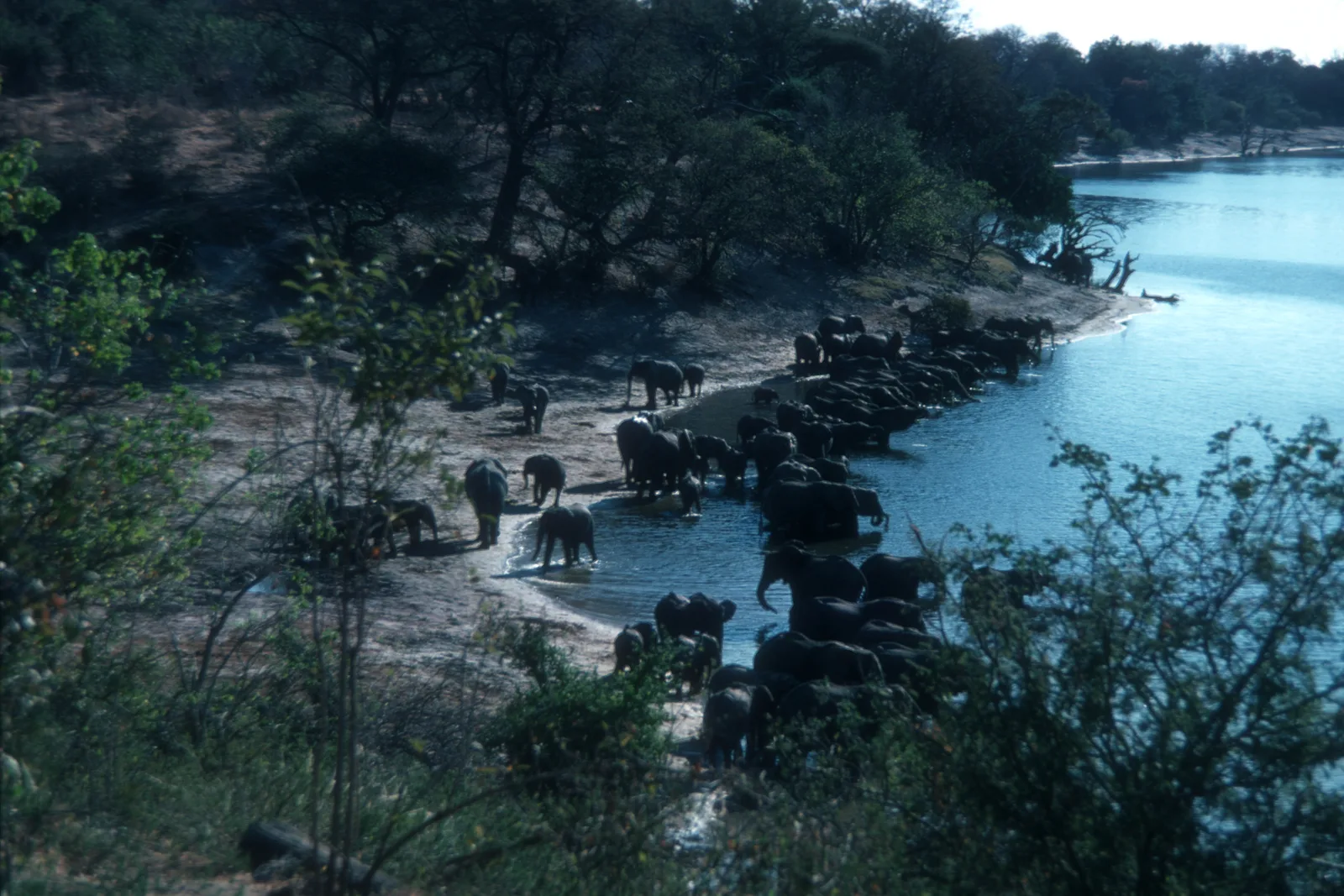
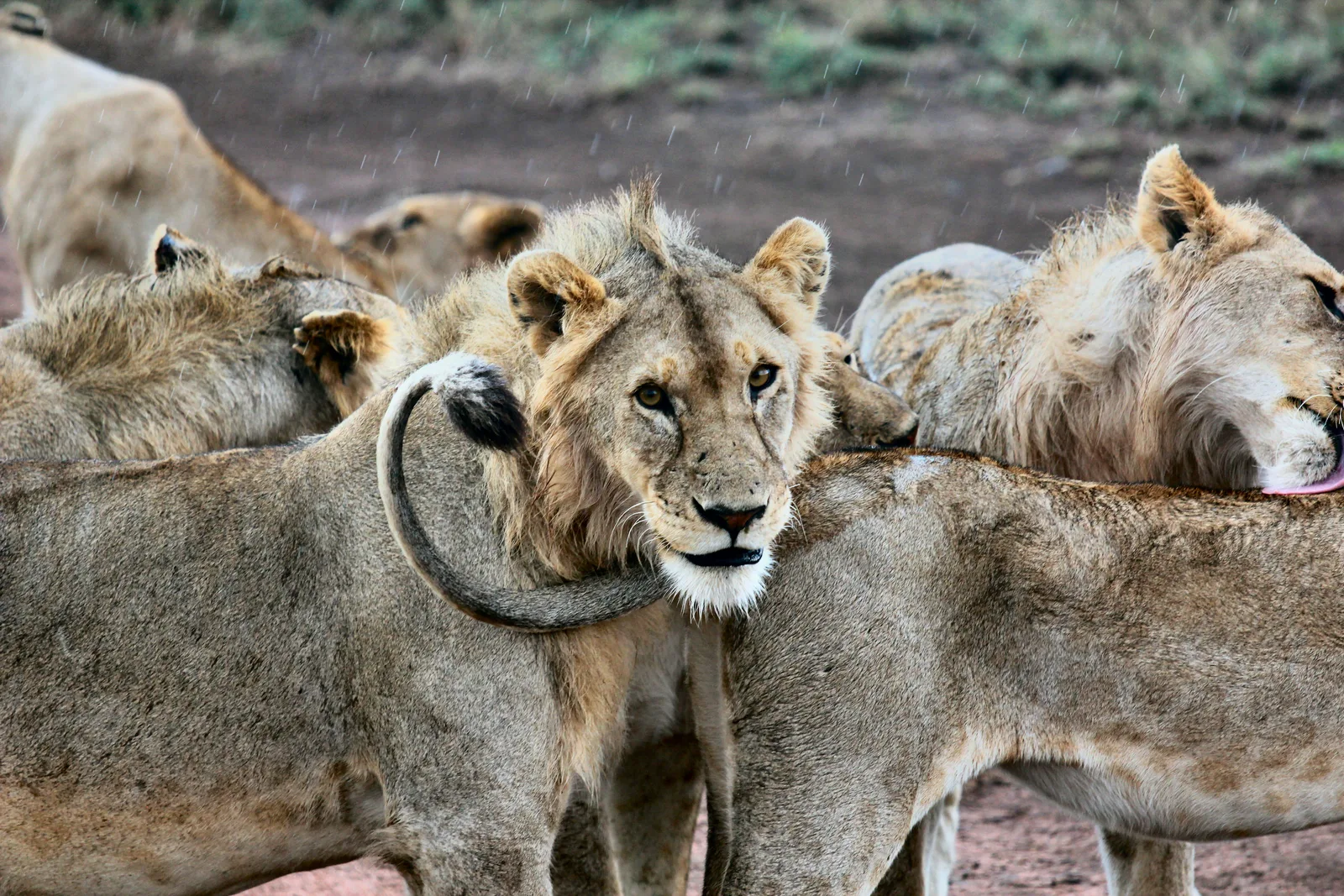
There's a moment on every safari that stops your breath — a lion padding silently through golden grass, an elephant raising its trunk against a blazing African sunset, a leopard draped lazily over an acacia branch. For years, capturing these moments meant lugging around a heavy DSLR with a 500mm telephoto lens. But times have changed, and today's smartphones are genuinely capable of producing jaw-dropping wildlife images.
As experienced safari operators based right here in Cape Town, we've watched the smartphone camera revolution unfold in real time. We've seen guests return from Aquila Big Five Day Safari with images that rival professional wildlife photographers. So whether you're travelling on a budget or simply prefer to travel light, this guide will help you make the most of your phone's camera on safari.
Why Smartphones Are Now Serious Safari Tools
Modern flagship smartphones — think iPhone 15 Pro, Samsung Galaxy S24 Ultra, or Google Pixel 8 Pro — feature computational photography that was unimaginable just five years ago. Multi-lens systems, AI-powered scene recognition, and optical zoom capabilities of up to 10x mean you can capture detail at distance without a dedicated telephoto lens.
The real advantage? You always have your phone with you. Wildlife doesn't wait for you to unpack your camera bag. When a cheetah sprints across the plains or a hippo surfaces unexpectedly from a river, your phone is already in your hand. That split-second advantage is worth more than any lens upgrade.
That said, smartphone photography on safari does require some technique. Let's break it down.
For years, capturing these moments meant lugging around a heavy DSLR with a 500mm telephoto lens.
Essential Settings to Master Before You Go
Switch to Pro or Manual Mode
Most smartphones have a Pro or Manual mode that gives you control over shutter speed, ISO, and white balance. On safari, you'll want a fast shutter speed — at least 1/500s — to freeze animal movement. In bright African light, this is usually achievable without pushing your ISO too high.
Practice these settings at home before your trip. The last thing you want is to be fumbling through menus while a pride of lions walks past your game vehicle.
Use Burst Mode for Action Shots
When animals are moving — running, playing, or interacting — switch to burst mode immediately. On most phones, you hold down the shutter button to fire a rapid sequence of shots. You'll capture at least one perfectly timed frame from the burst. This is especially useful for wildlife photography moments like a bird taking flight or a predator mid-chase.
Lock Focus and Exposure Separately
On iPhones, tap and hold on your subject to lock focus (AE/AF Lock). Then slide the sun icon up or down to adjust exposure independently. This prevents your phone from re-focusing when the animal moves slightly, and stops the exposure from blowing out against a bright sky.
Shoot in RAW Format
If your phone supports RAW capture (most flagships do), use it. RAW files contain far more data than JPEGs, giving you much greater flexibility when editing. You can recover blown highlights, lift shadows, and fine-tune colours in apps like Lightroom Mobile — all for free.
Composition Tips That Transform Safari Shots
Get Low When You Can
Professional wildlife photographers always try to shoot at eye level with their subjects. In a game vehicle, this means leaning out slightly and angling your phone downward toward the animal rather than shooting from above. Even a small change in angle creates a dramatically more intimate and powerful image.
Use the Rule of Thirds
Enable the grid overlay in your camera settings and place your subject at one of the four intersection points rather than dead centre. Leave space in the direction the animal is facing — this creates a sense of movement and story in your image. A lion gazing into open space feels far more compelling than one staring at the edge of the frame.
Include Environmental Context
One of the biggest mistakes safari photographers make is zooming in too tight on every shot. Yes, a close-up of an elephant's eye is stunning, but so is a wide shot showing that elephant against the vast Kruger bushveld. Vary your focal lengths. Some of the most lekker safari images are wide-angle shots that capture the sheer scale and wildness of the African landscape.
Chase the Golden Hours
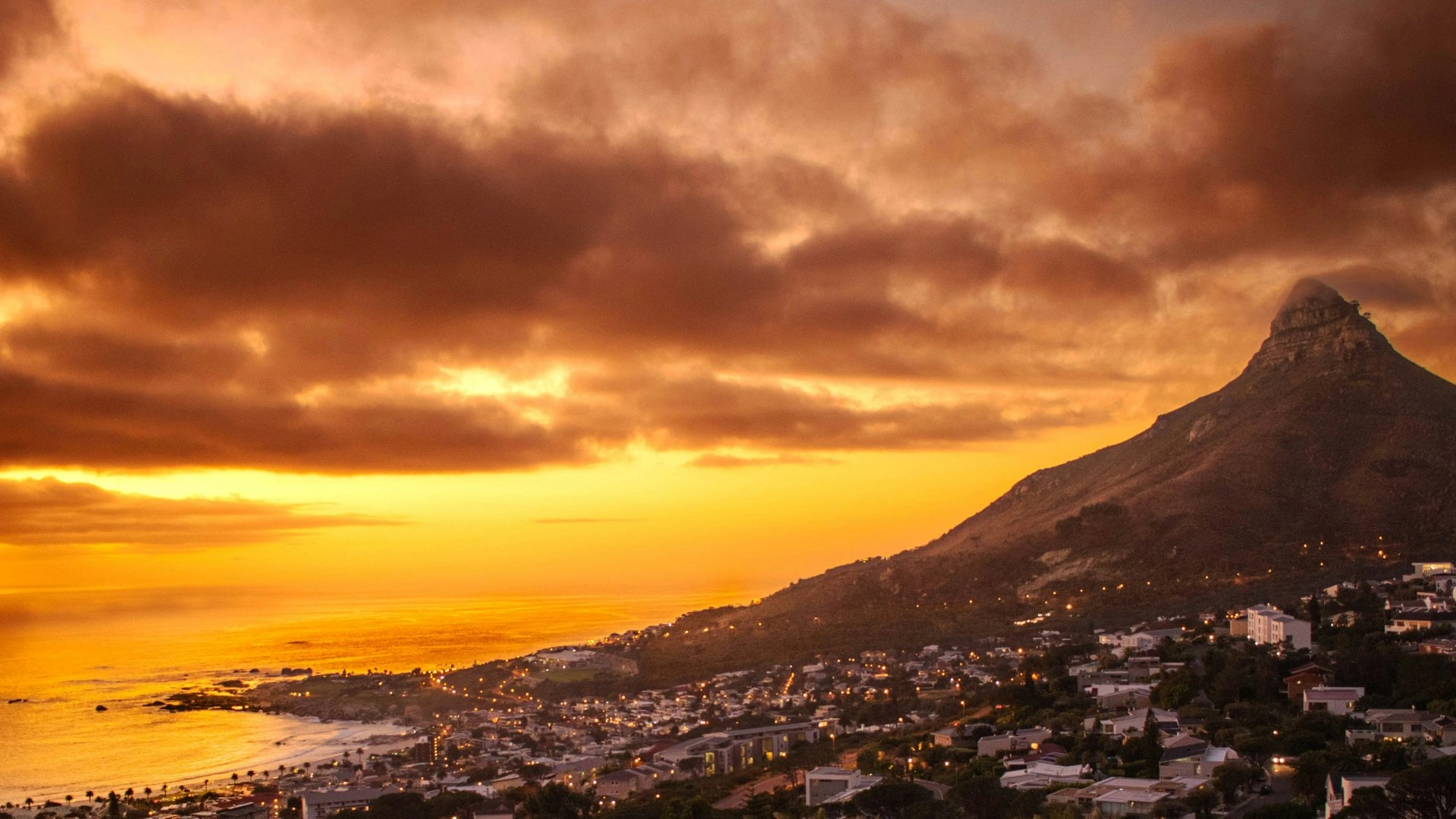
The hour after sunrise and the hour before sunset produce the most magical light in Africa — warm, golden, and directional. It's no coincidence that most game drives are scheduled for these times. Your phone's camera will perform at its absolute best in this soft light, producing rich colours and beautiful shadows. Plan your sunset game drive with this in mind.
Dealing With Challenging Light Conditions
Harsh Midday Sun
Between 10am and 3pm, the African sun is brutal and creates harsh shadows and blown-out highlights. If you're shooting during these hours, look for animals in shade — under trees or near rocky outcrops. Shade creates even, flattering light that your phone handles beautifully. Alternatively, use your phone's HDR mode to balance the exposure between bright sky and shadowed subjects.
Low Light and Dawn Conditions
Early morning game drives often start before full sunrise, and the light can be challenging. Modern smartphones handle low light remarkably well with Night Mode, but this requires the camera to stay still for a fraction of a second. Brace your elbows against the vehicle's frame or use a small flexible tripod (a Joby GorillaPod fits in any daypack) to eliminate camera shake.
Backlit Subjects
When an animal is silhouetted against a bright sky or setting sun, embrace it. Silhouette shots are some of the most dramatic wildlife images you can create. Expose for the sky (tap on the bright area), let the animal go dark, and you'll have a stunning, artistic image that looks completely intentional.
Gear That Makes a Real Difference
You don't need much, but a few affordable accessories can significantly improve your smartphone safari photography:
Clip-On Telephoto Lens
A quality clip-on telephoto lens (brands like Moment or Apexel) can extend your zoom range by 2-3x beyond your phone's optical zoom. Prices range from $30 to $150 USD. For a birding or photography-focused safari, this is a worthwhile investment.
Portable Power Bank
Nothing is more frustrating than a dead phone battery when a leopard walks past. Bring a high-capacity power bank (20,000mAh or more) and keep it charged. On multi-day safaris, solar charging panels are also worth considering. Budget around $30-60 USD for a reliable power bank.
Microfibre Cleaning Cloth
Dust is everywhere on safari. A single fingerprint or dust smear on your lens can ruin an otherwise perfect shot. Keep a microfibre cloth in your pocket and wipe your lens before every game drive. This costs almost nothing and makes a huge difference.
Flexible Mini Tripod
A Joby GorillaPod or similar flexible tripod (around $20-40 USD) can be wrapped around a vehicle's roll bar or propped on a window ledge for stable shots in low light. It's small enough to fit in a jacket pocket and genuinely useful.
Editing Your Safari Photos
Great photography is 50% capture and 50% editing. The good news is that free mobile apps can transform a decent shot into a stunning one:
Lightroom Mobile (Free)
Adobe Lightroom Mobile is the gold standard for photo editing on a phone. Use it to adjust exposure, contrast, highlights, shadows, and colour temperature. The Dehaze slider is particularly useful for cutting through the dusty haze that often hangs over the African bush. If you shot in RAW, Lightroom will unlock the full potential of your files.
Snapseed (Free)
Google's Snapseed is another excellent free option with a more intuitive interface. The Selective tool lets you brighten or darken specific areas of an image — perfect for lifting a shadowed animal without blowing out the sky behind it.
Keep It Natural
The temptation to over-edit safari photos is real, but resist it. Heavy filters and oversaturated colours look artificial and detract from the raw beauty of the African wilderness. Aim for edits that enhance what was already there rather than creating something artificial. Your friends and family will appreciate authentic images far more than heavily processed ones.
Etiquette and Ethics in Wildlife Photography
As safari operators, we feel strongly about responsible wildlife photography. A few important principles:
Never use flash. Flash photography disturbs and stresses animals, particularly nocturnal species. Most game reserves prohibit it entirely. Modern smartphones perform well enough in low light without flash.
Don't make noise to get an animal's attention. Clapping, whistling, or calling out to animals is disrespectful and potentially dangerous. The best wildlife images capture natural behaviour — and natural behaviour only happens when animals are undisturbed.
Follow your guide's instructions. Your guide knows when it's safe to lean out of the vehicle, when to stay still, and when to move on. Their instructions always take priority over getting the perfect shot.
Respect the 'no off-road driving' rules. Some photographers pressure guides to drive off-road to get closer to animals. This damages fragile ecosystems and stresses wildlife. Stay on designated tracks.
Best Safaris for Smartphone Photographers
Not all safaris are equally suited to smartphone photography. Here are our top recommendations for guests who want to focus on capturing great images:
For a day trip from Cape Town, the Aquila Big Five Day Safari offers excellent Big Five sightings in a malaria-free reserve just two hours from the city. The open game vehicles provide unobstructed views and the guides are experienced at positioning for great photo opportunities.
For a more immersive experience, our Kruger Wildlife Photography Masterclass is specifically designed for photographers of all levels, including smartphone users. Expert guides focus on finding the best light and positioning for stunning images.
The Sabi Sands Leopard Tracking Safari offers some of Africa's most habituated leopards — animals so accustomed to vehicles that they'll walk right past you, giving extraordinary close-up opportunities that even a smartphone can capture brilliantly.
For the ultimate photography destination, consider the Serengeti Great Migration River Crossing. The sheer scale of wildebeest crossing the Mara River is one of nature's greatest spectacles, and the dramatic action is perfectly suited to burst-mode smartphone photography.
Practical Tips for the Game Vehicle
A few final tips for shooting from a game vehicle:
- Brace your elbows against your body or the vehicle to reduce camera shake
- Ask your guide to switch off the engine when stationary — engine vibration causes blur
- Sit on the windward side of the vehicle to avoid dust settling on your lens
- Keep your phone in a dust-proof case or zip-lock bag when not shooting
- Download your images to a backup device or cloud storage each evening
Ready to Capture Your Safari Story?
The African bush is one of the most photogenic places on earth, and you don't need thousands of dollars of camera equipment to bring home images that will take your breath away every time you look at them. With the right technique, a few affordable accessories, and a good guide who knows where the animals are, your smartphone is all you need.
We've helped hundreds of guests capture their perfect safari moments, and we'd love to help you do the same. Whether you're dreaming of a quick day trip from Cape Town or an extended photographic journey through East Africa, our team is ready to plan the perfect itinerary for you.
Ready to start planning your safari photography adventure? Contact our Cape Town team today for a personalised itinerary, or explore our full range of safari and wildlife tours. We'll make sure you come home with images as lekker as the experience itself.
Tours & Safaris You'll Love
Handpicked by our team based on what you're reading. Book direct for the best price — guaranteed.
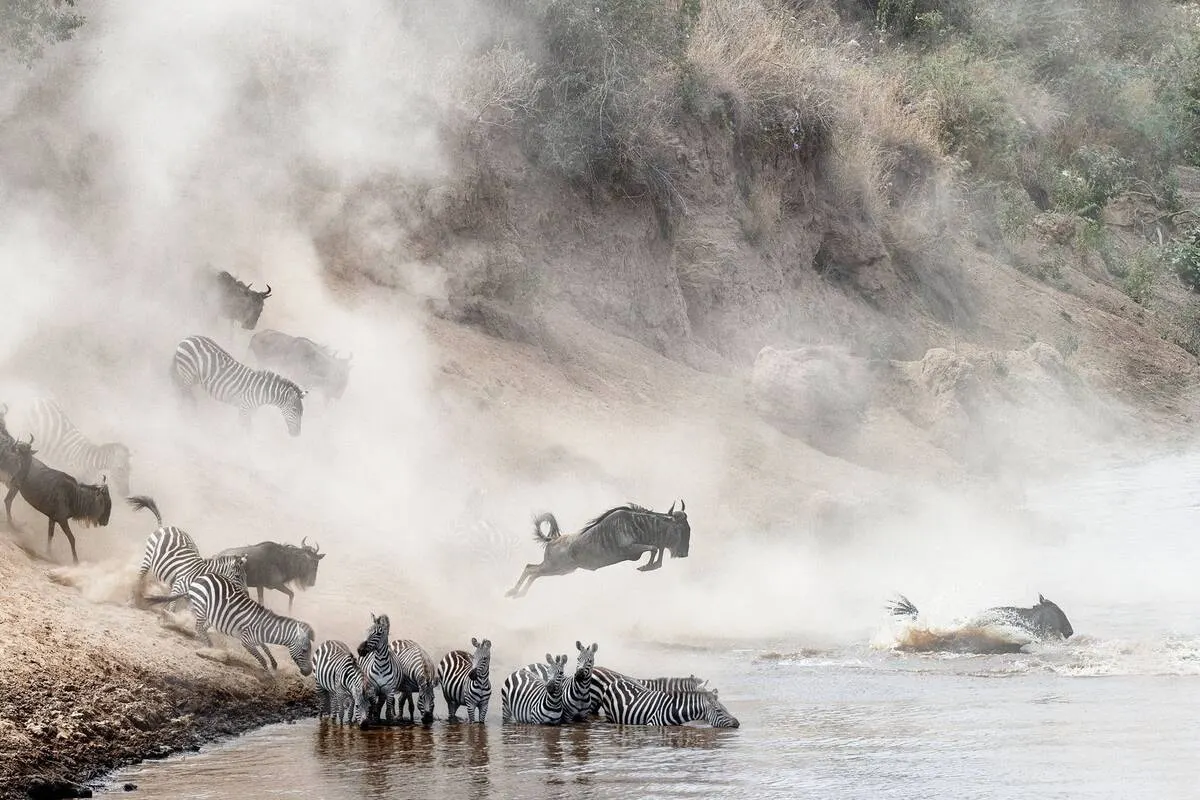
Serengeti Great Migration River Crossing — Mara River Safari
Witness the world's greatest wildlife spectacle — wildebeest crossing the Mara
per person • Best price direct
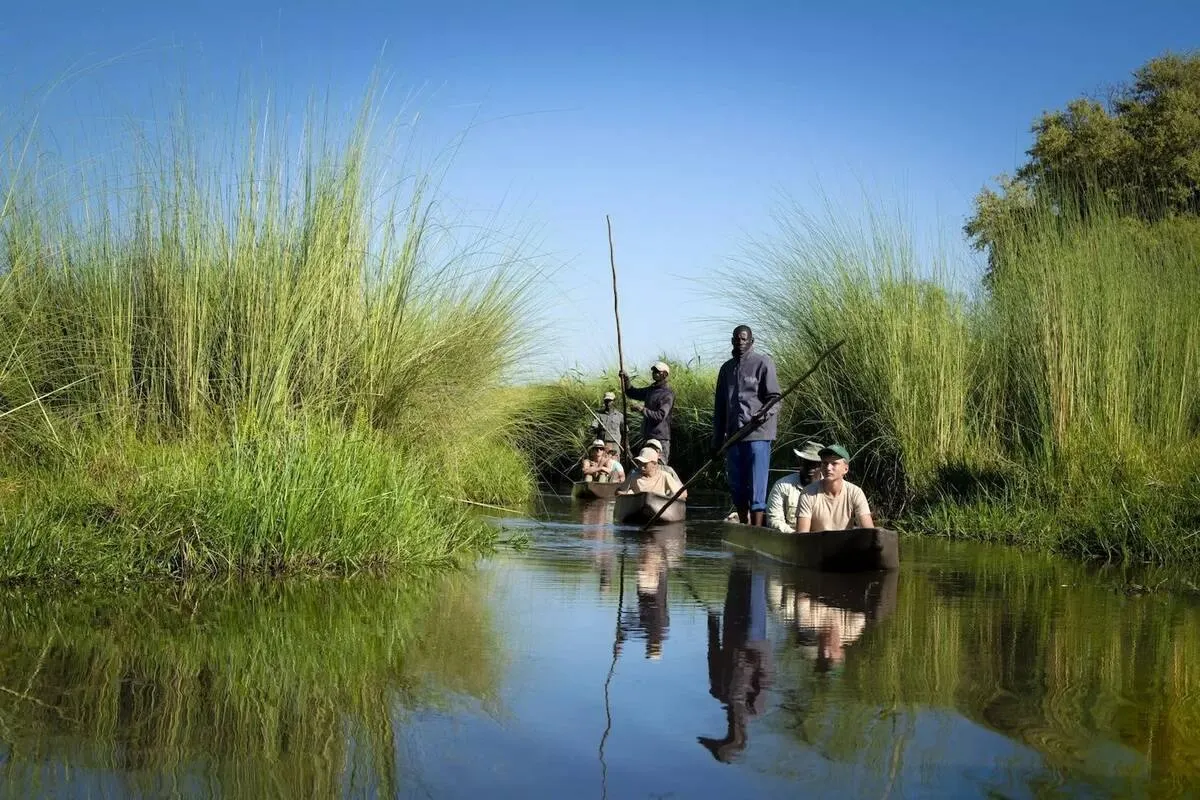
Okavango Luxury Fly-In Wilderness Camp — 5-Star Under Canvas
The world's most exclusive tented camp — deep in the delta
per person • Best price direct
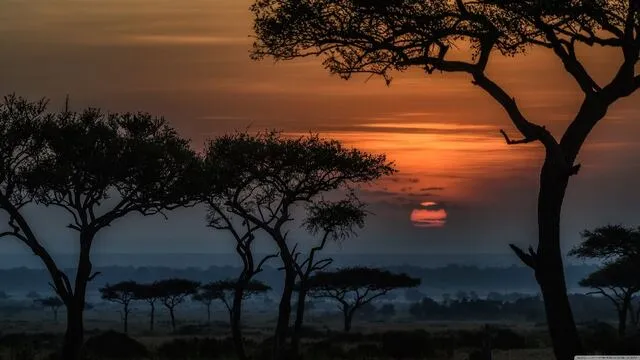
Masai Mara Great Migration Safari — River Crossing Season
Witness nature's greatest spectacle — millions of wildebeest crossing the Mara River
per person • Best price direct
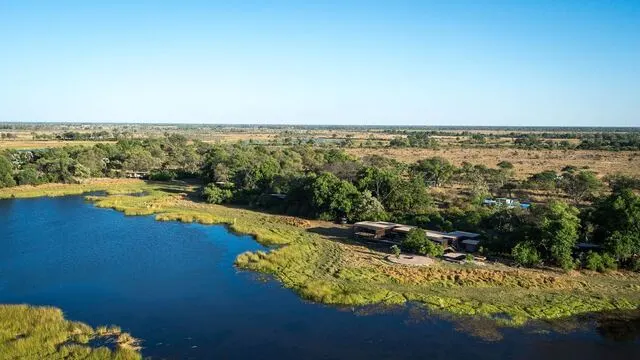
Okavango Delta Fly-In Safari — Luxury Bush Camp
The world's most exclusive safari destination from above and within
per person • Best price direct
Why book with middlemen? Same tours, lower prices, direct support from our team.
Get a Free Custom Quote