The Greatest Wildlife Spectacle on Earth
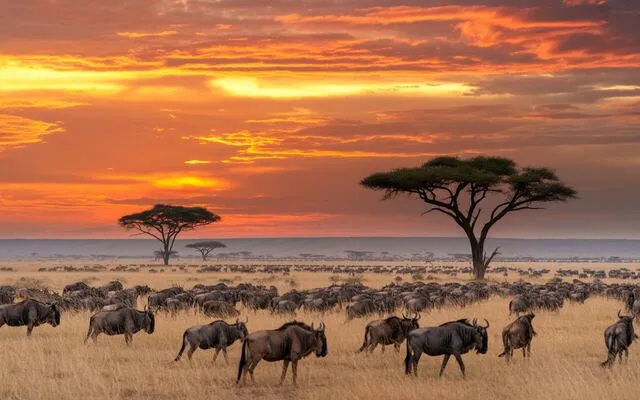
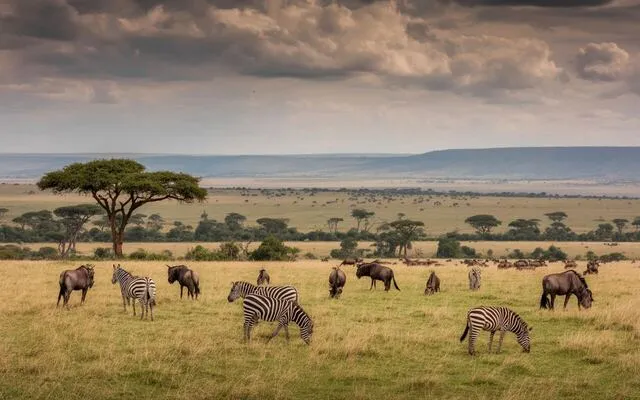
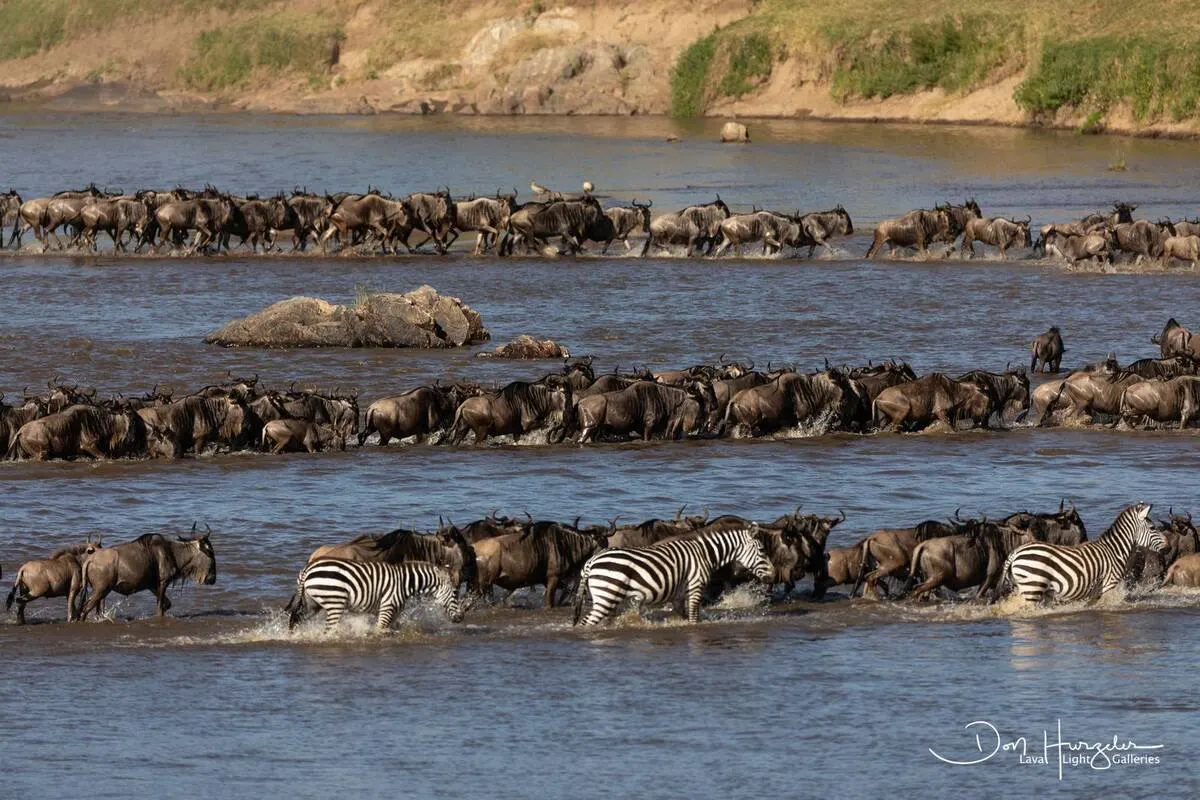
The Great Migration is the largest overland migration of animals on the planet. Over 1.5 million wildebeest, accompanied by 400,000 zebra and 200,000 gazelle, make a continuous clockwise circuit through the Serengeti ecosystem and Masai Mara — a journey of approximately 1,800 kilometres driven by the search for fresh grazing and water.
It is, without question, the most spectacular wildlife event you can witness. And with the right planning, you can be in exactly the right place at the right time.
- Animals involved: ~1.5 million wildebeest, 400,000 zebra, 200,000 gazelle
- Annual distance: ~1,800 km clockwise circuit
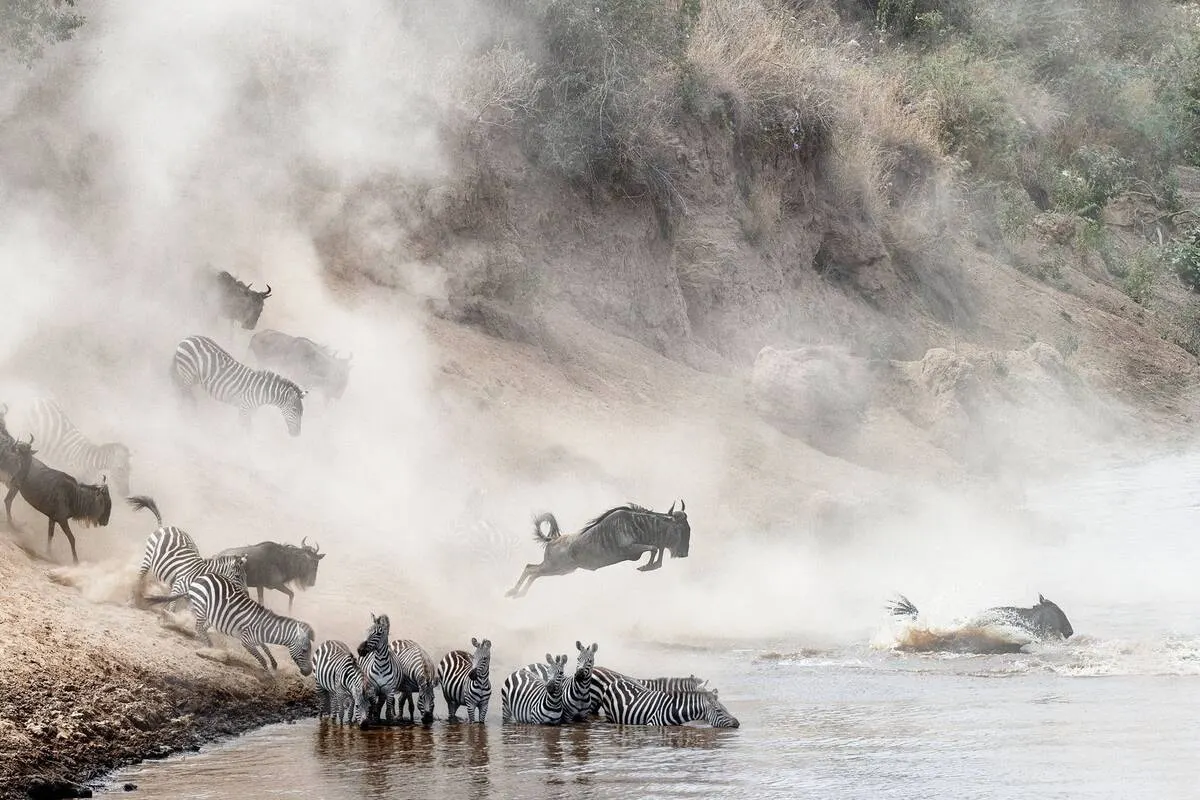
- River crossings: July–October (Mara River)
- Calving season: January–March (southern Serengeti)
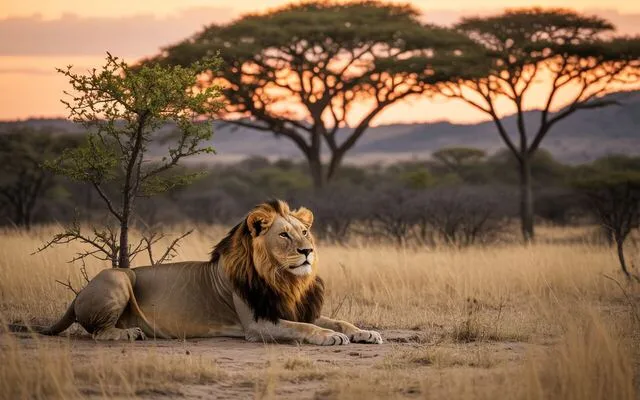
- Predator density: 3,000+ lions, 1,000+ hyenas, 250+ cheetahs, 500+ leopards
Month-by-Month Migration Map
January–March: Calving Season (Southern Serengeti) ⭐
The herds gather on the short-grass plains of the southern Serengeti and Ndutu area. Over 500,000 calves are born in a 6-week window — roughly 8,000 per day. This abundance attracts every predator in the ecosystem: lions, cheetahs, leopards, hyenas, and wild dogs feast in a dramatic display of nature's cycle. The Ndutu area offers exclusive camps with front-row seats to this spectacle.
April–May: Journey North (Central Serengeti)
As the rains arrive in the south, the herds begin moving northwest through the Seronera Valley — the heart of the Serengeti. This is a quieter period with fewer tourists, but predator activity remains high and the landscape is at its most lush.
June–July: Western Corridor & Grumeti River
The migration reaches the Grumeti River in the western Serengeti. The first major river crossings occur here, with massive Nile crocodiles lying in wait. The Grumeti Reserves offer exclusive concessions with Singita lodges.
August–October: Mara River Crossings ⭐⭐⭐
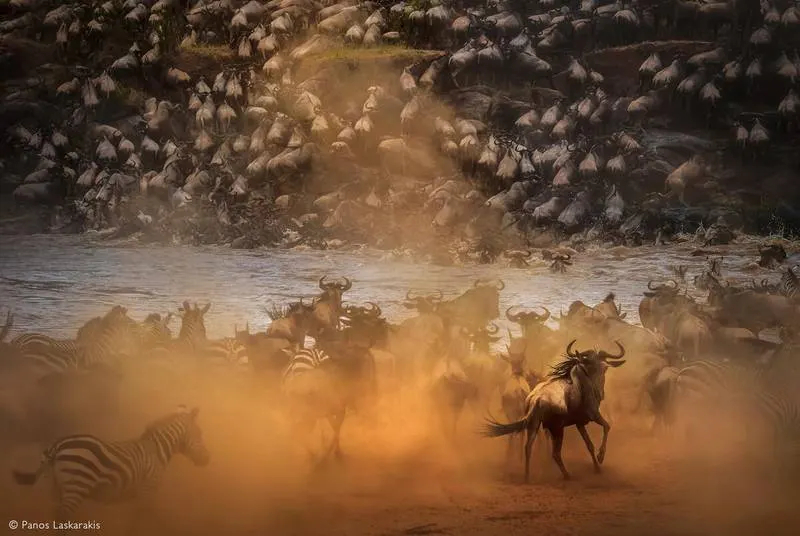
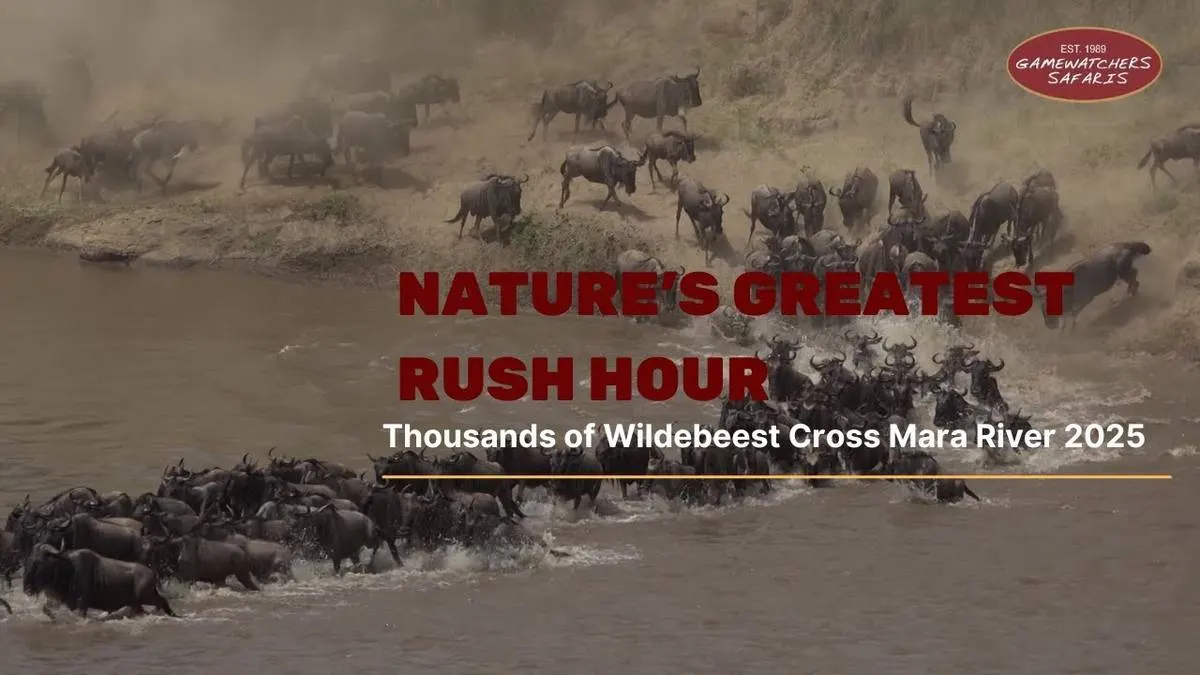
The most dramatic phase. The herds reach the Mara River in the northern Serengeti and must cross into the Masai Mara — running a gauntlet of crocodiles and strong currents. A single crossing can involve 10,000+ animals and last for hours. It is the single most photographed wildlife event on Earth.
🏆 Recommended: Serengeti Migration Safari
Track the migration with expert guides, river crossing camps
From $4,500/person · 6 nights
November–December: Return South
The herds move back through the eastern Serengeti towards the southern plains, completing the annual cycle. The short rains green up the landscape, and the herds spread out across vast areas.
Best Ways to See the Migration
- Mobile camps: These move with the herds, ensuring you're always in the right location. The ultimate migration experience.
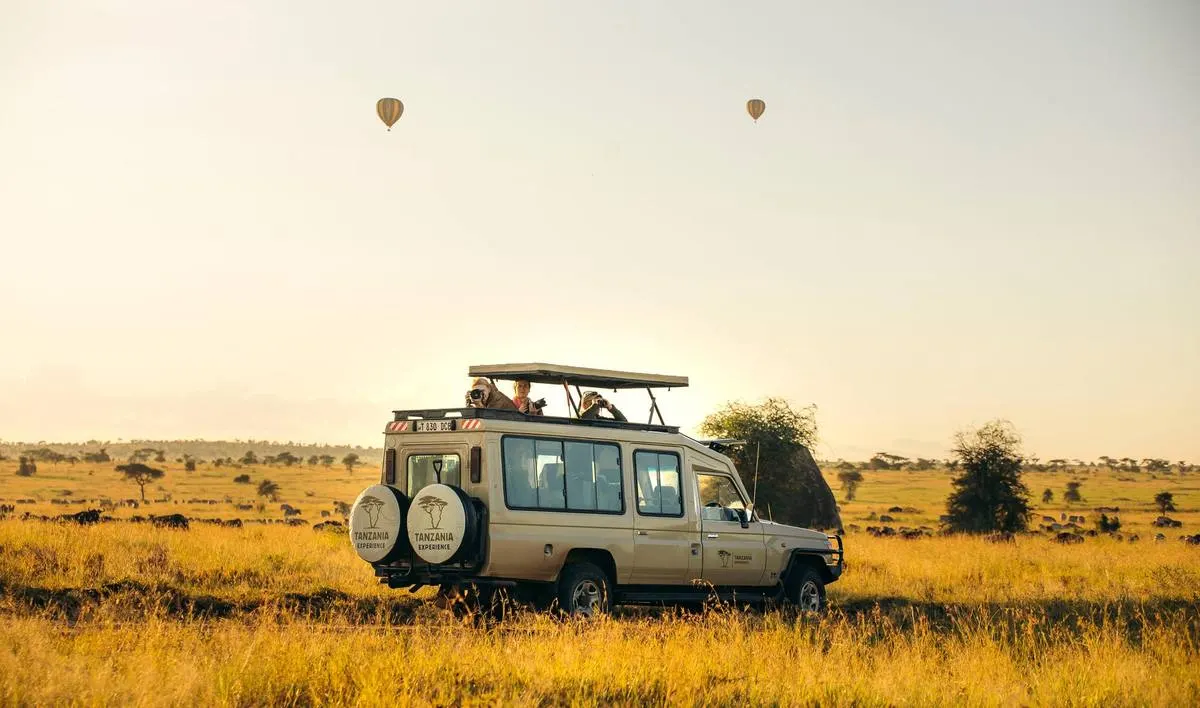
- Hot air balloon safari: Float above the herds at dawn for a perspective that's both peaceful and awe-inspiring. The scale of the migration is only truly comprehensible from the air.
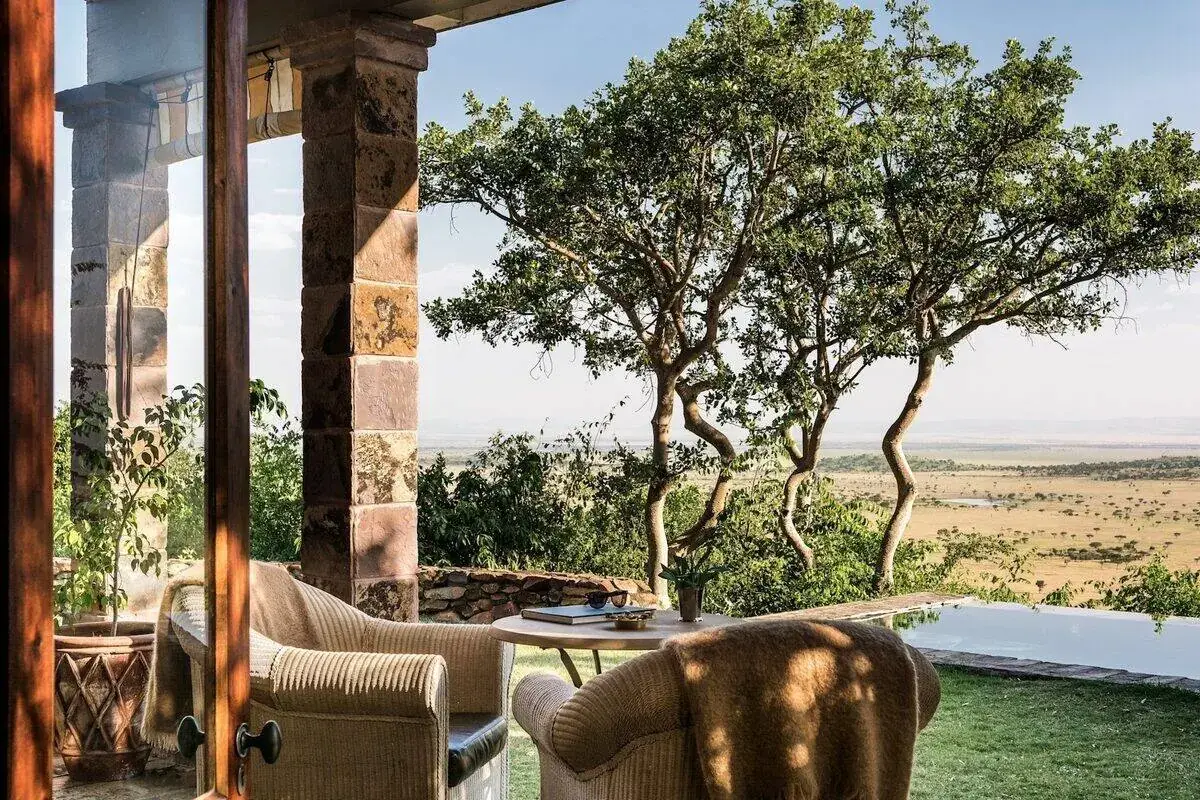
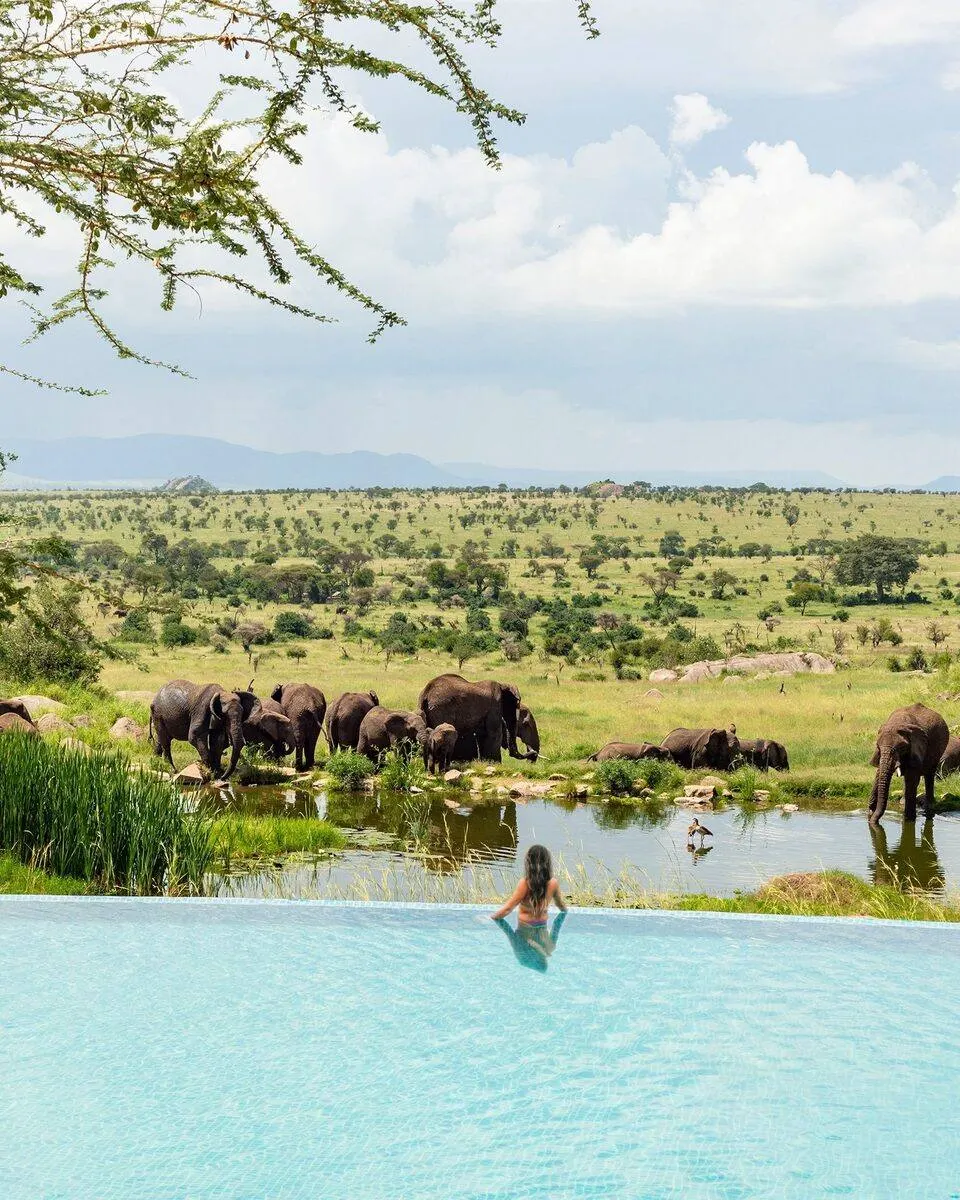
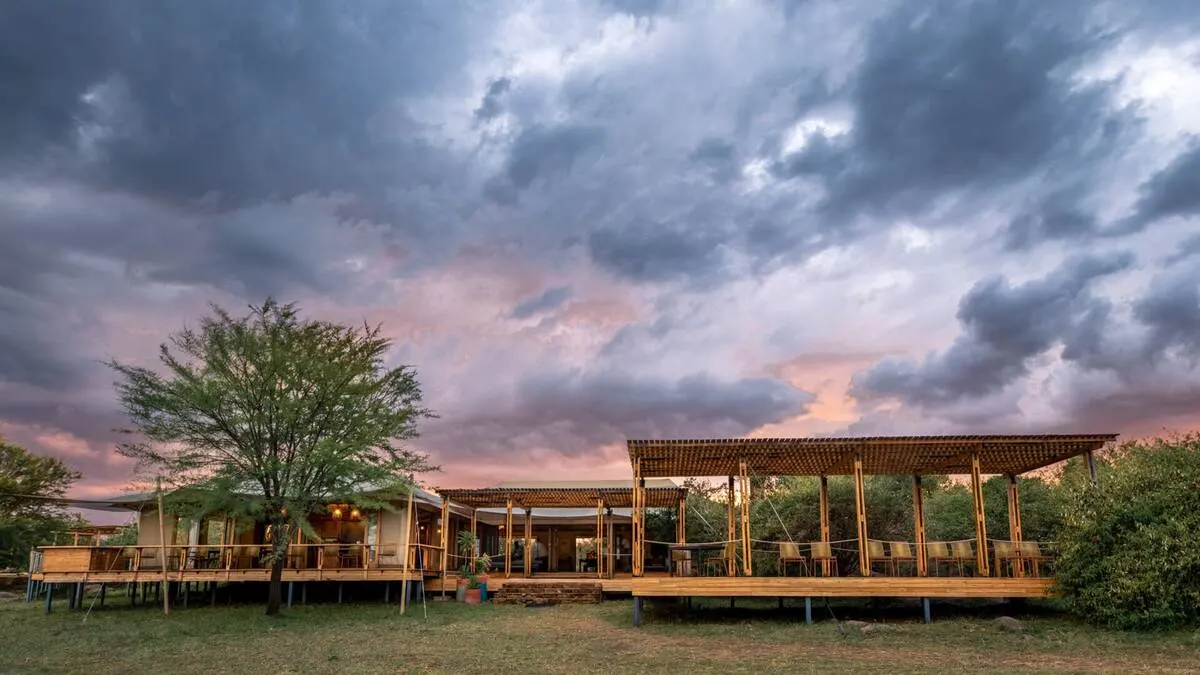
- Fixed luxury camps: Properties in the northern Serengeti (Lamai, Kogatende) and western corridor (Grumeti) position you for specific phases of the migration.
💡 River Crossing Reality Check
River crossings are unpredictable. The herds may gather on the banks for days before crossing, or cross multiple times in a single day. Book at least 3 nights in the crossing zone to maximise your chances. One night is not enough.
It is, without question, the most spectacular wildlife event you can witness.
Combining Serengeti with Other Destinations
The Serengeti pairs beautifully with:
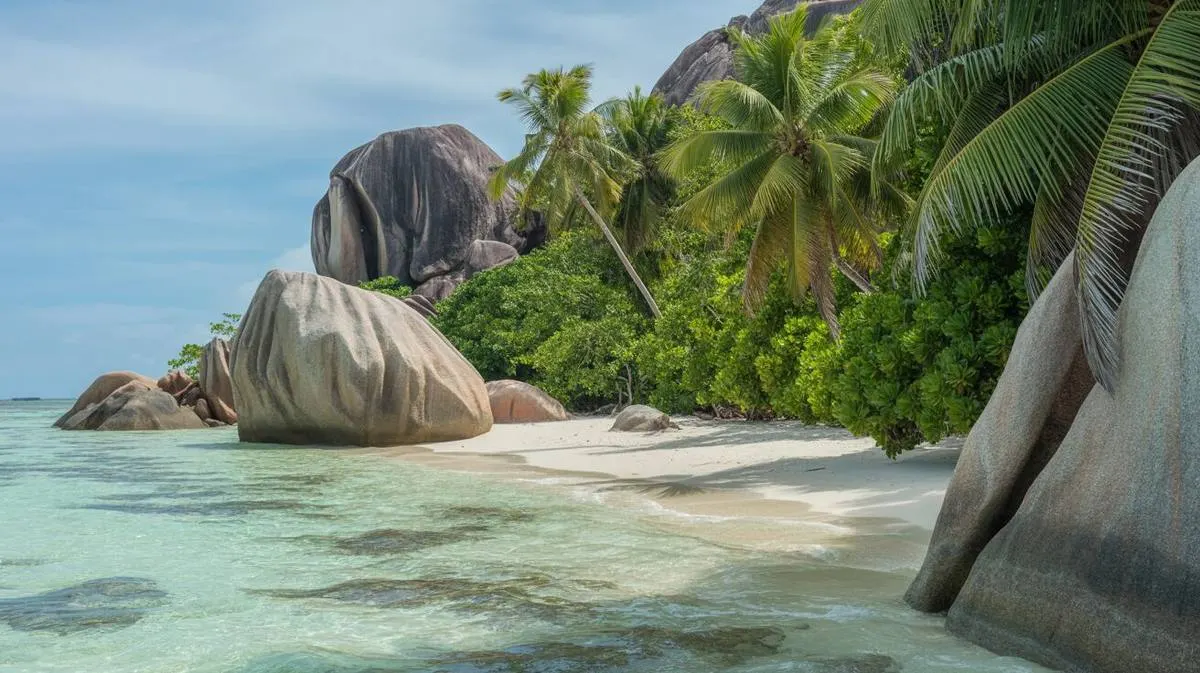
- Zanzibar: 3–4 nights Serengeti + 4–5 nights Zanzibar beach — the classic Tanzania combo
- Ngorongoro Crater: A natural addition, just 3 hours from central Serengeti
- Masai Mara: Follow the migration across the border (August–October)
Frequently Asked Questions
Can you guarantee seeing a river crossing?
No one can guarantee it — the animals don't follow schedules. But with 3+ nights in the crossing zone during August–October, the probability is very high (over 90% in our experience). Our guides read the herds' behaviour to maximise your chances.
Is the migration worth the cost?
Unequivocally yes. It is a once-in-a-lifetime experience that no documentary or photograph can prepare you for. The sound of a million hooves, the scale of the herds, the raw drama of a river crossing — it changes you.
Plan Your Migration Safari
Tell us your preferred dates, and we'll position you in exactly the right place to witness the Great Migration.
Tours & Safaris You'll Love
Handpicked by our team based on what you're reading. Book direct for the best price — guaranteed.
Serengeti Great Migration River Crossing — Mara River Safari
Witness the world's greatest wildlife spectacle — wildebeest crossing the Mara
per person • Best price direct
Masai Mara Great Migration Safari — River Crossing Season
Witness nature's greatest spectacle — millions of wildebeest crossing the Mara River
per person • Best price direct
Serengeti Safari & Zanzibar Beach — 9-Day Dream
Big Five on the savanna + barefoot luxury on the beach
per person • Best price direct
Kenya & Tanzania Migration Combo — 10-Day Ultimate
Follow the Great Migration from Serengeti to Masai Mara — the ultimate East African safari
per person • Best price direct
Why book with middlemen? Same tours, lower prices, direct support from our team.
Get a Free Custom Quote