

Sustainable safari travel in 2026 is no longer a niche ideal for a few eco-conscious travellers. It is quickly becoming the smartest way to explore Africa: better for wildlife, better for local communities, and often better for your budget too. When you travel responsibly, your money stretches further into experiences that matter, from community-led guiding to low-impact lodges and park conservation fees that directly support protected areas.
For budget travellers, this is good news. Responsible safari travel does not have to mean luxury prices. In fact, some of the most rewarding safari experiences are simple, well-planned, and rooted in local knowledge. Whether you are dreaming of the Big Five, chimpanzee trekking, a day trips">Cape Town add-on, or a multi-country adventure, the choices you make before and during your trip can reduce costs and improve your impact.
Why sustainable safari travel matters more in 2026
Africa’s wildlife destinations face growing pressure from climate change, rising visitor numbers, habitat loss, and the ongoing challenge of balancing tourism with conservation. In 2026, responsible travel is about more than avoiding harm. It is about actively supporting places that protect animals, preserve ecosystems, and create meaningful jobs for people who live nearby.
That does not mean every safari has to be expensive or complicated. It means being intentional. Choosing a shared tour instead of a private vehicle can lower your costs and reduce emissions. Staying in a smaller property often keeps more money in the local economy. Visiting conservancies and national parks that invest in rangers and community partnerships helps ensure that your trip contributes to long-term protection rather than short-term pressure.
If you want a low-cost way to see iconic wildlife without sacrificing ethics, a well-run day experience can be an excellent entry point. The Aquila Game Reserve Safari with Park Fees, Transport & Lunch is a useful example of how a budget-friendly safari can still include conservation-focused travel, transport, and park access in one practical package.
How to choose ethical safari operators without overspending
One of the easiest ways to travel responsibly is to book with operators who are transparent about where your money goes. Before you reserve anything, ask a few straightforward questions: Are park fees included? Are local guides employed and fairly paid? Do they support anti-poaching, rewilding, or community projects? How big are the vehicles and groups?
Budget-conscious travellers should also compare what is actually included. A safari that looks cheaper at first may exclude park fees, transfers, meals, or internal flights, which can increase the total sharply. A slightly higher upfront price can sometimes be the better value if it reduces hidden costs and includes essentials like conservation levies or expert guiding.
Shared departures are often the sweet spot for sustainable budget travel. For example, a Cape Town visitor can combine sightseeing with lighter-impact transport on a group departure such as the Cape Peninsula & Penguin Colony, which helps reduce per-person emissions while keeping the trip affordable and sociable.
It is also worth looking for operators that avoid unethical wildlife interactions. Responsible safari travel should never involve touching, feeding, or chasing animals for photographs. If something feels artificial or stressful for the animals, it probably is.
If you want a low-cost way to see iconic wildlife without sacrificing ethics, a well-run day experience can be an excellent entry point.
Budget safari destinations that support responsible travel
Some destinations are especially well suited to sustainable travel on a budget because they offer strong infrastructure, diverse activities, and options at different price points. South Africa remains a standout for value, particularly for travellers combining wildlife with city or cultural experiences. Kenya and Tanzania offer classic big game viewing, while Uganda and Rwanda appeal to those interested in primates and forest conservation. Botswana is more exclusive, but clever itinerary planning can still make it achievable for once-in-a-lifetime travel.
In South Africa, Cape Town makes an excellent base for low-cost, high-value add-ons before or after safari. Pair wildlife with heritage, hiking, and local food experiences such as the Cape Malay Cooking Class in Bo-Kaap — Cook Like a Local or the Kirstenbosch Gardens & Skeleton Gorge Hike. These kinds of excursions keep your trip varied without adding the expense of another long-distance flight.
If you want a longer journey that still makes sense in terms of environmental impact, a well-designed overland itinerary can be more responsible than stitching together multiple short flights. The Iconic Southern Africa Grand Tour — Cape Town to Chobe is the kind of route that allows you to see several landscapes in one flow, rather than flying back and forth between unrelated destinations.
How to make your safari budget work harder
Responsible safari travel and budget travel often go hand in hand when you plan carefully. Here are the biggest cost-saving decisions that also tend to be the most sustainable:
- Travel in the shoulder season when prices are often lower and wildlife viewing can still be excellent.
- Choose shared tours for day trips and transfers where private transport is not essential.
- Stay longer in fewer places rather than moving every night, which cuts transfer costs and travel fatigue.
- Use regional hubs such as Cape Town, Nairobi, Arusha, Johannesburg, Kigali, or Entebbe to reduce complex routing.
- Bundle experiences so you can see wildlife, culture, and landscapes in one itinerary instead of booking separate standalone trips.
A practical example is to combine a city break with wildlife access. In Cape Town, you might start with a scenic, affordable day out before heading to safari country. A route such as the Private Tour: Cape of Good Hope, Table Mountain & Penguins or the Cape of Good Hope & Penguins Full-Day Tour can be paired with a short safari later in your trip.
If you are already in East Africa, consider building around a major wildlife circuit rather than hopping between far-flung destinations. The Serengeti Great Migration & Ngorongoro Crater — Tanzania's Greatest Show offers exceptional wildlife value when booked with thoughtful timing and route planning.
Wildlife viewing with a lighter footprint
Seeing animals respectfully is central to sustainable safari travel. The best way to do that is to follow the guide’s instructions, keep noise low, and accept that wildlife is not guaranteed on demand. Patience is part of the experience, and so is distance.
Try to avoid itineraries that encourage excessive vehicle congestion around sightings. In popular parks, this can be managed by travelling at quieter times, choosing experienced guides, and selecting operators who observe strict viewing etiquette. Conservancies can be especially rewarding because visitor numbers are often limited and sightings feel calmer and more natural.
For travellers who want a more exclusive but still responsible big-cat experience, a conservancy-based trip such as the Masai Mara, Amboseli & Nakuru — Kenya's Big Cat Kingdom Safari can offer excellent guiding, controlled access, and better value in terms of sighting quality. Similarly, the Masai Mara Private Conservancy — 5-Day Exclusive Safari demonstrates how protected private land can support both wildlife and a more personal safari experience.
On primate trips, the same principles apply. Forest ecosystems are fragile, and distance matters. A trekking experience such as Kibira National Park — Chimpanzee Trekking should always be approached with serious respect for park rules, sanitation, and brief viewing times. These rules protect animals, but they also help preserve the experience for future visitors.
Low-impact packing and practical travel habits
Responsible safari travel is not just about which package you book. It is also about what you bring and how you behave. A few simple habits can reduce waste and save money at the same time.
- Carry a reusable water bottle and refill where safe.
- Pack a soft-sided bag if you are using small aircraft on fly-in safaris.
- Bring a compact power bank so you rely less on disposable batteries.
- Use reef-safe sunscreen if your itinerary includes coastal or island stops.
- Take only what you need, especially on short game drives where luggage space is limited.
Clothing choice matters too. Neutral layers, a light rain jacket, and sturdy shoes are usually enough for most safari regions. Avoid overpacking: lighter bags mean easier transfers, lower risk of excess airline charges, and less environmental burden overall.
If your trip includes active days beyond the game drive, such as hiking or cultural visits, choose experiences that fit naturally into the landscape. The Source of the Nile — Jinja Adventure Day is a good example of a destination-focused day that can be combined with other regional travel without the need for constant long-haul movement.
Can luxury and sustainability work together?
Yes, when the luxury is thoughtful rather than wasteful. In 2026, many travellers are rethinking what indulgence means. It can mean better guiding, less crowded areas, strong conservation partnerships, and properties that support local employment, not necessarily excess consumption.
Some high-end trips are designed with conservation in mind. Fly-in itineraries, for instance, can reduce long road transfers and concentrate your time in protected landscapes. If you are travelling for a special occasion, the goal is not to avoid comfort, but to choose comfort with purpose. The Luxury Botswana — Okavango Delta, Chobe & Victoria Falls Fly-In is a good example of a trip where carefully planned logistics can reduce ground travel while supporting remote wilderness tourism.
For couples, sustainability can be woven into romantic travel as well. A honeymoon like the Botswana Delta & Victoria Falls Honeymoon — Wilderness & Wonder or the Romantic Southern Africa Honeymoon — Bush, Beach & Wine can include low-impact stays, local dining, and slower pacing that naturally aligns with responsible travel.
What to avoid if you want to travel responsibly
There are a few red flags that budget travellers should never ignore. Extremely cheap wildlife experiences can be cheap for a reason: poor animal welfare, underpaid staff, overcrowded vehicles, or weak conservation standards. If an operator promises guaranteed close-up animal contact or uses language that sounds more like entertainment than ecology, step back.
Also be wary of itineraries that criss-cross the continent with little thought for route efficiency. Responsible travel is not about perfection, but repeated short flights between destinations can quickly undermine both your budget and your environmental goals. Where possible, build itineraries around a logical regional flow, such as East Africa or Southern Africa, and stay longer in each area.
Another common mistake is assuming that community visits are automatically ethical. Genuine community tourism should be led by local hosts, fairly compensated, and designed around what communities want to share. If you are unsure, ask questions before you book.
Smart 2026 safari planning for value and impact
If you are planning a safari in 2026, the best strategy is simple: make every choice count twice, once for your experience and once for the destination. That means booking with operators who are open about conservation, choosing transport that fits the route, and prioritising places where tourism helps protect wildlife instead of exploiting it.
For budget travellers, the most practical approach is often a mix of accessible day tours, one major safari highlight, and a few well-chosen cultural or scenic stops. A Cape Town traveller might add the Stellenbosch & Franschhoek Wine Tour alongside wildlife days. An East Africa traveller might combine a savannah safari with a gorilla or chimpanzee trek. Those looking for one headline wildlife trip could choose something like the Family Kruger & Victoria Falls — Kid-Friendly Big Five Adventure, which balances iconic sights with family-friendly logistics.
As 2026 unfolds, the travellers who do best are the ones who think beyond the postcard. They ask where the money goes, how the animals are protected, and whether their itinerary supports the people who make safari possible. That is the heart of sustainable safari travel: memorable journeys that leave a lighter footprint and a stronger legacy.
If you are ready to plan a safari that feels good and does good, start with a route that suits your budget, then build in experiences that support conservation, community, and local expertise. The right itinerary will give you far more than photos. It will give you a deeper connection to Africa, and a way to explore it responsibly in 2026 and beyond.
Tours & Safaris You'll Love
Handpicked by our team based on what you're reading. Book direct for the best price — guaranteed.
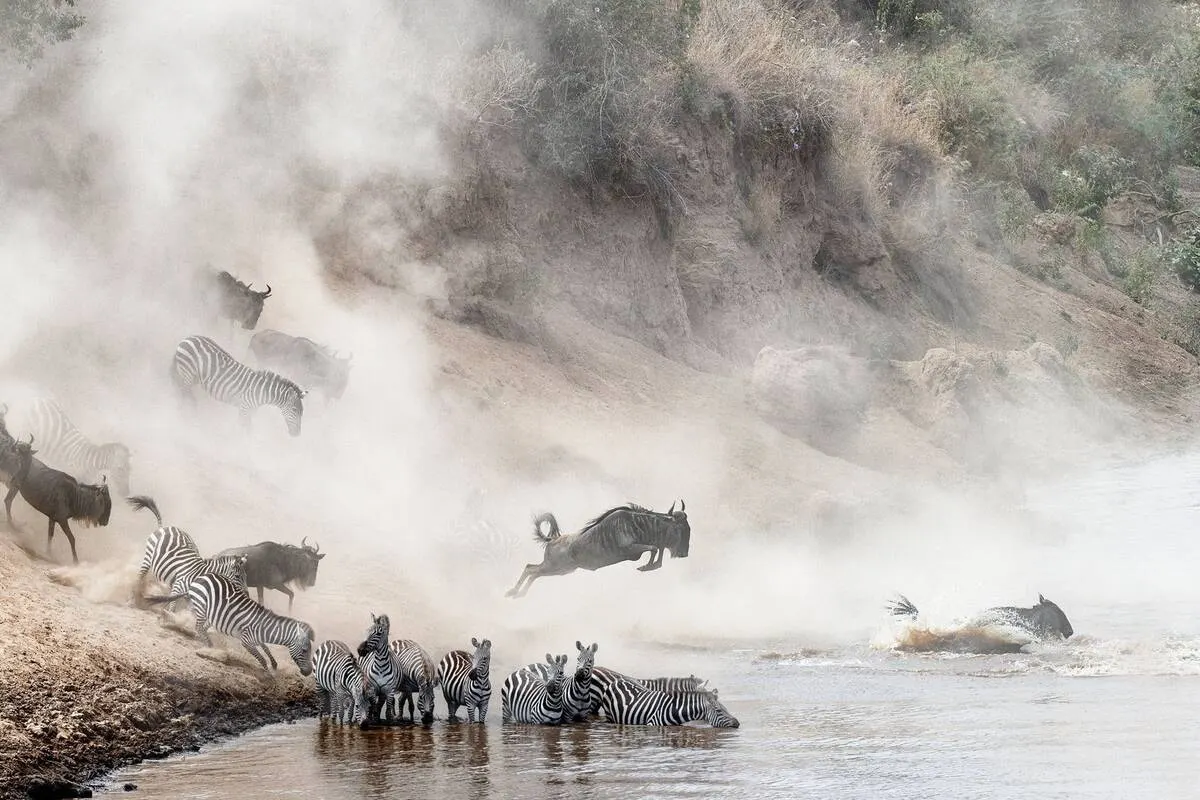
Serengeti Great Migration River Crossing — Mara River Safari
Witness the world's greatest wildlife spectacle — wildebeest crossing the Mara
per person • Best price direct
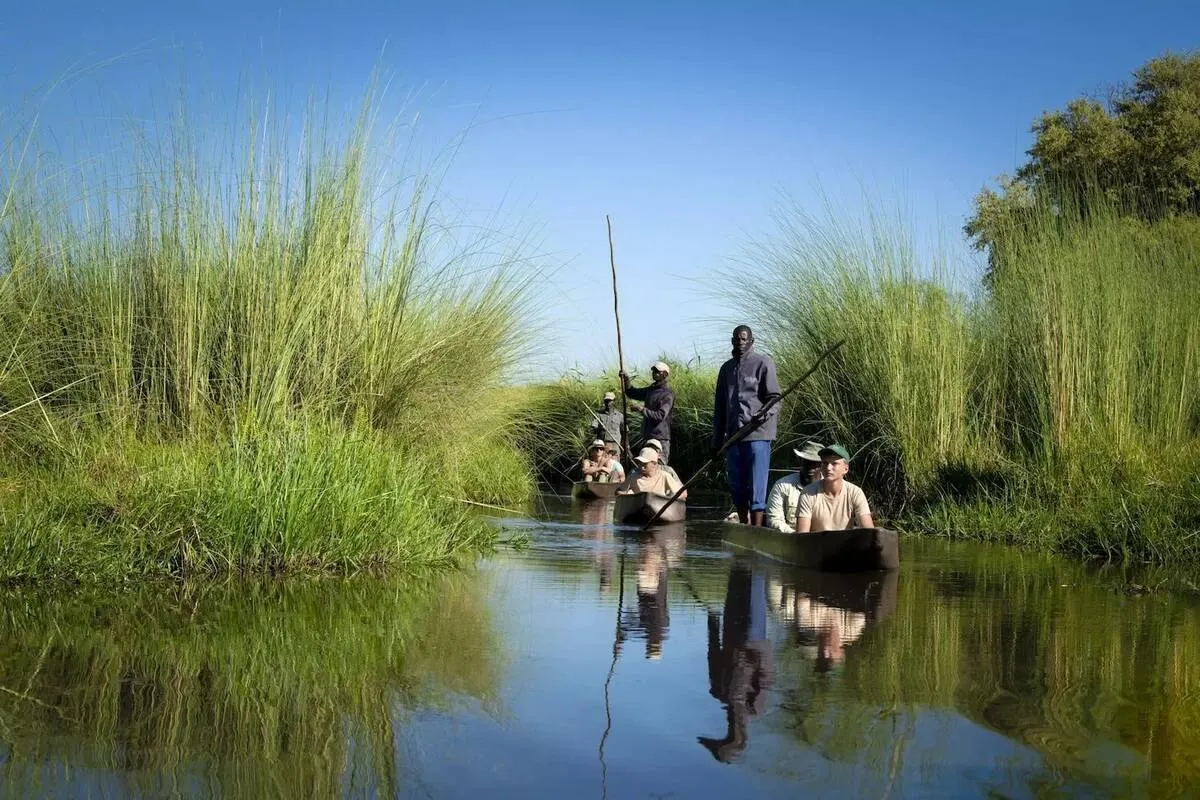
Okavango Luxury Fly-In Wilderness Camp — 5-Star Under Canvas
The world's most exclusive tented camp — deep in the delta
per person • Best price direct

Masai Mara Great Migration Safari — River Crossing Season
Witness nature's greatest spectacle — millions of wildebeest crossing the Mara River
per person • Best price direct
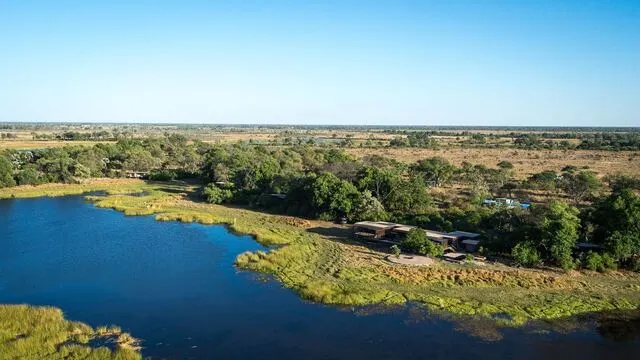
Okavango Delta Fly-In Safari — Luxury Bush Camp
The world's most exclusive safari destination from above and within
per person • Best price direct
Why book with middlemen? Same tours, lower prices, direct support from our team.
Get a Free Custom Quote