Cheetah Behaviour & Tracking: A Safari Wildlife Guide 2026
There is nothing quite like watching a cheetah hunt. In a blur of spotted gold, Africa's fastest land animal accelerates from 0 to 112 km/h in just three seconds — a feat of evolutionary engineering that leaves even the most seasoned safari-goers breathless. As Cape Town-based safari operators, we've had the privilege of witnessing hundreds of cheetah sightings across southern and East Africa, and we're here to share everything you need to know to maximise your chances of an unforgettable encounter.
This guide covers cheetah behaviour, ecology, tracking techniques, and the best parks and reserves to find them in 2026. Whether you're planning your first safari or adding another chapter to a lifetime of bush adventures, understanding the cheetah will transform how you experience the African wilderness.
Understanding Cheetah Ecology
The World's Fastest Land Animal
The cheetah (Acinonyx jubatus) is the only member of its genus and is fundamentally different from Africa's other big cats. Unlike lions and leopards, cheetahs cannot roar — instead, they communicate through a remarkable repertoire of chirps, purrs, and yelps that sound almost bird-like. This unique vocalisation is one of the first things that surprises visitors on safari.
Cheetahs are built for speed, not strength. Their lightweight frame (40–65 kg), semi-retractable claws for grip, enlarged nasal passages for oxygen intake, and a flexible spine that acts like a spring all contribute to their extraordinary acceleration. However, this specialisation comes at a cost — cheetahs are vulnerable to kleptoparasitism (having their kills stolen) by lions, leopards, hyenas, and even large groups of vultures.
Social Structure
Cheetah social structure is fascinatingly complex. Females are largely solitary, raising cubs alone in territories that can span 500–1,500 square kilometres. Males, however, often form coalitions — typically brothers from the same litter — that cooperate to defend larger territories and improve hunting success. These male coalitions, called "brotherhoods," are one of the most endearing aspects of cheetah behaviour to observe on safari.
Cubs stay with their mother for 18–24 months, learning hunting techniques through observation and practice. The mother will often release injured prey for cubs to practice on — a behaviour that looks cruel but is essential for their survival education. Watching a mother cheetah teach her cubs is one of the most moving wildlife experiences Africa offers.
This guide covers cheetah behaviour, ecology, tracking techniques, and the best parks and reserves to find them in 2026.
Cheetah Hunting Behaviour
The Hunt: A Masterclass in Precision
Unlike lions that hunt primarily at night, cheetahs are diurnal hunters — they hunt during the day, typically in the early morning and late afternoon when temperatures are cooler. This makes them far more visible to safari-goers than most other predators. A cheetah hunt follows a remarkably consistent pattern that experienced guides can often predict.
The hunt begins with a long stalking phase. The cheetah will identify a target — usually a young impala, Thomson's gazelle, or springbok — and begin a slow, crouching approach, using termite mounds, bushes, and grass as cover. The cheetah aims to get within 50–70 metres before launching its sprint. During the stalk, the cheetah's spotted coat provides excellent camouflage in dappled light.
The sprint itself lasts only 20–30 seconds — any longer and the cheetah risks dangerous overheating. After a successful kill, the cheetah must rest for 15–30 minutes to recover its breath and body temperature before eating. This recovery period is when it's most vulnerable to losing its meal to opportunistic scavengers.
Success Rates & Prey Selection
Cheetahs have the highest hunting success rate of Africa's large predators — approximately 50–70% of hunts result in a kill, compared to around 25–30% for lions. They achieve this through careful prey selection, targeting animals that are young, old, injured, or isolated from the herd. Cheetahs rarely tackle prey larger than themselves, preferring animals in the 20–60 kg range.
In southern Africa, impala are the primary prey species. In East Africa, Thomson's gazelles dominate the diet. In the Kalahari, springbok are the cheetah's staple. Understanding local prey species helps guides predict where cheetahs will be hunting — follow the impala herds and you'll often find the cheetahs nearby.
Tracking Cheetahs on Safari
Reading the Landscape
Experienced safari guides use a combination of tracks, signs, and landscape reading to locate cheetahs. Cheetahs favour open grasslands and lightly wooded savannahs where their speed advantage is maximised — dense bush suits leopards, not cheetahs. Look for elevated vantage points: termite mounds, rocky outcrops, and fallen trees are favourite cheetah lookout posts.
Cheetah tracks are distinctive — oval-shaped with visible claw marks (unlike the retractable-clawed lion and leopard). The stride pattern during a walk is elegant and measured; during a sprint, the tracks show enormous leaps of up to 7 metres. Fresh tracks in soft sand or mud, combined with alarm calls from nearby impala or birds, are strong indicators of a cheetah in the area.
Scent Marking & Territory
Cheetahs are prolific scent markers, using urine, faeces, and secretions from facial glands to communicate with other cheetahs. They favour prominent landmarks — tall trees, termite mounds, and fence posts — as marking sites. These "playtrees" or "signpost trees" are worth checking during game drives, as cheetahs return to them regularly. Your guide will know the key marking trees in any given reserve.
Radio Telemetry & Research Collars
In many reserves, cheetahs are fitted with GPS or VHF radio collars as part of conservation monitoring programmes. Guides equipped with telemetry receivers can track collared individuals with remarkable precision. If you're on a guided safari in a reserve with a cheetah monitoring programme — such as the Tswalu Kalahari Reserve or the Cheetah Conservation Fund's research areas in Namibia — ask your guide about collared individuals. These sightings often result in extended, intimate observations.
Best Places to See Cheetahs in Africa
South Africa
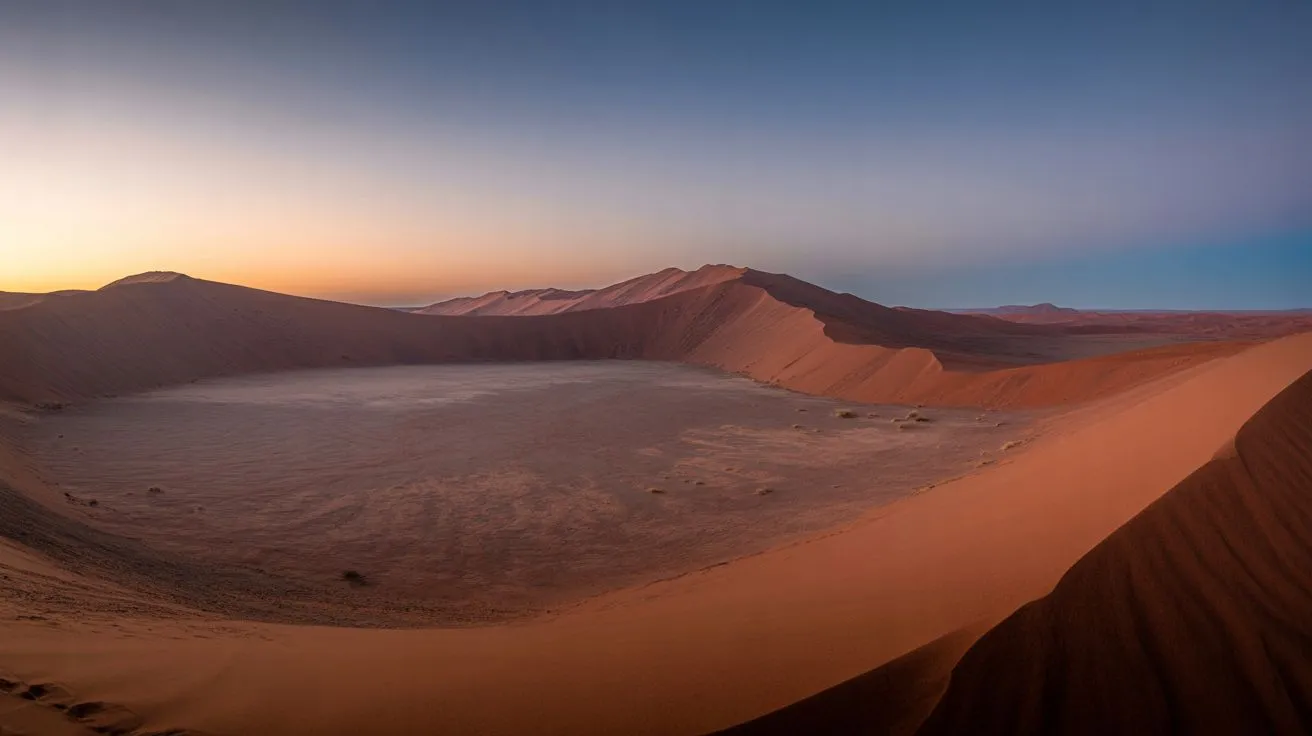
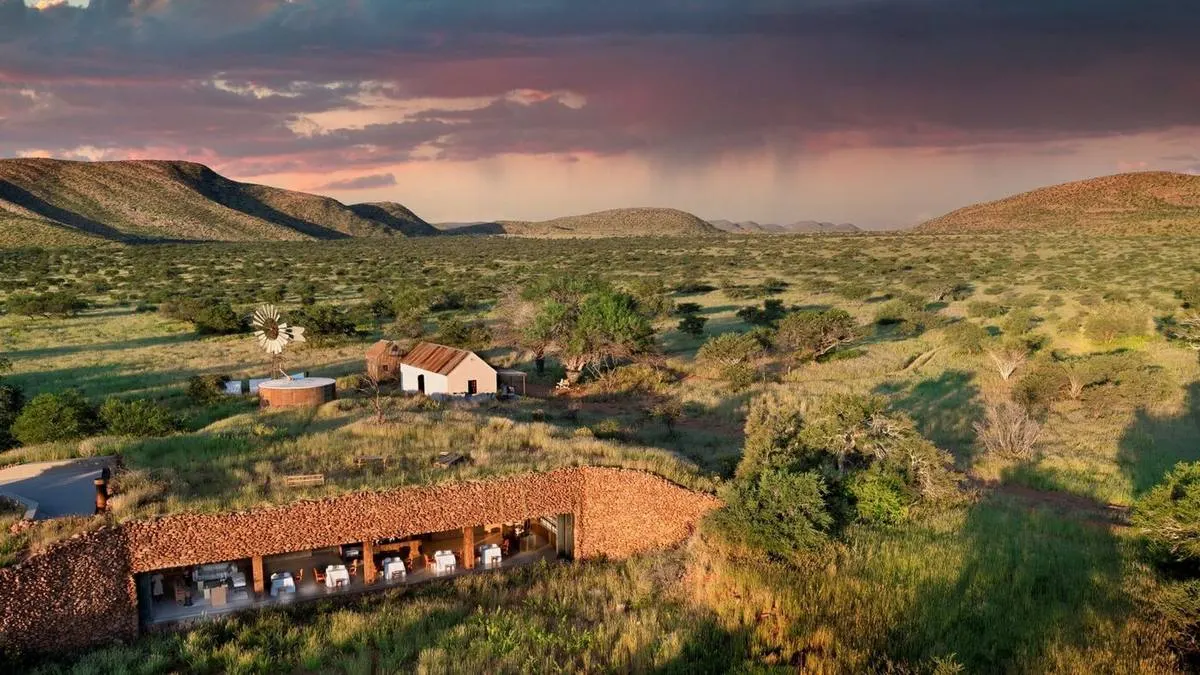
South Africa has made remarkable strides in cheetah conservation, with successful reintroduction programmes in numerous private reserves. The Tswalu Kalahari Reserve in the Northern Cape offers some of the finest cheetah viewing in the country, with open red dune landscapes that showcase the cheetah's speed and hunting behaviour perfectly.
The Kruger National Park has a small but growing cheetah population, particularly in the open grasslands of the southern and central sections. Sightings are less frequent than in private reserves but deeply rewarding. The Phinda Private Game Reserve in KwaZulu-Natal and the Madikwe Game Reserve in the North West Province also offer excellent cheetah sightings in malaria-free environments.
For an accessible introduction to cheetah encounters near Cape Town, our Aquila Big Five Day Safari offers the chance to see cheetahs in a beautiful Karoo setting just two hours from the city.
Namibia
Namibia holds the world's largest free-ranging cheetah population — approximately 3,000 individuals, representing around 20% of the global wild population. The Cheetah Conservation Fund (CCF), based near Otjiwarongo, is the world's leading cheetah research and conservation organisation and offers extraordinary educational experiences. The Etosha National Park also offers good cheetah sightings, particularly around the open pans.
Namibia's vast, open landscapes are ideal for cheetah viewing, and the country's excellent self-drive infrastructure makes it accessible for independent travellers. Explore our Namibia Etosha Wildlife Safari for a guided experience that maximises your cheetah sighting opportunities.
Kenya & Tanzania
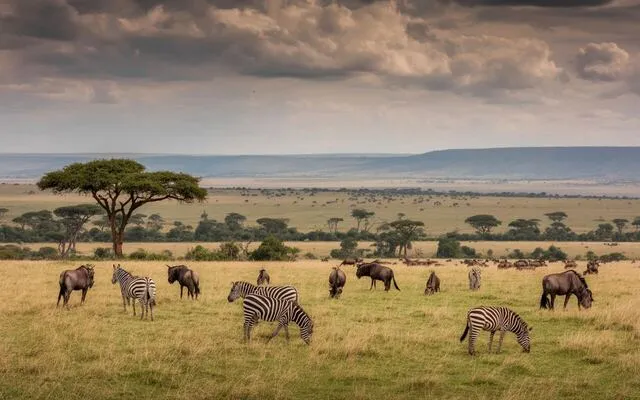
The Masai Mara in Kenya and the Serengeti in Tanzania are arguably the world's best destinations for cheetah viewing. The vast, open grasslands support healthy cheetah populations, and the high density of prey species means hunting activity is frequent. The Mara's famous cheetah families — often named and individually recognised by guides — have been studied for decades and are remarkably habituated to vehicles.
The Serengeti's Ndutu area (January–March) is exceptional for cheetah sightings during the wildebeest calving season, when prey is abundant and vulnerable. Our East Africa safari packages include dedicated cheetah-focused game drives with expert naturalist guides.
Botswana
The Kalahari Desert in Botswana supports a significant cheetah population adapted to arid conditions. The Central Kalahari Game Reserve and the Khutse Game Reserve offer remote, authentic cheetah encounters in a landscape that feels truly wild. The open terrain makes for exceptional photography. Explore our Botswana Kalahari Desert Experience for an unforgettable encounter with these desert-adapted cheetahs.
Cheetah Conservation: A Species Under Pressure
Population Status
The global wild cheetah population has declined dramatically — from an estimated 100,000 individuals a century ago to fewer than 7,000 today. The species is classified as Vulnerable on the IUCN Red List, with populations fragmented across 23 African countries and a small population in Iran. Habitat loss, human-wildlife conflict, and the illegal pet trade are the primary threats.
Conservation Efforts
Numerous organisations are working to secure the cheetah's future. The Cheetah Conservation Fund in Namibia pioneered the Livestock Guarding Dog programme, placing Anatolian Shepherd dogs with farming communities to protect livestock without killing cheetahs. The African Wildlife Foundation and Panthera support range-wide conservation initiatives. Many private reserves in South Africa participate in the Endangered Wildlife Trust's Cheetah Metapopulation Project, which manages genetic diversity across fragmented populations.
When you choose a responsible safari operator, you contribute directly to these conservation efforts. At Ingwe Africa Safaris, a portion of every booking supports wildlife conservation programmes across Africa. Contact us to learn more about our conservation partnerships.
Photography Tips for Cheetah Sightings
Cheetahs are among the most photogenic of Africa's predators, and their diurnal habits mean you'll often have excellent light for photography. Here are our top tips for capturing stunning cheetah images:
- Use a fast shutter speed — 1/1000s or faster for action shots; cheetahs move quickly even when walking
- Shoot in burst mode — during a hunt, you'll want to capture every frame
- Get low — if your vehicle allows, shooting at eye level with the cheetah creates far more intimate images
- Watch the eyes — a cheetah that has locked onto prey will have an intense, focused gaze; this is your signal to prepare for action
- Be patient at kills — the post-hunt panting and recovery period offers beautiful, intimate portrait opportunities
- Use a 300–500mm lens — for frame-filling shots without disturbing the animal
For dedicated wildlife photography safaris, our Kruger Photography Safari pairs you with expert photographic guides who know how to position the vehicle for the best light and angles.
Plan Your Cheetah Safari with Ingwe Africa Safaris
The cheetah is one of Africa's most extraordinary animals — a creature of breathtaking speed, surprising tenderness, and quiet dignity. Watching one hunt across an open plain, or seeing a mother groom her cubs in the golden afternoon light, is an experience that stays with you for life.
Our team of expert guides and safari specialists knows exactly where and when to find cheetahs across Africa's finest reserves. Whether you want a quick day trip from Cape Town or a multi-week East Africa expedition, we'll craft an itinerary that gives you the best possible chance of an unforgettable cheetah encounter.
Use our safari planning tool to start building your dream itinerary, or contact our specialists directly for personalised advice. The bush is calling — and the cheetahs are waiting.
Tours & Safaris You'll Love
Handpicked by our team based on what you're reading. Book direct for the best price — guaranteed.
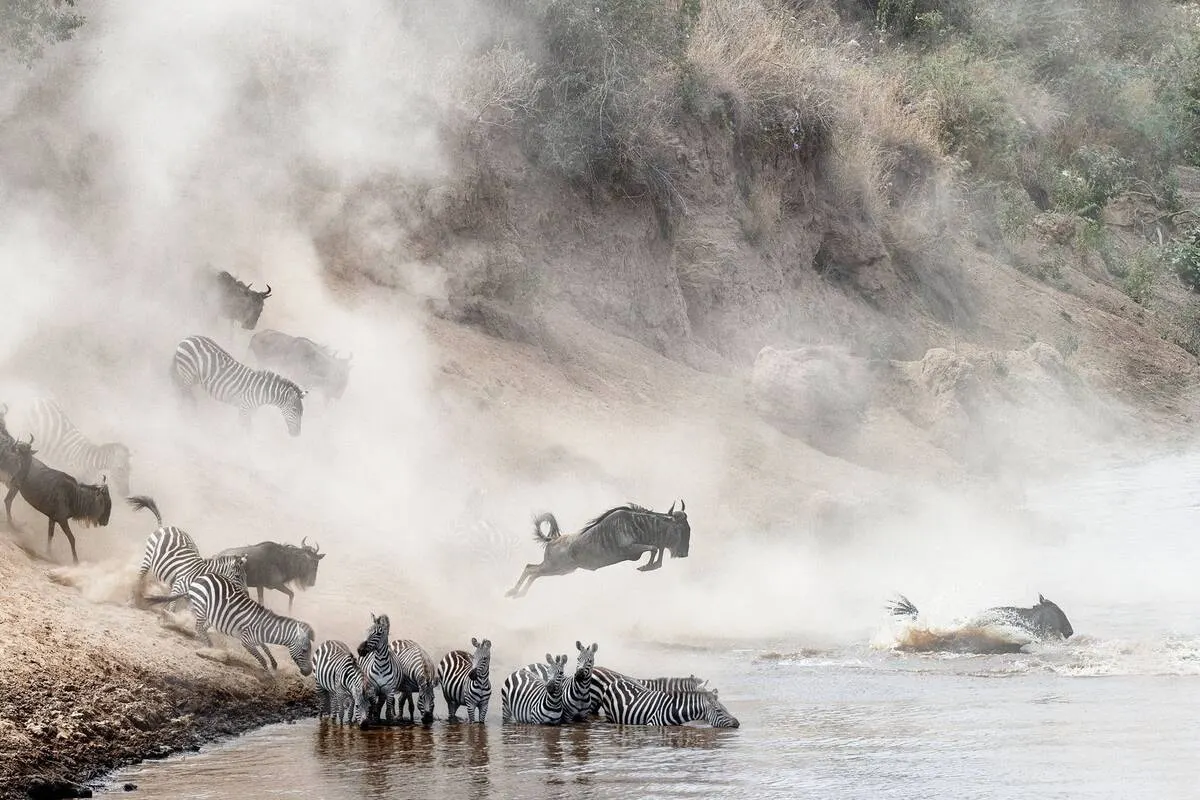
Serengeti Great Migration River Crossing — Mara River Safari
Witness the world's greatest wildlife spectacle — wildebeest crossing the Mara
per person • Best price direct
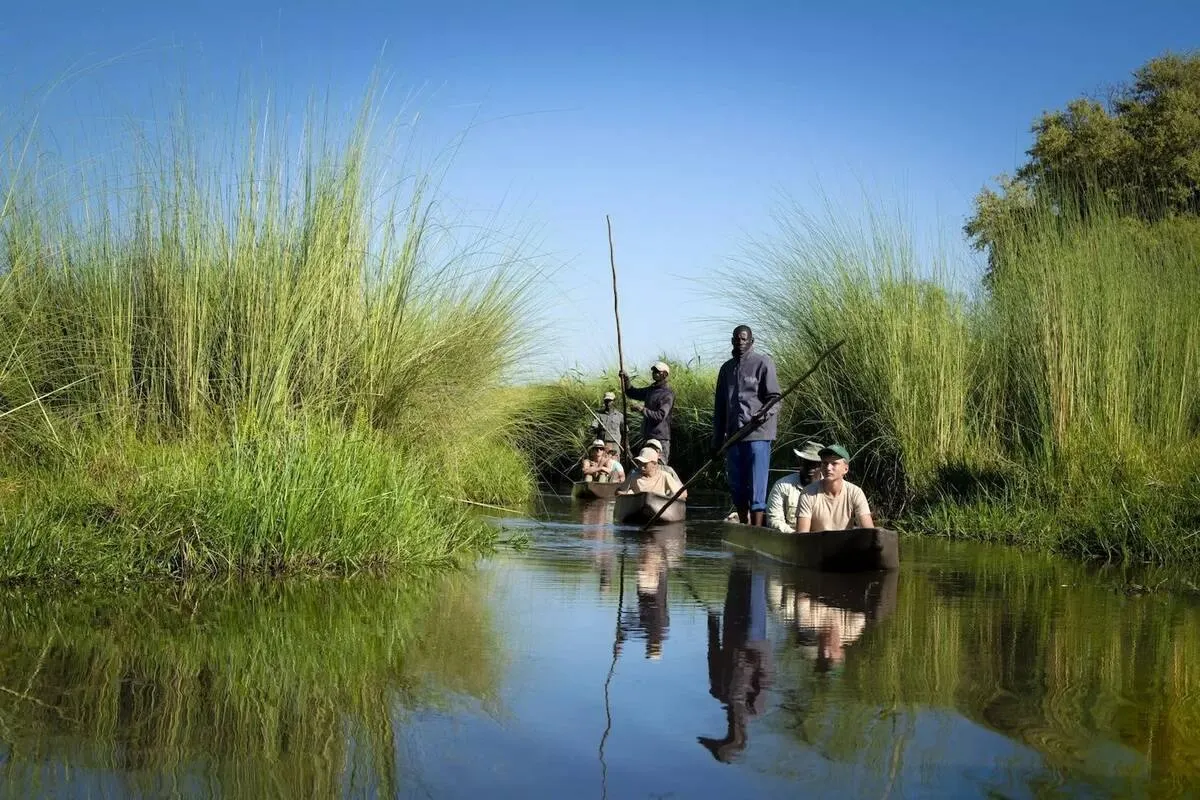
Okavango Luxury Fly-In Wilderness Camp — 5-Star Under Canvas
The world's most exclusive tented camp — deep in the delta
per person • Best price direct
Masai Mara Great Migration Safari — River Crossing Season
Witness nature's greatest spectacle — millions of wildebeest crossing the Mara River
per person • Best price direct
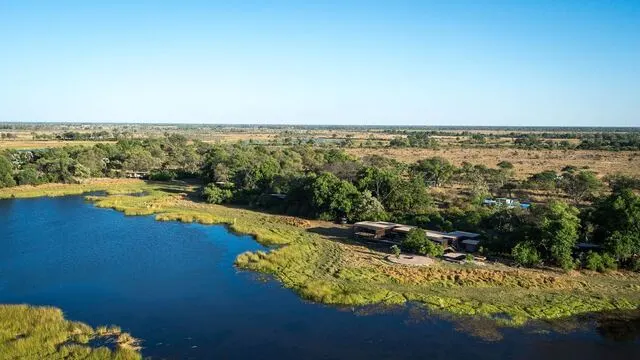
Okavango Delta Fly-In Safari — Luxury Bush Camp
The world's most exclusive safari destination from above and within
per person • Best price direct
Why book with middlemen? Same tours, lower prices, direct support from our team.
Get a Free Custom Quote