
Sustainable safari travel in 2026 is no longer a niche choice reserved for a handful of eco-conscious explorers. It is fast becoming the standard for travellers who want their African journey to feel extraordinary, but also meaningful, respectful and future-facing. Luxury and responsibility are no longer opposing ideas; when done well, they strengthen each other. The best safaris now protect wildlife, support communities, reduce environmental impact and still deliver the comfort, exclusivity and unforgettable wilderness moments that travellers expect.
If you are planning a high-end safari this year, the most rewarding experiences are those that leave a positive footprint. That might mean choosing a conservancy over a crowded park, flying less and staying longer, or selecting a lodge that invests in conservation and local employment. It can also mean being thoughtful about how you pack, how you photograph wildlife, and how you engage with the people and places you visit. A responsible safari is not about sacrifice; it is about travelling with more care and more awareness, which often leads to a richer experience.
What sustainable safari travel really means in 2026
Sustainable safari travel is about balancing three things: protecting the environment, supporting local communities, and ensuring tourism remains viable for wildlife in the long term. In practical terms, this can include lower-emission transport, reduced plastic use, responsible waste management, fair employment, conservation fees, and guest behaviour that respects animals and ecosystems. In 2026, many luxury operators are also improving traceability, so travellers can see where their money goes and understand the real impact of their journey.
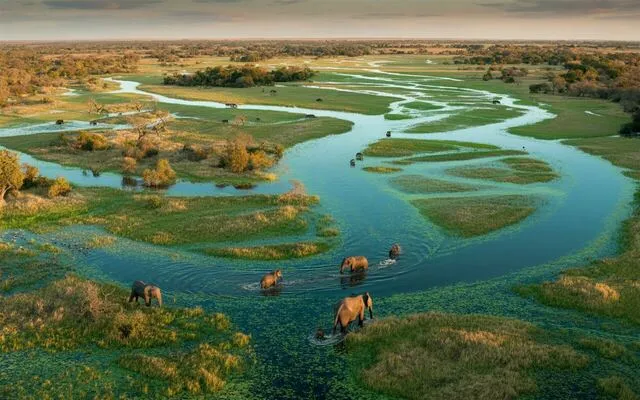
One of the most important shifts is the move towards experience quality over volume. Rather than rushing through multiple destinations, discerning travellers are staying longer in fewer places. This reduces emissions and also allows for deeper wildlife encounters. A well-designed itinerary such as the Luxury Botswana — Okavango Delta, Chobe & Victoria Falls Fly-In can offer exceptional comfort while still prioritising low-density tourism and conservation-sensitive access.
Another defining feature of responsible safari travel is destination choice. Private conservancies and community-managed reserves often provide a more exclusive experience while limiting vehicle numbers and protecting habitat. For example, the Masai Mara, Amboseli & Nakuru — Kenya's Big Cat Kingdom Safari showcases some of East Africa’s great wildlife areas, but the most sustainable experiences are usually those that work closely with local landowners and conservation partners.
Choose lodges and camps that put conservation first
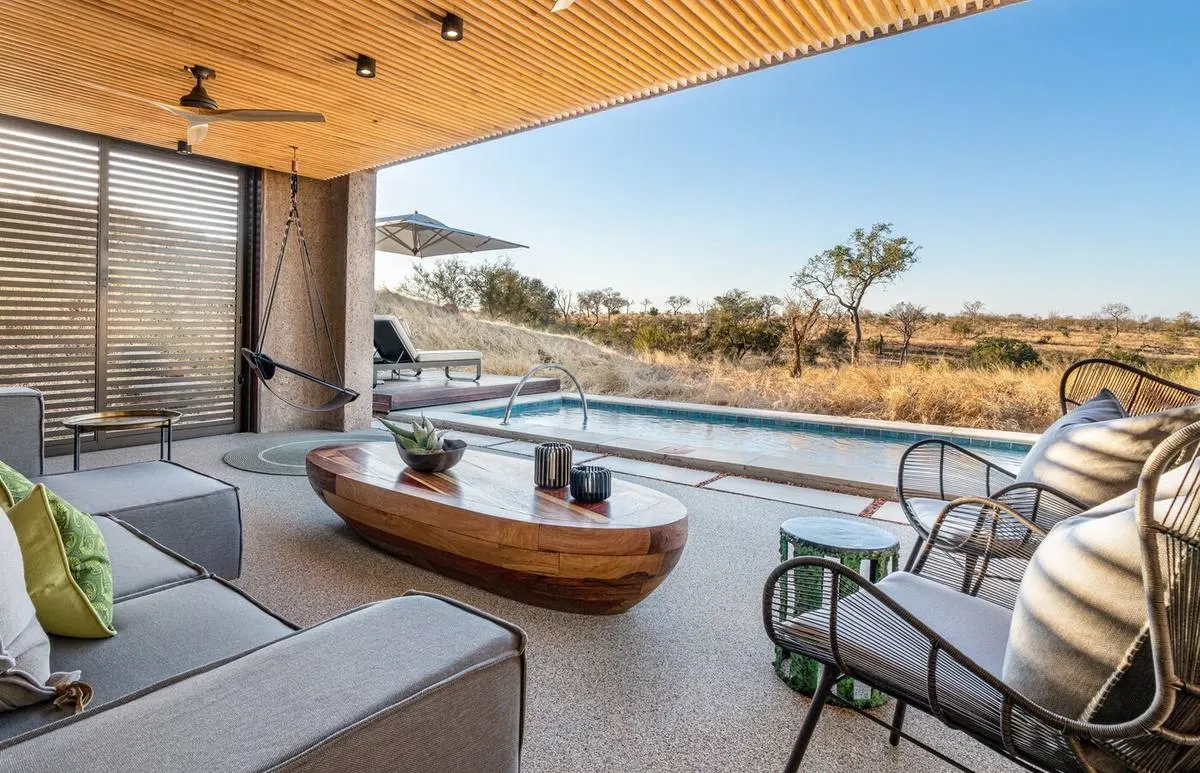
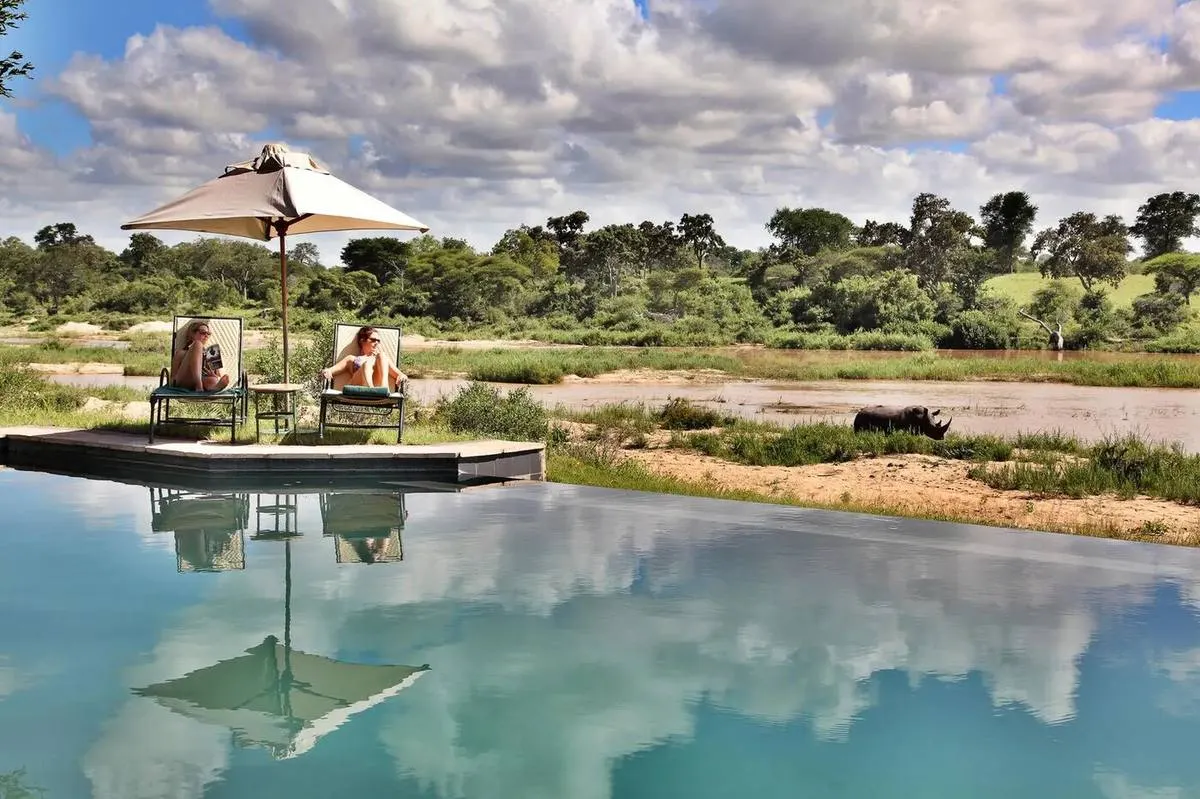
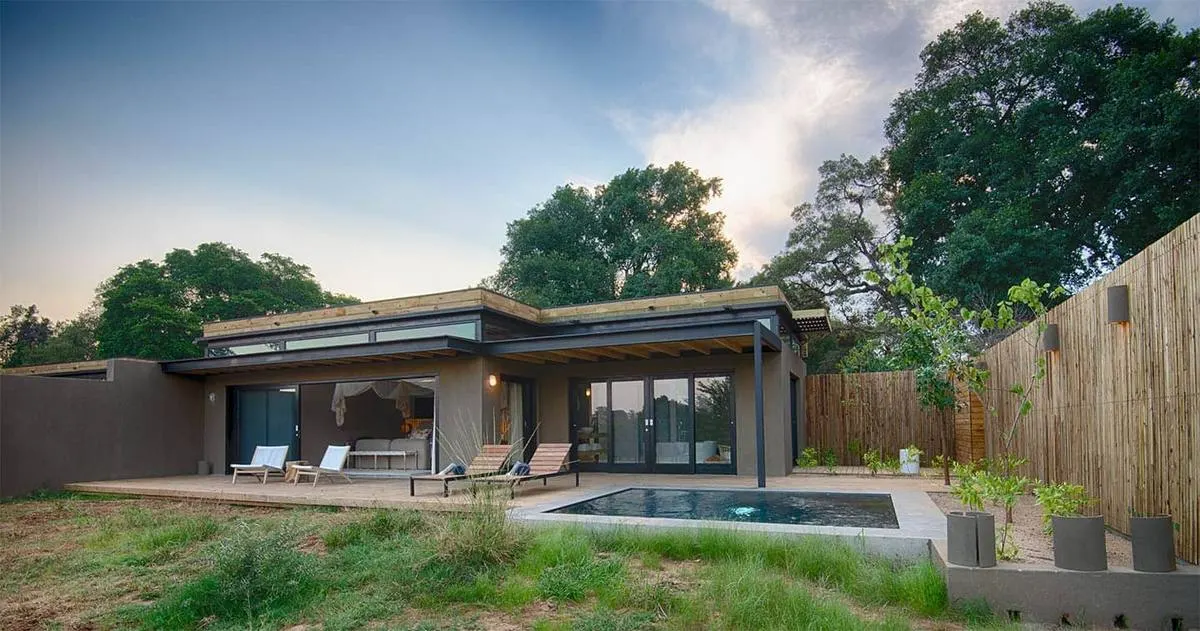
Where you sleep matters just as much as where you game drive. In 2026, many of the most responsible properties are investing in solar power, water recycling, plastic-free operations, electric vehicles, and locally sourced cuisine. Some are also funding anti-poaching patrols, wildlife monitoring and rewilding projects directly through guest nights. When you book a safari, ask what percentage of your rate stays in the destination and what conservation contributions are included.
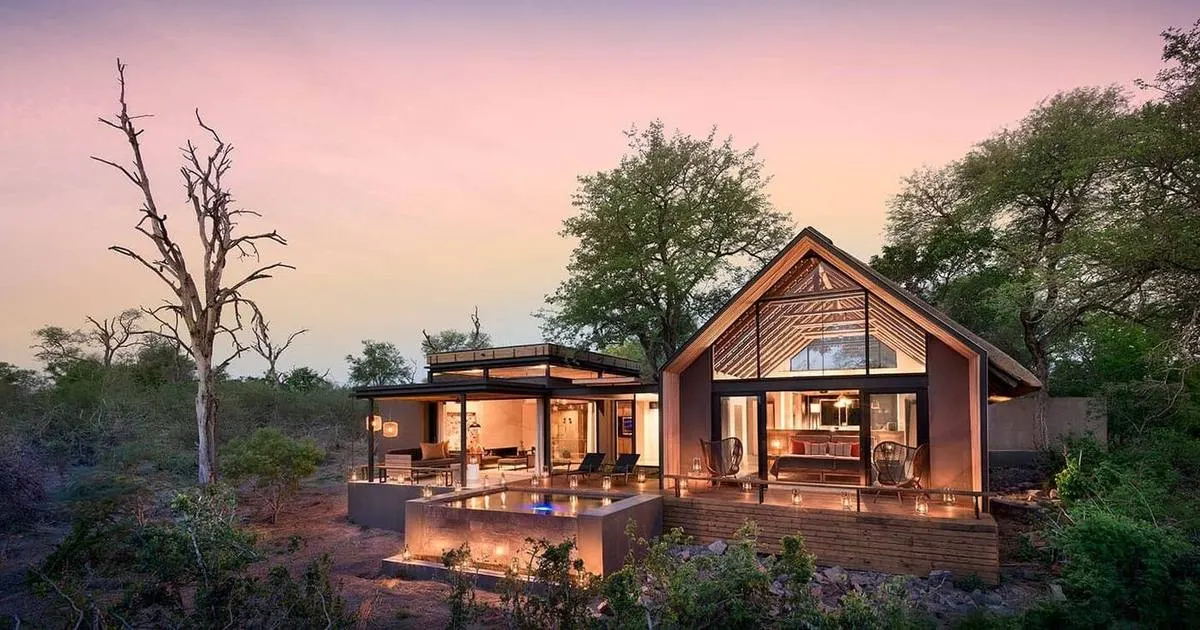
Luxury does not need to mean excess. A thoughtfully run camp can offer elegant suites, excellent food and impeccable guiding while still keeping its environmental footprint light. Smaller properties often have lower impact and more personal service. If you are combining big game viewing with a city break, consider experiences that connect travellers to local culture and nature, such as the Private Tour: Cape of Good Hope, Table Mountain & Penguins, which can be paired with ethically run accommodation in day trips">Cape Town.
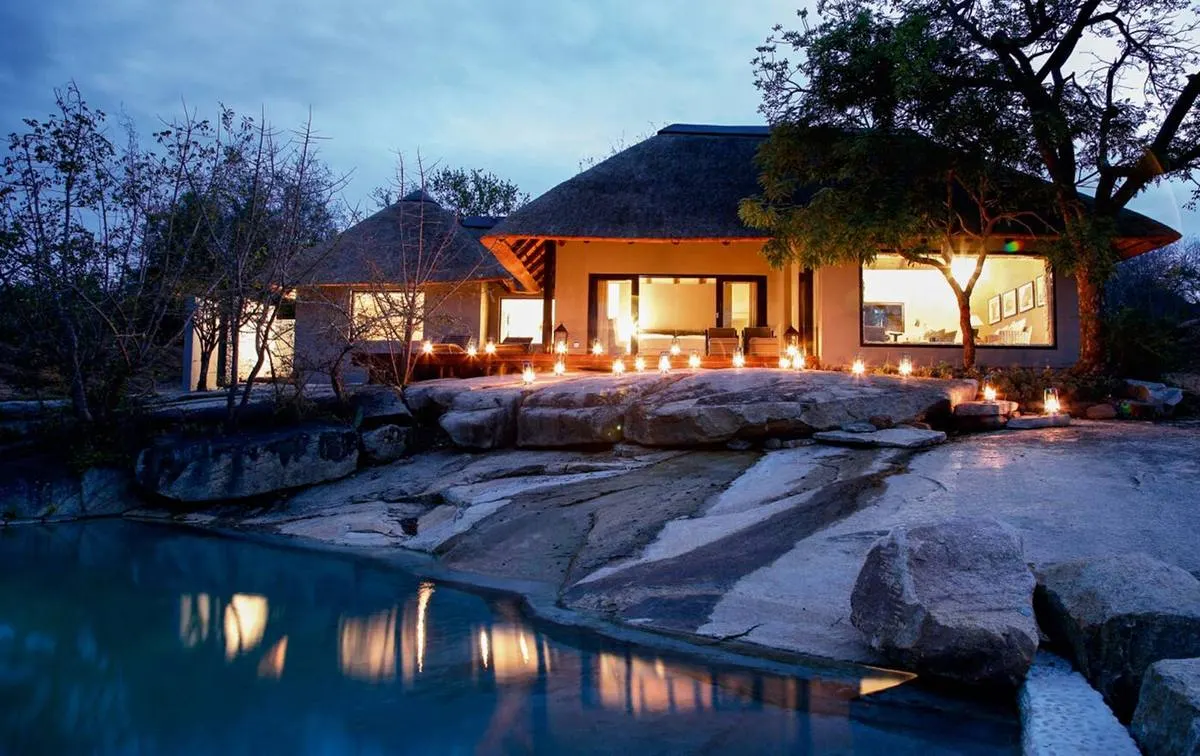
Some camps and lodges are especially transparent about their sustainability commitments. Look for practical measures rather than vague language: renewable energy, grey-water systems, local sourcing, staff training, waste separation, and community partnerships. You should also seek out properties that limit off-road driving in sensitive habitats, maintain sensible room counts, and work within the carrying capacity of their surroundings.
The best safaris now protect wildlife, support communities, reduce environmental impact and still deliver the comfort, exclusivity and unforgettable wilderness moments that travellers expect.
Support community-led tourism and local enterprise
The most powerful way safari travel can benefit Africa is by creating livelihoods and keeping value in local hands. In 2026, responsible travellers are increasingly choosing products that involve community ownership, local guides, local craftspeople and locally run food experiences. This goes beyond charity; it is about making tourism economically fair and culturally respectful.
Ask yourself whether your trip is helping to preserve the places you visit. Are local people employed in leadership roles, not only entry-level jobs? Are guests encouraged to learn about culture with dignity and consent? Are community projects funded through the safari? These questions help you identify operators whose impact is genuinely positive.
Urban and cultural experiences can also be part of a responsible journey. A cooking class such as Cape Malay Cooking Class in Bo-Kaap — Cook Like a Local allows travellers to engage with heritage in a way that supports local hosts and celebrates living culture. Likewise, a visit to Stellenbosch & Franschhoek Wine Tour can be made more responsible by choosing estates committed to water stewardship, biodiversity and fair labour practices.
When you travel with purpose, even a romantic escape can contribute meaningfully. A journey like Romantic Southern Africa Honeymoon — Bush, Beach & Wine can be curated to include community-focused stays, locally owned experiences and conservation-minded lodges without losing any of the romance.
Protect wildlife by travelling with restraint
Wildlife viewing is the heart of safari, but good viewing requires discipline. The traveller’s role is to observe, not to interfere. In 2026, the most responsible safari guests understand that proximity is not the goal; respect is. That means keeping quiet around animals, never asking guides to chase sightings, and accepting that some encounters should be left alone.
Photography is another area where restraint matters. Avoid using flashes on animals, never bait wildlife for a shot, and do not pressure guides to position vehicles too aggressively. Drone use is highly disruptive and is often restricted or prohibited in protected areas. If you are travelling for gorilla trekking or chimpanzee tracking, the rules are even more important because primates are highly susceptible to human disturbance. A journey such as Uganda & Rwanda Gorilla Trekking — Walk With Giants depends on strict distance, time and hygiene protocols that protect both wildlife and visitors.
For families, it is worth choosing experiences where conservation education is built into the itinerary. The Family Kruger & Victoria Falls — Kid-Friendly Big Five Adventure is a strong example of how a safari can be both exciting and informative, helping younger travellers understand why protected areas, species monitoring and respectful behaviour matter.
Travel smarter: fewer flights, longer stays, better planning
Air travel remains one of the biggest contributors to a safari holiday’s carbon footprint, so itinerary design matters. A responsible safari in 2026 should minimise unnecessary internal flights while still making the most of your time. The answer is not always to avoid flying completely, especially in larger countries where distances are vast, but rather to reduce short hops, combine regions sensibly and stay longer in each destination.
Luxury fly-in itineraries can still be sustainable when they replace long overland transfers and when they connect efficiently between remote camps. The key is to avoid overpacking the itinerary. A more focused route often gives you better wildlife sightings and a more relaxed pace. For travellers seeking a once-in-a-lifetime journey with fewer compromises, the Iconic Southern Africa Grand Tour — Cape Town to Chobe balances major highlights with carefully considered transitions.
If you want a bush-and-beach combination, choose an itinerary that makes geographical sense rather than forcing too many destinations into one trip. The Zanzibar & Serengeti — Bush Meets Beach in East Africa is a strong example of a classic pairing that allows travellers to experience wildlife, culture and coast in a relatively coherent route.
Pack lightly and leave no trace
Sustainable travel also starts with what you bring. Pack reusable items that reduce single-use waste: a refillable water bottle, a compact cloth bag, a travel mug if needed, and reef-safe toiletries if your itinerary includes the coast. Choose neutral-coloured clothing that works across activities so you do not overpack. Soft-sided luggage is often preferred for small aircraft and can help reduce fuel load marginally while making transfers easier.
Leave-no-trace habits are essential on safari. Never litter, never take natural objects from parks, and stick to designated paths and visitor areas where required. Use water sparingly, especially in dry regions, and be mindful of laundry frequency in remote camps. If you are visiting fragile environments such as mountain ecosystems, tread carefully and follow your guide’s instructions closely. On an active journey like Mount Kilimanjaro — 7-Day Lemosho Route, responsible trekking means respecting trail rules, carrying out all waste and supporting porters and local mountain teams fairly.
Responsible travel is often about small decisions repeated consistently. Over time, those decisions help preserve the very landscapes that make safari so special.
Ask the right questions before you book
Discerning travellers in 2026 should feel empowered to ask detailed questions before confirming a safari. How many vehicles can be at a sighting? Does the lodge use renewable energy? How are staff recruited and trained? Are community projects measurable? Is water sourced and managed responsibly? Does the operator offset emissions, and if so, is that offsetting verified and meaningful?
These are not awkward questions; they are the new language of high-quality travel. Operators that are genuinely responsible will welcome them. They will also be able to explain how your stay supports conservation and people on the ground. If you are looking for a highly curated wildlife experience that prioritises exclusivity and conservation access, the Classic Kruger & Sabi Sands Fly-In Safari — Big Five Guaranteed and the Serengeti Great Migration & Ngorongoro Crater — Tanzania's Greatest Show both illustrate how premium safari can align with responsible travel when planned carefully.
Responsible luxury is the future of safari
The future of safari travel is not about choosing between comfort and conscience. It is about recognising that the most memorable journeys are often the ones that do good as well as feel good. A responsible safari in 2026 can still include elegant suites, impeccable service, fine dining, private guides and extraordinary wildlife viewing. What changes is the intention behind the trip: less consumption, more connection; less rushing, more depth; less extraction, more reciprocity.
For travellers seeking something deeply special, there are also destination combinations that merge adventure with restorative luxury. The Botswana Delta & Victoria Falls Honeymoon — Wilderness & Wonder is ideal for couples who want romance with real ecological value, while the Rwanda Gorilla Trek & Mauritius Paradise — Adventure Meets Luxury shows how a trip can combine iconic wildlife with coastal relaxation in a thoughtful way.
As you plan your safari for 2026, think beyond the headline sightings. Choose operators who respect wildlife, empower communities and manage their footprint with care. Travel a little slower, ask better questions and spend your money where it creates the most benefit. That approach does more than protect Africa’s wild places; it helps ensure they remain extraordinary for generations to come. If you are ready to design a luxury safari that feels as good as it looks, start with a journey that reflects your values and your sense of adventure.
Tours & Safaris You'll Love
Handpicked by our team based on what you're reading. Book direct for the best price — guaranteed.
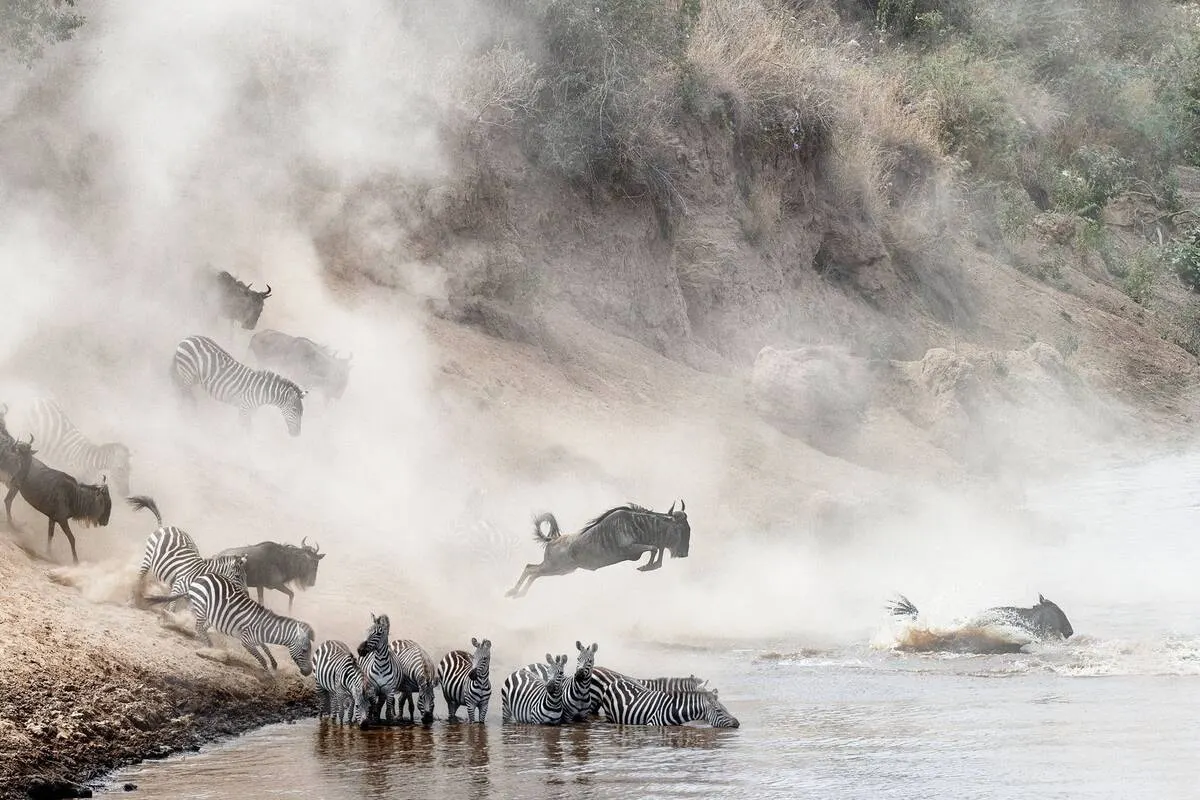
Serengeti Great Migration River Crossing — Mara River Safari
Witness the world's greatest wildlife spectacle — wildebeest crossing the Mara
per person • Best price direct
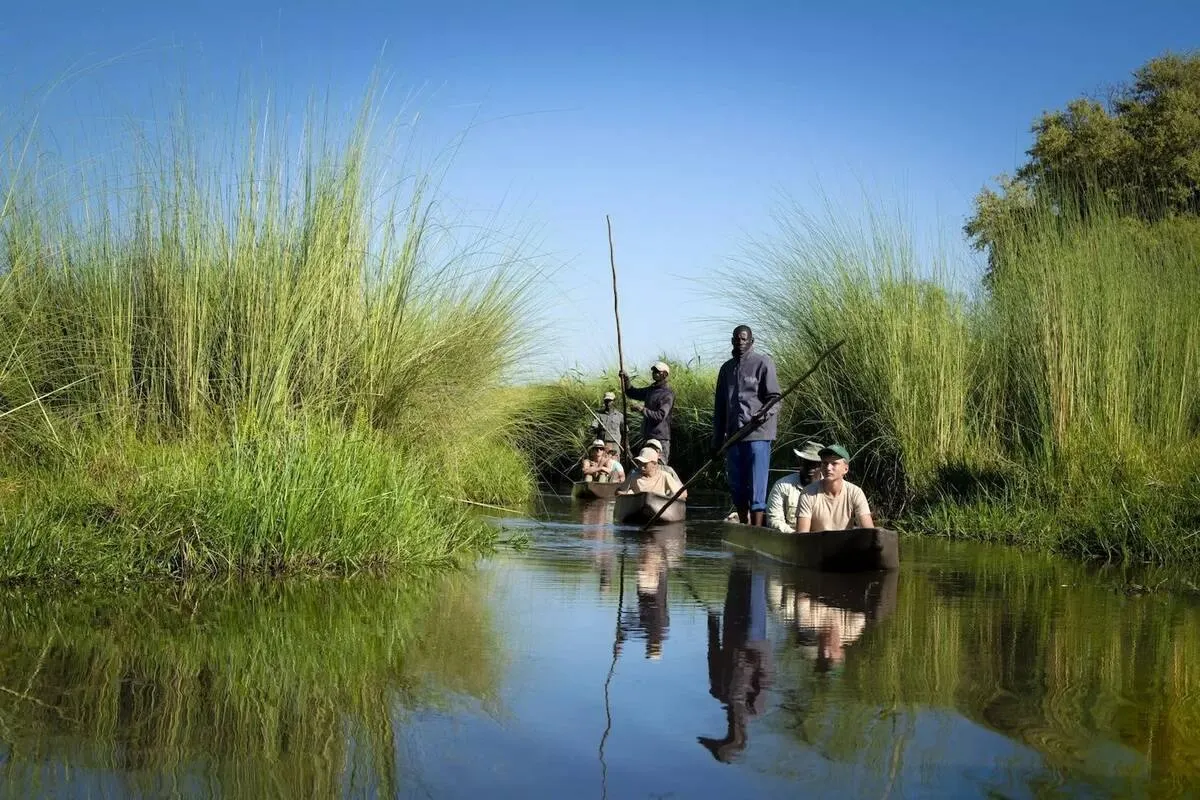
Okavango Luxury Fly-In Wilderness Camp — 5-Star Under Canvas
The world's most exclusive tented camp — deep in the delta
per person • Best price direct

Masai Mara Great Migration Safari — River Crossing Season
Witness nature's greatest spectacle — millions of wildebeest crossing the Mara River
per person • Best price direct
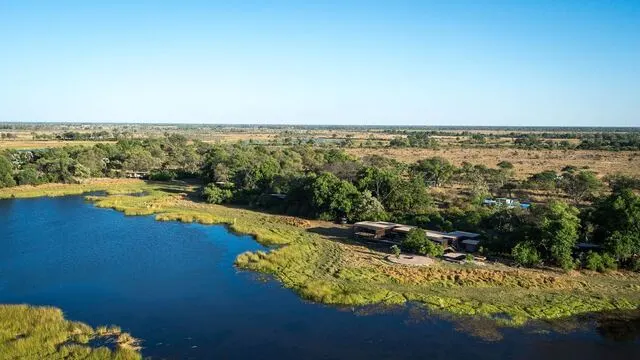
Okavango Delta Fly-In Safari — Luxury Bush Camp
The world's most exclusive safari destination from above and within
per person • Best price direct
Why book with middlemen? Same tours, lower prices, direct support from our team.
Get a Free Custom Quote