
Cape Town Seafood Guide: The Best Ocean Dining Experiences in 2026
Cape Town sits at the confluence of two oceans — the cold, nutrient-rich Atlantic and the warmer Indian Ocean — and this extraordinary geography makes it one of the world's great seafood cities. From the humble snoek braai on the harbour to white-tablecloth dining with views of Table Mountain, the Mother City's seafood scene is as diverse and spectacular as its landscapes.
As safari operators based right here in Cape Town, we've spent years guiding visitors through the city's culinary highlights before and after their African adventures. This guide distils everything we know about eating brilliantly by the sea in Cape Town — the iconic spots, the hidden gems, and the dishes you absolutely cannot leave without trying.
Why Cape Town's Seafood Is World-Class
The Benguela Current sweeps cold, oxygen-rich water up from Antarctica along the Cape's Atlantic coast, creating one of the most productive marine ecosystems on the planet. This is why Cape Town's seafood is so exceptionally fresh and flavourful — the fish are feeding in pristine, cold waters just kilometres from the restaurants that serve them.
West Coast rock lobster (crayfish), Cape snoek, yellowtail, kabeljou, and Knysna oysters are among the prized local species. The fishing communities of Kalk Bay, Hout Bay, and the V&A Waterfront have been landing these treasures for generations, and today's chefs are celebrating them with both traditional recipes and innovative modern techniques.
Pair this with the Cape Winelands just 45 minutes away — producing some of Africa's finest Sauvignon Blancs and Chenin Blancs — and you have a food-and-wine destination that rivals anywhere in the world. Lekker doesn't even begin to cover it.
This guide distils everything we know about eating brilliantly by the sea in Cape Town — the iconic spots, the hidden gems, and the dishes you absolutely cannot leave without trying.
The Iconic Seafood Neighbourhoods
The V&A Waterfront
The Victoria & Alfred Waterfront is Cape Town's most visited dining precinct, and for good reason. Working fishing boats still unload their catch at the harbour, and the restaurants here benefit from that daily freshness. Expect to pay $25–$60 per person for a main course at the better establishments, with harbour views included at no extra charge.
The Waterfront is also the perfect starting point for many of our Cape Town tours, making it easy to combine a morning excursion with a long, leisurely seafood lunch. Look for the daily specials boards — these reflect what came off the boats that morning and are invariably the best value on the menu.
Kalk Bay
If you want to eat seafood the way day trips">Cape Town locals do, head to Kalk Bay on the False Bay coast. This bohemian fishing village is home to one of the last working harbours in the Cape Peninsula, and the fish-and-chip shops here are legendary. Kalk Bay Harbour Fish Market is the real deal — you can watch the boats come in, choose your fish, and have it cooked on the spot for around $8–$15.
The village also has several excellent sit-down restaurants with a more relaxed, artsy vibe than the Waterfront. It's a wonderful stop on the Cape Peninsula day tour, which takes you along the dramatic False Bay coastline past Muizenberg, Kalk Bay, and Simon's Town before rounding the Cape of Good Hope.
Hout Bay
Hout Bay is Cape Town's fishing capital, a sheltered harbour village surrounded by dramatic mountains where the commercial fishing fleet is based. The harbour market here is a wonderful, slightly chaotic experience — fresh crayfish, smoked snoek, and calamari cooked in front of you while seals beg shamelessly from the jetty.
Hout Bay is also the gateway to Chapman's Peak Drive, one of the world's most spectacular coastal roads, and a key stop on many of our Cape Town food and culture experiences. Budget around $10–$20 for a harbour market meal, or $40–$70 per person at the sit-down restaurants overlooking the bay.
Must-Try Cape Town Seafood Dishes
Snoek
Snoek is Cape Town's signature fish — a long, oily, intensely flavoured species that is almost always braaied (barbecued) over open coals and served with apricot jam. Yes, apricot jam. It sounds unusual, but the sweetness cuts through the richness of the fish in a way that is deeply, unmistakably Cape Malay in character. You'll find snoek braais at harbour markets, township food stalls, and upscale restaurants alike.
Smoked snoek pâté is another local staple — served on fresh bread with a squeeze of lemon, it's one of the great simple pleasures of Cape Town eating. Look for it at the Oranjezicht City Farm Market on Saturday mornings.
West Coast Rock Lobster (Crayfish)
Cape crayfish — what the rest of the world calls rock lobster — is a prized delicacy that is best eaten simply: halved, grilled over coals, and served with garlic butter and lemon. The season runs from November to April, and during peak season you can find them at harbour markets for $15–$25 each. At upscale restaurants, expect to pay $40–$80 for a whole crayfish.
The annual crayfish season opening is a major event in Cape Town, with locals queuing from before dawn to be first in line. If your visit coincides with the season, this is a bucket-list experience.
Yellowtail
Yellowtail is the fish that Cape Town locals braai at home on summer weekends. It's a firm, flavourful fish that holds up beautifully to the heat of the coals, and it's sustainably caught in local waters. At restaurants, it's typically served pan-fried or grilled with simple accompaniments — the quality of the fish speaks for itself.
Knysna Oysters
While technically from the Garden Route town of Knysna, these oysters are ubiquitous on Cape Town menus and are among the finest in the world. The Knysna Lagoon's unique combination of fresh and salt water produces oysters with a clean, briny flavour and a creamy finish. Expect to pay $2–$4 per oyster at restaurants, or visit the Knysna Oyster Festival in July if your timing allows.
Pairing Cape Seafood with Cape Wine
The Cape Winelands produce some of Africa's most celebrated white wines, and they pair magnificently with the local seafood. Here are the classic combinations that Cape Town sommeliers swear by:
Sauvignon Blanc with Oysters and Snoek
Stellenbosch and Elgin Sauvignon Blancs have a crisp, herbaceous character with citrus and green pepper notes that cut beautifully through the richness of snoek and complement the brininess of oysters. Producers like Tokara, Waterford, and Paul Cluver make exceptional examples in the $15–$30 range.
Chenin Blanc with Crayfish
The Cape's signature white grape variety, Chenin Blanc (locally called Steen), produces wines ranging from bone-dry to lusciously sweet. A dry, wooded Chenin from Swartland or Stellenbosch — with its honeyed, waxy texture and stone-fruit flavours — is a sublime match for grilled crayfish with garlic butter.
MCC Sparkling Wine with Calamari
Méthode Cap Classique (MCC) is South Africa's answer to Champagne, made by the same traditional method. Graham Beck, Simonsig, and Villiera produce outstanding MCCs that are perfect with lightly fried calamari or as an aperitif before a seafood feast. Prices range from $12–$25 per bottle at the cellar door.
For a full winelands experience to complement your seafood adventures, our Stellenbosch and Franschhoek wine tour visits three to four estates with expert guidance on food and wine pairing.
The Cape Malay Seafood Tradition
Cape Town's food culture is inseparable from its Cape Malay heritage — the culinary traditions brought by enslaved people from Indonesia, Malaysia, and India in the 17th and 18th centuries. This heritage has given Cape Town a unique spice-forward approach to seafood that you won't find anywhere else in Africa.
Pickled fish — snoek or yellowtail marinated in a sweet-and-sour curry sauce — is the quintessential Cape Malay seafood dish, traditionally eaten at Easter. Bobotie, though primarily a meat dish, has seafood variations. And the use of turmeric, coriander, cardamom, and tamarind in fish curries gives Cape Town's seafood a distinctive warmth and complexity.
The Bo-Kaap neighbourhood, with its brightly painted houses on the slopes of Signal Hill, is the heart of Cape Malay culture in Cape Town. Our Bo-Kaap cultural food tour includes a cooking demonstration and tasting of traditional Cape Malay dishes — an unmissable experience for food lovers.
Sustainable Seafood in Cape Town
Cape Town's seafood scene has become increasingly conscious of sustainability, and the SASSI (Southern African Sustainable Seafood Initiative) traffic-light system is widely used by responsible restaurants. Green-listed species are the most sustainable choices; orange-listed species should be eaten with caution; red-listed species should be avoided entirely.
When dining in Cape Town, look for restaurants that display the SASSI logo or that can tell you the provenance of their fish. The best establishments work directly with local fishing communities and can trace every fish on their menu back to the boat that caught it.
This commitment to sustainability mirrors the ethos of responsible safari travel — the same principles of conservation and community benefit that guide our approach to African safari experiences apply equally to how we eat and drink in Cape Town.
Practical Tips for Seafood Dining in Cape Town
Best time to visit: Cape Town's seafood is excellent year-round, but summer (November to March) brings the crayfish season and the best weather for outdoor harbour dining. The Knysna Oyster Festival in July is worth planning around if you're an oyster enthusiast.
Budget guidance: Harbour market meals cost $8–$20 per person. Mid-range restaurants charge $30–$60 per person including wine. Fine dining establishments run $80–$150 per person. The quality-to-price ratio at the harbour markets is extraordinary — don't overlook them in favour of the fancier options.
Reservations: The best restaurants in Cape Town fill up quickly, especially in summer. Book at least a week in advance for popular spots, and two to three weeks ahead for the most sought-after tables.
Dress code: Cape Town is generally relaxed about dress codes. Smart casual is appropriate for most restaurants; only a handful of fine dining establishments require formal attire.
Tipping: A 10–15% tip is standard and expected at sit-down restaurants. At harbour markets and casual spots, rounding up the bill is appreciated.
Combining Seafood with Your Safari
Many of our guests combine a Cape Town seafood and wine experience with a safari in the greater Kruger area or the Cape's own Big Five reserves. It's a magnificent combination — the raw wilderness of the bush followed by the sophisticated pleasures of the Mother City, or vice versa.
We often recommend spending two to three days in Cape Town at the start of a trip, enjoying the seafood and winelands, before heading out on safari. The contrast between the two experiences — the city's cosmopolitan energy and the bush's profound stillness — makes each more vivid and memorable.
Our Aquila Big Five Day Safari is a popular option for guests who want a taste of the bush without leaving the Cape — it's just two hours from Cape Town and offers excellent Big Five sightings, making it easy to combine with a seafood dinner back in the city that evening.
Plan Your Cape Town Seafood Experience
Cape Town's seafood scene is one of Africa's great culinary treasures, and it deserves to be experienced with the same sense of adventure and curiosity that you bring to a safari. Whether you're cracking open a crayfish at a harbour market, sipping Chenin Blanc with oysters at a winelands restaurant, or watching the sun set over the Atlantic with a plate of grilled yellowtail, you're participating in a food culture that is uniquely, gloriously Cape Town.
We'd love to help you build a Cape Town itinerary that combines the best of the city's seafood and wine scene with an unforgettable African safari. Our team knows every great restaurant, every hidden harbour gem, and every wine estate worth visiting — and we can weave them seamlessly into a broader South African adventure.
Ready to taste the best of Cape Town? Contact our team to start planning your perfect Cape Town and safari experience. We'll handle every detail — from restaurant reservations to game drive bookings — so you can focus on the extraordinary flavours and wildlife that make South Africa so utterly unforgettable. Use our safari cost calculator to get a sense of what your dream trip might cost, or start planning your safari with our expert team today.
Tours & Safaris You'll Love
Handpicked by our team based on what you're reading. Book direct for the best price — guaranteed.
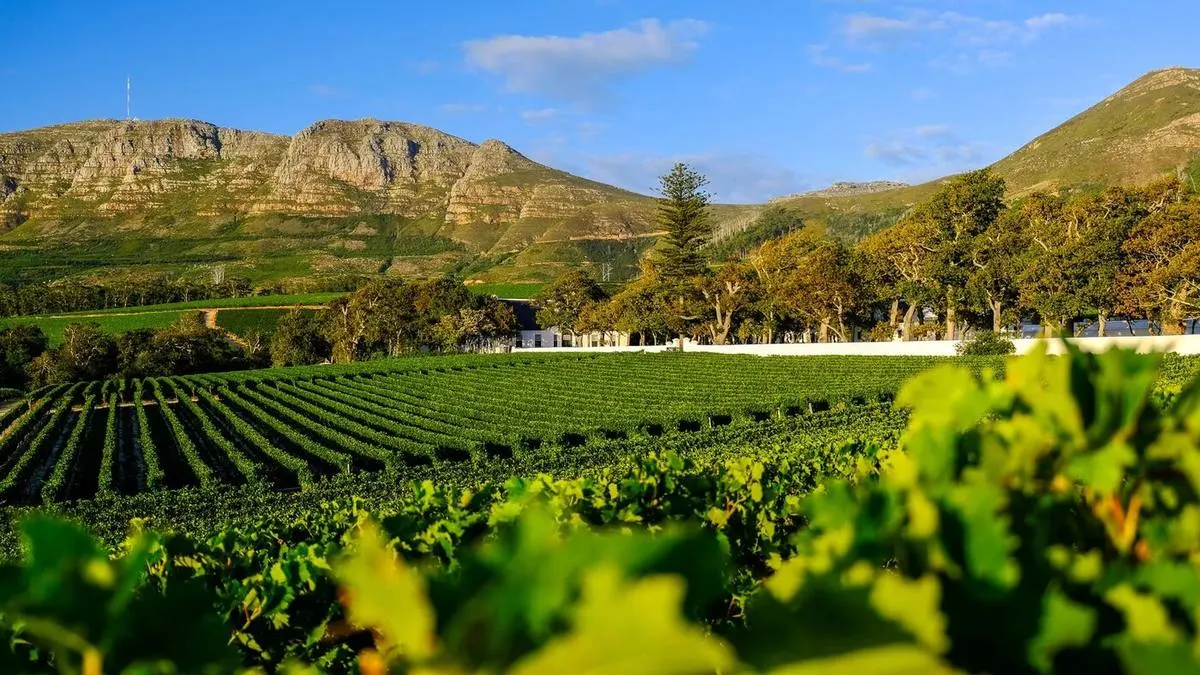
Cape Winelands 3-Region Wine Tour — 15 Wines, 3 Estates
Stellenbosch, Franschhoek & Paarl — The Ultimate Full-Day Wine Experience
per person • Best price direct

Franschhoek Wine Tram Hop-On Hop-Off Experience from Cape Town
Ride the Famous Wine Tram Through South Africa's Culinary Capital
per person • Best price direct
Table Mountain & City Explorer
Discover Cape Town's Iconic Landmarks
per person • Best price direct
Stellenbosch & Franschhoek Wine Tour
Two Iconic Wine Regions in One Day
per person • Best price direct
Why book with middlemen? Same tours, lower prices, direct support from our team.
Get a Free Custom Quote