Everything you need to know for planning the perfect Port Elizabeth experience — from the best time to visit to insider tips.
Port Elizabeth — now officially part of the Nelson Mandela Bay Metropolitan Municipality — enjoys one of South Africa's most temperate climates, making it a genuine year-round destination. Sitting on the shores of Algoa Bay along the Eastern Cape's Sunshine Coast, the city averages over 300 days of sunshine annually, earning its reputation as one of the sunniest spots in the country.
**Summer (December – February)** is peak season. Daytime temperatures reach 25–30 °C, the Indian Ocean warms to a swimmable 20–22 °C, and the city's beaches — Hobie Beach, King's Beach, Sardinia Bay, and the sheltered coves along the Wildside — come alive with families, surfers, and kite-boarders. Accommodation fills up fast over the December school holidays, so book Addo-area lodges and beachfront stays three to four months ahead. Expect afternoon south-westerly winds; mornings are usually calm and ideal for beach time or boat-based whale watching in Algoa Bay.
**Autumn (March – May)** is arguably the best-kept secret. The Easter crowds thin out by mid-March, temperatures settle at a comfortable 20–25 °C, and the bush around Addo Elephant National Park turns golden — making wildlife viewing exceptional as animals congregate around fewer water sources. The ocean retains summer warmth into April, and rates at private game reserves like Shamwari, Amakhala, and Schotia Safaris drop by 15–25 % compared to peak. Autumn is also prime time for sardine run precursors — massive bait balls attract dolphins, sharks, and seabirds to the bay.
**Winter (June – August)** brings cooler days of 15–20 °C and chilly nights dropping to 7–10 °C, but rainfall remains low — typically just 40–50 mm per month. This is the most affordable window for safaris, with Addo entry fees remaining the same but lodge rates hitting their lowest. The Southern Right Whales begin arriving in Algoa Bay from June, and the bay's calm winter waters make boat-based encounters magical. The annual Splash Festival in late June/July turns the beachfront into a celebration of art, music, and ocean culture.
**Spring (September – November)** signals renewal across the Eastern Cape. Wildflowers bloom in the coastal fynbos, elephant calves appear in Addo (September–October birthing season), and migratory birds return to the wetlands of the Sundays River Valley. Temperatures climb from 18 °C in September to 24 °C by November, and the ocean begins warming. Spring offers the sweet spot of good weather, lower prices, and baby animals — arguably the best time for a family safari.
**Port Elizabeth's malaria-free status** is a game-changer for families with young children and travellers who prefer not to take prophylactics. The entire Eastern Cape safari region — Addo, Shamwari, Amakhala, Pumba, Kwantu, Lalibela — sits well outside the malaria zone, making it the safest Big Five destination in southern Africa.
Frequently Asked Questions
Common questions about Port Elizabeth tours and travel
Port Elizabeth (Gqeberha) is the gateway to the best malaria-free Big Five safari experiences in South Africa. Addo Elephant National Park, the third-largest national park, is just 72km away. Several world-class private reserves including Shamwari, Amakhala, and Schotia border the region. You get the Big Five without needing malaria medication — perfect for families with young children.
Popular Searches
Trending Port Elizabeth experiences travellers are searching for


 Big Five
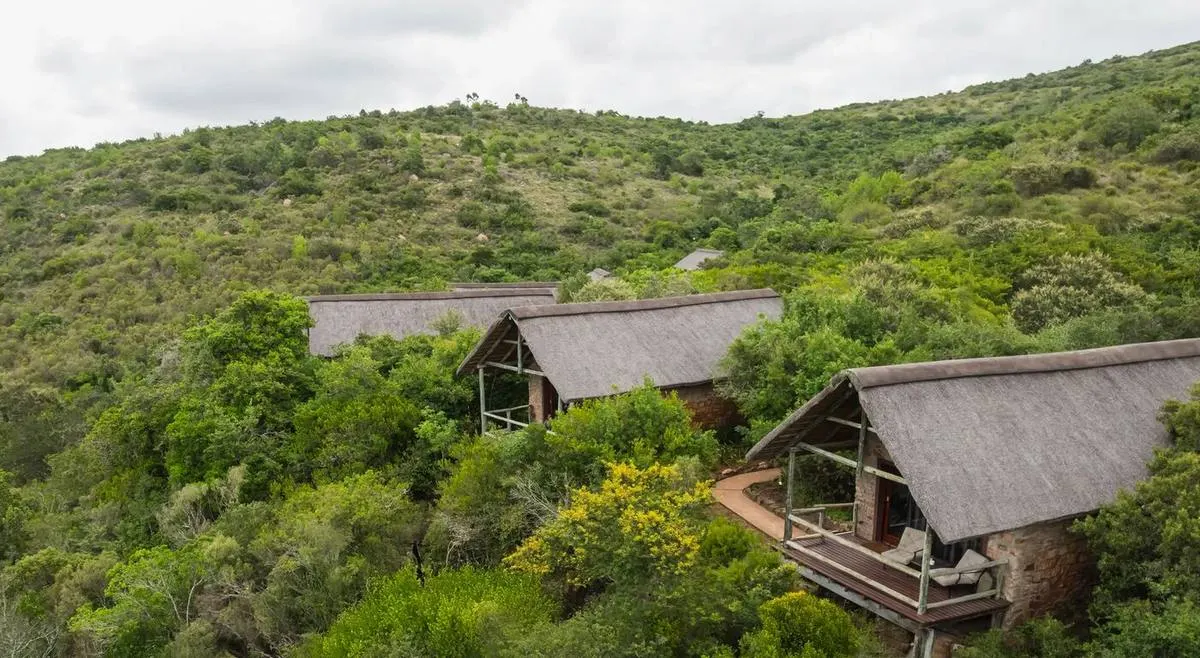 Big Five
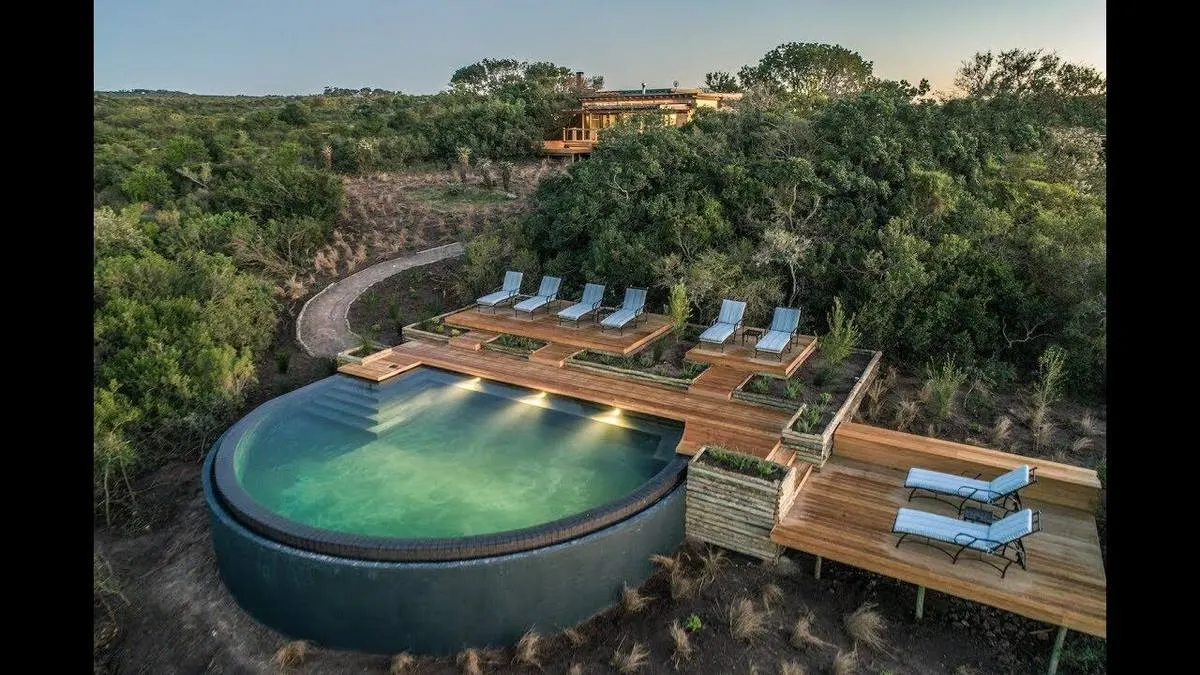 Big Five
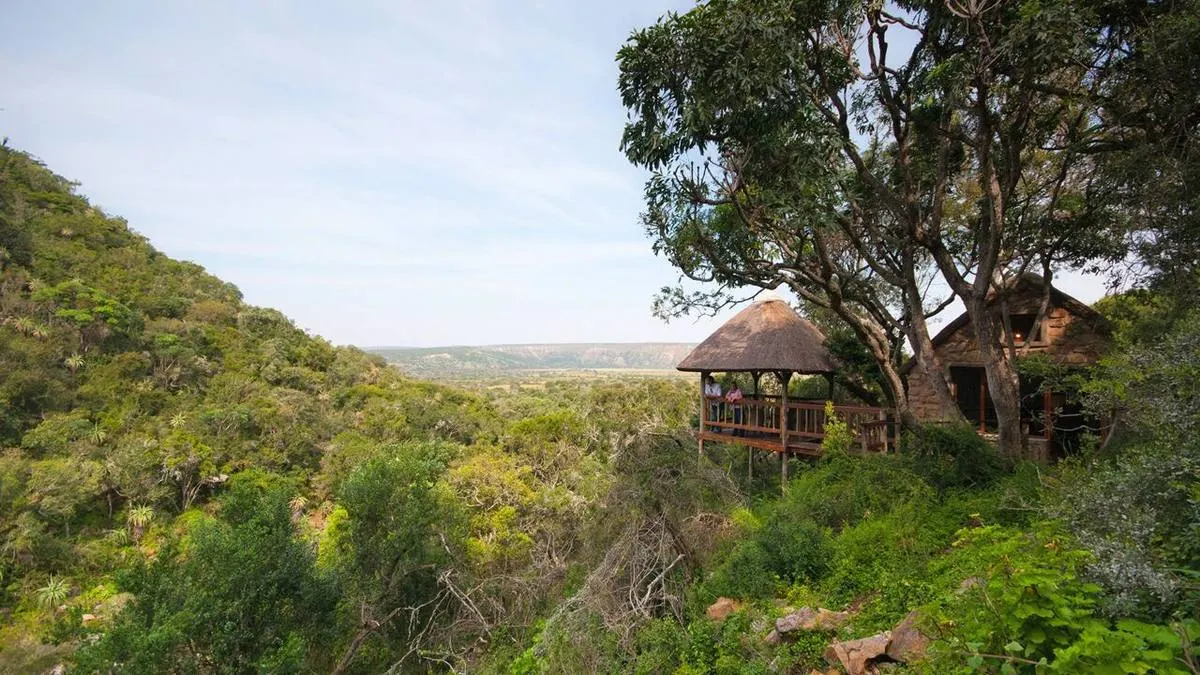 Big Five