Africa Safari Health & Vaccinations: The Complete Travel Health Guide for 2026
Planning an African safari is one of the most exciting things you'll ever do. But alongside choosing your lodge, booking your flights, and packing your binoculars, there's one aspect of preparation that travellers sometimes leave too late: their health. Getting your vaccinations, malaria prevention, and travel health plan sorted well in advance is not just sensible — it's essential for a safe, worry-free safari experience.
At Ingwe Africa Safaris, we've helped thousands of travellers prepare for their African adventures. This guide covers everything you need to know about health and vaccinations for a safari in South Africa, East Africa, and beyond — so you can focus on the wildlife, not the what-ifs.
How Far in Advance Should You See a Travel Doctor?
The golden rule is to visit a travel health clinic or your GP at least 6–8 weeks before departure. Some vaccines require multiple doses spread over several weeks, and your body needs time to build immunity. If you're travelling in less than six weeks, don't panic — see a doctor as soon as possible. Even a last-minute consultation is better than none.
In South Africa, travel health clinics are available in all major cities. Internationally, look for clinics affiliated with the International Society of Travel Medicine (ISTM) or your country's equivalent. A consultation typically costs $50–$100 USD and is often partially covered by travel insurance.
But alongside choosing your lodge, booking your flights, and packing your binoculars, there's one aspect of preparation that travellers sometimes leave too late: their health.
Essential Vaccinations for African Safari Travel
Routine Vaccinations — Don't Overlook the Basics
Before thinking about exotic tropical vaccines, make sure your routine vaccinations are up to date. These include measles-mumps-rubella (MMR), diphtheria-tetanus-pertussis (DTP), varicella (chickenpox), and influenza. Many adults find their childhood boosters have lapsed — a safari is a good prompt to get them refreshed.
Hepatitis A and Hepatitis B vaccines are also strongly recommended for all travellers to Africa, regardless of destination. Hepatitis A is transmitted through contaminated food and water; Hepatitis B through blood and bodily fluids. Both are preventable with a simple vaccine series.
Typhoid
Typhoid fever is a bacterial infection spread through contaminated food and water. It's a real risk in parts of Africa, particularly in areas with limited sanitation infrastructure. The typhoid vaccine is available as an injection (one dose, valid for 2–3 years) or oral capsules (taken over several days, valid for 5 years). Cost: approximately $50–$80 USD.
Yellow Fever
Yellow fever vaccination is mandatory for entry into several African countries, including Uganda, Rwanda, Kenya (if arriving from a yellow fever endemic country), and Tanzania (under certain conditions). Even where it's not legally required, it's often recommended if you're travelling through endemic regions.
The yellow fever vaccine is a single injection that provides lifelong protection. You'll receive an International Certificate of Vaccination (the "yellow card") which you must carry with your passport. Cost: approximately $150–$250 USD. Note that the vaccine is not suitable for everyone — consult your doctor if you are immunocompromised, pregnant, or over 60.
Meningococcal Meningitis
Meningococcal meningitis is recommended for travellers visiting the "meningitis belt" of sub-Saharan Africa (stretching from Senegal to Ethiopia), particularly during the dry season (December–June). It's also required for pilgrims travelling to Saudi Arabia. The quadrivalent vaccine (ACWY) provides protection for 3–5 years. Cost: approximately $100–$150 USD.
Rabies
Pre-exposure rabies vaccination is recommended for travellers who will be spending extended time in rural areas, working with animals, or travelling to remote locations where access to post-exposure treatment may be limited. The pre-exposure course consists of three injections over 21–28 days. Cost: approximately $300–$600 USD for the full course.
If you're bitten or scratched by an animal during your safari, seek medical attention immediately regardless of your vaccination status. Pre-exposure vaccination simplifies post-exposure treatment but does not eliminate the need for it.
Malaria Prevention — The Most Important Health Decision You'll Make
Malaria is the most significant health risk for safari travellers in sub-Saharan Africa. It's a parasitic infection transmitted by the bite of infected Anopheles mosquitoes, and it can be life-threatening if not treated promptly. The good news: malaria is entirely preventable with the right precautions.
Is Your Destination Malaria-Risk?
Malaria risk varies significantly by destination and season. In South Africa, the main malaria areas are the Kruger National Park and surrounding private reserves (Limpopo and Mpumalanga provinces), as well as northern KwaZulu-Natal. Cape Town and the Western Cape are malaria-free — one reason why day safaris from Cape Town are so popular with families and health-conscious travellers.
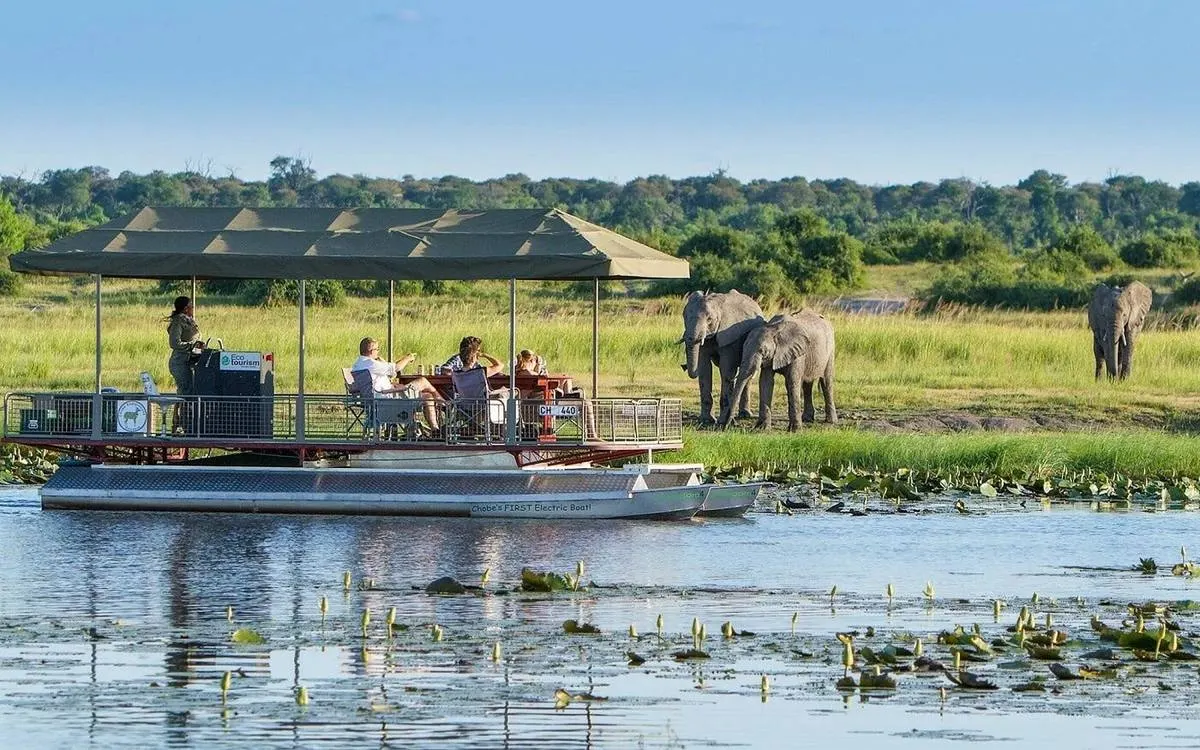
East Africa (Kenya, Tanzania, Uganda, Rwanda) has higher malaria transmission, particularly in lowland areas. The Serengeti, Masai Mara, and Amboseli are all malaria zones. Botswana's Okavango Delta and Chobe are also malaria areas, though risk is lower in the dry season (May–October).
If you're concerned about malaria risk, our team at Ingwe Africa Safaris can help you design an itinerary that balances wildlife experiences with your health priorities — including malaria-free alternatives where appropriate.
Antimalarial Medications
There are three main antimalarial medications used by travellers. Your travel doctor will recommend the most appropriate one based on your destination, health history, and personal preferences.
Atovaquone-proguanil (Malarone): Taken daily, starting 1–2 days before entering a malaria zone and continuing for 7 days after leaving. Well-tolerated with few side effects. Cost: approximately $5–$8 USD per tablet (a 2-week course costs around $70–$110 USD).
Doxycycline: A broad-spectrum antibiotic taken daily, starting 1–2 days before and continuing for 4 weeks after. Inexpensive (around $1–$2 USD per tablet) but can cause sun sensitivity and stomach upset. Not suitable for pregnant women or children under 8.
Mefloquine (Lariam): Taken weekly, starting 2–3 weeks before travel. Less commonly prescribed due to potential neuropsychiatric side effects, but still used in some situations. Cost: approximately $5–$10 USD per tablet.
Mosquito Bite Prevention
Antimalarials reduce your risk but are not 100% effective — so physical bite prevention is equally important. Use a DEET-based insect repellent (30–50% DEET) on exposed skin, especially at dawn and dusk when Anopheles mosquitoes are most active. Wear long-sleeved shirts and long trousers in light colours. Sleep under a permethrin-treated mosquito net if your accommodation doesn't have screened windows or air conditioning.
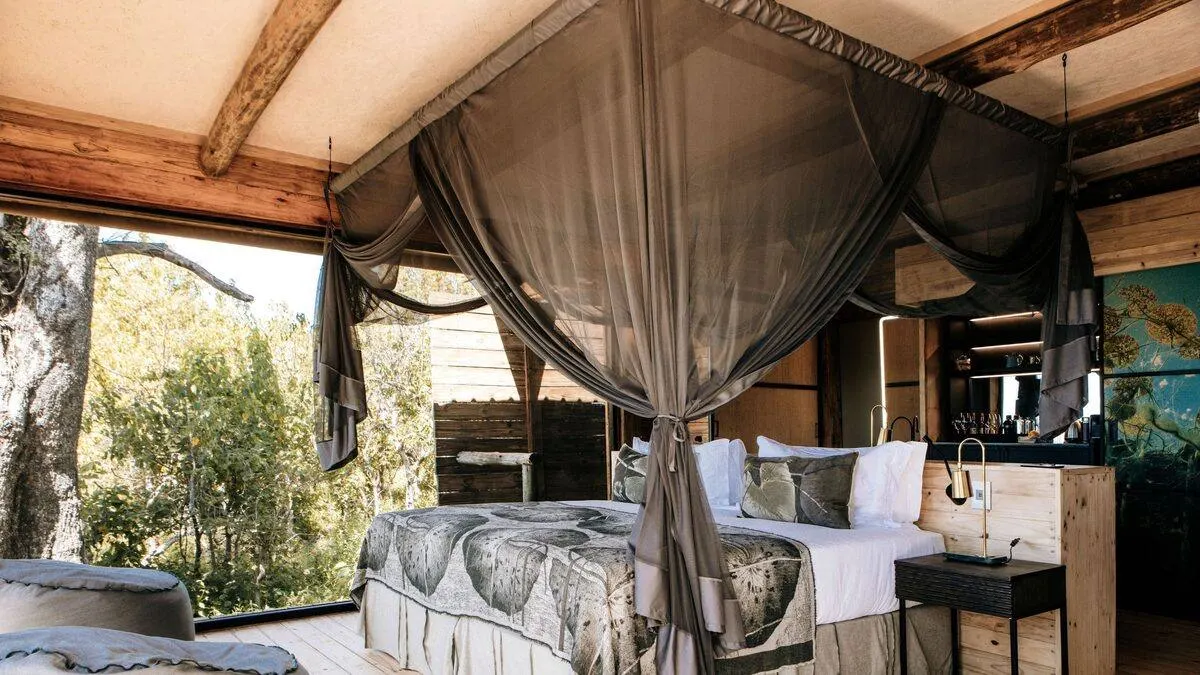
Most quality safari lodges and camps provide mosquito nets, plug-in repellent devices, and often spray rooms at dusk. It's worth confirming these provisions when you book — our team can advise on the health facilities at specific lodges when you enquire about your safari.
Food & Water Safety on Safari
Traveller's diarrhoea is the most common health complaint among safari visitors — not glamorous, but important to address. The risk is highest in areas with limited sanitation infrastructure and when eating street food or at lower-end establishments.
At reputable safari lodges and camps, food and water safety standards are generally excellent. Drink bottled or filtered water, avoid ice in drinks unless you're confident of the water source, and wash hands frequently. Carry oral rehydration salts and a course of antibiotics (prescribed by your travel doctor) for emergencies.
In day trips">Cape Town and other major South African cities, tap water is safe to drink and food hygiene standards are high. The risk of food-borne illness is comparable to most Western countries.
Sun, Heat & Altitude
The African sun is fierce, particularly at altitude (Johannesburg sits at 1,753 metres above sea level; the Drakensberg peaks exceed 3,000 metres). Use SPF 50+ sunscreen, reapply every two hours, and wear a wide-brimmed hat. Dehydration is a real risk on game drives — carry at least 2 litres of water per person per day.
If you're visiting high-altitude destinations like the Bale Mountains in Ethiopia or the Rwenzori Mountains in Uganda, allow 1–2 days for acclimatisation before strenuous activity. Symptoms of altitude sickness (headache, nausea, dizziness) should be taken seriously — descend immediately if they worsen.
Travel Insurance — Non-Negotiable
Comprehensive travel insurance is not optional for an African safari — it's essential. Ensure your policy covers medical evacuation (medevac), which can cost $50,000–$100,000 USD or more if you need to be airlifted from a remote safari camp to a hospital. Many standard travel insurance policies exclude adventure activities or have low medical limits — read the fine print carefully.
Look for policies that include: emergency medical evacuation, trip cancellation and interruption, lost luggage, and 24-hour emergency assistance. Specialist safari travel insurers include World Nomads, Battleface, and Allianz Travel. Use our safari cost calculator to factor insurance into your overall budget planning.
Building Your Safari Health Kit
Pack a small travel health kit for your safari. Essentials include: antimalarial medication, DEET insect repellent, sunscreen (SPF 50+), oral rehydration salts, antihistamines, pain relief (paracetamol/ibuprofen), antiseptic wipes and plasters, prescription antibiotics (if recommended by your doctor), and any personal prescription medications with enough supply for the trip plus a buffer.
Keep medications in your carry-on luggage — never in checked baggage. Carry a copy of your prescriptions and a letter from your doctor for any controlled substances. If you wear contact lenses, bring glasses as a backup — dust on game drives can be hard on lenses.
Children & Safari Health
Travelling with children requires extra health planning. Some antimalarials are not suitable for young children — consult a paediatric travel health specialist. Malaria-free safari destinations like the Cape Town region and the Eastern Cape are excellent options for families with young children. Our family-friendly safari tours are designed with children's safety and enjoyment in mind.
Ensure children's routine vaccinations are up to date, and check whether any additional vaccines are recommended for their age group. Children are often more susceptible to dehydration and sunburn — pack child-appropriate sunscreen and insist on regular water breaks during game drives.
Start Planning Your Healthy Safari Today
A little preparation goes a long way when it comes to safari health. See your travel doctor early, get the right vaccinations, take your antimalarials consistently, and pack a solid health kit — and you'll be free to focus entirely on the extraordinary wildlife, landscapes, and experiences that make an African safari so unforgettable.
At Ingwe Africa Safaris, we're here to help you plan every aspect of your trip — from health and logistics to lodge selection and game drive itineraries. Contact our team today to start building your dream African safari, and let us take care of the details so you can simply enjoy the adventure.
Africa is waiting. Go well, go healthy, go lekker.
Tours & Safaris You'll Love
Handpicked by our team based on what you're reading. Book direct for the best price — guaranteed.
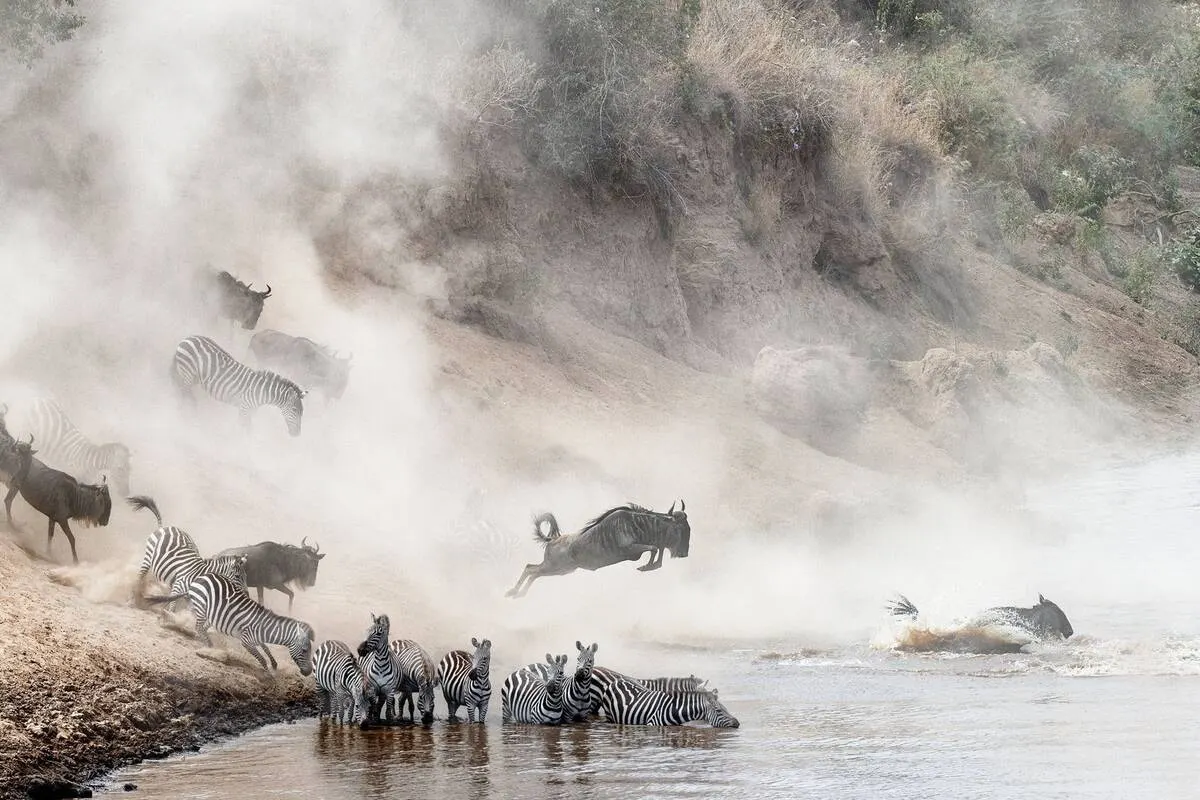
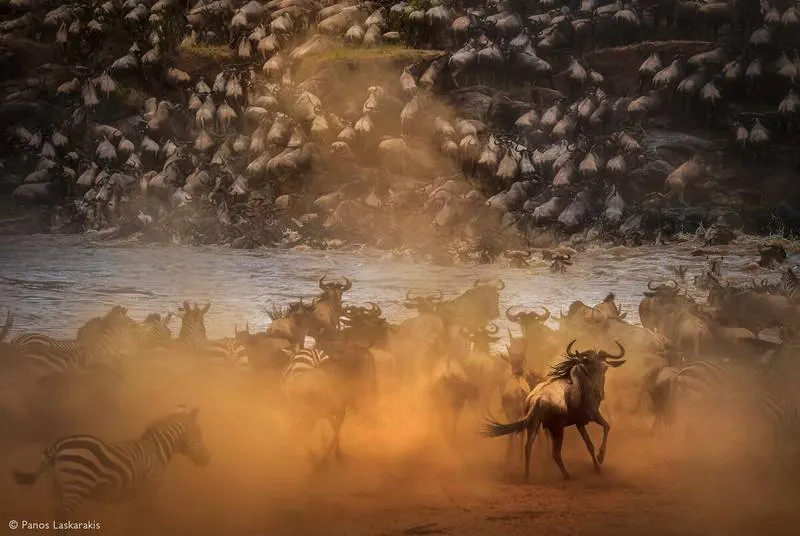
Serengeti Great Migration River Crossing — Mara River Safari
Witness the world's greatest wildlife spectacle — wildebeest crossing the Mara
per person • Best price direct
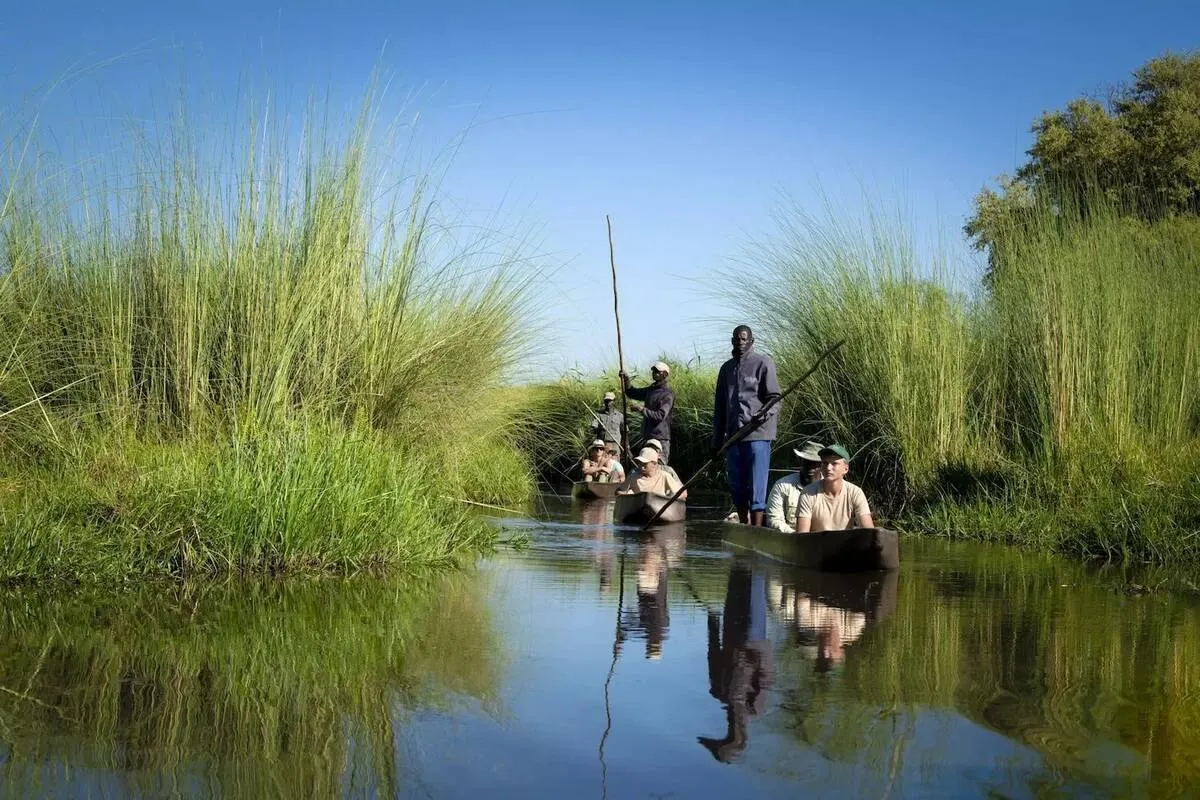
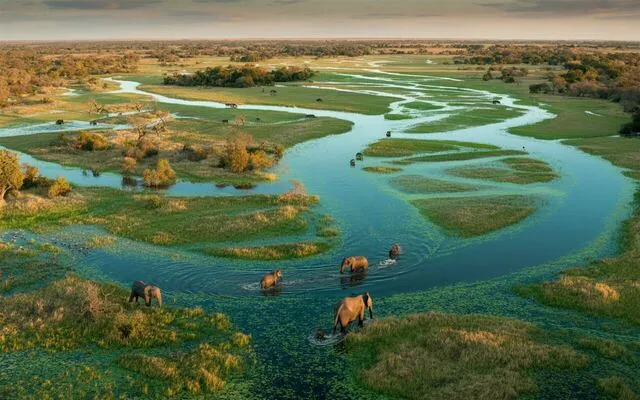
Okavango Luxury Fly-In Wilderness Camp — 5-Star Under Canvas
The world's most exclusive tented camp — deep in the delta
per person • Best price direct
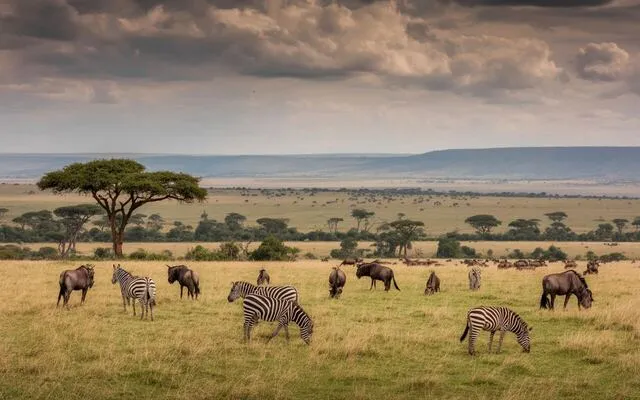
Masai Mara Great Migration Safari — River Crossing Season
Witness nature's greatest spectacle — millions of wildebeest crossing the Mara River
per person • Best price direct
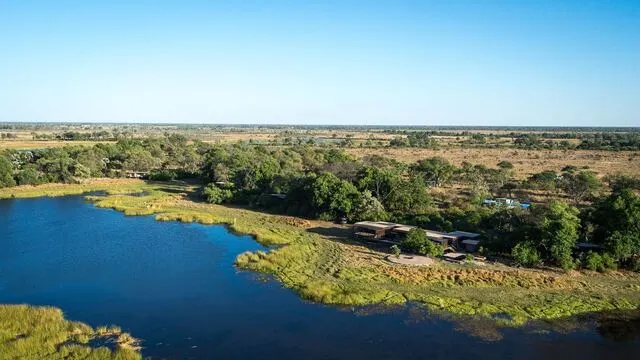
Okavango Delta Fly-In Safari — Luxury Bush Camp
The world's most exclusive safari destination from above and within
per person • Best price direct
Why book with middlemen? Same tours, lower prices, direct support from our team.
Get a Free Custom Quote