
African Elephant Behaviour: A Safari Guide to Understanding the Herd
There is a moment on every great African safari when the bush goes quiet and the ground begins to tremble. Then they appear — a matriarch leading her family through the acacia scrub, calves tucked close to their mothers' flanks, teenagers jostling at the edges of the herd. Watching African elephants in the wild is one of the most humbling experiences on the continent, and understanding their behaviour transforms a sighting from spectacular to truly profound.
At Ingwe Africa Safaris, we have spent years guiding guests through elephant country — from the floodplains of Chobe to the dense mopane woodlands of Kruger. This guide distils what we have learned about elephant society, communication, and the signals every safari-goer should know.
The Matriarchal Society: How Elephant Herds Are Structured
African elephant herds are built around a matriarch — the oldest, most experienced female in the group. She is the living memory of the herd, guiding her family to water sources she has known for decades, recognising the calls of distant relatives, and making life-or-death decisions during droughts or encounters with predators.
A typical family unit consists of 6 to 20 individuals: the matriarch, her daughters, their calves, and sometimes sisters or aunts. Adult bulls live largely solitary lives or in loose bachelor groups, joining female herds only to mate. When you spot a large herd of 50 or more elephants, you are likely witnessing several family units that have temporarily merged — a phenomenon called a bond group.
Understanding this structure helps you read a sighting instantly. The large female at the front, ears fanned wide and scanning the horizon? That is the matriarch. The young bulls play-fighting at the periphery? They are practising the social skills they will need as adults. The tiny calf stumbling between its mother's legs? It is less than a week old and still learning to control its trunk.
Watching African elephants in the wild is one of the most humbling experiences on the continent, and understanding their behaviour transforms a sighting from spectacular to truly profound.
Elephant Communication: More Than Trumpets and Rumbles
Elephants are among the most communicative animals on Earth, using a sophisticated blend of vocalisations, body language, touch, and infrasound to stay connected across vast distances.
Infrasound: The Secret Language Beneath Your Feet
Much of elephant communication happens below the threshold of human hearing. Infrasonic rumbles — produced in the larynx and sometimes felt as a vibration in the ground — can travel up to 10 kilometres through the earth. Elephants detect these signals through their feet and the sensitive skin of their trunks. This is why you will sometimes see a herd freeze, lift one foot slightly, and press their trunks to the ground: they are listening.
These low-frequency calls coordinate herd movements, signal reproductive status, and maintain contact between separated family members. Researchers have identified over 70 distinct elephant calls, each carrying specific social meaning.
Vocalisations You Will Hear on Safari
The trumpet is the most dramatic elephant sound — a loud, high-pitched blast used during excitement, alarm, or aggression. But the rumble is far more common and equally fascinating. Soft contact rumbles keep family members in touch as they browse. A loud, pulsed rumble signals a greeting ceremony when two family groups meet. A low, rolling musth rumble announces a bull's reproductive state to females across the landscape.
Calves produce a distinctive, high-pitched squeal when distressed — a sound that triggers an immediate protective response from every adult female in the herd. If you hear this on safari, watch the adults: they will converge on the calf within seconds, forming a protective circle.
Body Language: Reading the Signs
Ears are your most reliable guide to an elephant's mood. Relaxed elephants hold their ears loosely against their bodies. Curious or alert elephants fan their ears wide to amplify sound. An elephant that spreads its ears fully, raises its head, and faces you directly is displaying a threat posture — pay attention.
The trunk is equally expressive. Elephants use their trunks to greet one another by touching mouths and temporal glands, to comfort distressed calves, to investigate unfamiliar scents, and to throw dust or mud as a cooling mechanism. A trunk curled tightly under the chin often signals anxiety.
Mock Charges vs Real Charges: What Every Safari Guest Must Know
This is the question we are asked most often, and it is worth answering clearly. The vast majority of elephant charges you will witness on safari are mock charges — a warning display designed to make you back off without actual contact.
A mock charge is characterised by a showy approach: ears spread wide, head raised, sometimes accompanied by a loud trumpet. The elephant will often kick up dust, shake its head, and stop well short of your vehicle. It is communicating: you are too close, and I want you to move.
A genuine charge is quieter and more purposeful. The ears are pinned back, the head is lowered, and the elephant comes in fast and straight without the theatrical display. This is rare, but it is serious. Your guide will know the difference and will respond accordingly — usually by slowly reversing the vehicle while maintaining eye contact with the elephant.
The golden rule: never get between a mother and her calf, and never approach a lone bull in musth on foot. Both situations dramatically increase the risk of a genuine charge.
Musth: Understanding the Bull Elephant's Hormonal State
Musth is a periodic condition in adult bull elephants characterised by a massive surge in testosterone — up to 60 times normal levels. A bull in musth is recognisable by the dark, oily secretion streaming from the temporal glands on the sides of his head, continuous dribbling of urine, and a distinctive low rumble. He will be highly aggressive, unpredictable, and dominant over other bulls regardless of size.
Musth bulls are the most dangerous elephants you will encounter on safari. Experienced guides give them a wide berth. If you are on a guided elephant encounter or a walking safari, your guide will assess the situation carefully before approaching any large bull.
Musth typically lasts between two weeks and five months, occurring annually in mature bulls. During this period, bulls travel widely in search of receptive females, covering up to 50 kilometres per day. This is why you will sometimes encounter a large bull far from any herd — he is on a mission.
Elephant Intelligence and Emotional Life
Elephants are one of the few non-human species that demonstrate self-awareness, empathy, and what researchers describe as grief. They recognise themselves in mirrors, use tools, and show clear signs of mourning when a herd member dies.
When an elephant dies, family members will often return to the bones repeatedly over many years, touching the skull and tusks with their trunks in what appears to be a form of remembrance. Matriarchs have been observed leading their herds to the bones of deceased relatives they have not seen for years — navigating directly to the site without hesitation.
Calves that lose their mothers before the age of two rarely survive. Those that lose their mothers between two and five years old show measurable psychological effects — increased stress hormones, disrupted social behaviour — for years afterward. This is why elephant orphanages like the David Sheldrick Wildlife Trust in Kenya play such a critical conservation role.
The Best Parks to Observe Elephant Behaviour
Not all elephant destinations are equal. Here are the parks where elephant behaviour is most accessible and rewarding for safari guests.
Chobe National Park, Botswana
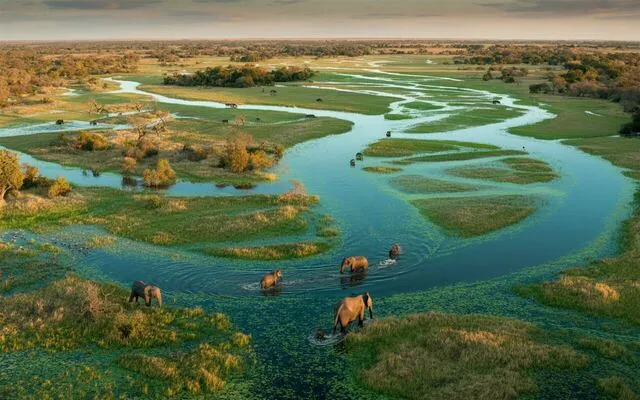
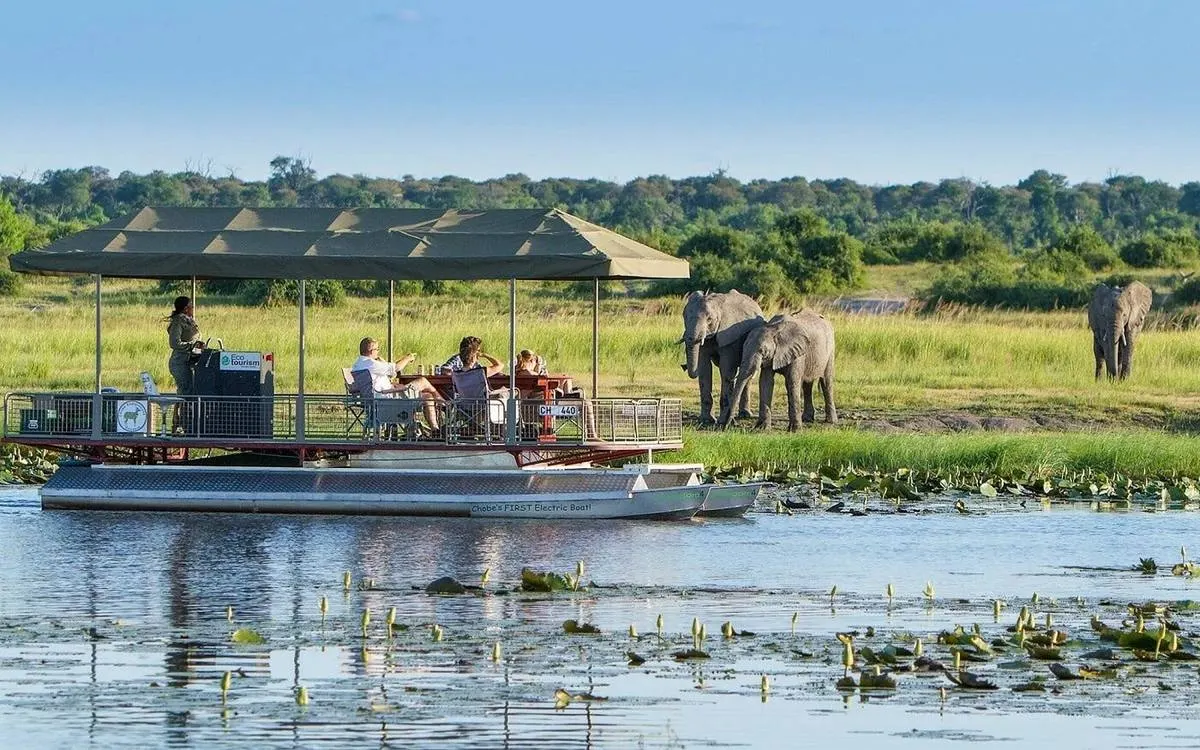
Chobe has the highest elephant density of any park in Africa — an estimated 130,000 elephants in the greater ecosystem. The Chobe River frontage is extraordinary: during the dry season (May to October), thousands of elephants converge on the river daily, creating scenes of extraordinary social complexity. You will witness greeting ceremonies, play behaviour, competitive sparring between bulls, and mothers teaching calves to swim. Our Botswana Chobe Elephant Safari is designed specifically around these river gatherings.
Addo Elephant National Park, South Africa
Addo is the best malaria-free option for elephant watching in southern Africa. The park protects over 600 elephants in a relatively compact area, making sightings almost guaranteed. The dense Eastern Cape bush means elephants are often encountered at very close range. Our Addo Elephant Full Day Safari gives guests an intimate, unhurried experience with these animals.
Kruger National Park, South Africa
Kruger's elephant population has grown to over 20,000 — so large that the park periodically debates management interventions. The open savanna of the southern Kruger makes for excellent elephant viewing, and the park's network of waterholes provides predictable gathering points during the dry season. Combine elephant watching with the full Big Five experience on our Kruger Full Day Open Vehicle Safari.
Amboseli National Park, Kenya
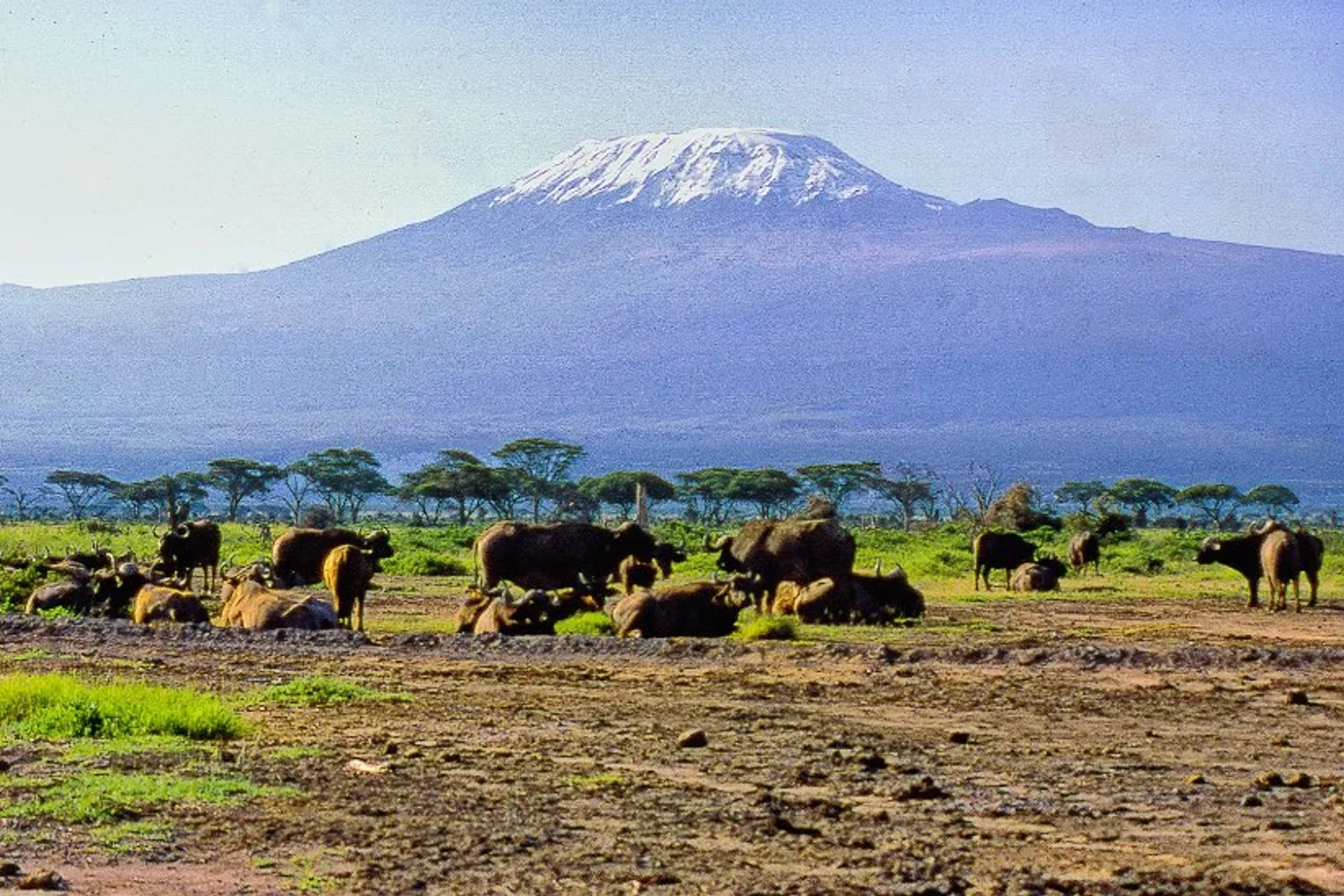
Amboseli is famous for its large-tusked elephants set against the backdrop of Mount Kilimanjaro. The open, short-grass plains make for exceptional photography, and the elephants here are highly habituated to vehicles — allowing close, relaxed observation of natural behaviour. Expect to pay $80–$150 per person per day for park fees and guiding in Amboseli.
Elephant Conservation: The Poaching Crisis and What It Means for Safari
Africa's elephant population has declined from an estimated 10 million a century ago to around 415,000 today. The ivory trade drove catastrophic losses in the 1970s and 1980s, and while the 1989 CITES ivory ban helped stabilise numbers, poaching surged again between 2010 and 2016, killing an estimated 100,000 elephants in three years.
The good news: responsible safari tourism is one of the most powerful tools for elephant conservation. Parks with strong tourism revenue can fund anti-poaching units, community benefit programmes, and habitat protection. When you book a safari through an operator committed to conservation — and choose parks where your fees directly support protection — you are making a tangible difference.
At Ingwe Africa Safaris, we partner exclusively with lodges and camps that contribute to local conservation initiatives. Use our safari cost calculator to build a trip that aligns your budget with your conservation values, or plan your safari with one of our specialists who can advise on the most impactful destinations.
Practical Tips for Elephant Encounters on Safari
- Stay in the vehicle. Elephants are generally relaxed around safari vehicles, which they perceive as a single, non-threatening entity. Standing up or leaning out changes that perception immediately.
- Switch off the engine. When elephants approach closely, a silent vehicle is far less threatening. Your guide will make this call.
- Keep noise to a minimum. Loud voices, camera shutter sounds, and sudden movements can startle elephants, especially mothers with young calves.
- Respect the matriarch's signals. If the matriarch faces your vehicle, fans her ears, and holds her ground, she is telling you to back off. Your guide will reverse slowly.
- Bring a long lens. A 300–500mm telephoto lens lets you capture intimate behavioural detail without needing to get dangerously close. See our safari photography packages for specialist photographic safari options.
When to Go for the Best Elephant Viewing
The dry season (May to October in southern Africa, June to October in East Africa) concentrates elephants around permanent water sources, making sightings more predictable and more dramatic. Waterholes become social hubs where you can observe greeting ceremonies, play behaviour, and competitive interactions between bulls over several hours.
The wet season has its own rewards: lush vegetation, newborn calves, and elephants in their element — mud-bathing, browsing on fresh growth, and moving freely across the landscape. Calves born in the wet season have the best survival rates, so November to February is an excellent time to see very young elephants.
Check our best time to visit South Africa guide for month-by-month wildlife viewing conditions across all major parks.
Ready to Witness African Elephants in the Wild?
Understanding elephant behaviour transforms every sighting. When you know what the matriarch's ear position means, why the young bulls are sparring, and what that low rumble beneath your feet is communicating, you are no longer just watching elephants — you are reading a conversation that has been happening for millions of years.
Our guides are passionate about sharing this knowledge in the field. Whether you want an intimate encounter at Addo, a river spectacle at Chobe, or a full Big Five experience in Kruger, we will build a safari around the wildlife moments that matter most to you.
Enquire now to start planning your elephant safari with Ingwe Africa Safaris. Our specialists are ready to match you with the perfect destination, lodge, and timing for an unforgettable encounter with Africa's greatest land animal.
Tours & Safaris You'll Love
Handpicked by our team based on what you're reading. Book direct for the best price — guaranteed.
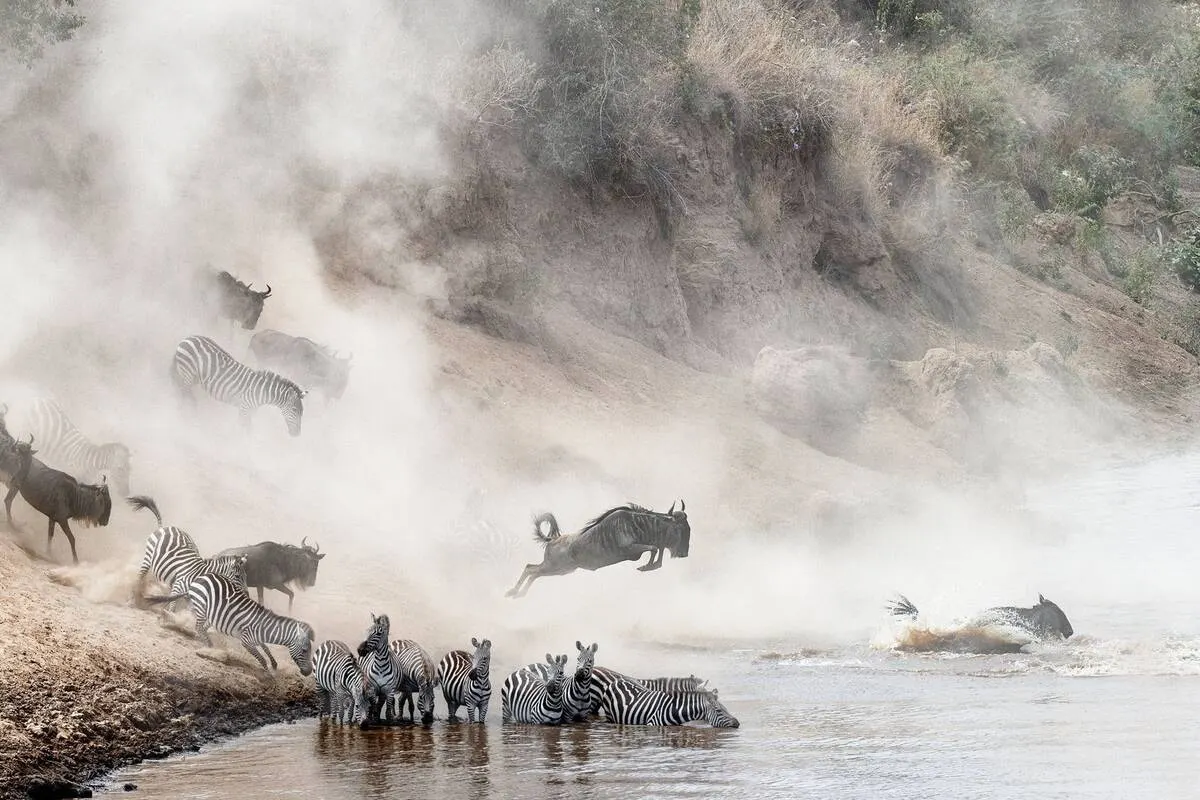
Serengeti Great Migration River Crossing — Mara River Safari
Witness the world's greatest wildlife spectacle — wildebeest crossing the Mara
per person • Best price direct
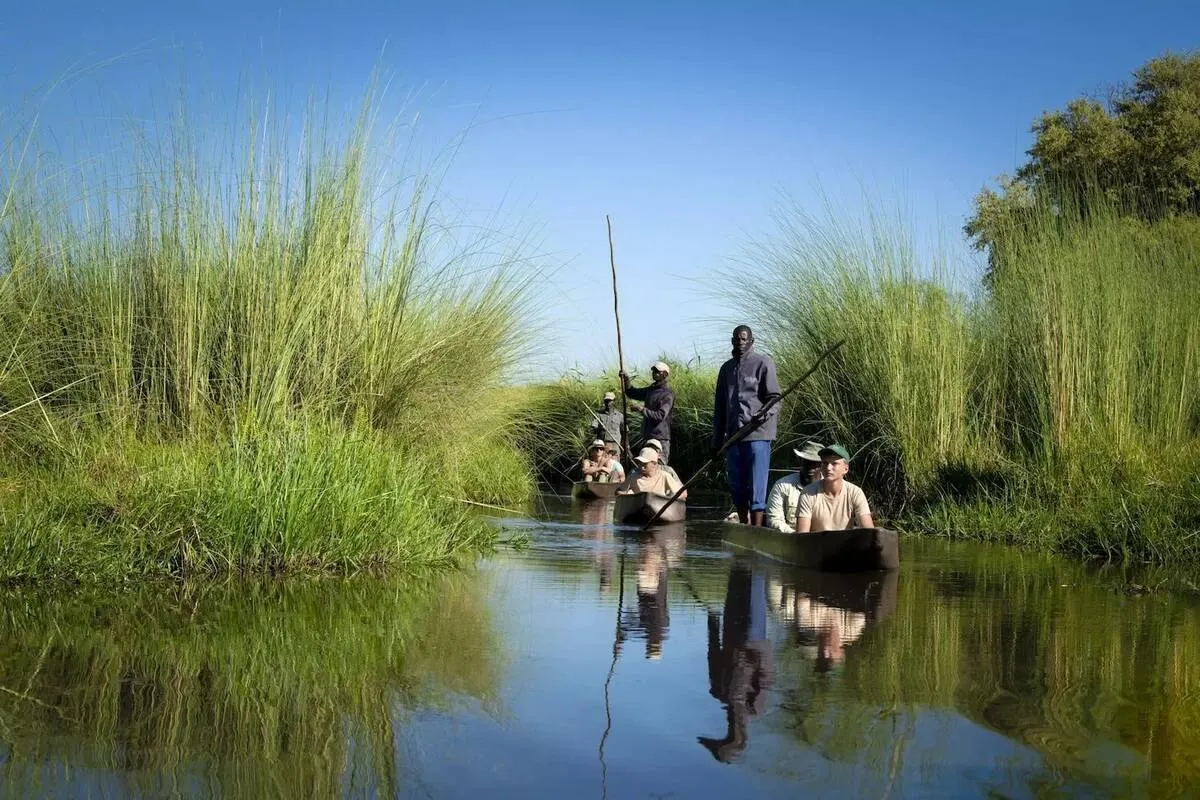
Okavango Luxury Fly-In Wilderness Camp — 5-Star Under Canvas
The world's most exclusive tented camp — deep in the delta
per person • Best price direct
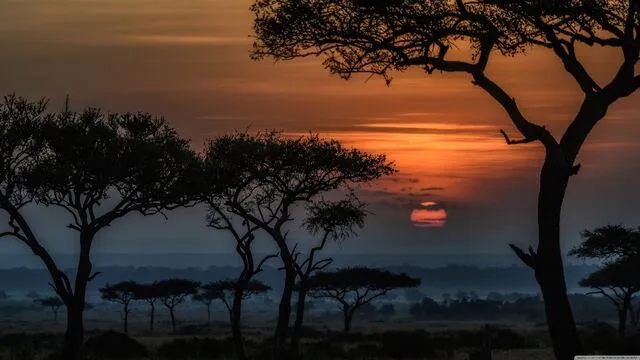
Masai Mara Great Migration Safari — River Crossing Season
Witness nature's greatest spectacle — millions of wildebeest crossing the Mara River
per person • Best price direct
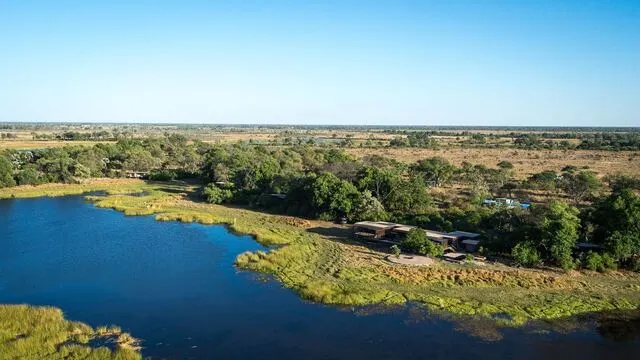
Okavango Delta Fly-In Safari — Luxury Bush Camp
The world's most exclusive safari destination from above and within
per person • Best price direct
Why book with middlemen? Same tours, lower prices, direct support from our team.
Get a Free Custom Quote