
Leopard Behaviour and Tracking: The Complete Safari Guide
Of all Africa's great predators, the leopard is the one that makes experienced safari guides catch their breath. Lions are magnificent and predictable. Cheetahs are breathtaking in their speed. But the leopard — secretive, solitary, and supremely adapted — is the animal that keeps you scanning every tree, every rocky outcrop, every shadow in the long grass.
Finding a leopard on safari is never guaranteed. But understanding leopard behaviour dramatically improves your chances. This guide covers everything you need to know — from how leopards hunt and communicate, to the tracking signs that reveal their presence, to the African reserves that offer the best sightings in the world.
Understanding the Leopard: Africa's Most Adaptable Big Cat
The leopard (Panthera pardus) is the most widely distributed of Africa's big cats, found across sub-Saharan Africa and into parts of Asia. This extraordinary range reflects the leopard's remarkable adaptability — it thrives in habitats as diverse as dense rainforest, open savannah, rocky mountain terrain, and even the fringes of urban areas.
Adult males typically weigh 60–90 kg and measure up to 1.9 metres from nose to tail base. Females are considerably smaller, averaging 28–60 kg. Both sexes are instantly recognisable by their rosette-patterned coat — clusters of black spots arranged in circular patterns on a tawny-gold background. No two leopards have identical rosette patterns, making individual identification possible for researchers and experienced guides.
But the leopard — secretive, solitary, and supremely adapted — is the animal that keeps you scanning every tree, every rocky outcrop, every shadow in the long grass.
Leopard Behaviour: What You Need to Know
Solitary and Territorial
Leopards are fundamentally solitary animals. Adult males and females come together only to mate; outside of this, they actively avoid each other. Each leopard maintains a home range — typically 10–40 km² for females and up to 100 km² for males — which they mark with scent, scratch marks on trees, and vocalisations.
Male territories often overlap with those of several females, but males will aggressively defend their range against rival males. Territorial disputes can be fatal, and the scars on older male leopards tell the story of a lifetime of competition.
Nocturnal but Not Exclusively
Leopards are primarily nocturnal hunters, most active between dusk and dawn. However, in areas where they feel safe from human disturbance — particularly in private game reserves with limited vehicle traffic — leopards are frequently active during daylight hours. This is one of the key reasons why private reserves like the Sabi Sands consistently produce better leopard sightings than heavily trafficked national parks.
During the heat of the day, leopards typically rest in dense vegetation, rocky outcrops, or — most famously — draped across the branches of large trees. This arboreal resting behaviour serves multiple purposes: it keeps the leopard cool, provides a vantage point, and keeps it safe from lions and hyenas that might steal its kills.
Hunting Strategy: Patience and Precision
The leopard is arguably Africa's most skilled hunter. Unlike lions, which rely on cooperative hunting and brute force, or cheetahs, which depend on explosive speed, the leopard hunts through patience, stealth, and precision. It will stalk prey for extended periods — sometimes an hour or more — closing the distance to within a few metres before launching a short, explosive charge.
The kill is delivered by a suffocating bite to the throat or back of the skull. Leopards are extraordinarily strong relative to their size — capable of hauling prey twice their own body weight up into a tree to cache it away from scavengers. Watching a leopard hoist an impala carcass into an acacia tree is one of the most astonishing displays of raw power in the animal kingdom.
Leopards are opportunistic hunters with a remarkably broad prey base — over 90 species have been recorded in their diet, from dung beetles to young giraffe. In most areas, medium-sized antelope (impala, bushbuck, reedbuck) form the core of their diet, supplemented by baboons, warthogs, and smaller mammals.
Communication and Vocalisation
Leopards communicate through a range of vocalisations, scent markings, and visual signals. The most distinctive sound is the rasping, sawing cough — often described as the sound of a handsaw cutting through wood — used by both sexes to advertise their presence and location. Hearing this call in the darkness of an African night is genuinely spine-tingling.
Cubs communicate with their mothers through a soft, bird-like chirping call. Females with cubs will also use a low, pulsing growl to warn of danger. Aggressive encounters between leopards involve hissing, spitting, and a deep, resonant growl that carries considerable distance through the bush.
Tracking Leopards: Signs to Look For
Experienced trackers can read the bush like a book. Here are the key signs that indicate leopard presence in an area:
Spoor (Tracks)
Leopard tracks are round to oval, with four toe pads and a three-lobed heel pad. Adult male tracks measure approximately 7–9 cm across; female tracks are smaller at 5–7 cm. Unlike lion tracks, leopard spoor rarely shows claw marks — the claws are retracted when walking. Fresh tracks in soft sand or mud, particularly near watercourses, are a reliable indicator of recent activity.
Scratch Marks and Scent Posts
Leopards regularly scratch the bark of specific trees to mark their territory and sharpen their claws. Look for deep, parallel scratch marks on the lower trunk of large trees — particularly fig trees, marula trees, and leadwoods. These scratch posts are often used repeatedly over months or years, and fresh scratches indicate recent activity.
Scent marking involves spraying urine on vegetation, rocks, and the ground. Fresh scent marks have a distinctive, musky odour that experienced guides can detect. Leopards also deposit faeces (scat) at prominent locations as territorial markers.
Cached Kills in Trees
A carcass wedged in the fork of a tree is one of the most reliable indicators of leopard presence. The leopard will return to feed on the cache over several days, and staking out a tree kill — particularly in the late afternoon — is one of the most productive strategies for sightings. Look for vultures circling or perched near trees, which often indicates a carcass below.
Alarm Calls from Other Animals
The bush has its own alarm system. Impala produce a sharp, explosive snort when they detect a predator. Baboons erupt into a cacophony of barking. Vervet monkeys give a specific alarm call for ground predators. Birds — particularly fork-tailed drongos and go-away birds — will mob and alarm-call at a hidden predator. Learning to read these alarm calls is one of the most valuable skills a safari guide develops, and it's something you can start learning on your very first game drive.
The Best African Reserves for Leopard Sightings
Sabi Sands Game Reserve, South Africa
The Sabi Sands is widely regarded as the finest leopard-viewing destination in Africa. The reserve's leopards have been habituated to vehicles over generations, meaning they go about their business — hunting, feeding, mating, raising cubs — with vehicles parked just metres away. Sighting rates here are extraordinary: on a three-night stay, you have a very high probability of multiple leopard encounters.
The Sabi Sands shares an unfenced boundary with Kruger National Park, giving leopards — and guests — access to a vast wilderness. Our dedicated Sabi Sands leopard tracking safari is designed specifically around maximising your chances of extraordinary encounters with these magnificent cats.
Kruger National Park, South Africa
Kruger's leopard population is healthy and widespread, but sightings are less reliable than in the private reserves due to the park's size and the leopards' less habituated behaviour. The best areas for leopard sightings in Kruger are the southern and central regions, particularly around Skukuza, Lower Sabie, and the Sabie River drainage. An open-vehicle game drive with an experienced guide significantly improves your chances.
Moremi Game Reserve, Botswana
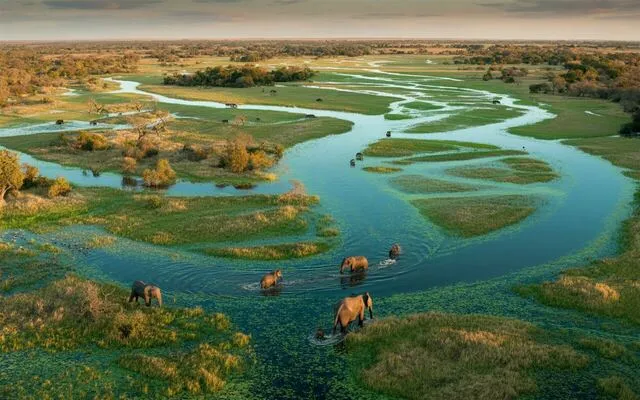
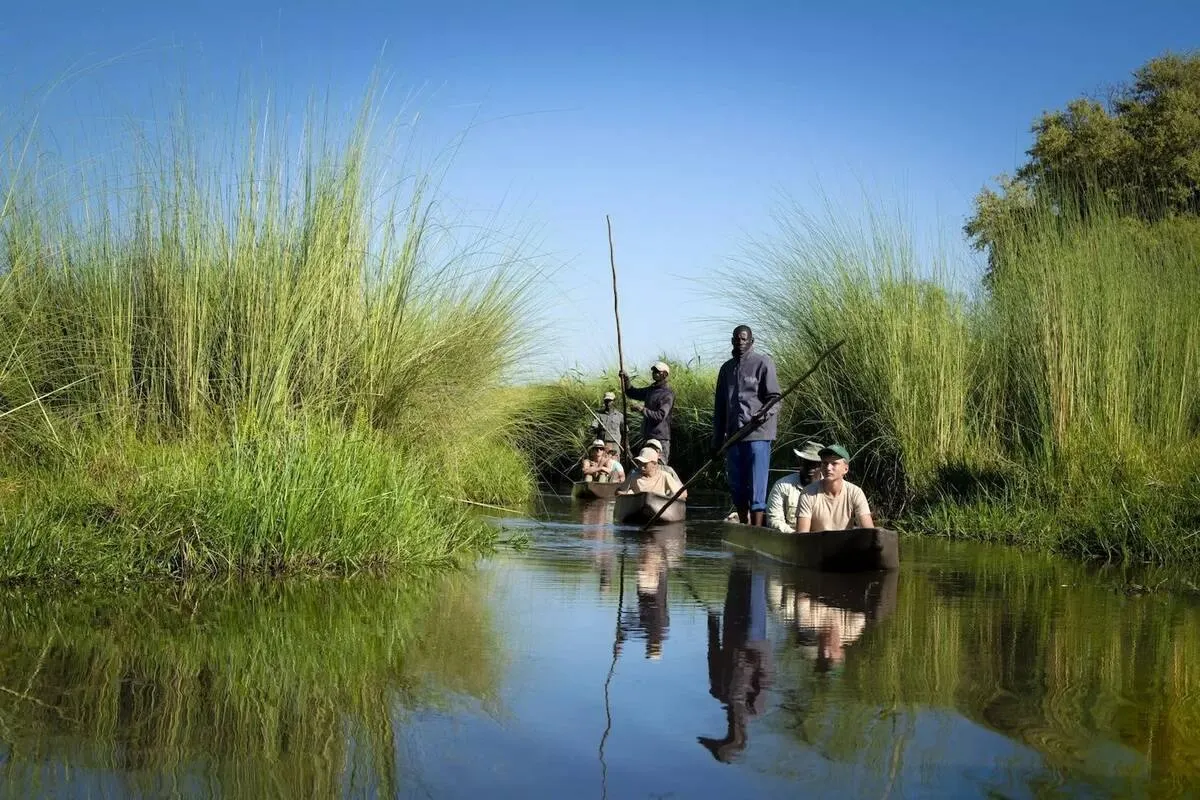
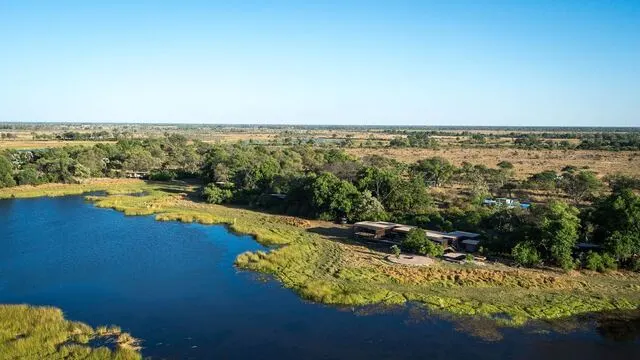
Moremi, in the heart of the Okavango Delta, supports a healthy leopard population in a stunning riverine and floodplain environment. The combination of permanent water, dense riparian vegetation, and abundant prey makes this one of southern Africa's premier leopard habitats. Our Okavango fly-in safari includes time in Moremi's finest leopard territory.
Masai Mara, Kenya
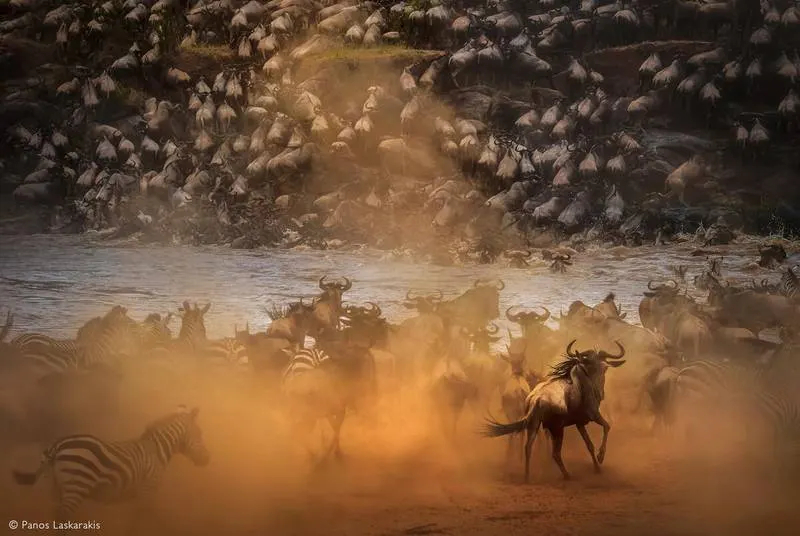
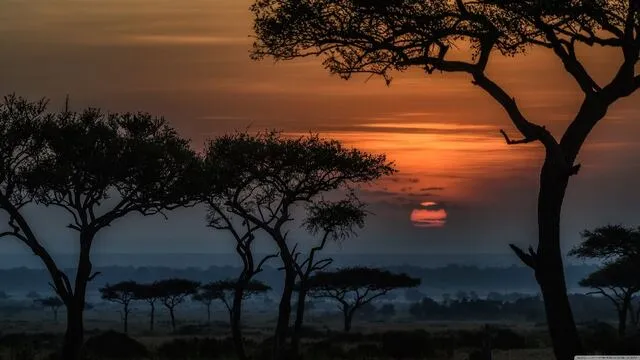
The Mara's leopards are well-habituated and frequently seen in the reserve's riverine forests and rocky outcrops. The Mara River area and the Talek River drainage are particularly productive. Our Kenya safari packages include dedicated leopard-focused game drives with expert Maasai guides.
Tips for Maximising Your Leopard Sightings
- Choose private reserves over national parks — habituated leopards in private concessions offer dramatically better sightings
- Go on night drives — leopards are most active after dark; many private reserves offer night game drives with spotlights
- Stay longer — a minimum of three nights in any one area significantly improves your chances
- Listen to the bush — alarm calls from impala and baboons often lead guides directly to hidden leopards
- Be patient at tree kills — a cached carcass means the leopard will return; waiting quietly is often rewarded
- Travel in the green season — leopard activity can be higher when prey is distracted by newborns
Leopard Conservation: A Species Under Pressure
Despite their adaptability, leopards face significant conservation challenges. Habitat loss, human-wildlife conflict, and illegal trade in skins and body parts have reduced leopard populations across much of their range. The species is classified as Vulnerable on the IUCN Red List, with populations declining in many areas outside of protected reserves.
Responsible safari tourism plays a direct role in leopard conservation. Revenue from safari lodges funds anti-poaching operations, community conservation programmes, and habitat protection. When you choose a responsible safari operator, you're contributing directly to the survival of these extraordinary animals. Ask our team about the conservation initiatives supported by our partner lodges.
Experience Leopards with Ingwe Africa Safaris
At Ingwe Africa Safaris, we've spent years building relationships with the finest guides and lodges across Africa's premier leopard destinations. We know which camps have the most habituated leopards, which guides are the most skilled trackers, and how to build an itinerary that gives you the best possible chance of an extraordinary encounter.
Whether you're dreaming of a Sabi Sands leopard tracking experience, a Kruger open-vehicle adventure, or a multi-country safari combining South Africa and Kenya, we're here to make it happen. Ubuntu — the African philosophy of shared humanity — is at the heart of everything we do, and we believe that sharing the wonder of a leopard sighting is one of life's truly transformative experiences.
Plan Your Leopard Safari Today
Ready to track Africa's most elusive big cat? Our expert team will design a bespoke itinerary tailored to your interests, budget, and travel dates — maximising your chances of extraordinary leopard encounters.
Tours & Safaris You'll Love
Handpicked by our team based on what you're reading. Book direct for the best price — guaranteed.
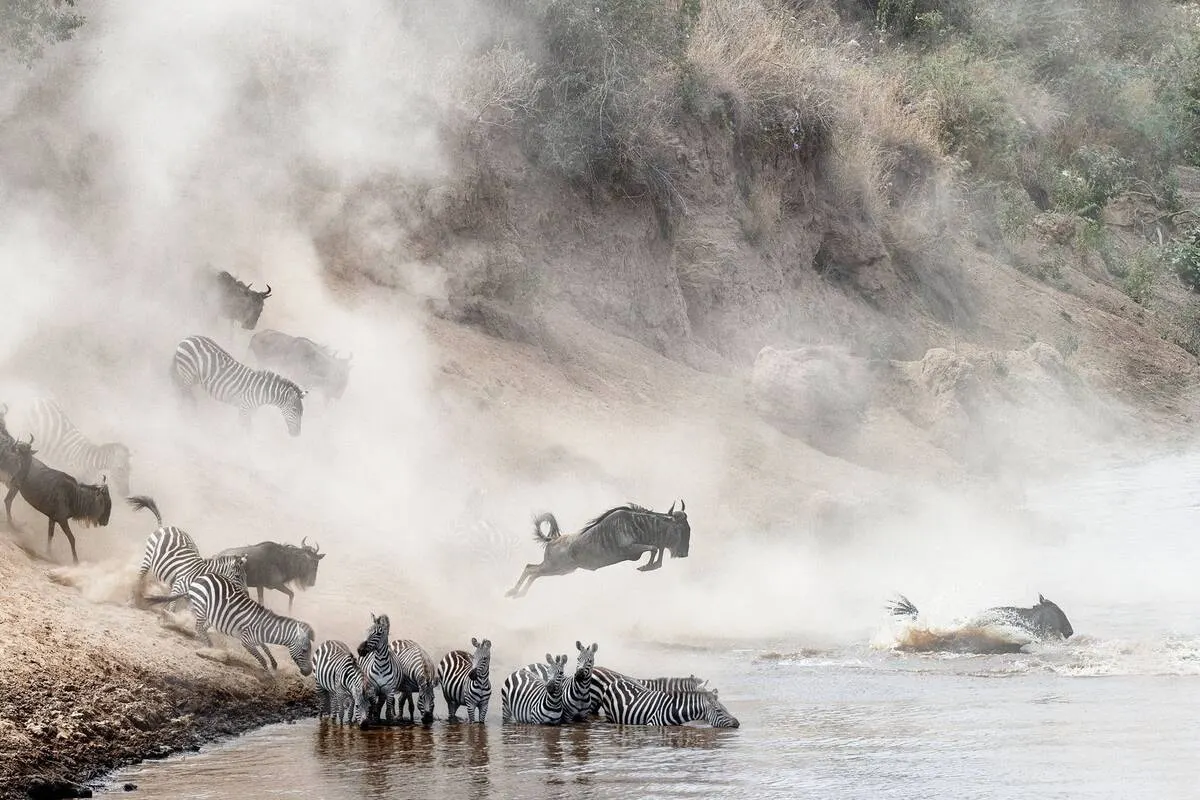
Serengeti Great Migration River Crossing — Mara River Safari
Witness the world's greatest wildlife spectacle — wildebeest crossing the Mara
per person • Best price direct
Okavango Luxury Fly-In Wilderness Camp — 5-Star Under Canvas
The world's most exclusive tented camp — deep in the delta
per person • Best price direct
Masai Mara Great Migration Safari — River Crossing Season
Witness nature's greatest spectacle — millions of wildebeest crossing the Mara River
per person • Best price direct
Okavango Delta Fly-In Safari — Luxury Bush Camp
The world's most exclusive safari destination from above and within
per person • Best price direct
Why book with middlemen? Same tours, lower prices, direct support from our team.
Get a Free Custom Quote