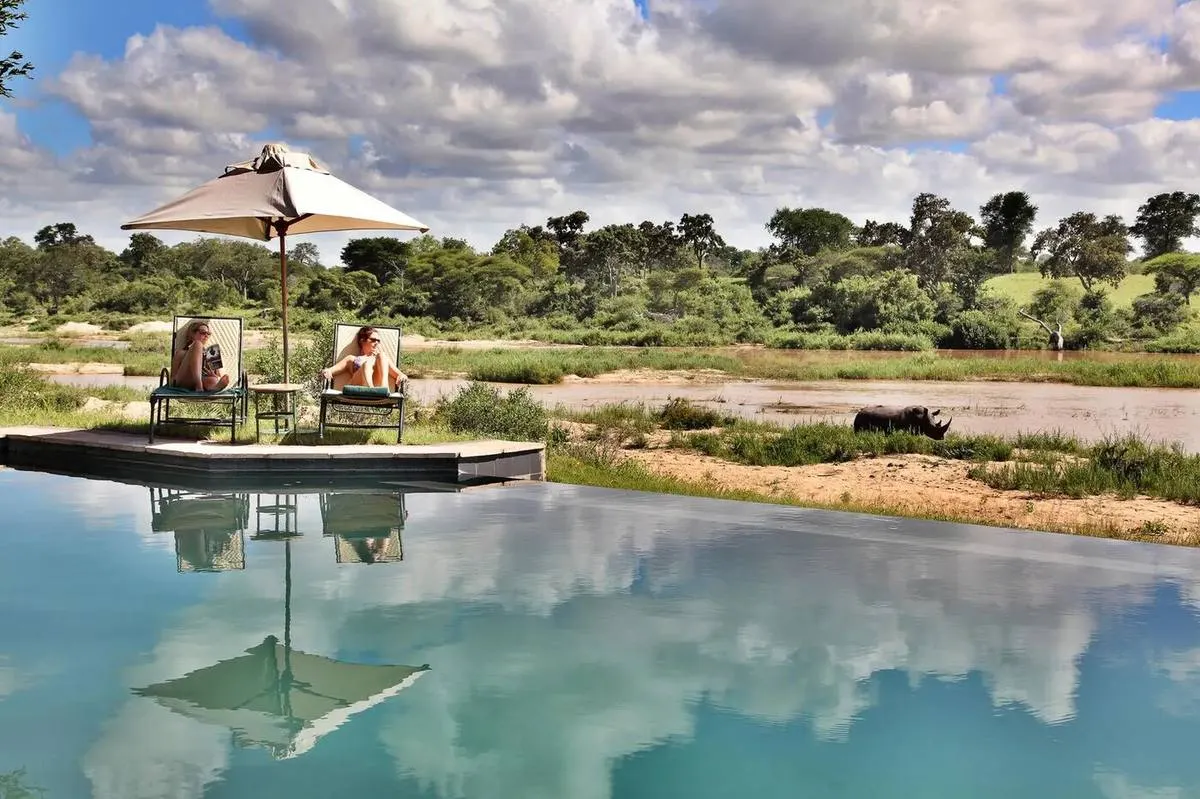

African Safari Food Guide: Bush Dining, Braai Culture & Local Flavours 2026
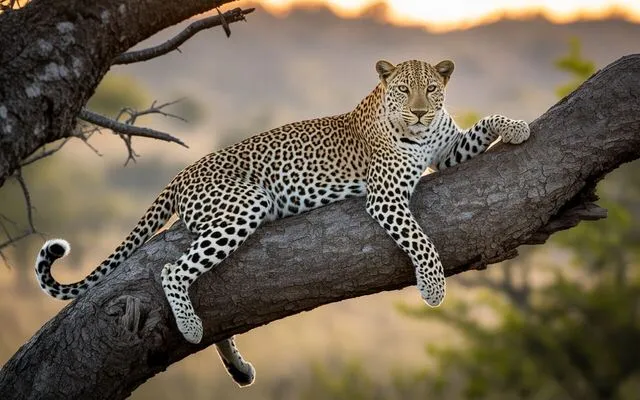
When most people imagine an African safari, they picture the wildlife — lions at dawn, elephants at a waterhole, a leopard draped across an acacia branch. What they rarely anticipate is how extraordinary the food will be. From candlelit bush dinners under a canopy of stars to traditional braai evenings around a crackling fire, the culinary experience of an African safari is one of its most underrated pleasures.
At Ingwe Africa Safaris, we believe that great food is as essential to a memorable safari as great game viewing. This guide takes you through everything you need to know about eating and drinking on an African safari — from what to expect at a luxury lodge to the street food you should seek out in Cape Town and beyond.
The Bush Dinner: Africa's Most Magical Dining Experience
There is nothing quite like dining in the African bush. Many luxury lodges offer what is known as a bush dinner — a specially arranged meal served in a clearing in the wilderness, far from the lodge's main dining area. Tables are set with crisp linen, candles flicker in the warm evening air, and the sounds of the African night — crickets, distant hyenas, the occasional lion's roar — provide the most extraordinary soundtrack imaginable.
Bush dinners typically feature a multi-course menu showcasing local ingredients and South African culinary traditions. You might start with a charcuterie board featuring biltong (South Africa's beloved dried meat), followed by a main course of slow-braised game meat or fresh fish, and finish with a malva pudding — a sticky, sweet South African dessert that has been warming hearts for generations. The experience is genuinely magical and one that guests consistently describe as the highlight of their entire trip.
To experience this for yourself, explore our Sabi Sands Romantic Bush Dinner experience — perfect for couples and food lovers alike.
The Bush Dinner: Africa's Most Magical Dining Experience There is nothing quite like dining in the African bush.
The Sacred Art of the South African Braai
In South Africa, the braai is more than just a barbecue — it is a cultural institution, a social ritual, and a source of fierce national pride. The word braai (pronounced bry) comes from the Afrikaans word braaivleis, meaning grilled meat, but the concept encompasses so much more than the food itself. A braai is about gathering, storytelling, and the ubuntu spirit of togetherness that defines South African culture.
At safari lodges across South Africa, the evening braai is often the social centrepiece of the day. After the afternoon game drive, guests gather around a fire pit as the lodge's chef or a designated braai master tends to the grill. The menu typically includes boerewors (a spiced farmer's sausage), lamb chops, chicken, and various cuts of beef, accompanied by pap (a maize porridge similar to polenta), chakalaka (a spicy vegetable relish), and braaibroodjies (grilled cheese and tomato sandwiches).
The braai experience is deeply communal — guests from different countries find themselves bonding over the fire, sharing stories of the day's game sightings, and discovering a shared love of good food and good company. It is, in the truest sense, lekker.
Sundowners: The Safari Cocktail Hour
The sundowner is another beloved safari tradition that combines spectacular scenery with excellent drinks. As the afternoon game drive winds down, guides typically stop at a scenic viewpoint — a rocky outcrop, a riverbank, or an open plain — to watch the African sun descend toward the horizon. A vehicle-mounted cooler box is opened, and guests are treated to cold drinks, snacks, and the most breathtaking sunset they have ever witnessed.
Classic sundowner drinks include gin and tonic (a colonial-era staple that remains enormously popular), South African wines, local beers like Castle Lager or Windhoek, and non-alcoholic options like sparkling water with fresh citrus. Snacks typically include biltong, droewors (dried sausage), nuts, and cheese. It is a simple ritual, but one that captures the essence of the African safari experience perfectly.
South Africa's wine regions are world-class, and many lodges take pride in offering an excellent selection of local wines. The Cape Winelands — just an hour from day trips">Cape Town — produce some of the finest Chenin Blanc, Pinotage, and Cabernet Sauvignon in the world. Explore our Constantia Wine Valley Experience to discover South Africa's wine heritage before or after your safari.
Game Meat: A Unique Safari Culinary Experience
One of the most distinctive aspects of safari dining is the opportunity to taste game meat — ethically sourced from managed wildlife populations and prepared with skill and creativity by lodge chefs. Game meat is leaner, richer in flavour, and generally lower in fat than conventional livestock, making it both delicious and nutritious.
Common game meats you might encounter on a South African safari menu include:
- Kudu: A large antelope with a mild, slightly sweet flavour. Often served as steaks or in a rich stew.
- Springbok: South Africa's national animal and a culinary favourite. The meat is tender and delicate, often served as carpaccio or loin.
- Impala: One of the most abundant antelope species, with a flavour similar to venison. Excellent in curries and slow-cooked dishes.
- Warthog: Despite their fearsome appearance, warthogs produce excellent meat — particularly the ribs, which are often slow-smoked over the braai.
- Ostrich: Technically a bird, but ostrich meat is red and rich, with a flavour closer to beef than poultry. Ostrich fillet is a South African restaurant staple.
If you are curious about trying game meat before your safari, Cape Town's restaurant scene offers excellent options. Many establishments in the city serve springbok, kudu, and ostrich dishes prepared by talented chefs who celebrate South Africa's unique culinary heritage.
Cape Town's Food Scene: A Safari Starter Course
Cape Town is consistently ranked among the world's top food cities, and for good reason. The Mother City's culinary scene is a vibrant reflection of its diverse cultural heritage — Cape Malay spices, Dutch colonial traditions, indigenous Khoisan ingredients, and contemporary fine dining all coexist in a city that takes food seriously.
For safari travellers passing through Cape Town, a few culinary experiences are absolutely essential:
Bo-Kaap and Cape Malay Cuisine
The Bo-Kaap neighbourhood, with its iconic brightly coloured houses, is the heart of Cape Town's Cape Malay community. Cape Malay cuisine is a unique fusion of Indonesian, Indian, and African flavours brought to the Cape by enslaved people from Southeast Asia in the 17th and 18th centuries. Dishes like bobotie (a spiced minced meat bake topped with egg custard), bredie (a slow-cooked meat and vegetable stew), and koeksisters (syrup-soaked fried dough) are essential tasting experiences. Join our Cape Malay Cooking Class in Bo-Kaap for a hands-on culinary adventure.
The V&A Waterfront Food Market
The V&A Waterfront's food market is a fantastic introduction to Cape Town's diverse food culture. Stalls offer everything from freshly grilled seafood and artisan cheeses to craft beers and locally roasted coffee. It is a lively, colourful experience that captures the energy of the city perfectly.
Township Food Culture
For a more authentic and deeply moving culinary experience, a township food tour offers insight into the everyday food culture of Cape Town's township communities. Dishes like umngqusho (samp and beans), umleqwa (free-range chicken), and vetkoek (fried dough filled with savoury mince) tell the story of resilience, creativity, and community. Our Cape Town Township Jazz & Food Trail combines music, food, and cultural storytelling in an unforgettable half-day experience.
East African Safari Food: What to Expect in Kenya and Tanzania
If your safari extends beyond South Africa into East Africa — Kenya, Tanzania, or Rwanda — the food culture shifts significantly, though the quality and creativity of lodge dining remains exceptional.
In Kenya and Tanzania, lodge menus often feature Swahili-influenced dishes alongside international cuisine. Pilau rice (fragrant rice cooked with spices), nyama choma (grilled meat, the East African equivalent of the braai), ugali (a stiff maize porridge), and sukuma wiki (sauteed collard greens) are staples that appear in various forms across the region. Fresh seafood is outstanding along the Kenyan and Tanzanian coasts, with Zanzibar in particular offering extraordinary seafood dishes influenced by Arab, Indian, and African culinary traditions.
Zanzibar's famous spice tours offer a fascinating insight into the island's history as a major spice trading hub. Cloves, cinnamon, vanilla, and black pepper grow in abundance, and the island's cuisine reflects this aromatic heritage beautifully. Explore our Zanzibar destination guide for more on combining a beach and bush safari with East Africa's finest food experiences.
Wine on Safari: South Africa's World-Class Vineyards
South Africa is the world's eighth-largest wine producer, and the quality of its wines has improved dramatically over the past two decades. The Cape Winelands — encompassing Stellenbosch, Franschhoek, Paarl, and Constantia — produce wines that compete with the finest from France, Italy, and Australia.
Pinotage, South Africa's own grape variety (a cross between Pinot Noir and Cinsault), is a must-try for wine enthusiasts visiting the country. At its best, Pinotage produces rich, smoky, full-bodied reds with notes of dark fruit, coffee, and chocolate — a perfect companion to a braai. Chenin Blanc (locally known as Steen) is South Africa's most widely planted white grape and produces everything from crisp, dry whites to rich, honeyed dessert wines.
Many safari lodges in the Western Cape and beyond take pride in their wine lists, featuring carefully selected bottles from small-production Cape estates. A wine pairing dinner at a lodge in the Winelands or a private game reserve is one of the most sophisticated dining experiences South Africa has to offer. Hop on the Franschhoek Wine Tram for a leisurely afternoon exploring the valley's finest estates.
Dietary Requirements on Safari
One of the most common concerns among travellers planning a safari is whether their dietary requirements can be accommodated. The good news is that South Africa's safari lodges are generally excellent at catering to a wide range of dietary needs, including vegetarian, vegan, gluten-free, halal, and kosher requirements.
When booking your safari, always communicate your dietary requirements clearly and in advance. Most lodges will confirm that they can accommodate your needs and will prepare specially tailored menus for you. In our experience, lodge chefs often go above and beyond — vegetarian guests frequently report that their meals are among the most creative and delicious of the entire trip.
If you have specific concerns about dietary accommodation, contact our team and we will ensure your requirements are communicated to every lodge and operator on your itinerary.
Food Safety on Safari: What You Need to Know
Food safety is generally excellent at reputable safari lodges and camps across southern and East Africa. Established lodges maintain high standards of food hygiene, and the risk of food-related illness is low when you stick to lodge-prepared meals and bottled or filtered water.
A few practical tips: avoid tap water in most African countries (lodges always provide safe drinking water), be cautious with street food if you have a sensitive stomach, and always wash hands thoroughly before meals. These are standard travel precautions that apply anywhere in the world, and they should not deter you from enjoying the extraordinary culinary experiences that Africa has to offer.
Plan Your Culinary Safari Adventure
Food is one of the great joys of travel, and an African safari offers culinary experiences that are genuinely unlike anything else in the world. From the primal pleasure of a bush braai under the stars to the sophisticated elegance of a wine-paired lodge dinner, the food culture of southern and East Africa is rich, diverse, and deeply memorable.
Whether you are a passionate foodie looking to explore Cape Town's restaurant scene, a wine enthusiast eager to visit the Winelands, or simply someone who wants to enjoy exceptional meals in extraordinary settings, South Africa and the broader African safari circuit will exceed your expectations.
Ready to taste Africa? Get in touch with our team to start planning a safari itinerary that puts great food and wine at the heart of your adventure. We would love to help you discover the flavours of Africa. Use our Safari Cost Calculator to get a sense of what your dream culinary safari might cost.
Tours & Safaris You'll Love
Handpicked by our team based on what you're reading. Book direct for the best price — guaranteed.
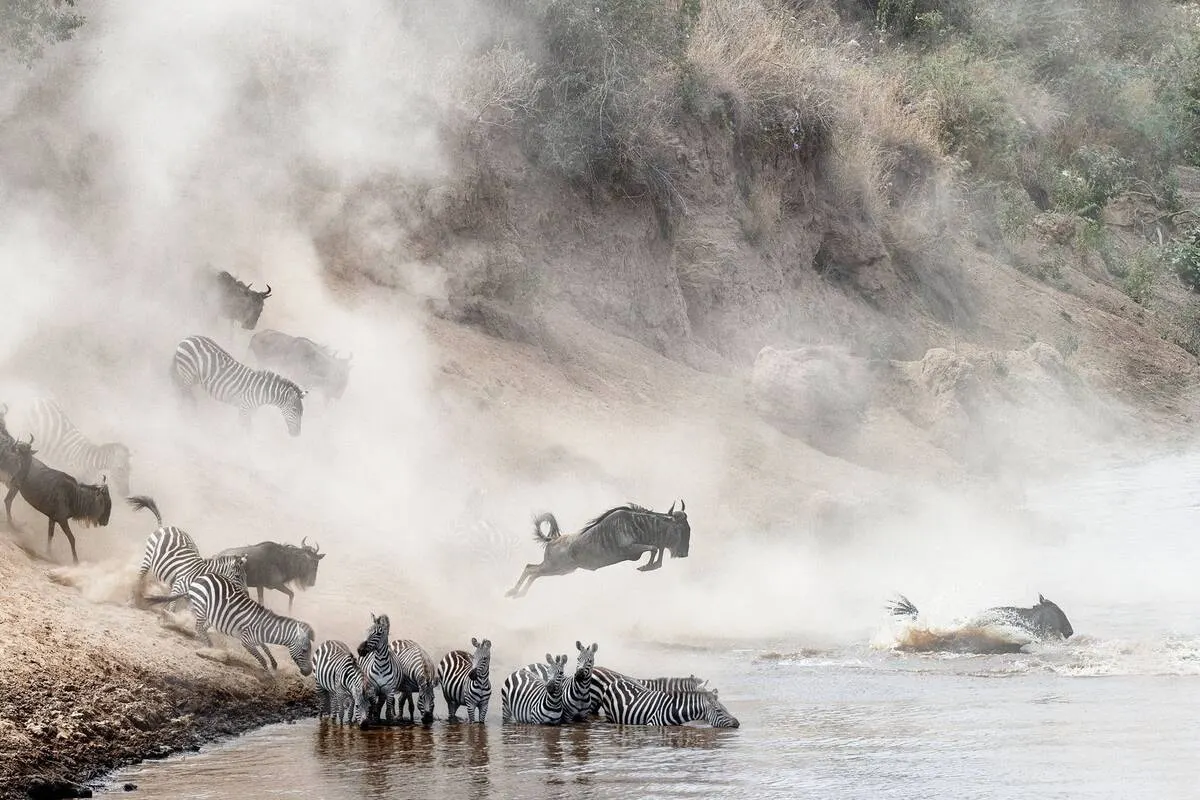
Serengeti Great Migration River Crossing — Mara River Safari
Witness the world's greatest wildlife spectacle — wildebeest crossing the Mara
per person • Best price direct
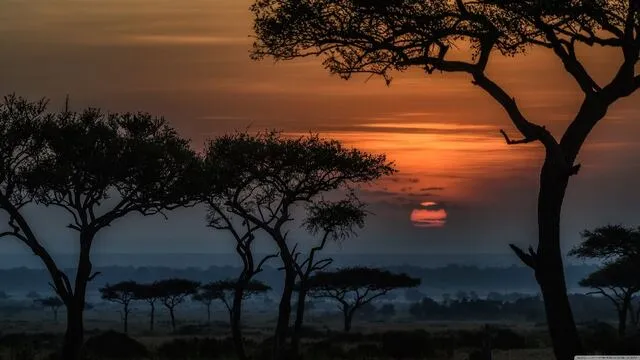
Masai Mara Great Migration Safari — River Crossing Season
Witness nature's greatest spectacle — millions of wildebeest crossing the Mara River
per person • Best price direct
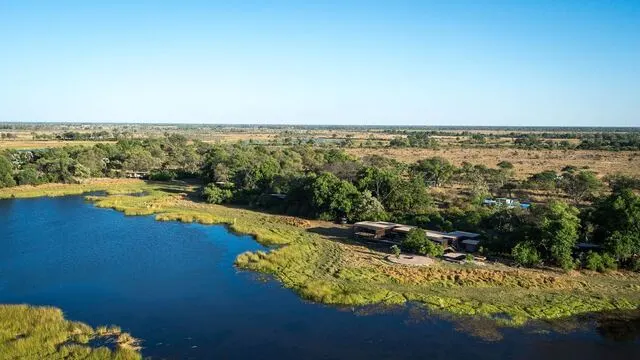
Okavango Delta Fly-In Safari — Luxury Bush Camp
The world's most exclusive safari destination from above and within
per person • Best price direct
Sabi Sands Leopard Tracking Safari — World's Best Leopard Sightings
The world's #1 destination for leopard sightings — 95% success rate
per person • Best price direct
Why book with middlemen? Same tours, lower prices, direct support from our team.
Get a Free Custom Quote