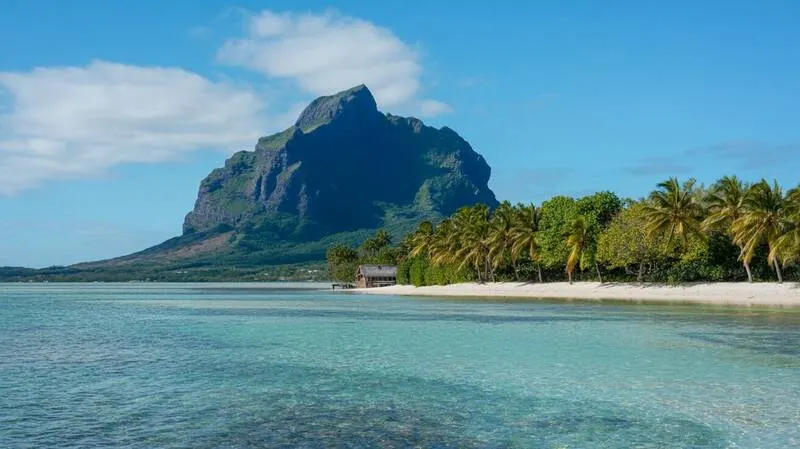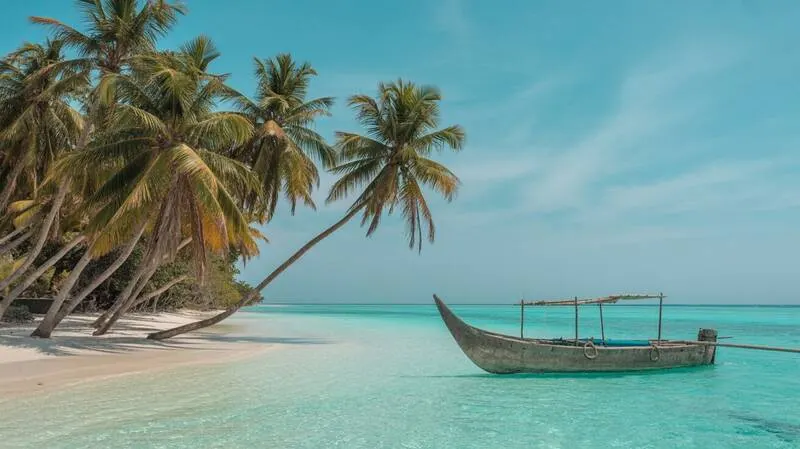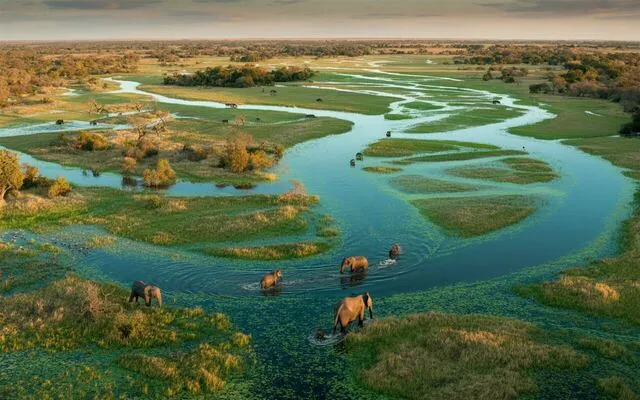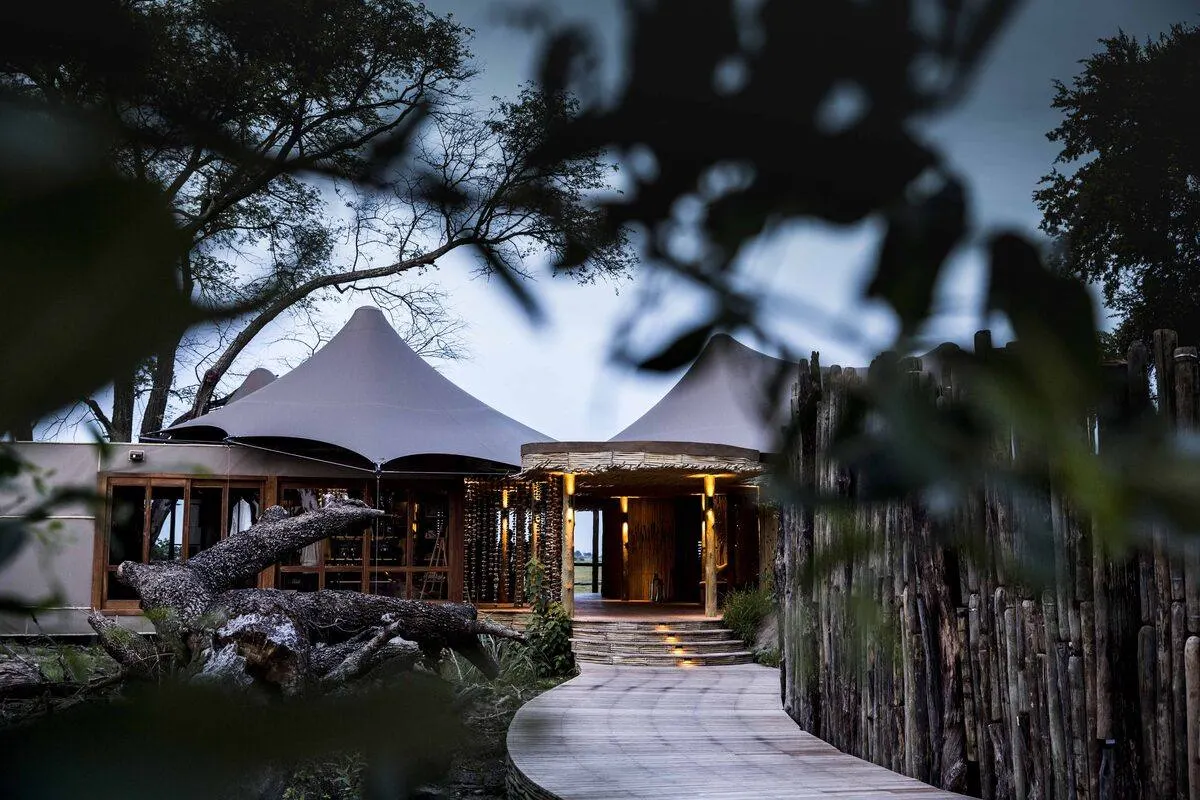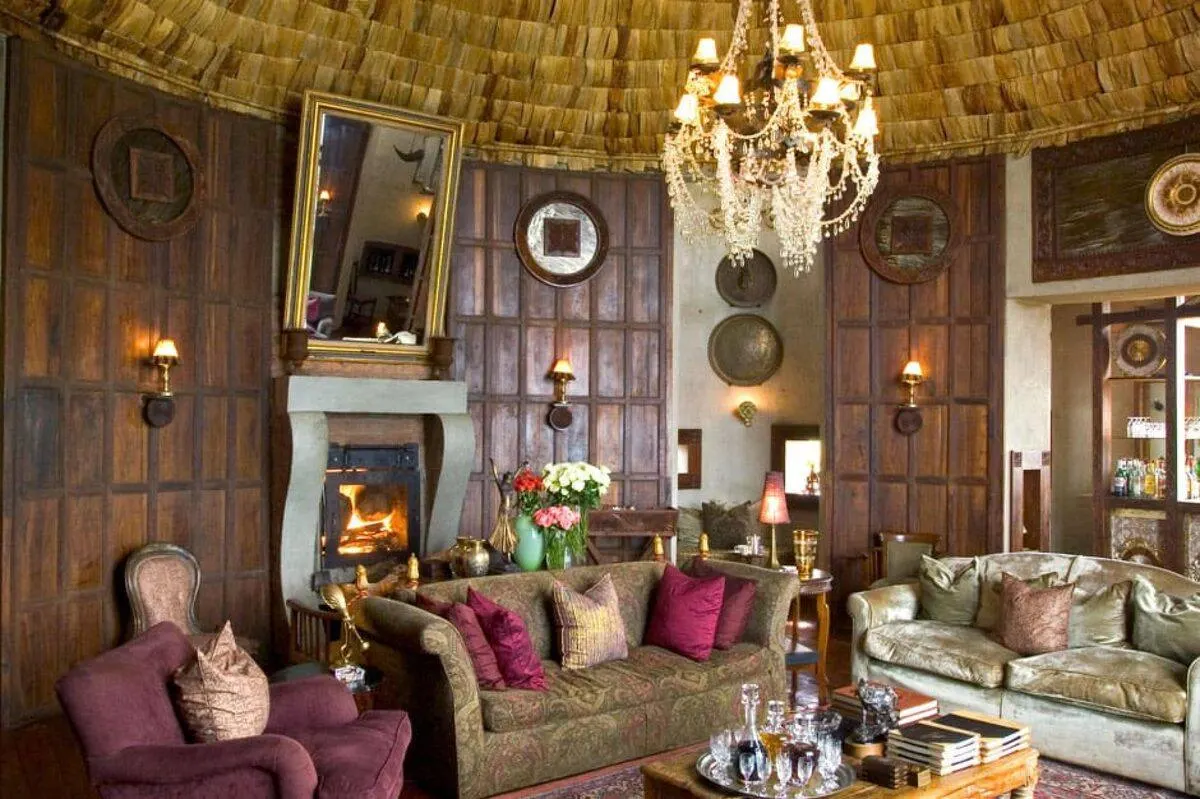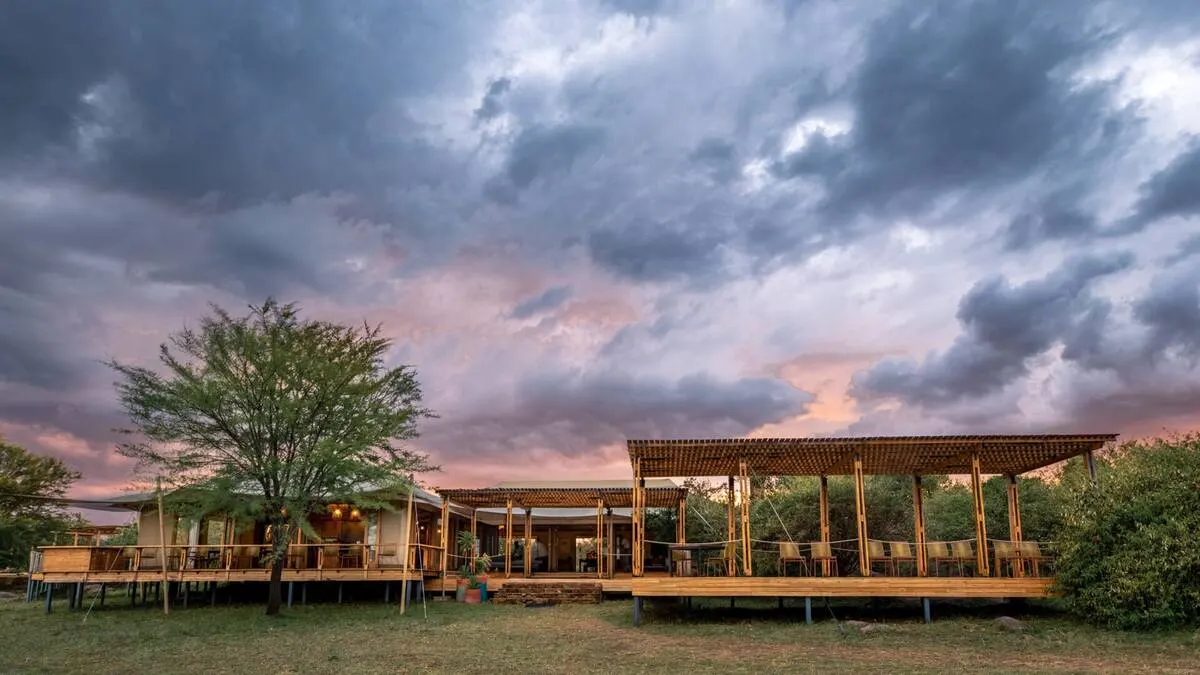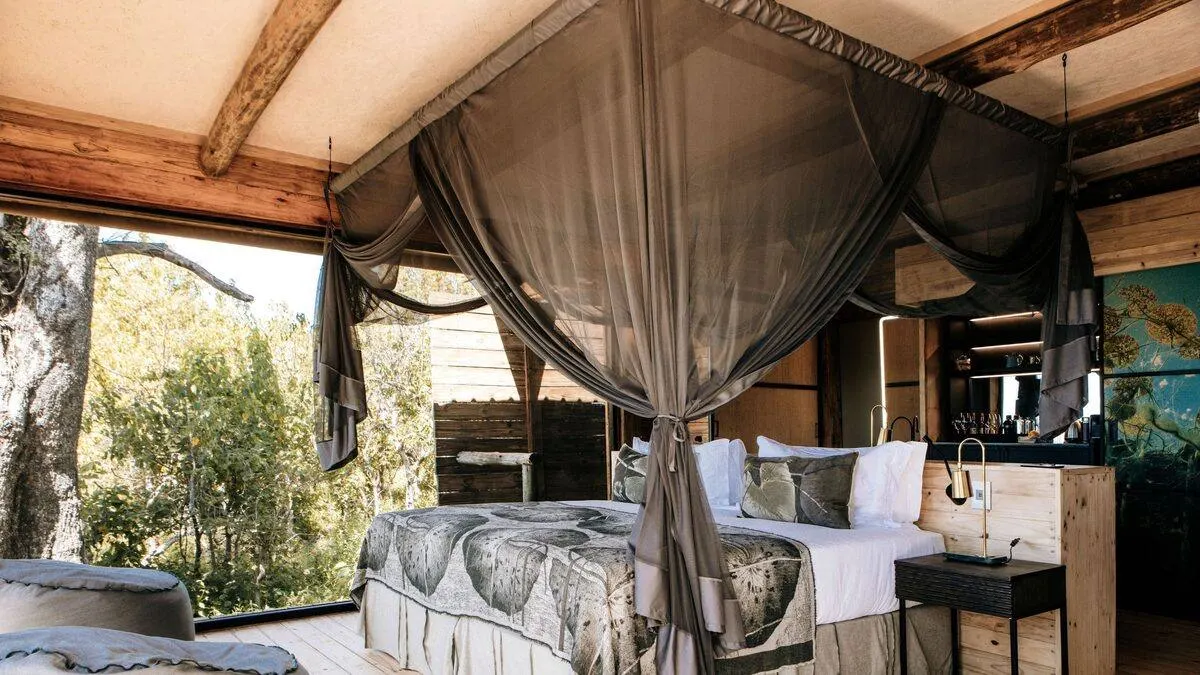

Zanzibar is one of East Africa’s most photogenic finish points: white-sand beaches, turquoise water, spice-scented air and a slow rhythm that feels made for unwinding after the dust and drama of safari. For travellers who want both wildlife and downtime, a Zanzibar beach and bush journey is hard to beat. One week you are tracking elephants across the Serengeti; the next you are barefoot on a dhow-lined shore, camera in hand, waiting for the light to turn gold.
That contrast is what makes this combination so appealing for photographers. A safari brings texture, movement and unforgettable animal encounters. Zanzibar adds clean horizons, vivid colour and more time to compose thoughtful images. Together they create a trip that is as rewarding for the soul as it is for the camera roll.
If you are planning a classic bush-and-beach adventure, Zanzibar & Serengeti — Bush Meets Beach in East Africa is the natural inspiration. It pairs Tanzania’s greatest wildlife landscapes with the island’s relaxed coastal beauty, giving you a seamless route from game drives to shoreline sunsets.
Why Zanzibar works so well after safari
Safari days are often wonderfully early and intensely active. You rise before dawn, spend hours scanning for predators and birds, and return to camp with memory cards full and senses buzzing. Zanzibar offers the opposite pace. Here, the biggest decision may be whether to photograph the sunrise, explore Stone Town, or linger over lunch by the sea.
That slower tempo is not just pleasant; it is practical. It gives travellers time to review images, back up files, rest tired muscles and enjoy a different photographic subject matter. Instead of only lions and landscapes, you can shoot fishing boats, coral reefs, palm-framed beaches, markets, carved doors and atmospheric alleyways.
The island also helps balance a trip physically. Safari lodges are often remote and packed with activity, while beach resorts offer restorative sleep, long walks and gentle ocean swims. For couples and honeymooners, the shift from wildlife adventure to island calm is particularly appealing. A journey like Romantic Southern Africa Honeymoon — Bush, Beach & Wine shows how powerful this travel style can be, and Zanzibar is East Africa’s equivalent of that perfect post-safari exhale.
How to build the ideal Zanzibar bush-and-beach itinerary
The best itinerary is one that matches your priorities, season and budget. Most travellers spend three to six nights on safari and then four to seven nights on Zanzibar, though photographers may prefer a little longer in each place to avoid rushing.
A common structure is:
- 2 to 4 nights in the Serengeti or Ngorongoro for big game and varied landscapes
- 1 night in Arusha or near Kilimanjaro for a smooth transfer day
- 4 to 6 nights on Zanzibar for relaxation, photography and exploration
If you want a truly iconic wildlife start, the Serengeti Great Migration & Ngorongoro Crater — Tanzania's Greatest Show is one of the strongest foundations for a Zanzibar extension. It delivers classic East African game viewing before you move on to the coast.
Travellers looking for a broader regional journey may also enjoy combining the safari with another destination before the beach. For example, the Great Migration & Gorilla Trek — Tanzania & Rwanda Ultimate Combo offers a more adventurous multi-country experience, while still allowing a Zanzibar finale for soft landing and recovery.
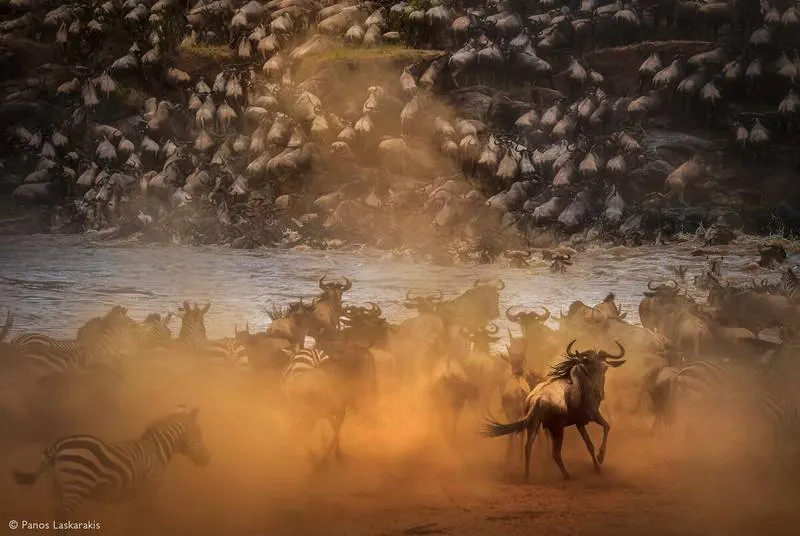
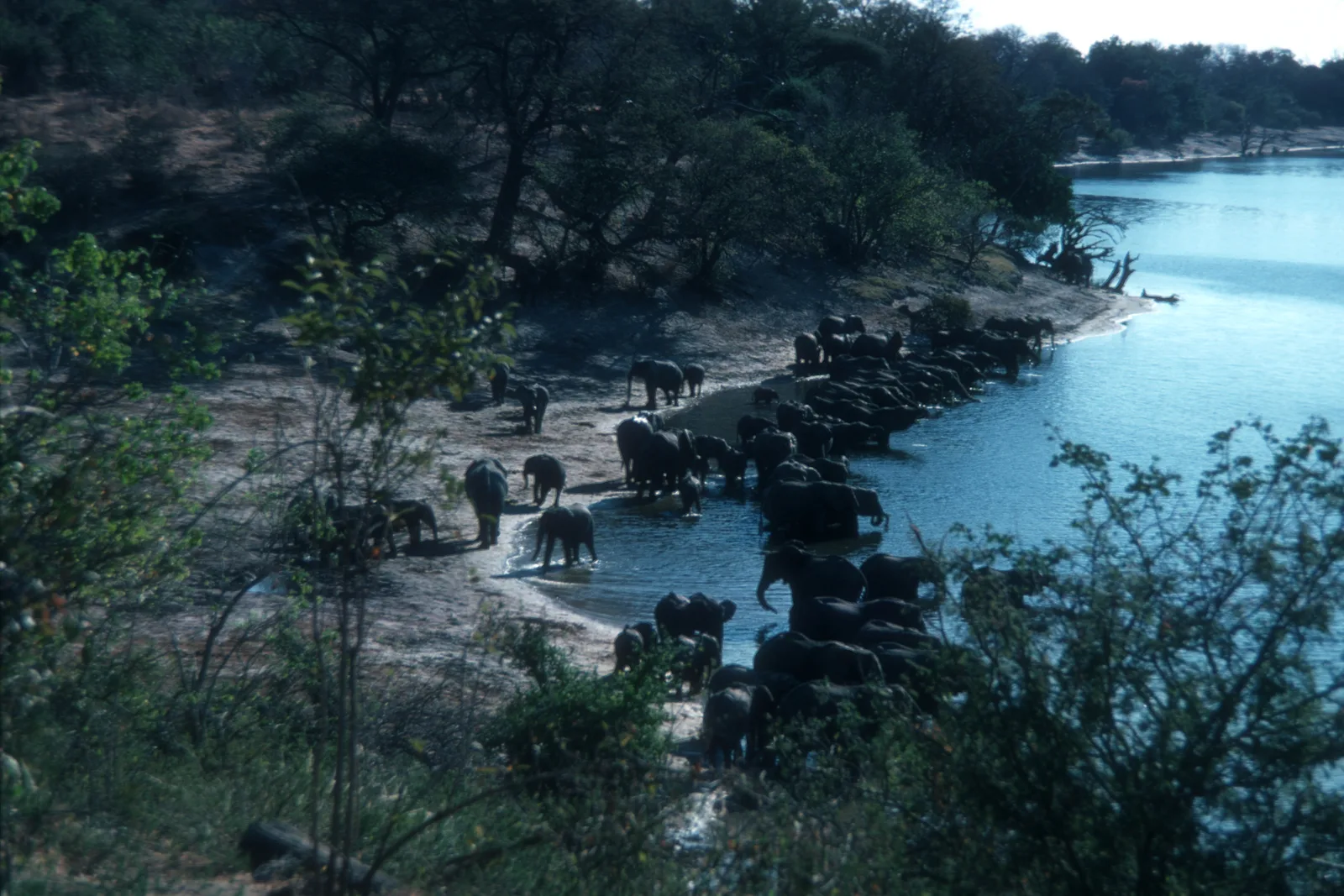
A safari brings texture, movement and unforgettable animal encounters.
Where to go on safari before Zanzibar
Tanzania has several outstanding wildlife regions that work beautifully before an island stay. The Serengeti is the most famous, with open plains, big cats and wide skies that are ideal for dramatic photography. The Ngorongoro Crater adds a completely different visual story: enclosed caldera walls, lake reflections, dense wildlife concentrations and excellent chances for close sightings in a compact area.
Tarangire is another excellent choice if you love elephants and baobab-studded scenery. For those chasing the Great Migration, timing matters. The herds move through the Serengeti in response to rainfall, so it is worth planning your safari around the seasonal movement if wildebeest crossings are on your wishlist.
Photographers should think about what kind of safari images they want before choosing dates and camps. If you want soft golden light, ask for game drives timed for early morning and late afternoon. If you want predator action, focus on areas with healthy wildlife density and experienced guides. A strong safari foundation makes the beach phase feel even more rewarding.
For something slightly different, the adventurous can extend the trip north-west with mountain or primate experiences before heading to the coast. A climb such as Mount Kilimanjaro — 7-Day Lemosho Route is a very different challenge, but it shows how Tanzania can deliver a multi-layered journey from high-altitude drama to Indian Ocean calm.
What to photograph on Zanzibar besides the beach
Zanzibar is often imagined as nothing more than a postcard coastline, but the island rewards photographers who look beyond the obvious. Yes, the beaches are exquisite, with shifting tides, traditional dhows and translucent water. But the cultural and environmental detail is what gives your portfolio real depth.
Stone Town is a must. Its narrow lanes, weathered walls, carved doors and layered shadows are perfect for street and architectural photography. Morning is the best time to shoot before the alleys become busy and the light grows harsh. Carry a small lens, keep your camera discreet, and be respectful when photographing local people, especially in markets or religious areas.
At the coast, look for:
- Dhow silhouettes at sunrise and sunset
- Fishermen working along the shore
- Low-tide reflections and patterns in wet sand
- Spice farms with vivid greens and earthy textures
- Beach life details: woven mats, boats, fish baskets and colourful fabrics
If you enjoy lifestyle and travel imagery, Zanzibar gives you a rich set of visual stories: from coffee served in a courtyard to children playing by the sea and vendors carrying tropical fruit through the streets. The island is not just beautiful; it is characterful, and character photographs often age better than scenic ones.
Best beaches and areas for different travel styles
Zanzibar is not one uniform beach destination. Different parts of the island suit different moods, and that matters when combining safari with relaxation. Nungwi and Kendwa in the north are popular for their swimmable beaches and lively atmosphere. The east coast, including Paje, Jambiani and Matemwe, tends to be quieter and more exposed to tidal changes, which can be magical for photography if you plan accordingly.
If you want easy swimming and a social feel after an active safari, the north is a practical choice. If you prefer long empty beaches, softer light and a slower pace, the east or south-east may be better. For honeymooners or couples, the quieter stretches are often more romantic, especially if you are looking for privacy and sunrise walks.
Travel style also matters. Luxury beach lodges offer private transfers, excellent food and curated experiences. Mid-range stays can provide excellent value and still place you close to the sea. Whichever you choose, look for a property with good access to tides, fresh seafood, and enough shade for midday downtime.
If an island-style romantic escape appeals, you may also enjoy the atmosphere of Botswana Delta & Victoria Falls Honeymoon — Wilderness & Wonder, which captures a similar sense of contrast between wild beauty and soft luxury, even if the destination is different.
Photography tips for the safari-to-beach transition
Switching from bush photography to beach photography requires a quick mental reset. Safari images often rely on long lenses, contrast and instant reactions. Zanzibar calls for wider compositions, cleaner horizons and more attention to colour and negative space.
Here are a few practical tips:
- Bring a lightweight wide-angle lens for beaches, architecture and interiors
- Keep a telephoto lens for birds, boats and distant details
- Pack lens cloths and a dry bag; sea spray and sand are relentless
- Shoot early and late for softer light and fewer people in frame
- Use the tide creatively, as changing water levels alter compositions dramatically
- Back up safari images before beach activities so you are not carrying the stress of lost files
For wildlife, you may be used to looking for eye contact, action and behaviour. On Zanzibar, think in layers. Include foreground details like shells, nets or boardwalks; use the waterline to create leading lines; and pay attention to the sky. A simple beach scene becomes more compelling when a dhow cuts across a glowing horizon or a lone figure adds scale.
Also, do not overlook black-and-white processing for Stone Town. The textures of old walls, worn wood and shadowed doorways can produce elegant monochrome images that sit beautifully alongside the rich colours of your safari gallery.
When to travel for the best safari and beach conditions
The timing of your trip will affect both the safari and the beach experience. Generally, Tanzania’s dry seasons are excellent for game viewing, while Zanzibar is pleasant for much of the year thanks to its tropical climate. That said, there are subtleties worth knowing.
For safari, the dry months typically offer easier wildlife sightings as animals congregate around water sources and vegetation is less dense. For Zanzibar, the main consideration is rain, humidity and sea conditions. Even during wetter periods, you can still enjoy the island, but if your dream is clear skies and calm beach days, plan carefully.
Photographers should also consider sun position and crowd levels. Shoulder seasons can be especially rewarding, with fewer visitors and strong natural light. If you want a quieter island atmosphere, avoid peak holiday periods where possible.
For a more relaxed beach finish after a high-energy safari, many travellers choose to unwind in Zanzibar after an immersive wilderness itinerary rather than before it. That way, the safari’s early starts and dusty roads come first, followed by easy island days and a gentler departure home.
How to pack for both worlds
Packing well is one of the simplest ways to improve your trip. Safari and beach holidays demand different kit, but they can share a suitcase if you are selective.
Useful items include:
- Lightweight neutral clothing for safari game drives
- Breathable shirts, dresses and shorts for the beach
- A sun hat, high-factor sunscreen and insect repellent
- Comfortable closed shoes for safari and sandals for Zanzibar
- Camera gear, spare batteries, memory cards and charging cables
- A small daypack for excursions and boat trips
It is wise to keep one outfit suitable for dinner at a nicer resort or lodge. Zanzibar can be relaxed, but many properties appreciate smart-casual evening wear. If you plan to visit Stone Town or a local village, pack modest clothing that covers shoulders and knees to show respect for local customs.
For travellers who love combining photography with comfort, the logistical ease of a beach-and-bush itinerary is part of the appeal. You get variety without needing a long overland journey. Fly between destinations, keep transfers streamlined and leave enough buffer time for weather or schedule changes.
Making the most of your final days on the island
The beauty of Zanzibar is that it does not ask you to rush. Once the safari energy fades, give yourself permission to slow down. Spend one day exploring culture, one day by the water and one day doing very little at all. That rest is not wasted time; it is part of the experience.
If you enjoy gentle activity, consider a spice tour, a dhow cruise or a snorkelling trip. If you prefer pure relaxation, choose a shaded lounger, a good book and a tide schedule. Photographers may want to build in one last sunrise or sunset session before departure, especially if you have had variable weather earlier in the trip.
A strong bush-and-beach itinerary should feel like two complementary chapters of one story. The safari gives you movement, anticipation and unforgettable wildlife moments. Zanzibar gives you light, colour, reflection and recovery. Together they create a journey that is rich in contrast and full of images worth revisiting long after you return home.
If you are ready to design a safari that ends in barefoot luxury, start with the East Africa combination that fits your pace and interests. A carefully planned route like Zanzibar & Serengeti — Bush Meets Beach in East Africa can turn a great holiday into a memorable photographic journey, with the perfect balance of wild Africa and island serenity.
Tours & Safaris You'll Love
Handpicked by our team based on what you're reading. Book direct for the best price — guaranteed.
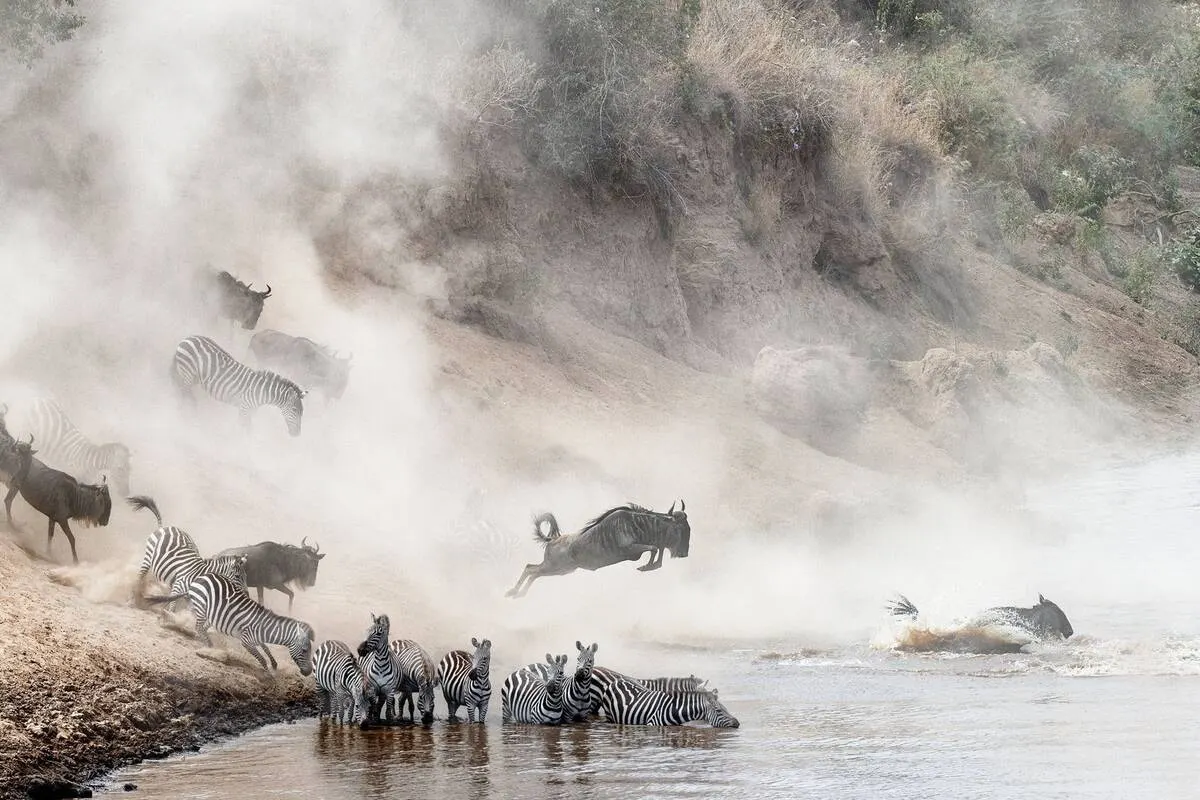
Serengeti Great Migration River Crossing — Mara River Safari
Witness the world's greatest wildlife spectacle — wildebeest crossing the Mara
per person • Best price direct
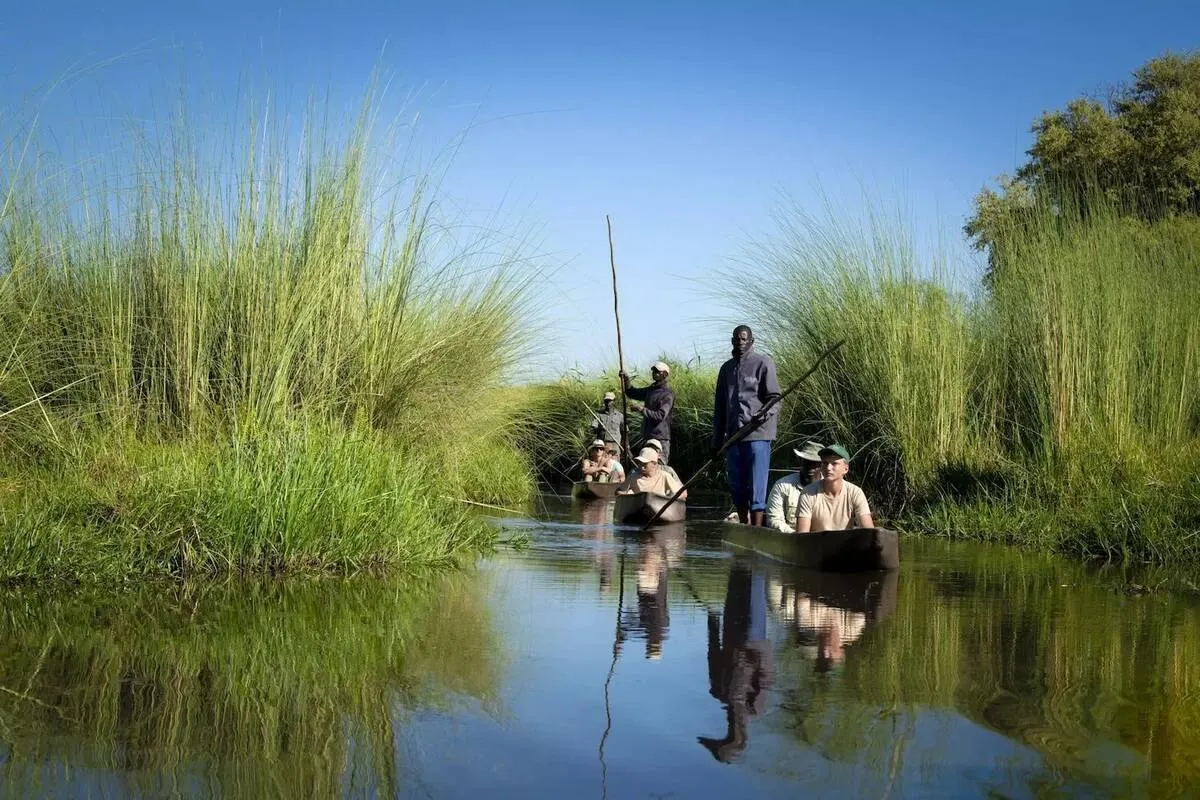
Okavango Luxury Fly-In Wilderness Camp — 5-Star Under Canvas
The world's most exclusive tented camp — deep in the delta
per person • Best price direct
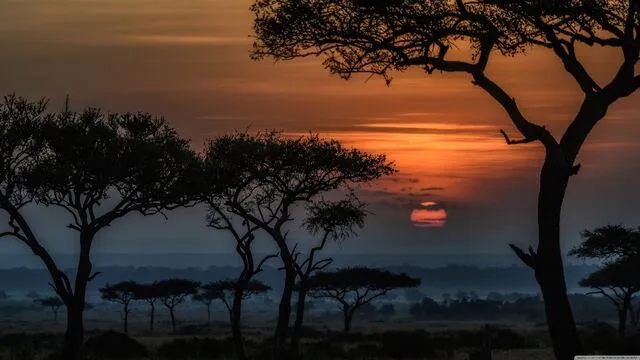
Masai Mara Great Migration Safari — River Crossing Season
Witness nature's greatest spectacle — millions of wildebeest crossing the Mara River
per person • Best price direct
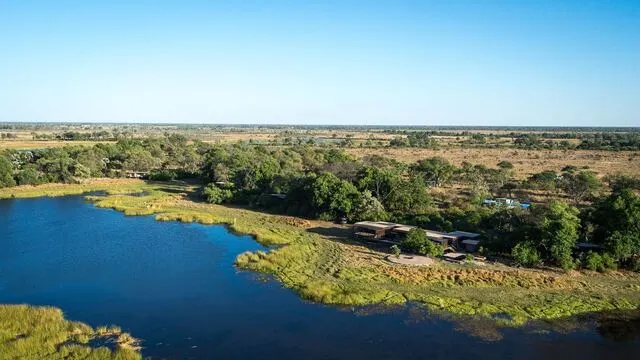
Okavango Delta Fly-In Safari — Luxury Bush Camp
The world's most exclusive safari destination from above and within
per person • Best price direct
Why book with middlemen? Same tours, lower prices, direct support from our team.
Get a Free Custom Quote