Wildlife Photography Ethics in Africa: How to Shoot Responsibly on Safari
There's a moment every safari photographer knows — the light is perfect, the leopard is draped across a branch just metres away, and your finger is hovering over the shutter. In that moment, it's easy to forget everything except the image. But how you behave in that moment, and the choices you make before and after it, define whether you're a responsible wildlife photographer or part of the problem.
As safari operators who have spent years in the African bush, we've seen the full spectrum of wildlife photography behaviour — from the deeply respectful to the genuinely harmful. This guide is our honest, practical take on how to capture extraordinary images while honouring the animals, habitats, and communities that make African wildlife photography possible.
Why Ethics Matter in Wildlife Photography
Wildlife photography has never been more popular, and the images that emerge from African safaris play a crucial role in conservation — inspiring people around the world to care about wild places and the creatures that inhabit them. But the pursuit of those images can also cause real harm if photographers prioritise the shot over the welfare of their subjects.
Stressed animals behave differently. A cheetah that is repeatedly approached too closely during a hunt will eventually abandon the attempt — and in the Serengeti, where cheetahs need to make a kill every few days to survive, repeated disturbance can have serious consequences. A lion pride that is surrounded by a dozen vehicles will often retreat into the bush, denying other visitors the experience and disrupting the animals' natural behaviour.
The good news is that ethical photography and great photography are not in conflict. The most compelling wildlife images are almost always made by photographers who are patient, respectful, and deeply knowledgeable about animal behaviour. The best shot is rarely the closest shot — it's the most authentic one.
This guide is our honest, practical take on how to capture extraordinary images while honouring the animals, habitats, and communities that make African wildlife photography possible.
The Core Principles of Ethical Wildlife Photography
1. The Animal's Welfare Comes First
This is the non-negotiable foundation of ethical wildlife photography. If your presence is causing an animal to change its behaviour — to move away, to stop feeding, to abandon a hunt, to show signs of stress — you are too close. Back off, even if it means losing the shot.
Signs of stress in wildlife include: direct staring at your vehicle, flattened ears, raised hackles, tail flicking, pacing, and vocalisation directed at you. Learn to read these signals before you go on safari, and respond to them immediately. A good guide will help you interpret animal body language — one of the many reasons why booking with experienced operators matters.
2. Stay on Designated Tracks
In most national parks and private reserves, vehicles must stay on designated roads and tracks. This rule exists for good reason — off-road driving damages fragile ecosystems, destroys ground-nesting bird habitats, and can crush small animals and insects that are invisible from the vehicle.
Some photographers are tempted to ask their driver to go off-road for a better angle. Resist this temptation. The best wildlife photographers work within the constraints of the track system and find creative solutions — different focal lengths, different times of day, different positions within the vehicle — rather than breaking the rules.
On our Kruger birding and photography safari, our guides are expert at positioning vehicles legally and creatively to maximise photographic opportunities without compromising the park's rules or the animals' welfare.
3. Respect Minimum Approach Distances
Most parks and reserves have minimum approach distances for different species. These are not arbitrary — they are based on research into the distances at which human presence begins to affect animal behaviour. As a general guide:
Large predators (lions, leopards, cheetahs): minimum 20–30 metres. Elephants: minimum 30–50 metres, more if there are calves or the herd is moving. Rhinos: minimum 50 metres. Nesting birds: minimum 50–100 metres, depending on species. These distances should be treated as minimums, not targets — if an animal is showing signs of stress at 40 metres, move further away.
4. Never Use Bait, Calls, or Artificial Attractants
Using food bait to attract predators, playing recorded bird calls to lure birds into the open, or using artificial scents to attract animals are all forms of manipulation that can cause serious harm. Baited animals can become habituated to humans, lose their natural fear response, and ultimately need to be destroyed when they become dangerous.
This is particularly important for bird photography. Playing recorded calls during breeding season can cause birds to abandon nests, exhaust themselves responding to a phantom rival, or attract predators to a nest site. The rule is simple: if you need to manipulate an animal to get the shot, the shot isn't worth taking.
5. Limit Time at Sightings
Even if your presence isn't causing obvious stress, spending hours at a single sighting can be disruptive. Animals need to move, feed, drink, and rest without a permanent audience. A good rule of thumb is to spend no more than 30–45 minutes at any single sighting, then move on and let the animal return to its natural behaviour.
This is also good photographic practice — the best images often come in the first few minutes of a sighting, before the animal has fully registered your presence. Staying too long rarely produces better images; it just produces more of the same.
Ethical Considerations for Specific Situations
Photographing Kills and Predator-Prey Interactions
Witnessing a predator kill is one of the most dramatic experiences in wildlife photography, and the images can be extraordinary. But this is also one of the situations where ethical behaviour is most important and most frequently compromised.
Never interfere with a kill or predator-prey interaction, even if the prey animal is suffering. This is nature, and intervention — however well-intentioned — disrupts the natural order and can have cascading consequences. Keep your distance, keep quiet, and let the drama unfold without your involvement.
Be aware that large gatherings of vehicles at a kill can prevent predators from feeding, which is particularly harmful for cheetahs and wild dogs that need to eat quickly before lions or hyenas steal their kill. If there are already many vehicles at a sighting, consider moving on and returning later.
Photographing Nesting Birds
Nesting birds are among the most vulnerable subjects in wildlife photography, and the potential for harm is high. The key rules are: never approach closer than the minimum distance, never touch or move vegetation to improve your view of a nest, never spend more than a few minutes at a nest site, and never return to the same nest repeatedly.
The best nest photography is done with long telephoto lenses from a respectful distance. A 500mm or 600mm lens will allow you to fill the frame with a nesting bird from 30 metres away — close enough for a compelling image, far enough to avoid disturbance.
Photographing with Flash
Flash photography is generally prohibited in most African national parks and reserves, and for good reason. The sudden burst of bright light can startle animals, disrupt nocturnal species that are adapted to darkness, and in extreme cases cause temporary blindness. Even if flash is technically permitted, use it with extreme caution and only when it is genuinely necessary for the image.
Modern cameras perform remarkably well at high ISO settings, making flash unnecessary in most situations. Learn to work with available light — the golden hour light of early morning and late afternoon is not only more ethical but produces far more beautiful images than flash-lit subjects.
The Ethics of Post-Processing
Ethical wildlife photography extends beyond the field into the editing room. The wildlife photography community has ongoing debates about what constitutes acceptable post-processing, but some principles are widely agreed upon:
Removing distracting elements from the background (a vehicle, a fence post) is generally acceptable. Removing other animals or birds from the frame is more controversial. Compositing images — combining elements from different photographs — is widely considered unethical in wildlife photography, particularly for competition entries.
The most important principle is transparency: if you've significantly manipulated an image, be honest about it. The wildlife photography community values authenticity, and images that misrepresent what actually happened in the field undermine the credibility of the genre.
Supporting Conservation Through Photography
Ethical wildlife photography isn't just about avoiding harm — it's also about actively contributing to conservation. Here are some ways to use your photography for good:
Citizen Science
Many conservation organisations use photographs submitted by tourists and photographers to track individual animals, monitor population health, and document behaviour. Platforms like iNaturalist, WildBook (for whale sharks and other species), and the Snapshot Safari project allow you to contribute your images to genuine scientific research. Your holiday photographs could help save a species.
Supporting Ethical Operators
Choose safari operators and lodges that have strong conservation credentials and that actively support anti-poaching efforts, community development, and habitat protection. When you book with responsible operators, your tourism dollars go directly to conservation. Our safari experiences are designed with conservation at their core — we work with reserves and lodges that are making a real difference.
Sharing Responsibly
When you share your wildlife images on social media, be thoughtful about what information you include. Sharing the precise location of a rare species — particularly rhinos, pangolins, or other heavily poached animals — can inadvertently assist poachers. Many wildlife photographers now deliberately omit or obscure location data from their posts and image metadata.
Choosing the Right Safari for Photography
Not all safaris are created equal for photographers. Here's what to look for when booking a photography-focused safari:
Small group sizes: Fewer people in the vehicle means more flexibility in positioning and less pressure to move on quickly. Look for operators that offer private vehicle hire or maximum four-person game drives.
Experienced guides: A guide who understands animal behaviour and can anticipate where animals will move is worth more than any piece of equipment. Ask about your guide's experience and qualifications before booking.
Flexible timing: The best light for photography is in the first and last two hours of daylight. Choose operators that offer early morning and late afternoon game drives, and that are willing to stay at a sighting when the light is good.
Vehicle design: Bean bags, window mounts, and low-profile vehicles that allow you to shoot at animal eye level make a significant difference to image quality. Ask about vehicle setup before booking.
Our Masai Mara big cat photography safari and Kruger wildlife photography masterclass are specifically designed for serious photographers, with small groups, expert guides, and vehicles optimised for photography. Use our safari cost calculator to explore options within your budget.
Essential Gear for Ethical Wildlife Photography
The right equipment makes ethical photography easier. A long telephoto lens (400mm minimum, 500–600mm ideal) allows you to maintain respectful distances while still filling the frame with your subject. Image stabilisation is essential for handheld shooting from a moving vehicle.
A fast camera body with good high-ISO performance means you can shoot in low light without flash. Modern mirrorless cameras from Sony, Nikon, and Canon all perform exceptionally well in this regard, with usable images at ISO 6400 and beyond.
Invest in a good bean bag or window mount — shooting from a stable platform dramatically improves image sharpness and allows you to use lower shutter speeds in poor light. These are inexpensive pieces of kit that make a disproportionate difference to image quality.
Plan Your Ethical Photography Safari
Wildlife photography at its best is a deeply ethical practice — one that requires patience, knowledge, and a genuine commitment to the welfare of your subjects. The photographers who produce the most extraordinary images are invariably those who spend the most time observing and understanding animals, who know when to put the camera down, and who leave every sighting having caused no harm.
Africa's wildlife is one of the world's great treasures, and the images that responsible photographers bring home play a vital role in inspiring the next generation of conservationists. Shoot with care, share with responsibility, and let your photography be part of the solution.
Ready to plan your photography safari? Contact our expert team to discuss your photographic goals and find the perfect safari experience. Whether you're a beginner with a smartphone or a professional with a full kit, we'll match you with the right destination, guide, and vehicle to maximise your photographic opportunities — ethically and responsibly. You can also start planning your safari online or explore our range of photography-focused tours across Africa.
Tours & Safaris You'll Love
Handpicked by our team based on what you're reading. Book direct for the best price — guaranteed.
Masai Mara Great Migration Safari — River Crossing Season
Witness nature's greatest spectacle — millions of wildebeest crossing the Mara River
per person • Best price direct
Kruger Luxury Safari — Big Five Private Game Reserve
Exclusive Big Five encounters in Kruger's finest private concessions
per person • Best price direct
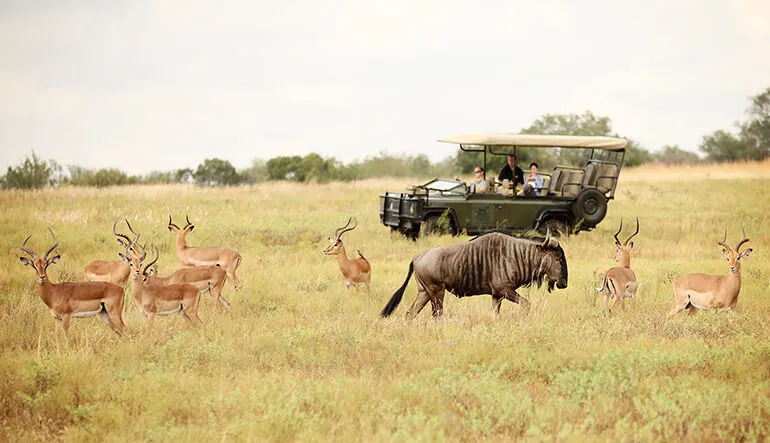
Kruger Full-Day Open Vehicle Safari
Expert-Guided Big Five Game Drive from Hazyview
per person • Best price direct
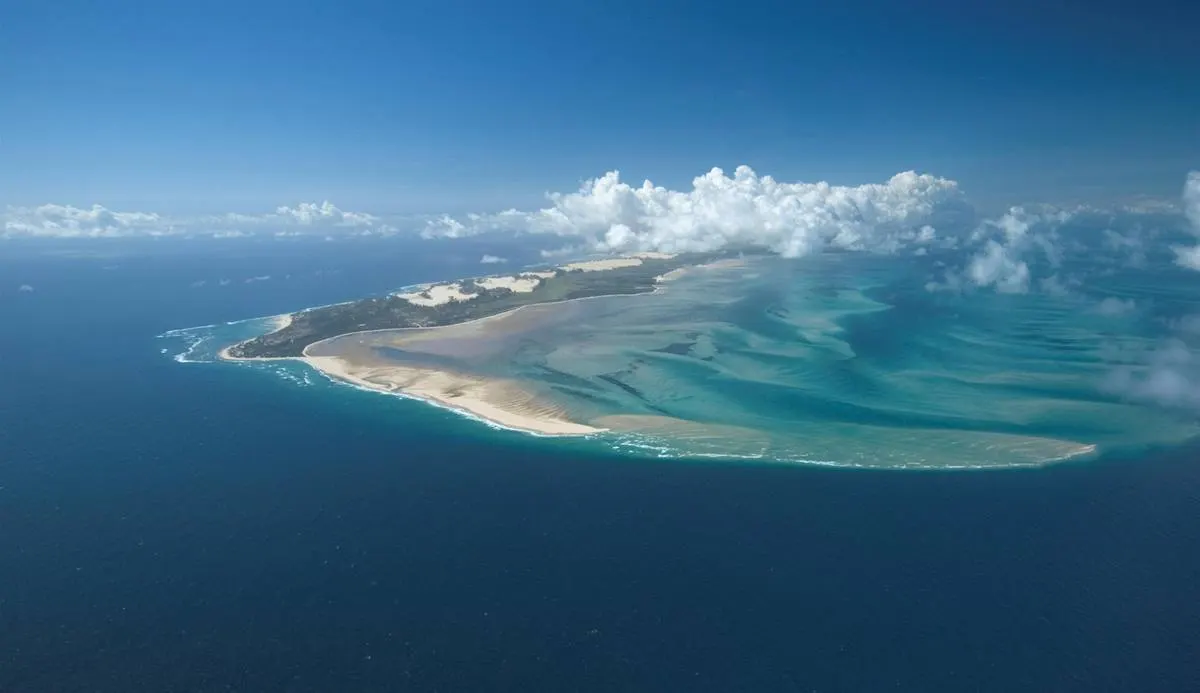
Kruger Safari & Mozambique Beach Combo — 7-Day Ultimate
The #1 selling Africa itinerary — Big Five safari + Indian Ocean paradise
per person • Best price direct
Why book with middlemen? Same tours, lower prices, direct support from our team.
Get a Free Custom Quote