
Africa After Dark: A Complete Guide to Nocturnal Animals on Safari
Most people think of safari as a daytime pursuit — golden mornings on the savanna, lazy afternoons watching elephants at the waterhole, sundowners as the light fades. But when the sun drops below the horizon and the stars ignite across the African sky, an entirely different world comes alive. The nocturnal animals of Africa are among the continent's most secretive, most fascinating, and most rarely seen creatures — and a night safari is your best chance to encounter them.
At Ingwe Africa Safaris, we have spent years guiding guests through the African bush after dark, and we can tell you with certainty: a night game drive is one of the most thrilling experiences in wildlife travel. This guide introduces you to Africa's most remarkable nocturnal species, explains where and when to find them, and gives you practical tips for making the most of your night safari adventure.
Why Nocturnal Animals Are So Hard to See
Africa's nocturnal wildlife has evolved over millions of years to thrive in darkness. Many species have developed enormous eyes with a high density of rod cells, giving them exceptional low-light vision. Others rely on acute hearing or an extraordinary sense of smell to navigate and hunt in the dark. Their colouring — often spotted, striped, or mottled — provides camouflage against the dappled moonlight and shadow of the bush.
During the day, most nocturnal animals rest in dense vegetation, underground burrows, hollow trees, or rocky outcrops. They are masters of concealment, and even experienced guides can walk within metres of a sleeping serval or aardvark without detecting it. This is why night game drives — conducted in open vehicles with powerful spotlights — are so valuable. The spotlight catches the reflective tapetum lucidum (the mirror-like layer behind the retina) in an animal's eyes, producing the characteristic eyeshine that reveals their presence in the darkness.
The nocturnal animals of Africa are among the continent's most secretive, most fascinating, and most rarely seen creatures — and a night safari is your best chance to encounter them.
The Big Nocturnal Predators
Leopard: The Ultimate Night Hunter
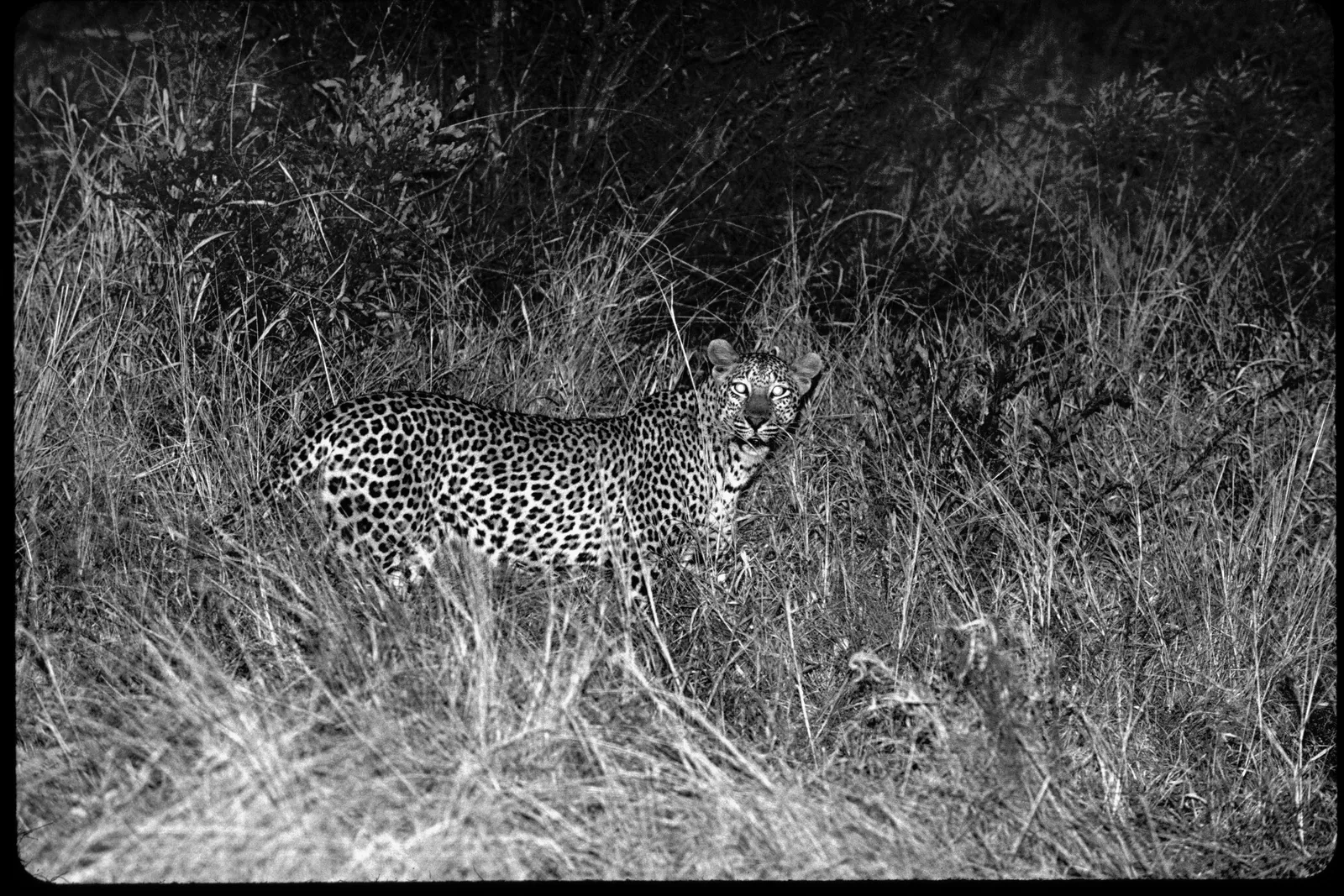
Of all Africa's big cats, the leopard is the most perfectly adapted to nocturnal life. Solitary, secretive, and supremely powerful, leopards do most of their hunting between dusk and dawn. Their spotted coats dissolve into the shadows of the bush, and their padded paws move in near-total silence. A leopard can carry prey twice its own body weight up into a tree — a remarkable feat that keeps its kill safe from lions and hyenas.
The best places to see leopards at night are the private game reserves adjacent to Kruger National Park, particularly the Sabi Sands. Here, leopards have been habituated to vehicles over generations, and sightings are remarkably reliable. Our Sabi Sands Leopard Tracking Safari is specifically designed around nocturnal leopard encounters, with expert trackers and night drives included.
Lion: Darkness Gives Them the Edge
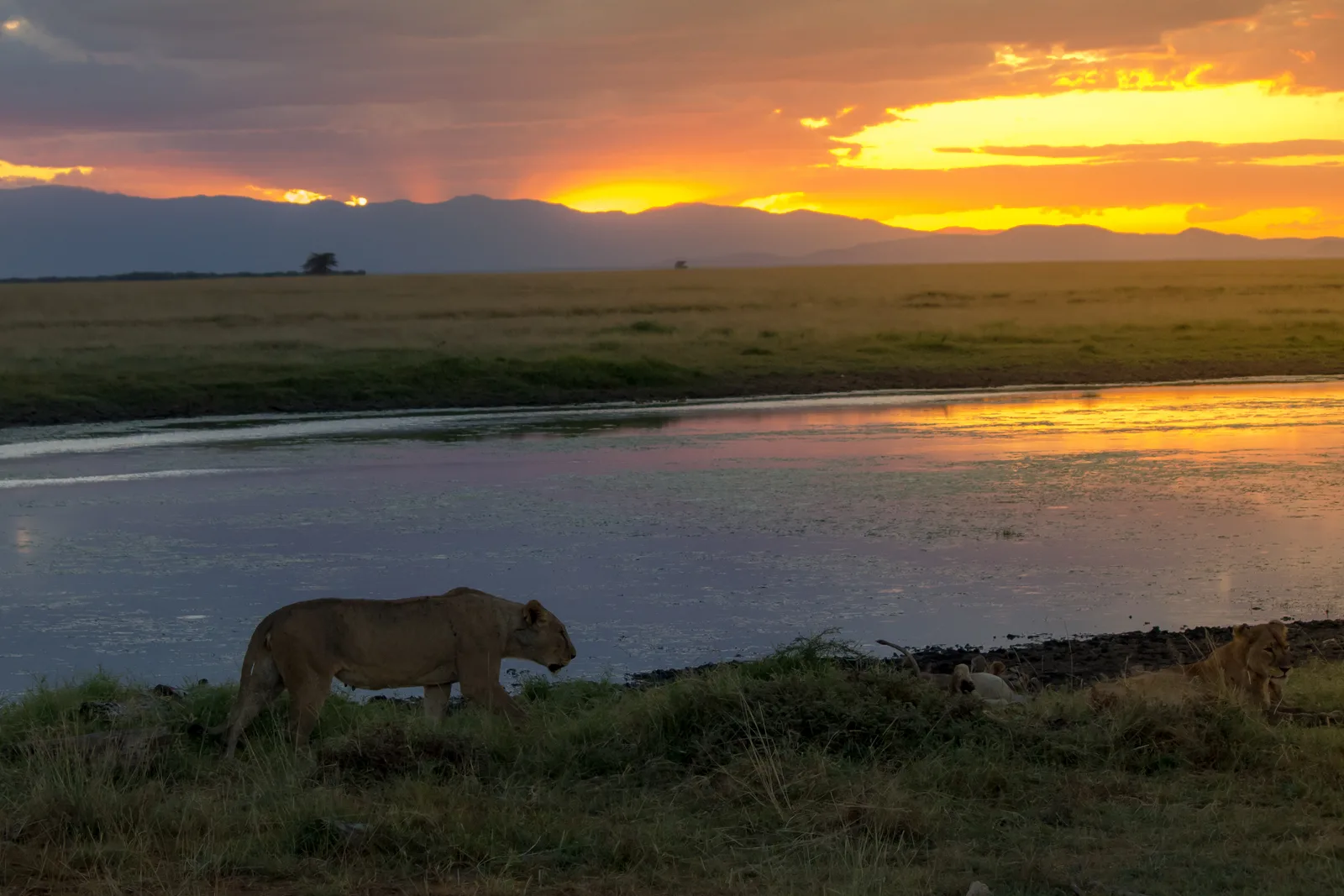
Lions are often thought of as diurnal — and it is true that they spend much of the day sleeping in the shade. But lions are highly effective nocturnal hunters, and their success rate increases dramatically after dark. Their eyes are six times more sensitive to light than human eyes, giving them a significant advantage over prey species in low-light conditions.
On a night game drive, you might hear lions long before you see them — a deep, resonant roar that carries for five kilometres across the still night air. When you do find them, often illuminated by the spotlight as they stalk through long grass or feed on a fresh kill, the experience is visceral and unforgettable. The Serengeti and Botswana's Okavango Delta are among the finest places in Africa for nocturnal lion encounters.
Spotted Hyena: Africa's Most Misunderstood Predator
The spotted hyena is one of Africa's most successful and intelligent predators — and one of the most active after dark. Despite their reputation as scavengers, hyenas are formidable hunters that kill up to 95% of their own food. They live in complex matriarchal clans of up to 80 individuals, communicate through an elaborate repertoire of whoops, giggles, and growls, and have one of the most powerful bites in the animal kingdom.
On night drives, hyenas are frequently encountered — trotting purposefully along roads, investigating smells, or gathered around a kill. Their eyeshine is a distinctive greenish-yellow, and their loping gait is immediately recognisable. Watching a hyena clan interact at a kill, with all the complex social dynamics on display, is a genuinely riveting wildlife experience.
The Smaller Nocturnal Predators
Serval: The Leaping Cat
The serval is one of Africa's most beautiful and least-known wild cats — a slender, long-legged feline with enormous ears and a boldly spotted coat. Servals are specialist hunters of small mammals and birds, using their extraordinary hearing to locate prey moving through long grass, then leaping up to two metres into the air to pounce. Their success rate is the highest of any African cat — around 50% of hunts end in a kill.
Servals are most active in the hours after dusk and before dawn. They favour moist grasslands, wetland margins, and areas with dense reed beds. The Ngorongoro Crater in Tanzania, the Masai Mara in Kenya, and the wetlands of Botswana's Okavango Delta are all excellent locations for serval sightings on night drives.
African Civet: The Perfume Animal
The African civet is a large, cat-like carnivore with a striking black-and-white pattern and a distinctive musky scent produced by glands near its tail. For centuries, civet musk was used in the perfume industry — a practice now largely replaced by synthetic alternatives. Civets are omnivores, eating everything from insects and frogs to fruit and carrion, and they are surprisingly common across sub-Saharan Africa.
On night drives, civets are often seen trotting along roads or foraging in open areas. Their eyeshine is a bright orange-red, and their bold patterning makes them unmistakable once you know what to look for. They are solitary and largely silent, moving through the night with a purposeful, rolling gait.
Genet: The Spotted Climber
Genets are small, slender carnivores that look like a cross between a cat and a mongoose, with a long ringed tail and a spotted coat. There are several species across Africa, and all are highly arboreal — spending much of their time in trees, hunting birds, lizards, and insects. Genets are common at safari lodges, where they often visit the dining area after dark in search of scraps, giving guests an easy and charming close encounter.
The Fascinating Insectivores
Aardvark: Africa's Most Elusive Mammal
The aardvark is arguably the most sought-after sighting on any African night safari. This extraordinary creature — the sole living member of the order Tubulidentata — is a powerful digger with a pig-like snout, rabbit-like ears, and a long sticky tongue perfectly adapted for extracting termites and ants from their mounds. Aardvarks are strictly nocturnal and spend the day in deep burrows, emerging only after dark to forage.
Seeing an aardvark in the wild is a genuine privilege. They are widespread but rarely encountered, and a sighting is considered extremely lucky even by experienced guides. The best chances are in open savanna and bushveld habitats — the Karoo in South Africa, the Kalahari in Botswana, and the dry woodlands of Zimbabwe and Zambia. If you do see one, watch it work — the speed and power with which an aardvark demolishes a termite mound is astonishing.
Pangolin: The World's Most Trafficked Animal
The pangolin is one of Africa's most extraordinary and most endangered creatures. Covered in overlapping scales of keratin (the same material as human fingernails), pangolins are the only scaled mammals on Earth. They are nocturnal insectivores, using their long tongues to extract ants and termites from mounds and logs. When threatened, they roll into a tight ball — a defence that protects them from most predators but makes them tragically easy for poachers to collect.
All eight pangolin species are threatened with extinction due to illegal wildlife trade, making a wild sighting an incredibly rare and precious experience. Some private reserves in South Africa and Zimbabwe have pangolin monitoring programmes, and guests at partner lodges occasionally join researchers on nocturnal pangolin tracking walks. Contact our team via our enquiry form if pangolin encounters are on your bucket list — we can connect you with the right properties.
The Night Sky Performers: Birds and Reptiles
Owls: Silent Hunters of the Dark
Africa is home to more than 30 owl species, ranging from the tiny African scops owl (barely larger than a fist) to the imposing Verreaux's eagle-owl, which can take prey as large as a young mongoose. Owls are perfectly adapted for nocturnal hunting — their asymmetrically placed ears allow them to pinpoint sounds with extraordinary precision, and their flight feathers are fringed to eliminate noise.
On night drives, owls are often spotted perched on roadside branches or fence posts, their eyes blazing orange or yellow in the spotlight. The pearl-spotted owlet, the barn owl, and the giant eagle-owl are among the most commonly encountered species. Hearing the haunting call of a Pel's fishing owl — a deep, booming hoot that carries across the water — is one of the great sounds of the African night.
Nightjars: Masters of Camouflage
Nightjars are cryptically patterned birds that roost on the ground during the day, relying on their bark-like plumage for camouflage. At night, they take to the air to hunt moths and other large insects, their wide mouths acting as aerial nets. On night drives, nightjars are frequently seen sitting on warm roads — their eyeshine a distinctive deep red — before fluttering away at the last moment.
Chameleons and Geckos
Night drives reveal a hidden world of reptiles that are invisible during the day. Chameleons, which sleep on exposed branches at night (making them easier to spot than during the day when they hide in foliage), glow a pale, ghostly white in the spotlight. Geckos cling to rocks and tree bark, their translucent skin revealing the organs beneath. Legless skinks and blind snakes emerge from the soil to hunt earthworms and insects.
Practical Tips for Your Night Safari
A few essentials to make the most of your nocturnal game drive experience:
Dress warmly: Temperatures drop dramatically after sunset in the African bush, especially in winter (May–August). Even in summer, the wind chill on an open vehicle can be significant. Bring a warm fleece or jacket, a scarf, and gloves. Most lodges provide blankets on night drives, but it is always better to be over-prepared.
Respect the spotlight: Your guide or tracker will operate the spotlight. Never shine it directly into an animal's eyes for extended periods, and follow your guide's instructions about when to use personal torches. Responsible spotlighting minimises disturbance to wildlife.
Stay quiet: Sound travels far in the still night air, and many nocturnal animals are extremely sensitive to noise. Keep voices low, avoid sudden movements, and resist the urge to whisper excitedly when you spot something — your guide will hear you.
Use a red light for notes: If you want to take notes or check your field guide, use a red-filtered torch. Red light does not destroy your night vision the way white light does, and it is less disturbing to wildlife.
Manage expectations: Night drives are inherently unpredictable. Some nights you will see a leopard on a kill, a pangolin crossing the road, and a dozen owl species. Other nights the bush will seem empty. This is the nature of wild Africa — and the uncertainty is part of what makes every sighting so thrilling.
Where to Go for the Best Night Safaris
Not all safari destinations offer night drives — national parks like Kruger and the Serengeti restrict after-dark game viewing to protect wildlife. The best night safari experiences are found in private game reserves and conservancies, where operators have more flexibility.
Top destinations for night safaris include the Sabi Sands and Timbavati private reserves adjacent to Kruger, the private conservancies around the Masai Mara in Kenya, the Okavango Delta concessions in Botswana, and the private reserves of Zimbabwe's Hwange area. Use our plan my safari tool to explore options, or browse our full range of safari packages that include night game drives.
For those based in day trips">Cape Town, our Aquila Big Five Day Safari offers a taste of the bush just two hours from the city, with optional night drives available for overnight guests. It is a lekker introduction to the magic of the African night for first-time safari-goers.
The Night Safari: An Experience Like No Other
There is something profoundly humbling about sitting in an open vehicle in the African darkness, surrounded by sounds you cannot identify, watching a leopard move through the beam of a spotlight with liquid grace. The night safari strips away the comfortable certainties of the daylight world and reminds you that you are a visitor in a place that belongs to other creatures — creatures that have been navigating this darkness for millions of years.
It is one of the most extraordinary experiences that Africa offers, and it is one that relatively few travellers take the time to seek out. Those who do are invariably transformed by it.
Ready to discover Africa after dark? Get in touch with our team and we will design a safari itinerary that includes the very best night game drive experiences on the continent. The nocturnal world of Africa is waiting — and it is more spectacular than you can imagine.
Tours & Safaris You'll Love
Handpicked by our team based on what you're reading. Book direct for the best price — guaranteed.
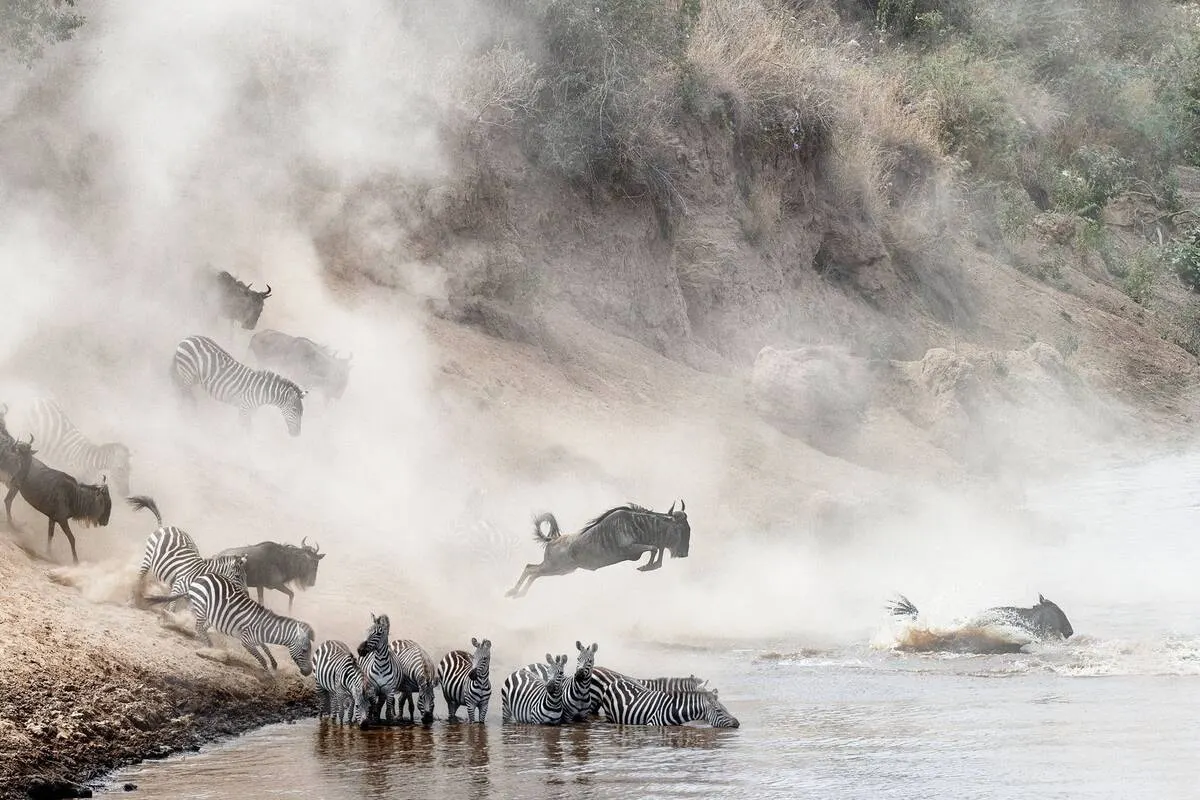
Serengeti Great Migration River Crossing — Mara River Safari
Witness the world's greatest wildlife spectacle — wildebeest crossing the Mara
per person • Best price direct
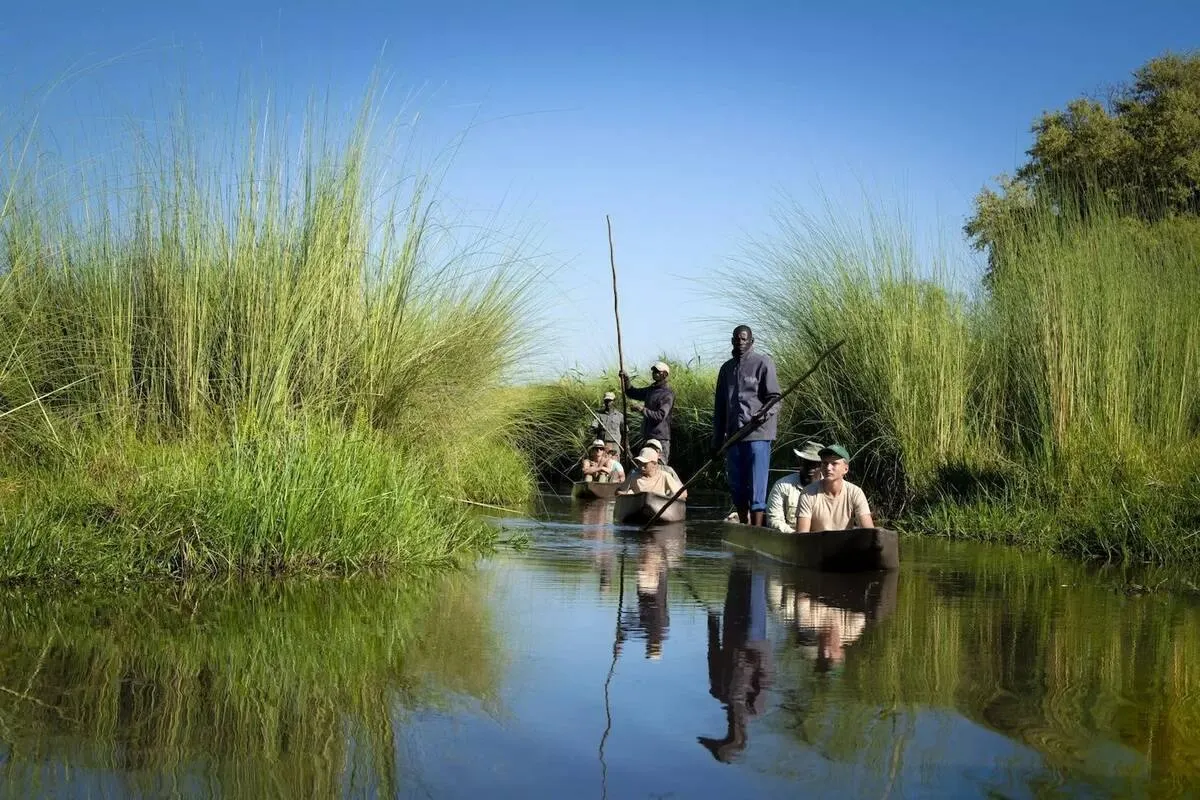
Okavango Luxury Fly-In Wilderness Camp — 5-Star Under Canvas
The world's most exclusive tented camp — deep in the delta
per person • Best price direct
Masai Mara Great Migration Safari — River Crossing Season
Witness nature's greatest spectacle — millions of wildebeest crossing the Mara River
per person • Best price direct
Okavango Delta Fly-In Safari — Luxury Bush Camp
The world's most exclusive safari destination from above and within
per person • Best price direct
Why book with middlemen? Same tours, lower prices, direct support from our team.
Get a Free Custom Quote