
Beyond the Bush Braai: Africa's Street Food Scene Awaits
Most safari travelers spend their days in the bush and their evenings at beautifully set lodge tables, sipping sundowners and enjoying three-course dinners under the stars. And yes, that is absolutely lekker — we would not change a thing about it. But Africa's food story does not begin and end at the lodge dining room. Between game drives and city stopovers, there is a vibrant, chaotic, deeply delicious street food culture waiting to be discovered.
At Ingwe Africa Safaris, we have eaten our way across the continent — from Cape Town's Bo-Kaap to Nairobi's Maasai Market, from Zanzibar's night food market to Marrakech's Djemaa el-Fna. This guide is our honest, practical, and enthusiastic take on African street food for safari travelers who want to eat like locals, not just tourists.
Cape Town: Where Street Food Meets World-Class Cuisine
Bo-Kaap and the Cape Malay Kitchen
Cape Town's Bo-Kaap neighbourhood — the brightly painted houses on the slopes of Signal Hill — is the spiritual home of Cape Malay cuisine, one of South Africa's most distinctive food traditions. Brought to the Cape by enslaved people from Indonesia, Malaysia, and India in the 17th and 18th centuries, Cape Malay cooking is a fragrant, spiced, deeply layered cuisine that has no real equivalent anywhere else in the world.
Look for samoosas (the Cape Malay spelling) stuffed with spiced mince or lentils, koesisters (not to be confused with the Afrikaner koeksister — these are cardamom-spiced, coconut-dusted doughnuts), and gatsby sandwiches — a Cape Town institution that is essentially a foot-long roll stuffed with chips, masala steak or calamari, and a generous slathering of sauce. A gatsby will set you back about $3–$5 and will absolutely destroy your appetite for the next four hours. Worth it.
Our Bo-Kaap Cultural Food Tour takes you through the neighbourhood with a local guide who grew up in the community — the stories behind the food are as rich as the food itself.
The Old Biscuit Mill and Neighbourgoods Market
Every Saturday morning, the Neighbourgoods Market at the Old Biscuit Mill in Woodstock transforms into day trips">Cape Town's finest food gathering. This is not street food in the traditional sense — it is artisan producers, small-batch makers, and passionate chefs selling directly to the public. Expect wood-fired sourdough, Ethiopian injera with berbere-spiced lamb, hand-rolled pasta, craft beer, and some of the best coffee on the continent.
Budget $15–$25 for a satisfying morning of grazing. The market runs from 9am to 2pm on Saturdays. Combine it with a visit to Cape Town's other highlights for a full day in the city before or after your safari.
Expect wood-fired sourdough, Ethiopian injera with berbere-spiced lamb, hand-rolled pasta, craft beer, and some of the best coffee on the continent.
Johannesburg: Soweto's Soul Food
Vilakazi Street and the Soweto Food Scene
Vilakazi Street in Soweto is the only street in the world to have housed two Nobel Peace Prize winners — Nelson Mandela and Archbishop Desmond Tutu. It is also home to some of Johannesburg's most authentic township food. Pap en vleis (maize porridge with grilled meat) is the staple, served at roadside braai stands where the smoke hangs in the air and the conversation is loud and warm.
Walkie-talkies — grilled chicken feet and heads — are a Soweto delicacy that adventurous eaters should absolutely try. They are sold at street stalls for about $1–$2 and are best eaten standing up, with your hands, which is the only correct way. Mogodu (tripe stew) and umngqusho (samp and beans, Mandela's favourite dish) are also widely available.
Maboneng Precinct
For a more curated but still authentic Joburg food experience, the Maboneng Precinct in the inner city has transformed from a derelict warehouse district into a creative hub with excellent street food. The Sunday Market here draws food vendors from across the city — Nigerian suya (spiced grilled beef skewers), Zimbabwean sadza with nyama, Congolese pondu (cassava leaf stew), and South African bunny chow (a hollowed-out loaf of bread filled with curry, originating in Durban's Indian community).
Nairobi: East Africa's Street Food Capital
Nyama Choma and Mutura
Nairobi's street food scene is anchored by nyama choma — roasted meat, typically goat or beef, cooked over charcoal and served with ugali (a stiff maize porridge similar to South African pap) and kachumbari (a fresh tomato and onion salad). This is Kenya's national dish in all but name, and eating it at a roadside nyama choma joint is a quintessential Nairobi experience.
Mutura is Kenya's answer to black pudding — a blood sausage stuffed with spiced offal and roasted over coals. It sounds confronting but tastes extraordinary, with a smoky, rich depth of flavour. A portion costs about $1. Mandazi (East African doughnuts, slightly less sweet than their Western counterparts) are the perfect breakfast street food, best eaten fresh from the oil with a cup of strong, milky chai.
Carnivore Restaurant: Where Street Food Meets Safari
Technically not street food, but Nairobi's legendary Carnivore Restaurant deserves a mention for any meat-loving safari traveler. The concept is simple: a massive central pit braai where an ever-rotating selection of meats — including game meats like crocodile, ostrich, and eland — are carved tableside until you surrender by lowering your flag. Budget about $35 per person. It is theatrical, delicious, and very, very Nairobi.
Nairobi is often a transit point for safaris to the Masai Mara. Our Great Migration safari packages include Nairobi stopovers with time to explore the city's food scene.
Zanzibar: The Spice Island's Night Market
Forodhani Gardens Night Market
If you visit only one street food market in Africa, make it Zanzibar's Forodhani Gardens Night Market in Stone Town. Every evening as the sun sets over the Indian Ocean, vendors set up their stalls along the seafront and the air fills with the smoke of grilling seafood, the scent of spices, and the sound of a hundred conversations in Swahili, Arabic, and a dozen other languages.
The star of the show is Zanzibar pizza — a street food invention unique to the island. A thin dough is stretched on a griddle, filled with minced meat, egg, cheese, and vegetables, then folded and fried until crispy. It bears no resemblance to Italian pizza and is absolutely magnificent. Cost: about $2–$3.
Grilled lobster, octopus, and prawns are sold by weight — expect to pay $8–$15 for a generous portion of fresh seafood grilled to order. Urojo (Zanzibar mix soup — a tangy, coconut-based broth with bhajias, cassava, and mango) is the island's signature street food and costs about $1. Wash everything down with freshly squeezed sugarcane juice or a cold Kilimanjaro beer.
Zanzibar pairs beautifully with a Tanzania safari. Our Tanzania Serengeti and Zanzibar Combo gives you the best of both worlds — wildlife and beach, bush braai and seafood market.
Marrakech: The Gateway to North African Street Food
Djemaa el-Fna: The World's Greatest Food Square
While Morocco sits at the northern edge of the African continent, no street food guide to Africa would be complete without Marrakech's Djemaa el-Fna. By day it is a UNESCO-listed cultural space of snake charmers, storytellers, and henna artists. By night it transforms into one of the world's great outdoor restaurants, with dozens of food stalls serving everything from harira soup and merguez sausages to whole roasted sheep's heads and fresh-squeezed orange juice.
The key to navigating Djemaa el-Fna is confidence — vendors will call out to you, and the best approach is to walk the entire square first, identify what looks freshest and most popular, then commit. Avoid stalls with pre-cooked food sitting under heat lamps; look for the ones where everything is cooked to order. Budget $10–$20 for a full evening of eating.
Practical Tips for Street Food Safety on Safari
Eating street food in Africa is generally safe if you follow a few sensible guidelines. These are the rules our team lives by:
The Golden Rules
Eat where locals eat: A busy stall with a queue of local customers is almost always a good sign. High turnover means fresh food and a cook who knows what they are doing. An empty stall in a tourist area is a red flag.
Watch the cooking: Food cooked to order in front of you is safer than pre-cooked food sitting in trays. The heat of cooking kills most pathogens — it is the sitting around afterwards that causes problems.
Peel it, cook it, or leave it: The classic traveler's rule for fresh produce. Fruit you peel yourself (bananas, oranges, mangoes) is safe. Salads washed in tap water in areas with questionable water quality are higher risk.
Carry hand sanitiser: Street food is finger food. Sanitise before eating, especially if you have been handling money.
Start slow: If you are not accustomed to heavily spiced food, introduce it gradually. Your digestive system needs time to adjust to new spice profiles and bacteria strains, even benign ones.
Vaccinations and Medications
Consult your travel doctor before any African trip. Hepatitis A vaccination is recommended for travelers who plan to eat street food. Typhoid vaccination is also advisable for East and West Africa. Carry oral rehydration salts and a course of antibiotics prescribed by your doctor for traveler's diarrhea — not because you will necessarily need them, but because having them gives you peace of mind to eat adventurously.
Budgeting for Street Food on Your Safari
One of the great joys of African street food is its extraordinary value. In most cities, a satisfying street food meal costs $2–$8. Even at Zanzibar's Forodhani market, you can eat extremely well for $15–$20. Compare this to lodge dining ($40–$80 per person for dinner) and you will see why we encourage our clients to build city food exploration into their itineraries.
A typical city day with street food exploration might look like this: breakfast at a local café ($3–$5), mid-morning market snacks ($5–$8), street food lunch ($5–$10), afternoon snacks ($3–$5), and a street food dinner ($8–$15). Total: $24–$43 for a full day of extraordinary eating. Use our safari cost calculator to factor food budgets into your overall trip planning.
Combining Street Food with Your Safari Itinerary
The best safari itineraries build in city time specifically for food exploration. A Cape Town pre-safari stay of two to three nights gives you time for the Neighbourgoods Market, a Bo-Kaap food walk, and a seafood dinner at the V&A Waterfront. A Nairobi stopover en route to the Masai Mara allows for a Carnivore dinner and a morning at the Maasai Market. A Zanzibar extension after a Tanzania safari is practically mandatory for the Forodhani night market alone.
Our safari planning team specialises in building itineraries that honour both the bush and the city — because the full Africa experience is about more than just game drives. It is about the people, the culture, and yes, the food.
Ready to Eat Your Way Across Africa?
African street food is one of the continent's great undiscovered pleasures for international travelers. It is bold, generous, deeply rooted in culture and history, and almost always delicious. It is also one of the best ways to connect with local communities and understand a place beyond its wildlife and landscapes.
At Ingwe Africa Safaris, we build food experiences into our safari itineraries because we believe that eating well is as important as seeing well. Whether you want a guided street food walk in Cape Town's Bo-Kaap, a night at Zanzibar's Forodhani market, or a nyama choma lunch in Nairobi, we will make it happen.
Talk to our safari specialists today and let us design an itinerary that feeds your soul as well as your sense of adventure. Africa is waiting — and it is absolutely delicious.
Tours & Safaris You'll Love
Handpicked by our team based on what you're reading. Book direct for the best price — guaranteed.
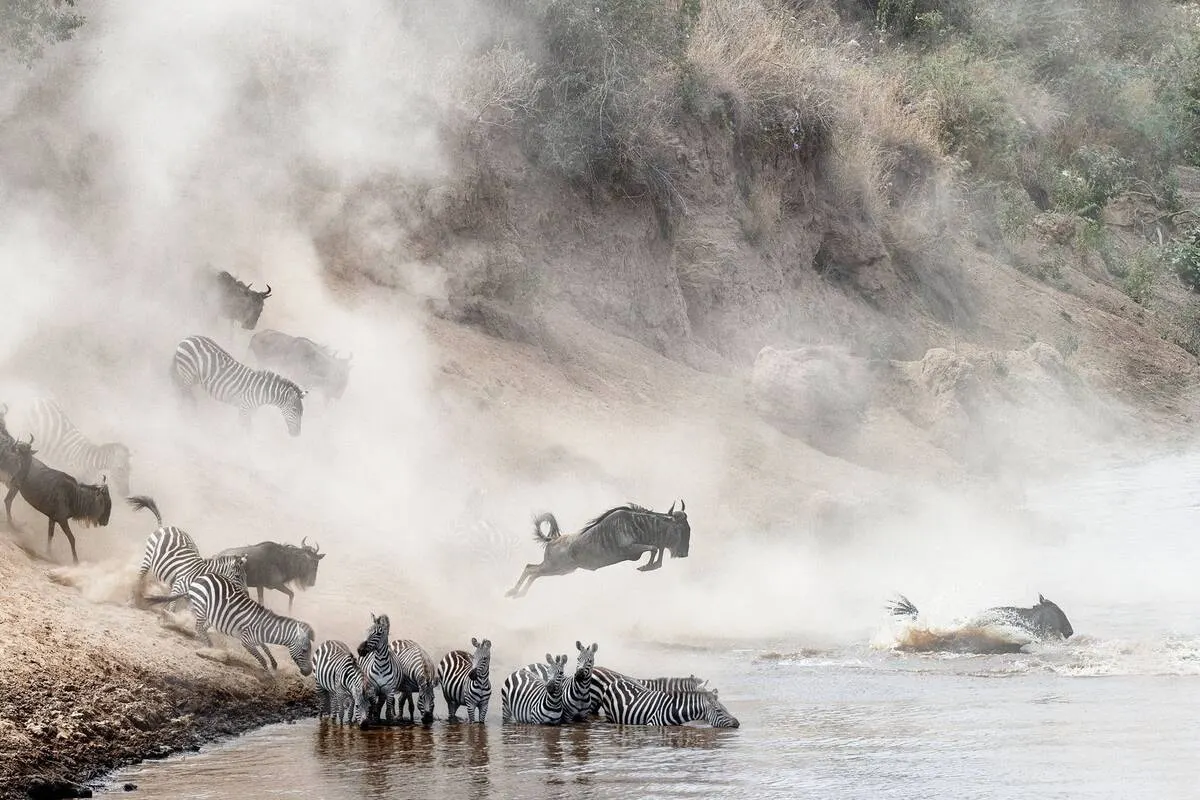
Serengeti Great Migration River Crossing — Mara River Safari
Witness the world's greatest wildlife spectacle — wildebeest crossing the Mara
per person • Best price direct

Masai Mara Great Migration Safari — River Crossing Season
Witness nature's greatest spectacle — millions of wildebeest crossing the Mara River
per person • Best price direct
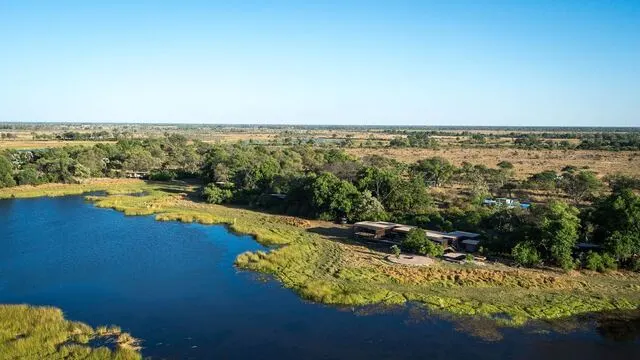
Okavango Delta Fly-In Safari — Luxury Bush Camp
The world's most exclusive safari destination from above and within
per person • Best price direct

Sabi Sands Leopard Tracking Safari — World's Best Leopard Sightings
The world's #1 destination for leopard sightings — 95% success rate
per person • Best price direct
Why book with middlemen? Same tours, lower prices, direct support from our team.
Get a Free Custom Quote