Why Drone Photography Is Transforming the African Safari Experience
There is something almost spiritual about watching the African bush from above — the vast ochre plains stretching to the horizon, a herd of elephants moving like a slow river through the mopane, the silver thread of the Zambezi catching the morning light. Drone photography has opened up an entirely new dimension of safari storytelling, and for those willing to do the homework, the rewards are extraordinary.
At Ingwe Africa Safaris, we have guided photographers — from first-timers with a brand-new DJI to seasoned professionals — through the logistics and creative possibilities of aerial safari photography. This guide distils everything we have learned into one lekker resource.
Understanding Drone Regulations Across Africa
Before you pack your drone, understand that regulations vary significantly by country — and within countries, by protected area. Getting this wrong can mean confiscation, fines, or being asked to leave a reserve. Here is a country-by-country overview of the key rules as of 2026.
South Africa
South Africa's Civil Aviation Authority (SACAA) requires all drones over 250g to be registered and operators to hold a Remote Pilot Licence (RPL) for commercial use. For recreational use in non-restricted areas, registration is still required. Critically, no drones are permitted inside national parks managed by SANParks — this includes Kruger, Addo Elephant, and Table Mountain National Park — without a specific permit, which is rarely granted.
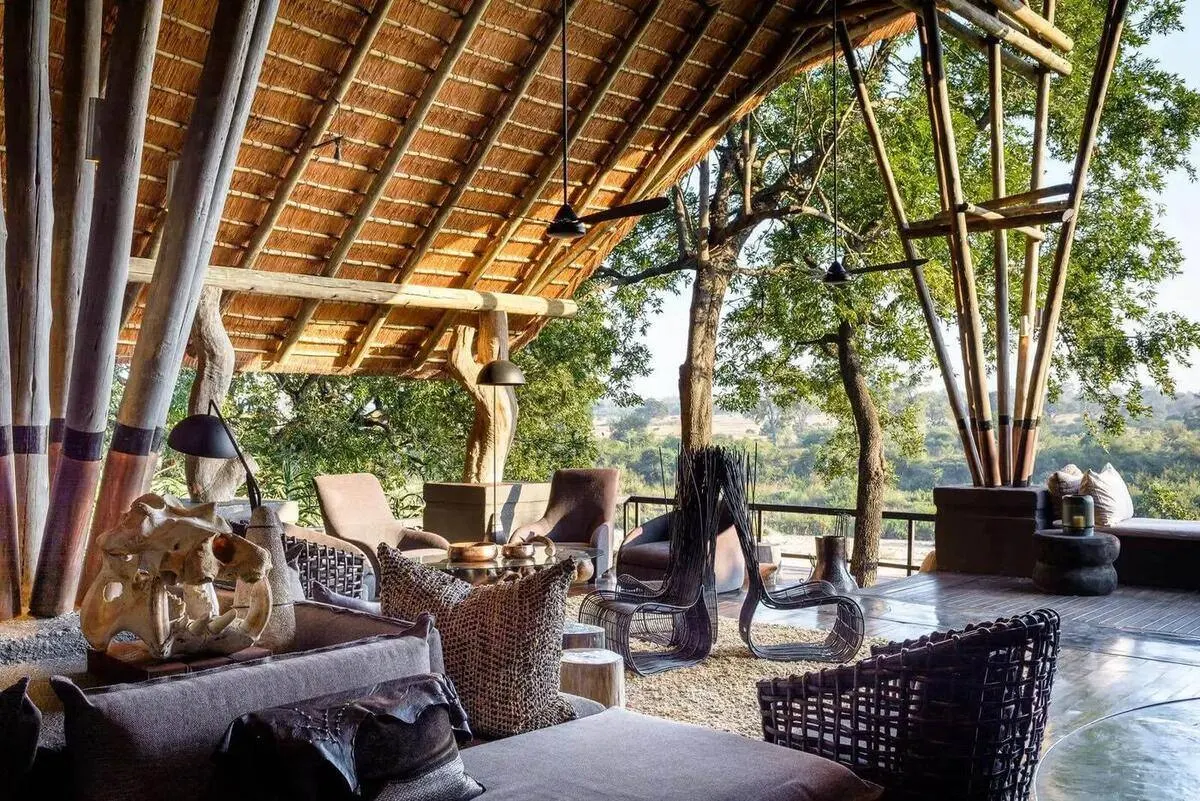
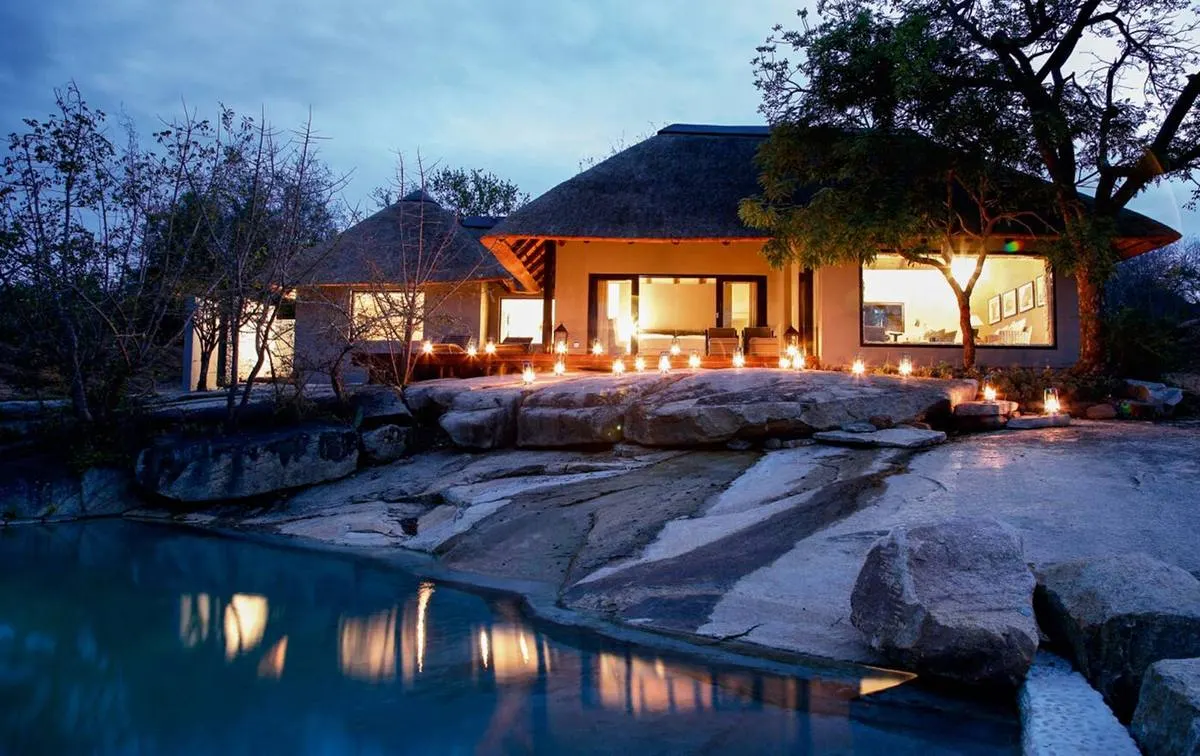
Private game reserves, however, operate under their own rules. Many luxury lodges in the Sabi Sands, Timbavati, and Waterberg regions will allow drone use with advance notice and a signed indemnity. Always ask before you arrive. Budget around $50–$150 for permit fees at private reserves that charge them.
Kenya and Tanzania
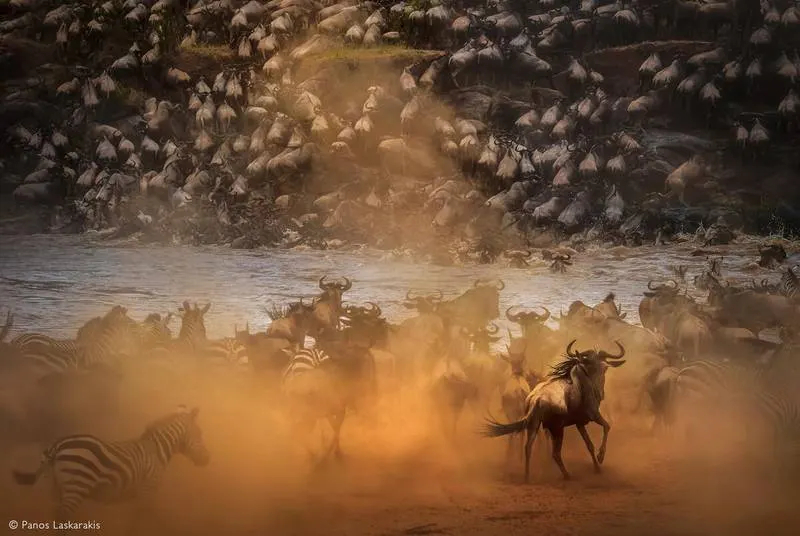
Both Kenya and Tanzania require drone registration and operator permits. In Kenya, the Kenya Civil Aviation Authority (KCAA) issues permits, and the Masai Mara's conservancies have varying policies — some allow it during the off-peak season, others prohibit it entirely to avoid disturbing the Great Migration. Tanzania's national parks, including the Serengeti and Ngorongoro, generally prohibit drones without special Tanzania National Parks (TANAPA) approval.
Botswana and Namibia
Botswana is one of the more drone-friendly destinations, with the Directorate of Civil Aviation issuing permits relatively smoothly. The Okavango Delta's private concessions are often open to drone use, making it one of Africa's premier aerial photography destinations. Namibia similarly has a workable permit system, and the Namib Desert's dunes — especially Sossusvlei — are among the most photogenic aerial subjects on the continent.
Our team can help you navigate the permit process for any destination. Start planning your photography safari with us and we will handle the paperwork.
The Best African Destinations for Aerial Safari Photography Okavango Delta, Botswana The Okavango is arguably the world's finest drone photography location.
The Best African Destinations for Aerial Safari Photography
Okavango Delta, Botswana
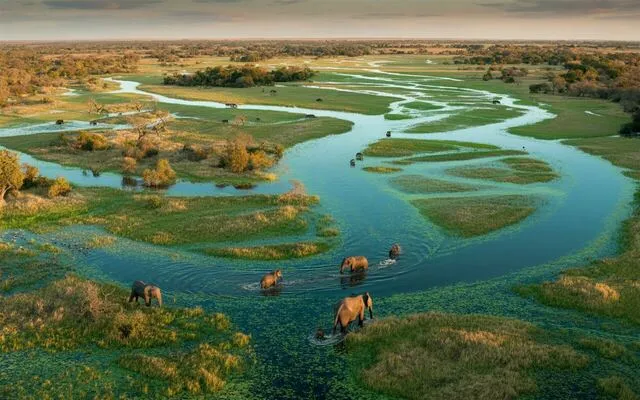
The Okavango is arguably the world's finest drone photography location. The delta's labyrinthine channels, papyrus islands, and floodplains create abstract patterns that are simply breathtaking from above. Elephant herds crossing the channels, hippos clustered in lagoons, and the emerald-green islands surrounded by silver water — every frame is a masterpiece. The best time is the flood season (June–August) when the water is at its highest. Expect to pay $300–$600 per night for camps in the private concessions where drone use is permitted.
Namib Desert, Namibia
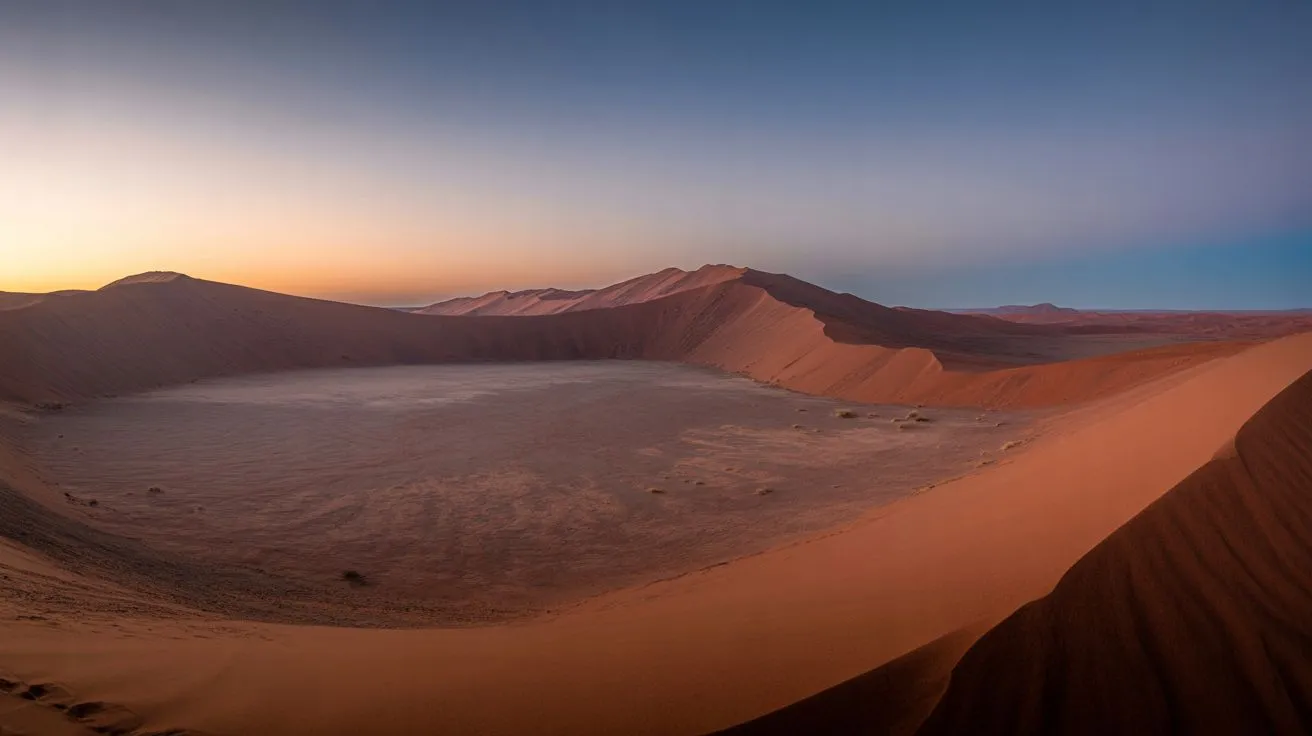
The Namib's star dunes at Sossusvlei are extraordinary from the air. The interplay of light and shadow on the rust-red dunes, the white clay pan of Deadvlei with its ancient camel thorn skeletons, and the vast gravel plains stretching to the Atlantic — this is drone photography at its most cinematic. Fly at golden hour (the first 30 minutes after sunrise) for the most dramatic shadows. Our Namibia Sossusvlei Desert Experience tour includes time at the dunes during optimal light conditions.
Chobe River, Botswana
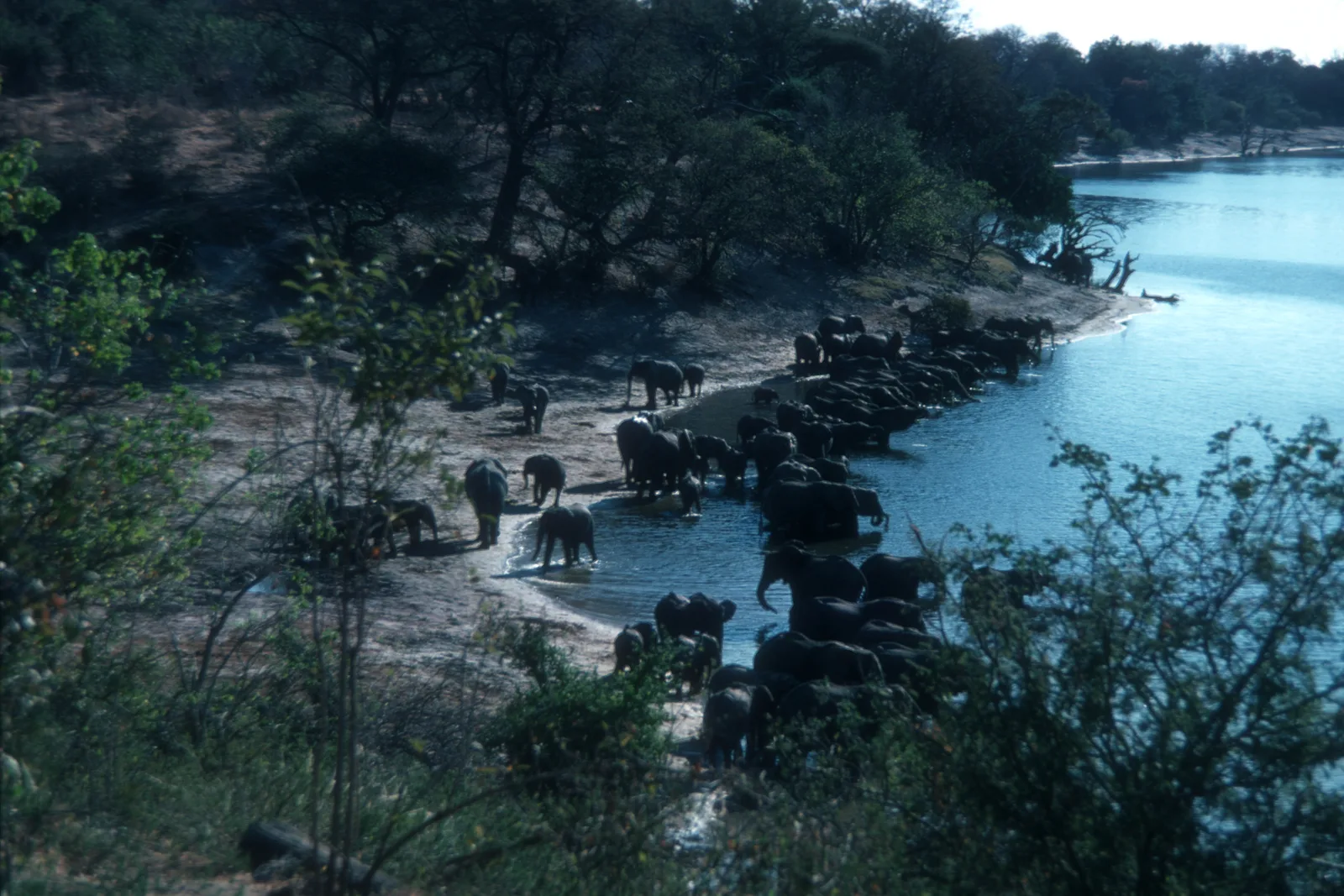
The Chobe River hosts one of Africa's largest elephant populations, and aerial footage of hundreds of elephants swimming across the river or congregating on the floodplains is the stuff of wildlife documentary legend. The dry season (May–October) concentrates animals around the water, maximising your aerial opportunities. Pair this with our Botswana Chobe Elephant Safari for a ground-level perspective too.
Sabi Sands, South Africa
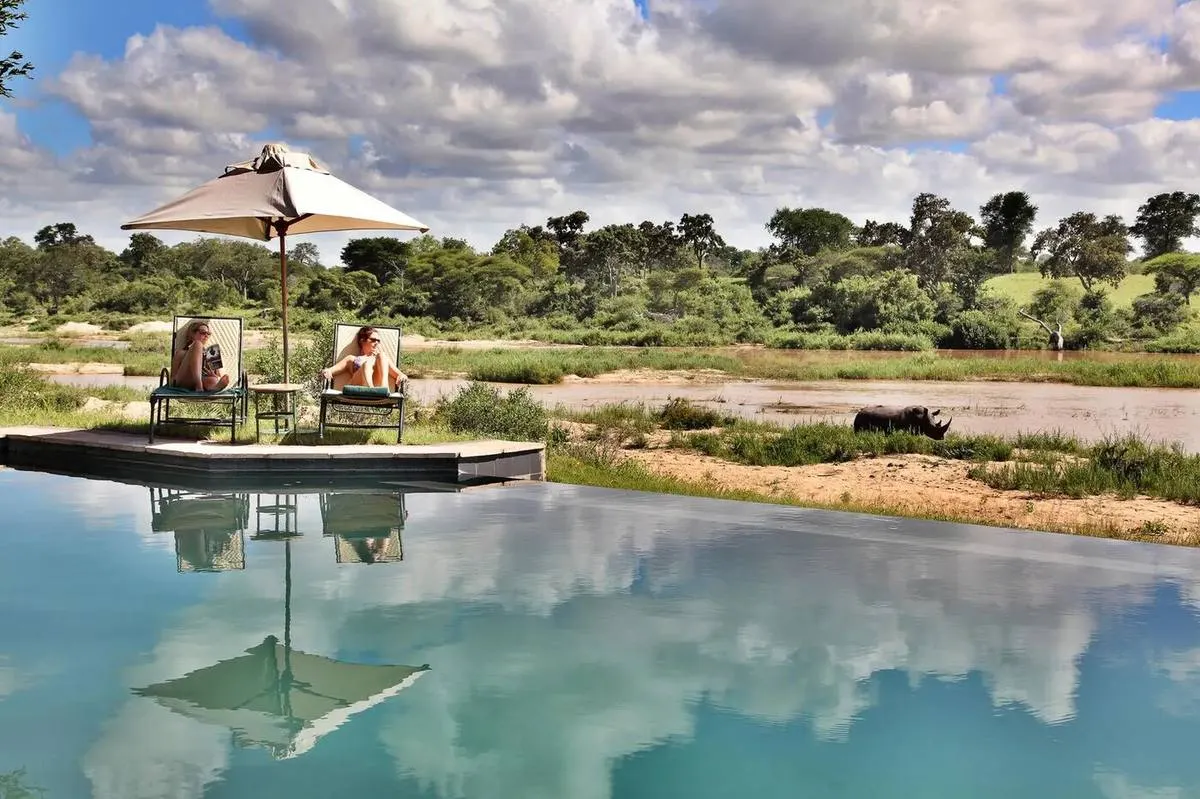
For those who want Big Five encounters combined with aerial photography, the Sabi Sands private reserve adjacent to Kruger is worth investigating. Several lodges here permit drone use with advance arrangement. The landscape — a mosaic of riverine forest, open savanna, and rocky outcrops — is visually rich from above, and the density of leopard sightings makes this one of Africa's most exciting wildlife photography destinations overall.
Choosing the Right Drone for Safari
DJI Mini 4 Pro (Under 249g)
The Mini 4 Pro is the safari photographer's best friend for one simple reason: at under 249g, it falls below the registration threshold in many countries. It shoots 4K video at 100fps and captures 48MP stills — more than adequate for professional-quality aerial imagery. Its compact size means it fits in a camera bag without taking up a dedicated case. Price: approximately $760.
DJI Air 3
For those who want a step up in image quality and obstacle avoidance, the Air 3 offers a dual-camera system (wide and medium telephoto) that is genuinely useful for wildlife photography. The medium telephoto lens lets you maintain a respectful distance from animals while still filling the frame. Price: approximately $1,100.
DJI Mavic 3 Pro
The professional choice. The Mavic 3 Pro's triple-camera system — wide, medium telephoto, and telephoto — gives you extraordinary creative flexibility. The Hasselblad colour science produces images that require minimal post-processing. If you are serious about aerial safari photography as a commercial or fine-art pursuit, this is your tool. Price: approximately $2,200.
Camera Settings for Aerial Wildlife Photography
Getting sharp, well-exposed aerial wildlife shots requires different thinking from ground-level photography. Here are the settings our photography guides recommend:
Shutter Speed
Use a minimum shutter speed of 1/1000s when photographing moving animals from the air. The combination of drone movement and animal movement means slower speeds will produce blur. In bright midday light this is easy to achieve; at golden hour you may need to push ISO to 400–800.
ISO and Noise
Modern drone sensors handle ISO 400–800 well. Avoid going above ISO 1600 unless you are shooting video, where noise is less apparent. Shoot in RAW format always — the additional dynamic range gives you far more latitude in post-processing, especially for the high-contrast scenes common in African landscapes.
ND Filters
A set of ND filters (ND4, ND8, ND16, ND64) is essential for video work, allowing you to maintain the 180-degree shutter rule (shutter speed = 2x frame rate) in bright conditions. For stills, ND filters are less critical but useful for long-exposure water shots.
White Balance
Set white balance manually rather than using auto. For golden hour, try 5500–6000K. For midday, 5200K. Consistent white balance across a shoot makes batch editing in Lightroom far more efficient.
Ethical Considerations: Flying Responsibly Around Wildlife
This is non-negotiable. Drones can cause significant stress to wildlife if flown irresponsibly. Here are the rules we insist on with every photographer we guide:
Minimum altitude: Never fly below 50 metres above wildlife. Many experienced aerial photographers maintain 100 metres or higher. Animals that appear calm from the ground may be stressed by an overhead drone they cannot identify.
Approach angle: Never fly directly toward a herd or individual animal. Approach from the side and at altitude, then hover. Watch for behavioural cues — if animals are looking up, moving away, or showing agitation, ascend immediately.
Nesting and breeding: Never fly near nesting birds or animals with young. The stress can cause abandonment of nests or young. This is both an ethical and, in many countries, a legal requirement.
Sunrise and sunset: These are the best light conditions but also when many animals are most active and potentially most sensitive. Be especially conservative with altitude and approach during these periods.
We take wildlife welfare seriously at Ingwe Africa Safaris. Our safari packages are designed around responsible wildlife interaction, and our photography guides will brief you thoroughly before any aerial session.
Post-Processing Your Aerial Safari Images
Lightroom Workflow
Start with lens correction and chromatic aberration removal — drone lenses, even on premium models, benefit from this. Then address exposure: aerial shots often have bright skies and darker ground, so use the graduated filter to balance the exposure. The HSL panel is your friend for bringing out the warm ochres and greens of the African bush.
Colour Grading
The most compelling aerial safari images have a warm, cinematic quality. In Lightroom's Tone Curve, add a slight S-curve for contrast, then in the Colour Grading panel, add warm amber tones to the highlights and cool blue-green tones to the shadows. This creates the filmic look that makes aerial Africa images so distinctive.
Sharpening and Noise Reduction
Apply sharpening carefully — over-sharpened aerial images look artificial. A masking value of 60–70 ensures sharpening is applied only to edges, not to smooth sky areas. For noise reduction, Lightroom's AI Denoise tool (introduced in 2023) is exceptional and handles high-ISO drone files beautifully.
Practical Tips for Your Drone Safari
- Bring extra batteries: Cold mornings and high altitudes reduce battery life significantly. Carry at least 3–4 batteries per session.
- Use a landing pad: African bush has thorns, rocks, and uneven ground. A portable landing pad protects your drone's sensors and gimbal.
- Download offline maps: Many safari areas have poor connectivity. Download DJI Fly's offline maps before you leave camp.
- Carry a hard case: Dust is the enemy of electronics in the bush. A Pelican or similar hard case with foam inserts is worth every cent.
- Check wind conditions: The African bush can have unpredictable thermals, especially near kopjes (rocky outcrops) and water. Check wind speed before every flight.
Budgeting for a Drone Photography Safari
A dedicated drone photography safari to a destination like the Okavango Delta or Namibia typically costs $4,000–$12,000 per person for 7–10 days, depending on accommodation level and permit costs. This includes flights, accommodation, game drives, and guide fees. Drone permits add $50–$300 depending on the country and reserve.
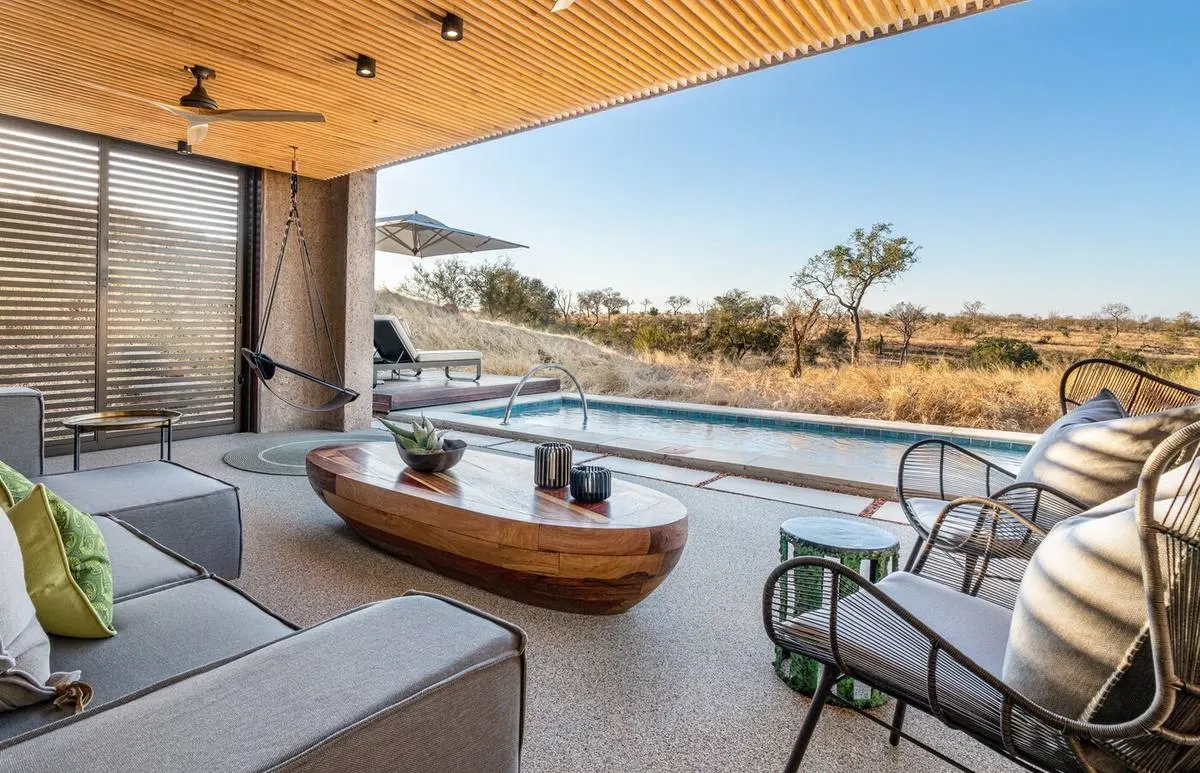
For those on a tighter budget, South Africa's private reserves offer excellent aerial photography opportunities at lower price points — from $150 per night at mid-range lodges to $800+ at luxury properties. Use our safari cost calculator to build a budget that works for you.
Ready to Capture Africa from Above?
Aerial safari photography is one of the most rewarding creative pursuits on earth. The images you bring home — the elephant herds, the delta channels, the desert dunes at golden hour — will be unlike anything you have ever captured before. But getting it right requires planning, the right equipment, and a guide who knows the regulations and the landscape.
At Ingwe Africa Safaris, we specialise in crafting photography-focused safari itineraries that put you in the right place at the right time, with all the permits sorted and the ethical framework in place. Whether you are a hobbyist wanting to capture memories or a professional building a portfolio, we will design the perfect aerial safari for you.
Contact our photography safari specialists today and let us plan your ultimate aerial Africa adventure. The skies are waiting — and they are absolutely lekker up there.
Tours & Safaris You'll Love
Handpicked by our team based on what you're reading. Book direct for the best price — guaranteed.
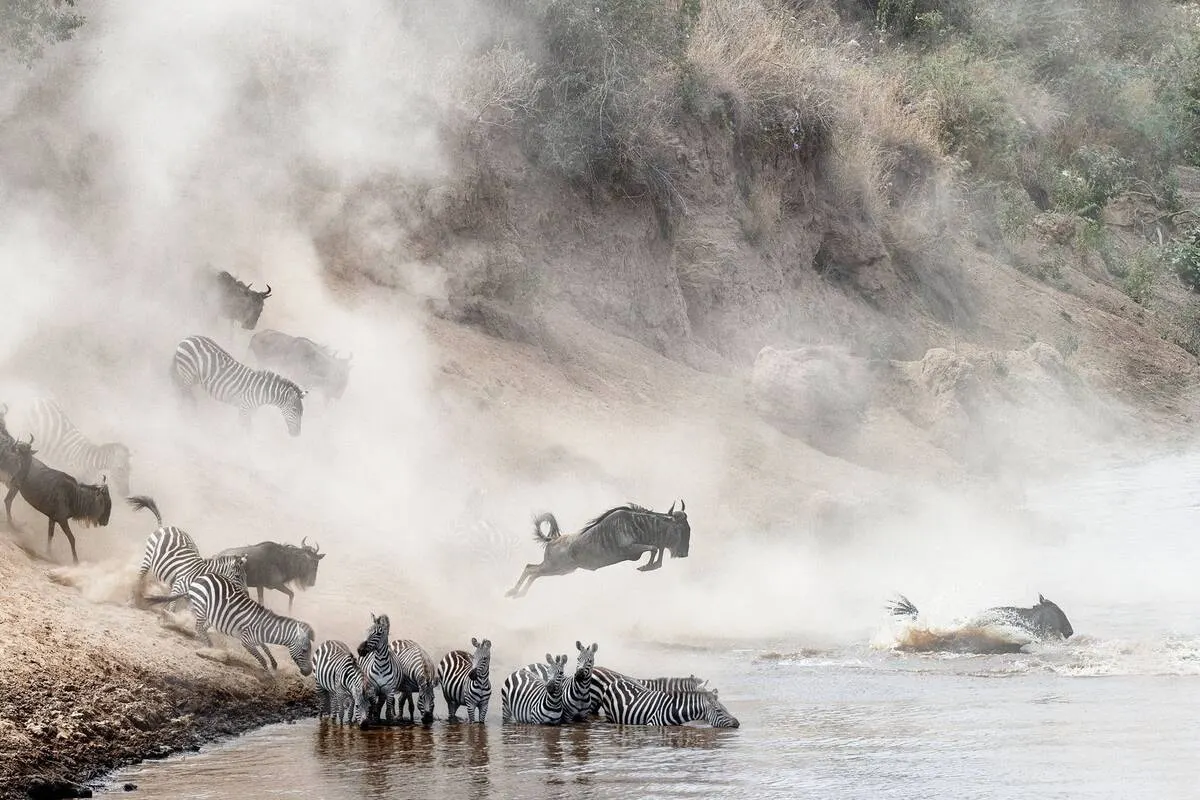
Serengeti Great Migration River Crossing — Mara River Safari
Witness the world's greatest wildlife spectacle — wildebeest crossing the Mara
per person • Best price direct
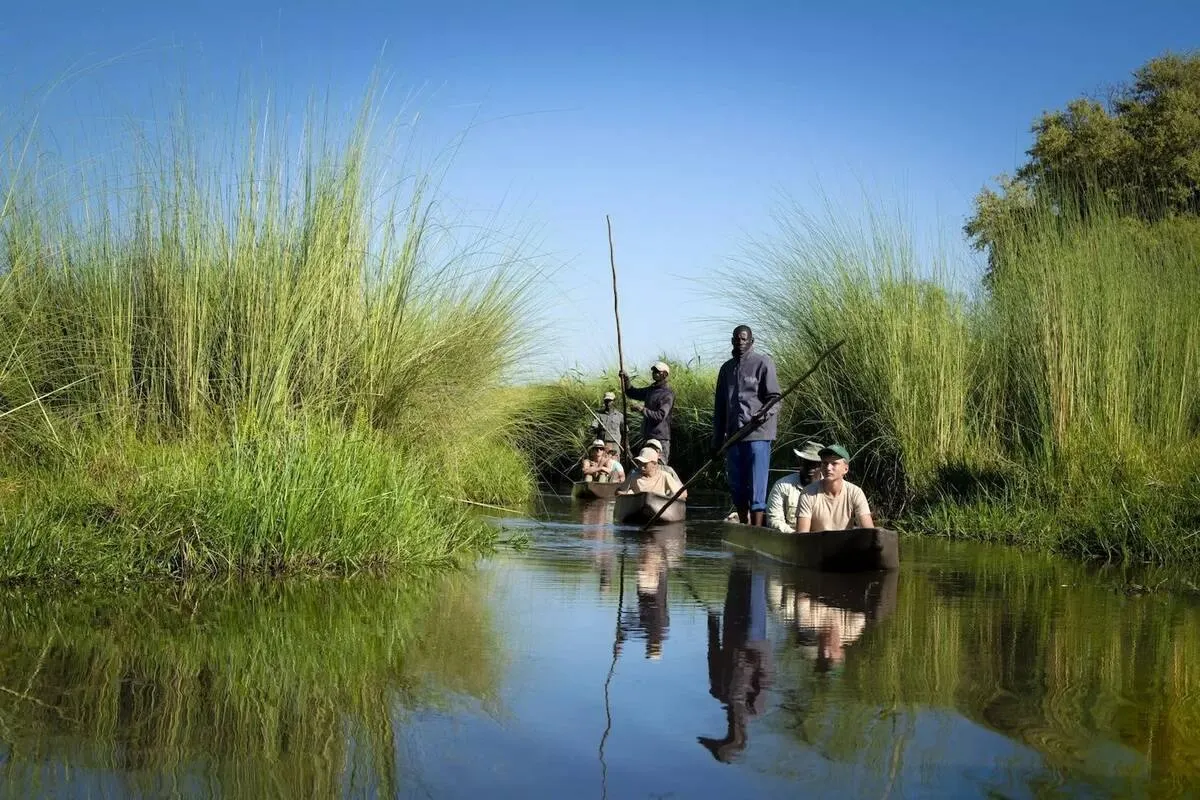
Okavango Luxury Fly-In Wilderness Camp — 5-Star Under Canvas
The world's most exclusive tented camp — deep in the delta
per person • Best price direct
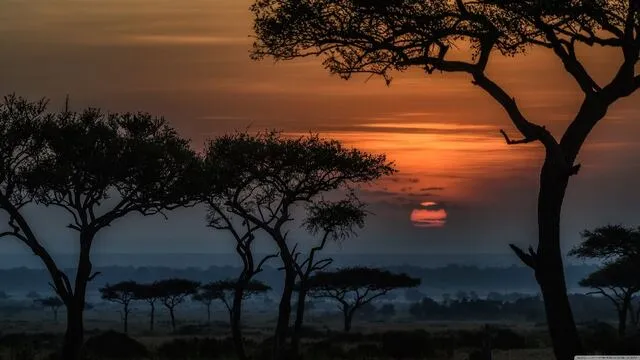
Masai Mara Great Migration Safari — River Crossing Season
Witness nature's greatest spectacle — millions of wildebeest crossing the Mara River
per person • Best price direct
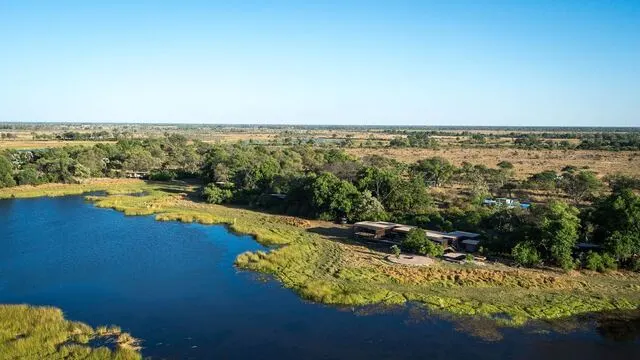
Okavango Delta Fly-In Safari — Luxury Bush Camp
The world's most exclusive safari destination from above and within
per person • Best price direct
Why book with middlemen? Same tours, lower prices, direct support from our team.
Get a Free Custom Quote