The Big Five in Kruger: Africa's Greatest Wildlife Show
There are few places on earth where wildlife encounters feel as raw, as immediate, and as genuinely wild as Kruger National Park. Covering nearly 20,000 square kilometres of pristine South African bushveld, Kruger is home to more species of large mammals than any other African game reserve — and it is the undisputed home of the Big Five. For anyone serious about African wildlife, understanding how, where, and when to find each of the Big Five is the difference between a good safari and an extraordinary one.
At Ingwe Africa Safaris, we have spent years guiding guests through Kruger's diverse ecosystems — from the dense mopane woodlands of the north to the open grasslands of the south. In this comprehensive wildlife guide, we will break down everything you need to know about tracking the Big Five in Kruger National Park in 2026, including the best areas, optimal times of day, and what to look for in the field.
What Are the Big Five — and Why Do They Matter?
The term "Big Five" was originally coined by big-game hunters to describe the five most dangerous and difficult animals to hunt on foot: lion, leopard, elephant, rhinoceros, and Cape buffalo. Today, the term has been reclaimed by the conservation and safari industry as a shorthand for Africa's most iconic and sought-after wildlife encounters.
Seeing all five in a single safari is considered the holy grail of African wildlife watching — and Kruger is one of the few places where it is genuinely achievable in a 3–5 day visit. The park's healthy populations of all five species, combined with its excellent road network and experienced guide community, make it the world's premier Big Five destination.
For anyone serious about African wildlife, understanding how, where, and when to find each of the Big Five is the difference between a good safari and an extraordinary one.
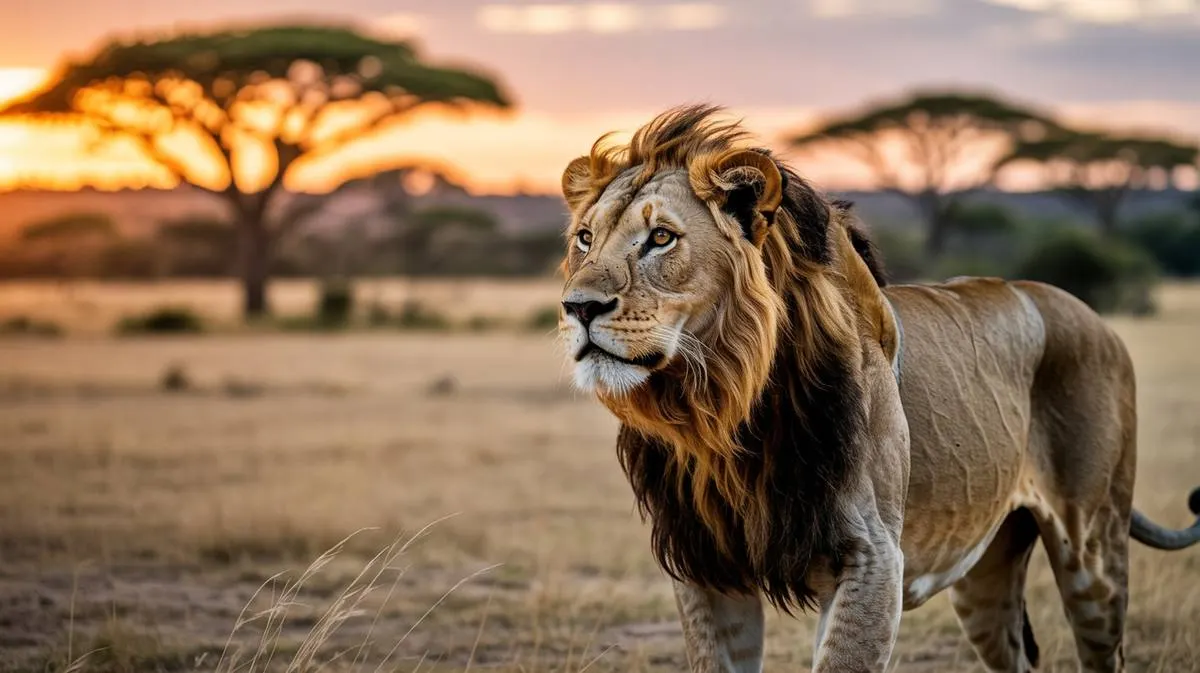
Lion: The King of the Kruger Bushveld
Where to Find Lions in Kruger
Kruger's lion population numbers around 1,500–2,000 individuals, making it one of the largest lion populations in Africa. Lions are most commonly found in the southern and central sections of the park, particularly around the Satara, Lower Sabie, and Skukuza rest camps. The open grasslands and mixed bushveld in these areas support large herds of buffalo and wildebeest — the lion's preferred prey.
The Satara region is widely regarded as the best area for lion sightings in Kruger. The flat, open terrain makes it easier to spot prides resting in the shade or hunting at dusk. The S100 road between Satara and Orpen Gate is legendary among Kruger regulars for its lion sightings.
Best Time to See Lions
Lions are most active at dawn and dusk, which is why early morning and late afternoon game drives consistently produce the best sightings. During the heat of the day, prides typically rest in the shade of large trees or rocky outcrops. In the dry winter months (May–September), lions are easier to spot as vegetation thins out and they congregate near permanent water sources.
Our Kruger sunset and night safari is one of the best ways to catch lions on the move — the park's night drives offer a completely different perspective on the bush, with spotlight-assisted viewing of nocturnal predators.
Leopard: The Most Elusive of the Big Five
Where to Find Leopards in Kruger
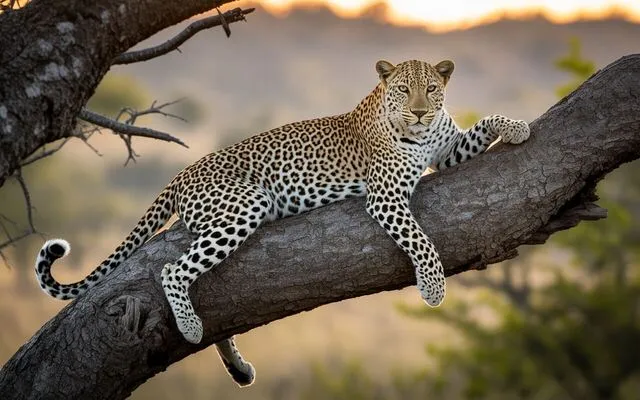
Leopards are the most secretive and solitary of the Big Five, and a sighting is always something special. Kruger has an estimated 1,000+ leopards, but their cryptic nature means they are far harder to find than lions. The best areas for leopard sightings are the rocky, riverine habitats along the Sabie, Olifants, and Luvuvhu rivers.
The area around Lower Sabie and the H4-1 road along the Sabie River is particularly productive. Leopards love to drape themselves across the branches of large marula and sycamore fig trees — always scan the canopy as well as the ground. The Sabi Sands Game Reserve, which shares an unfenced border with Kruger, is arguably the best place in the world for leopard sightings, with habituated individuals that allow vehicles to approach closely.
For the ultimate leopard experience, our Sabi Sands leopard tracking safari offers unparalleled access to these magnificent cats in their natural habitat.
Tips for Spotting Leopards
Patience and sharp eyes are your greatest assets when leopard hunting. Look for the flick of a tail in long grass, the outline of spots against dappled bark, or the telltale sign of an impala carcass wedged in the fork of a tree — a leopard's larder. Alarm calls from impala, baboons, and francolins often indicate a predator nearby. When you hear a chorus of alarm calls, slow down and scan carefully.
African Elephant: The Gentle Giants of Kruger
Kruger's Elephant Population
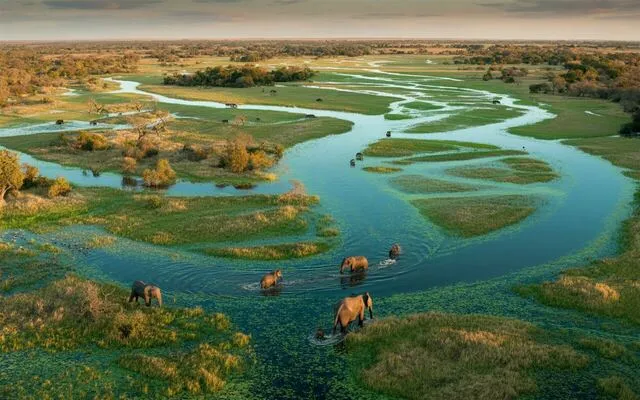
Kruger is home to approximately 20,000 African elephants — the largest elephant population in any single protected area in the world. Elephant sightings in Kruger are virtually guaranteed at any time of year, but the quality and intimacy of encounters varies significantly by season and location.
The northern section of Kruger, particularly around Letaba and Shingwedzi, is famous for its large elephant herds. The Olifants River area (olifants means "elephants" in Afrikaans) is another hotspot, where herds regularly come to drink and bathe. Watching a family of 30 elephants interact at a waterhole — calves playing, matriarchs keeping watch, teenagers mock-charging each other — is one of the most moving wildlife experiences you will ever have.
Understanding Elephant Behaviour
Understanding elephant body language is crucial for safe and rewarding encounters. A relaxed elephant will move slowly, ears fanned out for cooling, tail swishing gently. A mock charge — head raised, ears spread wide, dust kicked up — is a warning to back off. A real charge is silent, ears pinned back, head lowered. Always give elephants space and never block their path or approach a mother with a young calf.
Our guides are trained in elephant behaviour and will position your vehicle for the best possible sightings while maintaining a respectful distance. Our Kruger elephant close encounter experience is a favourite among wildlife enthusiasts who want to spend dedicated time observing these extraordinary animals.
White and Black Rhino: Africa's Most Endangered Giants
Rhino Conservation in Kruger
Kruger National Park is at the frontline of Africa's rhino conservation crisis. The park is home to the world's largest population of white rhinos (approximately 4,000–6,000 individuals) and a smaller but significant population of critically endangered black rhinos. Sadly, poaching remains a devastating threat — Kruger has lost thousands of rhinos to poachers over the past decade, and anti-poaching operations are ongoing.
When you visit Kruger and pay your park fees, you are directly contributing to rhino conservation. It is a sobering thought that makes every rhino sighting feel even more precious.
Where to Find Rhinos in Kruger
White rhinos are grazers and prefer open grassland habitats. The southern section of Kruger, particularly around Pretoriuskop and Berg-en-Dal, offers excellent white rhino sightings. Black rhinos are browsers and favour denser bush — they are far rarer and more solitary, making a sighting genuinely special.
Early morning is the best time for rhino sightings, when they are most active and often found at waterholes. The H1-1 road between Skukuza and Lower Sabie is one of the most productive routes for white rhino encounters. For a deeper dive into rhino conservation, our South Africa travel guide covers the full story of rhino protection efforts across the country.
Cape Buffalo: The Most Dangerous of the Big Five
Buffalo Behaviour and Ecology
The Cape buffalo is often underestimated by first-time safari-goers — they look like large, docile cattle, but they are responsible for more human fatalities in Africa than any other large mammal. Old bulls, known as "dagga boys" (from the Zulu word for mud, as they love wallowing), are particularly unpredictable and should always be treated with great respect.
Kruger's buffalo population numbers around 40,000 individuals, making them one of the most commonly seen Big Five animals in the park. Large herds of several hundred animals are a spectacular sight — a moving, lowing mass of black bodies that kicks up clouds of red dust as they move across the savanna.
Where to Find Buffalo in Kruger
Buffalo are found throughout Kruger but are most concentrated in the central and southern sections where permanent water and good grazing are available. The area around Satara and the Timbavati River is particularly productive. Buffalo herds are often accompanied by oxpecker birds, which feed on ticks and parasites — a useful indicator when scanning for herds in dense bush.
Lions and buffalo have a complex predator-prey relationship that produces some of the most dramatic wildlife encounters in Africa. Finding a lion pride stalking a buffalo herd at dusk is the kind of experience that stays with you forever. Our full-day Kruger open vehicle safari maximises your time in the park and gives you the best chance of witnessing these extraordinary interactions.
Planning Your Big Five Safari in Kruger: Practical Guide
Best Time to Visit Kruger for Wildlife
The dry season from May to September is widely considered the best time for Big Five game viewing in Kruger. Vegetation is sparse, animals congregate around permanent water sources, and the cooler temperatures make long game drives comfortable. July and August are peak season — book well in advance.
The wet season (November–March) brings lush green landscapes, newborn animals, and spectacular birdlife, but game viewing is more challenging as animals disperse across the bush. For a detailed breakdown of seasonal conditions, visit our best time to visit South Africa page.
Self-Drive vs. Guided Safari: Which Is Right for You?
Kruger offers both self-drive and guided safari options, each with distinct advantages. Self-drive gives you complete freedom — you set the pace, choose your routes, and can spend as long as you like at any sighting. It is also significantly cheaper, with park entry fees of approximately $20–$25 per adult per day.
Guided safaris, however, offer something self-drive simply cannot match: the knowledge and tracking skills of an experienced field guide. A good guide will spot a leopard in a tree that you would drive straight past, interpret animal behaviour, and bring the bush to life with stories and ecological context. For first-time visitors, we strongly recommend at least one guided game drive. Our 3-day Kruger safari combines guided drives with comfortable lodge accommodation for a perfectly balanced experience.
Safari Costs in Kruger: 2026 Budget Guide
Kruger caters to every budget, from backpackers to billionaires. Here is a rough guide to what you can expect to pay:
- Budget (SANParks camps, self-drive): $50–$100 per person per night including accommodation and park fees
- Mid-range (guided safari, 3 days): $300–$600 per person all-inclusive
- Luxury (private lodge, fly-in): $800–$2,500+ per person per night, all-inclusive
Use our safari cost calculator to get a personalised quote based on your travel dates, group size, and preferred accommodation style. We also regularly update our deals page with special offers on Kruger safari packages.
Photography Tips for Big Five Encounters
Kruger is a photographer's paradise, but getting great shots requires preparation. Here are our top tips:
- Use a telephoto lens — a 100–400mm zoom is ideal for most wildlife photography in Kruger.
- Shoot in the golden hours — the hour after sunrise and before sunset produces the most beautiful light.
- Keep your camera ready at all times — wildlife encounters happen fast and without warning.
- Use burst mode for action shots — predator-prey interactions unfold in seconds.
- Stabilise your camera — a beanbag resting on the vehicle door is more effective than a tripod on a moving vehicle.
For serious wildlife photographers, our Kruger photography safari is led by professional wildlife photographers who know exactly where and when to position for the best shots.
Beyond the Big Five: Kruger's Hidden Wildlife Gems
While the Big Five rightly steal the spotlight, Kruger's biodiversity extends far beyond these iconic species. The park is home to over 500 bird species, making it one of Africa's premier birding destinations. Wild dogs — Africa's most endangered large predator — are occasionally spotted in the northern sections. Cheetahs, hyenas, jackals, and a dazzling array of antelope species round out an extraordinary wildlife portfolio.
The park's reptile life is equally impressive — Nile crocodiles lurk in every river, Nile monitors patrol the banks, and the elusive African rock python is occasionally spotted crossing roads in the early morning. Kruger truly rewards the curious and the patient.
Start Planning Your Kruger Big Five Safari Today
Whether you are a first-time safari-goer dreaming of your first lion sighting or a seasoned wildlife enthusiast chasing that elusive leopard encounter, Kruger National Park delivers an experience that is genuinely world-class. The combination of accessible infrastructure, extraordinary wildlife density, and the raw, untamed beauty of the South African bushveld makes it unlike anywhere else on earth.
Our team at Ingwe Africa Safaris has the local knowledge, the operator relationships, and the passion to craft your perfect Kruger experience — from a budget self-drive adventure to a luxury fly-in safari at a private lodge. We will handle every detail, from park permits to lodge bookings to airport transfers, so you can focus entirely on the wildlife.
Get in touch with our safari specialists today to start planning your Big Five adventure. Or browse our full selection of Kruger safari tours to find the perfect package for your travel style and budget. The bush is calling — and it is going to be absolutely lekker!
Tours & Safaris You'll Love
Handpicked by our team based on what you're reading. Book direct for the best price — guaranteed.
Kruger Luxury Safari — Big Five Private Game Reserve
Exclusive Big Five encounters in Kruger's finest private concessions
per person • Best price direct
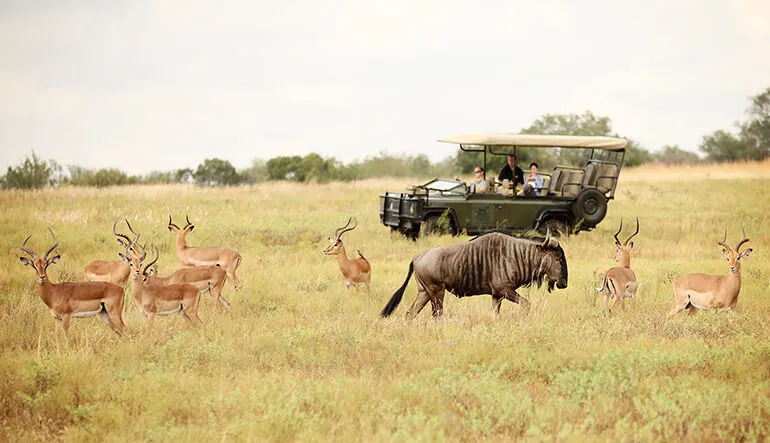
Kruger Full-Day Open Vehicle Safari
Expert-Guided Big Five Game Drive from Hazyview
per person • Best price direct
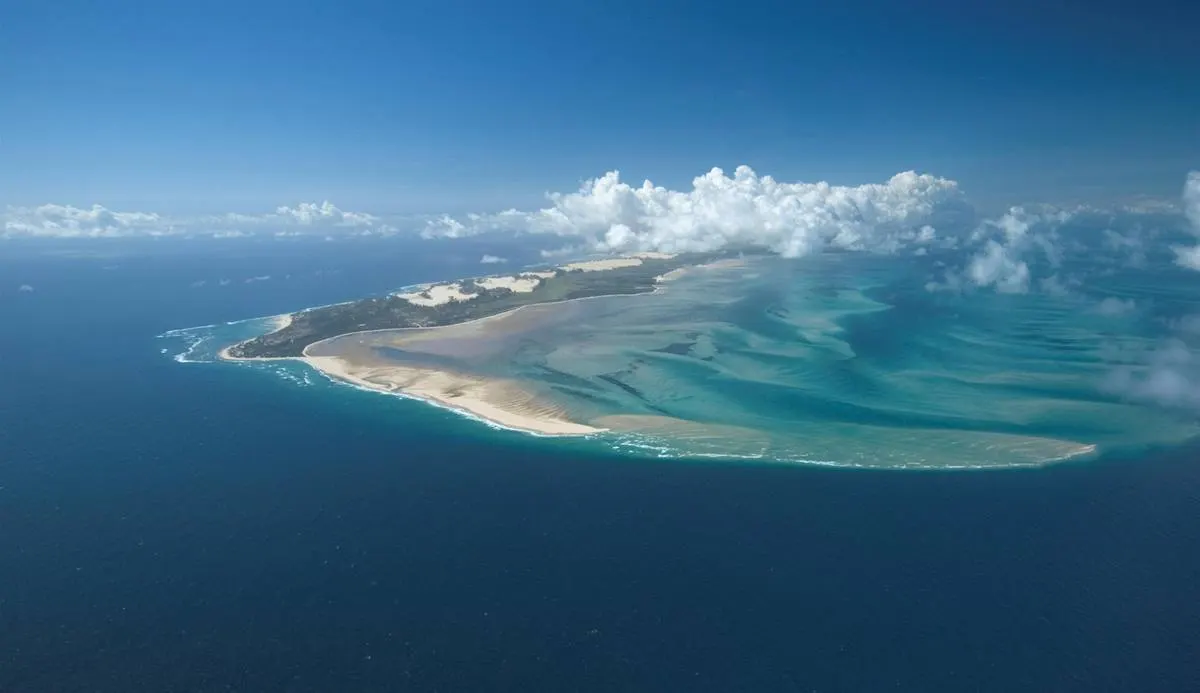
Kruger Safari & Mozambique Beach Combo — 7-Day Ultimate
The #1 selling Africa itinerary — Big Five safari + Indian Ocean paradise
per person • Best price direct
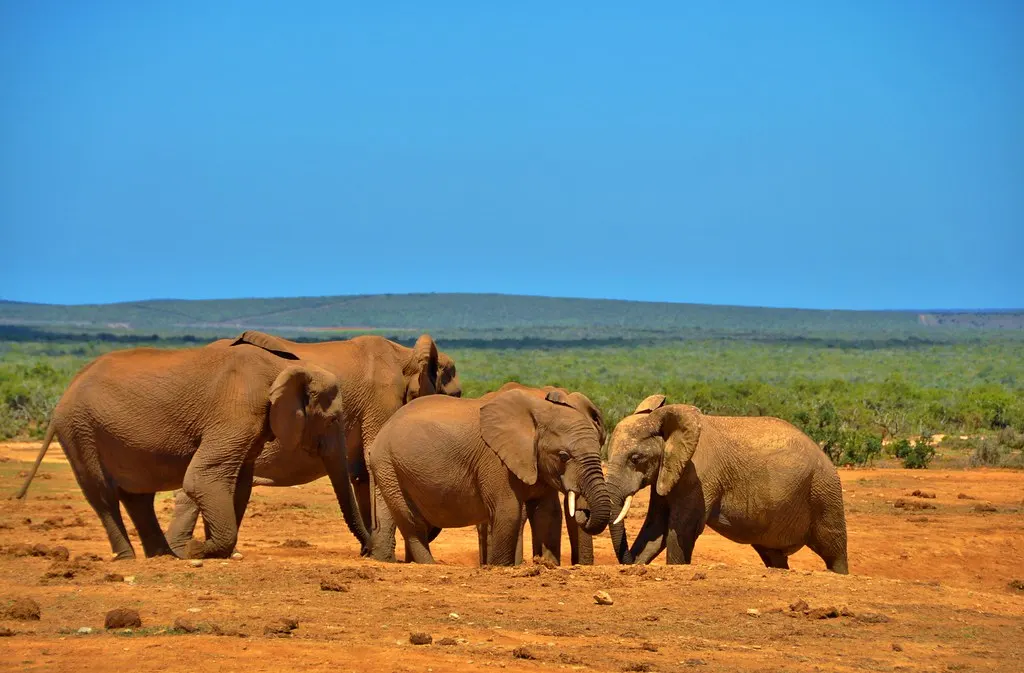
Addo Elephant National Park Full-Day Safari
Malaria-Free Big Five Park — 600+ Elephants
per person • Best price direct
Why book with middlemen? Same tours, lower prices, direct support from our team.
Get a Free Custom Quote