Africa's Endangered Safari Animals: Cheetah, Wild Dog & Rhino Complete Guide
When most travellers dream of an African safari, they picture the iconic Big Five — lion, leopard, elephant, buffalo, and rhino. But Africa's wilderness is home to some equally magnificent and far rarer creatures that are fighting for survival against habitat loss, poaching, and human-wildlife conflict. Seeing a cheetah sprint across the savannah, a pack of African wild dogs on a hunt, or a white rhino grazing peacefully in the golden light — these are experiences that rival any Big Five sighting.
As Cape Town-based safari operators with deep roots in African conservation, we believe that understanding these endangered animals makes your safari experience richer, more meaningful, and more impactful. This guide covers everything you need to know about Africa's most threatened safari species — where to find them, what to look for, and how your visit contributes to their survival.
The Cheetah: Africa's Fastest and Most Vulnerable Big Cat
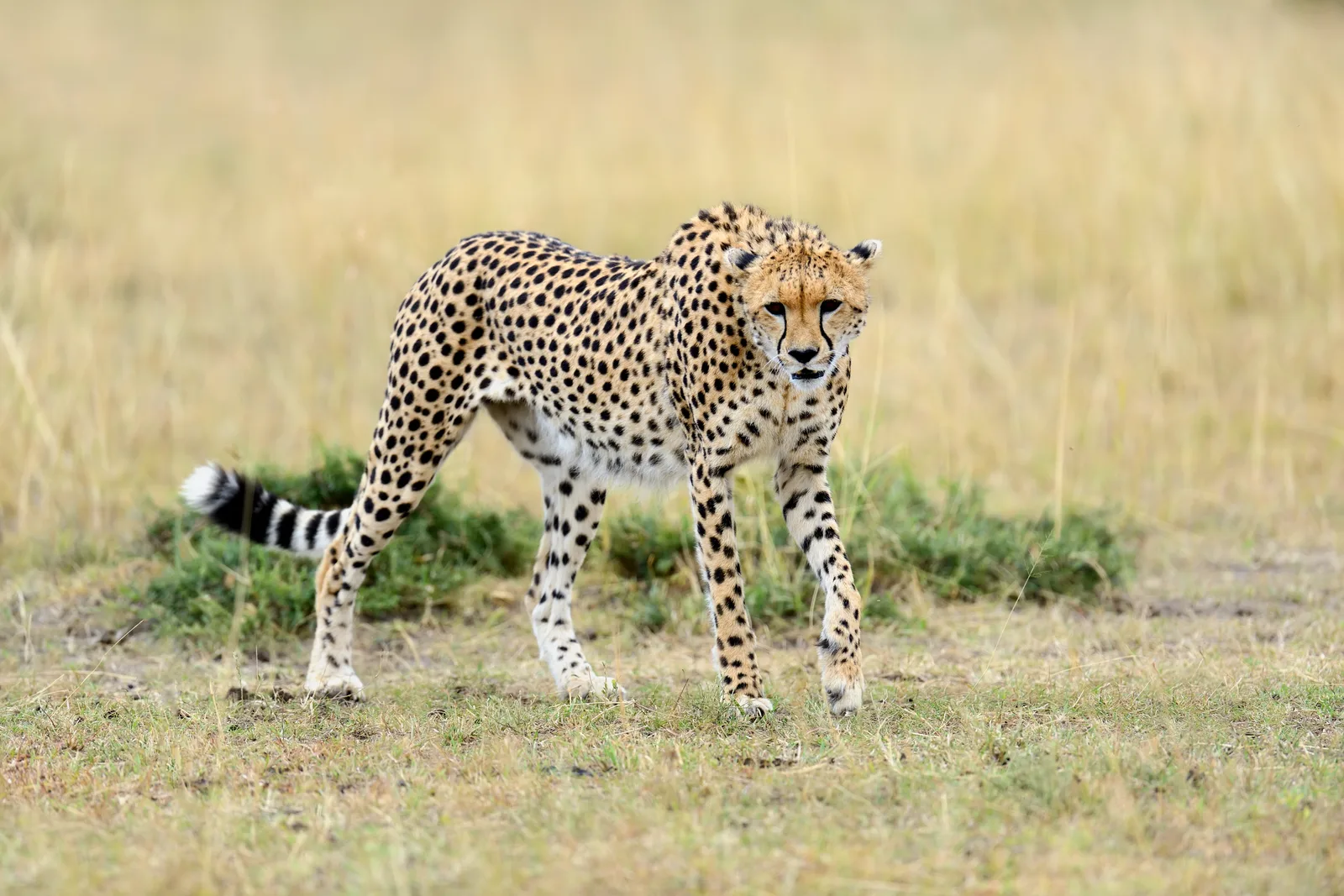
The cheetah (Acinonyx jubatus) is the world's fastest land animal, capable of reaching speeds of 112 km/h (70 mph) in short bursts. Yet despite this extraordinary ability, the cheetah is one of Africa's most vulnerable big cats, with fewer than 7,000 individuals remaining in the wild — a decline of over 90% in the past century.
Unlike lions and leopards, cheetahs are not built for confrontation. They are slender, lightweight, and built purely for speed. This means they frequently lose their kills to larger predators like lions, hyenas, and even baboons. They also struggle to compete for territory, which is why they are increasingly being pushed into marginal habitats on the edges of protected areas.
Where to See Cheetahs in Africa
The best places to see cheetahs in the wild are the open grasslands and savannahs of East and Southern Africa. Here are our top recommendations:
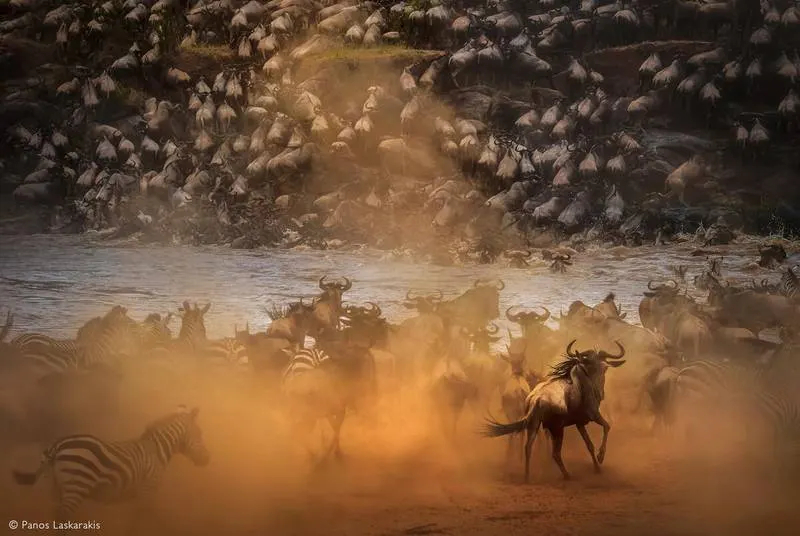
- Serengeti National Park, Tanzania: The vast open plains of the Serengeti are ideal cheetah habitat, and sightings are relatively common, especially in the Seronera Valley. The Serengeti Great Migration safari offers excellent cheetah viewing alongside the spectacle of the wildebeest migration.
- Masai Mara, Kenya: The Mara is famous for its cheetah families, and several well-known coalitions of male cheetahs (called "coalitions") have been studied and named by researchers. Our Masai Mara Big Cat Photography Safari is designed specifically for wildlife photographers wanting close encounters.
- Kruger National Park, South Africa: Cheetah sightings in Kruger are less frequent than in East Africa due to the denser vegetation, but the southern and central regions offer the best chances. The open areas around Satara and Skukuza are particularly good.
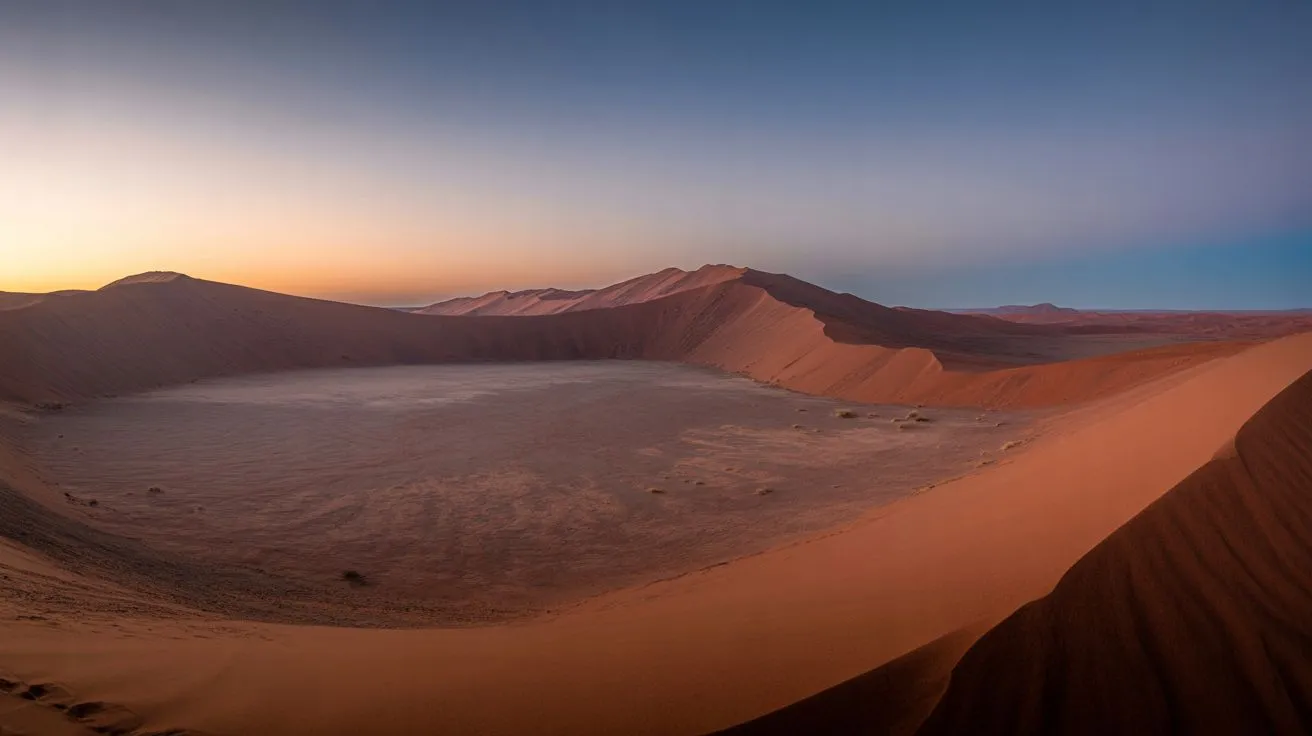
- Namibia: Namibia has the world's largest free-ranging cheetah population, with many living outside protected areas on commercial farmland. The Namibia Sossusvlei and Desert Experience can be combined with visits to cheetah conservation projects.
- Aquila Private Game Reserve: For visitors based in day trips">Cape Town who want a guaranteed cheetah sighting, the Aquila Big Five Day Safari offers close encounters with cheetahs in a malaria-free environment just two hours from the city.
Cheetah Behaviour: What to Watch For on Safari
Cheetahs are diurnal hunters — they hunt primarily in the early morning and late afternoon, which conveniently aligns with game drive times. Watch for cheetahs using termite mounds and fallen trees as elevated lookout points to scan for prey. When a cheetah spots a target, it will stalk low to the ground before launching into its explosive sprint.
A cheetah hunt lasts only 20–30 seconds, and the cat needs up to 30 minutes to recover its breath before it can eat. This recovery period is when other predators are most likely to steal the kill — watching a cheetah defend its meal from a group of vultures or a lurking hyena is a fascinating and sometimes heartbreaking spectacle.
Yet despite this extraordinary ability, the cheetah is one of Africa's most vulnerable big cats, with fewer than 7,000 individuals remaining in the wild — a decline of over 90% in the past century.
The African Wild Dog: Africa's Most Efficient Predator
The African wild dog (Lycaon pictus), also known as the painted wolf or painted dog, is arguably Africa's most endangered large carnivore. With fewer than 6,600 individuals remaining across the continent, wild dogs are rarer than lions, leopards, and cheetahs. Yet they are also one of the most fascinating and misunderstood animals in Africa.
Wild dogs have a hunting success rate of around 80% — far higher than lions (25–30%) or leopards (38%). They hunt cooperatively in packs, using stamina rather than speed to exhaust their prey over distances of several kilometres. Their social structure is remarkably democratic, with pack members sharing food, caring for pups communally, and even regurgitating food for injured or elderly pack members.
Where to See African Wild Dogs
Wild dogs require large territories — a single pack may roam over 1,000 square kilometres — which means they are rarely found in smaller reserves. Here are the best places to encounter them:
- Kruger National Park, South Africa: Kruger has one of the largest wild dog populations in Africa, with around 350–400 individuals. Sightings are unpredictable but magical when they occur. The northern regions around Punda Maria and Pafuri are particularly good. Our Kruger Full Day Open Vehicle Safari gives you the best chance of a sighting.
- Sabi Sands Game Reserve: Adjacent to Kruger, the Sabi Sands offers exclusive, off-road game drives that dramatically increase your chances of following a wild dog pack on a hunt. The Sabi Sands Leopard Tracking Safari operates in prime wild dog territory.
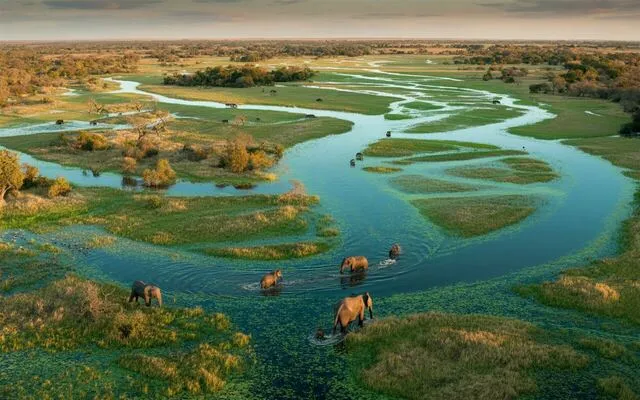
- Botswana's Okavango Delta: The Okavango is one of the best places in Africa to see wild dogs, particularly in the dry season when animals concentrate around water sources. The Okavango Delta Mokoro Safari can be combined with game drives in the surrounding areas.
- Zimbabwe's Mana Pools: Mana Pools is famous for its wild dog packs, and the open floodplains make for spectacular viewing. Walking safaris here offer the extraordinary experience of following wild dogs on foot with an armed guide.
- Zambia's South Luangwa: The Luangwa Valley has a healthy wild dog population, and the South Luangwa Walking Safari is one of the most immersive ways to experience these remarkable animals.
Wild Dog Behaviour: Understanding the Pack
Wild dogs are intensely social animals, and observing pack dynamics is one of the great pleasures of a wild dog sighting. Before a hunt, pack members engage in an excited greeting ceremony — whimpering, licking each other's faces, and bouncing around — that appears to build group cohesion and enthusiasm. This "rally" is one of the most endearing behaviours in the African bush.
Wild dogs are also exceptional communicators, using a complex system of vocalisations including a distinctive "hoo" contact call that carries over long distances. If you hear this call in the bush, stop and listen — a pack may be nearby. Their mottled coats of black, white, yellow, and brown are unique to each individual, like a fingerprint, which allows researchers to identify and track individual animals.
The Rhino: A Species on the Brink
Of all Africa's endangered animals, the rhino faces perhaps the most immediate and devastating threat. Both the white rhino (Ceratotherium simum) and the critically endangered black rhino (Diceros bicornis) are targeted by poachers for their horns, which are falsely believed to have medicinal properties in some Asian markets.
South Africa is home to approximately 80% of the world's remaining white rhinos — around 16,000 individuals — but poaching has taken a catastrophic toll. Between 2008 and 2022, over 10,000 rhinos were killed by poachers in South Africa alone. The black rhino is even more critically endangered, with only around 6,500 individuals remaining across Africa.
Where to See Rhinos in Africa
Rhino sightings are increasingly precious, and visiting parks that protect them is a direct contribution to their survival:
- Hluhluwe-iMfolozi Park, KwaZulu-Natal: This is the birthplace of Operation Rhino, the conservation programme that saved the white rhino from extinction in the 1960s. Today it remains one of the best places in Africa to see both white and black rhinos. Our Hluhluwe-iMfolozi Big Five Safari is a superb choice for rhino enthusiasts.
- Kruger National Park: Kruger has significant rhino populations, though sightings have become less frequent due to poaching pressure. The southern section around Lower Sabie and Crocodile Bridge offers the best chances.
- Eswatini (Swaziland): The small kingdom of Eswatini has invested heavily in rhino conservation and offers excellent sightings at Hlane Royal National Park. The Eswatini Hlane Rhino Safari is a wonderful off-the-beaten-track experience.
- Zimbabwe's Matobo Hills: The Matobo National Park is one of the best places in Africa to track black rhinos on foot with an armed ranger — an extraordinary and intimate experience. Our Zimbabwe Matobo Rhino Tracking tour is one of our most popular specialist offerings.
- Kenya's Ol Pejeta Conservancy: Home to the world's last two northern white rhinos (both female), Ol Pejeta is a powerful symbol of both the tragedy of extinction and the dedication of conservationists. It also has excellent populations of black and white rhinos.
Rhino Behaviour: What to Observe
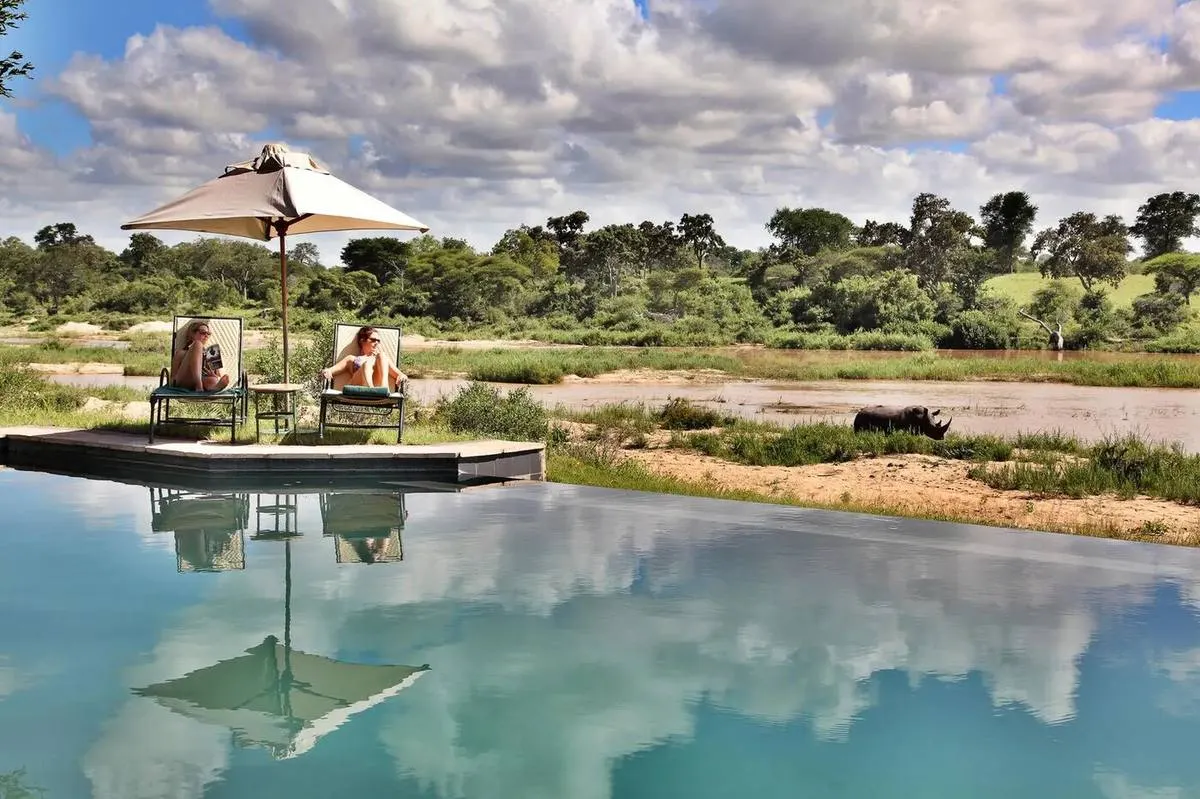
White rhinos are grazers — they feed on short grasses and are often found in open areas, making them easier to spot than the browsing black rhino, which prefers dense bush. White rhinos are generally more placid and can be approached more closely in a vehicle, while black rhinos are notoriously short-tempered and unpredictable.
Rhinos have poor eyesight but excellent hearing and a remarkable sense of smell. They communicate through dung middens — communal toilet areas where individuals leave scent messages for other rhinos. Watching a rhino investigate a midden, carefully sniffing and then adding its own contribution, is a fascinating insight into their complex social communication.
How Your Safari Supports Conservation
One of the most important things to understand about visiting Africa's endangered animals is that responsible tourism is one of the most powerful tools for their conservation. When you book a safari with a reputable operator, a portion of your fees goes directly to anti-poaching units, community conservation programmes, and habitat protection.
Many of the best safari lodges and reserves in Africa are privately owned and funded entirely by tourism revenue. Without visitors, these areas would revert to farmland or be lost to poaching. By choosing to visit, you are casting a vote for wildlife over exploitation — and that matters enormously.
Look for operators who are members of recognised conservation bodies, who employ local communities as guides and staff, and who have transparent policies on how tourism revenue is used. At Ingwe Africa Safaris, we partner exclusively with lodges and reserves that meet these standards. Use our plan my safari tool to find conservation-focused experiences that match your interests and budget.
Photography Tips for Endangered Species
Photographing cheetahs, wild dogs, and rhinos requires patience, the right equipment, and an understanding of animal behaviour. Here are our top tips:
- Use a telephoto lens: A 400mm or 500mm lens is ideal for wildlife photography. For cheetahs and wild dogs, which move fast, a lens with fast autofocus is essential.
- Shoot in burst mode: Action sequences — a cheetah sprint, a wild dog hunt — happen in seconds. Burst mode ensures you capture the decisive moment.
- Be patient and stay quiet: The best wildlife photographs come from spending time with animals, not rushing from sighting to sighting. Ask your guide to stay with an animal rather than moving on.
- Golden hour is magic: The hour after sunrise and before sunset produces the most beautiful light for wildlife photography. Schedule your game drives accordingly.
For serious wildlife photographers, our specialist Kruger Wildlife Photography Masterclass offers expert tuition alongside exceptional game viewing.
Plan Your Endangered Species Safari
Seeing Africa's endangered animals in the wild is a privilege that fewer and fewer people will be able to experience if current trends continue. But there is hope — conservation efforts are making a difference, and responsible tourism is a critical part of the solution.
Whether you dream of watching a cheetah hunt at dawn on the Serengeti, following a wild dog pack through the Kruger bush, or tracking black rhinos on foot in Zimbabwe, our team at Ingwe Africa Safaris can design the perfect itinerary for you. We have the relationships, the knowledge, and the ubuntu spirit to create an experience that is not just a holiday, but a genuine contribution to Africa's wildlife future.
Contact us today to plan your endangered species safari — our specialists will match you with the best destinations, guides, and lodges for the wildlife encounters you are dreaming of. You can also explore our full range of safari experiences or use our safari cost calculator to start budgeting for the adventure of a lifetime.
Africa's wild places are calling. Let us help you answer.
Tours & Safaris You'll Love
Handpicked by our team based on what you're reading. Book direct for the best price — guaranteed.
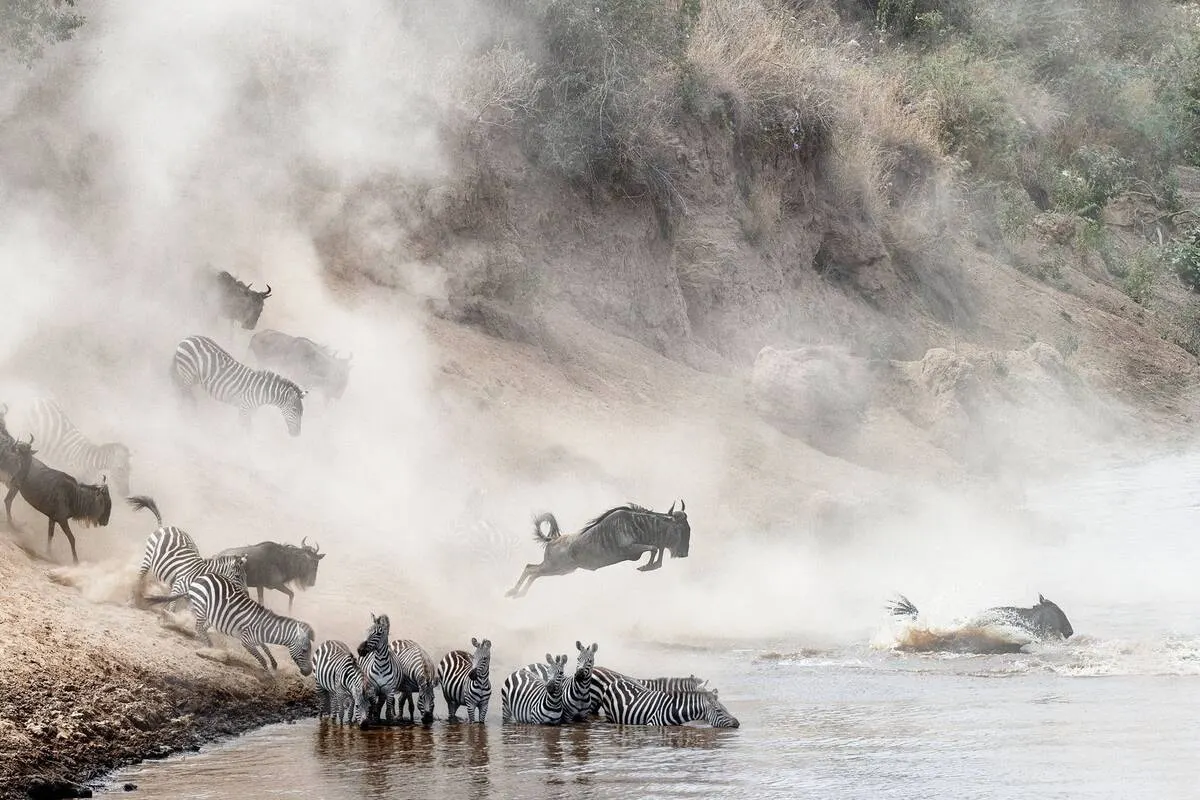
Serengeti Great Migration River Crossing — Mara River Safari
Witness the world's greatest wildlife spectacle — wildebeest crossing the Mara
per person • Best price direct
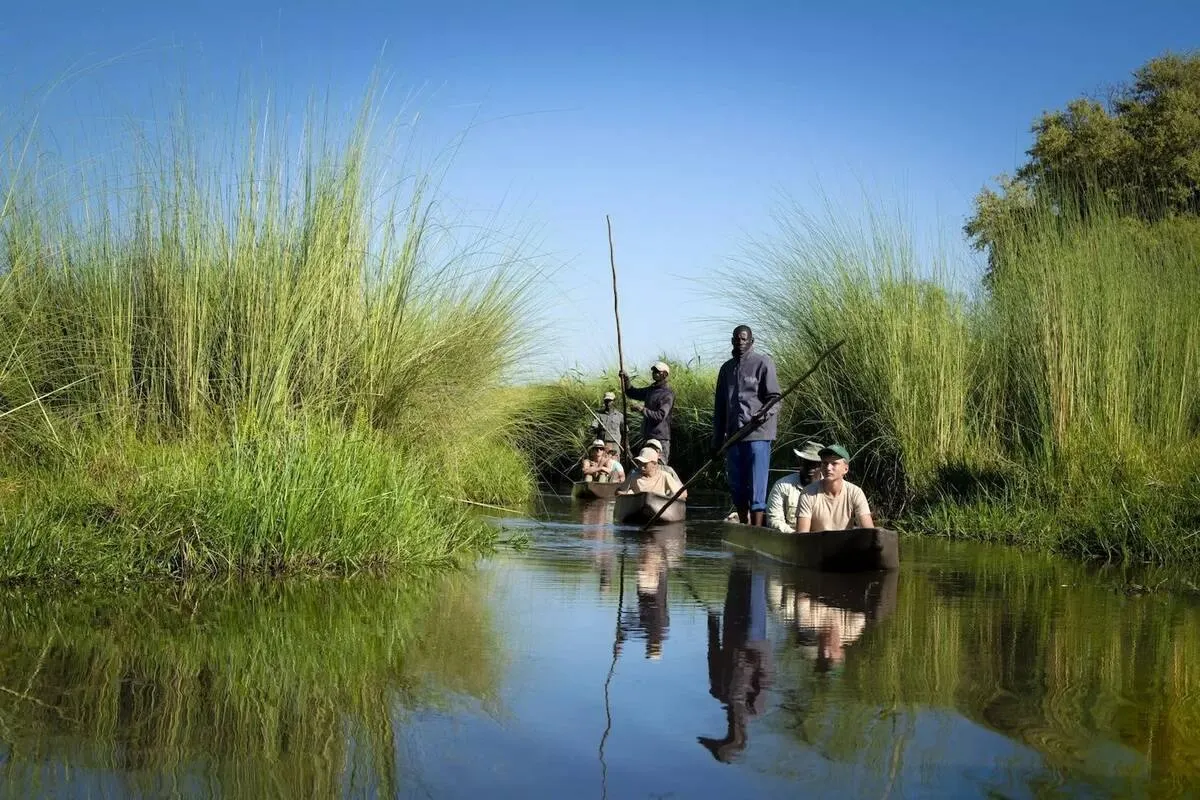
Okavango Luxury Fly-In Wilderness Camp — 5-Star Under Canvas
The world's most exclusive tented camp — deep in the delta
per person • Best price direct
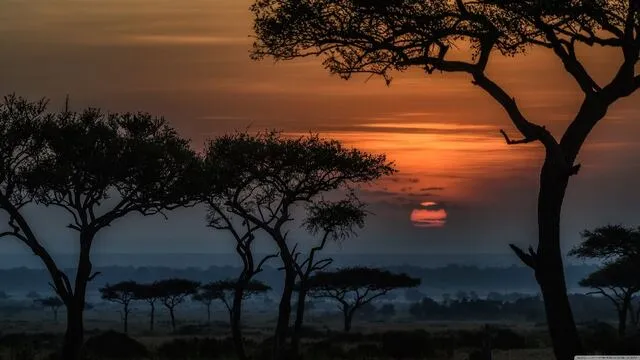
Masai Mara Great Migration Safari — River Crossing Season
Witness nature's greatest spectacle — millions of wildebeest crossing the Mara River
per person • Best price direct
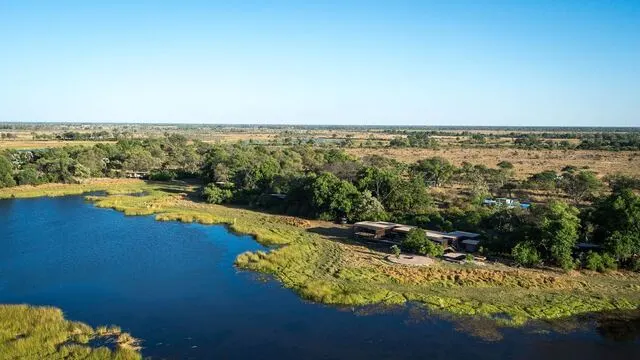
Okavango Delta Fly-In Safari — Luxury Bush Camp
The world's most exclusive safari destination from above and within
per person • Best price direct
Why book with middlemen? Same tours, lower prices, direct support from our team.
Get a Free Custom Quote