Best Lenses for Safari Photography: A Complete Guide 2026
There is nothing quite like the moment a leopard locks eyes with your camera from twenty metres away, or a fish eagle swoops low over a glittering river at golden hour. Safari photography is one of the most rewarding — and technically demanding — genres in all of wildlife photography. And at the heart of every great safari image is the right lens.
As experienced safari operators based in Cape Town, we have watched thousands of guests step off game vehicles clutching everything from smartphone cameras to professional telephoto rigs. We have seen what works, what does not, and what gives you the best bang for your buck. This guide breaks it all down so you arrive on your African safari tour fully prepared to capture images you will treasure for life.
Why Lens Choice Matters More on Safari Than Almost Anywhere Else
On safari, you rarely control the distance between yourself and your subject. A pride of lions may lounge 80 metres from the vehicle, or a curious elephant may approach within five metres. Lighting shifts from the soft pink of dawn to harsh midday glare in a matter of hours. Dust, humidity, and vibration from the game vehicle all conspire against sharp images.
Unlike studio or landscape photography, you cannot reposition yourself freely. The guide stops the vehicle; you shoot from where you are. This means focal length, maximum aperture, and image stabilisation are not just nice-to-haves — they are essential. Getting these right before you book your African safari will transform your photographic results.
We have seen what works, what does not, and what gives you the best bang for your buck.
The Golden Rule: Reach and Speed
Two qualities define a great safari lens: reach (focal length) and speed (maximum aperture). You need enough reach to fill the frame with a distant subject, and enough speed to freeze motion in low light — especially during the magical early-morning and late-afternoon game drives when animals are most active.
As a general rule, aim for a minimum of 300mm on a full-frame camera, or 200mm on a crop-sensor body (which gives an effective 300mm field of view). For serious wildlife work, 400–600mm is ideal. A maximum aperture of f/5.6 or wider is the minimum; f/4 or f/2.8 is lekker if your budget allows.
Top Lens Recommendations by Budget
Budget Option (Under $500): The Versatile Superzoom
If you are travelling on a tighter budget, a superzoom lens in the 100–400mm or 150–600mm range from brands like Tamron or Sigma offers remarkable value. The Tamron 100–400mm f/4.5–6.3 (around $400–450) is a popular choice among guests on our Kruger Wildlife Photography Masterclass. It is lightweight, covers a versatile range, and produces sharp images in good light.
The Sigma 150–600mm f/5–6.3 Contemporary (around $800–900 new, often $500–600 used) is a step up in reach and build quality. It handles the dusty conditions of Kruger or the Serengeti surprisingly well. Pair it with a crop-sensor body and you have an effective 900mm reach — more than enough for distant cheetah on the open plains.
The trade-off with budget superzooms is autofocus speed and low-light performance. In the golden hour, you may need to push your ISO higher to compensate for the slower maximum aperture. Modern mirrorless cameras handle high ISO remarkably well, which partially offsets this limitation.
Mid-Range Option ($500–$2,000): The Sweet Spot
This is where most serious amateur photographers find their happy place. The Canon RF 100–500mm f/4.5–7.1 L IS (around $2,700 new) and the Nikon Z 100–400mm f/4.5–5.6 VR S (around $2,700 new) are both exceptional, but their used prices often fall into the $1,500–$2,000 range — making them accessible to dedicated enthusiasts.
For Sony mirrorless shooters, the Sony FE 200–600mm f/5.6–6.3 G OSS (around $1,900 new) is widely regarded as one of the best value telephoto lenses ever made. Its autofocus tracking is superb — critical when a cheetah breaks into a sprint across the Serengeti. Many guests on our Serengeti Great Migration tours swear by this lens.
At this price point, you also gain better weather sealing — important when an unexpected Highveld thunderstorm rolls in over the bushveld. Dust and moisture resistance can save your gear on a multi-day safari.
Professional Option ($2,000+): The Big Guns
If photography is your primary reason for travelling to Africa, investing in a professional-grade prime telephoto is worth every cent. The Canon RF 500mm f/4 L IS, Nikon Z 400mm f/2.8 TC VR S, and Sony FE 400mm f/2.8 GM OSS all deliver jaw-dropping image quality and autofocus performance that borders on supernatural.
These lenses cost between $6,000 and $14,000 new, but they produce images that stand up to full-page magazine spreads. The wide maximum apertures (f/2.8 or f/4) allow you to shoot in near-darkness — perfect for nocturnal game drives where a leopard's eyes glow amber in the spotlight.
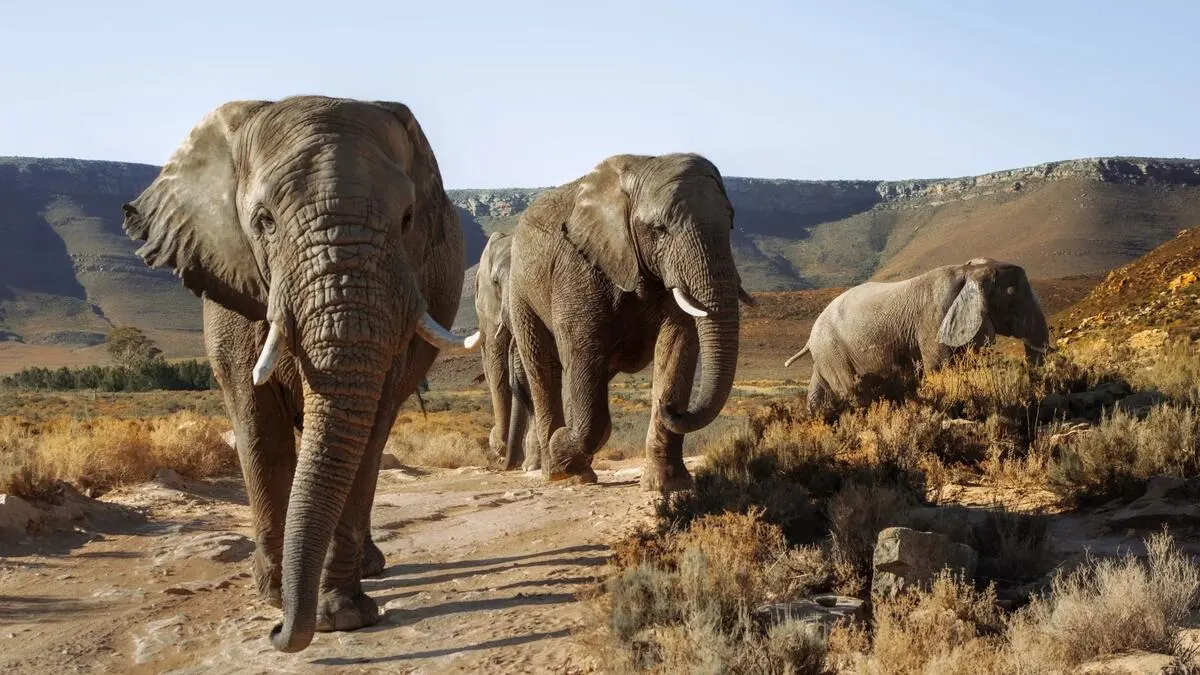
Many professional wildlife photographers also carry a 70–200mm f/2.8 as a secondary lens for environmental portraits — images that show the animal in its landscape context rather than filling the frame. This versatile focal range is ideal for elephant herds at a waterhole or a giraffe silhouetted against an acacia at sunset.
Don't Forget a Wide-Angle Lens
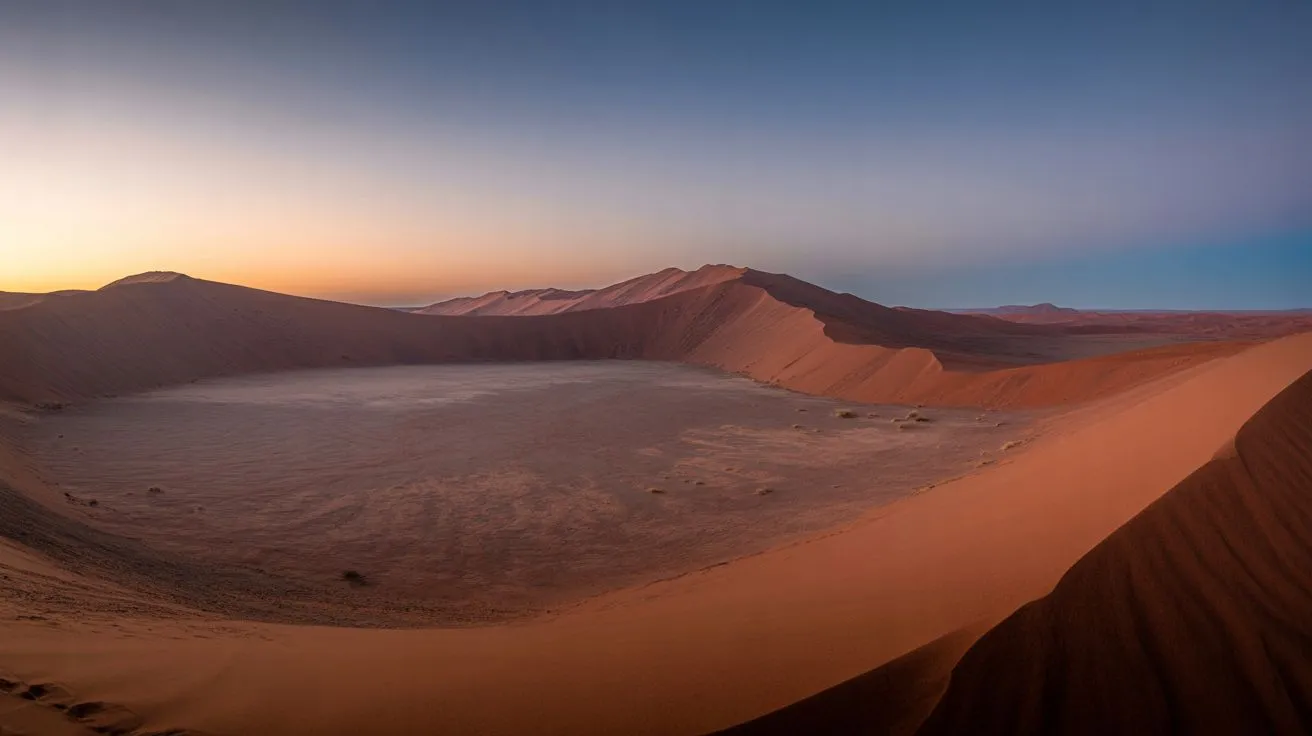
While telephoto lenses dominate safari photography, a wide-angle lens (16–35mm or 24–70mm) is invaluable for capturing the sweeping landscapes of the African bush. The vast red dunes of Namibia's Sossusvlei, the endless plains of the Serengeti, or the dramatic cliffs of the Blyde River Canyon all demand a wide perspective.
A wide-angle lens is also useful for photographing your camp, fellow travellers around the braai, and the spectacular star-filled skies that appear when you are far from city lights. Some of the most memorable safari images are not of animals at all — they are of the landscape, the light, and the human experience of being in wild Africa.
If you are visiting day trips">Cape Town before or after your safari, a wide-angle lens is essential for capturing Table Mountain, the Cape Peninsula, and the dramatic Atlantic coastline. Check out our Cape Town destination guide for photography hotspots around the Mother City.
Practical Tips for Using Your Lens on Safari
Image Stabilisation Is Non-Negotiable
Game vehicles vibrate. Even when stationary, the engine idling creates micro-vibrations that blur images at slow shutter speeds. Always use a lens with optical image stabilisation (IS, VR, or OSS depending on your brand), and consider a beanbag or window mount to further steady your shots. A beanbag costs less than $30 and makes a dramatic difference to image sharpness.
Shoot in Burst Mode
Wildlife is unpredictable. A lion yawning, a hippo surfacing, or a fish eagle diving for prey happens in a fraction of a second. Set your camera to continuous burst mode and shoot sequences rather than single frames. Modern mirrorless cameras can shoot 20–30 frames per second — use this capability to capture the decisive moment.
Protect Your Gear from Dust
African dust is extraordinarily fine and pervasive. It gets into everything. Keep your lenses in a sealed bag when not in use, change lenses as infrequently as possible (ideally in the vehicle cab with windows closed), and carry a blower brush and microfibre cloths. A UV filter on the front element provides cheap insurance against scratches.
Arrive Early, Stay Late
The best light for photography occurs in the first and last two hours of daylight — what photographers call the golden hour. This coincides perfectly with the peak activity periods for most African wildlife. Our Kruger Sunrise Morning Safari and Big Five Sunset Game Drive are specifically timed to maximise your time in this magical light.
Lens Rental: A Smart Option for First-Time Safari Photographers
If you are not ready to invest in a professional telephoto lens, consider renting one for your trip. Rental costs in South Africa typically run $50–$150 per day for a high-quality 500mm or 600mm prime lens. For a 7-day safari, that is $350–$1,050 — significantly less than purchasing the lens outright, and you get to try before you buy.
Several reputable camera rental companies operate in Cape Town and Johannesburg. Book well in advance, especially for peak safari season (June–October). Our team at Ingwe Africa Safaris can recommend trusted rental partners when you enquire about your safari.
Recommended Lens Kit for a Two-Week African Safari
Based on years of guiding photographers through the African bush, here is our recommended lens kit for a comprehensive two-week safari covering South Africa, Tanzania, or Kenya:
- Primary telephoto: 100–500mm or 150–600mm zoom (or 500mm prime if budget allows)
- Secondary zoom: 70–200mm f/2.8 for environmental portraits and action sequences
- Wide-angle: 16–35mm or 24–70mm for landscapes, camps, and astrophotography
- Macro (optional): 100mm macro for insects, flowers, and close-up textures
This kit covers virtually every photographic opportunity you will encounter, from the sweeping vistas of the Serengeti to the intimate close-ups of a dung beetle rolling its prize across a dusty track. It is lekker to be prepared!
Photography-Focused Safari Experiences with Ingwe Africa Safaris
We offer several safari experiences specifically designed for photographers. Our Kruger Birding and Photography Safari pairs expert birding guides with photography coaches to help you capture Kruger's extraordinary avian diversity. Our Masai Mara Big Cat Photography Safari focuses on the lions, leopards, and cheetahs of Kenya's most famous reserve during the peak big cat season.
For those who want to combine Cape Town's urban photography opportunities with a bush safari, our Private Cape Peninsula and Big Five Safari package offers the best of both worlds. Photograph African penguins at Boulders Beach in the morning and lions on the Aquila reserve in the afternoon — all in a single extraordinary day.
Use our safari cost calculator to plan a photography-focused itinerary that fits your budget, or visit our plan my safari page to start building your dream trip.
Final Thoughts: Invest in Glass, Not Just Bodies
In photography, there is a saying: invest in glass, not bodies. Camera bodies become obsolete every few years; a quality lens lasts a lifetime. If you have to choose between upgrading your camera body and upgrading your lens, choose the lens every time — especially for safari photography where focal length and optical quality are paramount.
The African bush rewards patience, preparation, and the right equipment. With the correct lens in your bag and an experienced guide behind the wheel, you will return home with images that capture not just what Africa looks like, but what it feels like — the warmth, the wildness, and the ubuntu spirit that makes this continent unlike anywhere else on earth.
Ready to Capture Africa Through Your Lens?
Our team of experienced safari operators and photography enthusiasts is ready to help you plan the ultimate photography safari. Whether you are a beginner with a kit lens or a professional with a full telephoto arsenal, we will match you with the perfect itinerary, guide, and game reserve to maximise your photographic opportunities.
Enquire now and let us craft your personalised photography safari. Alternatively, browse our full range of safari tours and experiences to find the perfect starting point. Africa is waiting — and so are the shots of a lifetime.
Tours & Safaris You'll Love
Handpicked by our team based on what you're reading. Book direct for the best price — guaranteed.
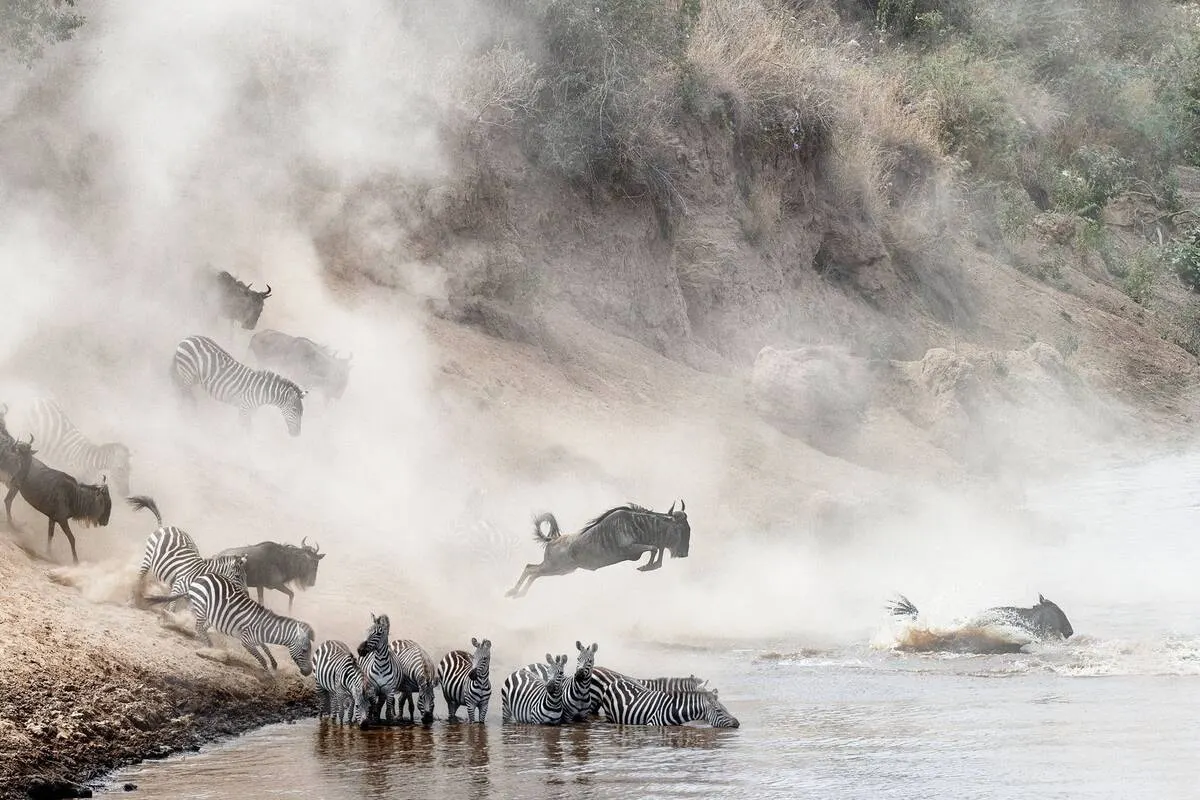
Serengeti Great Migration River Crossing — Mara River Safari
Witness the world's greatest wildlife spectacle — wildebeest crossing the Mara
per person • Best price direct
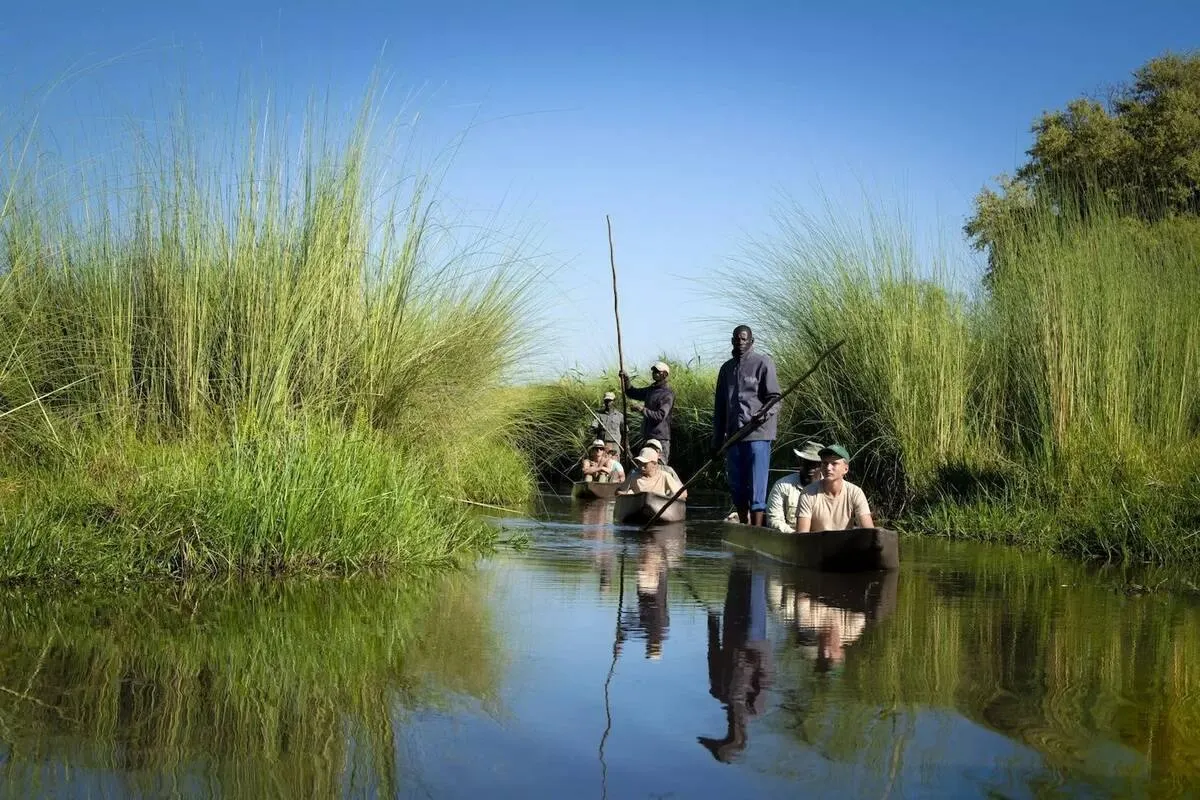
Okavango Luxury Fly-In Wilderness Camp — 5-Star Under Canvas
The world's most exclusive tented camp — deep in the delta
per person • Best price direct
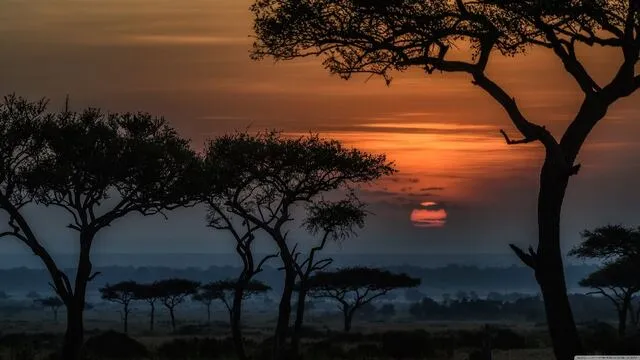
Masai Mara Great Migration Safari — River Crossing Season
Witness nature's greatest spectacle — millions of wildebeest crossing the Mara River
per person • Best price direct
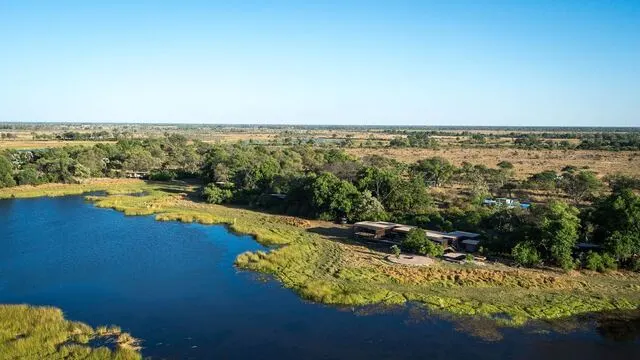
Okavango Delta Fly-In Safari — Luxury Bush Camp
The world's most exclusive safari destination from above and within
per person • Best price direct
Why book with middlemen? Same tours, lower prices, direct support from our team.
Get a Free Custom Quote