Night Safari Tips: What to Expect After Dark in Africa
There is something truly magical about the African bush after the sun dips below the horizon. The daytime cast of elephants, giraffes, and zebras gives way to a completely different world — one ruled by leopards, civets, aardvarks, and a chorus of sounds that will raise the hairs on the back of your neck. A night safari is, without question, one of the most thrilling experiences you can have on the continent, and if you have never done one, you are in for a lekker surprise.
At Ingwe Africa Safaris, we have been guiding guests through the African darkness for years, and we want to make sure you are fully prepared. Whether you are heading into Kruger National Park, the Sabi Sands, or one of South Africa's private game reserves, this guide covers everything you need to know before your first night game drive.
Why Night Safaris Are Worth It
Many of Africa's most fascinating animals are strictly nocturnal. During the day, they rest in dense bush, underground burrows, or high in the tree canopy. Once darkness falls, they emerge to hunt, forage, and socialise. Without a night drive, you would miss roughly 40% of the continent's wildlife entirely.
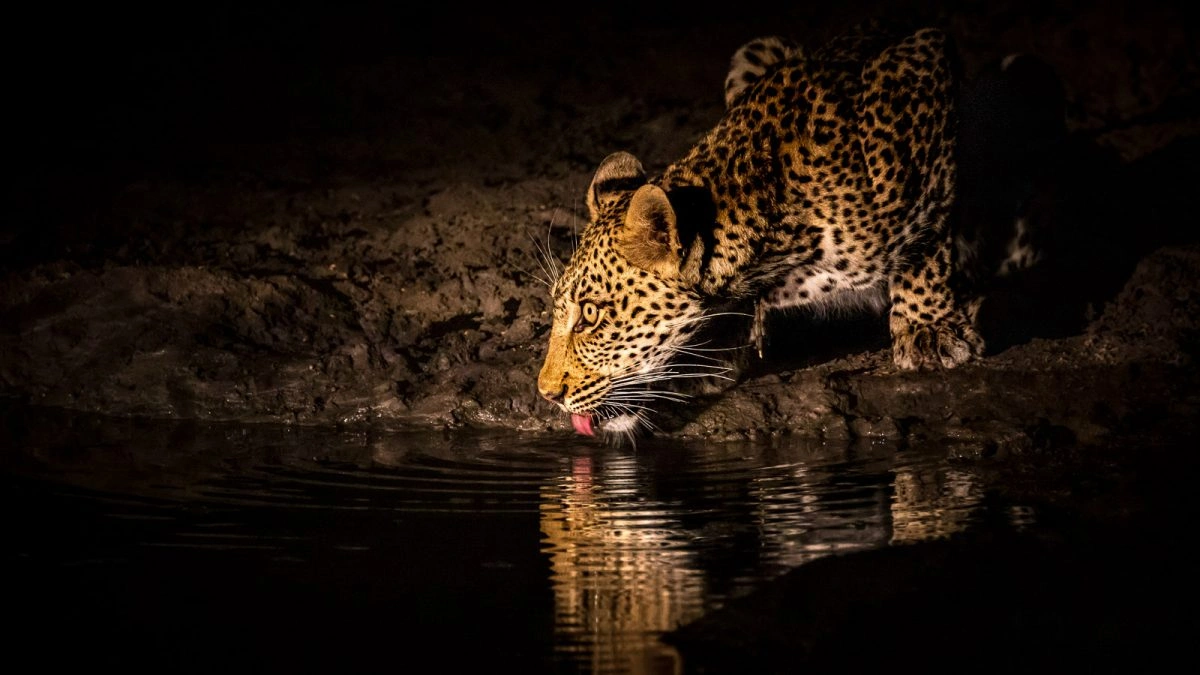
Some of the most sought-after nocturnal sightings include leopards on the prowl, honey badgers raiding termite mounds, porcupines waddling along dusty tracks, and the elusive aardvark digging for ants. Predators like lions and hyenas are also far more active at night, and witnessing a hunt under a star-filled African sky is an experience that stays with you forever.
Beyond the wildlife, the atmosphere itself is extraordinary. The Milky Way stretches overhead in a way that city dwellers rarely see, the air cools to a comfortable temperature, and the sounds of the bush — from the haunting whoop of a hyena to the distant roar of a lion — create a sensory experience unlike anything else on earth.
Our Sabi Sands Leopard Tracking Safari is specifically designed around maximising your chances of a close encounter with these magnificent animals.
What Animals Can You See on a Night Safari?
The Big Nocturnal Predators
Leopards are the undisputed stars of the night safari. These solitary, secretive cats are far more active after dark, and in reserves like Sabi Sands, sightings are remarkably frequent. Our Sabi Sands Leopard Tracking Safari is specifically designed around maximising your chances of a close encounter with these magnificent animals.
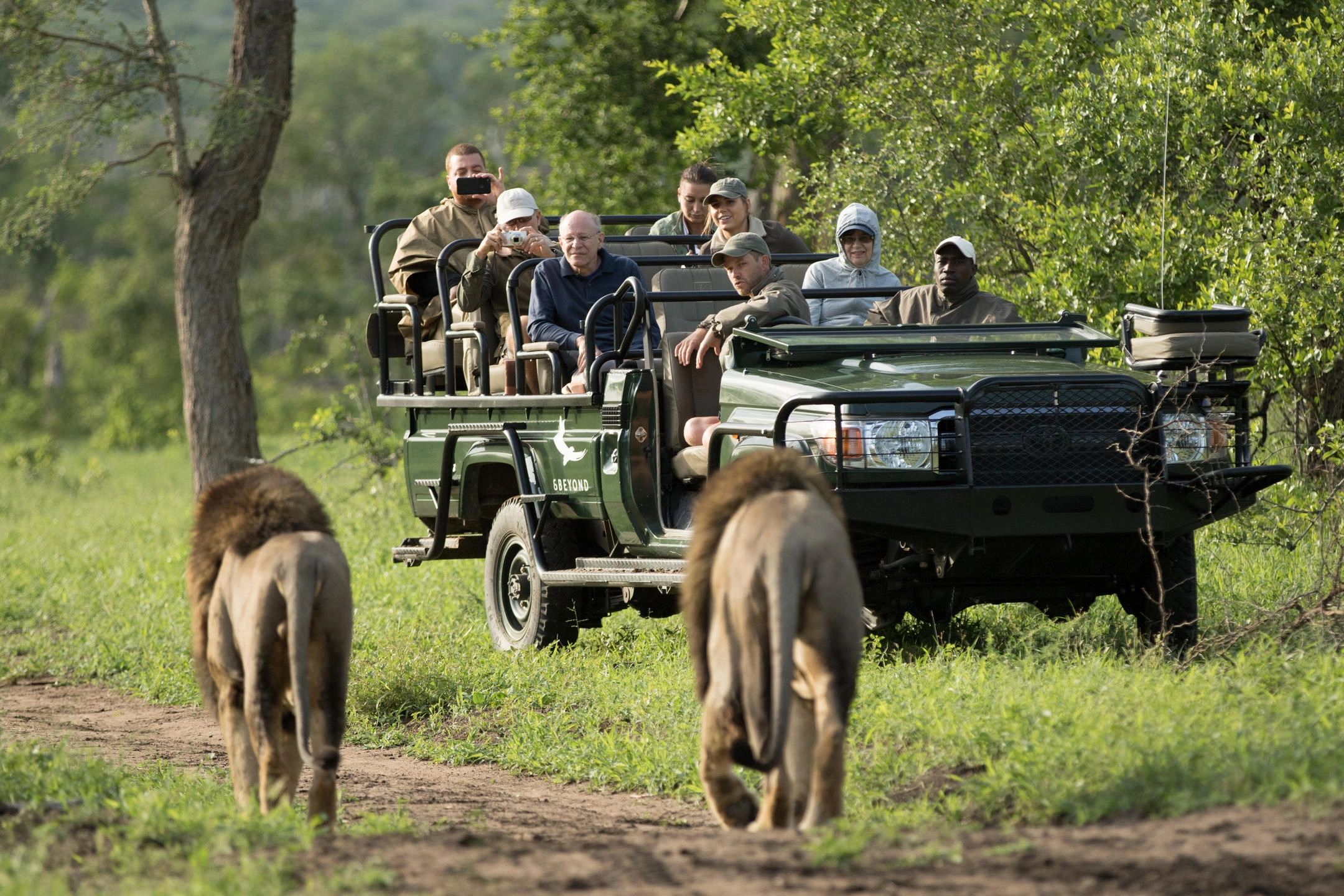
Lions, while often visible during the day, become noticeably more active at night. Prides move greater distances, cubs play more energetically, and the chances of witnessing a hunt increase significantly. Spotted hyenas, often unfairly maligned, are fascinating to observe at night — highly intelligent, socially complex, and surprisingly fast over long distances.
The Smaller Nocturnal Wonders
Do not underestimate the thrill of smaller nocturnal species. The aardvark, one of Africa's most elusive mammals, is almost exclusively nocturnal and is a bucket-list sighting for many seasoned safari-goers. Genets — slender, spotted cat-like creatures — are commonly seen in trees and on the ground. Bushbabies (galagos) are unmistakable with their enormous reflective eyes, and their haunting cries are a signature sound of the African night.
Civets, servals, caracals, and African wildcats all become more active after dark. Owls — from the giant Verreaux's eagle-owl to the tiny pearl-spotted owlet — are a delight for birders. And if you are very lucky, you might spot a pangolin, one of the world's most trafficked and therefore rarest animals to see in the wild.
Essential Night Safari Tips
1. Dress in Warm Layers
This is the tip most first-timers ignore and then regret. Even in summer, temperatures in the African bush can drop dramatically after sunset — sometimes by 15°C or more. In winter (June to August), night drives in Kruger or the Lowveld can be genuinely cold, with temperatures dropping below 5°C. Wear a base layer, a fleece or down jacket, and bring a warm hat and gloves. Most reputable operators provide blankets, but it is always better to be over-prepared.
2. Use Red Light, Not White
Your guide will use a powerful spotlight to scan the bush, but you should avoid using your phone's torch or camera flash. White light disorients and disturbs nocturnal animals, potentially ruining the sighting for everyone. Many experienced safari-goers carry a small red-light headlamp for reading maps or notes — red light is far less disruptive to both wildlife and your own night vision.
3. Stay Quiet and Still
Sound travels extraordinarily well in the still night air. Whisper rather than talk, avoid sudden movements, and resist the urge to point excitedly (use a gentle nod or quiet word to alert your guide instead). The best guides will often stop the vehicle and simply listen — train yourself to do the same. You will be amazed at what you can hear before you see it.
4. Camera Settings for Night Photography
Night safari photography is challenging but incredibly rewarding. Set your camera to a high ISO (3200–12800 depending on your camera's capability), use a wide aperture (f/2.8 or wider if possible), and keep your shutter speed as fast as you can manage given the light conditions. A monopod or beanbag is invaluable for stabilising your camera on the vehicle. Our Kruger Photography Safari includes specialist guidance on night photography techniques.
5. Respect the Spotlight Etiquette
The spotlight is a shared resource. Your guide will direct it, but if you are on a private vehicle, communicate clearly about where you want to look. Never shine a spotlight directly into an animal's eyes for extended periods — a brief sweep is fine, but sustained direct light causes stress. Good guides know exactly how to use light to illuminate an animal without disturbing it.
Best Parks and Reserves for Night Safaris in South Africa
Kruger National Park
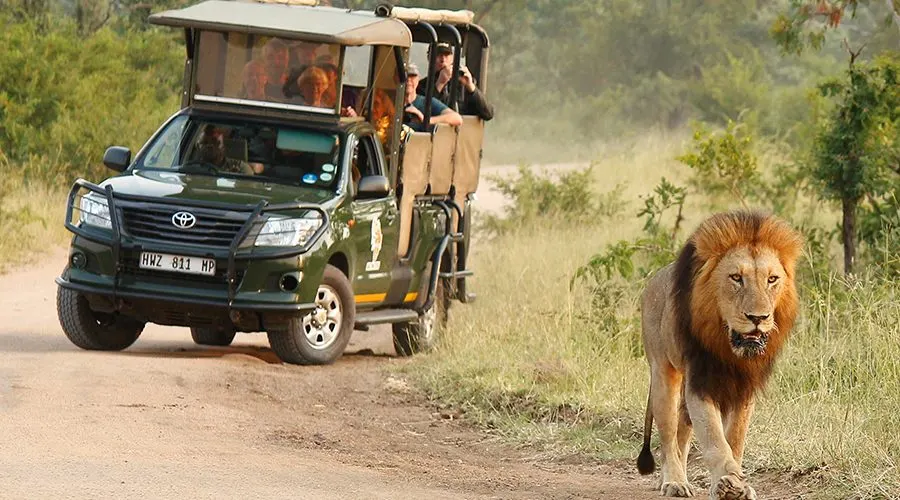
Kruger is the obvious starting point for most visitors to South Africa. Night drives are available from most rest camps and are led by SANParks-trained field guides. The park's sheer size and diversity of habitats means nocturnal sightings are consistently excellent. Expect to pay approximately $40–$80 USD per person for a guided night drive from a rest camp. For a more exclusive experience, consider a private concession within or adjacent to Kruger — our Kruger Sunset & Night Safari combines the golden hour with a full after-dark drive.
Sabi Sands Game Reserve
Sabi Sands, which shares an unfenced border with Kruger, is arguably the best place in the world to see leopards — day or night. The private lodges here offer unlimited game drives with no set routes or time restrictions, meaning your guide can follow a leopard for as long as the sighting lasts. Expect to pay $400–$800 USD per person per night for a full-board lodge experience that includes two game drives daily.
Pilanesberg National Park
For visitors based in Johannesburg, Pilanesberg is a malaria-free Big Five reserve just two hours from the city. Night drives are available and offer excellent sightings of rhino, leopard, and a wide variety of nocturnal species. Our Pilanesberg Open Jeep Safari from Johannesburg is a popular choice for those with limited time.
Aquila Private Game Reserve
For day trips">Cape Town-based visitors, Aquila offers a malaria-free Big Five experience just 2.5 hours from the city. Their night drives are a highlight of any stay, with regular sightings of caracal, aardvark, and porcupine. Our Aquila Big Five Day Safari can be extended to include an overnight stay and night drive.
Safety on Night Safaris
Safety is paramount, and reputable operators take it extremely seriously. Always remain seated in the vehicle — never stand up or dangle limbs over the side. Follow your guide's instructions without question; they are trained to read animal behaviour and will know when to move and when to stay still. Do not use flash photography near predators, and never attempt to attract an animal's attention by making sounds or throwing objects.
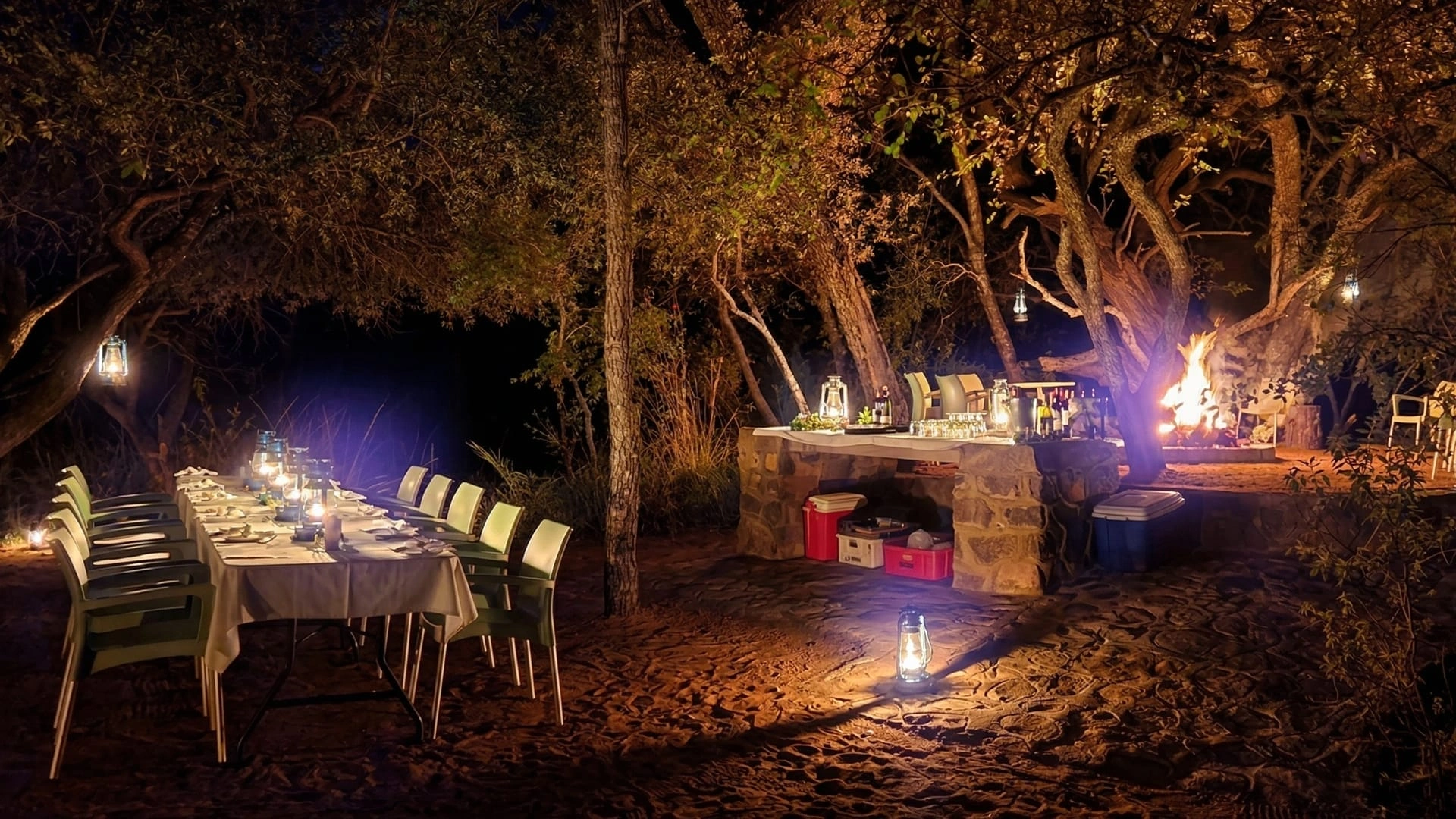
Walking at night in the African bush without a qualified armed guide is extremely dangerous and is not permitted in most reserves. If you are staying at a bush camp, always use a torch when moving between tents after dark, and never walk alone. These are not scare tactics — they are simply the sensible protocols that keep guests safe and wildlife undisturbed.
What to Pack for a Night Safari
- Warm layers: Fleece jacket, down vest, hat, and gloves (even in summer)
- Insect repellent: DEET-based for malaria areas; apply before the drive
- Red-light headlamp: For reading without disturbing wildlife
- Camera with fast lens: 50mm f/1.8 or 70-200mm f/2.8 ideal
- Binoculars: Low-light binoculars (8x42 or 10x42) make a huge difference
- Water bottle: Stay hydrated even in cool temperatures
- Snacks: Some operators provide refreshments; check in advance
Night Safari Costs: What to Budget
Night safari costs vary enormously depending on the type of experience. A guided night drive from a SANParks rest camp in Kruger costs approximately $40–$80 USD per person. A private vehicle night drive in a concession area runs $150–$300 USD per person. A full-board lodge experience in Sabi Sands or a similar private reserve, which includes two daily game drives (one of which is typically at night), ranges from $400–$1,200 USD per person per night depending on the lodge and season.
For budget-conscious travellers, the SANParks option in Kruger offers exceptional value. For those seeking a more exclusive experience, our Safari Cost Calculator can help you find the right option for your budget. You can also browse our current Safari Deals for seasonal specials on night safari packages.
Best Time of Year for Night Safaris
Night safaris are rewarding year-round, but the dry winter months (May to September) are generally considered the best time for wildlife viewing in South Africa. Vegetation is sparse, animals congregate around water sources, and the cooler temperatures make for comfortable game drives. The summer months (October to March) bring lush green landscapes and newborn animals, but thicker bush can make spotting more challenging.
For the best overall safari experience, including night drives, we recommend visiting between June and September. Check our Best Time to Visit South Africa guide for a month-by-month breakdown of what to expect.
Ready to Experience the African Night?
A night safari is not just an add-on to your African adventure — it is an essential part of the full bush experience. The animals you will see, the sounds you will hear, and the stars overhead will stay with you long after you return home. Whether you are a first-time visitor or a seasoned safari-goer, the African night always has something new to reveal.
Our team of experienced Cape Town-based safari specialists is ready to help you plan the perfect night safari experience, from a single night drive in Kruger to a week-long private lodge safari in Sabi Sands. Contact us today to start planning your after-dark African adventure, or use our safari planner to explore your options. The bush is waiting — and it is most alive after dark.
Tours & Safaris You'll Love
Handpicked by our team based on what you're reading. Book direct for the best price — guaranteed.
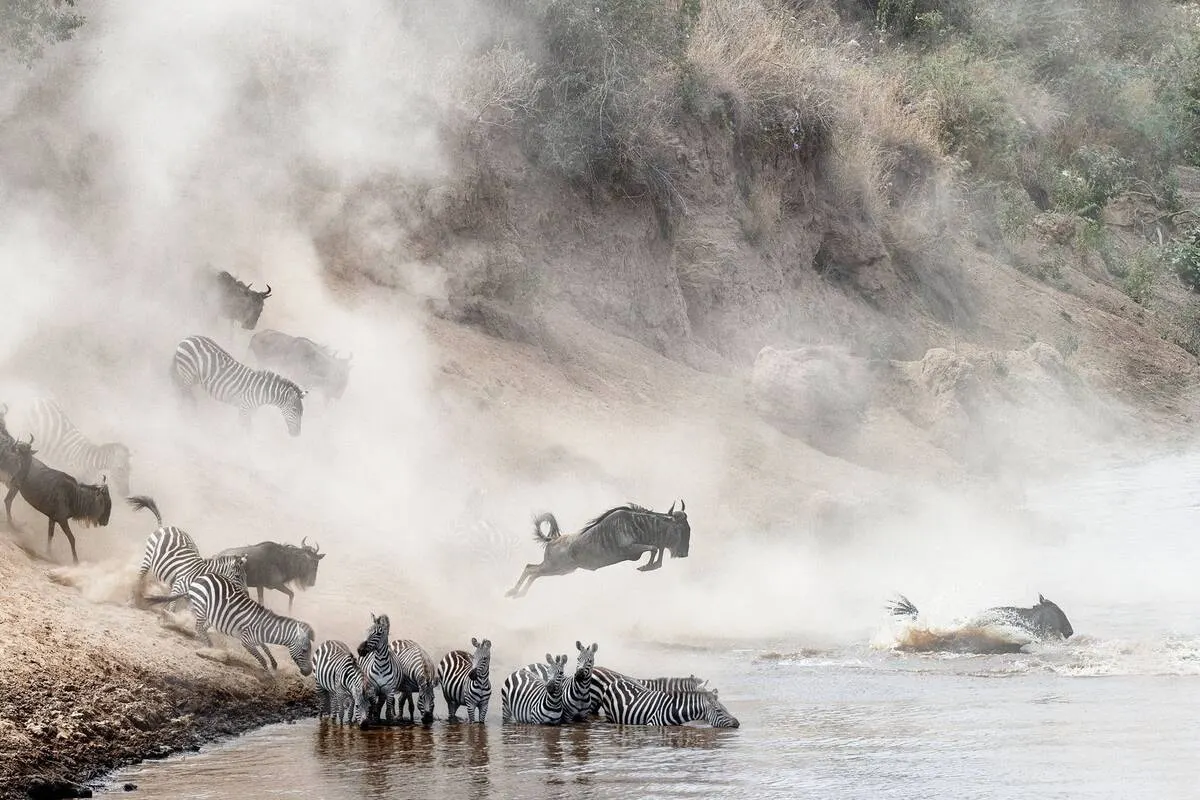
Serengeti Great Migration River Crossing — Mara River Safari
Witness the world's greatest wildlife spectacle — wildebeest crossing the Mara
per person • Best price direct
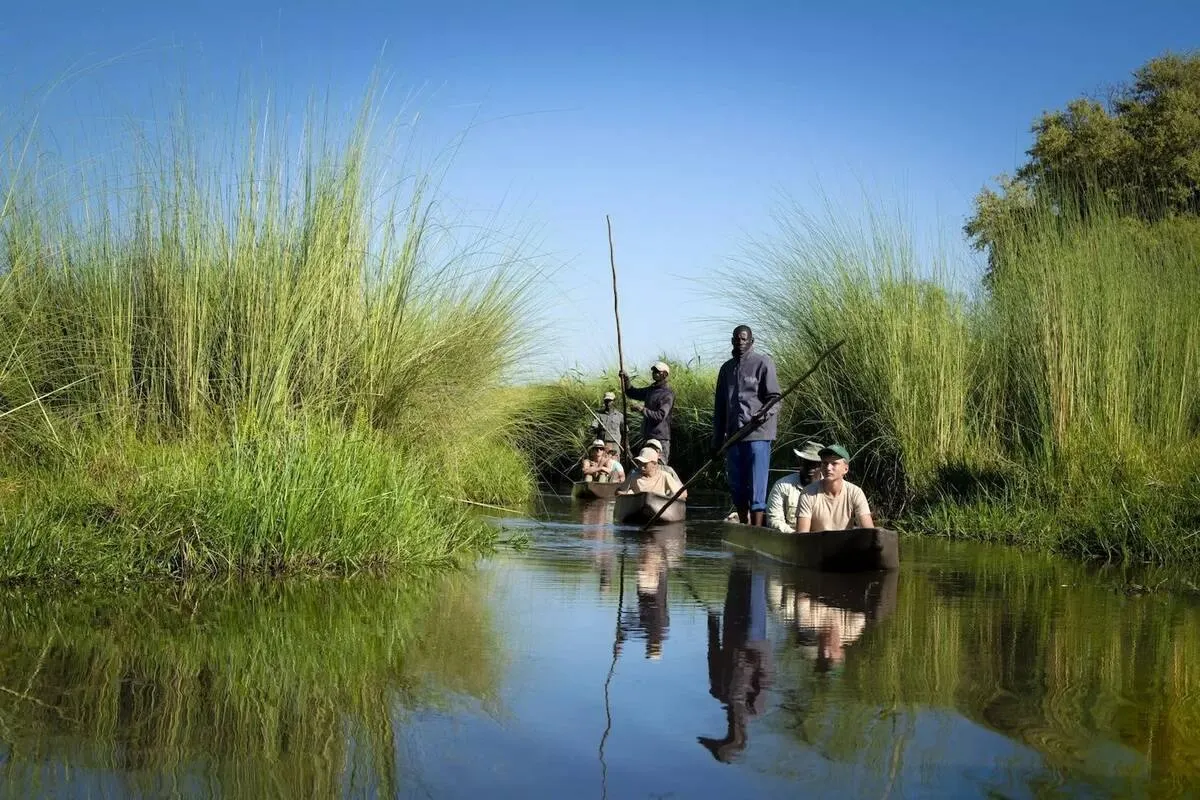
Okavango Luxury Fly-In Wilderness Camp — 5-Star Under Canvas
The world's most exclusive tented camp — deep in the delta
per person • Best price direct
Masai Mara Great Migration Safari — River Crossing Season
Witness nature's greatest spectacle — millions of wildebeest crossing the Mara River
per person • Best price direct
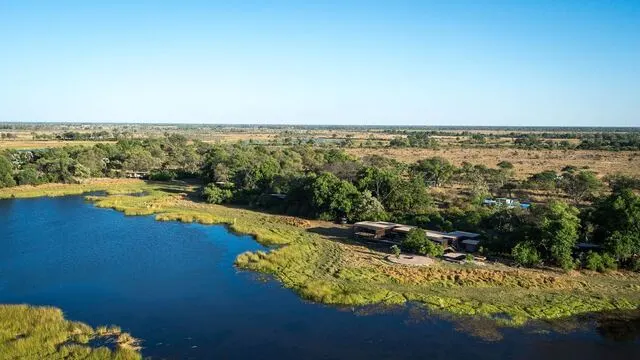
Okavango Delta Fly-In Safari — Luxury Bush Camp
The world's most exclusive safari destination from above and within
per person • Best price direct
Why book with middlemen? Same tours, lower prices, direct support from our team.
Get a Free Custom Quote