
Safari Food & Braai Culture: Eating Well in the African Bush
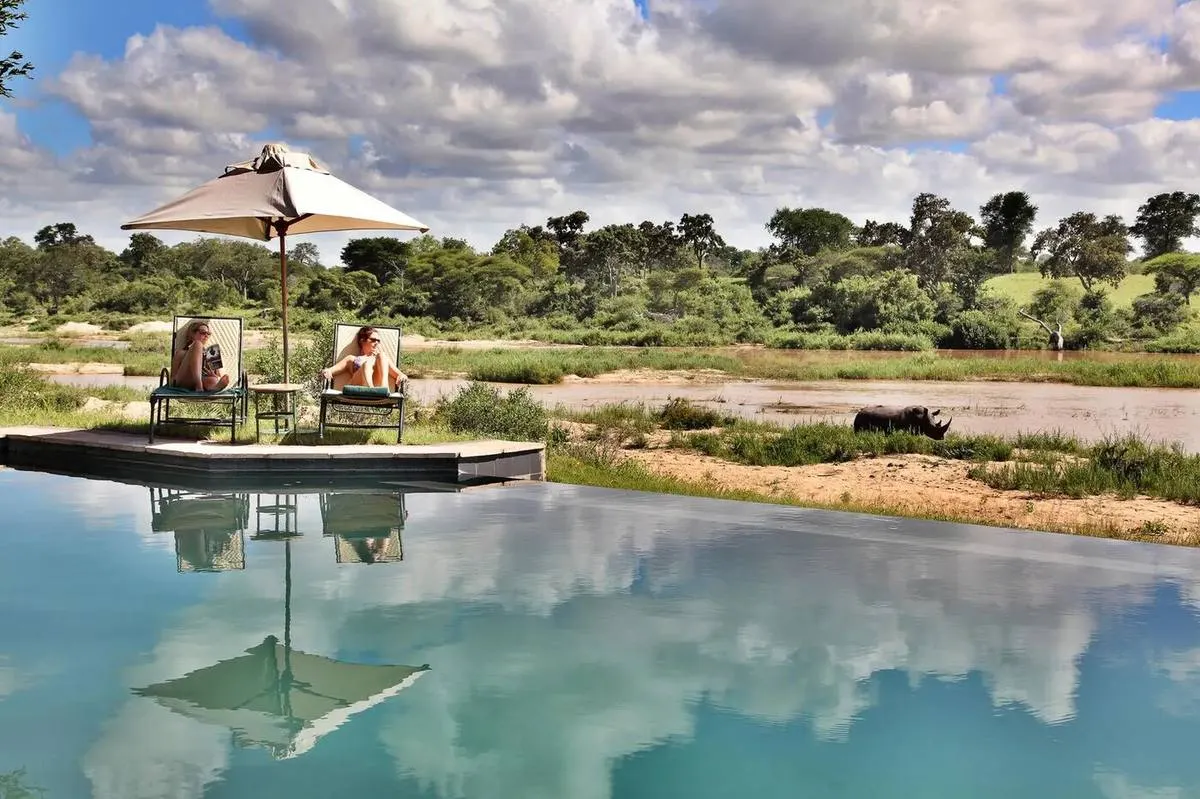
Ask any seasoned safari-goer what surprised them most about their African adventure, and a remarkable number will mention the food. There is a widespread misconception that roughing it in the bush means roughing it at the table — but nothing could be further from the truth. From lavish lodge breakfasts served on the banks of a hippo-filled river to intimate bush dinners under a canopy of stars, eating on safari is one of the great pleasures of African travel.
At Ingwe Africa Safaris, we believe that food is an integral part of the safari experience. The flavours of Africa — smoky braai meat, freshly baked bread, wild herb salads, and the sweet tang of marula fruit — are as much a part of the journey as the Big Five themselves. This guide takes you through the food culture of the African bush, from the iconic braai to the finest lodge dining, and everything in between.
The Braai: South Africa's Sacred Ritual
If you spend any time in South Africa, you will quickly learn that the braai is far more than a barbecue. It is a cultural institution, a social ritual, and a source of fierce national pride. The word comes from Afrikaans and means to grill or roast over an open fire — but the braai is really about gathering, storytelling, and the unhurried pleasure of good company.
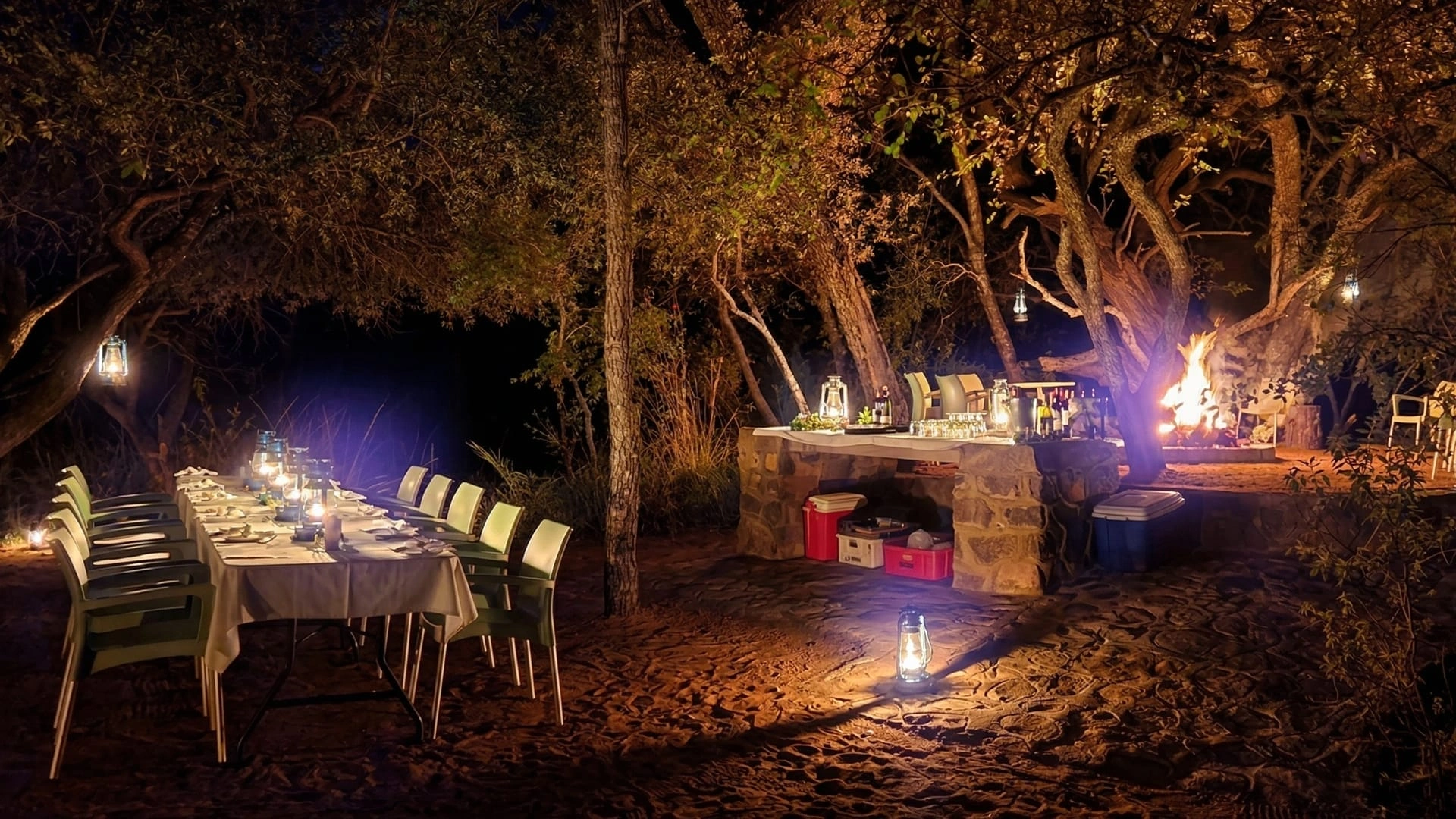
In the bush, the braai takes on an almost spiritual quality. As the sun sets and the fire crackles, the smell of wood smoke mingles with the sounds of the African night. Boerewors — a coarsely ground, spiced sausage that is the undisputed king of the South African braai — sizzles alongside lamb chops, chicken pieces marinated in peri-peri, and thick-cut steaks. The fire is tended with the same care and attention that a French chef might give to a delicate sauce.
Most safari lodges and camps incorporate a braai into the weekly programme, and many make it a nightly event. If you are self-catering in a national park rest camp like those in Kruger National Park, you will find braai facilities at every chalet and campsite. Picking up boerewors and lamb chops from the camp shop and cooking them over a wood fire while impala graze nearby is one of the most authentically South African experiences you can have.
Braai Essentials: What to Know
South Africans are passionate about their braai technique, and there are a few unwritten rules worth knowing. Wood is always preferred over charcoal — the flavour is incomparably better, and in the bush, hardwoods like mopane and leadwood burn hot and long. Never rush a braai; the fire needs time to develop a proper bed of coals. And never, ever put boerewors on a cold grid — the sausage will stick and tear, which is considered something of a social catastrophe.
Accompaniments are as important as the meat itself. Pap (a stiff maize porridge similar to polenta) is the traditional side dish, often served with a rich tomato and onion relish called chakalaka. Braaibroodjies — toasted sandwiches filled with cheese, tomato, and onion, pressed on the grid — are a beloved side dish. And no braai is complete without a cold beer or a glass of South African wine.
This guide takes you through the food culture of the African bush, from the iconic braai to the finest lodge dining, and everything in between.
Bush Breakfasts: The Most Magical Meal of the Day
The early morning game drive typically starts before sunrise, and after two or three hours in the bush, your guide will pull the vehicle to a stop at a scenic spot — perhaps overlooking a waterhole, a dry riverbed, or a sweeping plain — and produce a full breakfast seemingly from nowhere. This is the bush breakfast, and it is one of the defining moments of any safari.
Expect freshly brewed coffee and tea, fruit juice, a selection of pastries and rusks (South Africa's beloved twice-baked biscuits, perfect for dunking), and a hot cooked breakfast of scrambled eggs, bacon, and toast. At more upmarket lodges, the spread might include smoked salmon, artisan cheeses, freshly baked bread, and a selection of local preserves. All of this, served in the middle of the African wilderness, with the sounds of birds and the distant rumble of elephants as your soundtrack.
The bush breakfast is not just about the food — it is about the pause. After the intensity of the early morning drive, sitting quietly in the bush with a hot cup of coffee and watching the world wake up around you is a profoundly restorative experience. It is one of those moments that safari veterans talk about for years afterwards.
Sundowners: The Art of the African Cocktail Hour
The sundowner is another sacred safari ritual. As the afternoon game drive winds down and the sun begins its descent toward the horizon, your guide will find a suitably spectacular spot — a rocky outcrop, a riverbank, a hilltop with a 360-degree view — and set up a mobile bar. Out come the gin and tonics, the cold beers, the sparkling wine, and a selection of snacks: biltong (South Africa's answer to beef jerky, but infinitely better), droëwors (dried sausage), nuts, and perhaps some local cheeses.
The sundowner is the perfect transition between the afternoon drive and the evening ahead. As the sky turns from gold to orange to deep crimson, and the first stars begin to appear, there is a collective exhale — a moment of pure, uncomplicated happiness. It is lekker in the truest sense of the word.
For those visiting day trips">Cape Town before or after their safari, the sundowner tradition translates beautifully to the city's rooftop bars and clifftop restaurants. Our Cape Town destination guide includes recommendations for the best sunset spots in the city, from Signal Hill to the clifftop restaurants of Camps Bay.
Lodge Dining: Fine Food in the Wilderness
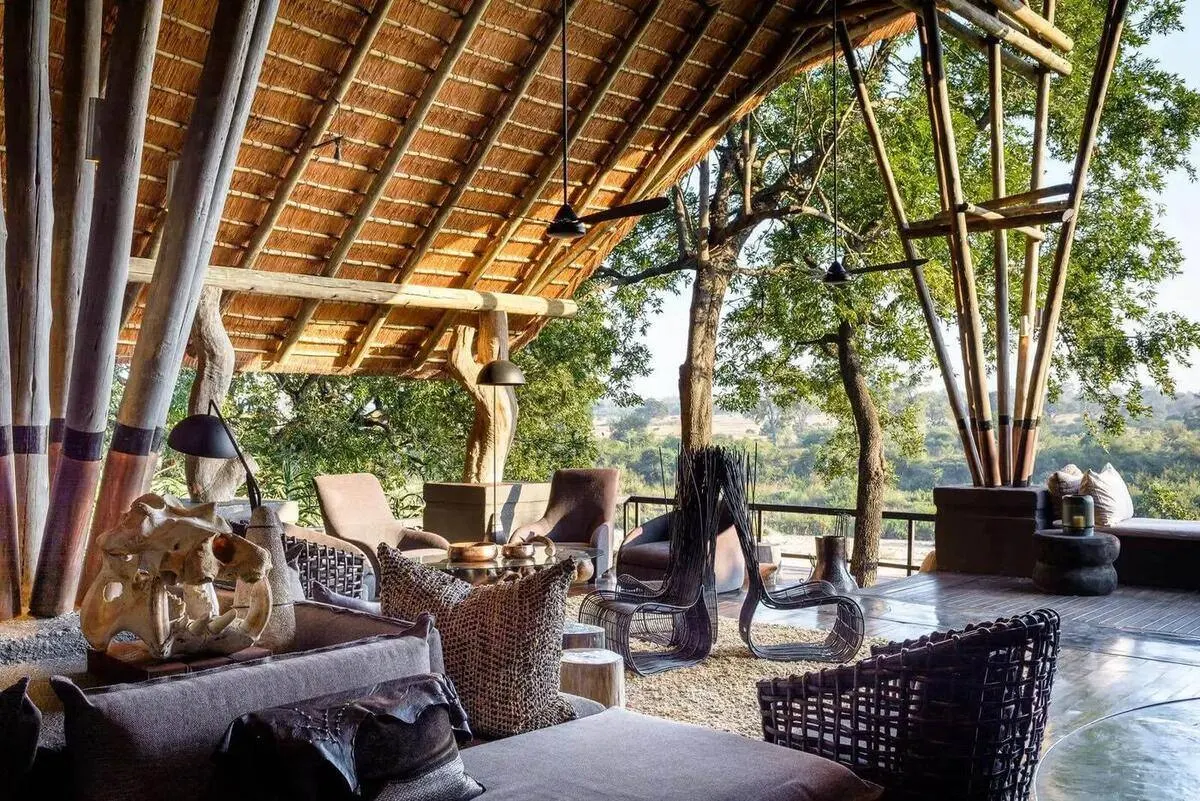
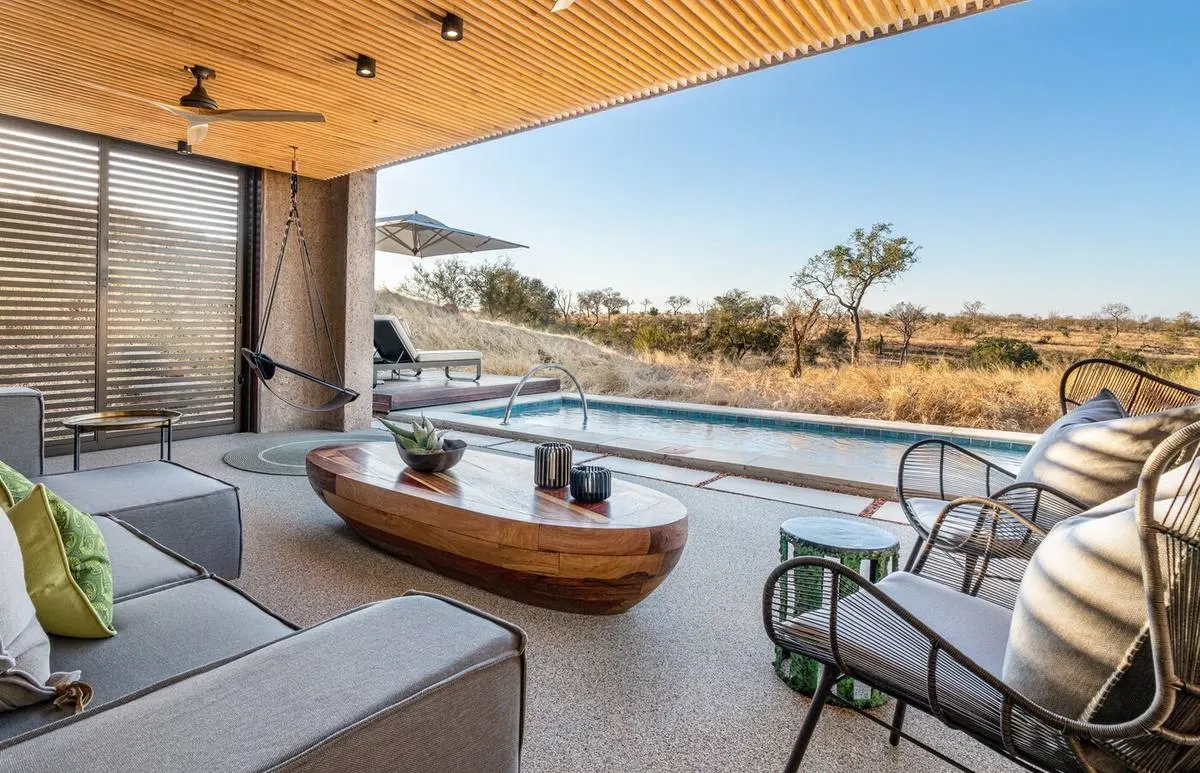
The standard of food at South Africa's top safari lodges is genuinely world-class. Chefs at properties like those in Sabi Sands, the Waterberg, and the Eastern Cape have trained at some of the finest culinary institutions in the world, and they bring that expertise to the bush with remarkable results. Multi-course dinners served by candlelight in open-air bomas (traditional circular enclosures), with the sounds of the African night as ambient music, are a regular feature of the luxury lodge experience.
Menus typically celebrate local and seasonal ingredients. Expect dishes like kudu carpaccio with wild herb oil, springbok loin with marula jus, freshwater crayfish from the Limpopo River, and malva pudding (a sticky, sweet South African dessert that is the bush equivalent of comfort food) for dessert. Wine lists at top lodges are impressive, drawing heavily from the Cape Winelands — Stellenbosch Cabernet Sauvignon and Franschhoek Chardonnay pair beautifully with game meat.
For those interested in combining a safari with a wine experience, our Stellenbosch & Franschhoek Wine Tour is the perfect complement to a bush stay. The Cape Winelands are just 45 minutes from Cape Town and produce some of the finest wines in the Southern Hemisphere.
Traditional African Foods to Try on Safari
Biltong and Droëwors
Biltong is to South Africa what prosciutto is to Italy — a cured meat product that is deeply embedded in the national food culture. Made from beef, game (kudu, springbok, and ostrich are popular), or ostrich, it is air-dried with a blend of vinegar, salt, coriander, and black pepper. The result is intensely flavourful, high in protein, and utterly addictive. Droëwors is a dried sausage version, equally delicious. Both are essential safari snacks and make excellent gifts to take home.
Pap and Chakalaka
Pap is the staple food of much of sub-Saharan Africa, and in South Africa it is eaten at every meal, from breakfast (as a soft porridge with milk and sugar) to dinner (as a stiff accompaniment to meat and stew). Chakalaka — a spicy relish of tomatoes, onions, peppers, and beans — is the classic partner. Together, they represent the ubuntu spirit of South African food culture: simple, nourishing, and meant to be shared.
Bobotie
Bobotie is South Africa's unofficial national dish — a Cape Malay-influenced baked mince dish flavoured with curry spices, dried fruit, and topped with a savoury egg custard. It is a beautiful example of the country's multicultural food heritage, blending Dutch, Malay, and indigenous African influences. Many lodges serve bobotie as part of a traditional South African dinner, and it is well worth seeking out. Our Cape Malay Cooking Class in Bo-Kaap offers a hands-on introduction to this fascinating culinary tradition.
Malva Pudding
No safari dinner is complete without malva pudding. This dense, sticky sponge cake — made with apricot jam and drenched in a hot cream sauce — is the ultimate bush comfort food. Served warm with a scoop of vanilla ice cream or a dollop of fresh cream, it is the kind of dessert that makes you close your eyes and sigh with contentment. It is the perfect end to a long day in the bush.
Food and Wine Experiences Beyond the Bush
South Africa's food and wine scene extends far beyond the safari lodge. The Cape Winelands — just an hour from Cape Town — are home to some of the world's most beautiful wine estates, many of which have outstanding restaurants. Franschhoek, in particular, has earned a reputation as the food capital of South Africa, with a concentration of world-class restaurants that would not look out of place in Paris or New York.
The South Africa Winelands Gourmet Experience combines wine tasting at iconic estates with lunch at a Franschhoek restaurant and a tour of the historic town. It is the perfect way to round off a safari trip before flying home, or to ease yourself into the African experience before heading into the bush.
For those who want to explore Cape Town's vibrant food scene, the city offers everything from street food at the Old Biscuit Mill market to fine dining at restaurants consistently ranked among the world's best. Our Bo-Kaap Cultural Food Tour is a wonderful introduction to the city's diverse culinary heritage.
Dietary Requirements on Safari
One of the most common questions we receive from guests is whether dietary requirements can be accommodated on safari. The answer, at reputable lodges and with good operators, is almost always yes. Vegetarian, vegan, gluten-free, halal, and kosher diets can all be catered for with advance notice. The key is to communicate your requirements clearly when booking — do not leave it until you arrive at the lodge.
Self-catering in national park rest camps requires more planning, but most camp shops stock a reasonable range of fresh produce, dairy, and dry goods. If you have specific dietary needs, it is worth bringing some supplies from the nearest town. Our South Africa Travel Guide includes practical advice on shopping and self-catering in the national parks.
Plan Your Safari Food Experience
Food is one of the great joys of African travel, and with a little planning, you can ensure that your safari is as much a culinary adventure as a wildlife one. Whether you are dreaming of a bush braai under the stars, a sundowner on a rocky kopje, or a gourmet dinner at a five-star lodge, we can help you create the perfect experience.
Our team of Cape Town-based safari specialists knows the best lodges for food lovers, the most scenic spots for bush breakfasts, and the finest wine estates to visit before or after your safari. Get in touch with us today to start planning your African food adventure, or use our safari planner to explore our full range of packages. Come hungry — Africa will not disappoint.
Tours & Safaris You'll Love
Handpicked by our team based on what you're reading. Book direct for the best price — guaranteed.
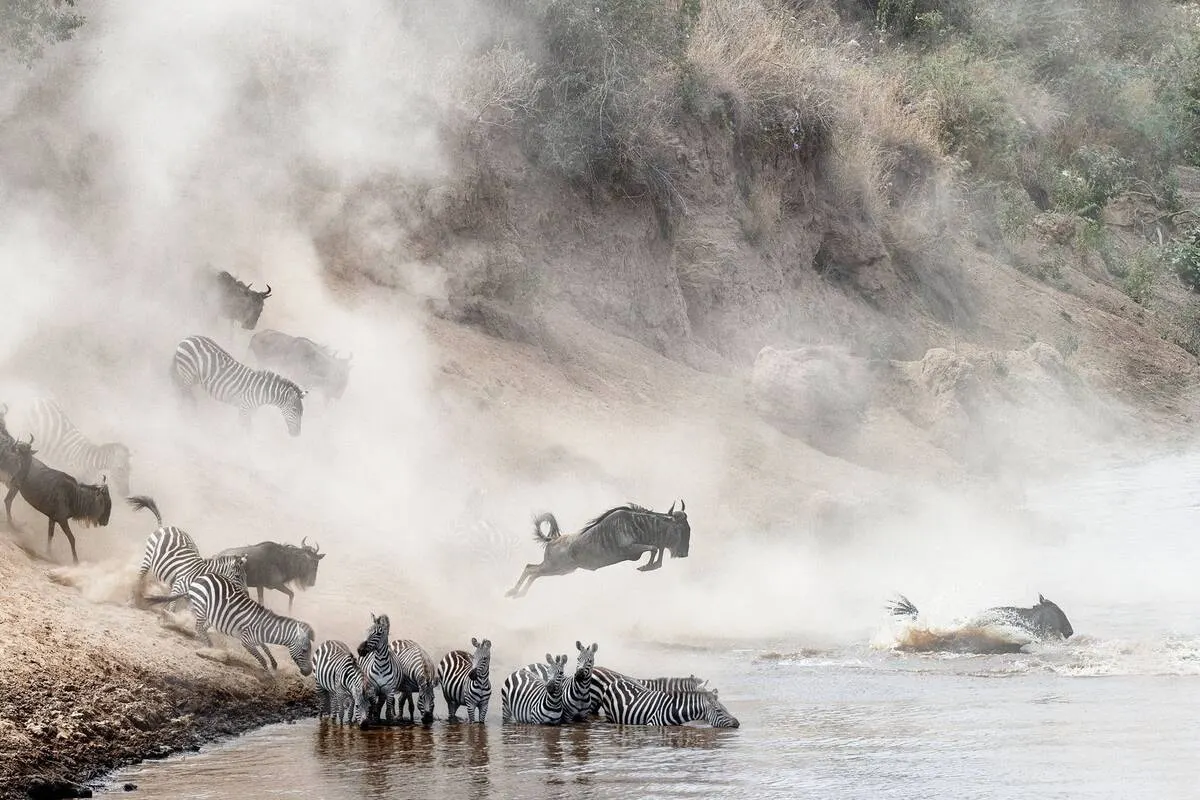
Serengeti Great Migration River Crossing — Mara River Safari
Witness the world's greatest wildlife spectacle — wildebeest crossing the Mara
per person • Best price direct
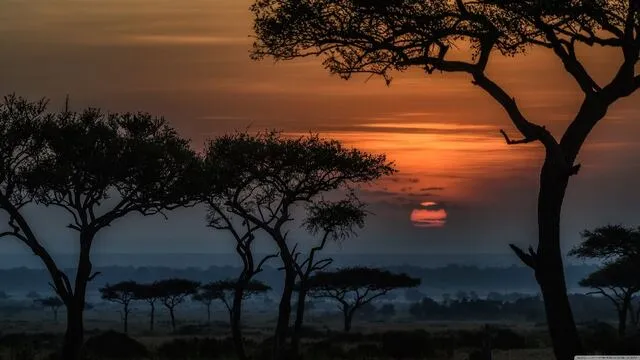
Masai Mara Great Migration Safari — River Crossing Season
Witness nature's greatest spectacle — millions of wildebeest crossing the Mara River
per person • Best price direct
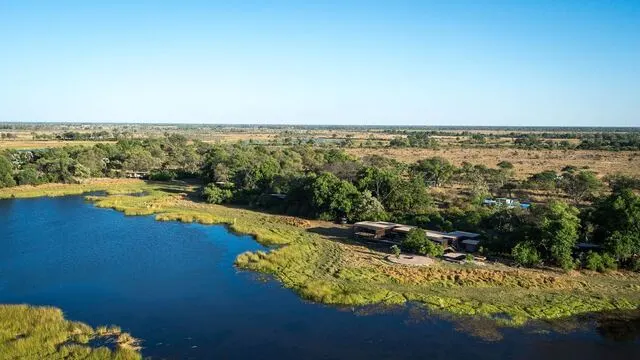
Okavango Delta Fly-In Safari — Luxury Bush Camp
The world's most exclusive safari destination from above and within
per person • Best price direct
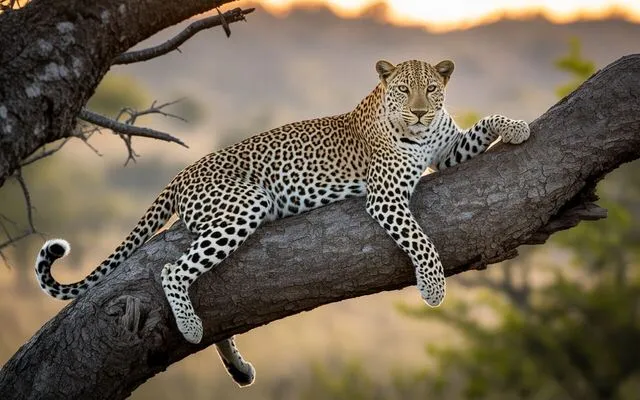
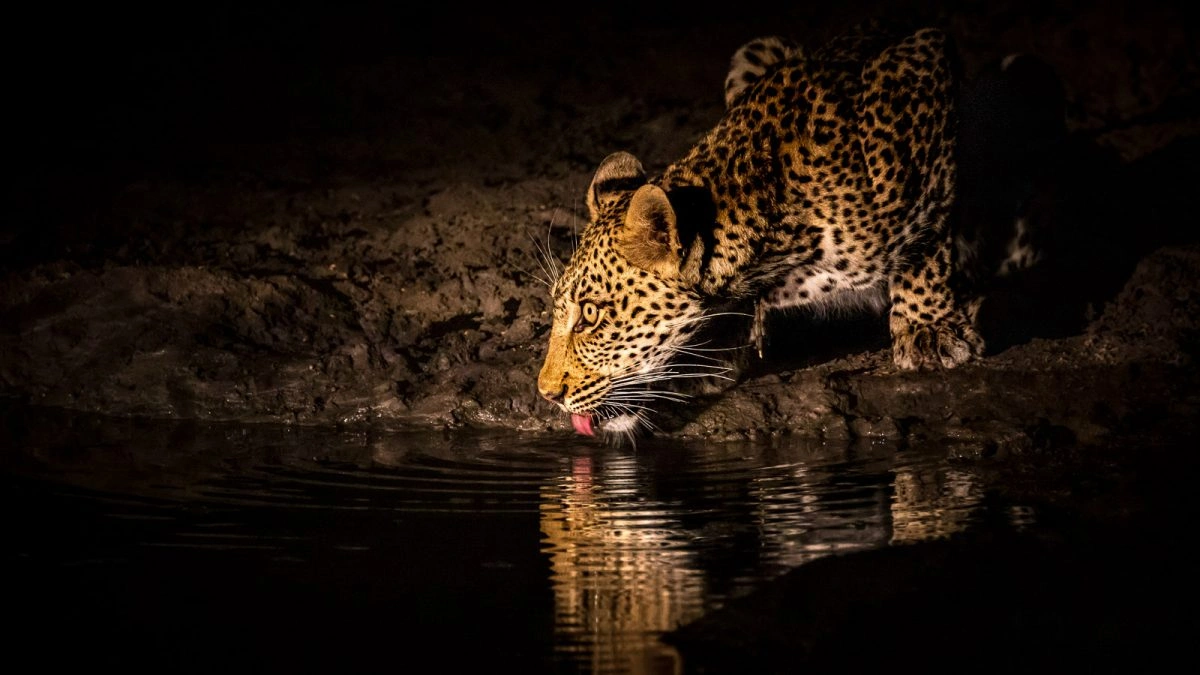
Sabi Sands Leopard Tracking Safari — World's Best Leopard Sightings
The world's #1 destination for leopard sightings — 95% success rate
per person • Best price direct
Why book with middlemen? Same tours, lower prices, direct support from our team.
Get a Free Custom Quote