
Africa's Big Five: A Complete Wildlife Guide to Behaviour, Habitat & Where to Find Them
The term "Big Five" was originally coined by big-game hunters to describe the five most dangerous animals to hunt on foot in Africa. Today, thankfully, the only shooting most of us do is with a camera — and the Big Five remain the most sought-after wildlife sightings on any African safari. But understanding these animals goes far beyond simply ticking them off a list.
At Ingwe Africa Safaris, our guides have spent decades in the bush, and they will tell you that the more you understand about animal behaviour and habitat, the richer and more rewarding your safari experience becomes. So let us take you deep into the world of Africa's most iconic wildlife — where they live, how they behave, and where you have the best chance of seeing them in the wild.
1. The African Lion (Panthera leo)
Behaviour
Lions are the only truly social big cats, living in groups called prides that typically consist of 10–15 animals — several related females, their cubs, and one or more dominant males. The females do the majority of the hunting, working cooperatively to bring down prey much larger than themselves, including buffalo and giraffe. Males, with their magnificent manes, are primarily responsible for defending the pride's territory.
Lions are famously lazy — they sleep up to 20 hours a day to conserve energy in the heat. The best time to see them active is at dawn and dusk, when temperatures drop and they begin to hunt. A lion's roar can be heard up to 8 kilometres away and is used to communicate with pride members and warn rival males away from their territory. Hearing it echo across the bush at night is one of Africa's most spine-tingling experiences.
Habitat
Lions are highly adaptable and can be found in a variety of habitats, from open savannah and grassland to woodland and semi-arid scrub. They are absent from dense rainforest and the driest deserts. The Serengeti-Mara ecosystem supports one of the largest lion populations in Africa, while Kruger National Park in South Africa is home to around 1,600 lions.
Best Parks to See Lions
- Serengeti National Park, Tanzania — Massive open plains make for spectacular lion sightings, especially during the Great Migration when prey is abundant.
- Masai Mara, Kenya — Famous for its large, habituated prides that are comfortable around vehicles.
- Kruger National Park, South Africa — Excellent lion sightings year-round, particularly in the southern section.
- Hwange National Park, Zimbabwe — Large prides and excellent sightings around waterholes in the dry season.
Explore our Kruger Full Day Open Vehicle Safari for prime lion-spotting opportunities, or browse our full range of African safari packages.
So let us take you deep into the world of Africa's most iconic wildlife — where they live, how they behave, and where you have the best chance of seeing them in the wild.
2. The African Leopard (Panthera pardus)
Behaviour
The leopard is the most elusive and arguably the most beautiful of the Big Five. Solitary and largely nocturnal, leopards are masters of concealment — their rosette-patterned coats provide extraordinary camouflage in dappled light, and they can vanish into the bush in seconds. They are also remarkably strong: a leopard can haul a carcass twice its own body weight up into a tree to keep it safe from lions and hyenas.
Leopards are opportunistic hunters with a remarkably varied diet — from dung beetles and frogs to impala and young wildebeest. They hunt primarily at night, using their exceptional low-light vision and hearing. During the day, they are most often found resting in the fork of a large tree or in dense riverine vegetation. Patience and sharp eyes are essential for spotting them.
Habitat
Leopards are the most widely distributed of all the big cats, found across sub-Saharan Africa and parts of Asia. In Africa, they favour riverine woodland, rocky outcrops (kopjes), and areas with dense vegetation that provide cover for stalking prey. They are highly adaptable and have even been recorded in the suburbs of day trips">Cape Town and Johannesburg.
Best Parks to See Leopards
- Sabi Sands Game Reserve, South Africa — The undisputed leopard capital of Africa. The leopards here are so habituated to vehicles that sightings are almost guaranteed. Night drives make encounters even more likely.
- South Luangwa National Park, Zambia — Exceptional leopard density and superb night safari operations.
- Moremi Game Reserve, Botswana — Beautiful riverine habitat with excellent leopard sightings.
- Kruger National Park, South Africa — Good sightings, particularly in the southern and central regions.
Our Sabi Sands Leopard Tracking Safari is specifically designed to maximise your chances of extraordinary leopard encounters. It is, without question, one of the most lekker wildlife experiences in Africa.
3. The African Elephant (Loxodonta africana)
Behaviour
African elephants are the largest land animals on Earth, with bulls reaching up to 6,000 kg. They are also among the most intelligent and emotionally complex animals in the world. Elephants live in tight-knit family groups led by a matriarch — the oldest and most experienced female — who guides the herd to water and food sources using knowledge accumulated over decades.
Elephants communicate through a remarkable range of vocalisations, including infrasound rumbles that travel through the ground and can be detected by other elephants kilometres away. They display clear signs of grief, joy, and empathy, and have been observed mourning their dead. Watching a breeding herd interact — calves playing, mothers nursing, teenagers mock-charging each other — is endlessly fascinating.
An adult elephant eats up to 300 kg of vegetation and drinks up to 200 litres of water per day, making them a keystone species that shapes entire ecosystems. Their habit of pushing over trees opens up woodland for other species, while their dung disperses seeds across vast distances.
Habitat
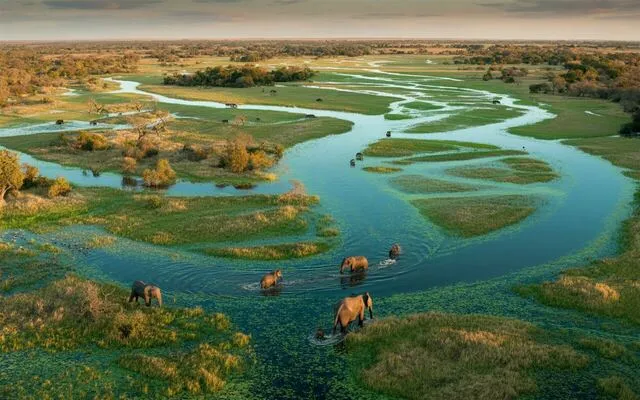
African elephants are found across a wide range of habitats, from dense forest to open savannah, semi-arid scrub, and even the Namib Desert. They require large home ranges and access to permanent water, making them particularly vulnerable to habitat fragmentation.
Best Parks to See Elephants
- Chobe National Park, Botswana — Home to the largest elephant population in Africa, with up to 130,000 animals. Boat safaris on the Chobe River offer extraordinary close-up encounters.
- Hwange National Park, Zimbabwe — Over 45,000 elephants, with spectacular concentrations around waterholes in the dry season.
- Addo Elephant National Park, South Africa — A malaria-free option with over 600 elephants in a compact, easily navigable park.
- Amboseli National Park, Kenya — Famous for large-tusked elephants against the backdrop of Mount Kilimanjaro.
Our Botswana Chobe Elephant Safari and Addo Elephant Full Day Safari are both exceptional choices for elephant encounters. Use our safari cost calculator to compare options.
4. The African Rhinoceros
Behaviour
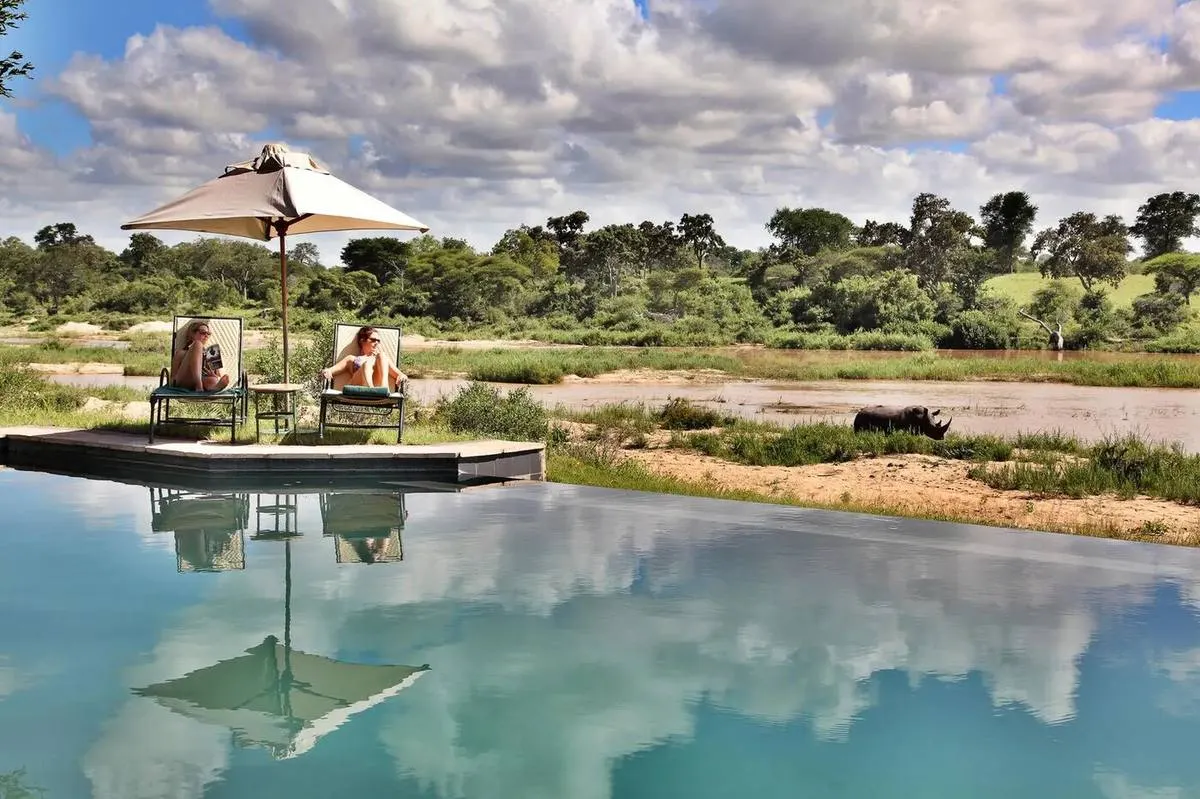
Africa is home to two species of rhinoceros: the white rhino (Ceratotherium simum) and the critically endangered black rhino (Diceros bicornis). Despite their names, both species are grey — the names are thought to derive from the Afrikaans word "weit" (wide), describing the white rhino's broad, square lip, adapted for grazing. The black rhino has a pointed, hooked lip for browsing on leaves and shrubs.
White rhinos are generally more placid and social, often found in small groups. Black rhinos are solitary, notoriously short-sighted, and can be dangerously unpredictable — they are responsible for more human fatalities in Africa than any other large mammal. Both species are under severe threat from poaching for their horns, which are tragically valued in some Asian markets for unproven medicinal properties.
Rhinos have poor eyesight but excellent hearing and smell. They are most active in the early morning and late afternoon, spending the heat of the day resting in shade or wallowing in mud to cool down and protect their skin from parasites.
Best Parks to See Rhinos
- Hluhluwe-iMfolozi Park, South Africa — The birthplace of Operation Rhino, which saved the white rhino from extinction in the 1960s. Excellent white and black rhino sightings.
- Etosha National Park, Namibia — Good black rhino sightings, particularly at floodlit waterholes at night.
- Ol Pejeta Conservancy, Kenya — Home to the world's last two northern white rhinos and a significant black rhino population.
- Kruger National Park, South Africa — Despite poaching pressure, Kruger still supports significant white rhino numbers.
Our Hluhluwe-iMfolozi Big Five Safari offers excellent rhino viewing in a malaria-free environment. Browse our Kruger National Park destination guide for more information on rhino conservation efforts.
5. The African Buffalo (Syncerus caffer)
Behaviour
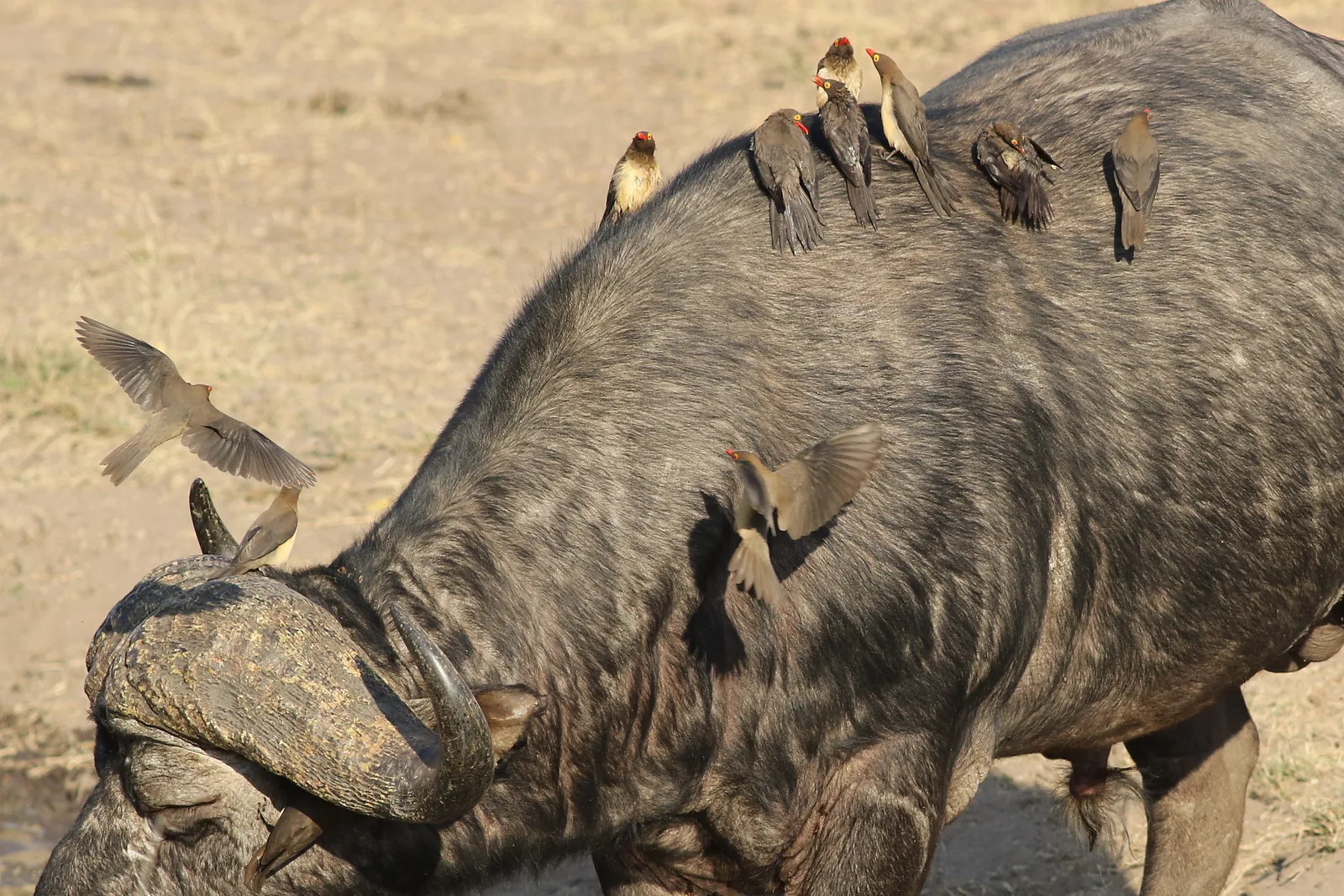
The African buffalo is often underestimated by first-time safari-goers — it looks like a large cow, after all. But experienced guides will tell you that the buffalo is arguably the most dangerous of the Big Five. Known as "Black Death" or "Widowmaker" by hunters, buffalo are responsible for a significant number of human fatalities in Africa each year. Old bulls that have been expelled from the herd — known as "dagga boys" — are particularly unpredictable and aggressive.
Buffalo are highly social animals, living in herds that can number in the thousands on the open plains of East Africa. They have a fascinating democratic decision-making process: when it is time to move, females stand and face the direction they want to go, and the herd moves in the direction that the majority of females indicate. They are also known for their remarkable collective defence against predators — a herd of buffalo will actively mob and chase lions, and have been known to rescue calves from the jaws of predators.
Buffalo are grazers, preferring tall, coarse grasses that other herbivores avoid. They require access to water daily and are never found far from rivers or waterholes. Their dung is an important food source for dung beetles, which in turn aerate the soil and improve pasture quality.
Habitat
Buffalo are found across sub-Saharan Africa in a variety of habitats, from open savannah and floodplains to montane forest. They are absent from desert and semi-arid regions. The largest herds are found in East Africa's great plains ecosystems.
Best Parks to See Buffalo
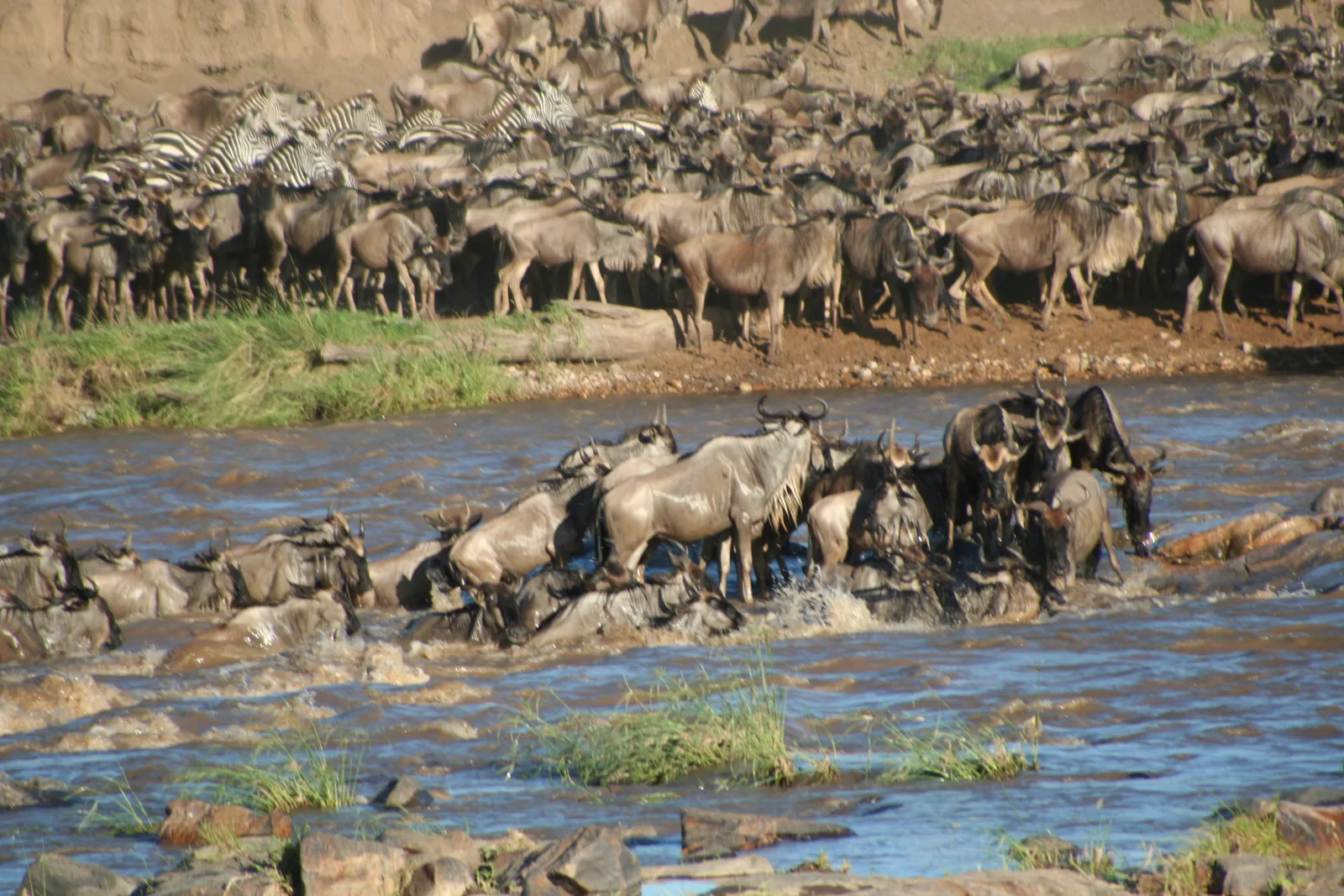
- Serengeti National Park, Tanzania — Massive herds of thousands of animals on the open plains.
- Kruger National Park, South Africa — Excellent sightings throughout the park, with large herds in the north.
- Queen Elizabeth National Park, Uganda — Large herds and excellent predator-prey interactions.
- Katavi National Park, Tanzania — One of Africa's most remote parks, with spectacular buffalo concentrations around shrinking waterholes in the dry season.
Tips for Maximising Your Big Five Sightings
Go in the Dry Season
The dry season (generally May to October in southern Africa, June to October in East Africa) is the best time for wildlife viewing. Vegetation is sparse, animals concentrate around water sources, and roads are more accessible. Expect to pay a premium for accommodation during peak season — book well in advance.
Choose the Right Vehicle
Open 4x4 game drive vehicles offer the best experience — you are at eye level with the animals, you can stand up for better views, and there is no glass between you and the bush. Private vehicles with a dedicated guide and tracker give you the flexibility to spend as long as you like at a sighting without being rushed by other guests.
Go Out at Dawn and Dusk
The golden hours of early morning and late afternoon are when most predators are active and the light is perfect for photography. Many camps offer night drives after dinner, which dramatically increase your chances of seeing nocturnal species like leopard, hyena, and aardvark.
Listen to Your Guide
An experienced guide is worth their weight in gold. They can read tracks, interpret animal behaviour, and anticipate where animals will move next. Trust their instincts — they have spent years in the bush developing an intuition that no amount of guidebook reading can replicate.
Plan Your Big Five Safari with Ingwe Africa Safaris
Whether you are dreaming of your first Big Five sighting or hoping to finally tick off that elusive leopard, we are here to help you plan the perfect safari. Our team of experienced Cape Town-based operators knows Africa's best parks and private reserves intimately, and we will match you with the right destination, camp, and itinerary for your budget and interests.
Use our safari planning tool to start building your itinerary, or send us an enquiry and one of our safari specialists will be in touch within 24 hours. We also offer a safari cost calculator to help you understand what different experiences cost across different destinations.
Africa's Big Five are waiting. Let's go find them together — it is going to be absolutely lekker.
Tours & Safaris You'll Love
Handpicked by our team based on what you're reading. Book direct for the best price — guaranteed.
Kruger Luxury Safari — Big Five Private Game Reserve
Exclusive Big Five encounters in Kruger's finest private concessions
per person • Best price direct
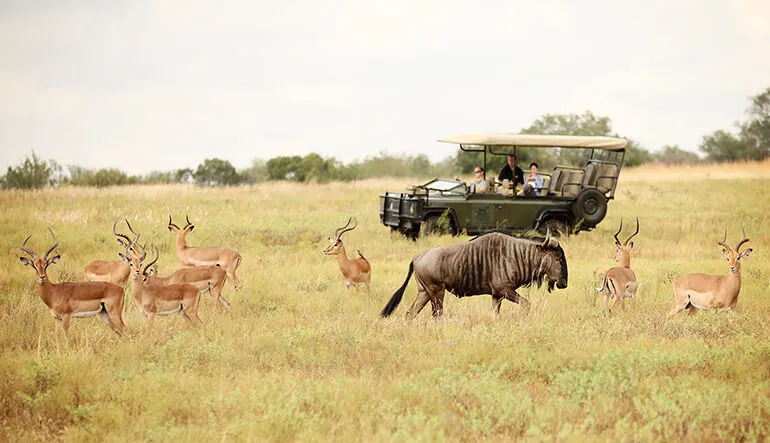
Kruger Full-Day Open Vehicle Safari
Expert-Guided Big Five Game Drive from Hazyview
per person • Best price direct
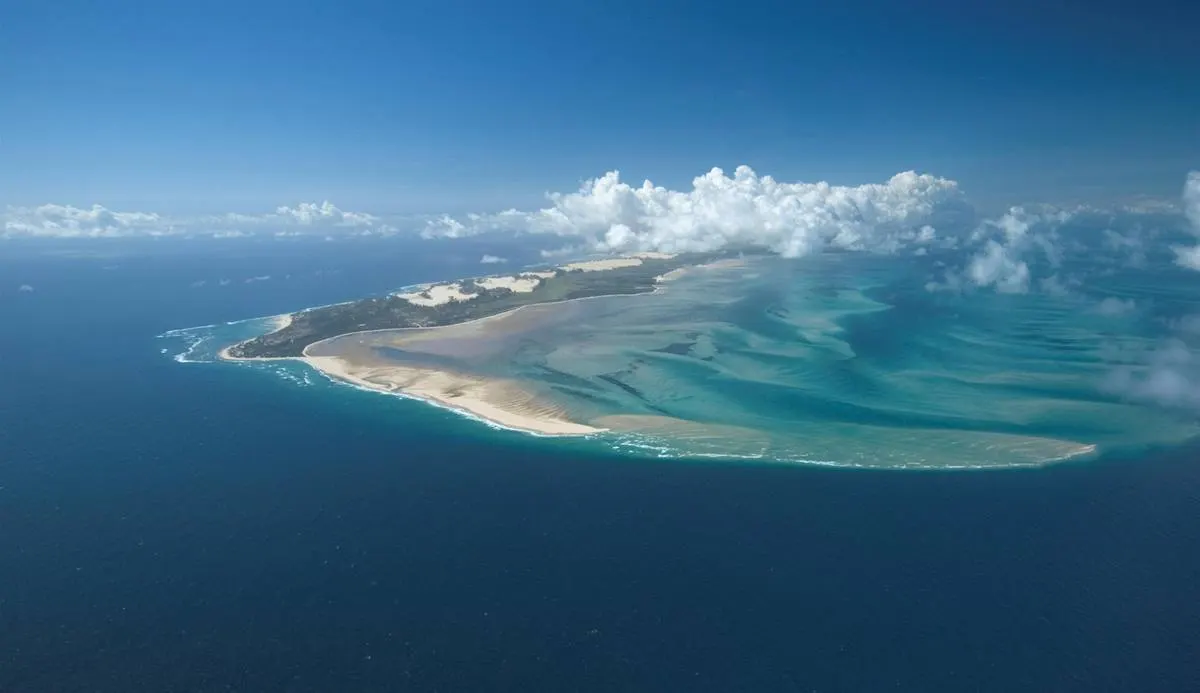
Kruger Safari & Mozambique Beach Combo — 7-Day Ultimate
The #1 selling Africa itinerary — Big Five safari + Indian Ocean paradise
per person • Best price direct
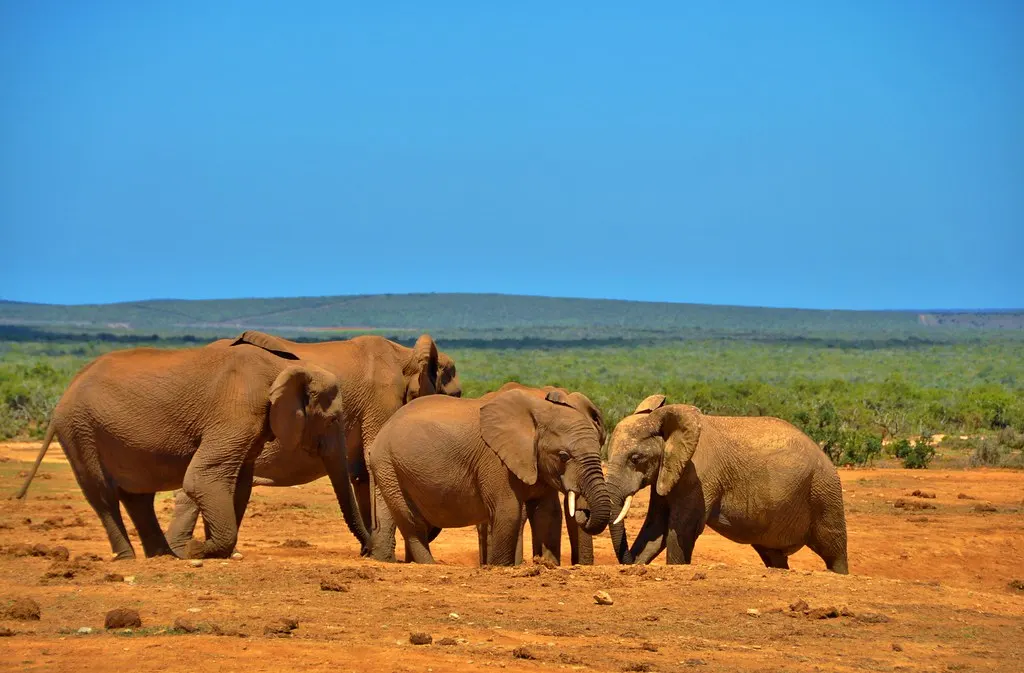
Addo Elephant National Park Full-Day Safari
Malaria-Free Big Five Park — 600+ Elephants
per person • Best price direct
Why book with middlemen? Same tours, lower prices, direct support from our team.
Get a Free Custom Quote