Safari Photography Tips for Beginners: How to Capture Africa's Wildlife Like a Pro
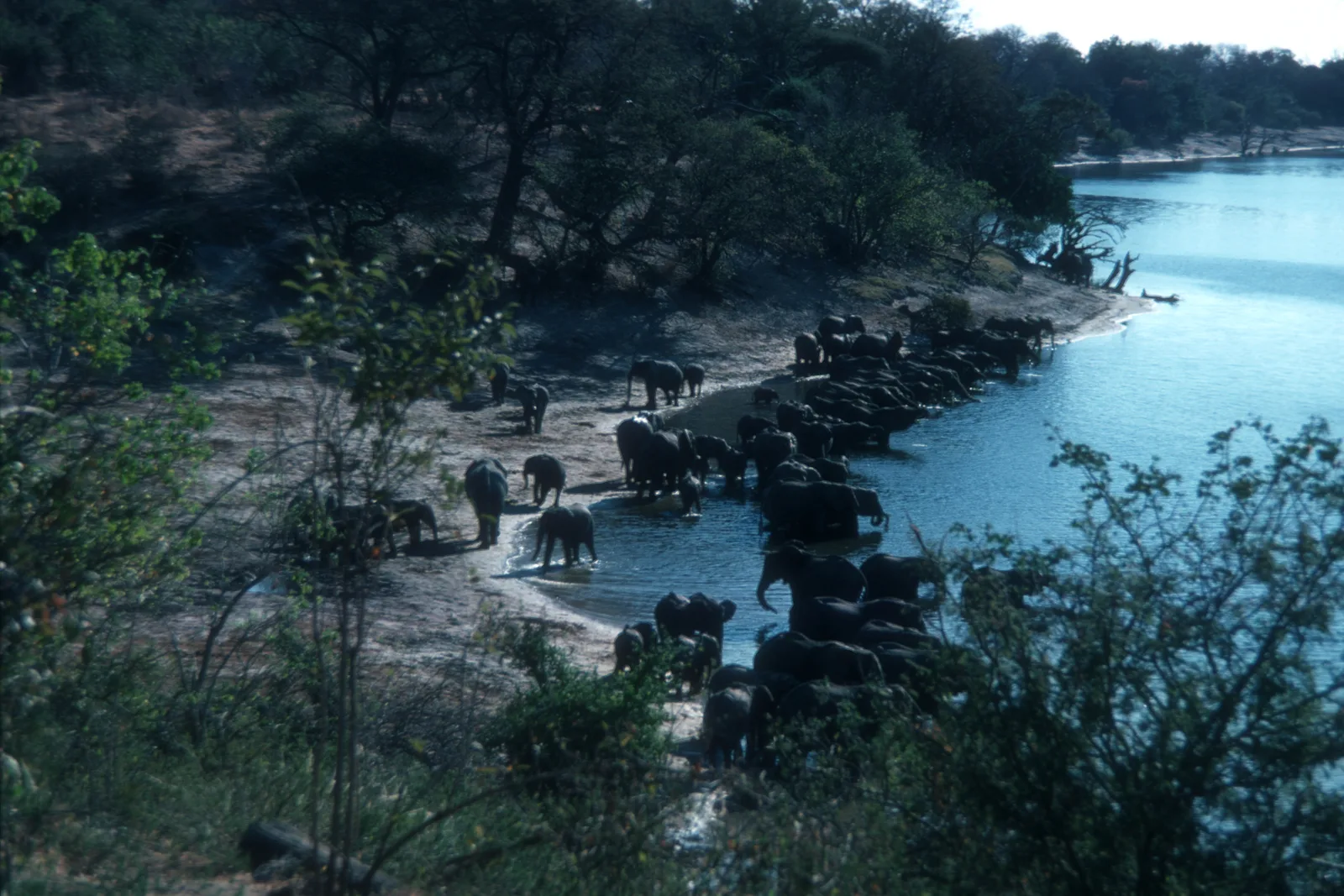
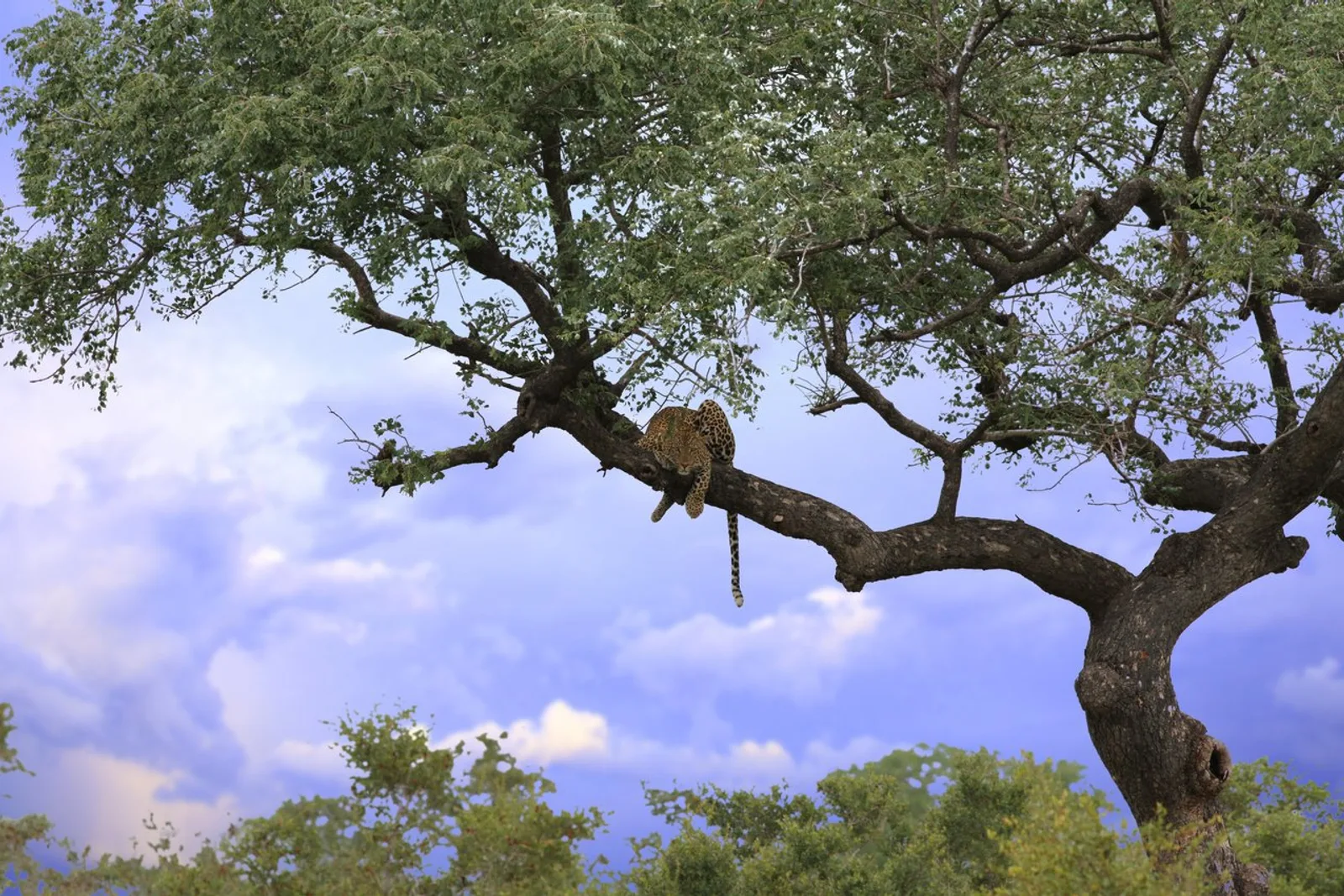
There is nothing quite like the moment a leopard locks eyes with your camera lens, or when a herd of elephants crosses the dusty plains at golden hour. Africa's wildlife is breathtaking — and capturing it on camera is one of the most rewarding challenges any photographer can take on. Whether you're heading out on your first Big Five day safari or planning a dedicated wildlife photography masterclass in Kruger, these safari photography tips for beginners will help you come home with images that do justice to the magic you witnessed.
We've guided thousands of guests through the African bush from our base here in day trips">Cape Town, and we've seen every kind of camera setup — from entry-level DSLRs to professional mirrorless rigs. The good news? Great safari photos are less about gear and more about understanding light, animal behaviour, and patience. Let's break it all down.
Understanding Light: The Golden Hours Are Everything
In safari photography, light is your most powerful tool. The golden hours — roughly the first hour after sunrise and the last hour before sunset — produce warm, directional light that makes wildlife images come alive. Shadows are long, colours are rich, and animals are typically most active during these cooler parts of the day.
Most game drives are scheduled precisely around these windows, so you're already in the right place at the right time. The key is to be ready. Have your camera out, settings dialled in, and your eye to the viewfinder before the vehicle stops. Animals don't wait for you to fumble with your lens cap.
Midday light is harsh and flat — not ideal for wildlife portraits. Use this time to review your shots, adjust your settings, or simply soak in the atmosphere. Some of the most dramatic skies appear just before a storm, so don't pack away your camera during overcast conditions either.
Camera Settings for Golden Hour Wildlife Shots
For beginners, shooting in Aperture Priority (Av or A mode) is a great starting point. Set your aperture to f/5.6 or f/8 for sharp subjects with a pleasingly blurred background. Keep your ISO as low as possible in good light (ISO 400–800), and let the camera choose the shutter speed — just make sure it doesn't drop below 1/500s when photographing moving animals.
As the light fades, you'll need to push your ISO higher (ISO 1600–6400 on modern cameras is very manageable). Don't be afraid of a little grain — a slightly noisy image of a lion at dusk is infinitely better than a blurry one.
Choosing the Right Gear Without Breaking the Bank You don't need to spend a fortune to take stunning safari photos.
Choosing the Right Gear Without Breaking the Bank
You don't need to spend a fortune to take stunning safari photos. Here's a practical breakdown of what you actually need:
Camera Body
Any modern DSLR or mirrorless camera with decent autofocus will serve you well. Entry-level options from Canon, Nikon, Sony, or Fujifilm in the $500–$900 USD range are perfectly capable. If you already own a camera, use it — don't delay your trip waiting for the "perfect" upgrade.
Lenses: The Most Important Investment
A telephoto lens is non-negotiable on safari. A 100–400mm zoom lens gives you the versatility to photograph distant lions and close-up elephant portraits from the same vehicle. Budget around $400–$1,200 USD for a quality zoom in this range. If you're on a tighter budget, a 70–300mm kit lens will still produce excellent results on most game drives.
For those joining our Kruger birding and photography safari, a 500mm or 600mm prime lens is worth considering — birds require serious reach. But for general Big Five photography, a versatile zoom is your best friend.
Essential Accessories
Pack extra batteries (cold mornings drain them fast), a bean bag or window mount for vehicle-based shooting, a blower brush for dust, and at least two large-capacity memory cards. A lens cloth is essential — the African bush is dusty, and you'll be cleaning your glass constantly. Budget around $100–$200 USD for these accessories.
Mastering Autofocus for Moving Wildlife
One of the biggest challenges for beginner safari photographers is keeping fast-moving animals in sharp focus. Modern cameras have incredibly sophisticated autofocus systems — the trick is knowing how to use them.
Use Continuous Autofocus (AI Servo / AF-C)
Switch your camera to continuous autofocus mode (called AI Servo on Canon, AF-C on Sony and Nikon). This mode tracks moving subjects and continuously adjusts focus as they move. It's essential for photographing running cheetahs, birds in flight, or elephants charging toward the vehicle.
Focus on the Eye
The golden rule of wildlife photography: always focus on the nearest eye. A sharp eye draws the viewer into the image and creates an emotional connection. Many modern cameras have eye-detection autofocus built in — enable it if yours does. If you're shooting manually, use a single focus point and place it directly on the animal's eye.
Burst Mode Is Your Friend
When action happens, hold down the shutter and fire a burst of shots. You might take 20 frames of a leopard leaping — and only one will be perfectly sharp. That's completely normal. Storage is cheap; missed moments are not. Shoot generously and edit ruthlessly later.
Composition: Telling a Story With Your Frame
Technical settings matter, but composition is what separates a snapshot from a photograph. A few simple principles will transform your safari images:
The Rule of Thirds
Imagine your frame divided into a 3x3 grid. Place your subject at one of the four intersection points rather than dead centre. This creates a more dynamic, visually interesting image. Leave space in the direction the animal is looking or moving — this is called "leading room" and it gives the image a sense of narrative.
Include Environmental Context
Don't always zoom in to fill the frame with your subject. Some of the most powerful safari images show an animal in its landscape — a lone elephant against a vast orange sky, or a pride of lions silhouetted on a kopje. These environmental portraits tell a story about Africa that tight close-ups simply cannot.
Get Low When You Can
Eye-level shots are almost always more powerful than shots taken from above. On a game drive vehicle, this means shooting from the lowest position possible — sometimes even resting your lens on the vehicle door. The slight upward angle makes your subject look more powerful and majestic.
Understanding Animal Behaviour: Patience Pays Off
The best safari photographers are also keen wildlife observers. Understanding animal behaviour helps you anticipate the shot before it happens — and that split-second advantage makes all the difference.
Lions yawn and stretch before they move. Elephants flap their ears and rumble when they're about to charge. Impalas freeze and stare before they bolt. Learning to read these cues takes time, but your guide is an invaluable resource. Ask them what to watch for — they've spent years reading the bush, and they'll often position the vehicle perfectly before the action unfolds.
Patience is the most underrated skill in wildlife photography. Some of the most extraordinary images come from sitting quietly at a waterhole for an hour, waiting for the right moment. Resist the urge to constantly move on to the next sighting. Sometimes the magic happens when you stay.
Practical Tips for Shooting From a Safari Vehicle
Most of your safari photography will happen from a moving or stationary game drive vehicle. Here are some lekker practical tips to make the most of this unique shooting platform:
- Turn off image stabilisation when the vehicle is stationary — it can actually introduce blur when there's no movement to compensate for.
- Use a bean bag or window mount instead of a tripod — they're more stable on a vehicle and much faster to deploy.
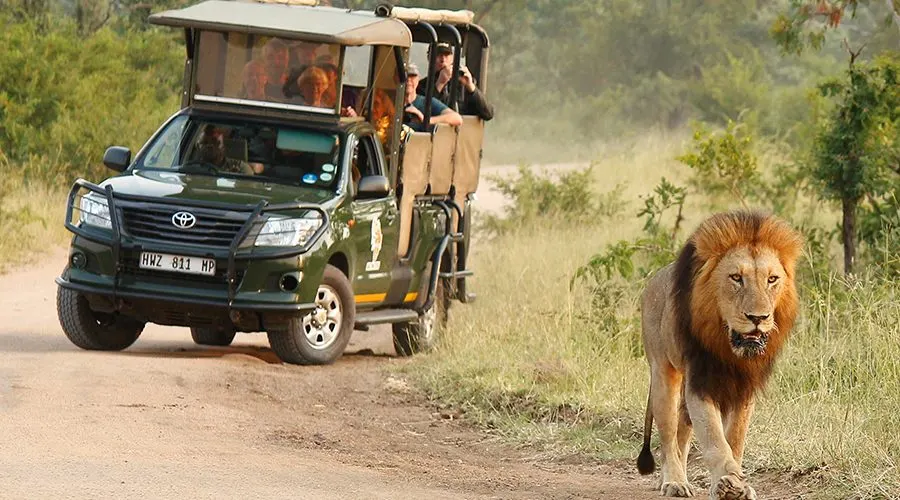
- Communicate with your guide — let them know you want to photograph something and they'll position the vehicle for the best angle and light.
- Switch off the engine — ask your guide to cut the engine when you're stationary at a sighting. Engine vibration causes blur in long telephoto shots.
- Dress in neutral colours — bright clothing can startle animals and ruin sightings for everyone.
Post-Processing: Bringing Your Safari Images to Life
Even the best in-camera shots benefit from some post-processing. Adobe Lightroom is the industry standard for wildlife photographers and costs around $10 USD per month. For beginners, the basic adjustments — exposure, contrast, highlights, shadows, and colour temperature — will transform your raw files into stunning finished images.
Shoot in RAW format if your camera supports it. RAW files contain far more data than JPEGs and give you much greater flexibility in post-processing. You can recover blown highlights, lift dark shadows, and fine-tune colours in ways that simply aren't possible with a JPEG.
Don't over-process your images. The goal is to enhance what was already there, not to create something artificial. Africa's colours — the warm ochres, deep greens, and electric blues — are extraordinary enough on their own.
Best Safari Destinations for Photography in Southern Africa
Not all safari destinations are created equal for photographers. Here are our top picks from the Ingwe Africa Safaris portfolio:
Kruger National Park, South Africa
Kruger is arguably the best all-round photography destination in Africa. The diversity of habitats, the density of wildlife, and the excellent road network mean you're almost guaranteed extraordinary sightings. Our Kruger Wildlife Photography Masterclass is specifically designed for photographers who want to take their skills to the next level under expert guidance.
Sabi Sands Private Game Reserve
Adjacent to Kruger, Sabi Sands is famous for its habituated leopards — animals so accustomed to vehicles that they'll walk right past you without a second glance. The Sabi Sands Leopard Tracking Safari offers some of the most intimate big cat encounters on the continent.
Masai Mara, Kenya
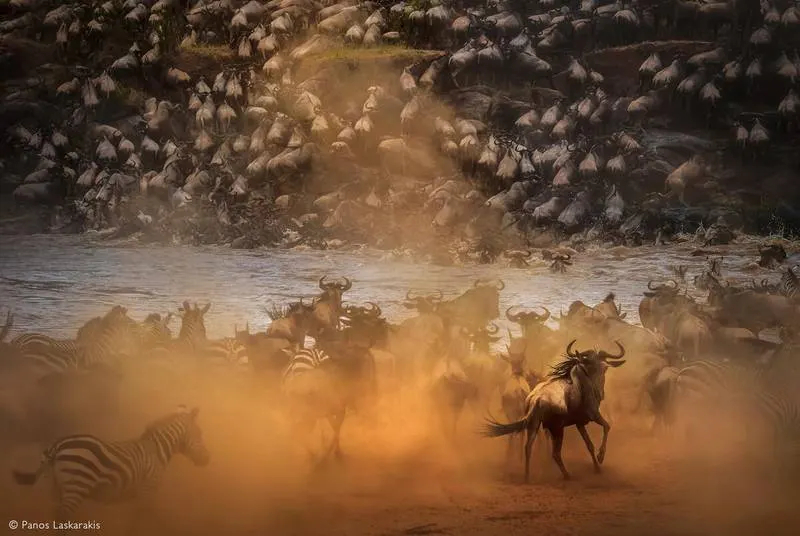
For dramatic action photography, nothing beats the Masai Mara during the Great Migration (July–October). Thousands of wildebeest crossing the crocodile-infested Mara River create scenes of raw, visceral drama. Our Masai Mara Big Cat Photography Safari puts you in the heart of the action with expert photographic guidance.
Budget Considerations for a Photography-Focused Safari
Planning a photography safari requires some additional budget considerations beyond the standard safari costs. Here's a rough breakdown:
- Camera gear: $1,000–$5,000+ USD depending on your setup
- Photography-specific safari: $300–$800 USD per day (includes specialist guides and optimal vehicle positioning)
- Standard safari with photography opportunities: $150–$400 USD per day
- Post-processing software: $10–$55 USD per month
- Extra memory cards and batteries: $50–$150 USD
Use our safari cost calculator to get a personalised estimate for your photography safari. We can tailor any itinerary to maximise your photographic opportunities within your budget.
Ready to Capture Africa Through Your Lens?
Safari photography is one of those experiences that stays with you forever. The images you bring home aren't just photographs — they're memories of extraordinary moments in one of the world's last great wildernesses. Whether you're a complete beginner or an enthusiastic amateur looking to level up, Africa will challenge and inspire you in equal measure.
At Ingwe Africa Safaris, we've been helping photographers of all levels capture the magic of the African bush for years. Our guides understand light, animal behaviour, and vehicle positioning — and they're passionate about helping you get the shot.
Ready to plan your photography safari? Contact our team today for a personalised itinerary, or explore our full range of safari tours and experiences. We'll help you find the perfect combination of destinations, timing, and expert guidance to make your safari photography dreams a reality. It's going to be lekker — we promise.
Tours & Safaris You'll Love
Handpicked by our team based on what you're reading. Book direct for the best price — guaranteed.
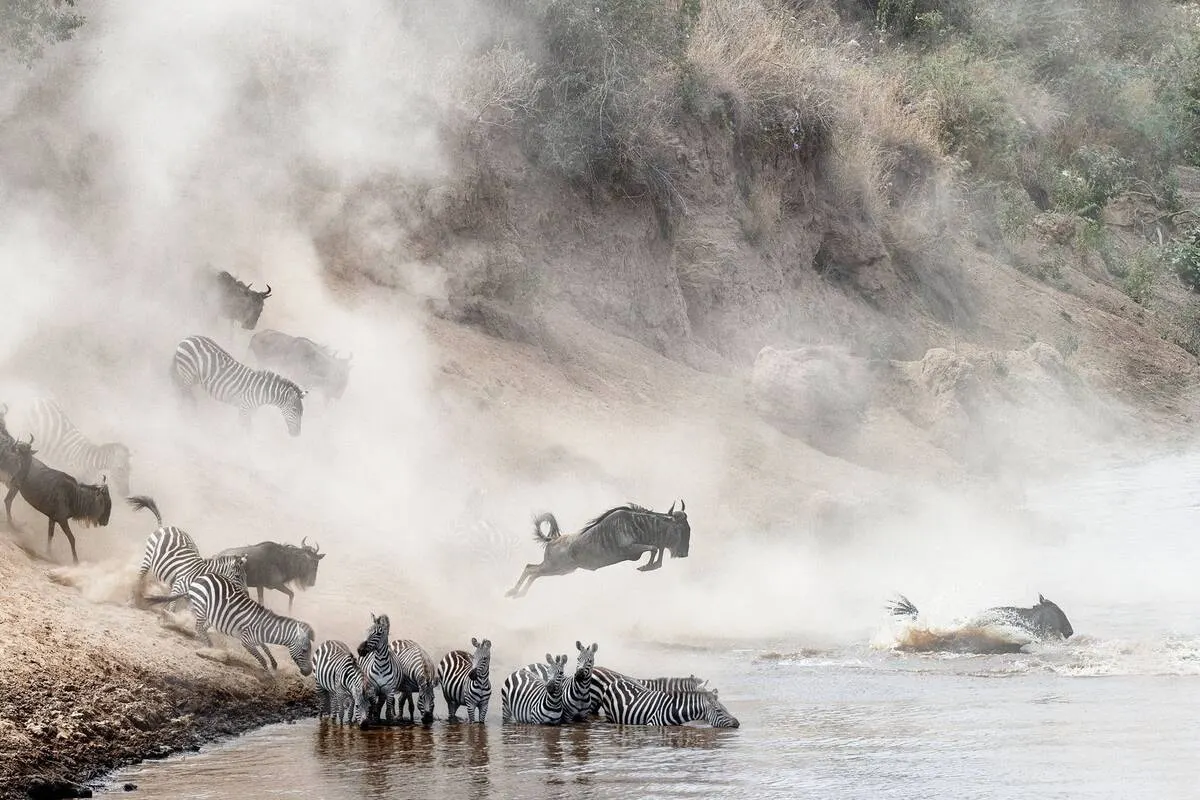
Serengeti Great Migration River Crossing — Mara River Safari
Witness the world's greatest wildlife spectacle — wildebeest crossing the Mara
per person • Best price direct
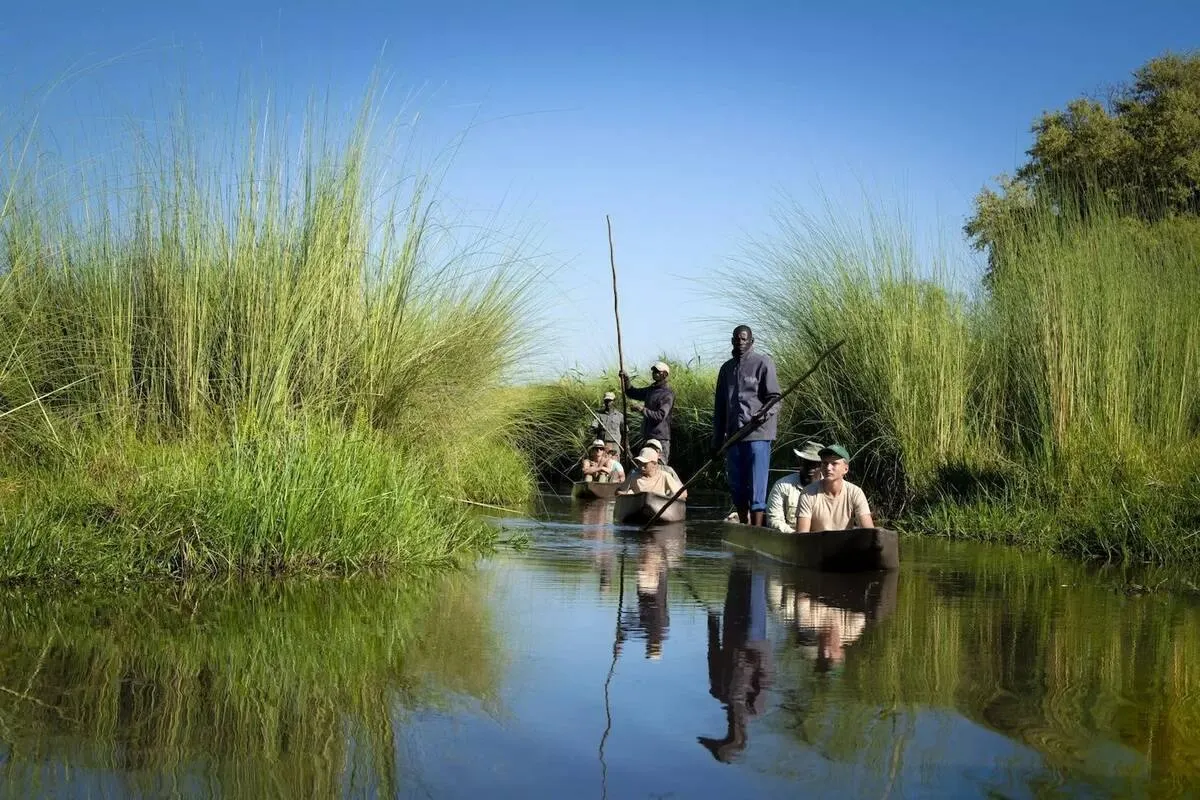
Okavango Luxury Fly-In Wilderness Camp — 5-Star Under Canvas
The world's most exclusive tented camp — deep in the delta
per person • Best price direct
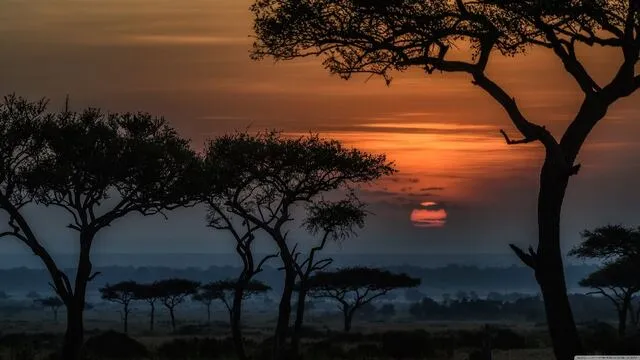
Masai Mara Great Migration Safari — River Crossing Season
Witness nature's greatest spectacle — millions of wildebeest crossing the Mara River
per person • Best price direct
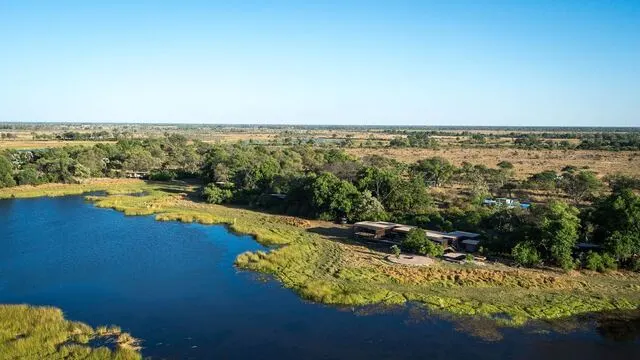
Okavango Delta Fly-In Safari — Luxury Bush Camp
The world's most exclusive safari destination from above and within
per person • Best price direct
Why book with middlemen? Same tours, lower prices, direct support from our team.
Get a Free Custom Quote