Best Binoculars for Safari Photography in 2026: A Complete Guide from the Bush
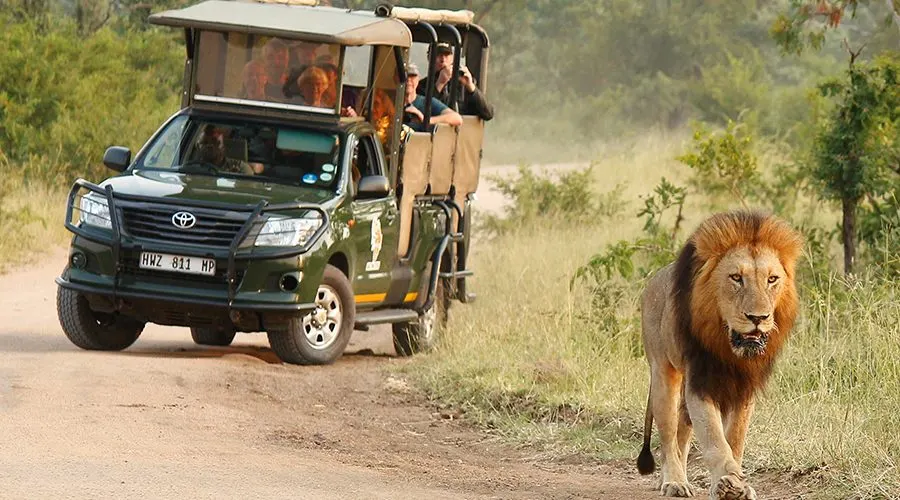
There is a moment on every great African safari when the guide whispers, "Leopard — twelve o'clock, in the marula tree." You scan the canopy, heart hammering, and then — with the right pair of binoculars — the dappled rosettes snap into breathtaking focus. That moment is why choosing the correct optics matters as much as choosing the right safari tour.
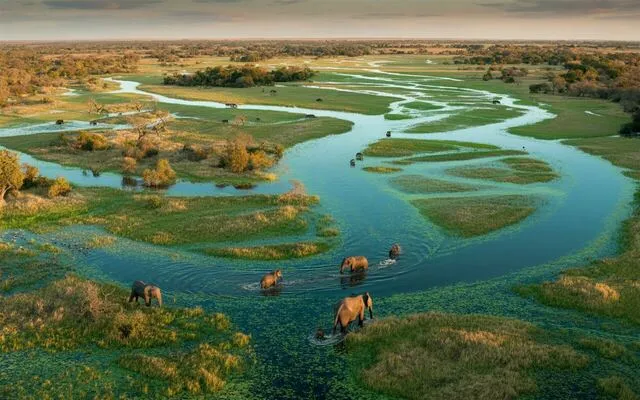
After years of guiding guests through Kruger, the Sabi Sands, and the Okavango Delta, our team at Ingwe Africa Safaris has tested dozens of binocular models in real bush conditions. Dust, humidity, early-morning mist, and the vibration of an open game-drive vehicle are the true proving grounds — not a laboratory. This guide distils everything we have learned so you arrive in Africa fully prepared.
Why Binoculars Matter More Than You Think
Many first-time safari guests assume their camera's telephoto lens will do all the heavy lifting. In practice, binoculars serve a completely different purpose. They let you find and read wildlife behaviour before you raise your camera. A lion's flattened ears, a cheetah's twitching tail, or an elephant's raised trunk — these behavioural cues tell you when the decisive moment is coming.
Professional wildlife photographers almost universally carry both a long lens and a quality pair of binoculars. The binoculars are for situational awareness; the camera is for capturing the shot. Think of them as partners, not competitors. If you are planning a wildlife photography masterclass in Kruger, your guide will tell you the same thing.
" You scan the canopy, heart hammering, and then — with the right pair of binoculars — the dappled rosettes snap into breathtaking focus.
Key Specifications Explained
Magnification and Objective Lens Diameter
Binoculars are described by two numbers, such as 8×42 or 10×50. The first number is the magnification; the second is the diameter of the objective (front) lens in millimetres. An 8×42 binocular magnifies eight times and has a 42 mm front lens.
For safari use, the sweet spot is 8×42 or 10×42. Eight-times magnification is easier to hold steady in a moving vehicle and gives a wider field of view — ideal for tracking fast-moving animals like cheetahs. Ten-times magnification brings distant subjects closer but requires a steadier hand. If you plan to spend time on birding and photography safaris, the extra reach of 10× is worth the trade-off.
Field of View
Field of view (FOV) describes how wide a scene you see at a given distance. A wider FOV makes it easier to locate and follow moving animals. Look for at least 330 feet (100 metres) at 1,000 yards. Wider is always better in the bush.
Eye Relief
If you wear glasses, eye relief is critical. You need at least 15 mm of eye relief to see the full image without removing your spectacles. Most premium binoculars now offer 17–20 mm, which is comfortable for all-day use.
Waterproofing and Fog-Proofing
Africa's weather is unpredictable. A sudden Highveld thunderstorm or the morning mist rolling off the Okavango can ruin unprotected optics in minutes. Always choose binoculars that are fully waterproof (O-ring sealed) and nitrogen- or argon-purged to prevent internal fogging. This is non-negotiable for bush use.
Our Top Binocular Picks for Safari 2026
1. Swarovski EL 8.5×42 — The Gold Standard (~$2,800)
If budget is no object, the Swarovski EL series is the benchmark against which all other safari binoculars are measured. The glass clarity is extraordinary — colours are true, edges are sharp, and low-light performance at dawn and dusk is unmatched. The ergonomic wrap-around grip is lekker comfortable during long game drives, and the open-bridge design makes one-handed operation easy when your other hand is steadying a camera.
The EL 8.5×42 hits a sweet spot between magnification and field of view that experienced guides love. It is the binocular you will still be using in twenty years. Pair it with a Sabi Sands leopard tracking safari and you will understand why serious wildlife photographers invest in the best glass they can afford.
2. Zeiss Victory SF 8×42 — Best for Eyeglass Wearers (~$2,200)
Zeiss's SmartFocus (SF) system allows incredibly fast focusing — a single rotation of the focus wheel covers the full range from close focus to infinity. In the bush, where a leopard can move from 20 metres to 200 metres in seconds, this speed is genuinely useful. The 20 mm eye relief is among the best in the industry, making it the top choice for guests who wear glasses.
The field of view at 426 feet per 1,000 yards is exceptionally wide, and the T* anti-reflective coating delivers brilliant contrast even in the harsh midday African sun. At around $2,200, it represents outstanding value in the premium tier.
3. Nikon Monarch M7 8×42 — Best Mid-Range Pick (~$450)
Not everyone wants to spend over $2,000 on optics, and that is perfectly understandable. The Nikon Monarch M7 delivers genuinely impressive performance at a fraction of the price. The ED (Extra-low Dispersion) glass minimises chromatic aberration, producing sharp, colour-accurate images that will satisfy most safari photographers.
It is fully waterproof, fog-proof, and robust enough to handle the rigours of a full-day open-vehicle Kruger safari. The field of view is wide, the focus wheel is smooth, and the overall build quality punches well above its price point. For first-time safari guests, this is our most recommended binocular.
4. Vortex Viper HD 10×42 — Best for Birding (~$400)
South Africa's birdlife is extraordinary — over 850 species in Kruger alone. If birding is a priority on your trip, the extra magnification of a 10×42 binocular pays dividends when you are trying to identify a Pel's fishing owl perched 80 metres away in a riparian forest.
The Vortex Viper HD uses high-density glass that delivers excellent colour fidelity and edge-to-edge sharpness. Vortex's unconditional lifetime warranty (they will repair or replace for any reason, no questions asked) is a genuine peace-of-mind bonus. At around $400, it is exceptional value for dedicated birders joining a Kruger birding and photography safari.
5. Leica Noctivid 8×42 — Best Low-Light Performance (~$2,700)
The golden hours of dawn and dusk are when Africa's predators are most active — and when the light is at its most challenging. The Leica Noctivid's HDC (High Durable Coating) and AquaDura lens coating deliver exceptional light transmission, making it the best binocular for the critical first and last thirty minutes of a game drive.
If you are planning a Kruger sunset and night safari, investing in high-quality low-light optics will transform what you see. The Noctivid's close focus distance of just 1.8 metres also makes it superb for butterfly and insect photography.
Compact Binoculars: Are They Worth It on Safari?
Compact binoculars (typically 8×25 or 10×25) are tempting because of their small size and light weight. However, we generally advise against them for safari use. The smaller objective lens gathers significantly less light, making them poor performers at dawn and dusk. The field of view is narrower, and the image quality rarely matches full-size models at the same price point.
The one exception is if you are combining your safari with a city break in day trips">Cape Town and want a single pair of binoculars for both whale watching from the cliffs and game viewing in the bush. In that case, a quality compact like the Swarovski CL Pocket 8×25 (~$1,100) is a reasonable compromise. Explore our Cape Town destination guide for the best whale-watching spots where compact binoculars shine.
Practical Tips for Using Binoculars on Safari
Protect Your Investment
Always use the neck strap — a dropped binocular on a rocky track is a heartbreaking and expensive mistake. Keep the lens caps on when not in use to protect against dust. Carry a microfibre cleaning cloth in your day bag; the fine red dust of the Lowveld gets everywhere.
Practice Before You Go
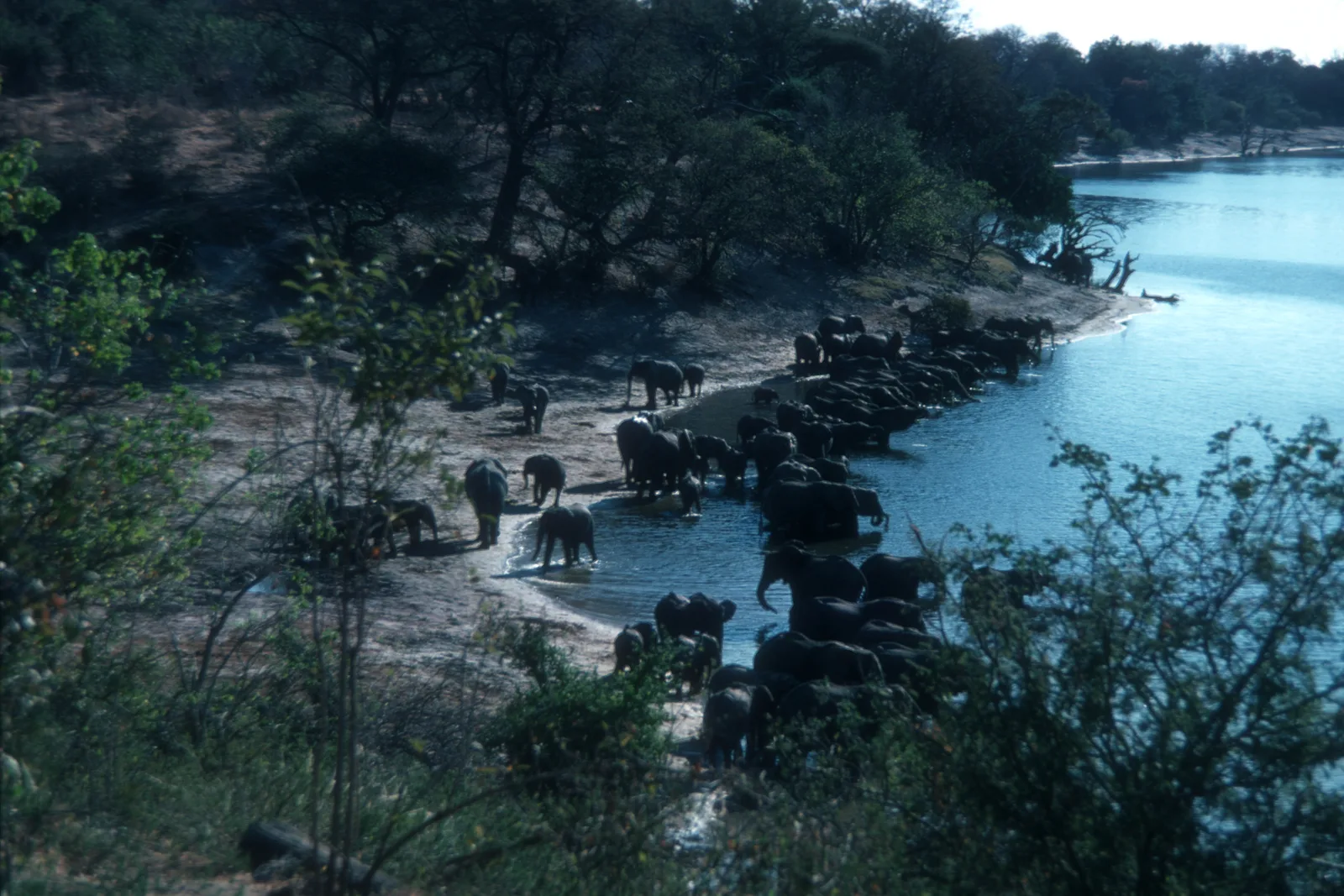
Many guests arrive on safari having never used binoculars seriously. Practice at home: focus on birds in your garden, track moving cars, get comfortable with the focus wheel. In the bush, you will not have time to fumble. The guide will say "elephant at the waterhole" and you need to be on target in three seconds.
Coordinate with Your Camera
Develop a system: binoculars around your neck, camera on your lap or in a bean bag. Spot with the binoculars, assess the behaviour, then switch to the camera when the moment is right. This workflow is second nature to experienced wildlife photographers and will dramatically improve your hit rate. Our Kruger wildlife photography masterclass covers this in detail with hands-on coaching in the field.
Sharing with Travel Companions
If you are travelling as a couple or family, consider whether one pair of binoculars is enough. On a game drive, when a pride of lions is feeding 300 metres away, everyone wants to look at once. Two pairs of mid-range binoculars often deliver more collective enjoyment than one pair of premium optics. Check out our Kruger family Big Five safari for family-friendly game drive options where this matters most.
Budget Summary
To help you plan, here is a quick overview of the price tiers:
- Entry level ($150–$300): Adequate for casual use; noticeable limitations in low light and edge sharpness. Brands: Celestron, Bushnell.
- Mid-range ($300–$600): Excellent value; suitable for most safari guests. Brands: Nikon Monarch, Vortex Viper, Celestron TrailSeeker.
- Premium ($1,500–$3,000+): Professional-grade optics; transformative low-light performance. Brands: Swarovski, Zeiss, Leica.
As a rule of thumb, spend as much as you comfortably can on optics. Unlike a camera body that becomes obsolete, a quality pair of binoculars will serve you on every safari for the rest of your life.
Frequently Asked Questions
Can I use my binoculars for stargazing on safari?
Absolutely — and we encourage it. The night skies over the African bush, far from city light pollution, are breathtaking. An 8×42 binocular will reveal the Milky Way's structure, the Magellanic Clouds, and Jupiter's moons. Many of our lodges offer informal stargazing sessions after dinner around the braai fire.
Should I bring a tripod adapter for my binoculars?
For 10× and higher magnification, a tripod adapter is worth considering for stationary viewing — at a waterhole, for example. However, on a moving game-drive vehicle, a tripod is impractical. Most guests find that 8× magnification is steady enough to hand-hold comfortably.
Are image-stabilised binoculars worth it for safari?
Canon and Nikon make excellent image-stabilised binoculars (around $500–$1,200) that use battery-powered gyroscopes to counteract hand shake. They are genuinely impressive on a moving boat or helicopter, but on a stationary game-drive vehicle they offer less advantage over standard optics. We consider them a nice-to-have rather than essential for most safari guests.
Ready to See Africa Through the Best Glass?
Choosing the right binoculars is one of the most rewarding pre-safari decisions you will make. Whether you invest in a pair of Swarovski ELs or a Nikon Monarch M7, the right optics will deepen your connection with Africa's wildlife in ways that no camera alone can replicate.
At Ingwe Africa Safaris, we are passionate about helping every guest get the most from their time in the bush — from optics advice to expert guiding in the field. Our team of experienced Cape Town-based safari operators is ready to help you plan the perfect photography safari, tailored to your interests and budget.
Ready to start planning your ultimate wildlife photography safari? Contact our safari specialists today for a personalised itinerary, or explore our full range of safari tours and experiences. We would love to help you capture Africa's magic through the best glass possible.
Tours & Safaris You'll Love
Handpicked by our team based on what you're reading. Book direct for the best price — guaranteed.
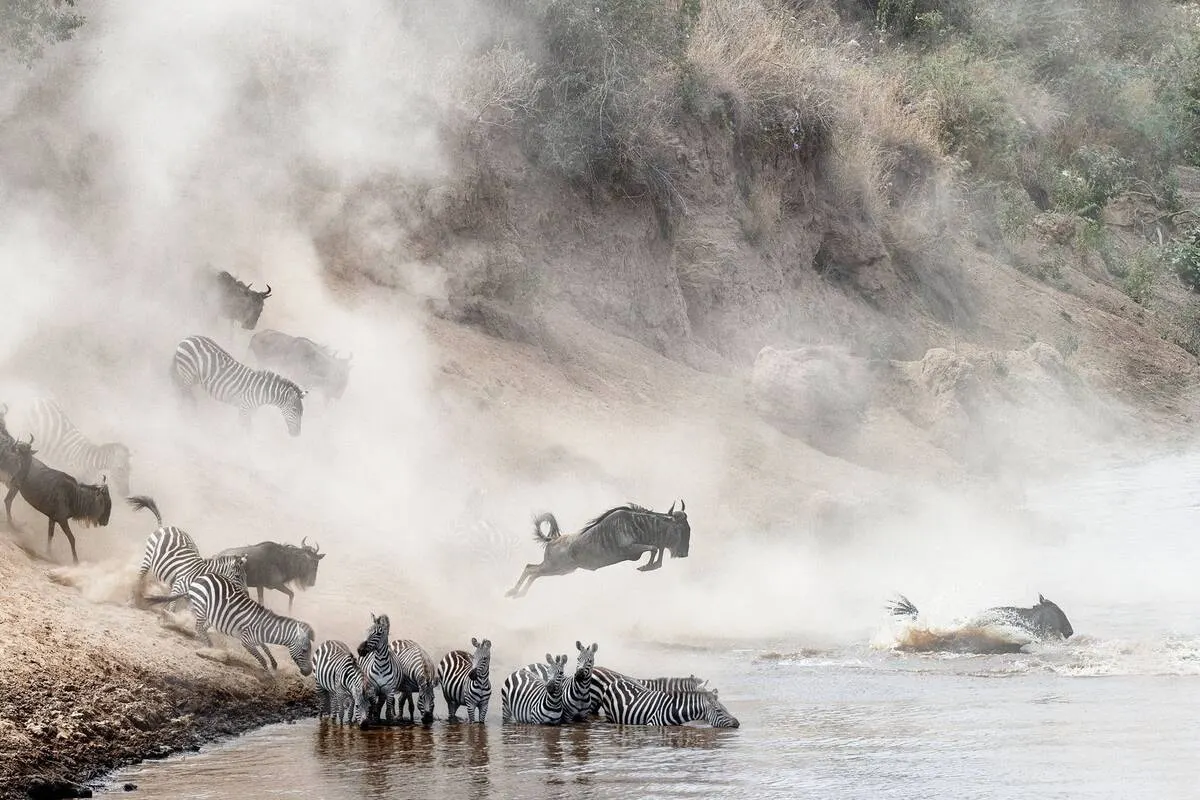
Serengeti Great Migration River Crossing — Mara River Safari
Witness the world's greatest wildlife spectacle — wildebeest crossing the Mara
per person • Best price direct
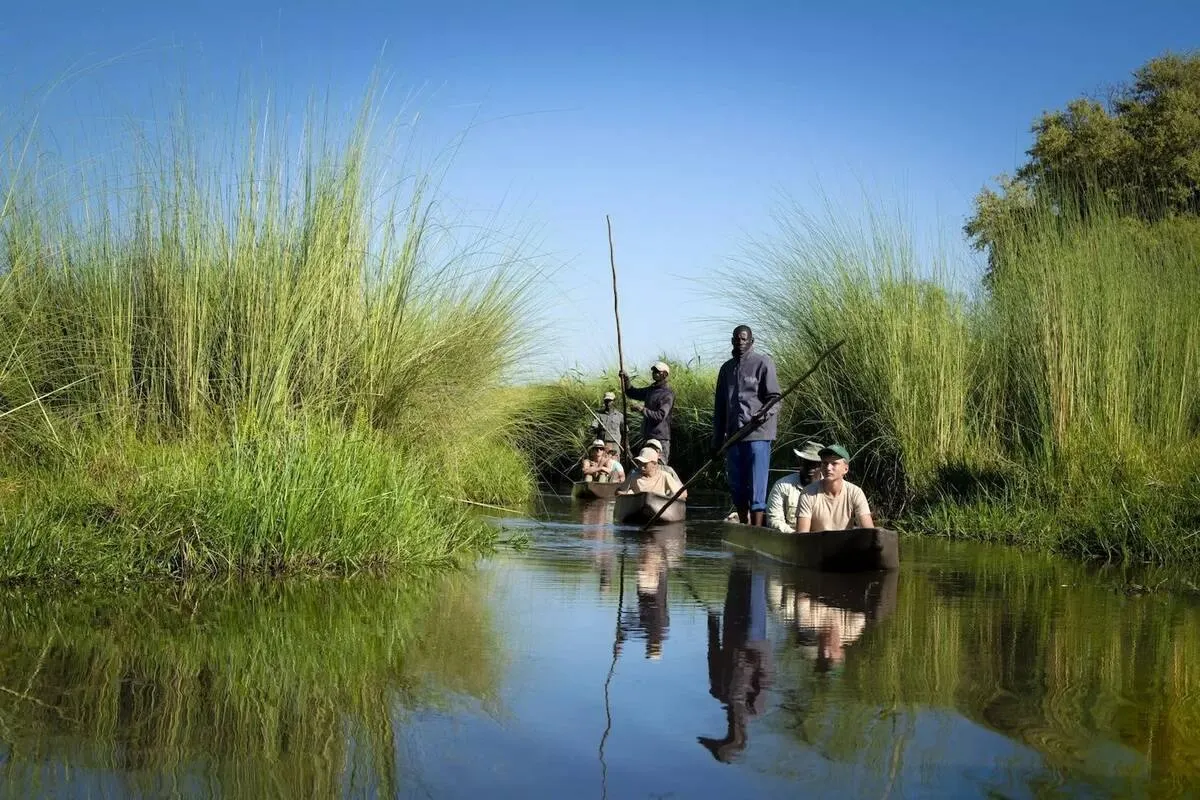
Okavango Luxury Fly-In Wilderness Camp — 5-Star Under Canvas
The world's most exclusive tented camp — deep in the delta
per person • Best price direct
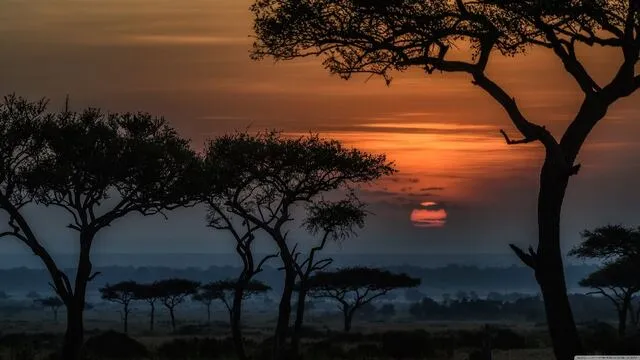
Masai Mara Great Migration Safari — River Crossing Season
Witness nature's greatest spectacle — millions of wildebeest crossing the Mara River
per person • Best price direct
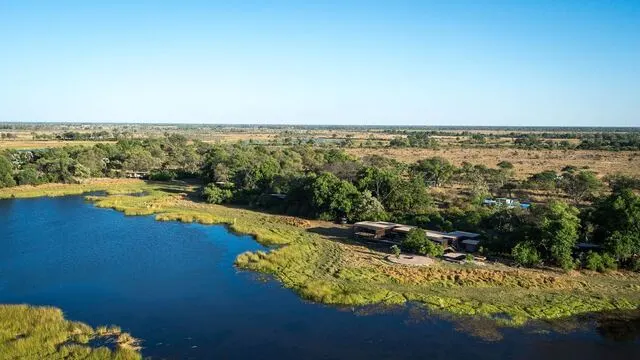
Okavango Delta Fly-In Safari — Luxury Bush Camp
The world's most exclusive safari destination from above and within
per person • Best price direct
Why book with middlemen? Same tours, lower prices, direct support from our team.
Get a Free Custom Quote