Night Safari Photography: Capturing Africa After Dark
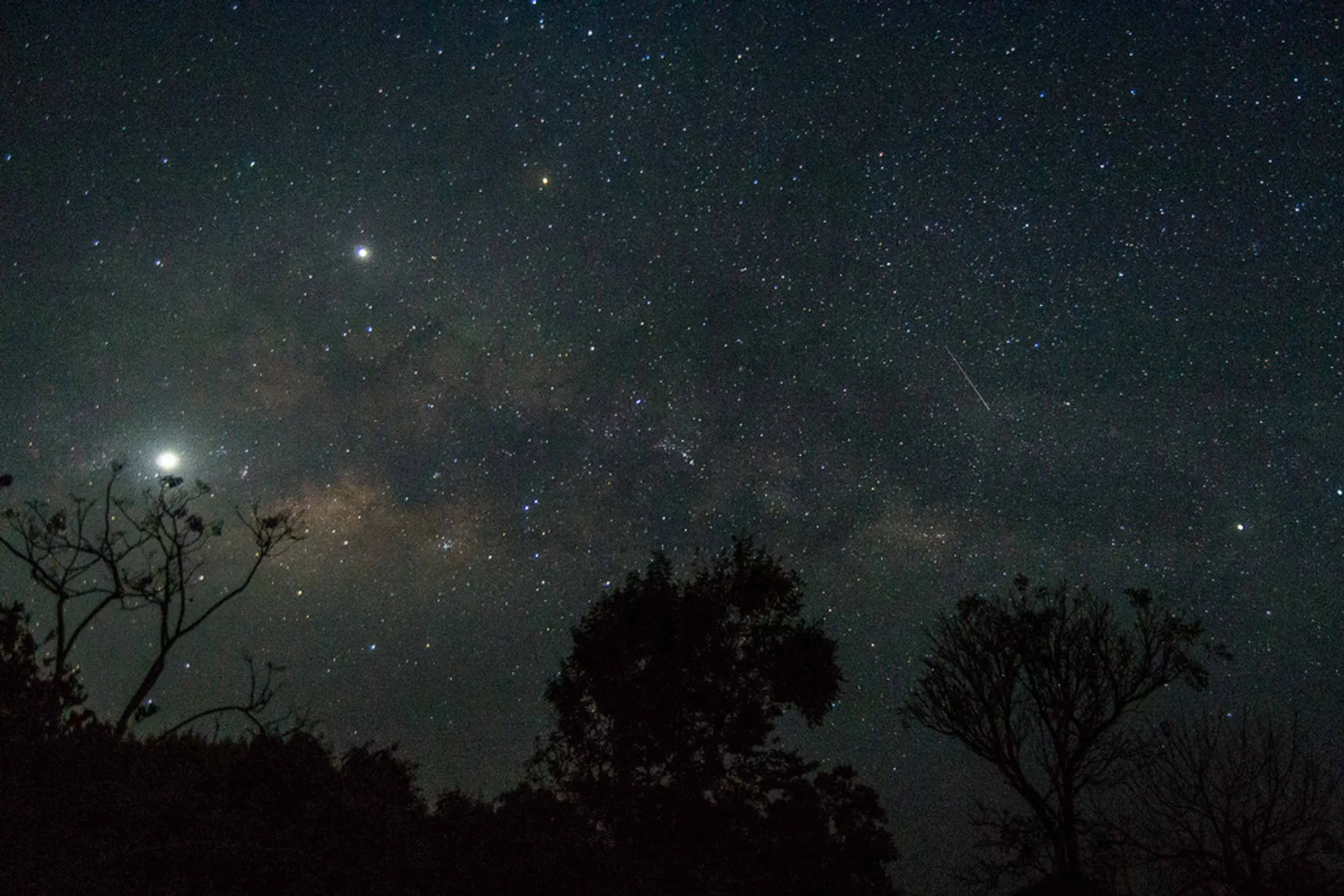
There is something truly magical about the African bush after sunset. The daytime heat gives way to a cool stillness, the stars emerge in their millions, and the nocturnal world awakens. Lions begin to hunt, leopards slink through the shadows, and the haunting call of a hyena echoes across the plains. For wildlife photographers, the night shift offers some of the most dramatic and rarely seen moments in nature — but capturing them requires preparation, the right gear, and a solid understanding of low-light technique.
At Ingwe Africa Safaris, we have guided countless photographers through the African night, from the open savannahs of the Kruger National Park to the private concessions of Sabi Sands. This guide shares everything you need to know to come home with stunning after-dark images that will stop people in their tracks.
Why Night Safari Photography Is Worth the Challenge
Most safari-goers experience the bush during morning and afternoon game drives, when the light is golden and the animals are active. But the hours between dusk and dawn tell a completely different story. Nocturnal species like civets, genets, aardvarks, and bushbabies are almost never seen during the day. Predators like leopards and lions are far more active at night, and the dramatic interplay of spotlight beams, glowing eyes, and inky darkness creates images with a mood and atmosphere that daytime shots simply cannot match.
Night photography also forces you to slow down and think carefully about every shot. There is no spray-and-pray approach when you are working with long exposures and limited light. The images you do capture feel earned — and they look it too.
This guide shares everything you need to know to come home with stunning after-dark images that will stop people in their tracks.
Essential Gear for Night Safari Photography
Camera Body
A full-frame mirrorless or DSLR camera with strong high-ISO performance is your most important tool. Models like the Sony A7 IV, Nikon Z6 III, or Canon EOS R6 Mark II perform exceptionally well in low light, producing clean images at ISO 6400 and beyond. If you are shooting on a crop-sensor body, you can still get great results — just expect more noise at higher ISOs.
Look for a camera with in-body image stabilisation (IBIS), which helps when you cannot use a tripod on a moving vehicle. Dual card slots are also a lekker feature for backing up your shots in the field.
Lenses
Fast glass is non-negotiable for night safari work. A lens with a maximum aperture of f/2.8 or wider lets in significantly more light than a standard f/4 or f/5.6 zoom. The 70-200mm f/2.8 is the workhorse of safari photography — versatile enough for close encounters and distant subjects alike. For truly dramatic low-light work, a 50mm f/1.4 or 85mm f/1.8 prime can produce stunning results when animals are nearby.
If budget allows, consider renting a 400mm f/2.8 or 500mm f/4 prime for dedicated night sessions. These lenses are expensive (often $10,000–$20,000 to buy), but rental options are available in Johannesburg and Cape Town for around $150–$300 per week. Check out our Kruger birding and photography safari for a guided experience with expert photography mentorship included.
Tripod and Bean Bag
A sturdy tripod is ideal for stationary night photography, such as star trails or fixed spotlight setups. However, on a moving game drive vehicle, a bean bag draped over the window frame is far more practical. It absorbs vibration and allows you to pivot quickly when an animal moves. Bring your own or ask your guide — most reputable operators supply them.
Spotlight Etiquette
Most night game drives use a handheld spotlight operated by a tracker seated at the front of the vehicle. The light is essential for finding and illuminating animals, but it can also cause harsh, flat lighting if pointed directly at your subject. Ask your tracker to angle the beam slightly to the side to create more natural-looking shadows and dimension in your images. Never use your own flash or torch without permission — sudden bright light can startle animals and disrupt the experience for everyone.
Camera Settings for Night Safari Photography
ISO
Do not be afraid of high ISO. Modern cameras handle noise remarkably well, and a slightly grainy image of a leopard in a tree is infinitely better than a perfectly clean shot of nothing. Start at ISO 3200 and adjust upward as needed. On a full-frame body, ISO 6400–12800 is often perfectly usable after noise reduction in post-processing.
Aperture
Shoot wide open — or as close to it as your lens allows. An aperture of f/2.8 lets in four times more light than f/5.6, which is a massive difference when you are working with a spotlight. The shallow depth of field also creates beautiful background separation, making your subject pop against the dark bush.
Shutter Speed
This is where night photography gets tricky. You need a fast enough shutter speed to freeze animal movement, but slow enough to let in sufficient light. For stationary animals, 1/60s is often workable. For moving subjects, aim for 1/125s or faster. If the animal is still and the light is good, you can sometimes drop to 1/30s with IBIS engaged — but expect some motion blur in the eyes or ears.
White Balance
Spotlights produce a warm, tungsten-like colour cast. Set your white balance to Tungsten (around 3200K) or shoot in RAW and adjust in post. Shooting RAW is strongly recommended for all night photography — it gives you far more latitude to recover shadows and adjust colour temperature without degrading image quality.
Focus
Autofocus can struggle in very low light. Use your camera's eye-detection AF if available, or switch to a single AF point and aim for the animal's eye. If AF is hunting and failing, switch to manual focus and use the spotlight beam as a guide. Pre-focusing on a spot where you expect the animal to move can also be effective.
Best Parks and Reserves for Night Safari Photography in Africa
Kruger National Park, South Africa
Kruger is one of the best places in Africa for night game drives, particularly in the private concessions bordering the park. The Kruger sunset and night safari is a fantastic introduction, combining the golden hour with a full after-dark drive. Leopards are frequently spotted in the Sabi Sands area, and lion sightings are common throughout the park. Expect to pay $80–$150 per person for a guided night drive from a camp or lodge.
Sabi Sands Game Reserve, South Africa
Sabi Sands is arguably the best place in the world to photograph leopards, and the night drives here are extraordinary. The private reserve shares an unfenced border with Kruger, allowing animals to move freely. Guides are highly experienced and trackers are exceptional at locating elusive nocturnal species. A night at a Sabi Sands lodge typically costs $500–$1,500 per person, but the photographic opportunities are unmatched. Our Sabi Sands leopard tracking safari is one of our most popular photography-focused experiences.
Chobe National Park, Botswana
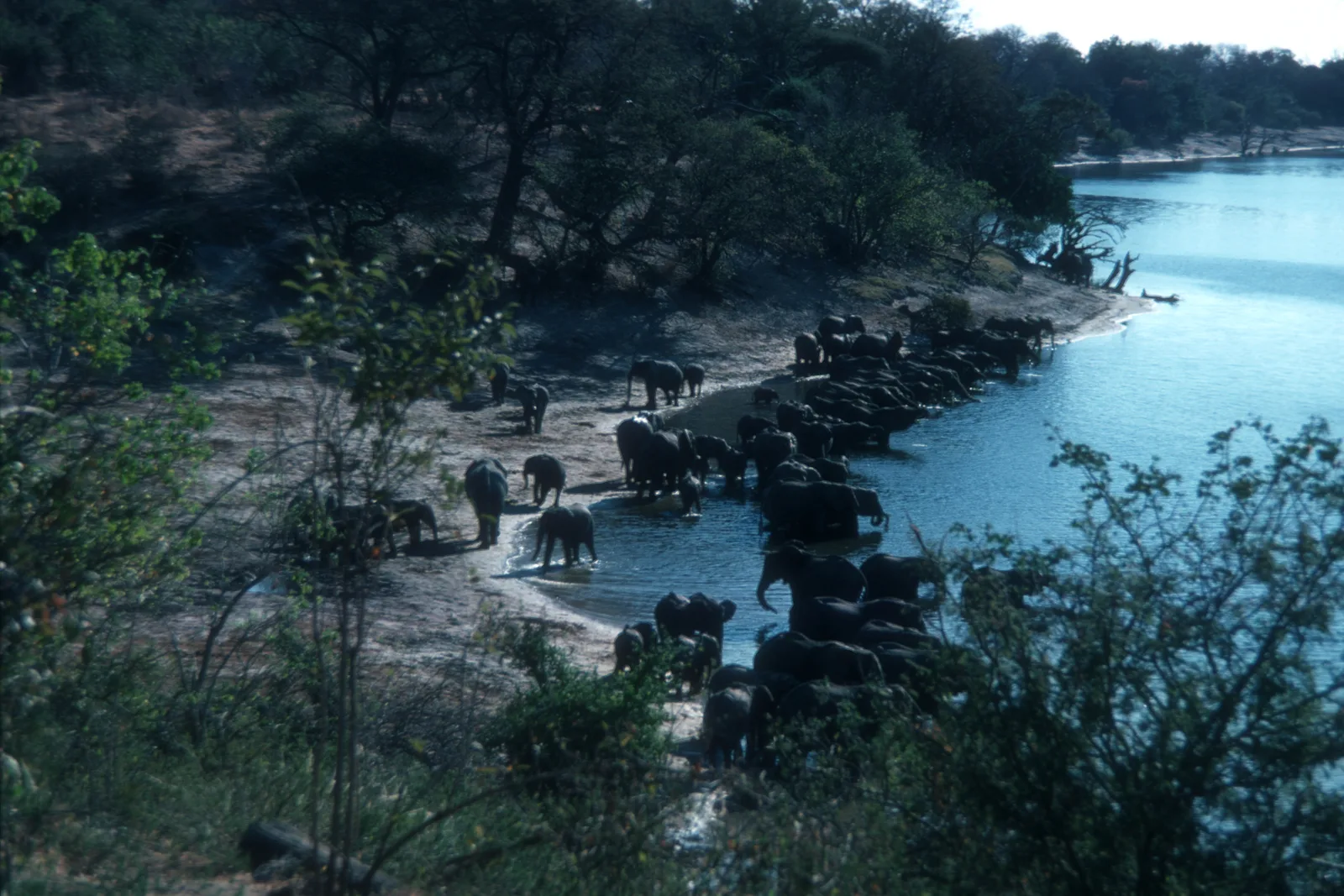
Chobe is famous for its enormous elephant herds, but the night drives reveal a completely different cast of characters — honey badgers, porcupines, servals, and African wild cats. The Botswana Chobe elephant safari can be extended with dedicated night photography sessions. Botswana's strict low-volume, high-value tourism model means fewer vehicles and less disturbance — ideal for patient, quality photography.
Masai Mara, Kenya
Night drives are not permitted in the main Masai Mara reserve, but private conservancies surrounding it — such as Olare Motorogi and Naboisho — allow after-dark game drives. These areas have exceptional big cat populations and far fewer tourists than the main reserve. Budget around $400–$800 per night for a conservancy camp with night drive access.
Post-Processing Night Safari Images
Even the best in-camera settings will leave your night images needing some work in post. Adobe Lightroom and Capture One are the industry standards for wildlife photography editing. Key adjustments for night safari images include:
- Noise reduction: Use Lightroom's AI-powered Denoise feature or Topaz DeNoise AI for exceptional results at high ISOs.
- Shadow recovery: Lift the shadows slider carefully to reveal detail in dark areas without introducing too much noise.
- Sharpening: Apply targeted sharpening to the eyes and face of your subject using masking tools.
- Colour grading: Warm up the highlights slightly to complement the spotlight's natural colour cast, and cool the shadows for a dramatic, cinematic look.
- Cropping: Night images often benefit from tighter crops, as the dark background can feel empty. Focus attention on the animal's face and expression.
Practical Tips for Your Night Safari Photography Session
Charge all batteries the night before and bring at least two spares — cold temperatures drain batteries faster than you expect. Format your memory cards before each session and bring more storage than you think you will need. A 128GB card fills up quickly when shooting RAW at high burst rates.
Dress warmly. Even in summer, the African bush can get surprisingly cold after dark, especially on an open vehicle moving at speed. Layers are your friend — a fleece, a windproof jacket, and a warm hat will keep you comfortable and focused on your photography rather than shivering.
Communicate with your guide and tracker. Tell them you are a photographer and what you are hoping to capture. A good guide will position the vehicle for the best light angle and give you time to compose your shots rather than rushing off to the next sighting. The best night photography happens when the whole team is working together.
Finally, remember to put the camera down occasionally and simply experience the moment. The sound of a lion's roar reverberating through the darkness, the sight of a leopard's eyes glowing in the spotlight, the smell of the bush at night — these are memories that no photograph can fully capture, and they are the reason we keep coming back to Africa.
Plan Your Night Safari Photography Adventure
Whether you are a seasoned wildlife photographer or picking up a camera for the first time, a night safari in Africa will challenge and inspire you in equal measure. The images you capture will be unlike anything you have shot before — raw, atmospheric, and alive with the energy of the wild.
At Ingwe Africa Safaris, we specialise in crafting photography-focused safari itineraries that put you in the right place at the right time, with expert guides who understand both wildlife behaviour and photographic technique. From the private concessions of Sabi Sands to the vast wilderness of Botswana, we know where the magic happens after dark.
Ready to capture Africa at night? Enquire with our team today and let us design your perfect night photography safari. You can also explore our full range of safari tours and experiences or use our safari planning tool to start building your dream itinerary. The African night is waiting — and it is absolutely lekker.
Tours & Safaris You'll Love
Handpicked by our team based on what you're reading. Book direct for the best price — guaranteed.
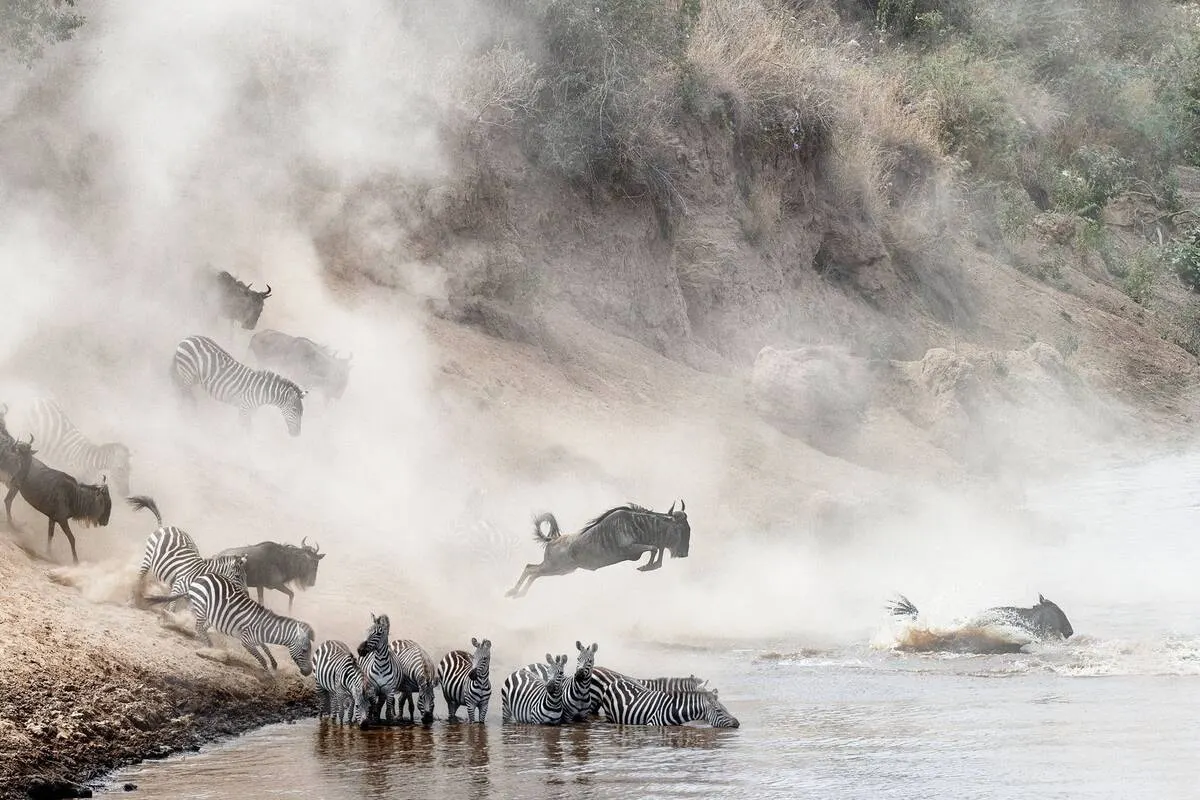
Serengeti Great Migration River Crossing — Mara River Safari
Witness the world's greatest wildlife spectacle — wildebeest crossing the Mara
per person • Best price direct
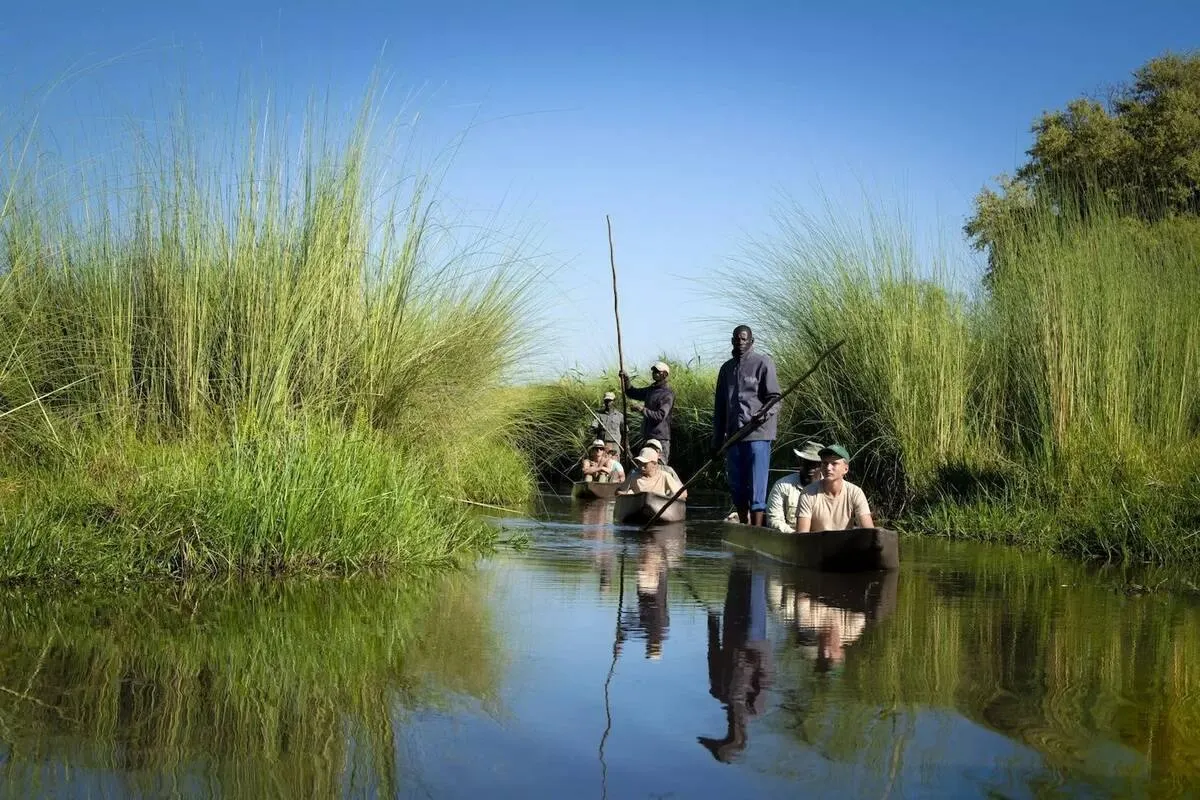
Okavango Luxury Fly-In Wilderness Camp — 5-Star Under Canvas
The world's most exclusive tented camp — deep in the delta
per person • Best price direct
Masai Mara Great Migration Safari — River Crossing Season
Witness nature's greatest spectacle — millions of wildebeest crossing the Mara River
per person • Best price direct
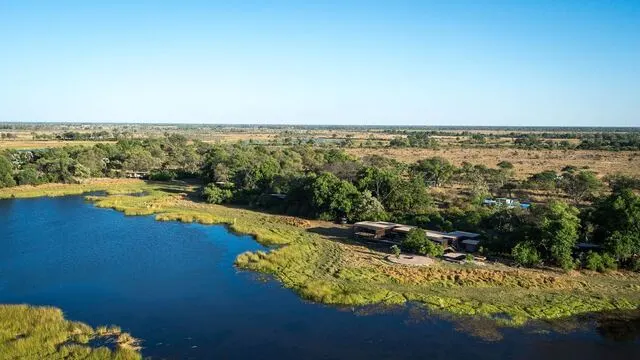
Okavango Delta Fly-In Safari — Luxury Bush Camp
The world's most exclusive safari destination from above and within
per person • Best price direct
Why book with middlemen? Same tours, lower prices, direct support from our team.
Get a Free Custom Quote