Africa's Big Five: Behaviour, Habitat & Best Parks to See Them in 2026
The term "Big Five" was originally coined by big-game hunters in the 19th century to describe the five most dangerous and difficult animals to hunt on foot: lion, leopard, African elephant, Cape buffalo, and rhinoceros. Today, thankfully, the only shooting most visitors do is with a camera — and tracking down all five in the wild remains one of the most thrilling experiences Africa has to offer.
At Ingwe Africa Safaris, we've spent years guiding guests through the continent's greatest wildlife areas, and we've learned that understanding animal behaviour dramatically improves your chances of extraordinary sightings. This guide breaks down each of the Big Five — where they live, how they behave, and which parks give you the best chance of seeing them in 2026.
1. African Lion (Panthera leo)
Behaviour and Social Structure
Lions are the only truly social big cats, living in groups called prides that typically consist of 10–15 individuals: related females, their cubs, and a coalition of two to four males. The females do the majority of the hunting, working cooperatively to bring down prey as large as buffalo and giraffe. Males, with their magnificent manes, primarily defend the pride's territory — a job that involves regular, thunderous roaring that can be heard up to eight kilometres away.
Lions are famously lazy, spending up to 20 hours a day resting and sleeping to conserve energy in the African heat. The best time to see active lions is at dawn and dusk, when temperatures drop and hunting activity increases. Night drives in private reserves offer the extraordinary spectacle of lions on the hunt — a raw, visceral experience that stays with you forever.
Preferred Habitat
Lions favour open savannah and grasslands where they can spot prey from a distance, but they're adaptable and found in woodland, scrub, and even semi-desert environments. They avoid dense forest. Water is important — prides are rarely found far from a reliable water source.
Best Parks to See Lions in 2026
The Serengeti (Tanzania) and Masai Mara (Kenya) together host the largest lion population in Africa, with an estimated 3,000+ individuals. The open plains make sightings almost guaranteed. In South Africa, Kruger National Park has a healthy population of around 1,500 lions, and the Sabi Sands private reserve offers exceptional close-up encounters. Hwange National Park in Zimbabwe and Chobe in Botswana are also outstanding.
Sighting probability in peak season: Very High (85–95% on a 3-day safari in top parks)
This guide breaks down each of the Big Five — where they live, how they behave, and which parks give you the best chance of seeing them in 2026.
2. African Leopard (Panthera pardus pardus)
Behaviour and Social Structure
The leopard is the most elusive of the Big Five — a master of camouflage and stealth that can vanish into a thicket before you've even registered its presence. Solitary and largely nocturnal, leopards are the ultimate ambush predators, relying on patience and explosive speed over short distances rather than the cooperative hunting strategies of lions.
One of the leopard's most remarkable behaviours is hoisting kills into trees — sometimes prey twice their own body weight — to keep them safe from lions and hyenas. A carcass wedged in the fork of a marula tree is often the first sign that a leopard is in the area. Leopards are also surprisingly vocal, producing a distinctive rasping cough-like call (described as sawing wood) that carries through the night bush.
Preferred Habitat
Leopards are the most habitat-flexible of the big cats, found in rainforest, savannah, mountains, and even urban fringes. They prefer areas with good cover — rocky outcrops, riverine forest, and dense thickets — which is precisely what makes them so hard to spot. Their spotted rosette coat provides near-perfect camouflage in dappled light.
Best Parks to See Leopards in 2026
The Sabi Sands Game Reserve in South Africa is widely regarded as the best place in the world to see leopards. The reserve's habituated leopards are so accustomed to game vehicles that they'll walk within metres of your open 4x4 without concern — an experience that is genuinely breathtaking. Our Sabi Sands leopard tracking safari is one of our most popular experiences for good reason.
South Luangwa National Park in Zambia is another leopard hotspot, particularly famous for night drives. The Masai Mara and Serengeti also have good populations, though sightings are less reliable than in Sabi Sands.
Sighting probability in peak season: Moderate to High (60–80% in Sabi Sands; 30–50% in other parks)
3. African Elephant (Loxodonta africana)
Behaviour and Social Structure
The African elephant is the world's largest land animal, with bulls reaching up to 6,000 kg and standing 3.3 metres at the shoulder. They are also among the most intelligent and emotionally complex animals on earth, displaying grief, joy, empathy, and self-awareness. Elephant society is matriarchal — herds are led by the oldest female, whose decades of accumulated knowledge about water sources, migration routes, and danger signs is literally the difference between life and death for the group.
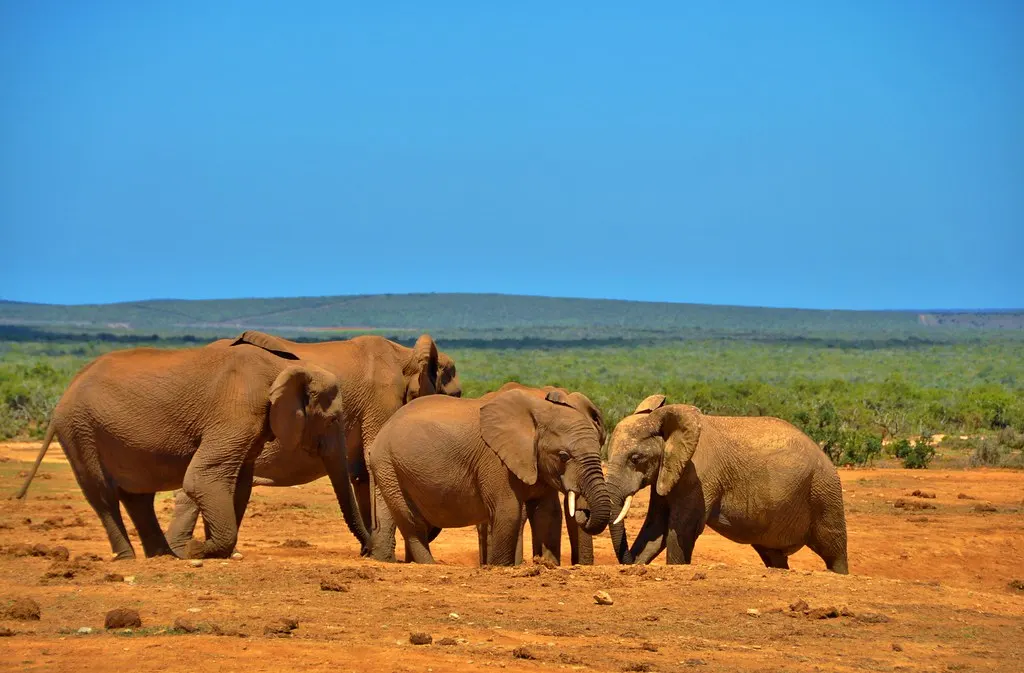
Elephants communicate through a remarkable range of vocalisations, including infrasound rumbles below the range of human hearing that can travel up to 10 kilometres through the ground. Watching a herd interact — calves playing, adults greeting each other with trunk touches, the matriarch leading her family to water — is one of the most moving experiences in wildlife watching.
Preferred Habitat
Elephants are found in diverse habitats from dense forest to open savannah and semi-desert. They require large home ranges — a single elephant can walk 50 kilometres in a day — and are never far from water, which they need in quantities of up to 200 litres per day. Their feeding activity (an adult eats 150–300 kg of vegetation daily) dramatically shapes the landscape around them.
Best Parks to See Elephants in 2026
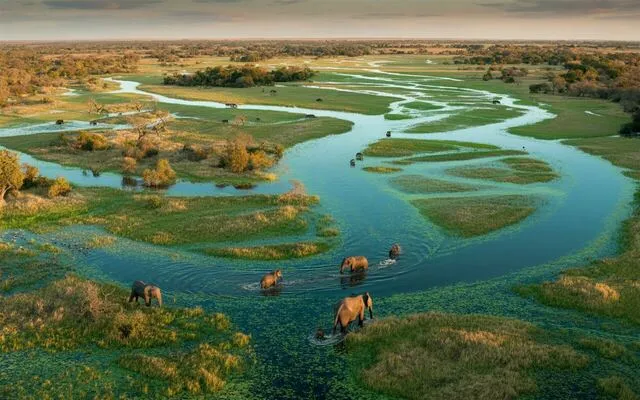
Chobe National Park in Botswana has the highest concentration of elephants in Africa, with an estimated 130,000 individuals. A Chobe elephant safari — particularly a boat cruise along the Chobe River at sunset — is an extraordinary spectacle. Addo Elephant National Park near Port Elizabeth in South Africa is excellent for close encounters and is completely malaria-free. Amboseli National Park in Kenya, with Kilimanjaro as a backdrop, offers iconic elephant photography opportunities.
In Kruger, elephants are abundant and frequently encountered on self-drive routes. Our Kruger elephant close encounter experience puts you in the heart of elephant country with an expert guide.
Sighting probability in peak season: Very High (95%+ in Chobe, Addo, and Kruger)
4. Cape Buffalo (Syncerus caffer caffer)
Behaviour and Social Structure
Don't let the buffalo's bovine appearance fool you — this is arguably the most dangerous animal in Africa, responsible for more hunter fatalities historically than any other Big Five species. Buffalo are unpredictable, have excellent memories (they are known to ambush and kill hunters who wounded them days earlier), and can charge at speeds of up to 57 km/h. Even lions approach buffalo with extreme caution.
Buffalo live in large herds of hundreds or even thousands of individuals, which provides safety in numbers against predators. Old bulls, known as "dagga boys" (from the Zulu word for mud, as they love wallowing), often leave the herd and live in small bachelor groups. These solitary old males are considered the most dangerous of all.
One of the most dramatic wildlife spectacles in Africa is a lion pride attempting to take down a buffalo — a battle that can last hours and sometimes ends with the buffalo successfully fighting off the lions, particularly when the herd rallies to defend a fallen member.
Preferred Habitat
Buffalo favour open and wooded savannah with access to water and good grazing. They are water-dependent and drink daily, making them reliable sightings near rivers and waterholes. They avoid dense forest and very arid areas.
Best Parks to See Buffalo in 2026
Kruger National Park has one of the largest buffalo populations in Africa, estimated at 37,000 individuals. Seeing a herd of several hundred buffalo moving across the plains is a genuinely awe-inspiring sight. The Serengeti, Masai Mara, and Hwange also have large populations. In the private reserves adjacent to Kruger, buffalo herds frequently pass through camps and lodges — an experience that is simultaneously thrilling and slightly nerve-wracking.
Sighting probability in peak season: High (75–90% in Kruger and Serengeti)
5. Rhinoceros: White and Black (Ceratotherium simum & Diceros bicornis)
Behaviour and Social Structure
The rhinoceros is the most endangered of the Big Five, and seeing one in the wild carries a weight of significance that goes beyond the thrill of the sighting. Both white and black rhino species are critically threatened by poaching for their horns, which are falsely believed to have medicinal properties in some Asian markets. South Africa has lost thousands of rhinos to poaching in the past decade, making conservation efforts — and responsible wildlife tourism — more important than ever.
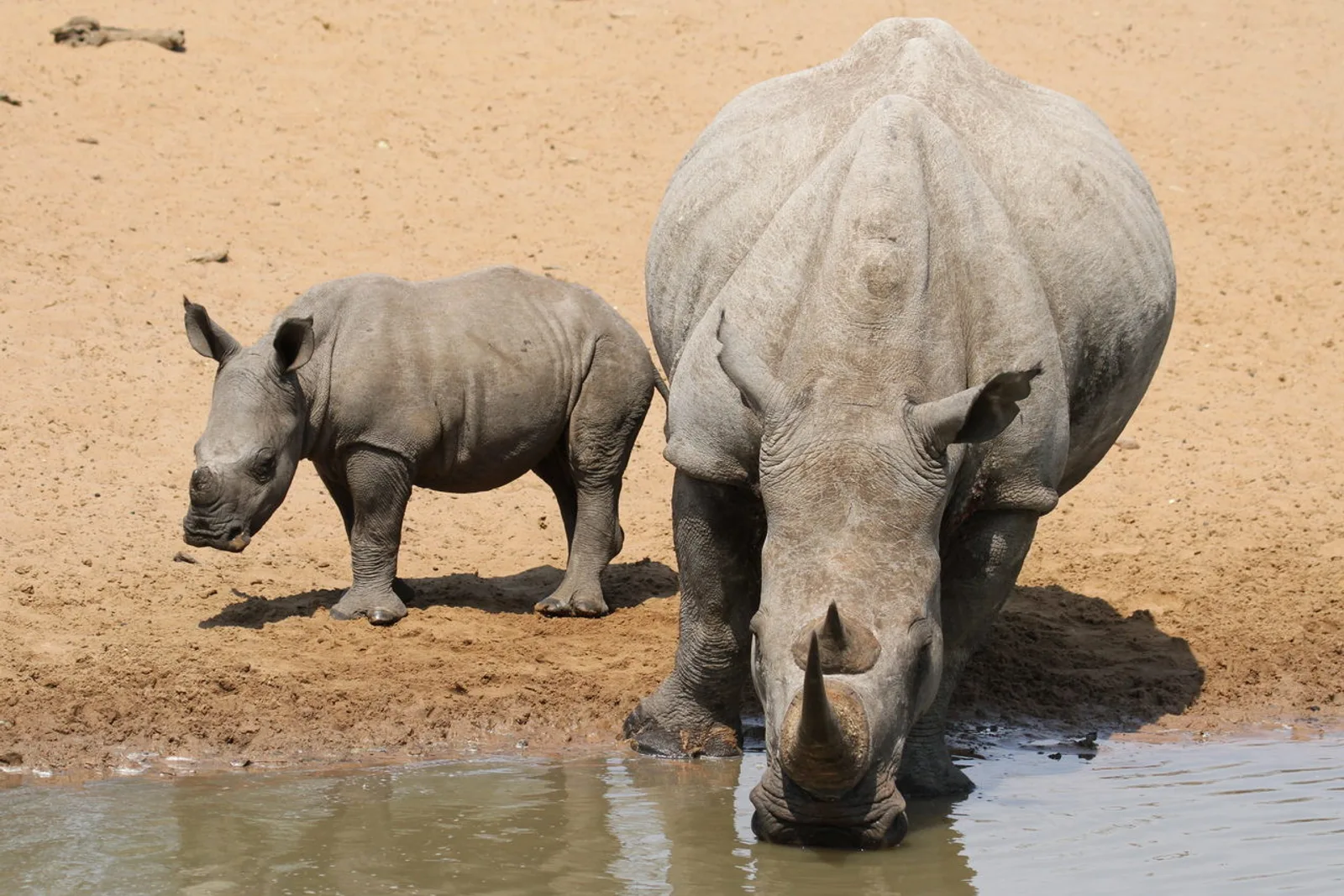
Despite their names, both species are actually grey. The distinction comes from the Afrikaans word "wyd" (wide), describing the white rhino's broad, square lip adapted for grazing grass. The black rhino has a pointed, hooked lip for browsing on leaves and shrubs. White rhinos are generally more placid and social, often seen in small groups. Black rhinos are solitary, territorial, and notoriously short-tempered — a genuine charge from a black rhino is one of the most terrifying experiences in the bush.
Preferred Habitat
White rhinos prefer open grassland and savannah. Black rhinos favour denser bush and thickets, which makes them harder to spot. Both species need access to water and mineral-rich soil for wallowing.
Best Parks to See Rhinos in 2026
Hluhluwe-iMfolozi Park in KwaZulu-Natal, South Africa, is the birthplace of white rhino conservation and remains one of the best places in the world to see them. Kruger National Park has a significant white rhino population, though numbers have been impacted by poaching. For black rhino, Etosha National Park in Namibia and Ngorongoro Crater in Tanzania offer excellent sighting opportunities.
Our Hluhluwe-iMfolozi Big Five safari is specifically designed to maximise rhino sightings while supporting the park's vital conservation work. A portion of every booking goes directly to anti-poaching initiatives.
Sighting probability in peak season: Moderate (40–60% in Kruger; 70–80% in Hluhluwe-iMfolozi)
Tips for Maximising Your Big Five Sightings
Go with a Qualified Guide
A trained field guide doesn't just drive you around — they read the bush like a book. Fresh tracks in the sand, a vulture circling overhead, the alarm call of an impala: these are the clues that lead to extraordinary sightings. Self-drive safaris are wonderful, but a guided experience in an open vehicle with an expert ranger is in a different league entirely.
Timing Is Everything
The golden hours of early morning (6:00–9:00 AM) and late afternoon (4:00–7:00 PM) are when animals are most active. Midday game drives in the heat of summer are often quiet. In the dry season (June–October in southern Africa), animals concentrate around water sources, making sightings more predictable. Use our safari calendar to plan around peak wildlife activity.
Stay Longer
Three days in a single park is the minimum for a meaningful Big Five experience. Five to seven days dramatically increases your chances of seeing all five species and witnessing genuine wildlife behaviour — a kill, a birth, a territorial dispute. The bush rewards patience.
Choose the Right Park for Your Priorities
If leopard is your priority, go to Sabi Sands. If you want the largest elephant herds, go to Chobe. If rhino conservation matters to you, visit Hluhluwe-iMfolozi. Use our safari comparison tool to match your wildlife priorities with the right destination.
The Conservation Imperative
Every safari booking with a responsible operator contributes directly to the conservation of these magnificent animals. Wildlife tourism generates the economic incentive for governments and communities to protect wild spaces rather than convert them to agriculture or mining. When you choose to visit Africa's national parks and private reserves, you are casting a vote for the continued existence of the Big Five.
At Ingwe Africa Safaris, we partner exclusively with lodges and operators who demonstrate genuine commitment to conservation and community benefit. We believe that tourism done right is one of the most powerful tools we have for protecting Africa's wildlife heritage for future generations.
Plan Your Big Five Safari Today
Whether you're dreaming of watching lions hunt at dawn in the Serengeti, tracking leopards through the Sabi Sands at night, or standing in awed silence as a herd of elephants crosses the road in front of your vehicle — we can make it happen. Our team has the expertise, the relationships, and the passion to create a Big Five safari experience that exceeds every expectation.
Browse our full range of safari experiences or use our safari planning tool to start building your dream itinerary. Ready to talk? Contact our Cape Town team today for a free consultation — we'd love to help you experience the magic of Africa's Big Five firsthand. It's going to be absolutely lekker.
Tours & Safaris You'll Love
Handpicked by our team based on what you're reading. Book direct for the best price — guaranteed.
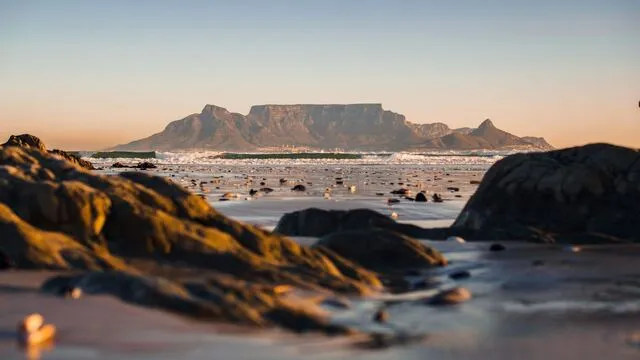
Kruger Luxury Safari — Big Five Private Game Reserve
Exclusive Big Five encounters in Kruger's finest private concessions
per person • Best price direct
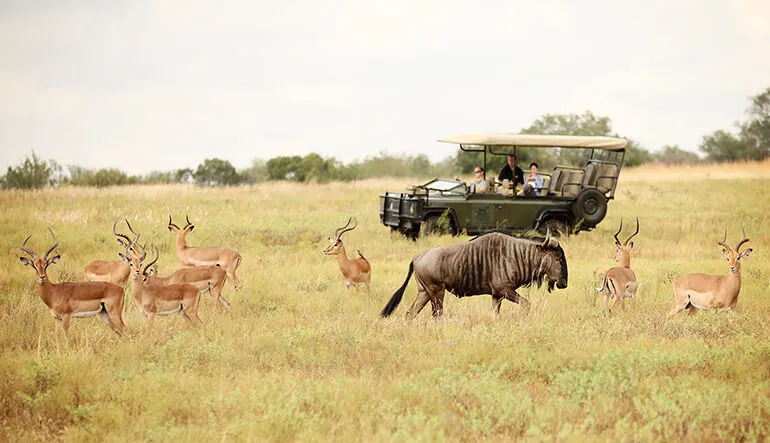
Kruger Full-Day Open Vehicle Safari
Expert-Guided Big Five Game Drive from Hazyview
per person • Best price direct
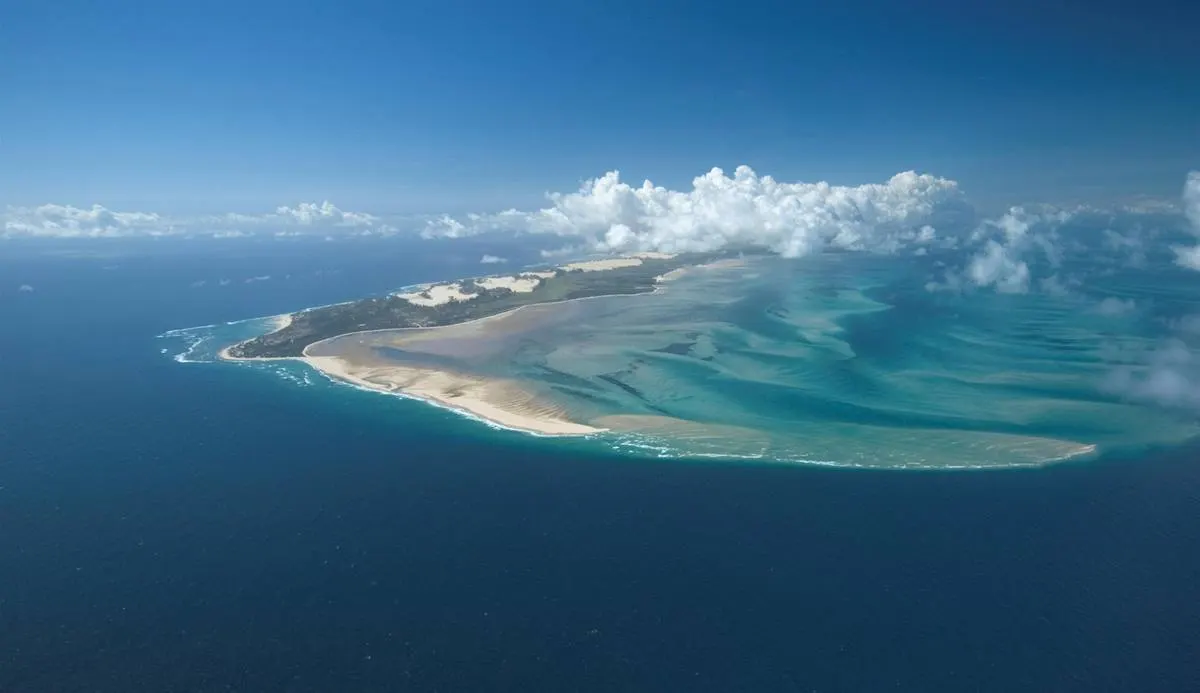
Kruger Safari & Mozambique Beach Combo — 7-Day Ultimate
The #1 selling Africa itinerary — Big Five safari + Indian Ocean paradise
per person • Best price direct
Addo Elephant National Park Full-Day Safari
Malaria-Free Big Five Park — 600+ Elephants
per person • Best price direct
Why book with middlemen? Same tours, lower prices, direct support from our team.
Get a Free Custom Quote