What Are the Big Five?
The Big Five — lion, leopard, elephant, rhino, and buffalo — are the most iconic animals on an African safari. The term was originally coined by big game hunters to describe the five most difficult and dangerous animals to hunt on foot, but today it represents the ultimate wildlife checklist for safari enthusiasts from around the world.
South Africa is one of the best countries in Africa to see all Big Five in a single trip, thanks to its excellent infrastructure, world-class private reserves, and high-density wildlife populations.
Best Reserves for Big Five Sightings in South Africa
1. Sabi Sands Game Reserve — The Leopard Capital
The Sabi Sands Game Reserve is universally regarded as the best place on Earth for leopard sightings. With no fences between the reserve and Kruger National Park, wildlife roams freely across 65,000 hectares of pristine bushveld.
Big Five success rate: 95%+ over a 3-night stay
Star species: Leopard (almost guaranteed), lion, elephant, buffalo. Rhino sightings variable due to anti-poaching measures.
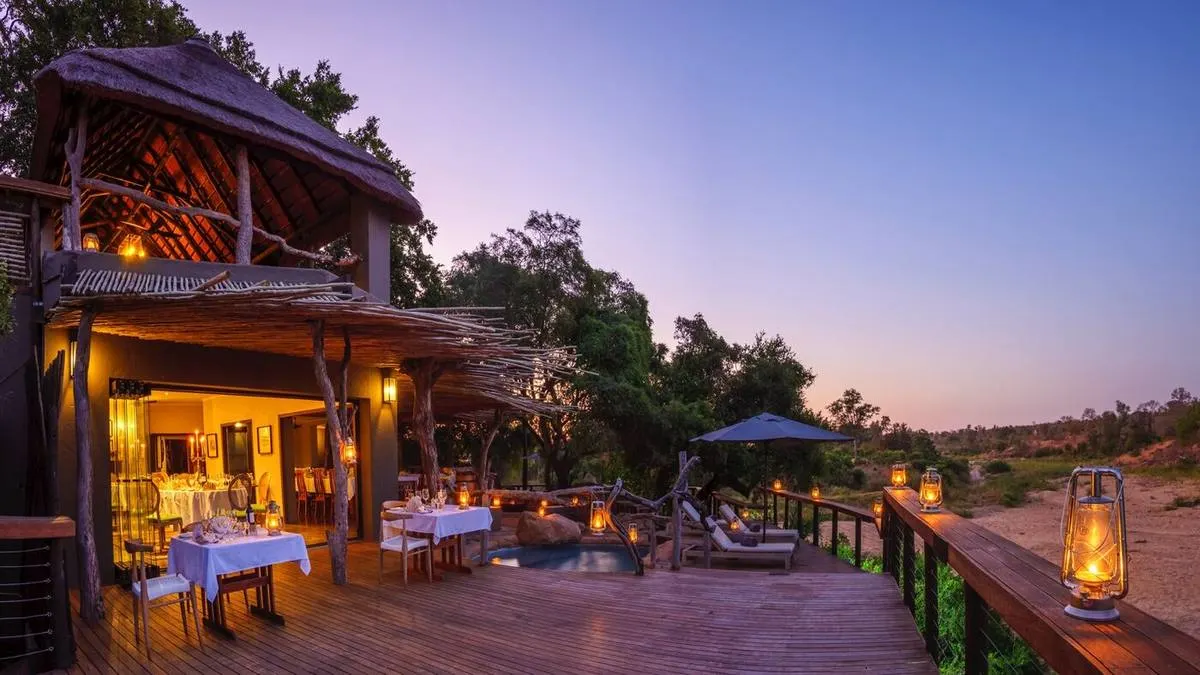
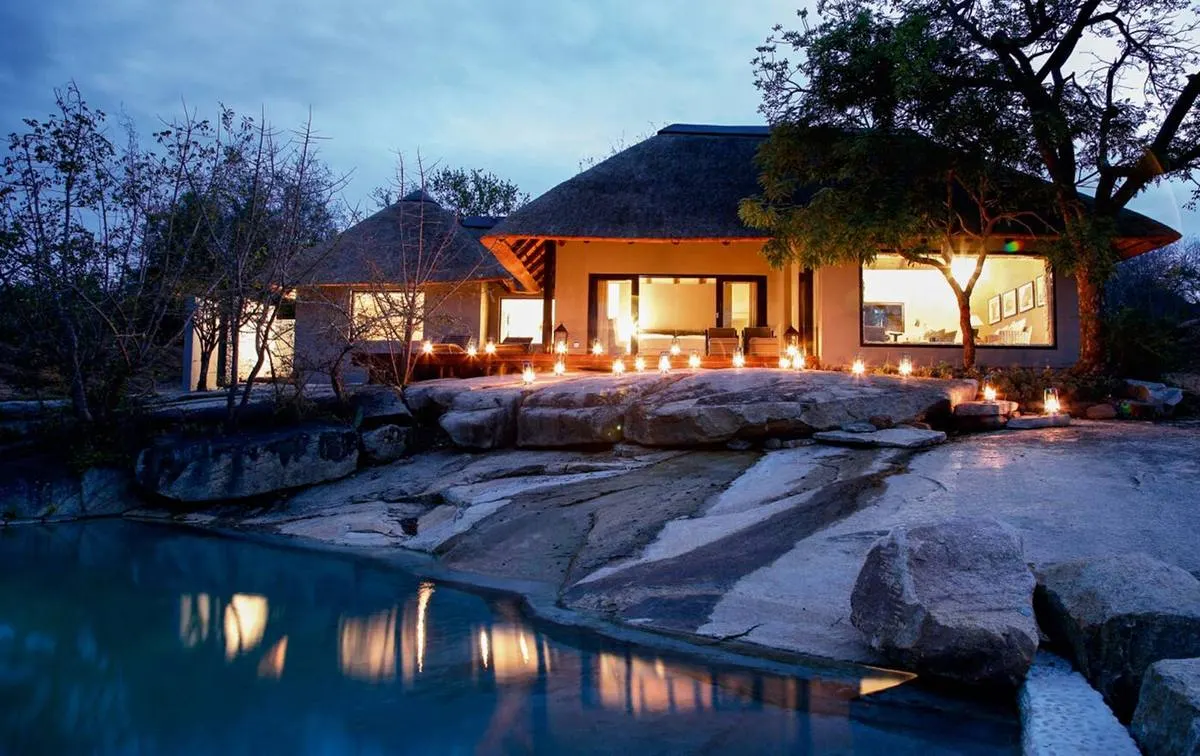
Best lodges: Singita Sabi Sand, Londolozi, Sabi Sabi, MalaMala, Lion Sands
Best time: May to September (dry season — animals concentrate at waterholes)
2. Greater Kruger National Park — Africa's Greatest Game Reserve
Kruger National Park is South Africa's flagship safari destination, covering nearly 2 million hectares — roughly the size of Wales. With an estimated 1,500 lions, 1,000 leopards, 12,000 elephants, and 27,000 buffalo, your chances of ticking off all five are excellent.
Big Five success rate: 80-90% over 3-4 days
Star species: Elephant and buffalo herds, lion prides along the Sabie River, leopards near Skukuza
Best lodges: Royal Malewane, Jock Safari Lodge
Best time: June to October (winter dry season)
3. Shamwari Game Reserve — Malaria-Free Big Five
Shamwari Game Reserve in the Eastern Cape is one of South Africa's premier malaria-free Big Five destinations. It's ideal for families with young children and travellers who prefer not to take antimalarial medication.
Big Five success rate: 85%+ over 2-3 nights
Unique advantage: Born Free Big Cat Rescue Centre on site, wildlife rehabilitation programmes
Best time: Year-round (temperate climate)
4. Phinda Private Game Reserve — Where Bush Meets Beach
Phinda in KwaZulu-Natal offers seven distinct habitats — from rare sand forest to open savannah — making it one of the most biodiverse reserves in Africa. It's easily combined with the iSimangaliso Wetland Park and Mozambique's beaches.
Big Five success rate: 80%+ over 2-3 nights
Star species: Cheetah (excellent sightings), black rhino, nyala antelope
Best time: April to September
5. Addo Elephant National Park — Affordable Big Five
Just 45 minutes from Port Elizabeth, Addo is home to over 600 elephants and all Big Five (including recently reintroduced lions and spotted hyena). It's the most affordable Big Five destination in South Africa and perfect for self-drive safaris.
Big Five success rate: 70%+ over 2 days
Best for: Budget travellers, families, self-drive road trips
Best time: Year-round
How Much Does a Big Five Safari Cost in South Africa?
| Experience Level | Cost Per Person Per Night | What's Included |
|---|---|---|
| Budget (Addo self-drive) | R500–R1,500 ($30–$85) | Self-drive, SANParks accommodation, own meals |
| Mid-range (Guided Kruger) | R3,000–R8,000 ($170–$450) | Guided game drives, lodge accommodation, meals |
| Luxury (Sabi Sands) | R15,000–R45,000 ($850–$2,500) | All-inclusive, private guides, gourmet dining, spa |
| Ultra-luxury (Singita/Royal Malewane) | R40,000–R90,000 ($2,200–$5,000) | Exclusive suites, private vehicles, sommelier, butler |
South Africa is one of the best countries in Africa to see all Big Five in a single trip, thanks to its excellent infrastructure, world-class private reserves, and high-density wildlife populations.
Photography Tips for the Big Five
- Lions: Best photographed in golden hour (sunrise/sunset). Approach slowly, engine off. Eye-level shots are most dramatic.
- Leopards: Often found in trees — shoot upward with a fast shutter speed (1/500+). Sabi Sands habituated leopards allow close approaches.
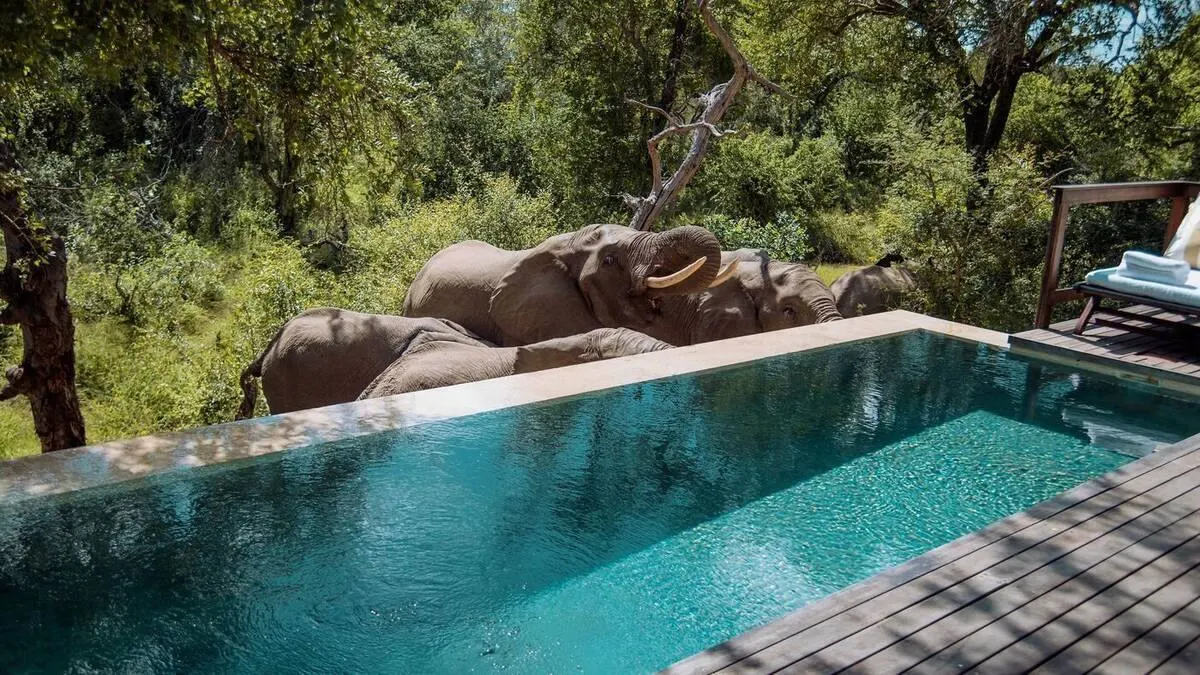
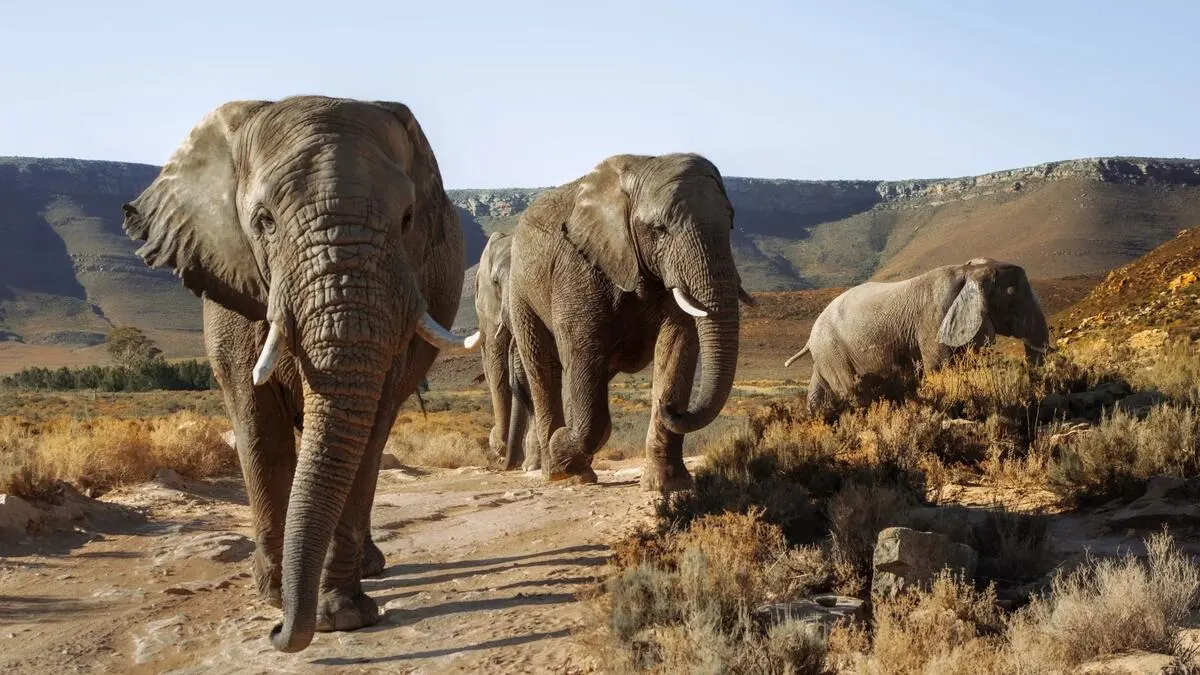
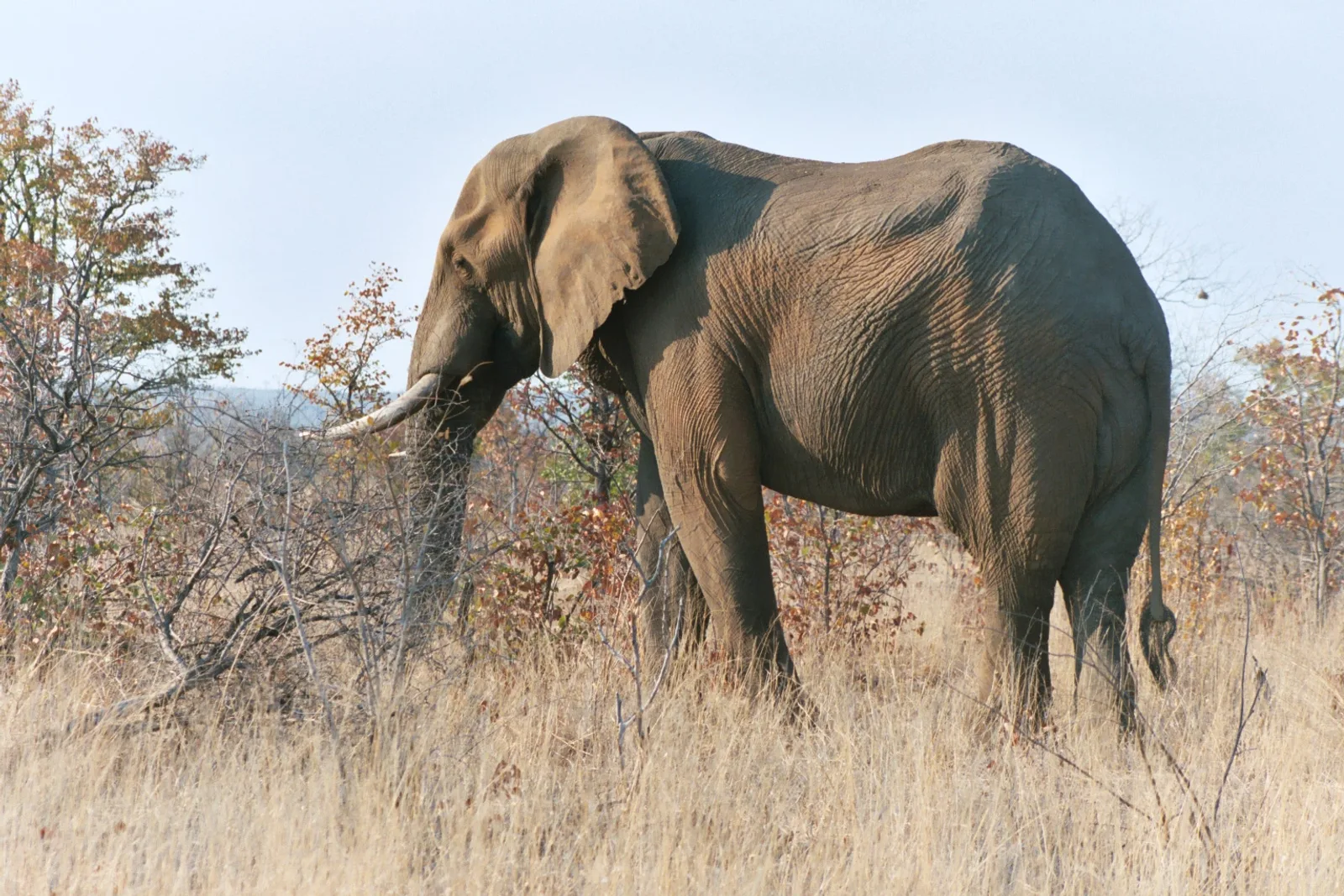
- Elephants: Low-angle shots emphasise their size. Backlit at sunset creates dramatic silhouettes. Watch for trunk-spray and mud-bath moments.
- Rhino: Use a long lens (400mm+) as rangers keep a safe distance. Black rhino are more elusive than white rhino.
- Buffalo: Herds crossing rivers or at waterholes make the best compositions. Oxpecker birds on their backs add character.
Ready to See the Big Five?
Our Kruger & Sabi Sands Fly-In Safari is designed specifically for Big Five enthusiasts — 5 days of luxury game drives in the world's best leopard country. Or explore our full range of African safari packages for multi-country Big Five adventures.
Contact our experts for a free, personalised Big Five safari itinerary.
Frequently Asked Questions
Where can I see the Big Five in Africa?
The best Big Five destinations include: Kruger National Park and Sabi Sands (South Africa), Masai Mara (Kenya), Serengeti and Ngorongoro Crater (Tanzania), Okavango Delta (Botswana), and Hwange (Zimbabwe). South Africa's Eastern Cape reserves (Shamwari, Amakhala) offer malaria-free Big Five viewing. See our wildlife guide for species-specific locations.
What are the Big Five animals?
The Big Five are: Lion (king of the African bush), Leopard (elusive and beautiful), African Elephant (the largest land animal), Cape Buffalo (unpredictable and powerful), and White/Black Rhinoceros (critically endangered). The term originated from hunters describing the five most dangerous animals to hunt on foot — today, they're the five most sought-after animals to photograph.
When is the Great Migration in the Serengeti?
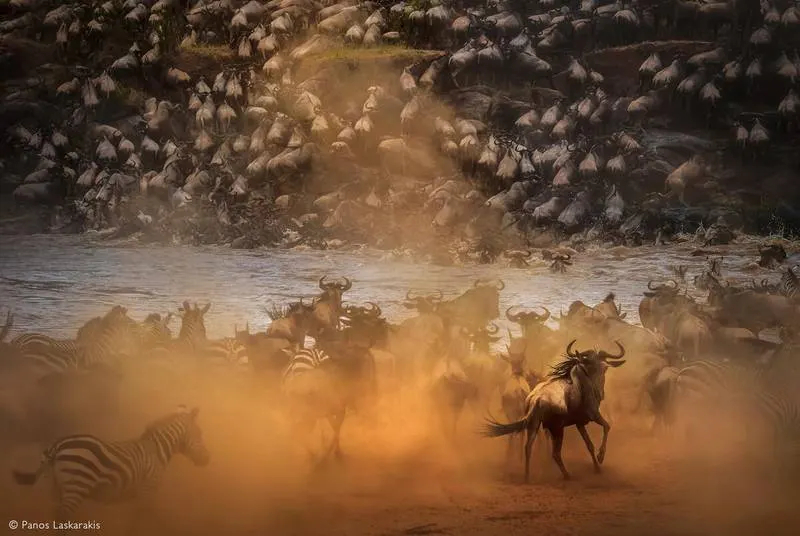
The Great Migration is a year-round movement of 1.5 million wildebeest, 400,000 zebra, and 200,000 gazelle. Key highlights: calving in Ndutu (January–March), crossing the Grumeti River (June–July), the dramatic Mara River crossings (July–October), and the return south (November–December). See our Tanzania guide for timing details.
Can I see gorillas on safari?
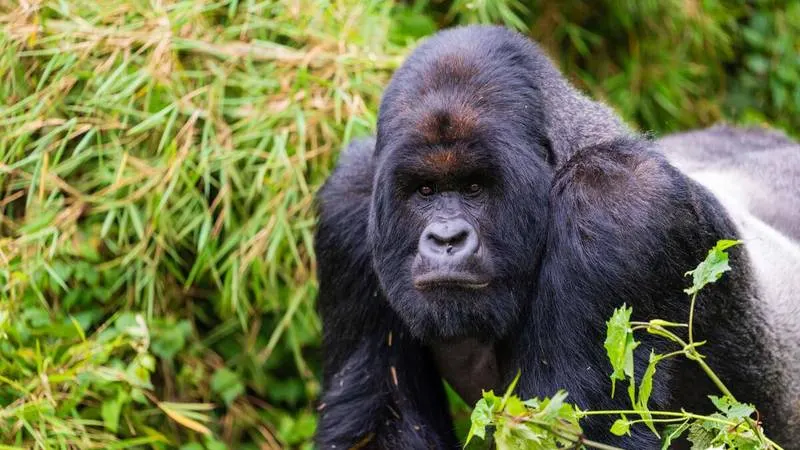
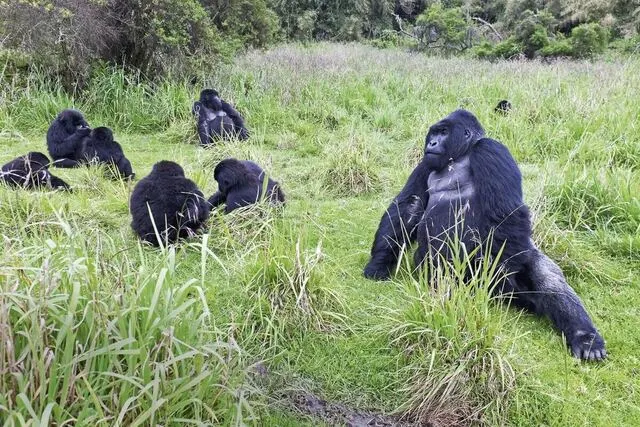
Yes! Mountain gorilla trekking is available in Rwanda (Volcanoes National Park) and Uganda (Bwindi Impenetrable Forest). Permits cost $1,500 in Rwanda and $700 in Uganda. You'll spend one hour with a habituated gorilla family — it's one of the most profound wildlife encounters on Earth. See our Rwanda guide for booking details.
What wildlife can I see on safari?
Africa is home to the Big Five, plus cheetah, wild dog, giraffe, zebra, hippo, crocodile, hyena, 1,000+ bird species, and many more. Marine wildlife includes great white sharks, whales (June–November), dolphins, penguins, and seals. Each destination has its speciality species — explore our wildlife guide for details.
Ready to start planning? Our safari experts have personally visited every destination mentioned in this guide. Get a free, no-obligation quote tailored to your travel style and budget. Use code INGWE10 for 10% off selected packages.
Tours & Safaris You'll Love
Handpicked by our team based on what you're reading. Book direct for the best price — guaranteed.
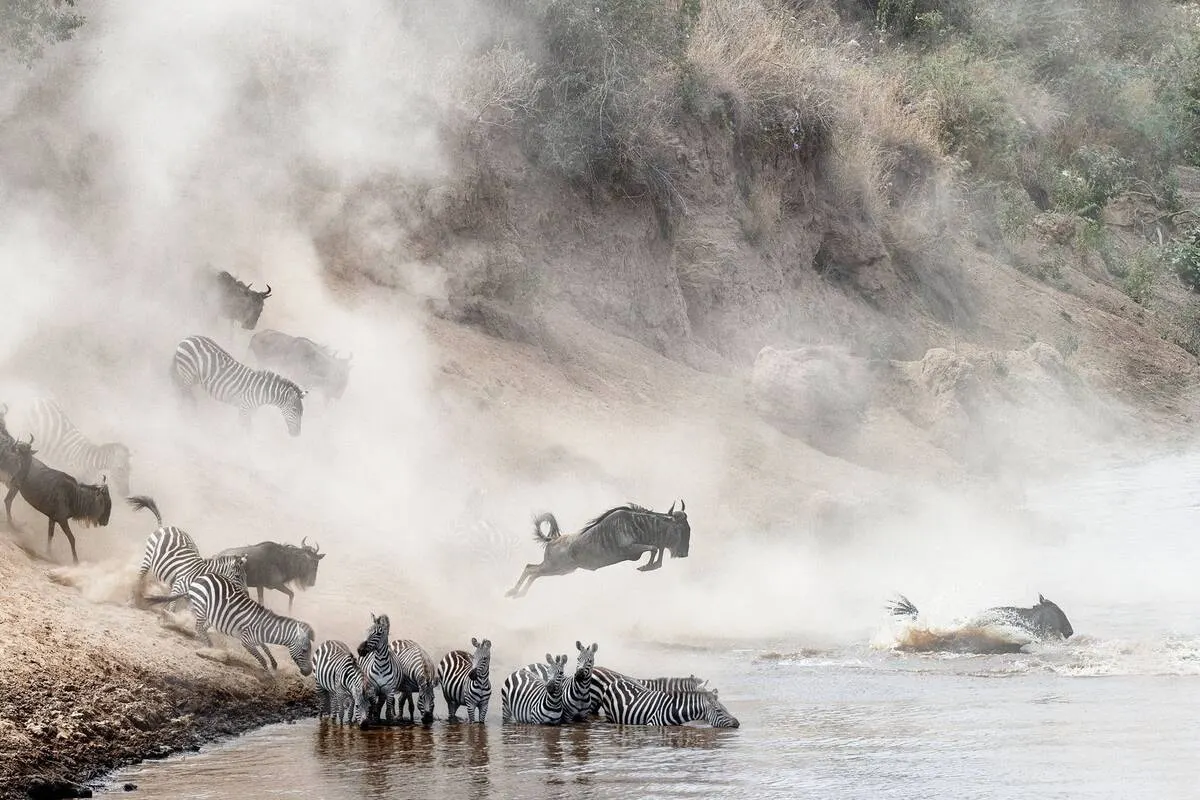
Serengeti Great Migration River Crossing — Mara River Safari
Witness the world's greatest wildlife spectacle — wildebeest crossing the Mara
per person • Best price direct
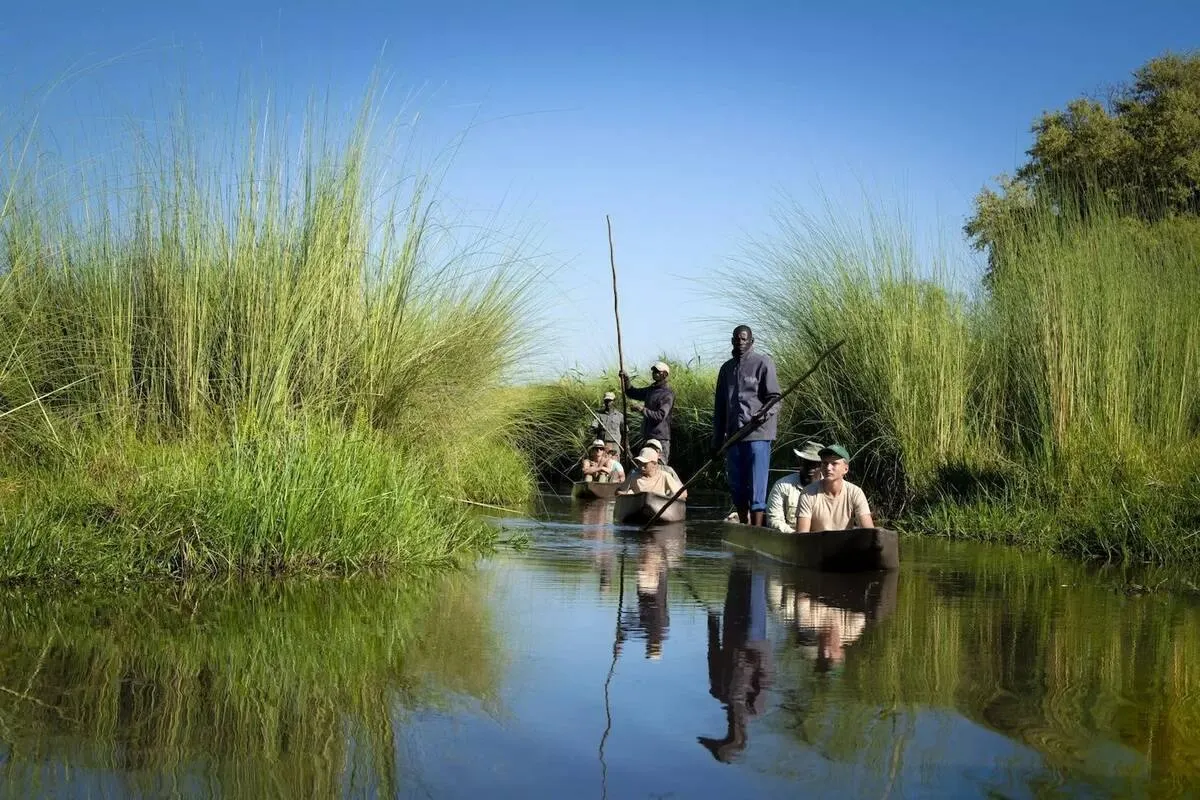
Okavango Luxury Fly-In Wilderness Camp — 5-Star Under Canvas
The world's most exclusive tented camp — deep in the delta
per person • Best price direct
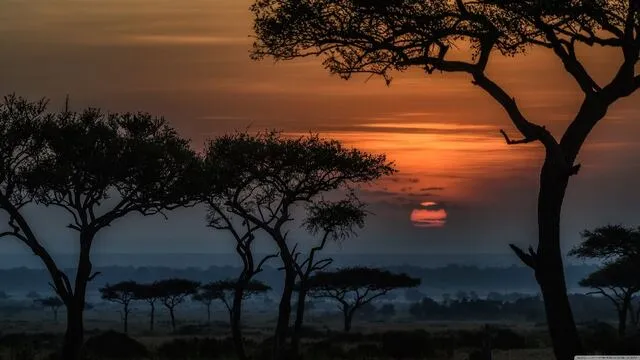
Masai Mara Great Migration Safari — River Crossing Season
Witness nature's greatest spectacle — millions of wildebeest crossing the Mara River
per person • Best price direct
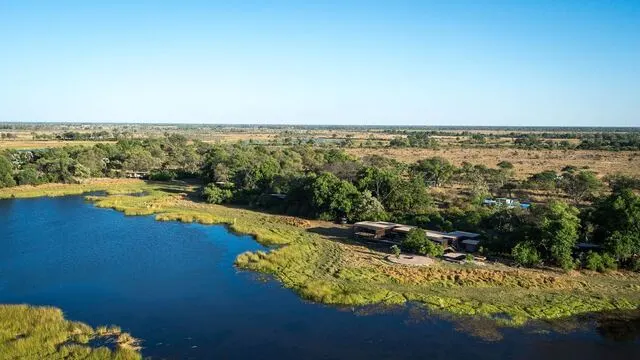
Okavango Delta Fly-In Safari — Luxury Bush Camp
The world's most exclusive safari destination from above and within
per person • Best price direct
Why book with middlemen? Same tours, lower prices, direct support from our team.
Get a Free Custom Quote